Artwork
Portrait of a Man Dressed in Black
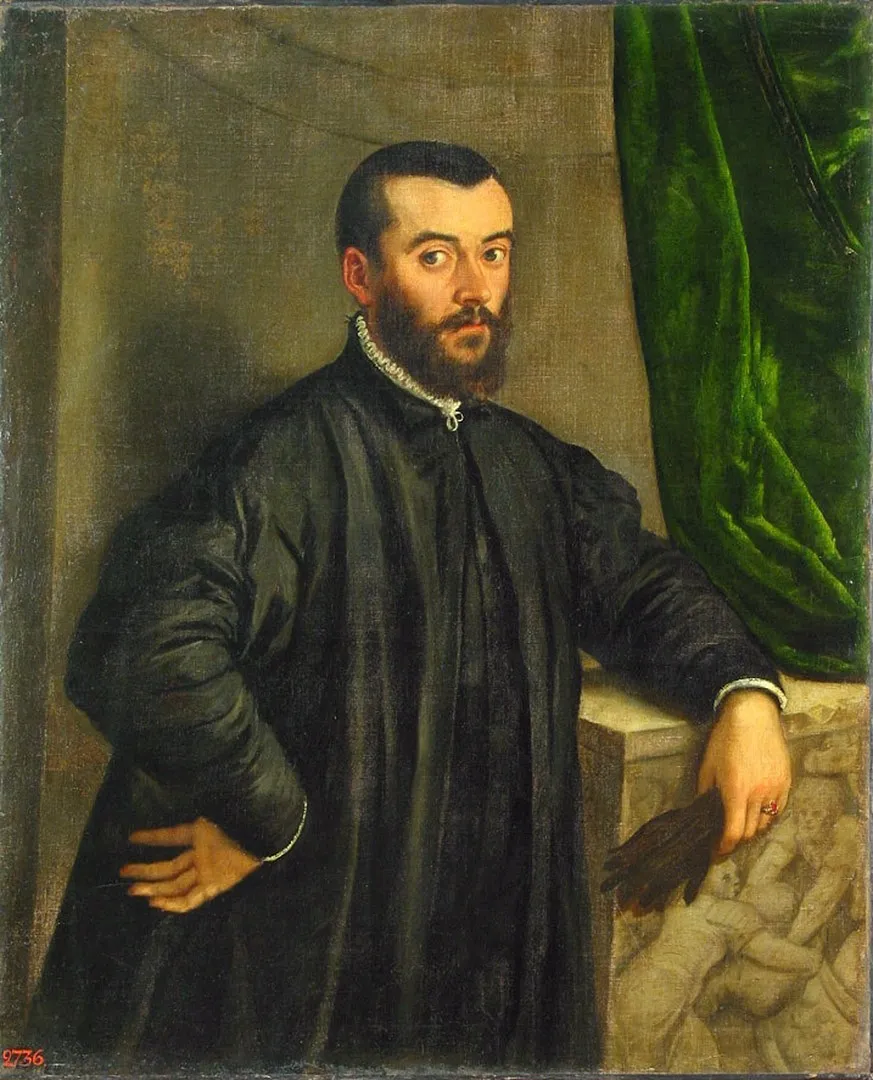
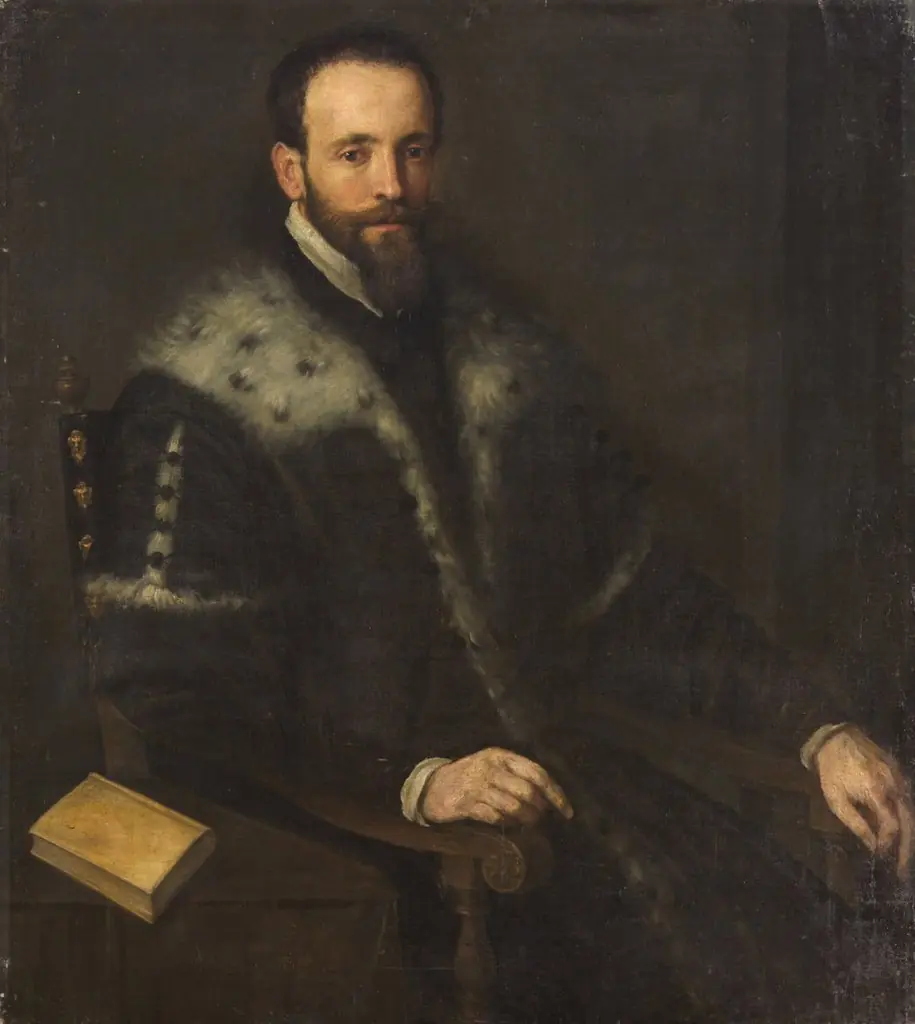
Portrait of a Man Dressed in Black is an oil painting by the Northern Renaissance artist Jan van Calcar. It dates from 1525 and is held in the collection of the Hermitage Museum.
About this work
Overview
Portrait of a Man Dressed in Black is an oil on canvas painting by Jan Steven van Calcar, a Netherlandish artist active in Italy, dated to approximately 1525.
Portrait of a Man Dressed in Black is an oil on canvas painting by Jan Steven van Calcar, a Netherlandish artist active in Italy, dated to approximately 1525. Measuring 104.5 by 85.5 centimetres, the work is held in the collection of the State Hermitage Museum in St. Petersburg under inventory number GE-1479. The painting is widely identified as a portrait of Andreas Vesalius, the Flemish physician and anatomist whose De humani corporis fabrica revolutionized the study of human anatomy. The portrait occupies a significant place in Renaissance art as a rare visual record of a major scientific figure, produced by an artist who collaborated directly with Vesalius on the illustrations for that seminal anatomical treatise.
Subject & Meaning
The subject depicted is Andreas Vesalius (1514-1564), the Flemish physician who served as professor at the universities of Padua, Bologna, and Pisa. He stands in a three-quarter pose, his right hand on his hip and his left hand resting on a carved stone ledge while gripping a pair of brown gloves. The gloves, a common accessory in elite portraiture of the period, signal status and refinement. A ring with a red stone adorns his left hand. The composition employs conventional devices of Renaissance portraiture to assert the sitter's dignity and social standing: the marble pedestal with its bas-relief ornamentation, the heavy green velvet curtain that creates a theatrical backdrop, and the direct outward gaze all serve to present Vesalius as a man of accomplishment and self-assurance. The black garments, with their small white ruffled collar trim and white cuffs, denote the sober dress of the professional class rather than the flamboyance of aristocratically coded portraiture. The overall effect is to position Vesalius not merely as a medical practitioner but as a figure of intellectual authority comparable to the great artists of his age.
Technique & Style
The painting is executed in oil on canvas, a medium that allowed van Calcar to achieve the subtle tonal gradations and textural richness characteristic of Venetian painting. The surface displays fine craquelure throughout, consistent with its age. Light enters from the left, illuminating the face, collar, and hands while casting soft shadows in the fabric folds, a chiaroscuro technique that gives volume to the figure and emphasizes facial expressiveness. The brushwork is smooth and controlled, with particular attention to the rendering of different textures: the velvet of the green curtain, the heavy drapery of the black coat, and the carved ornamental relief of the stone ledge. The palette is restrained, dominated by blacks, browns, and greens, with the pale stone ledge providing tonal contrast. The artist's training under Jan van Scorel and subsequent work in Titian's studio are evident in the confident handling of light and the formal conventions of the composition. The deep shadow cast on the wall behind the figure enhances the three-dimensionality of the portrait, while the subtle vertical emphasis of the background wall contributes to the work's architectural stability.
History & Provenance
The painting was created in Italy around 1525, a period when both artist and sitter were active in that country. It entered the collection of the State Hermitage Museum in St. Petersburg, where it remains today under inventory number GE-1479. The work is listed as being in the public domain. While the precise early provenance remains undocumented in the available sources, the Hermitage's acquisition represents its secure place in a major museum collection. The painting has been exhibited and published as part of the Hermitage's holdings of Renaissance portraiture. Its attribution to Jan Steven van Calcar and identification as a portrait of Andreas Vesalius have been consistently maintained by the museum.
Context
Jan Steven van Calcar, also known as Giovanni Calcar, was an itinerant Netherlandish painter born in Cleves around 1499 who died in Naples in 1546 or 1550. He trained under Jan van Scorel before working in Titian's studio in Venice from 1536 to 1537, absorbing the techniques of Venetian colourism and portraiture. His most celebrated contribution to art history, however, lies in his collaboration with Andreas Vesalius: van Calcar produced the influential woodcut illustrations for Vesalius's anatomical treatise De humani corporis fabrica, published in 1543. This professional relationship between artist and anatomist provides crucial context for understanding the Hermitage portrait. The painting exemplifies the intersection of art and science in the Renaissance, when visual representation became essential to the advancement of knowledge. The portrait's composition, with its formal pose and status-laden accessories, follows the conventions of Venetian-influenced portraiture while serving the specific purpose of commemorating a scientific figure of extraordinary achievement. Critical reception has emphasized this dual significance, noting that the work was painted at approximately the same time as Vesalius's anatomical atlas, when the physician was about twenty-eight years old.
Legacy
The Portrait of a Man Dressed in Black endures as one of the most important visual records of Andreas Vesalius, whose contributions to anatomy remain foundational to modern medicine. The painting's value extends beyond its art-historical interest to serve as a document of the humanistic culture of the Renaissance, when artists and scientists collaborated in the pursuit of knowledge. Van Calcar's own reputation rests partly on this portrait and partly on his anatomical illustrations, which influenced the visual culture of medicine for centuries. The Hermitage's continued stewardship of the work ensures its accessibility to scholars and the public. In the broader market for Renaissance portraiture, works attributed to van Calcar have appeared at auction, including a panel portrait sold at Sotheby's in 2009 for £65,000, though that work's attribution remains qualified. The Hermitage canvas, by contrast, enjoys secure attribution and institutional recognition, reinforcing its status as a canonical image of one of the most significant figures in the history of science.
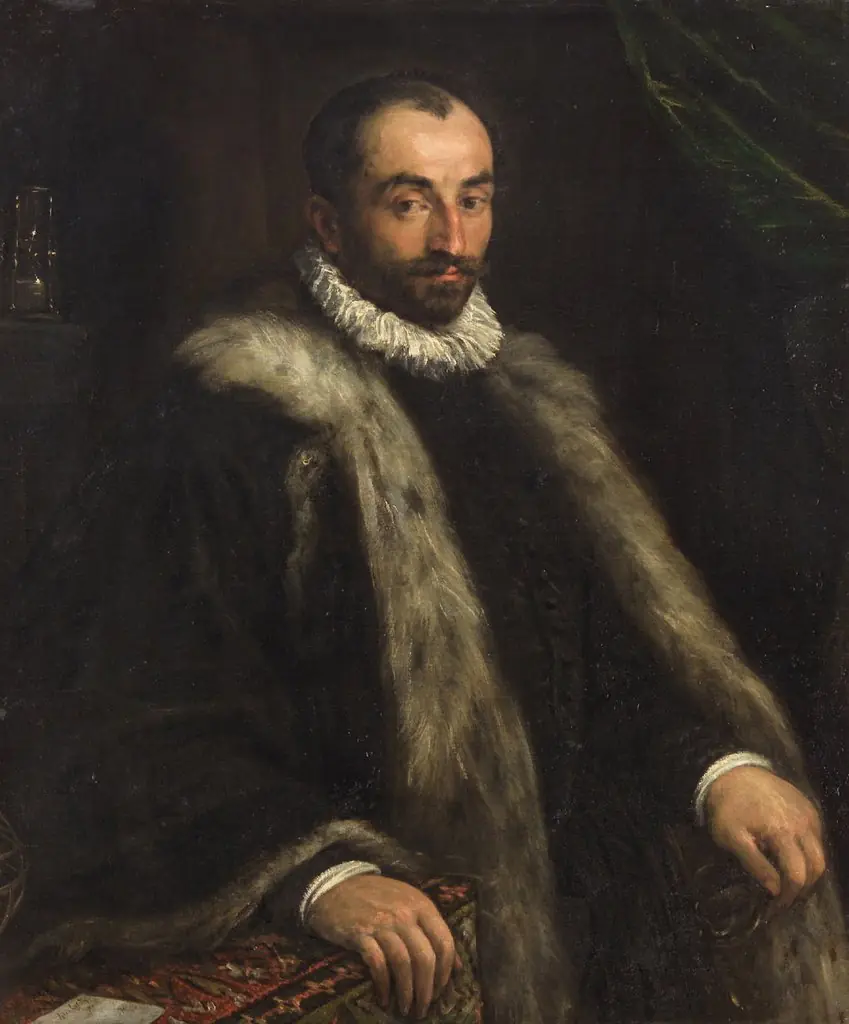
Artist & collection
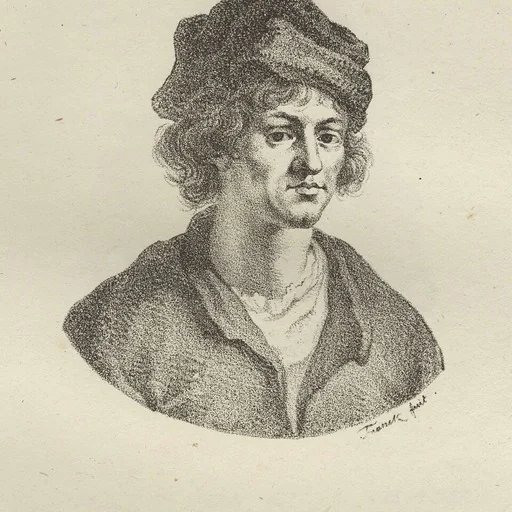
Artist
Jan Steven van Calcar (Italian: Giovanni da Calcar, Latin: Ioannes Stephanus Calcarensis) (c. 1499–1546) was a Holy Roman Empire-born painter in the Kingdom of Naples.

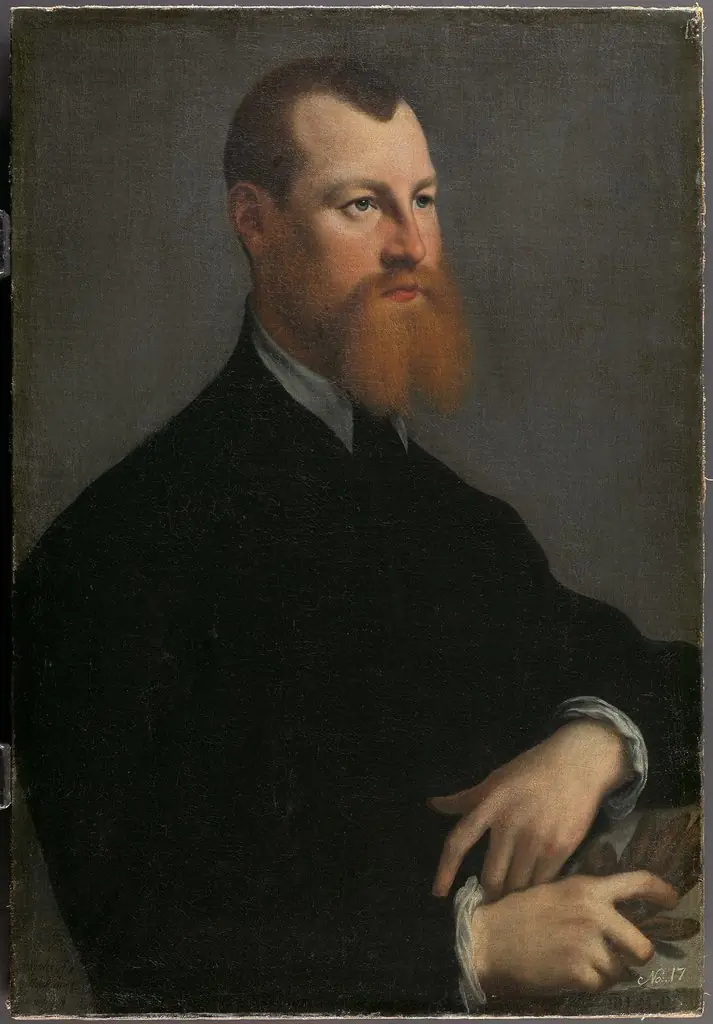
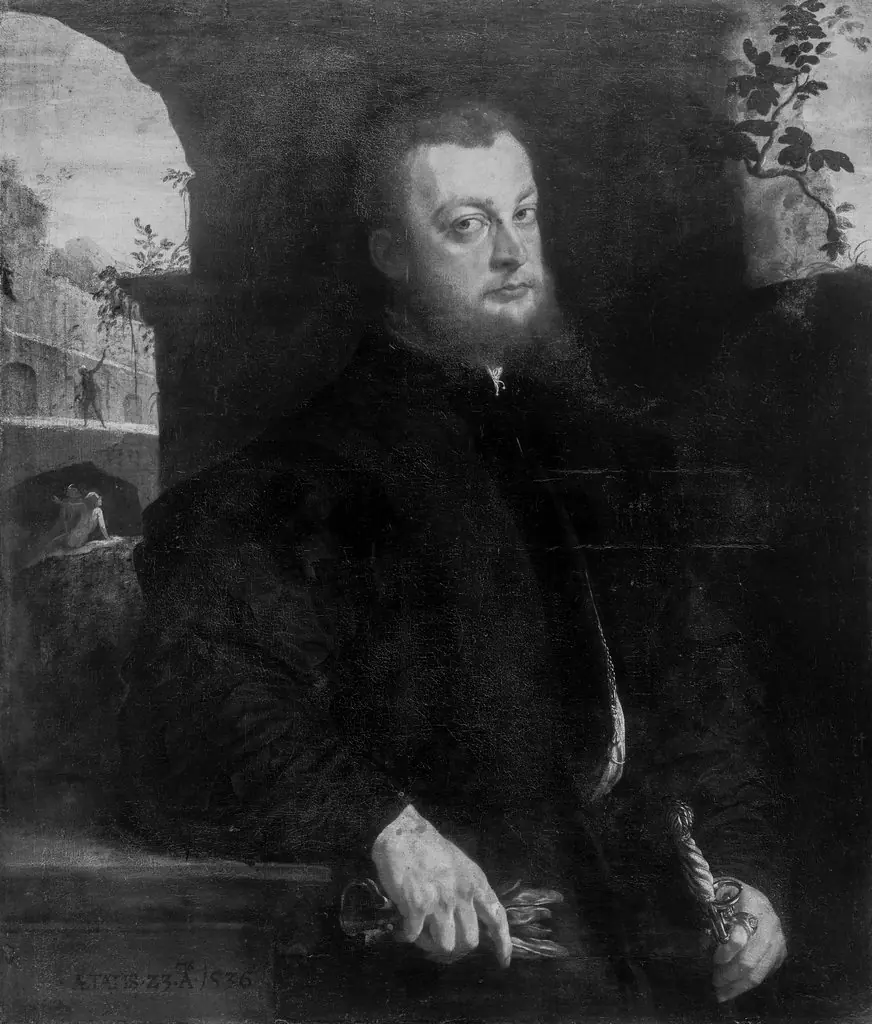
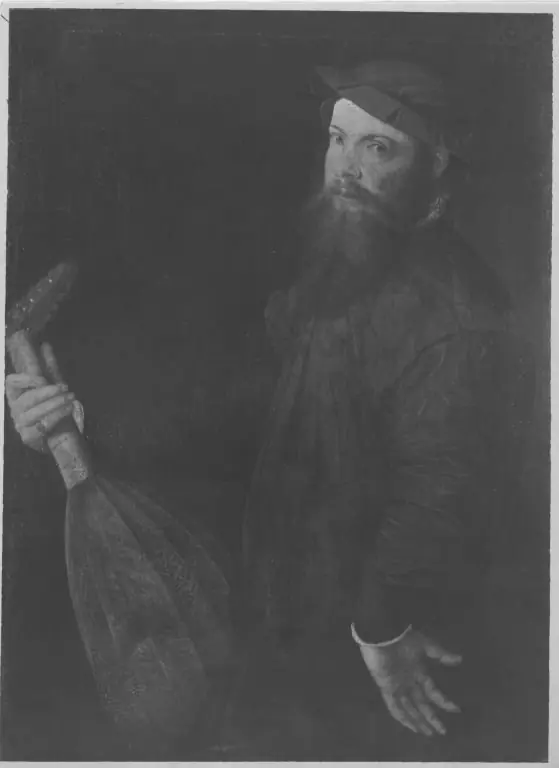
- Portrait of man with sun clock and astrolabium
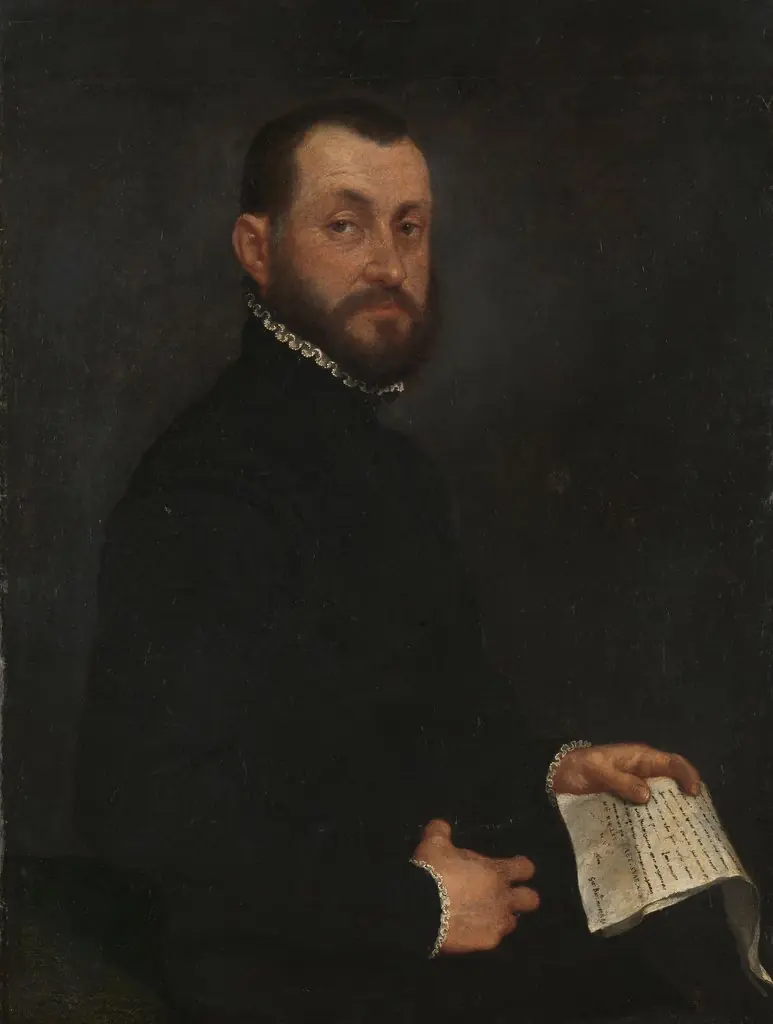 Portrait of a Man
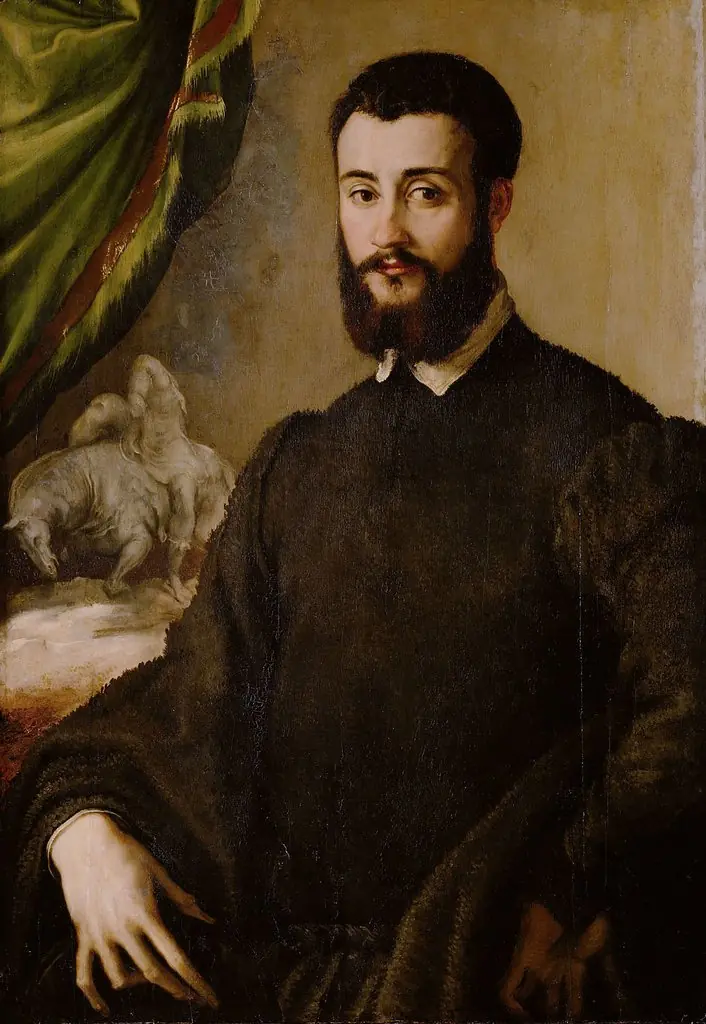 Bildnis eines Mannes aus der Familie Santacroce
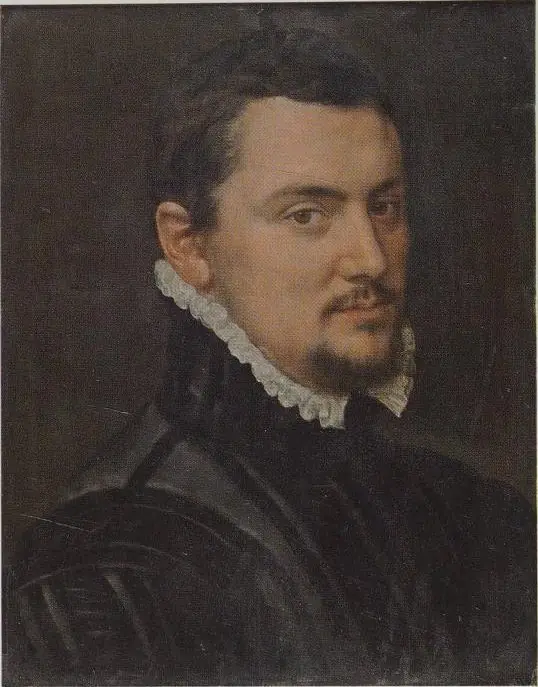 Portrait of an unknown man
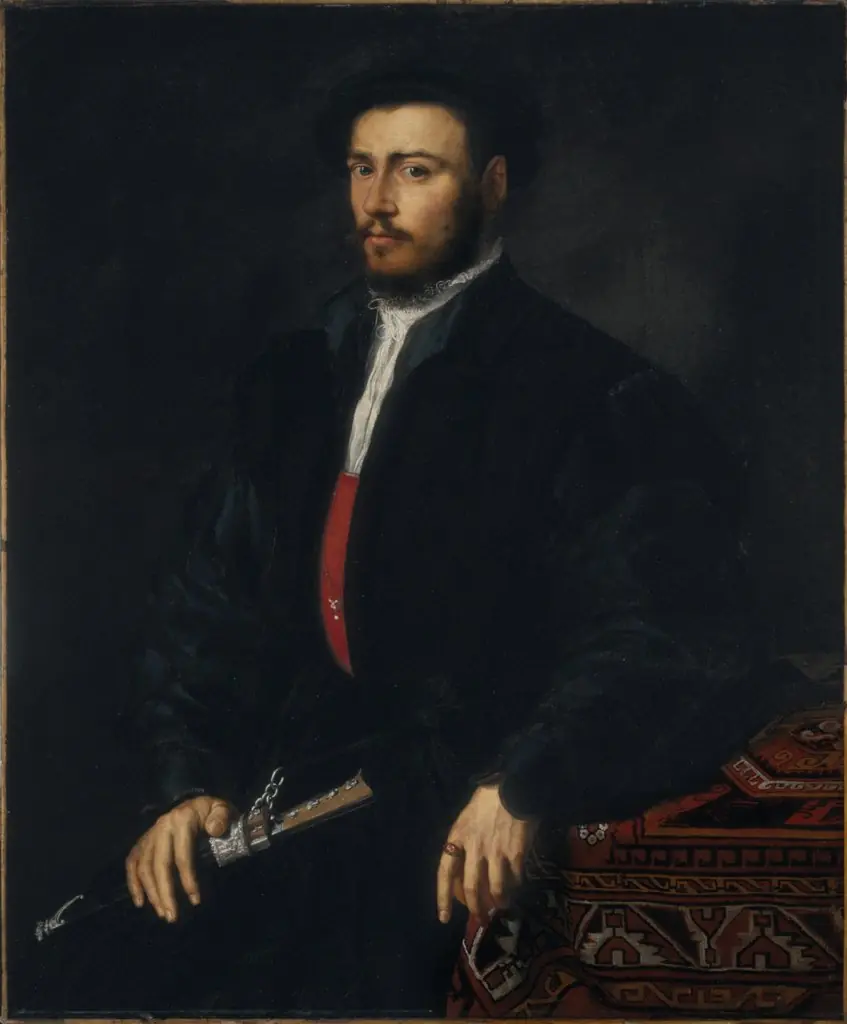 Portrait of a Young Nobleman
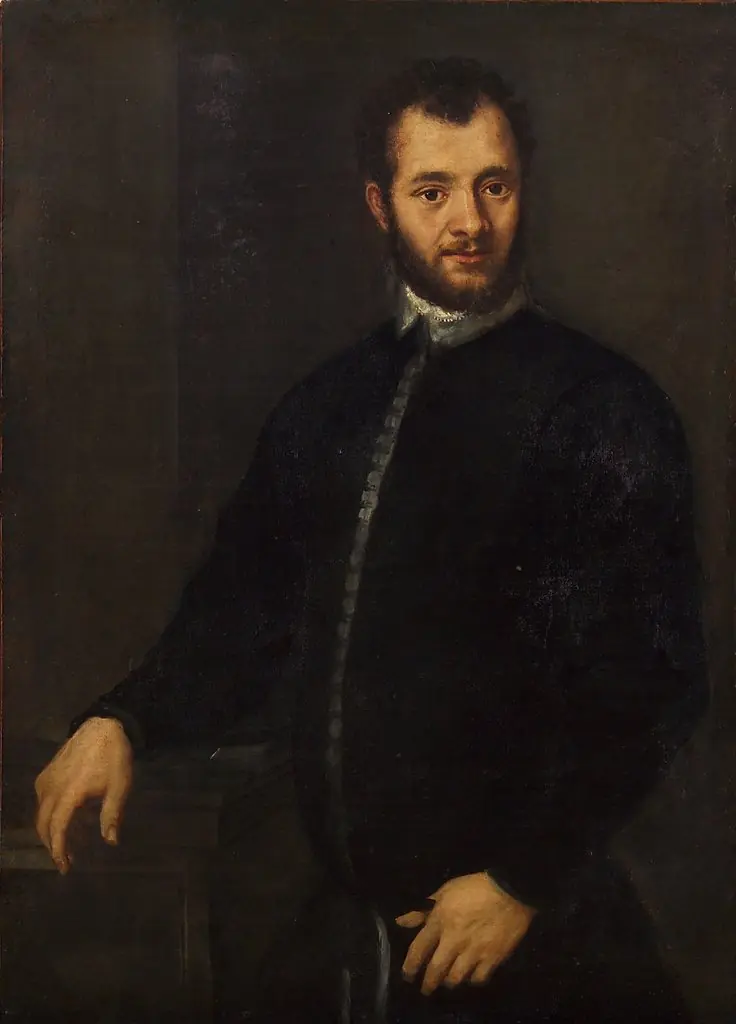 Bildnis eines jungen Mannes in Schwarz
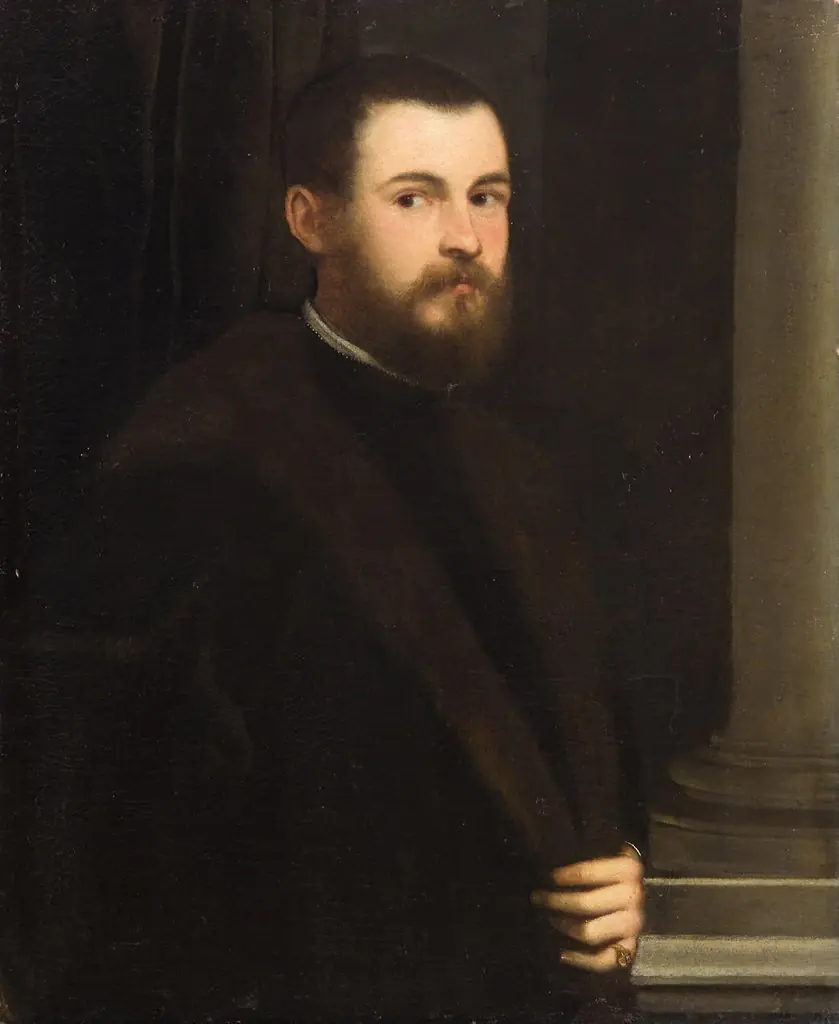 Portrait of a young bearded man
 Männliches Bildnis
 Portrait of a Man
 Bildnis eines Mannes im Lehnstuhl
 Man with Ermine Coat
 Bildnis eines Mannes im Lehnstuhl