Artwork
Portrait of a Man
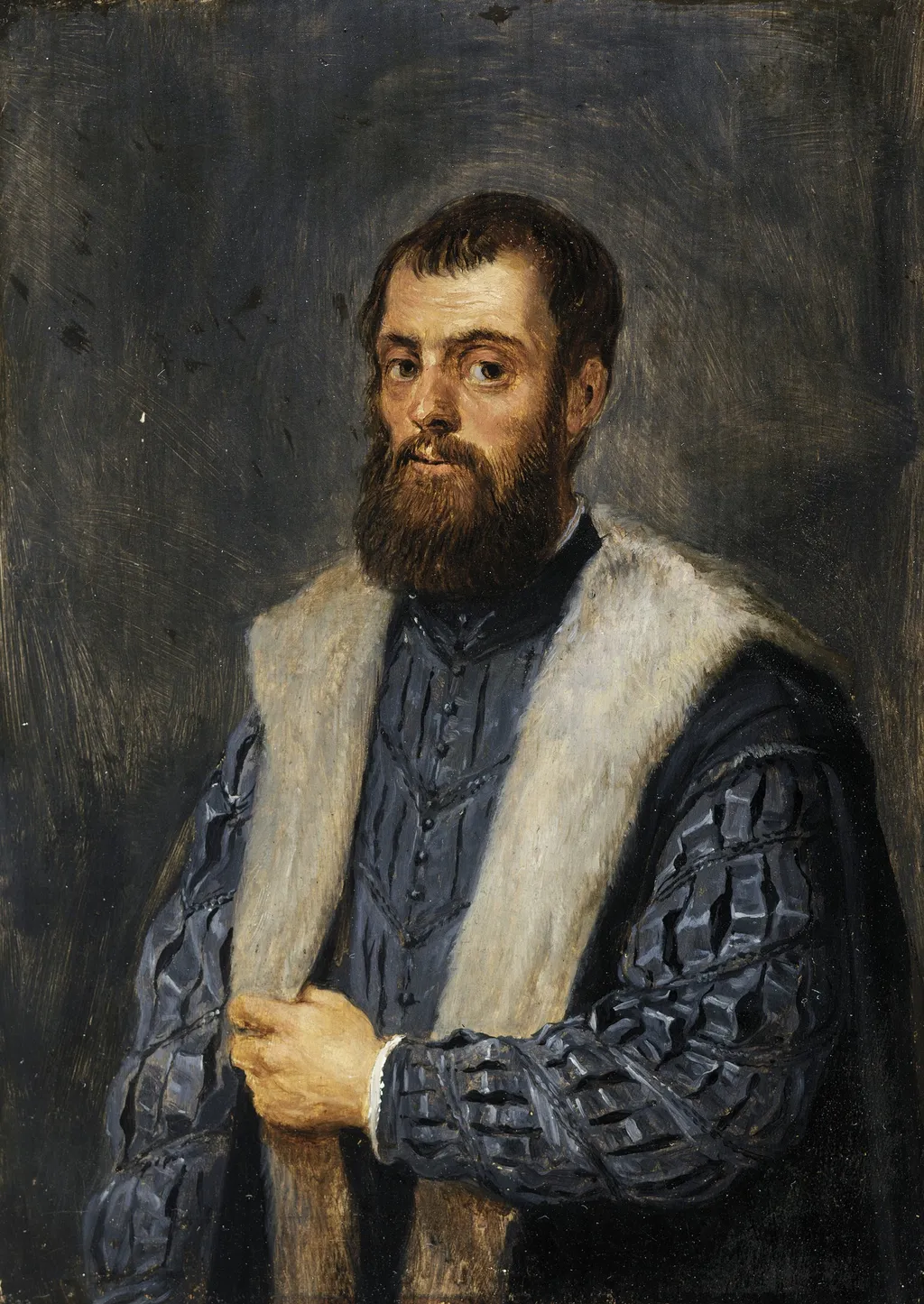
Portrait of a Man is an unspecified painting by the Flemish Baroque painting artist David Teniers the Younger. It dates from 1653 and is held in the collection of the National Gallery of Ireland.
About this work
Overview
Portrait of a Man is a small-scale oil painting by the Flemish Baroque artist David Teniers the Younger, dated 1653.
Portrait of a Man is a small-scale oil painting by the Flemish Baroque artist David Teniers the Younger, dated 1653. Measuring 17.1 by 12.2 centimetres, it is executed in oil on panel and depicts a bearded gentleman in three-quarter length. The work is held in the collection of the National Gallery of Ireland in Dublin, where it is catalogued as NGI.289. Though Teniers is primarily celebrated as the leading genre painter of his generation, this portrait exemplifies his occasional forays into formal portraiture during his mature Brussels period, when he served as court painter to Archduke Leopold Wilhelm of Austria.
Subject & Meaning
The painting portrays an unidentified bearded man shown from the waist up, positioned slightly off-centre against a dark, muted background. He faces forward with his head turned slightly to his right, his gaze directed in the same direction. His right hand grips a wooden staff or pole, a prop that may denote status or authority. The sitter wears a dark blue or grey doublet with a high collar and small buttons down the front; the sleeves are slashed, revealing lighter fabric beneath. Over this he wears a white or pale grey fur-lined collar or stole that drapes across his chest and over his shoulders. The restrained palette and sober costume suggest a gentleman of some standing, though no specific identity has been established. The directness of the pose and the absence of overt allegorical elements indicate a straightforward portrait intended to convey the sitter's dignity and social position rather than any symbolic narrative.
History & Provenance
The painting was created in 1653, during Teniers's mature period in Brussels following his move there around 1651 to serve as court painter and curator to Archduke Leopold Wilhelm. The work later passed through the collections of John Spencer-Churchill, 7th Duke of Marlborough, and subsequently George Spencer-Churchill, 8th Duke of Marlborough. It was acquired by the National Gallery of Ireland, where it is now held under accession number NGI.289. The painting's small dimensions and the genre classification as also a miniature suggest it may have been intended as a personal, portable likeness, consistent with Teniers's occasional production of small-format portraits during this period.
Context
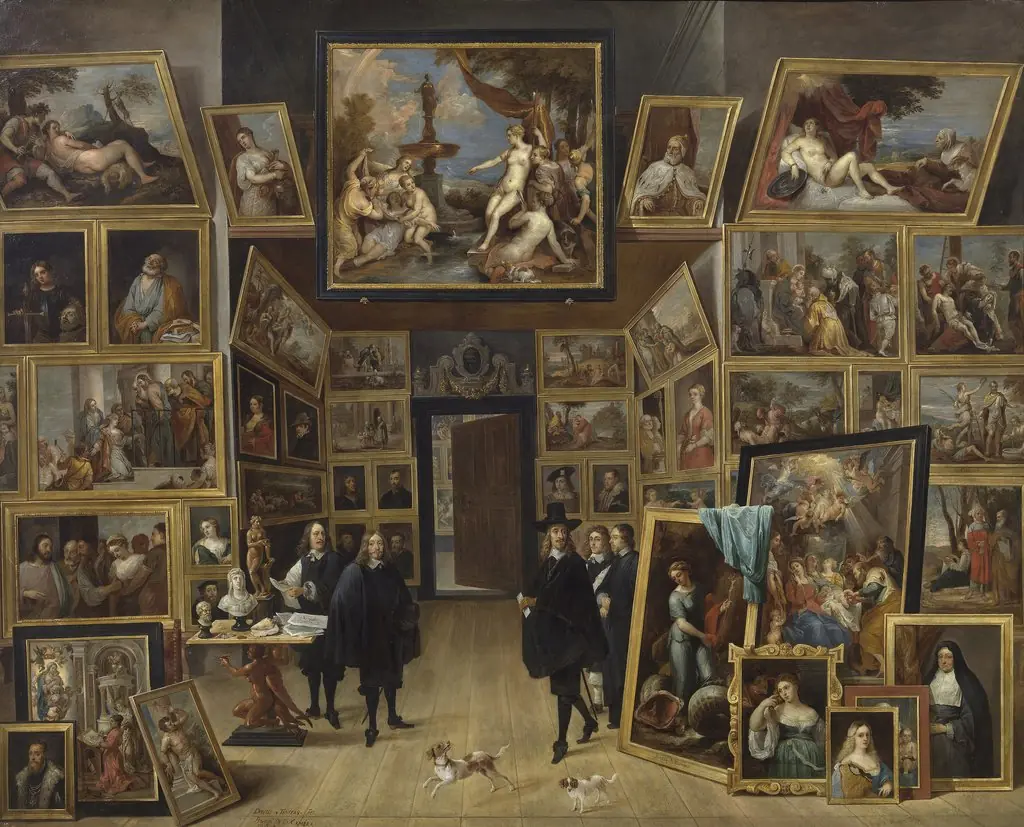
David Teniers the Younger, baptised in Antwerp on 15 December 1610 and died in Brussels on 25 April 1690, was the most celebrated Flemish painter of peasant life in the seventeenth century. Son of David Teniers the Elder, he trained under his father and was influenced by the work of Adriaen Brouwer, though he developed a more refined approach to genre scenes. In 1637 he married Anna Brueghel, daughter of Jan Brueghel the Elder, cementing connections to the foremost artistic dynasty in Flanders. After moving to Brussels in 1651, Teniers combined his duties as court painter with the compilation of the Theatrum Pictorium (1660), the first illustrated printed catalogue of a major paintings collection, documenting 243 works from the Archduke's collection. While portraits constitute a minor portion of his output, they represent an important facet of his practice during the Brussels years. The National Gallery of Ireland's painting belongs to this period, when Teniers was at the height of his professional success, having already received commissions from the King of Spain, Prince William of Orange, and the Archduke himself.
Legacy
Teniers's international popularity in his own lifetime and throughout the eighteenth century, particularly in France, ensured his enduring influence on subsequent generations of painters. He helped establish the Antwerp Academy of Fine Arts and the Brussels Academy, institutions that shaped the training of artists in the Southern Netherlands. His son David Teniers III (1638-1685) frequently imitated his father's work, perpetuating the family artistic tradition. While Teniers's reputation rests predominantly on his genre scenes and gallery interiors, his rare portraits, including this small panel in Dublin, demonstrate his ability to adapt his observational skills to individual likeness. The work's place in the collection of the National Gallery of Ireland ensures its continued accessibility for the study of Flemish Baroque portraiture and Teniers's multifaceted practice. The painting's passage through the Marlborough collections also attests to its recognition among distinguished British collectors in the nineteenth century.
Own this work as a print
Artist & collection
Artist
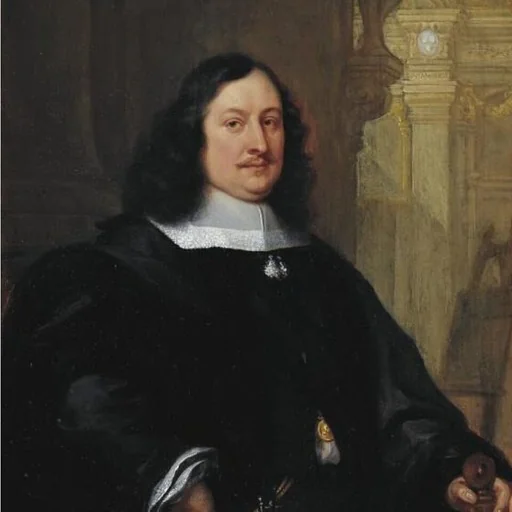
David Teniers the Younger or David Teniers II was a Flemish Baroque painter, printmaker, and artist.

- Man with Ermine Coat
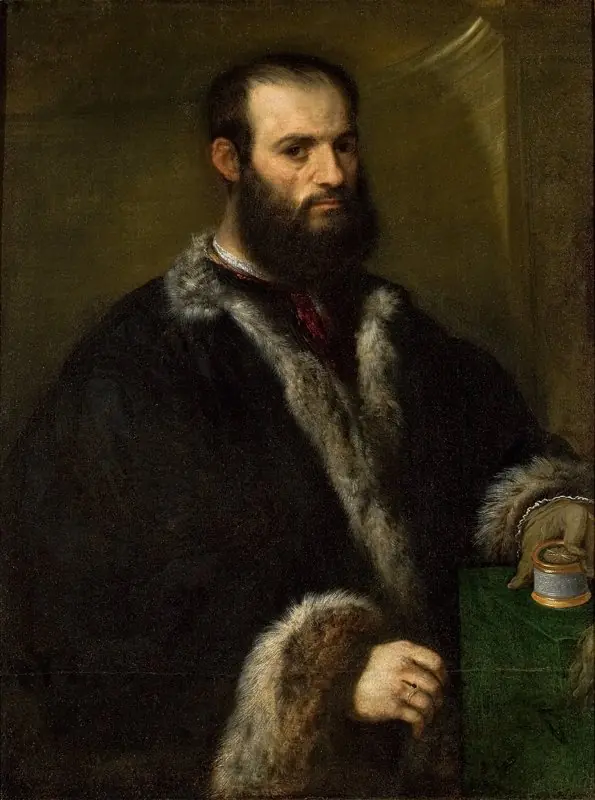 Portrait of Alvise Contarini (?)
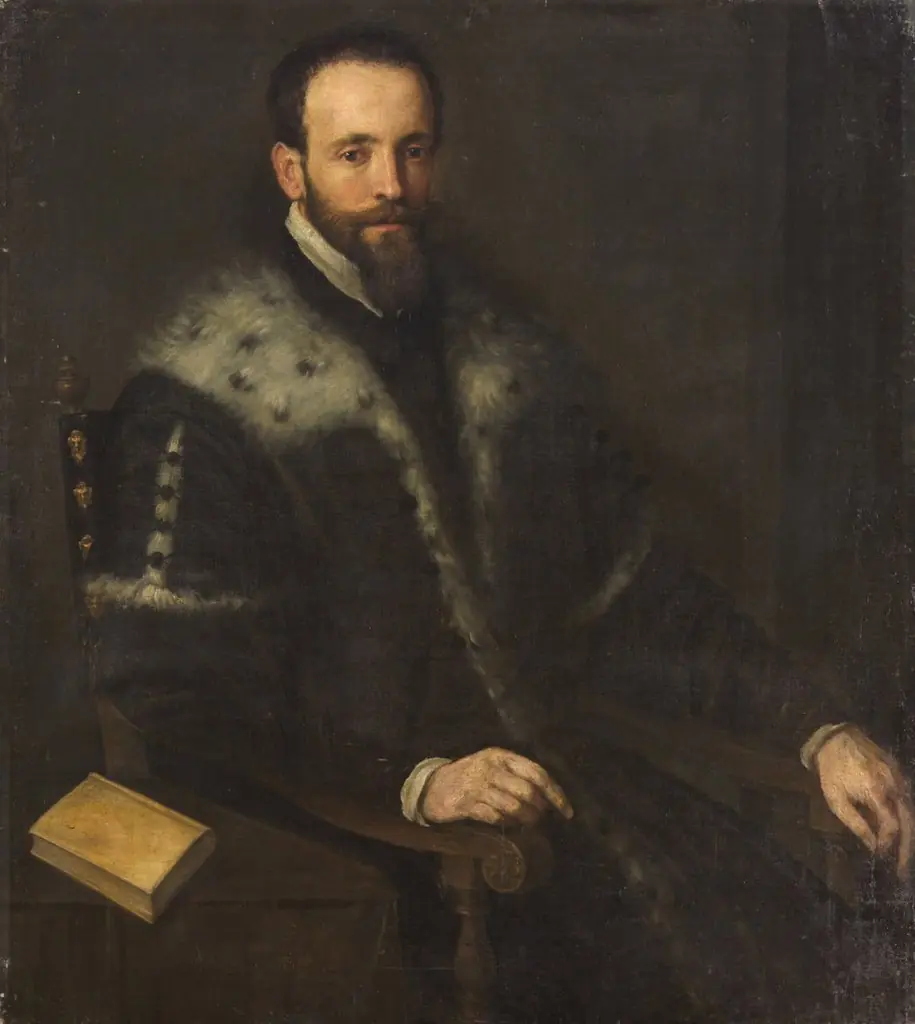 Bildnis eines Mannes im Lehnstuhl
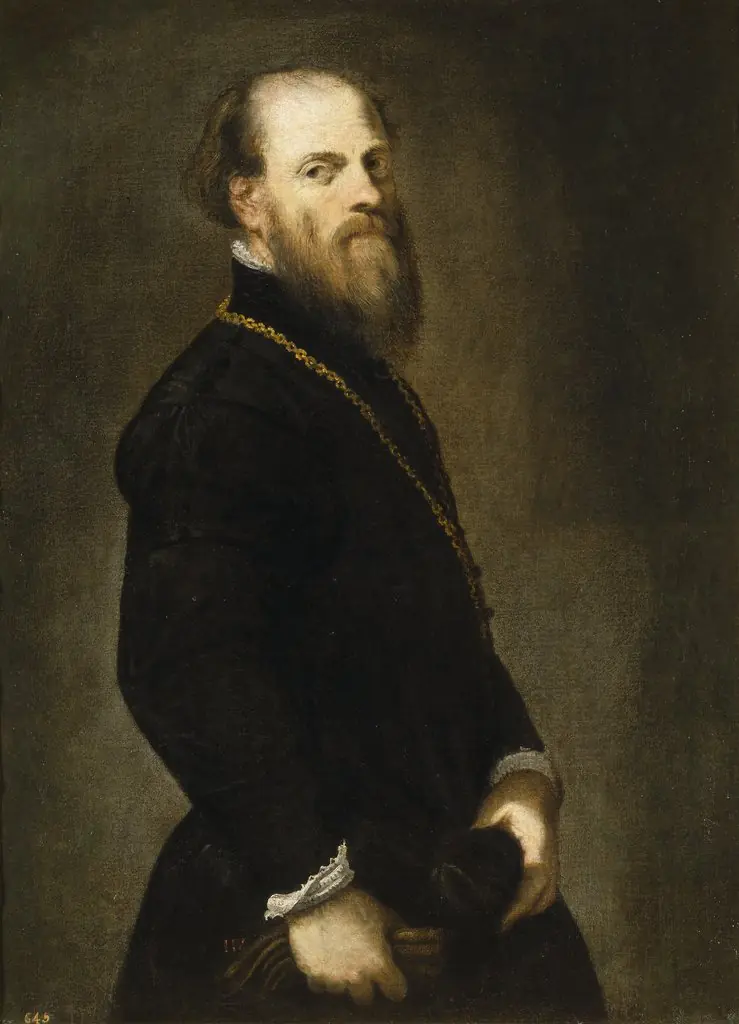 Man with a Golden Lace
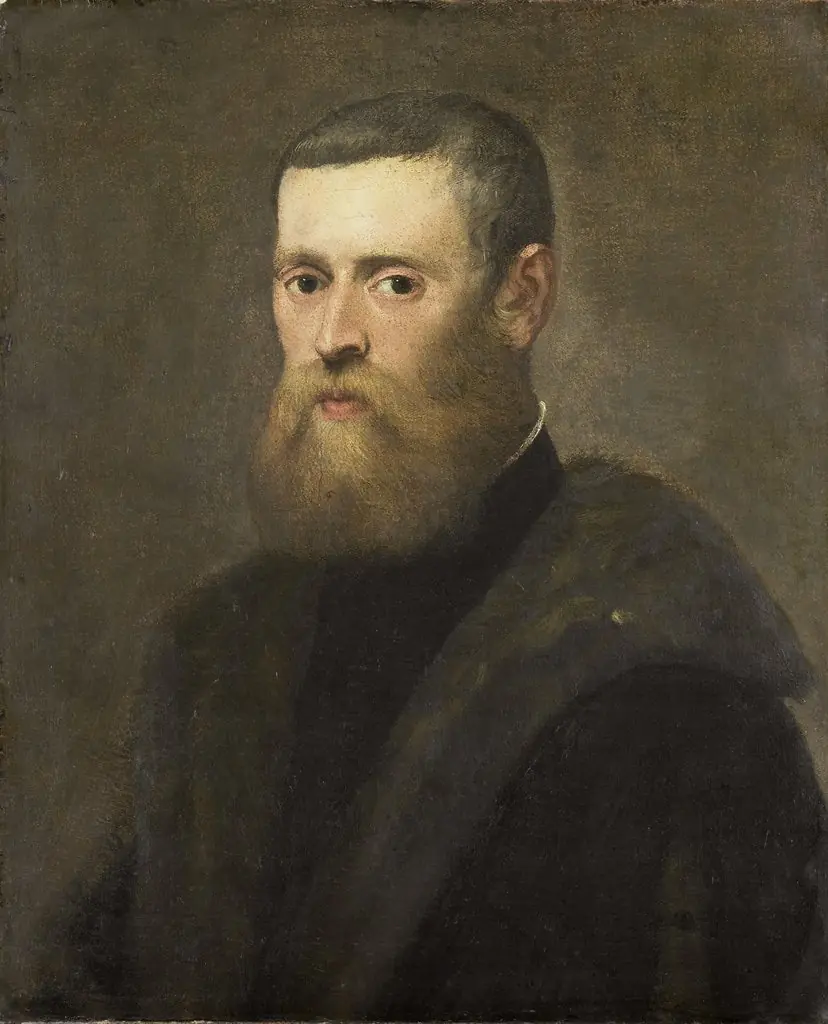 Portrait of a Man
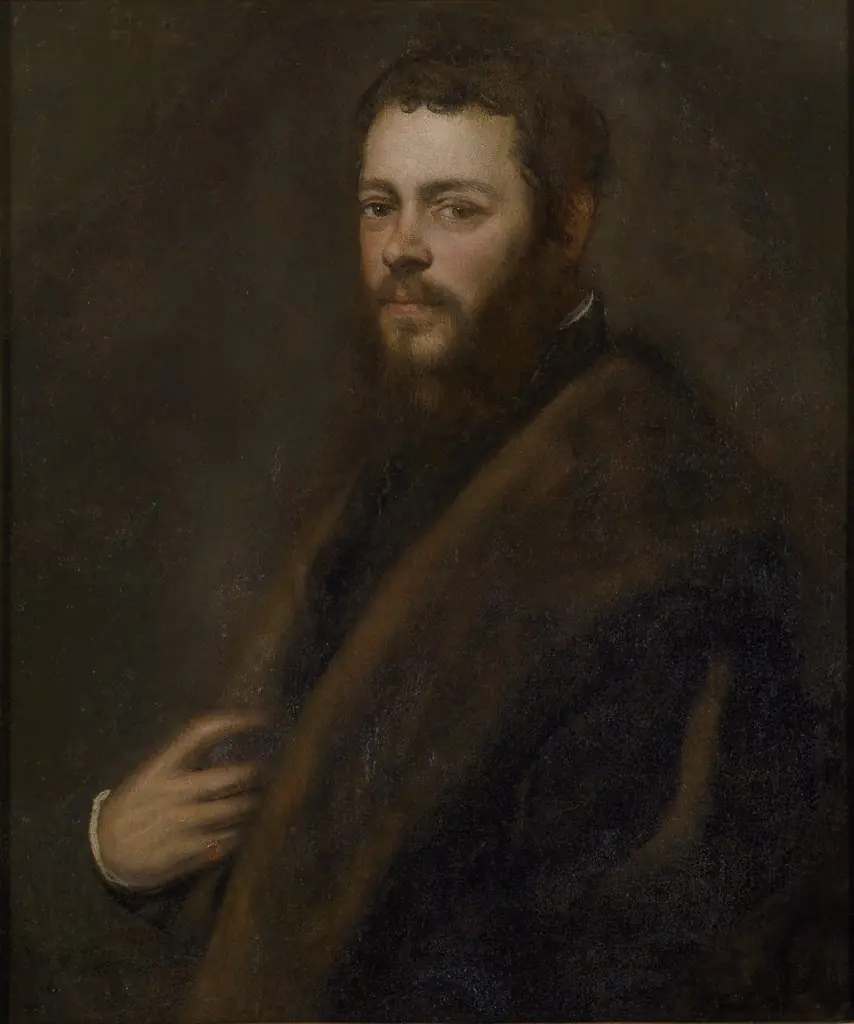 A Venetian Patrician
 Bildnis eines unbekannten Mannes
 Lorenzo Soranzo
 Portrait of Marcantonio Barbaro (1518-1595) as ambassador to Constantinople
 Portrait of a bearded man in profile
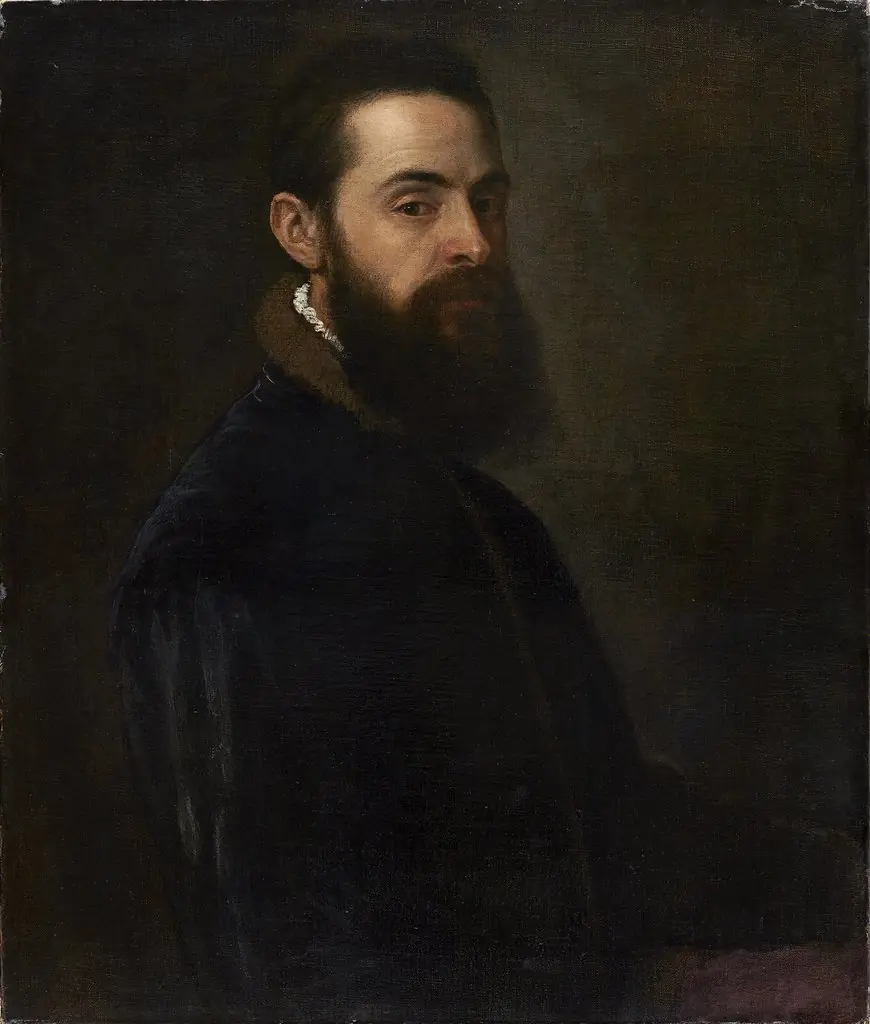 Portrait of Antonio Anselmi
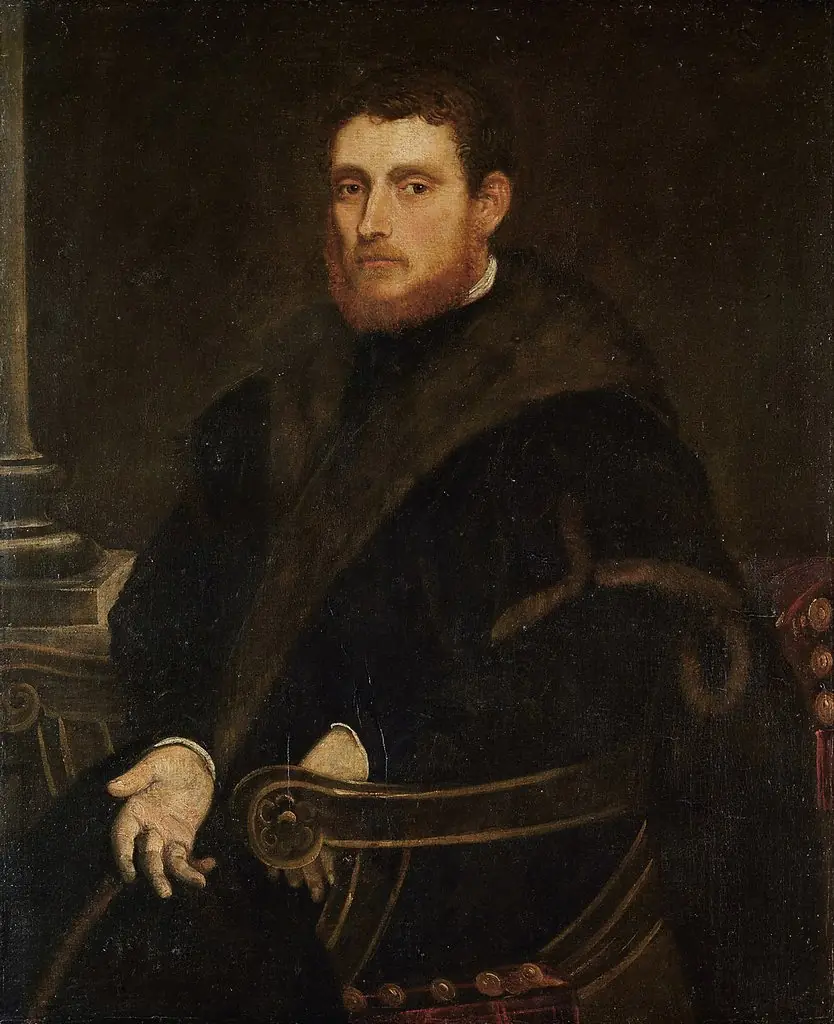 Bildnis eines jungen rotbärtigen Mannes im Lehnstuhl