Artwork
Man with Ermine Coat
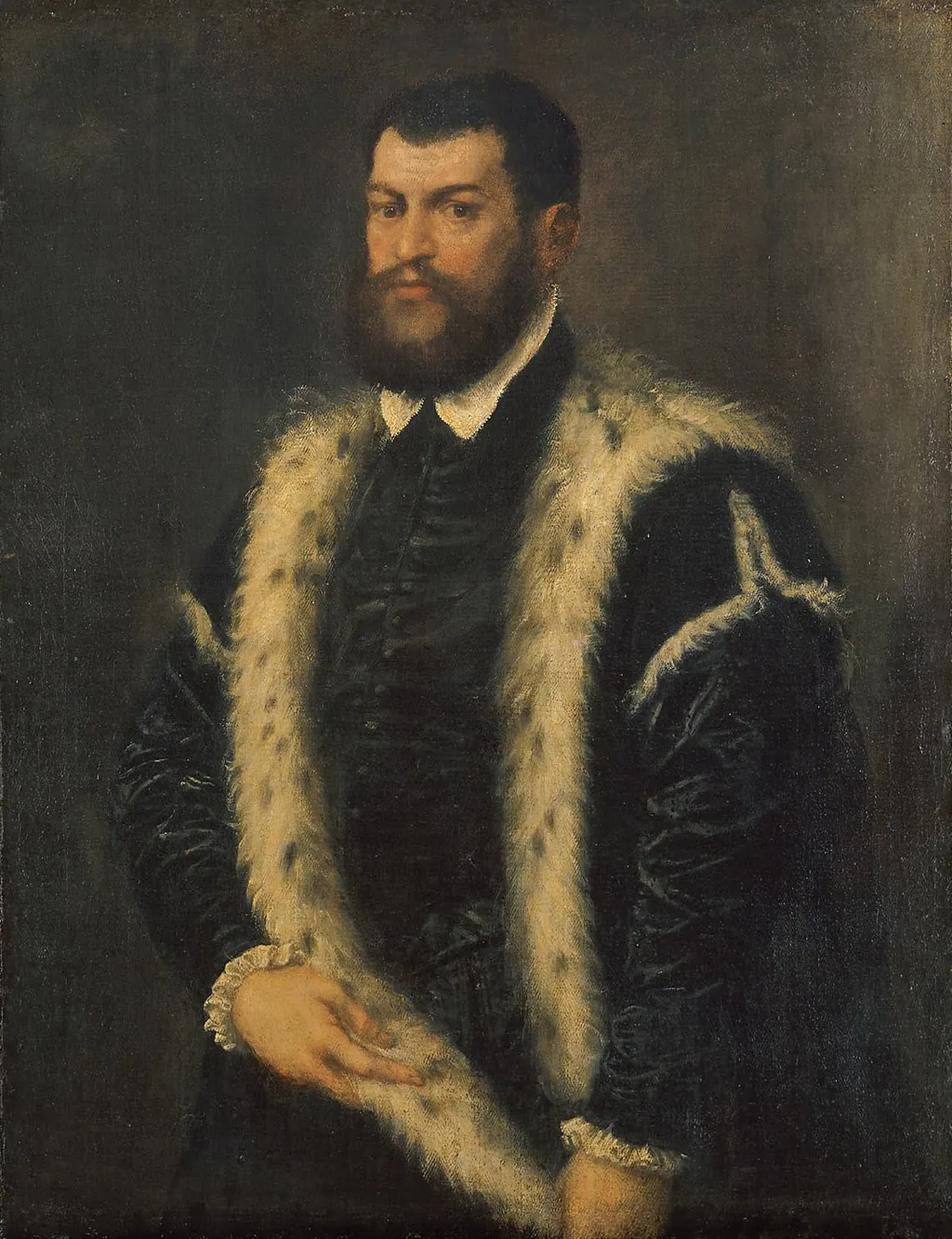
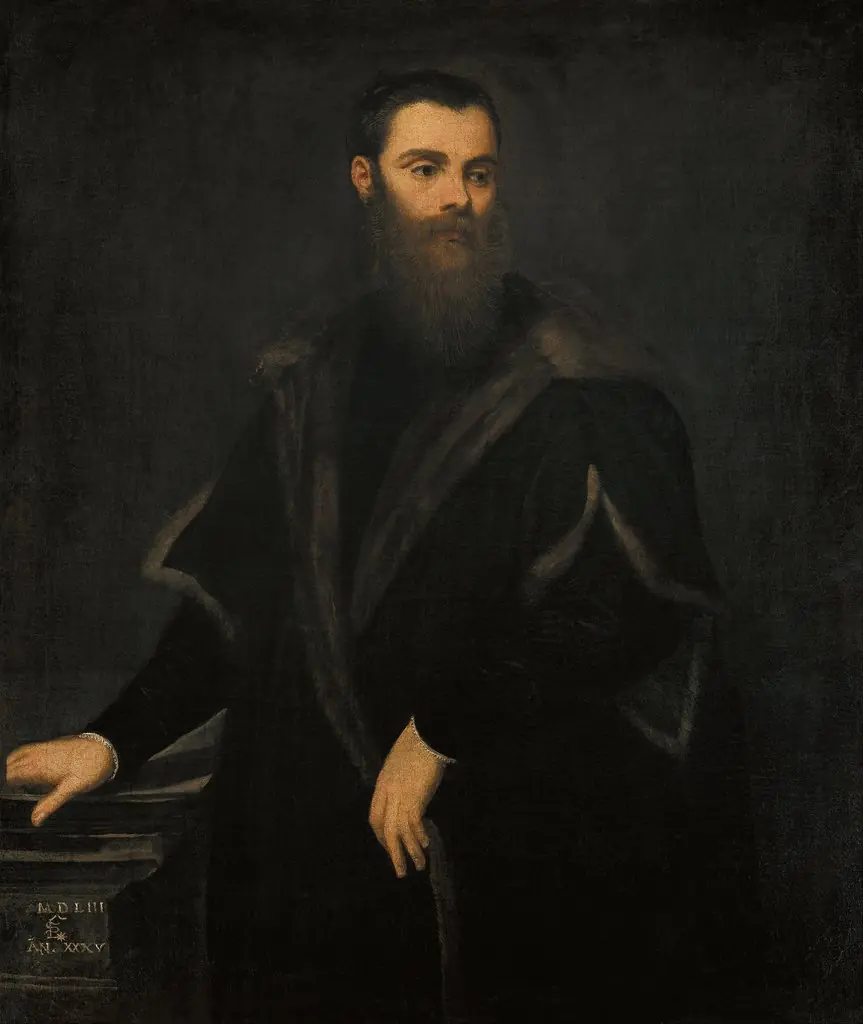
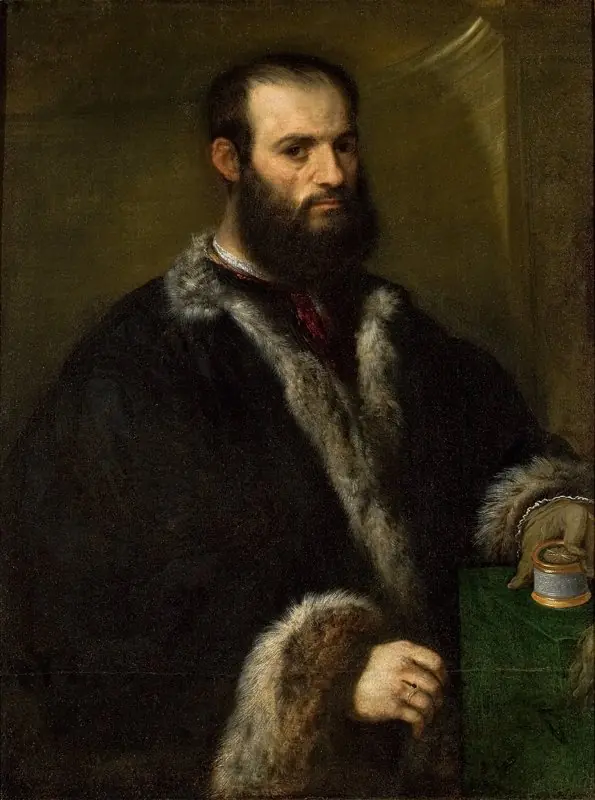
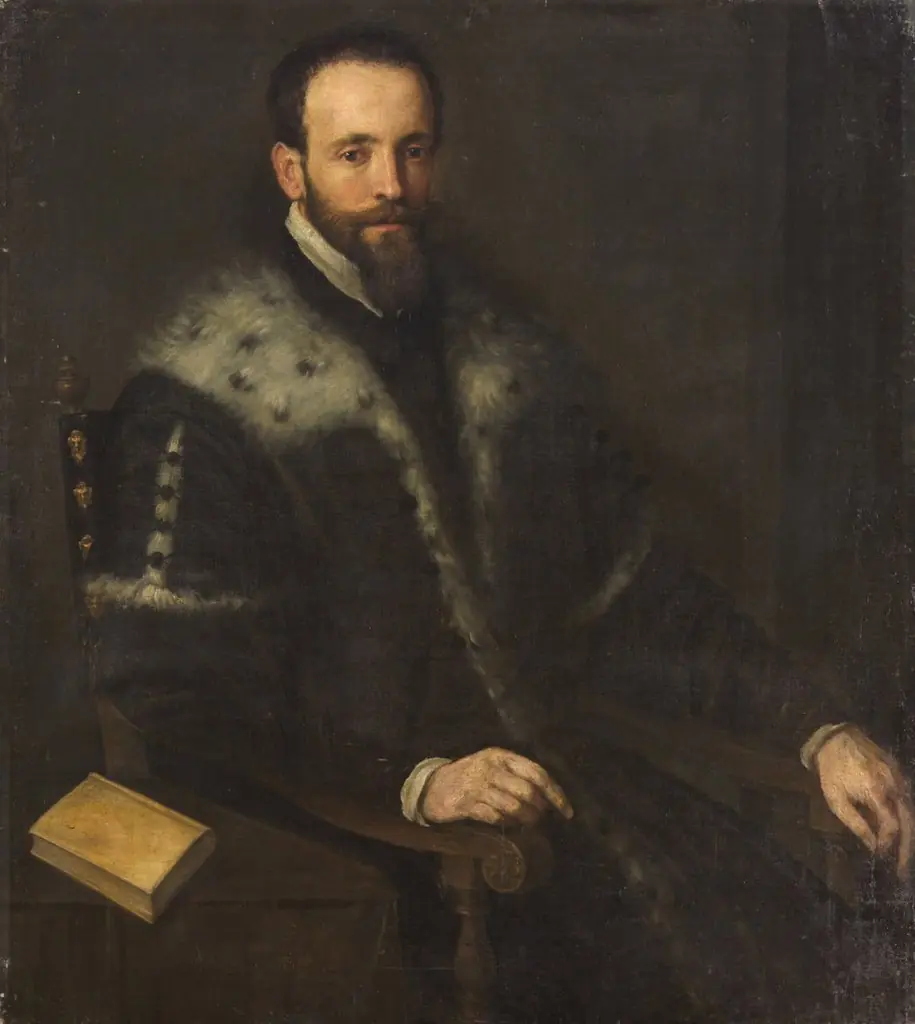
Man with Ermine Coat is an oil painting by the High Renaissance artist Titian. It dates from 1560 and is held in the collection of the Kunsthistorisches Museum.
About this work
Subject & Meaning
While the identity of the sitter has been subject to debate, sources identify the subject as either Filippo di Piero Strozzi or an unidentified man.
The work is a portrait created by Titian in 1560, depicting a male figure dressed in a coat made of ermine. While the identity of the sitter has been subject to debate, sources identify the subject as either Filippo di Piero Strozzi or an unidentified man. The inclusion of the ermine fur in the garment serves as a significant iconographic element, traditionally associated with nobility, purity, and high social standing in Renaissance portraiture. The painting functions as a formal representation of the sitter's status and character through this specific attire.
Technique & Style
The painting is executed in oil on canvas, measuring 115.8 cm by 89 cm, and depicts an unidentified portrait subject, possibly Filippo di Piero Strozzi. Its handling emphasizes a restrained palette and precise rendering of texture, contributing to a dignified yet intimate formal quality. The work bears the hallmarks of Titian’s mature portraiture, characterized by nuanced chiaroscuro and a refined surface finish.
History & Provenance
Man with Ermine Coat is a portrait painted by Titian in 1560. The work entered the collection of Archduke Leopold Wilhelm of Austria and remains in the Kunsthistorisches Museum in Vienna, where it is catalogued as part of the museum's holdings. Its dimensions are 115.8 cm by 89 cm and it is executed in oil paint.
The subject of the portrait is identified as Filippo di Piero Strozzi, an unidentified man, and the painting falls within the portrait genre.
Man with Ermine Coat is housed in the Kunsthistorisches Museum, where it holds inventory number 2008.1. The work entered the collection via Archduke Leopold Wilhelm of Austria and remains part of the museum’s holdings. It has been featured in exhibitions focusing on Titian’s portraiture and Renaissance art, including past displays at the Kunsthistorisches Museum.
Context
The portrait of an unidentified sitter in fur-trimmed attire has been interpreted as a study of status and diplomacy in late Renaissance Italy, with scholars linking its composition to contemporary depictions of courtly masculinity and patronage. Art historians note its significance within Titian’s evolving portraiture, reflecting his role in shaping elite visual identity during the mid-sixteenth century, while its inclusion in the Kunsthistorisches Museum’s collection underscores its enduring scholarly and institutional relevance.
Overview
Created in 1560 by the Venetian painter Titian, this oil portrait presents a solitary figure against a plain, dark backdrop. The sitter, whose identity remains unknown, is dressed in a black garment accented by a soft, fur‑lined coat. The work is part of the collection of the Kunsthistorisches Museum in Vienna and exemplifies the mature phase of Titian’s career within the High Renaissance.
Artist & collection
Artist
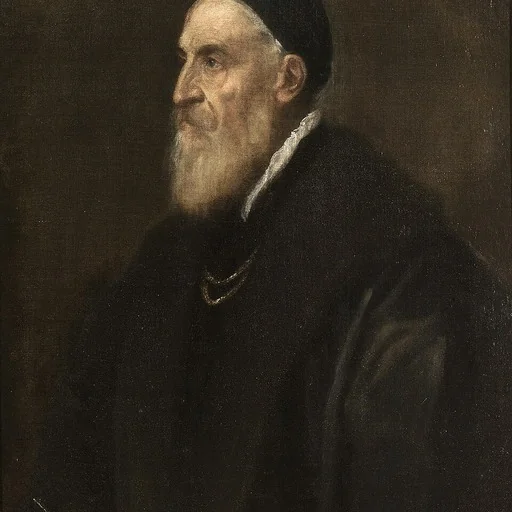
Tiziano Vecellio (Italian:; c. 1488/1490 – 27 August 1576), Latinized as Titianus, hence known in English as Titian ( TISH-ən), was an Italian Renaissance painter. The most important artist of Renaissance Venetian…