Artwork
Bildnis eines Mannes
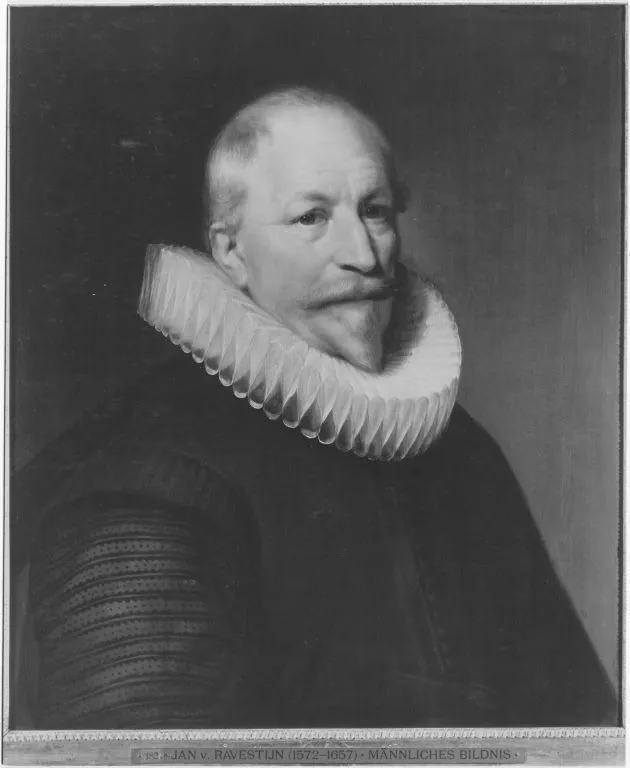
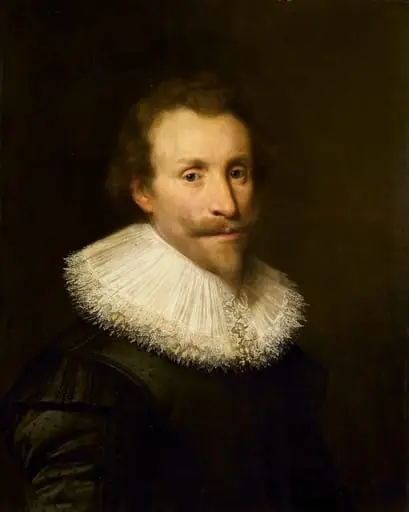
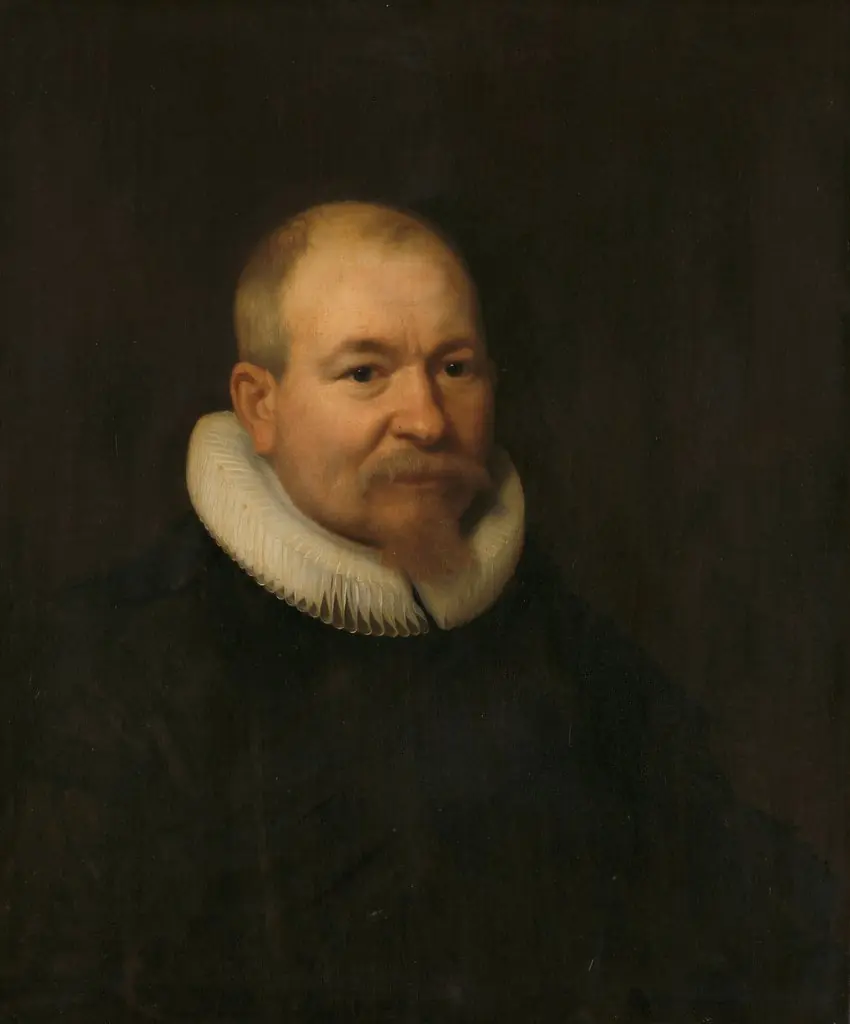
Bildnis eines Mannes is an unspecified painting by the Dutch Golden Age artist Jan van Ravesteyn. It dates from 1635 and is held in the collection of the Bavarian State Painting Collections. Created in 1635, this half‑length portrait presents a solitary male sitter rendered with meticulous attention to facial features.
About this work
Subject & Meaning
The composition adheres to the conventions of the genre, presenting the sitter as the main subject of the piece.
The work portrays a single male figure, identified in the subject field simply as a man. As a portrait created in 1635, the painting focuses on the physical representation of this individual without explicit attribution of a specific historical identity in the available records. The composition adheres to the conventions of the genre, presenting the sitter as the main subject of the piece.
Beyond the literal depiction of the man, the sources do not provide further details regarding specific iconographic elements, symbolic attributes, or deeper allegorical meanings intended by the artist.
Technique & Style
The portrait is painted in oil on canvas with a vertical format measuring 67.4 cm in height and 57.4 cm in width. The handling exhibits smooth, blended transitions in the modeling of the face and hands, characteristic of Dutch portrait practice in the 1630s. Subtle glazes articulate form and texture, while restrained highlights define the sitter’s lace collar and cuffs. The muted palette emphasizes darks and earth tones, with minimal chromatic accents.
The composition centers on the half-length figure, posed three-quarters to the left, engaging the viewer with a direct gaze. The controlled brushwork and refined detailing suggest a professional studio practice aligned with Van Ravesteyn’s known portraiture of the period.
History & Provenance
The portrait titled Bildnis eines Mannes was created by Jan van Ravesteyn in 1635. This work is classified as a painting within the genre of portraiture, depicting a male subject. The piece is currently held within the Bavarian State Painting Collections at the Alte Pinakothek.
No specific details regarding the original commission, the identity of the sitter, or the chain of ownership prior to its current location are provided in the available records. The inception date is established as January 1, 1635.
The painting is held in the collection of the Bavarian State Painting Collections and is located at the Alte Pinakothek. It is cataloged within the institution under the inventory number BStGS 182. No specific exhibition history for this work is provided in the available sources.
Context
The portrait was painted by Jan van Ravesteyn in 1635 and is housed in the Bavarian State Painting Collections at the Alte Pinakothek in Munich. It depicts a man and exemplifies the portrait genre within Dutch Golden Age art. Scholarship highlights its significance within van Ravesteyn's oeuvre as a leading court portraitist in the Netherlands, reflecting the stylistic conventions of 17th-century Dutch portraiture.
The work's provenance and display context underscore its integration into a major European collection, reinforcing its historical importance in the study of Dutch portraiture.
Overview
Created in 1635, this half‑length portrait presents a solitary male sitter rendered with meticulous attention to facial features. The figure occupies the central space, set against a uniform dark backdrop that isolates him and emphasizes his presence. The work exemplifies the Dutch Golden Age’s focus on individualized representation, capturing both the physical likeness and the social standing of the subject.
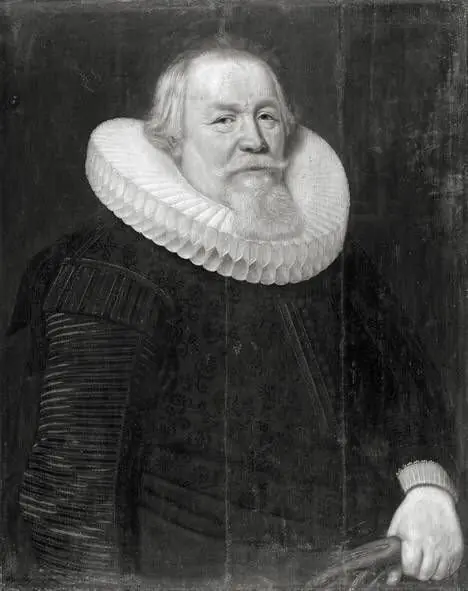
Artist & collection
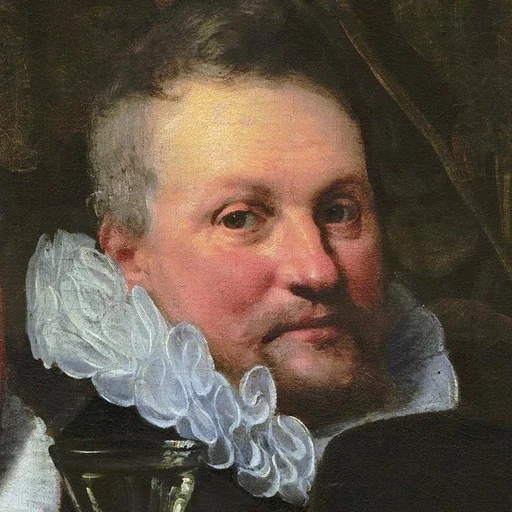
Artist
Jan Anthoniszoon (abbr. Anthonisz.) van Ravesteyn (c. 1572 – buried 21 June 1657) was a successful portrait painter to the Dutch court in The Hague.

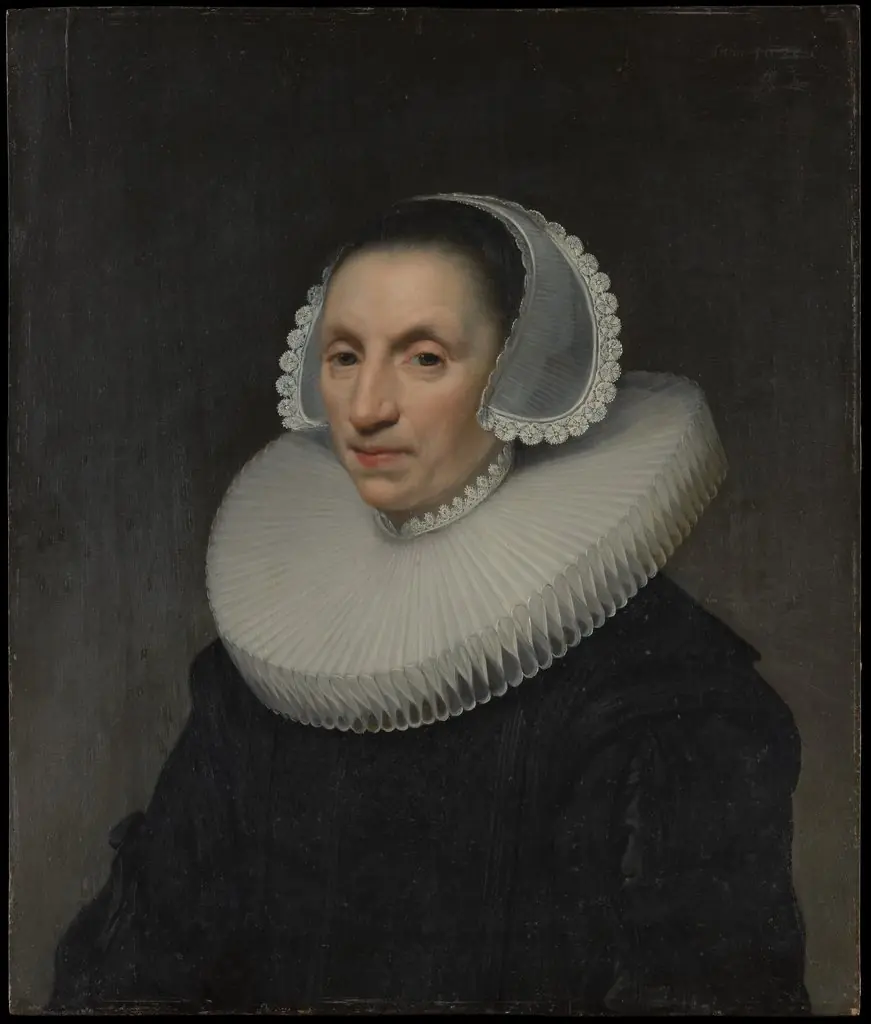
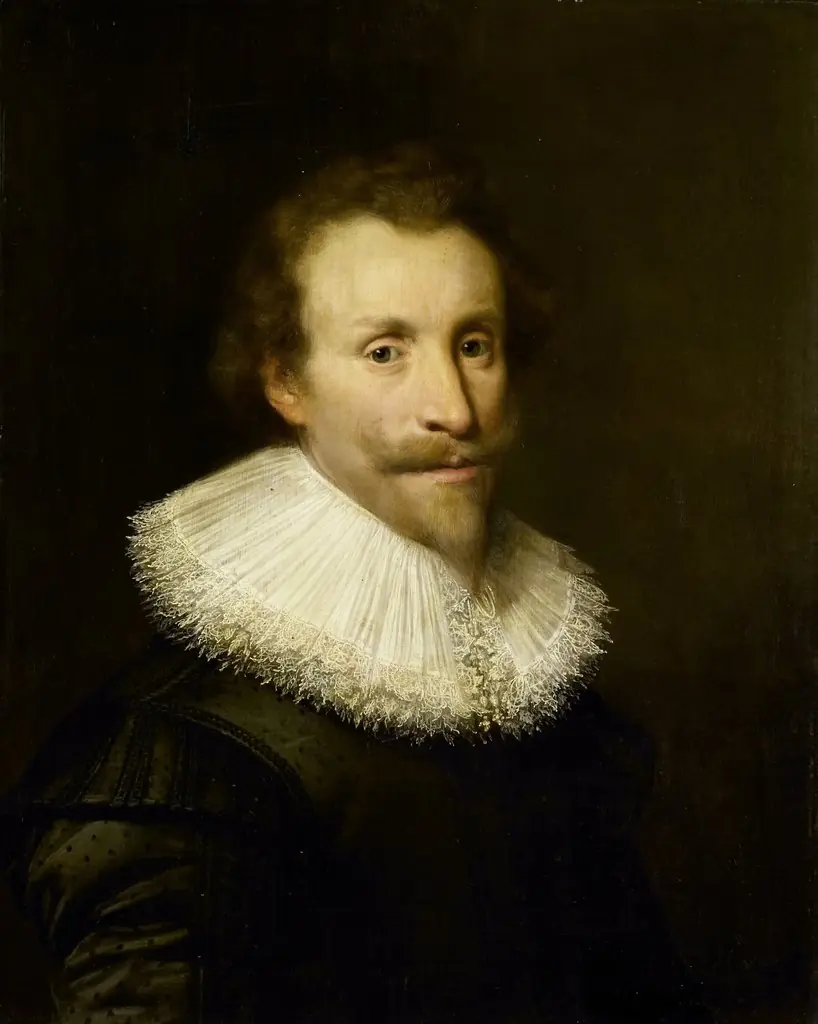
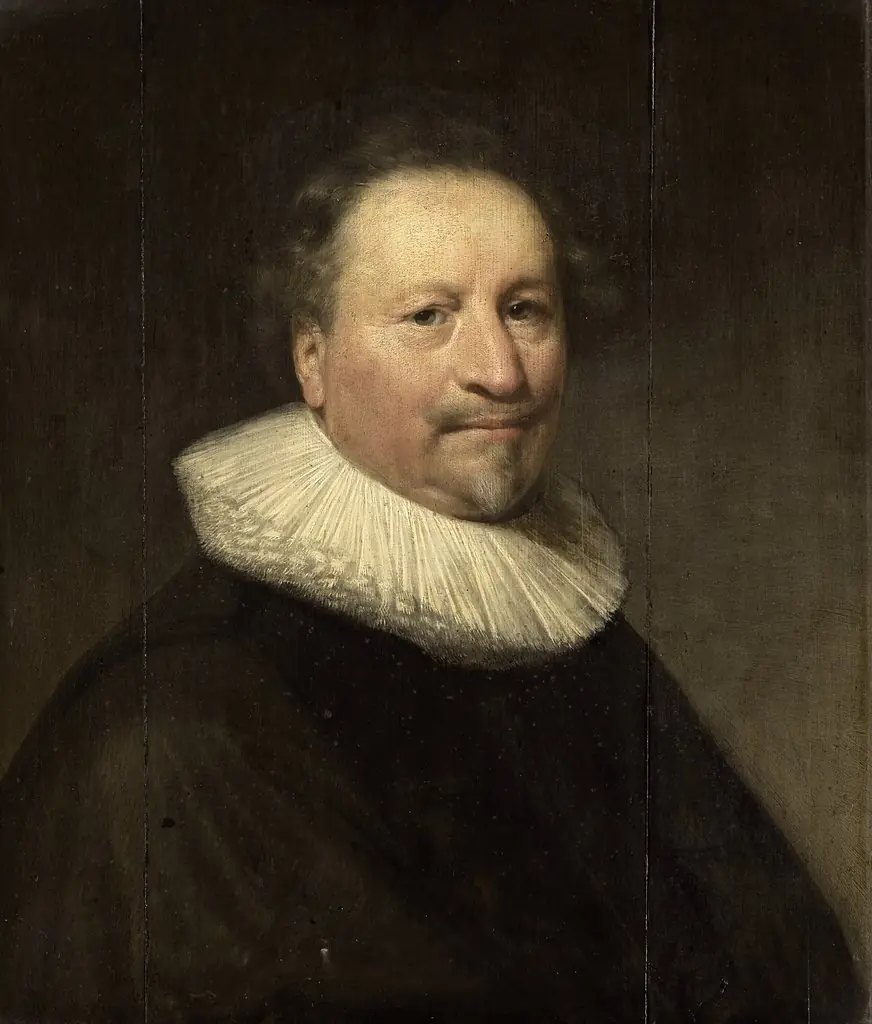
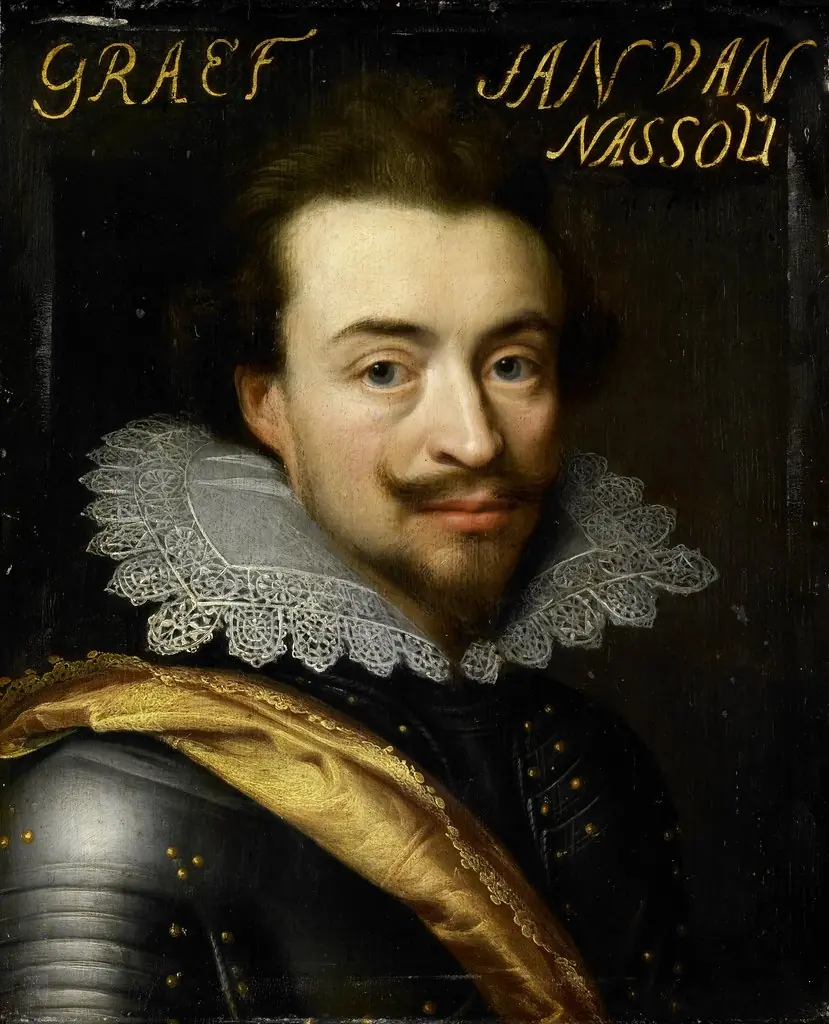
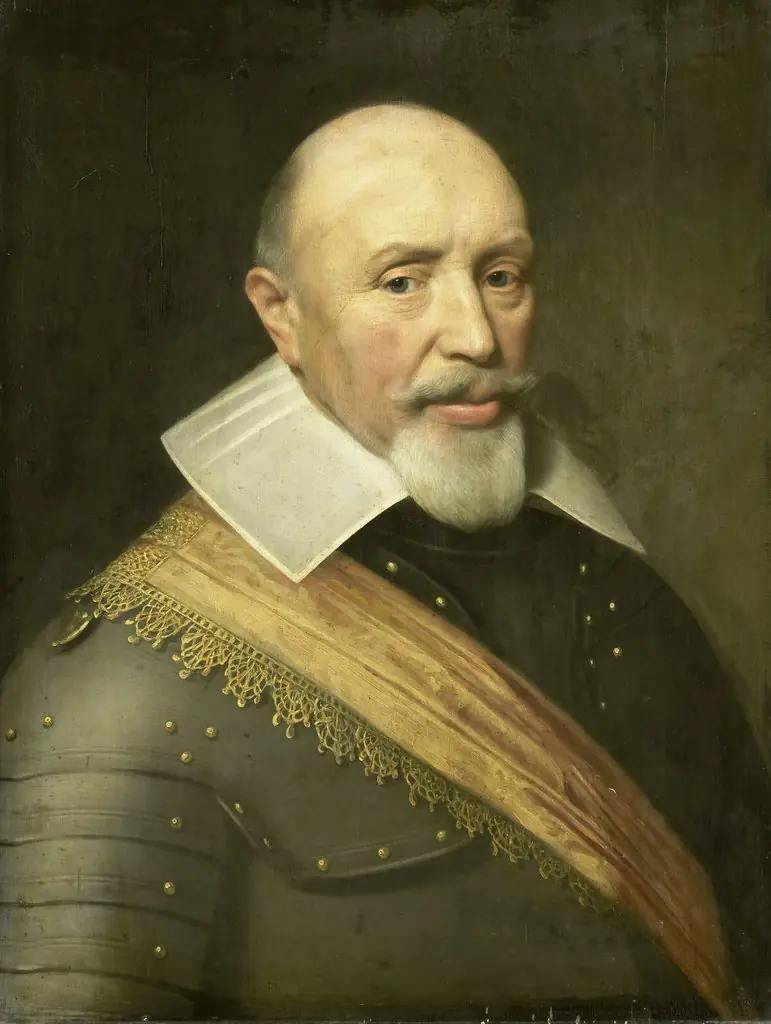
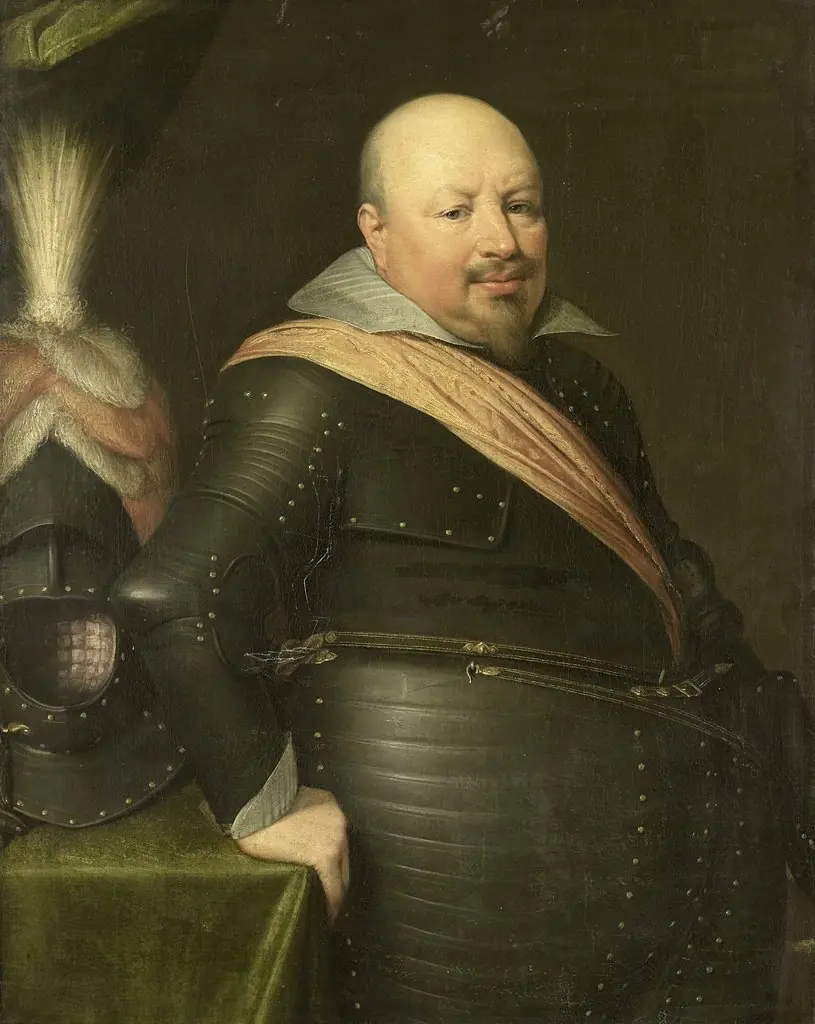
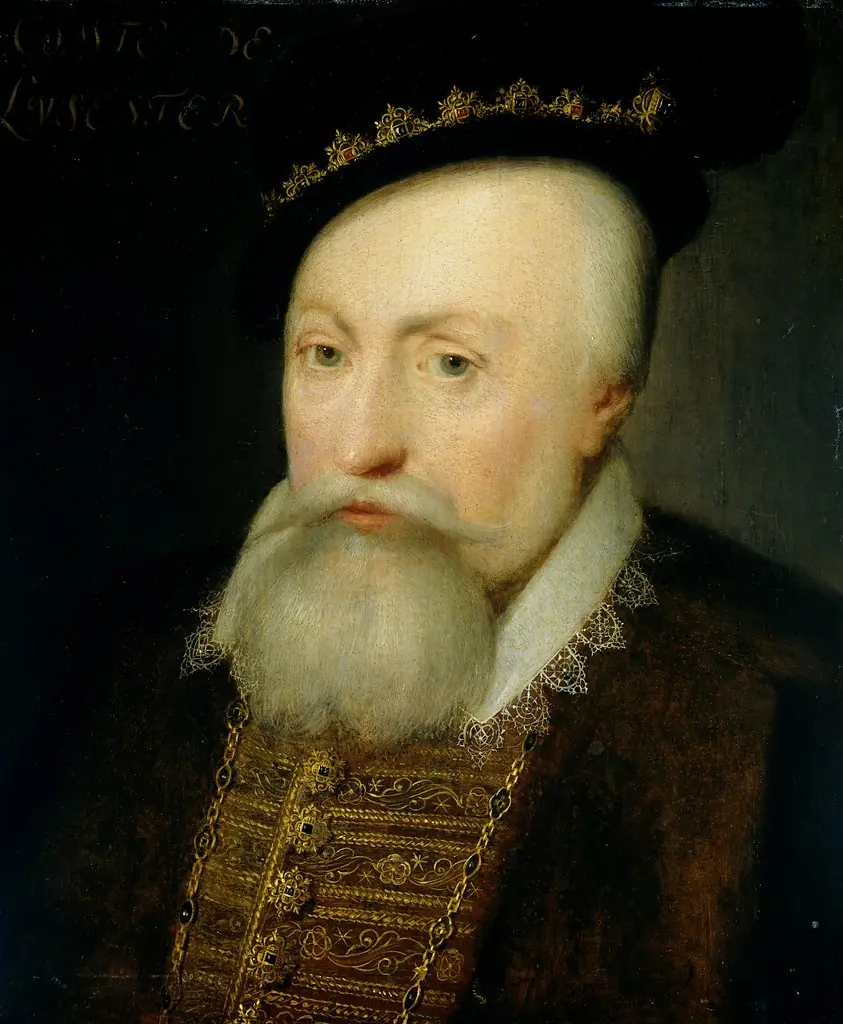
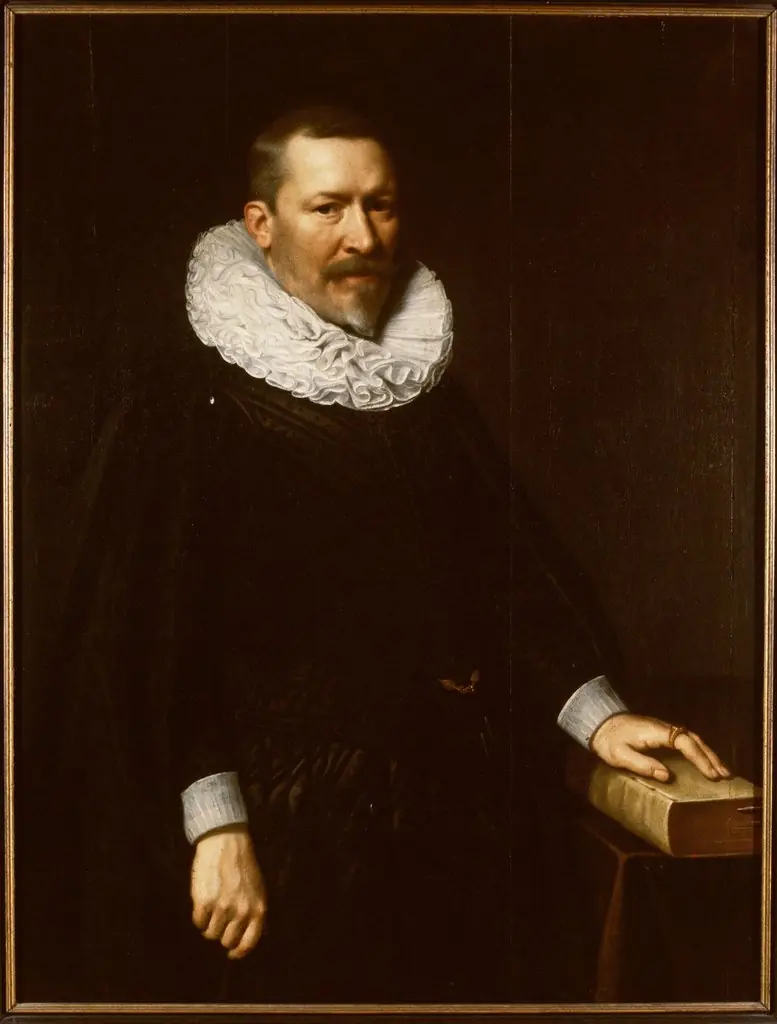
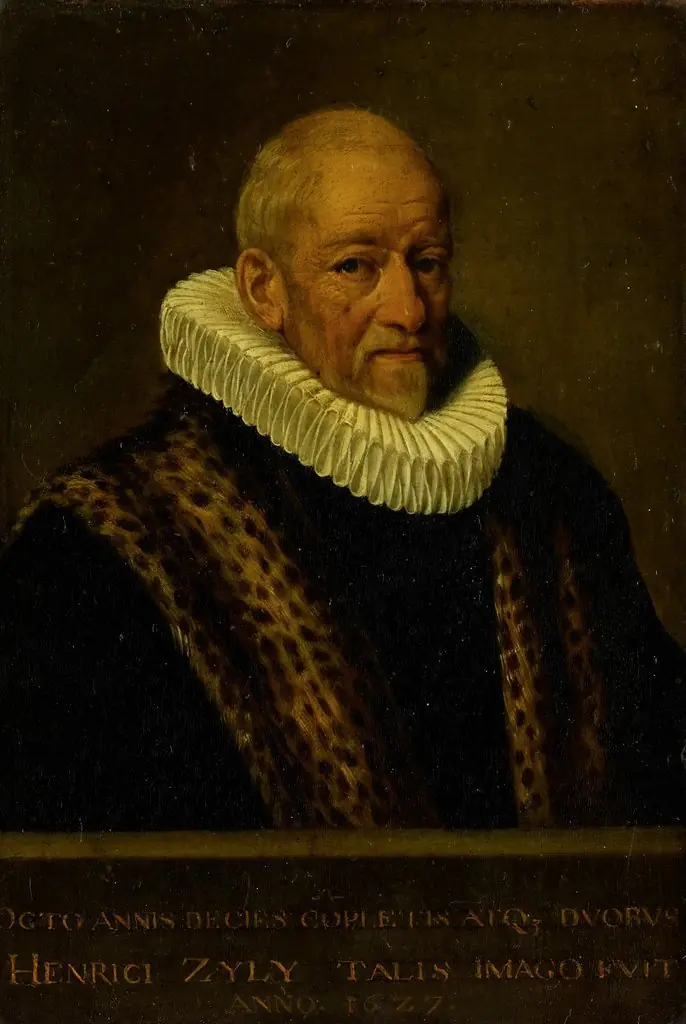 Portrait of Henricus van Zijl (1545-1627)
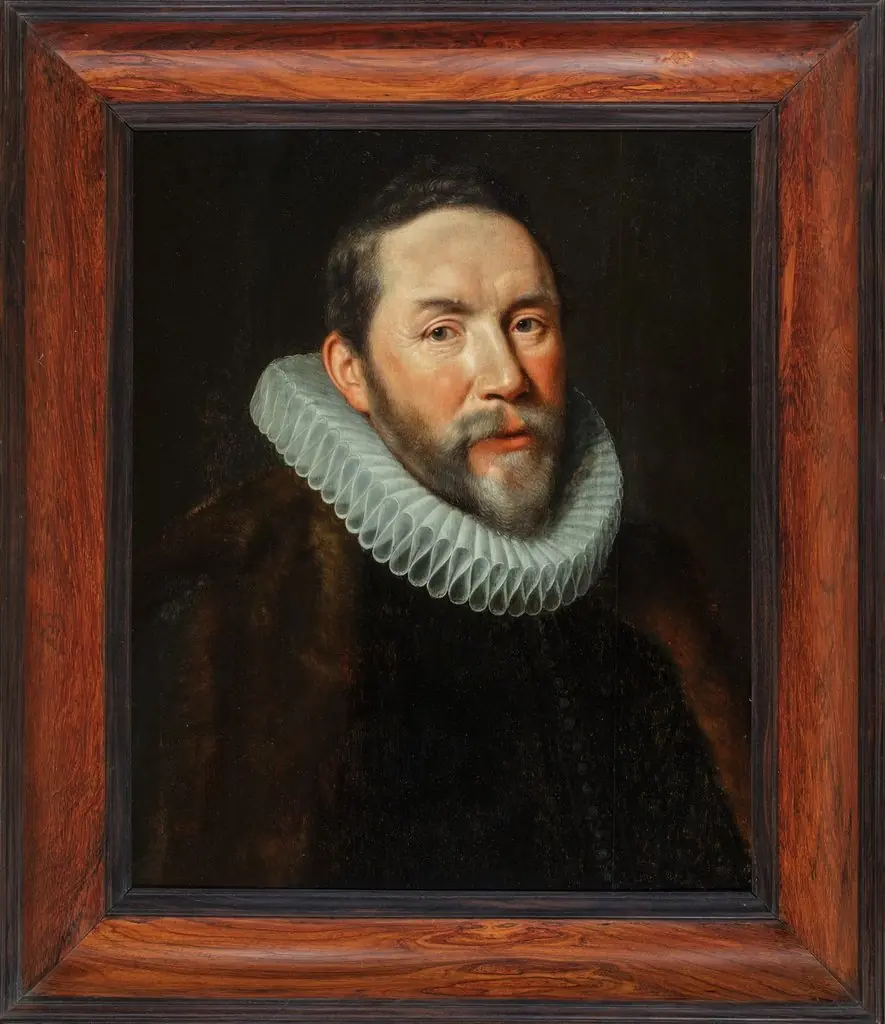
 Portrait of Johan Camerlin (1567-1640)
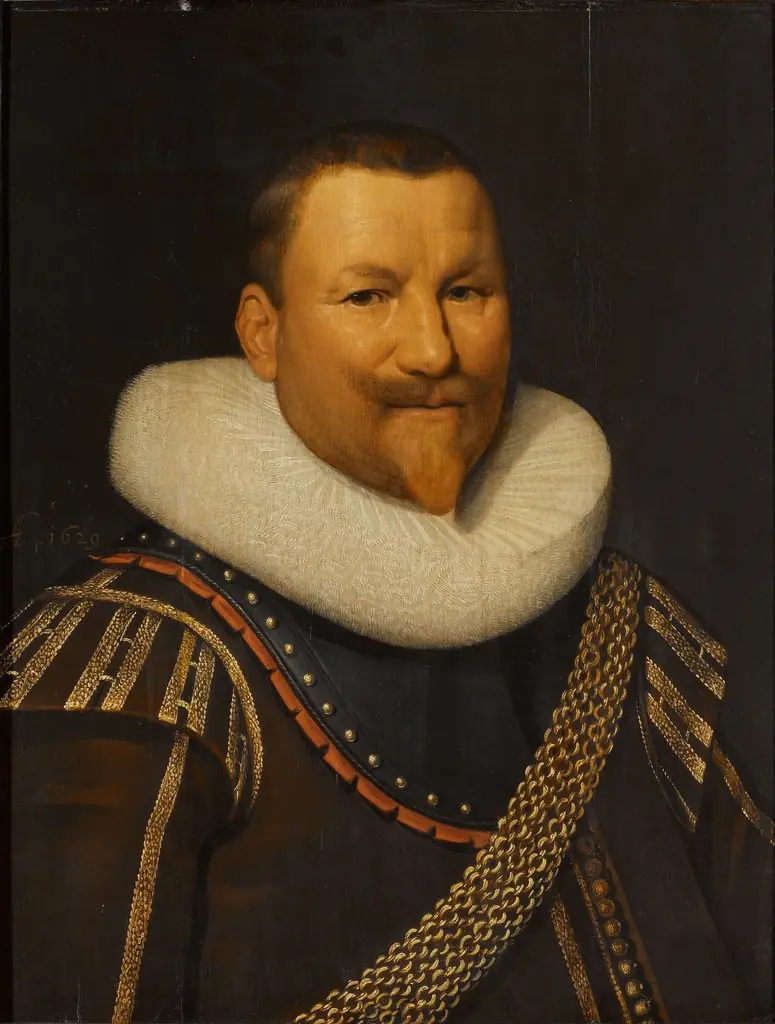
 Portrait of Nicolaes Grevinckhoven (1577-1632)
 Portrait of Pieter Pietersz Heijn (1577-1629)
 Untitled
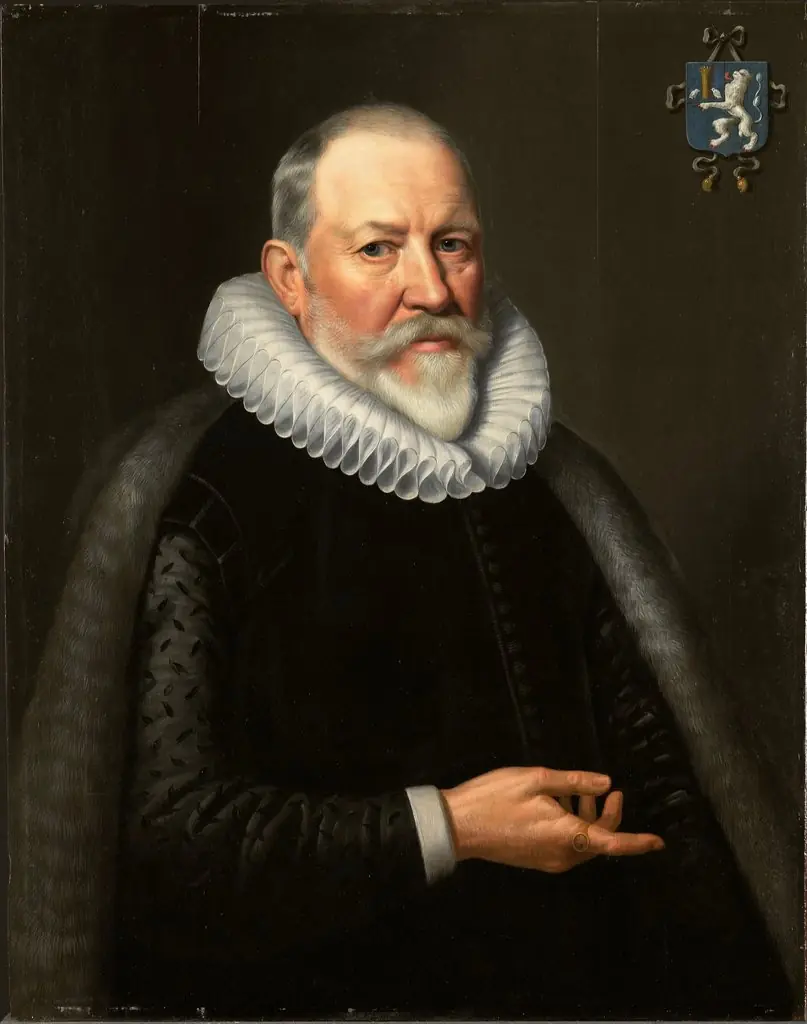 Portrait of Maerten Ruychaver (1545-1626)
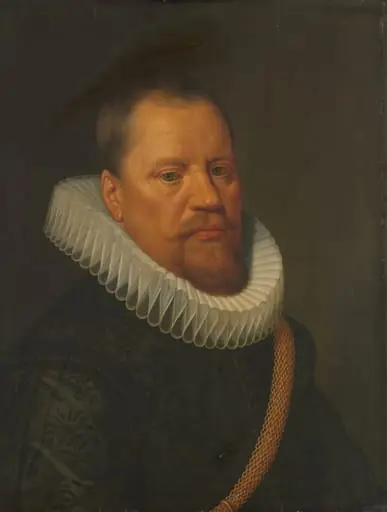 Untitled
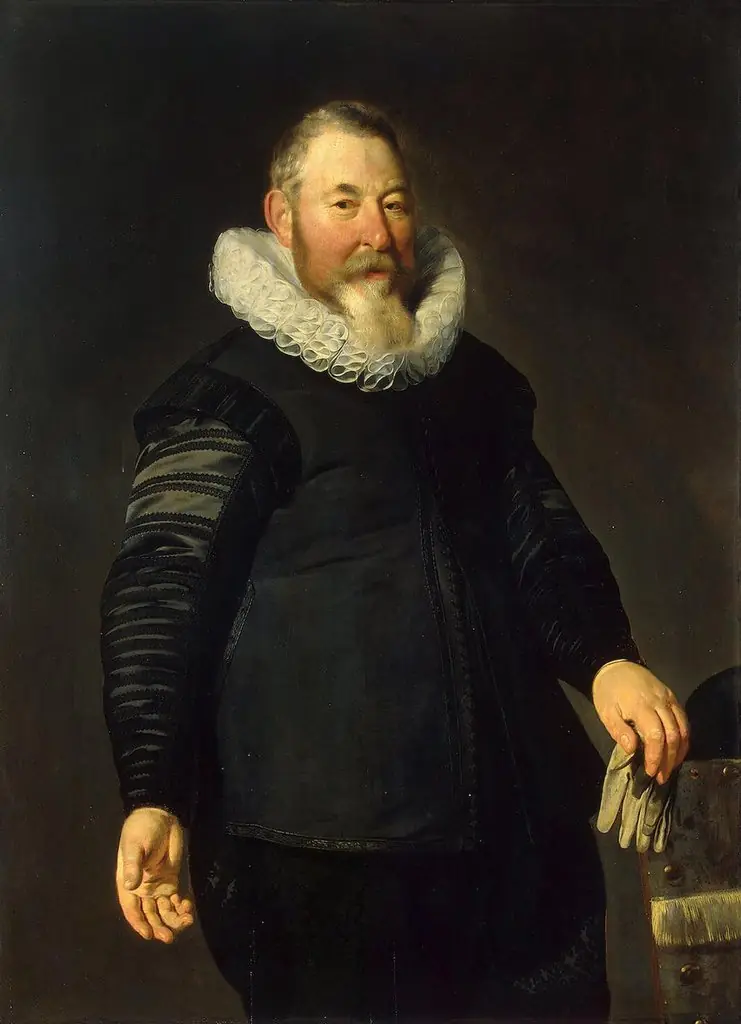 Portrait of a Man
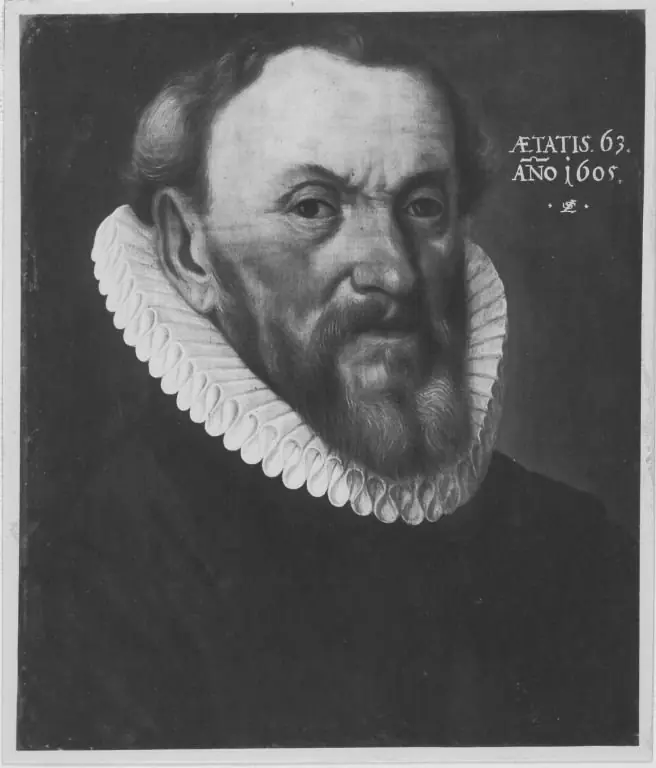 Bildnis eines bärtigen Mannes
 Samuel van Lansbergen (d 1669). Remonstrant minister in Rotterdam
 Portrait of a Man
- Bildnis eines Mannes