Artwork
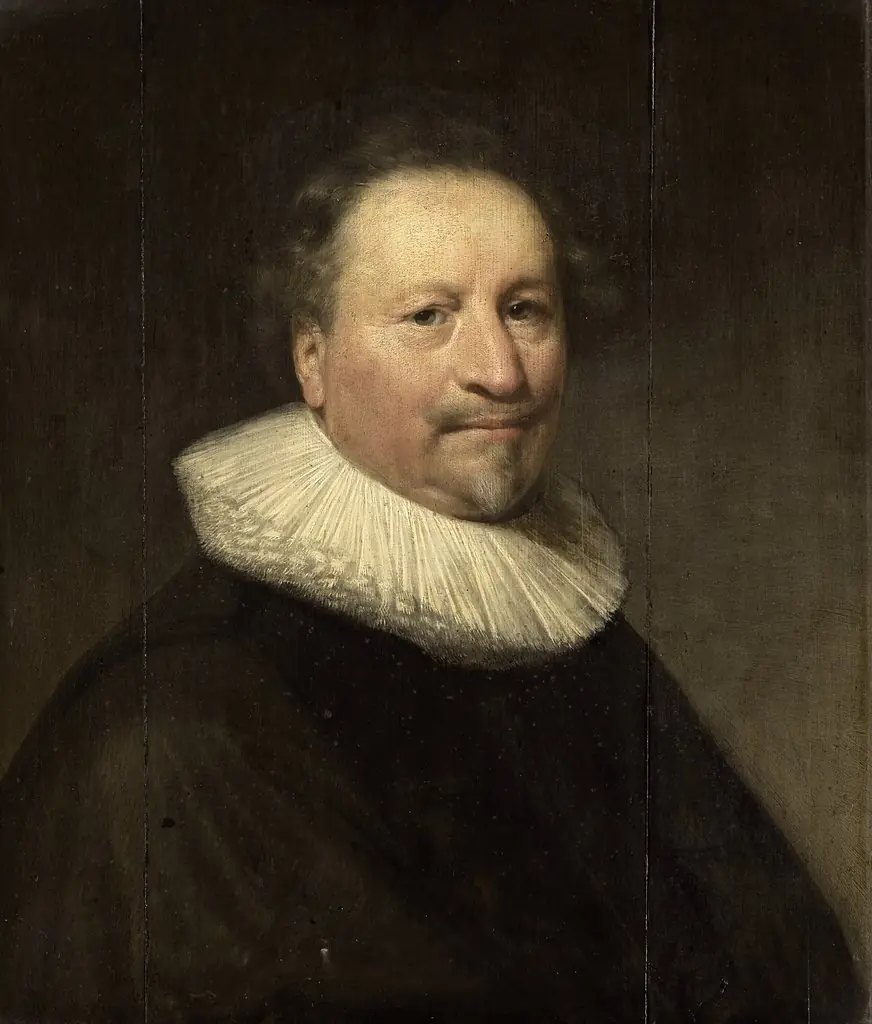
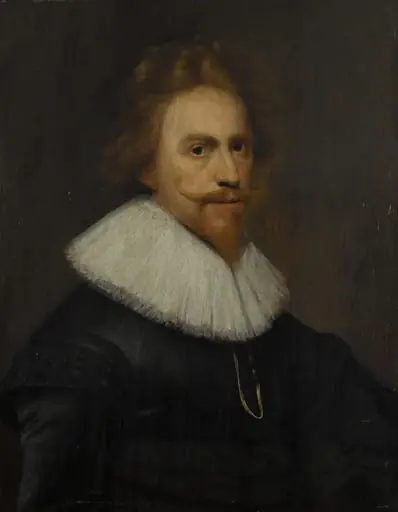
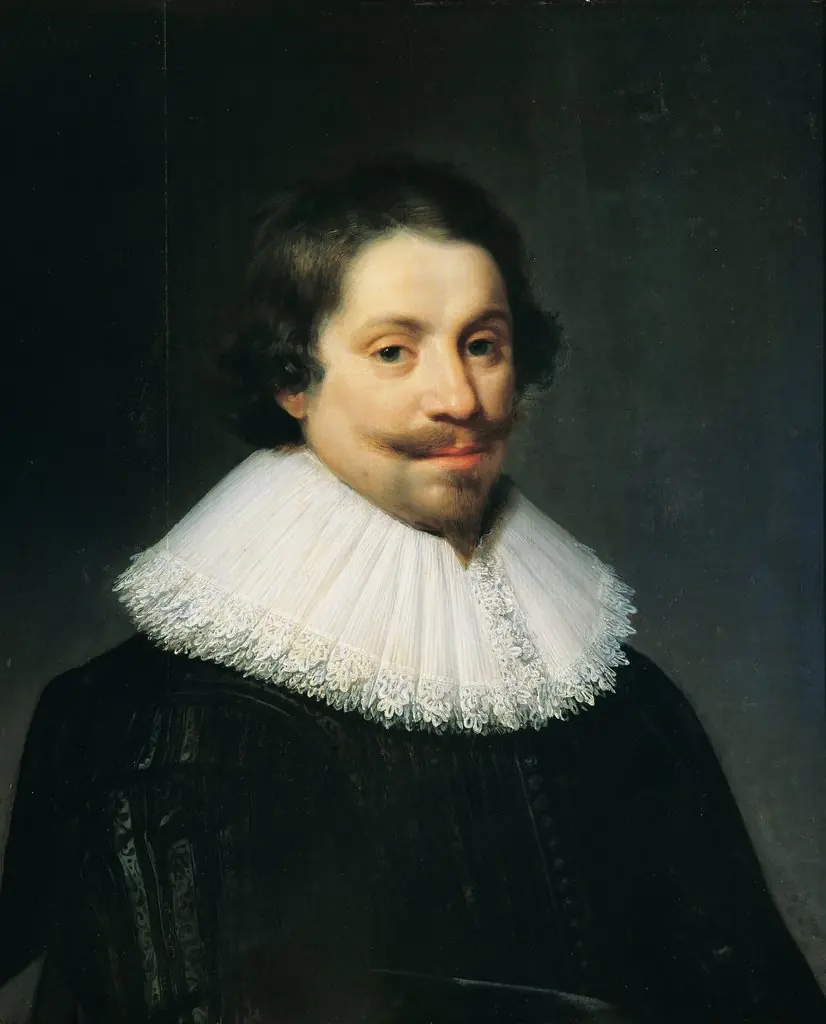
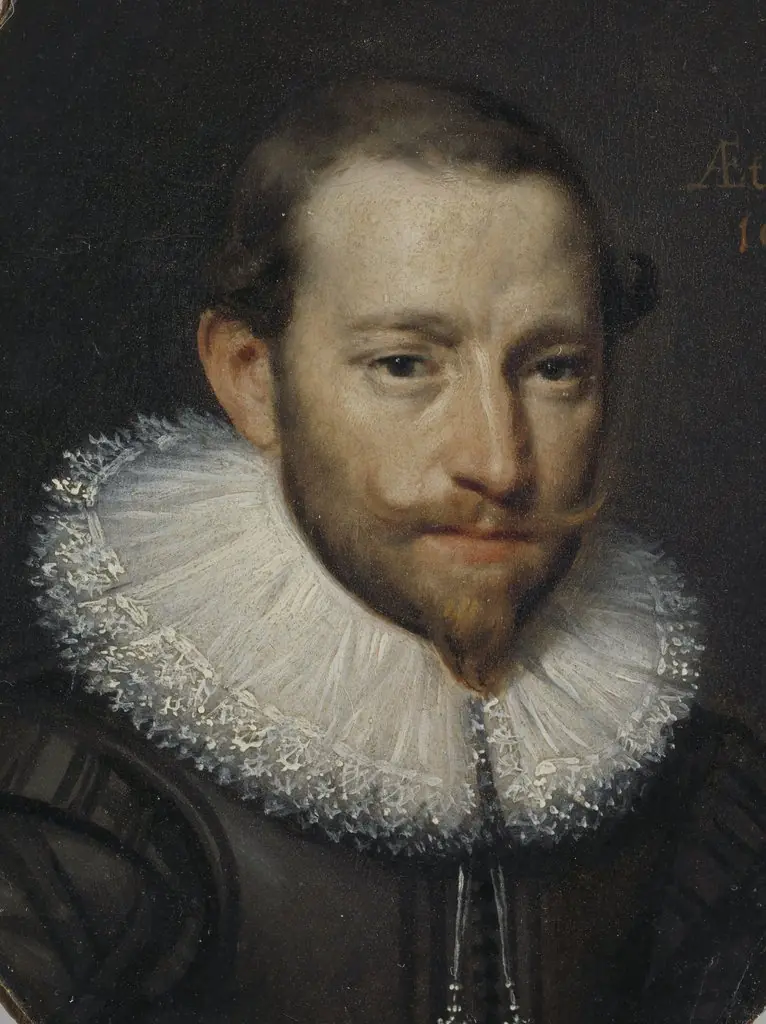
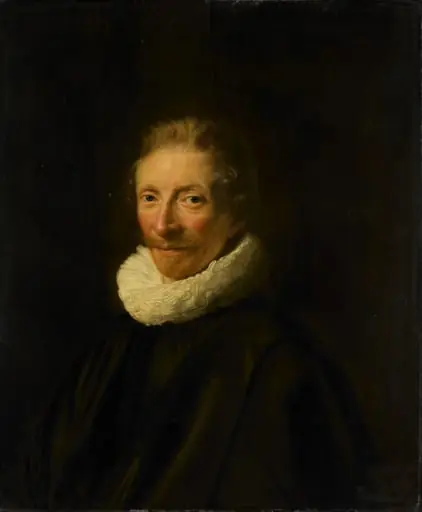
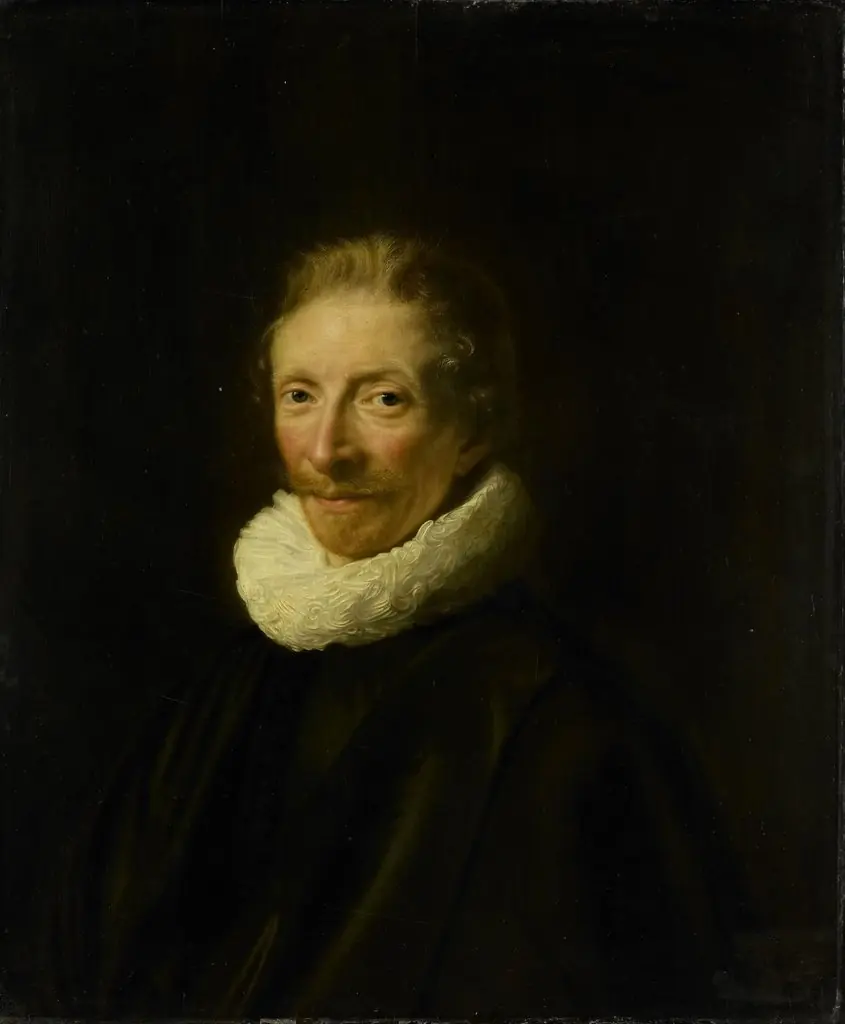
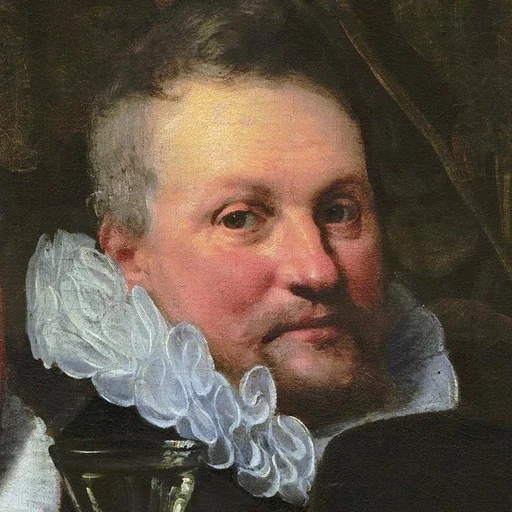
Portrait of a man
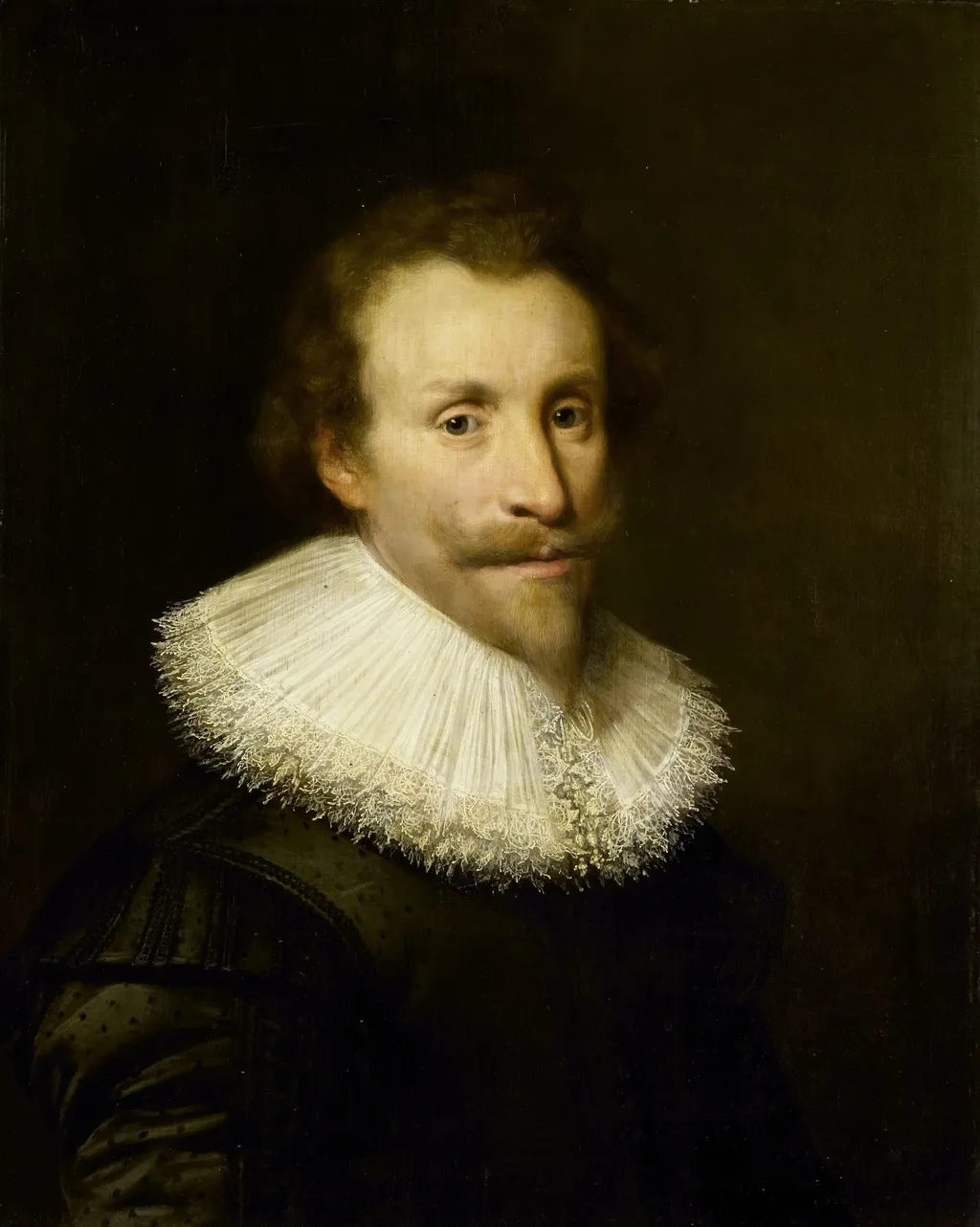
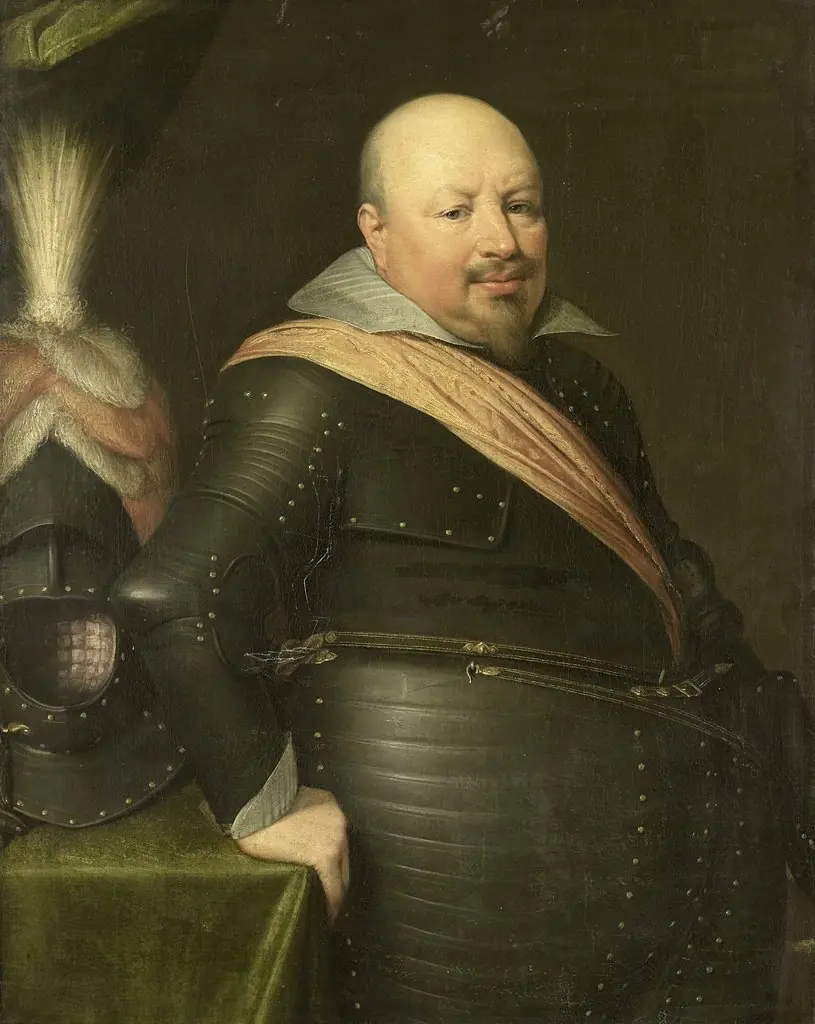
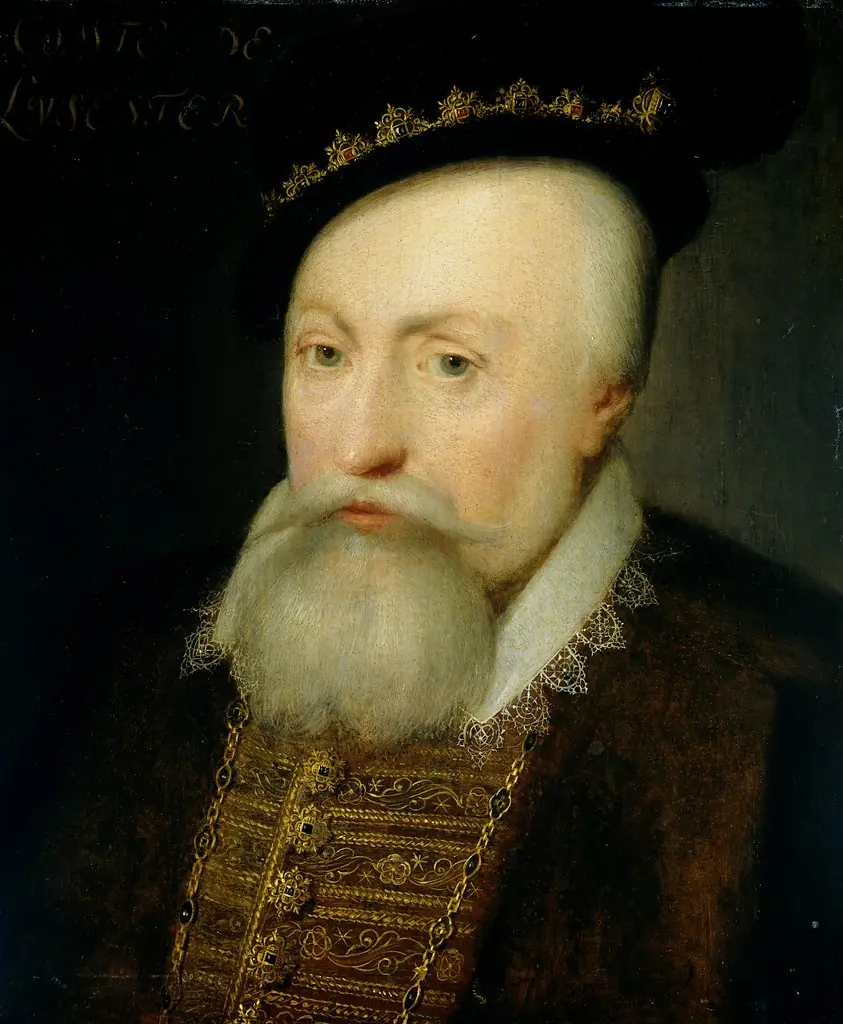
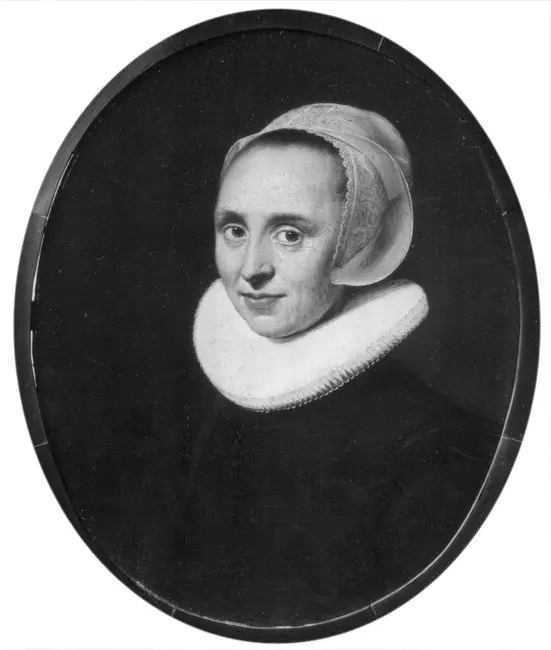
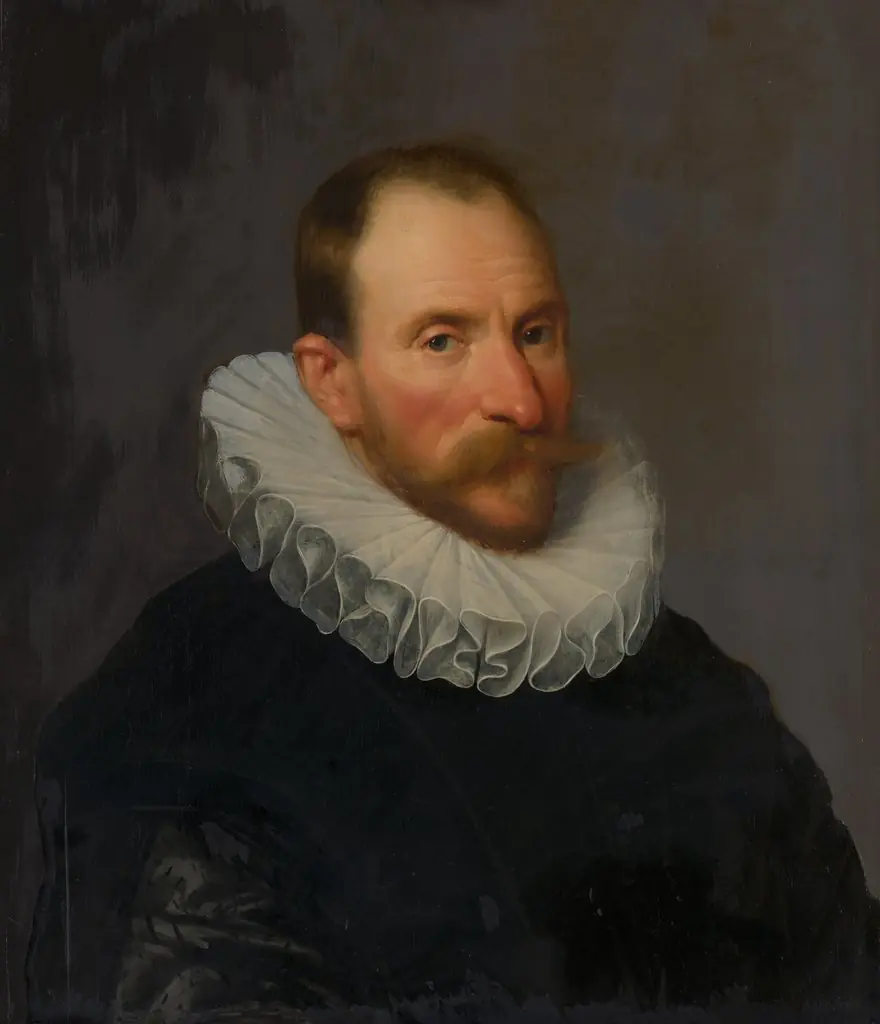
Portrait of a man is an oil painting by the Dutch Golden Age artist Jan van Ravesteyn. It dates from 1630 and is held in the collection of the Rijksmuseum.
About this work
Subject & Meaning
Portrait of a man shows an unidentified sitter who looks directly out at the viewer, his face rendered in oil paint on panel.
Portrait of a man shows an unidentified sitter who looks directly out at the viewer, his face rendered in oil paint on panel. Dated to 1630, the work exemplifies the early seventeenth‑century Dutch concern with lifelike likeness and direct engagement, presenting the man’s attire and features with careful attention to texture and light. Though the painting offers no overt symbolic attributes, the straightforward gaze invites the viewer to confront the individual’s presence, a common aim of portraiture from the period.
Technique & Style
Jan van Ravesteyn executed this 1630 portrait using oil paint applied to a wooden panel support. The work measures 67 cm in height and 53.1 cm in width. Stylistically, the painting depicts a man directing his gaze toward the viewer, a characteristic engagement typical of the genre. The medium and support combination reflects standard practices for Dutch portraiture of the early seventeenth century.
History & Provenance
The painting was created in 1630 by Jan van Ravesteyn, as indicated by the internal record and the Wikidata entry.
By the mid-19th century it formed part of the collection of Adriaan van der Hoop, whose holdings were later donated to the Rijksmuseum in Amsterdam. The museum’s accession file confirms its presence in the Van der Hoop bequest and subsequent display at the Rijksmuseum.
The painting is held at the Rijksmuseum in Amsterdam. According to the available records, it is associated with the collection of Adriaan van der Hoop and the Amsterdam Museum alongside its Rijksmuseum location. The work is catalogued as an oil-on-panel portrait executed in 1630 by Jan van Ravesteyn. No specific inventory or accession number, nor any documented exhibition history, is provided in the available sources.
The sources do not supply an accession number or any record of past exhibitions for this work.
Overview
Executed in oil around 1630, this portrait is attributed to Jan van Ravesteyn, a Dutch painter who worked for the court in The Hague. The canvas presents a solitary male sitter against a dark backdrop, his gaze directed straight at the viewer. The work belongs to the Dutch Golden Age, a period noted for its prolific output of refined portraiture.
Context
During the early 1600s, Dutch portraiture emphasized realism and individual presence, moving away from the idealized conventions of earlier periods. Van Ravesteyn’s work exemplifies this shift, aligning with contemporary trends that favored sober attire, restrained emotion, and a focus on the sitter’s personal identity.
Own this work as a print
Artist & collection
Artist
Jan Anthoniszoon (abbr. Anthonisz.) van Ravesteyn (c. 1572 – buried 21 June 1657) was a successful portrait painter to the Dutch court in The Hague.