Artwork
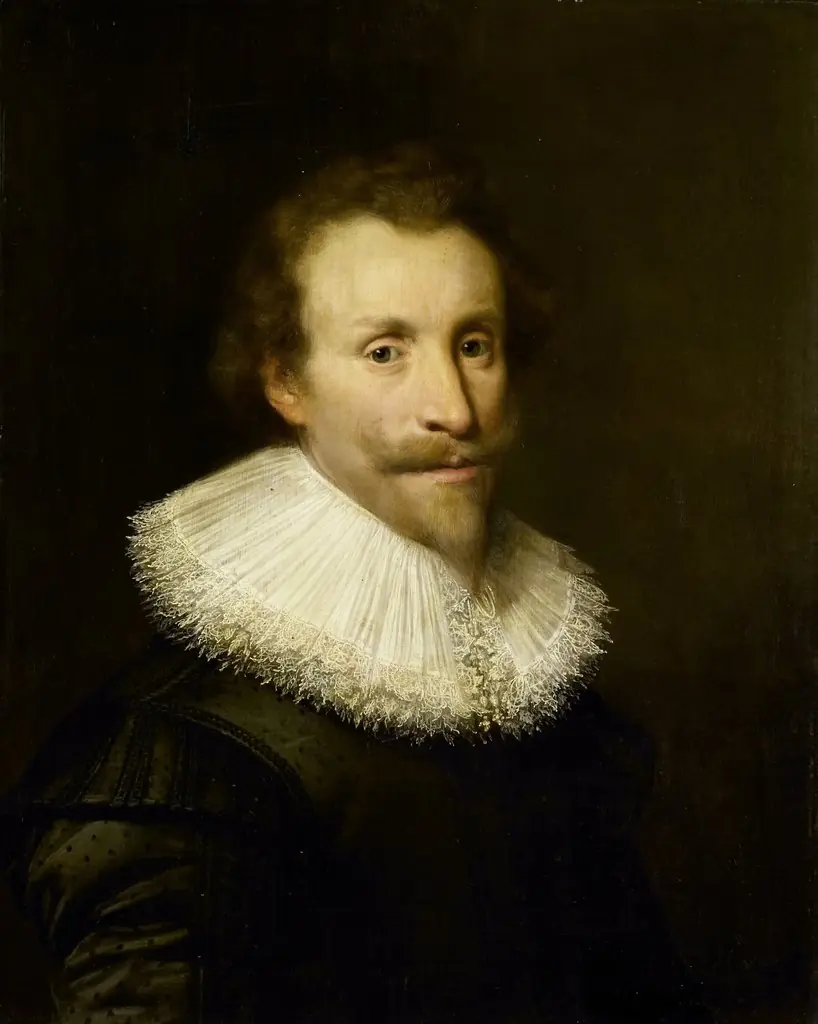
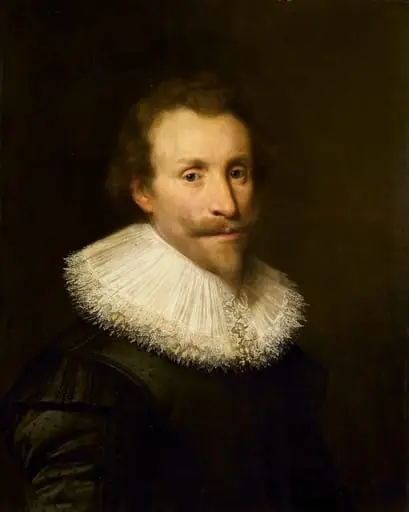
Portrait of a man, possibly Jan Doublet (1580-1650)
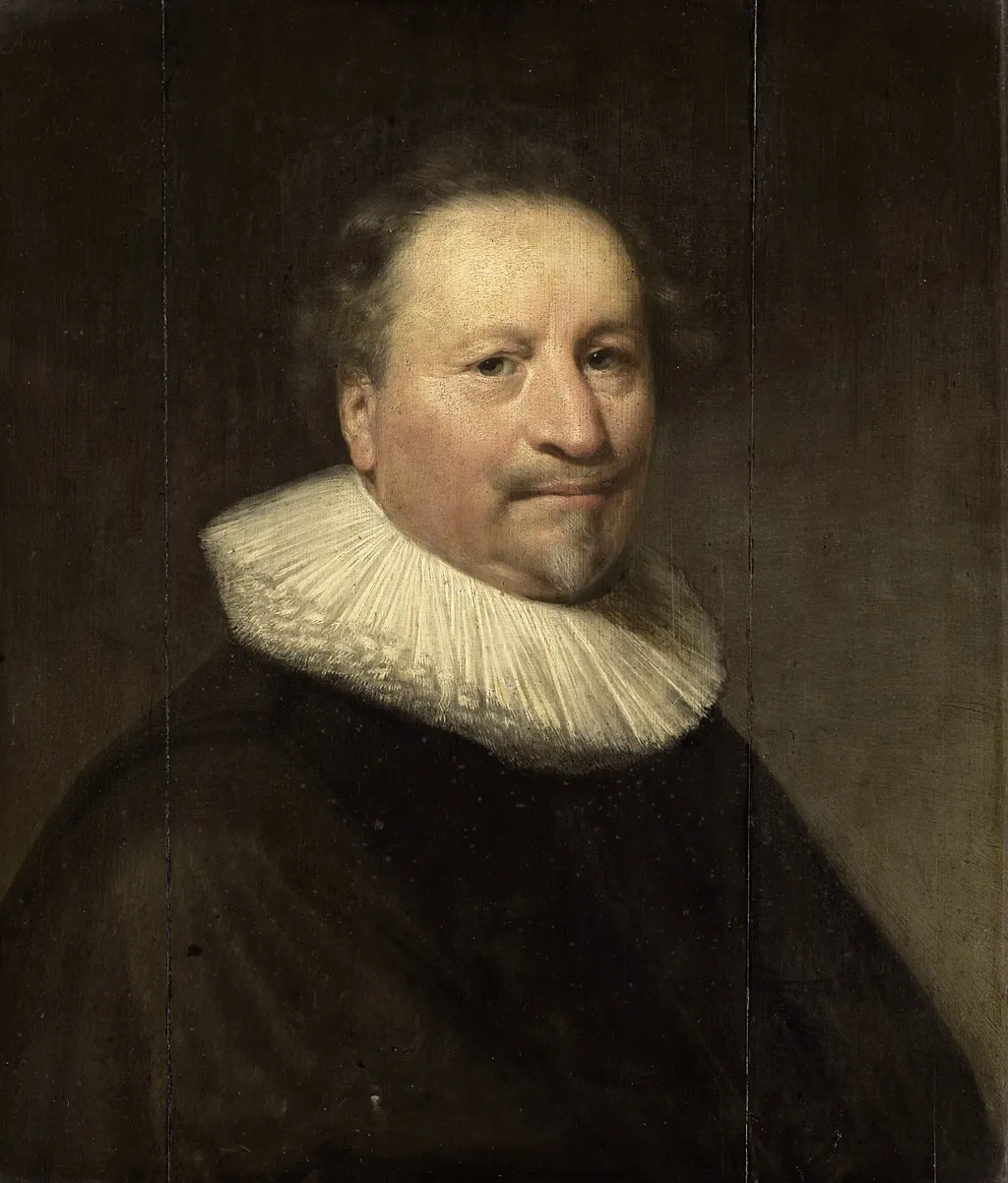
Portrait of a man, possibly Jan Doublet (1580-1650) is an oil painting by the Dutch Golden Age artist Jan van Ravesteyn. It dates from 1634 and is held in the collection of the Rijksmuseum.
About this work
Technique & Style
The sources do not provide further detail on handling, brushwork, condition, or specific stylistic features beyond the genre classification as a portrait.
The work is executed in oil paint on panel, a support combination typical of Dutch portraiture of the period. According to the catalogue record, the painting measures 67.2 cm in height by 57.2 cm in width, and depicts a man. The medium is classified simply as oil paint, with the panel support noted in the associated structured data.
Stylistically, the portrait is attributed to Jan van Ravesteyn, a Dutch portraitist active in the early seventeenth century, and dated to 1634. The sources do not provide further detail on handling, brushwork, condition, or specific stylistic features beyond the genre classification as a portrait.
History & Provenance
The work titled "Portrait of a man, possibly Jan Doublet" was painted by Jan van Ravesteyn in 1634 as an oil portrait on panel, originally created for inclusion in the Rijksmuseum collection. It entered the museum's holdings shortly after its execution and has remained part of the institution's permanent display since its acquisition.
The painting was commissioned as a straightforward likeness of an unidentified sitter, likely reflecting the sitter’s status within the Dutch Golden Age merchant class. Its dimensions of 67.2 cm by 57.2 cm were recorded at the time of creation and have been consistently documented in the museum’s catalogues. The work is classified as a portrait and is part of the Rijksmuseum’s collection, which has overseen its provenance from inception to the present day.
Overview
Executed in 1634, this oil portrait is attributed to Jan van Ravesteyn, a painter known for his work at the Dutch court in The Hague. The canvas presents a solitary male sitter against a dark, unadorned backdrop, a compositional choice that concentrates attention on the figure’s features. The work is part of the Rijksmuseum’s collection and exemplifies the portraiture typical of the Dutch Golden Age.
Subject & Meaning
The sitter appears to be a middle‑aged man with a rounded face and a neatly trimmed beard, dressed in a black coat and a pronounced white ruff that spreads outward in a fan shape. While the identity is not definitively confirmed, scholars have suggested Jan Doublet (1580–1650) as a possible candidate, based on contemporaneous records and the man’s attire.
Context
The work reflects the broader cultural flourishing of the Dutch Golden Age, when portraiture served both as a status marker and a record of personal identity. Van Ravesteyn’s courtly connections are evident in the formal attire and the meticulous rendering of the ruff, a fashion element associated with the elite of the time.
Own this work as a print
Artist & collection
Artist
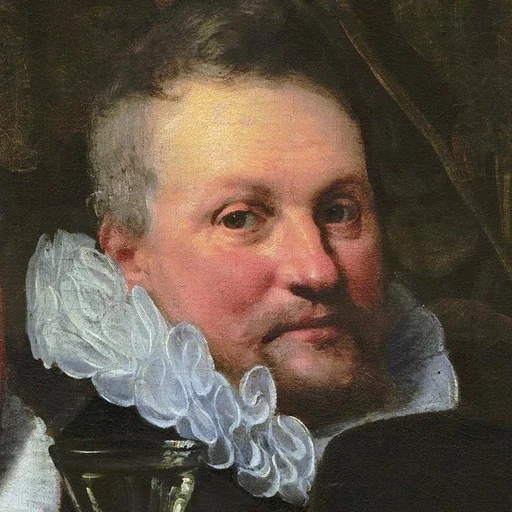
Jan Anthoniszoon (abbr. Anthonisz.) van Ravesteyn (c. 1572 – buried 21 June 1657) was a successful portrait painter to the Dutch court in The Hague.

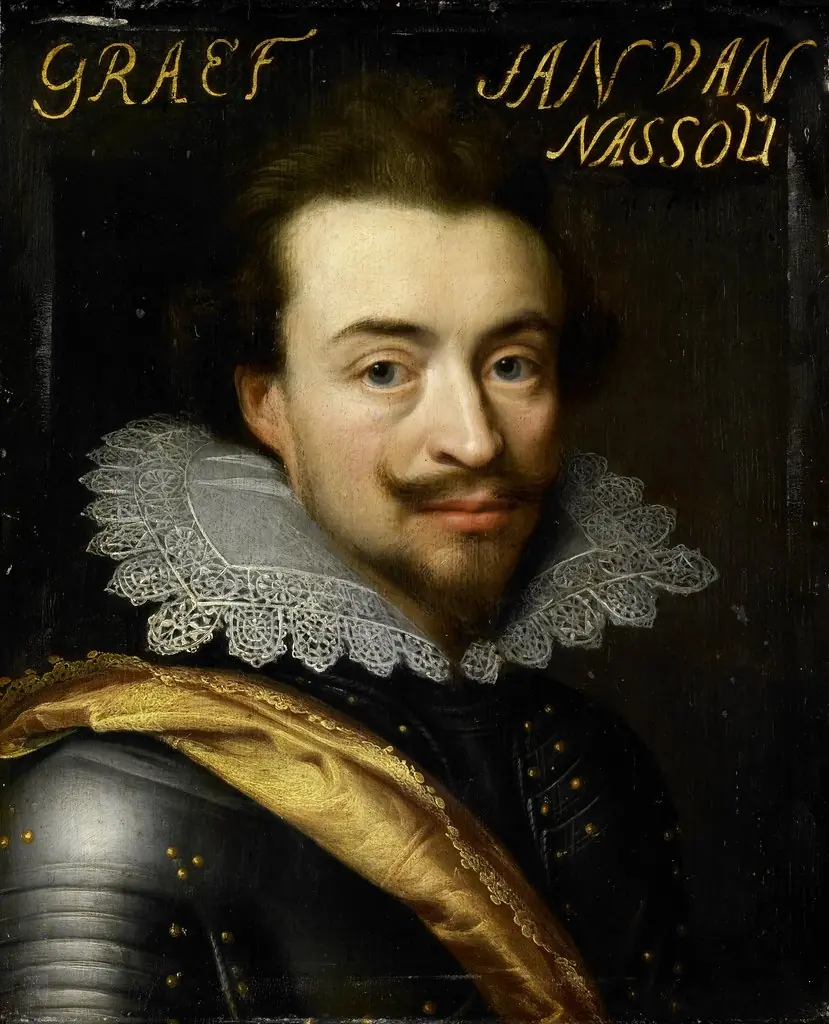
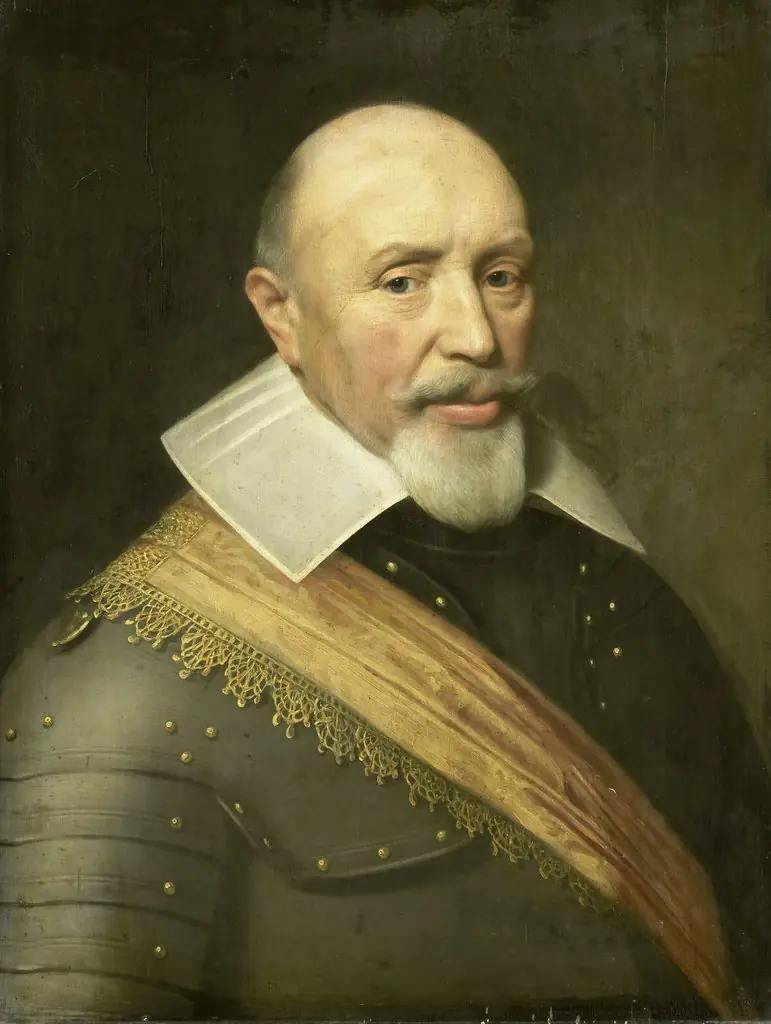
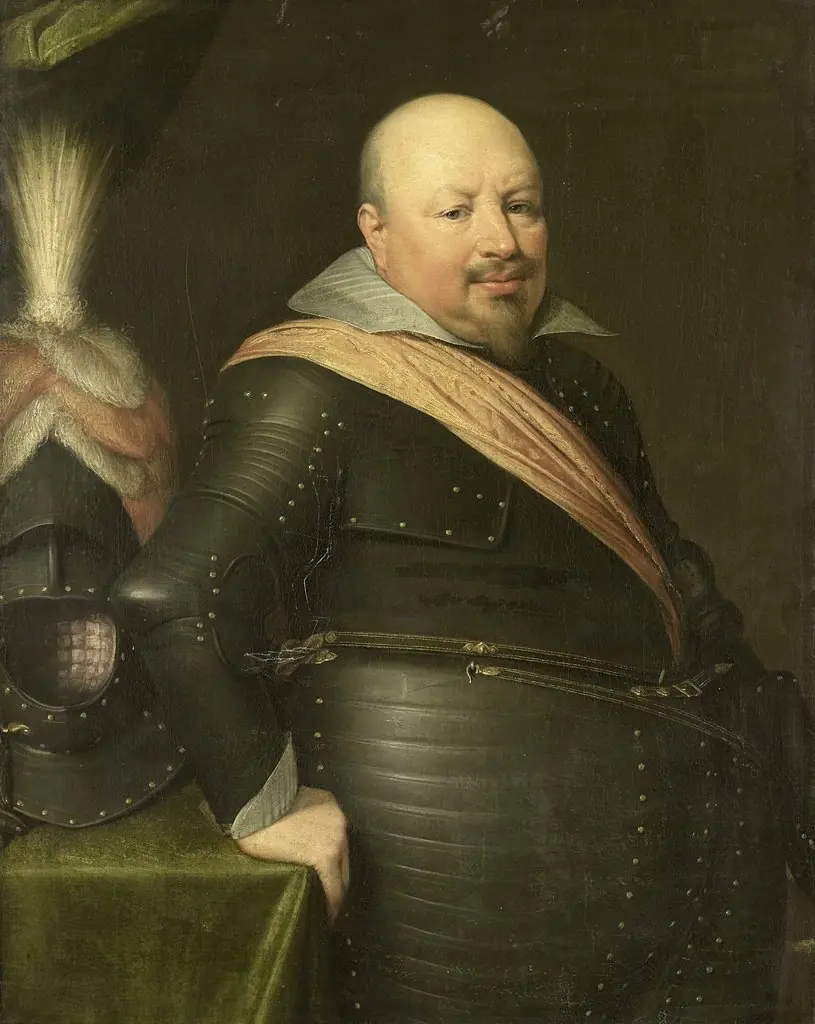
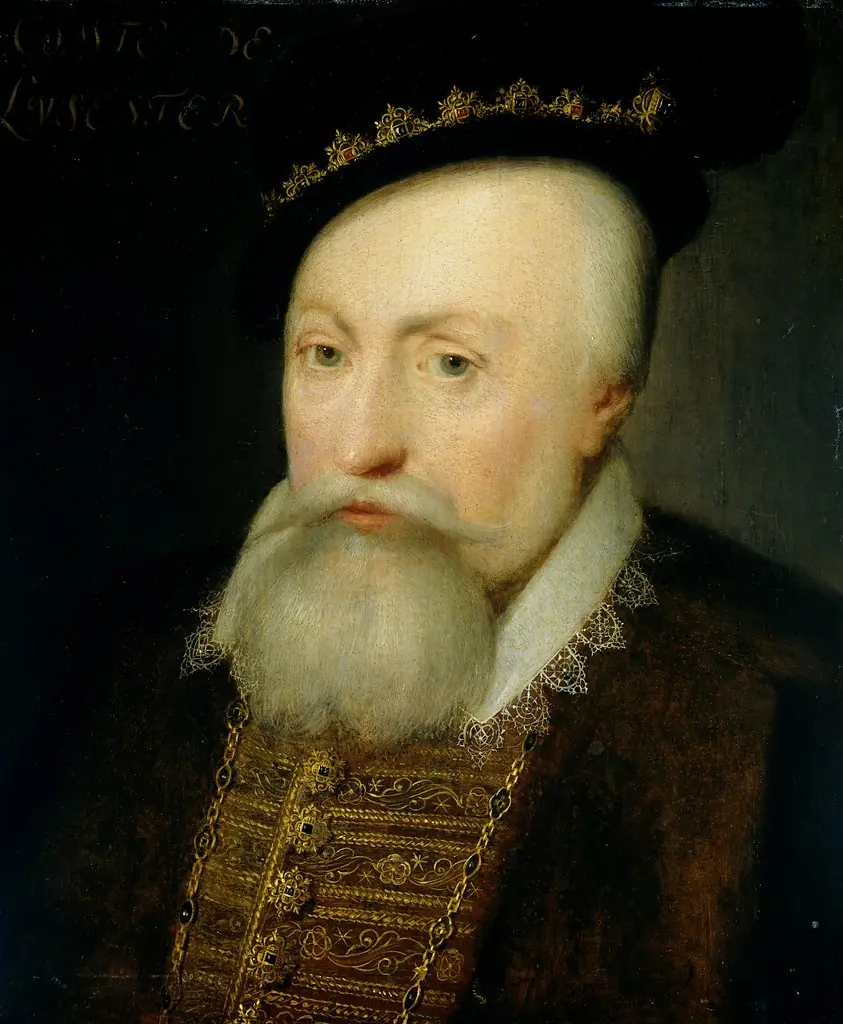
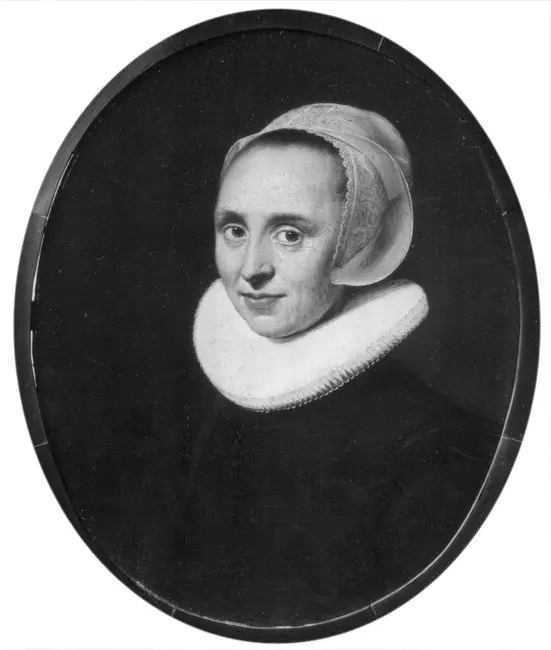
- Untitled
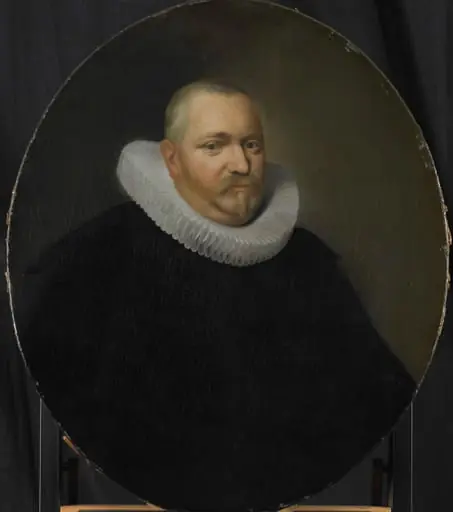 Portrait of Ewoud Pietersz van der Horst, Director of the Rotterdam Chamber of the Dutch East India Company, elected 1618
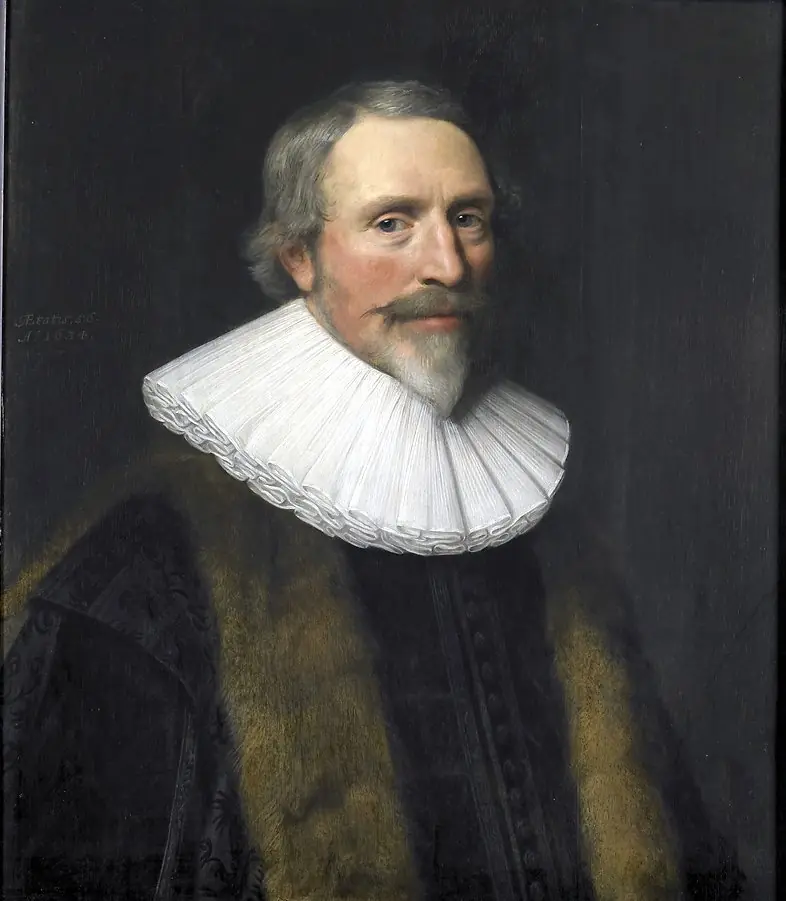 Portrait of Jacob Cats (1577-1660)
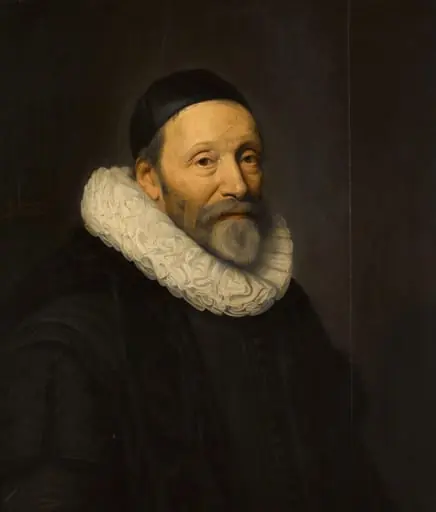 Portrait of Johannes Wttenbogaert (Jan Uytenbogaert), Remonstrant Minister in The Hague, Pastor of the Wallon Church
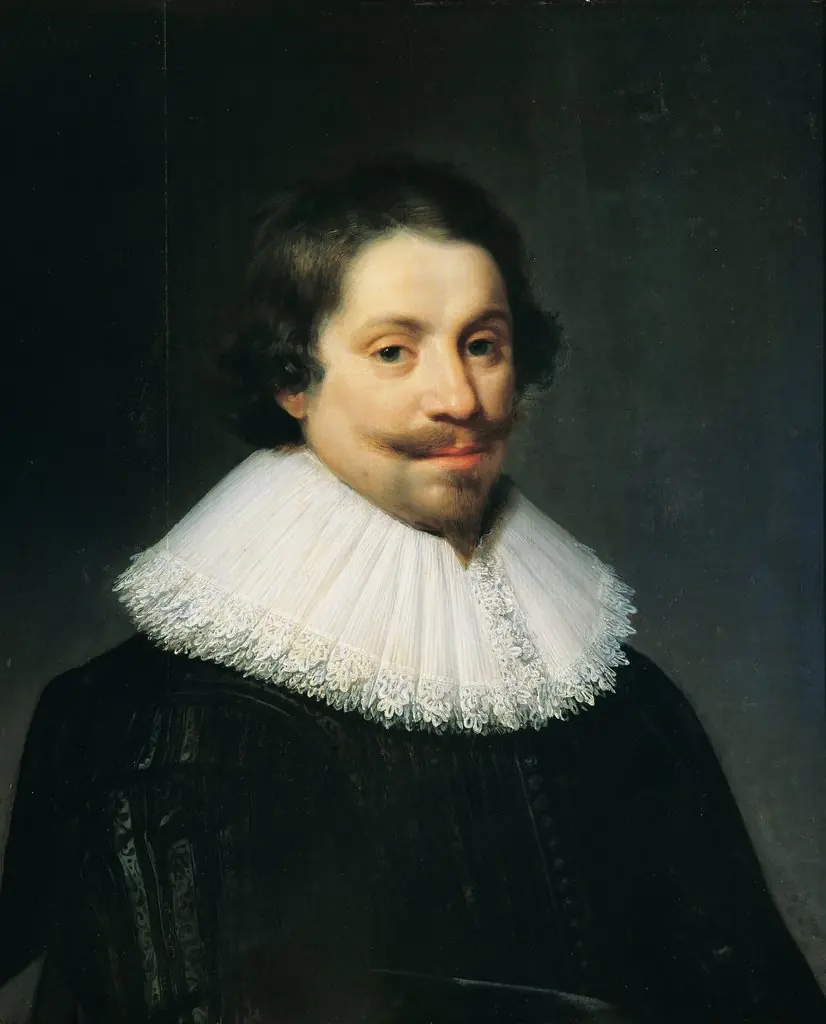 Portrait of a Man with a Ruff
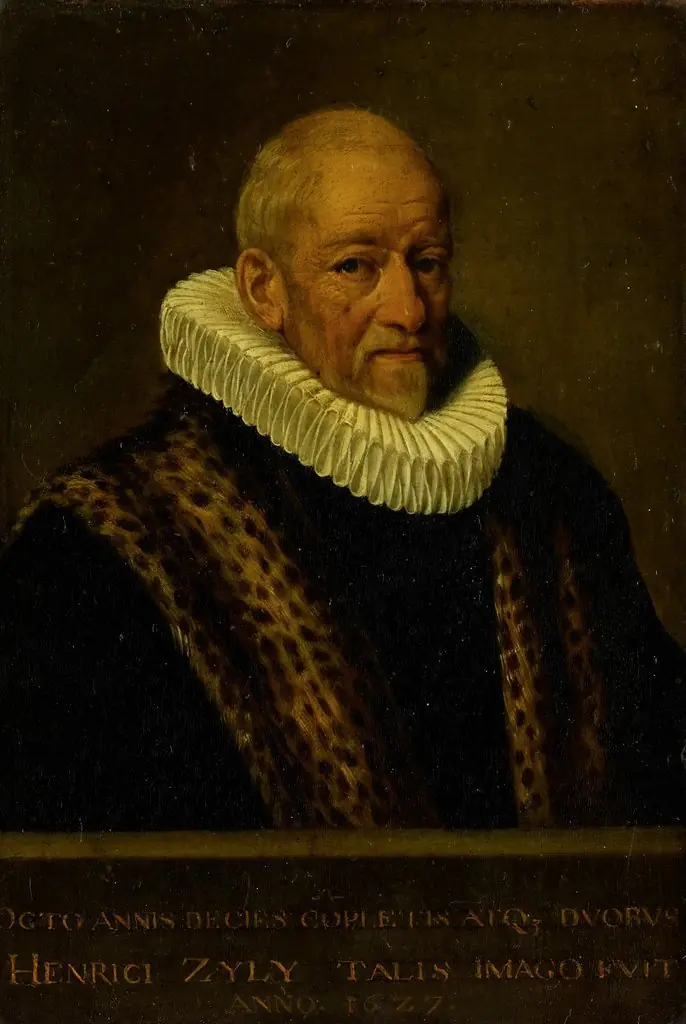 Portrait of Henricus van Zijl (1545-1627)
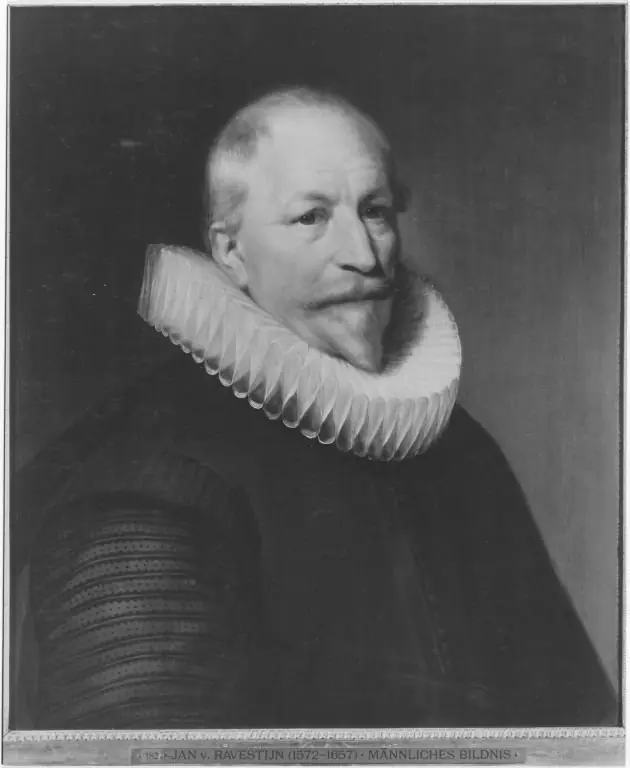 Bildnis eines Mannes
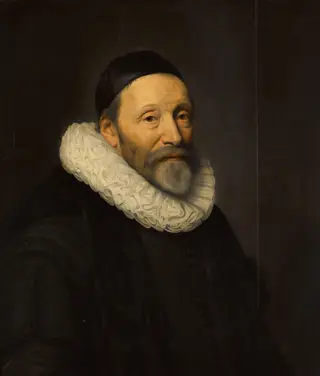 Untitled
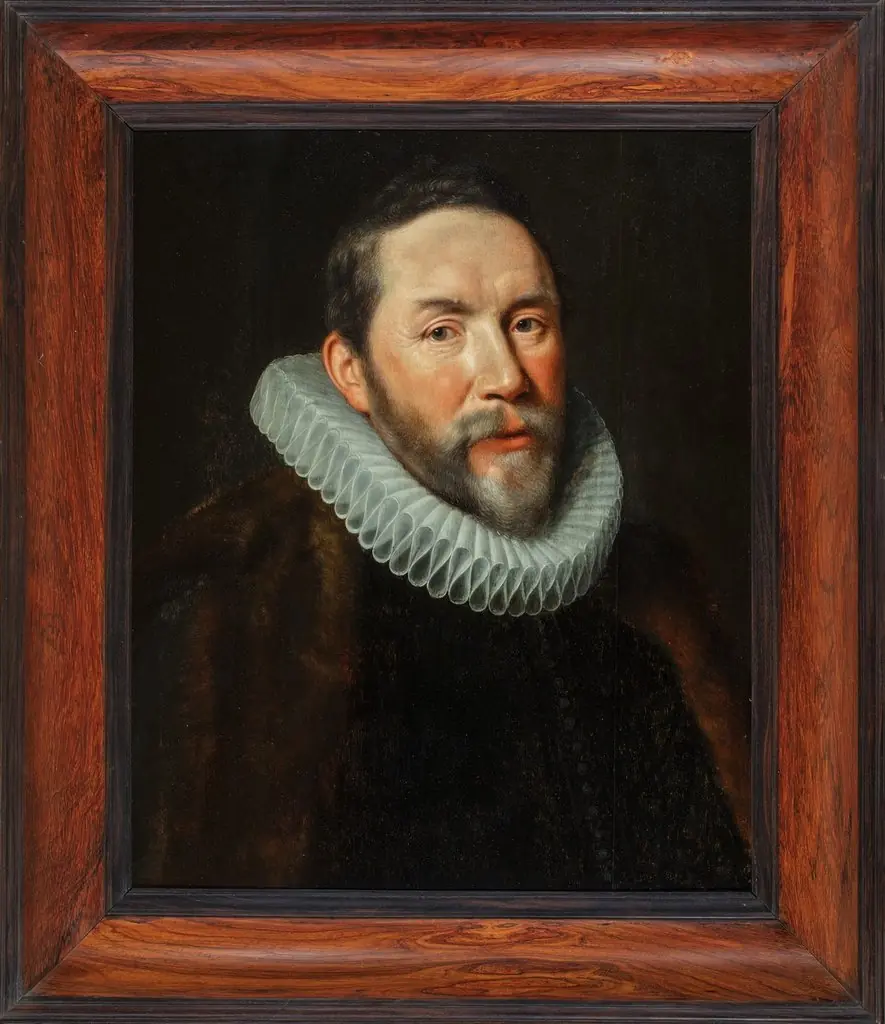 Portrait of Nicolaes Grevinckhoven (1577-1632)
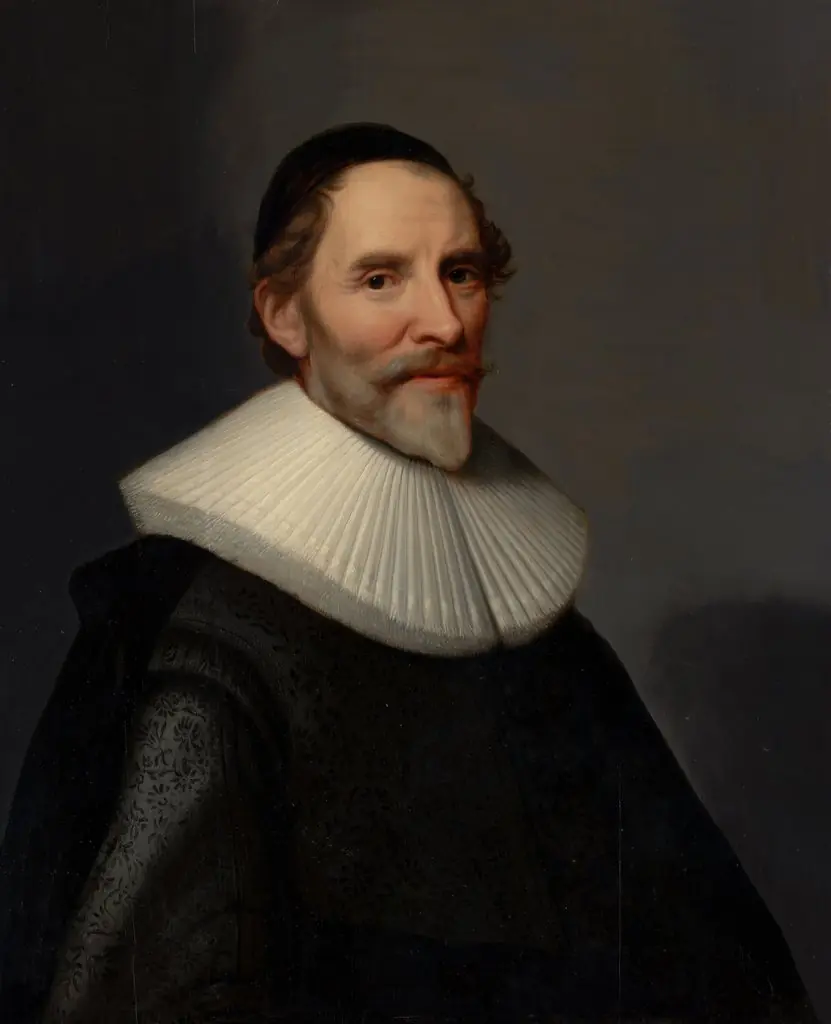 Portrait of François van Aerssen (1572-1641)
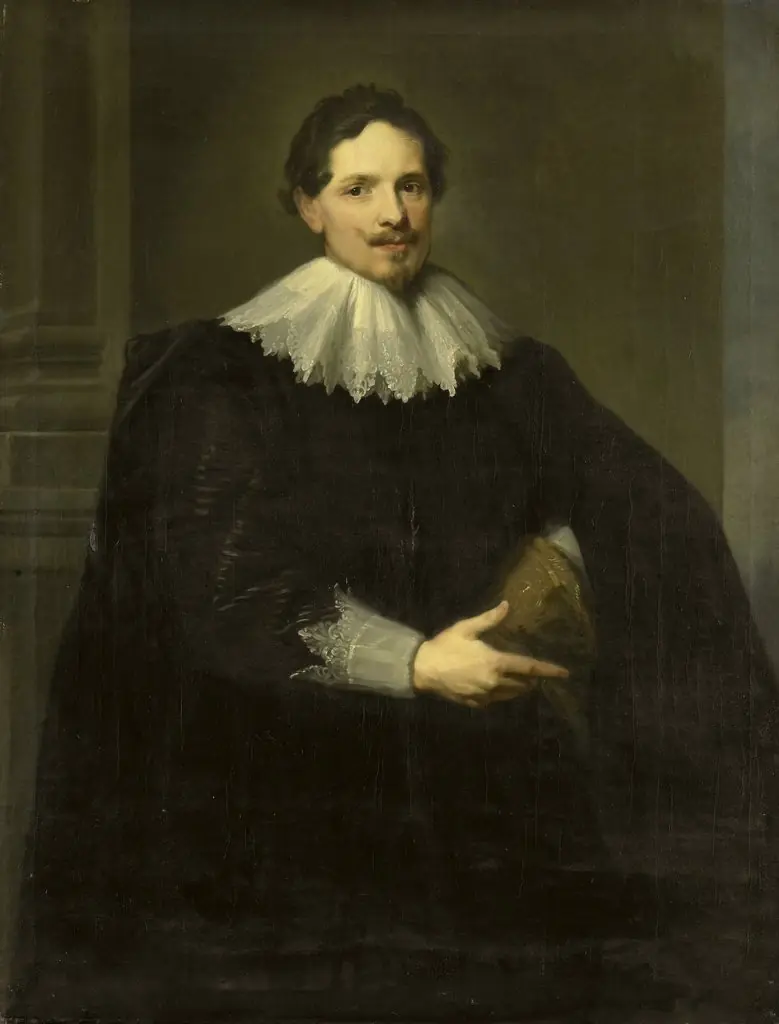 Sebastiaan Leerse, Antwerp Merchant
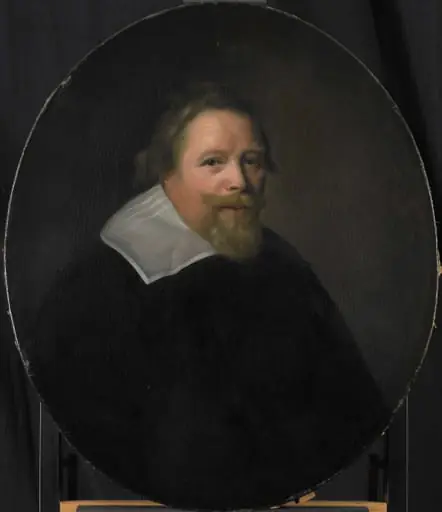 Portrait of Pieter Sonmans, Director of the Rotterdam Chamber of the Dutch East India Company, elected 1631