Artwork
Untitled
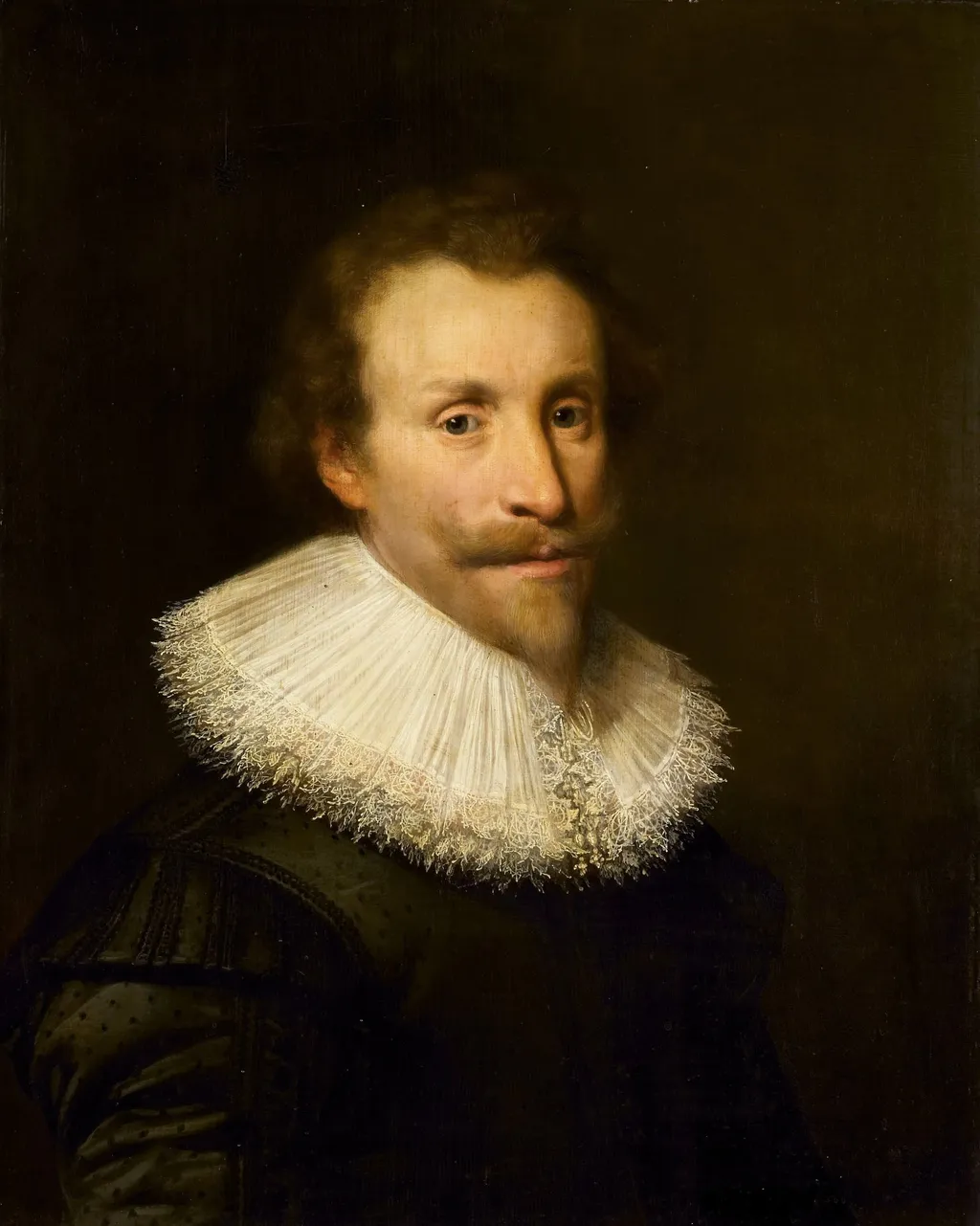
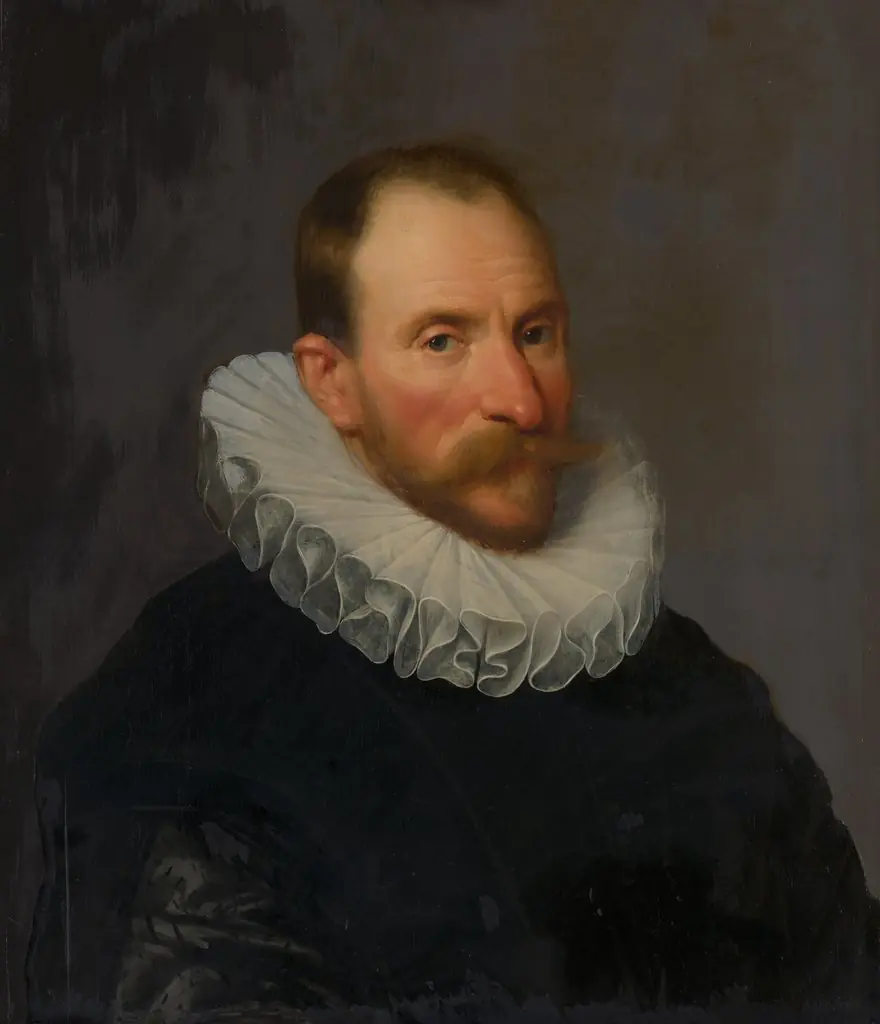
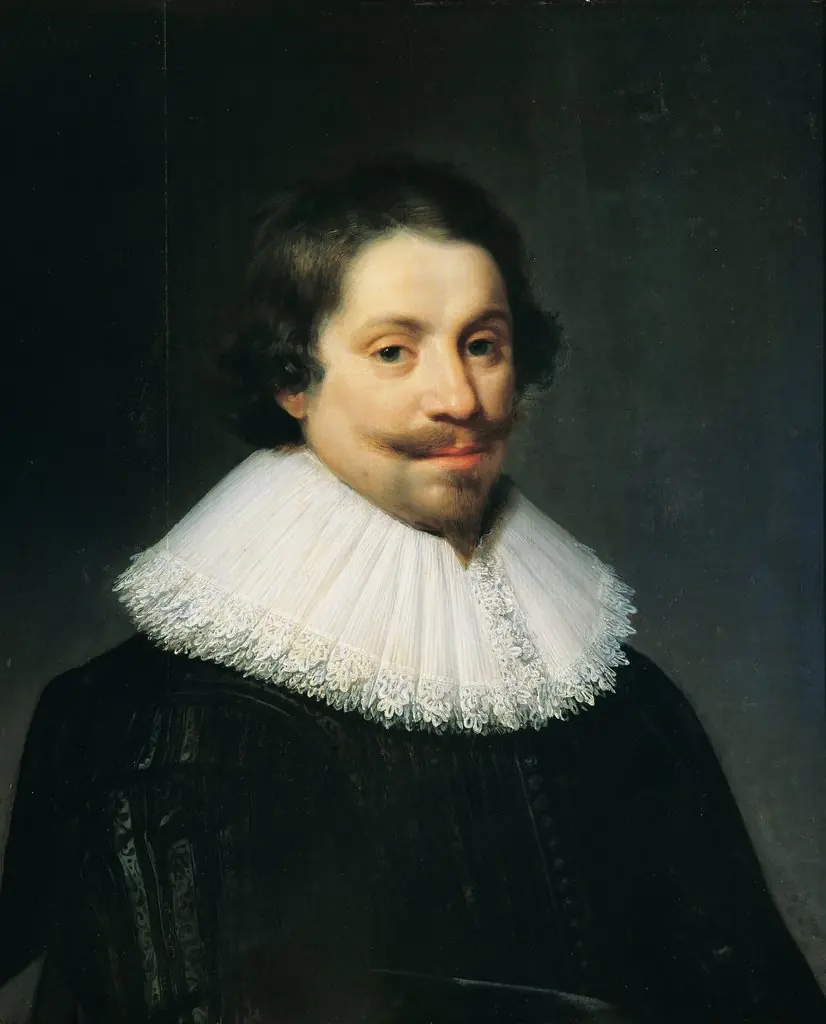
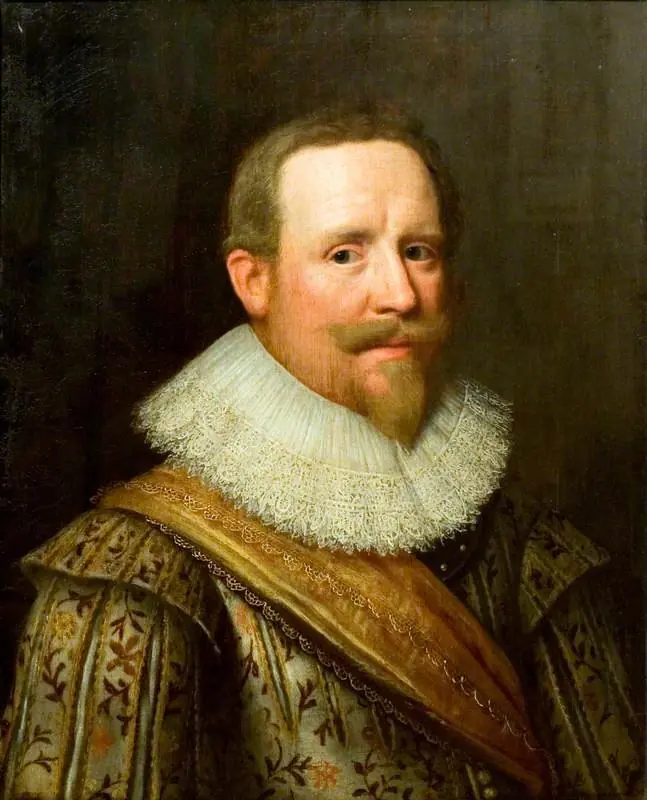
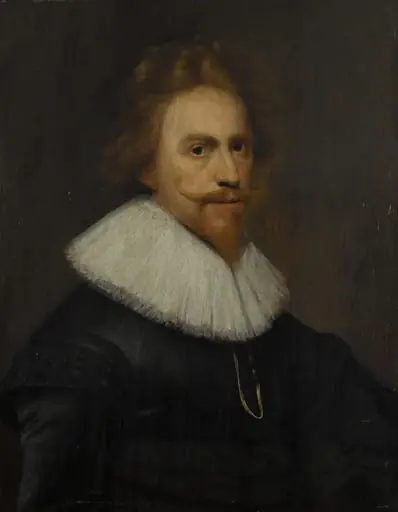
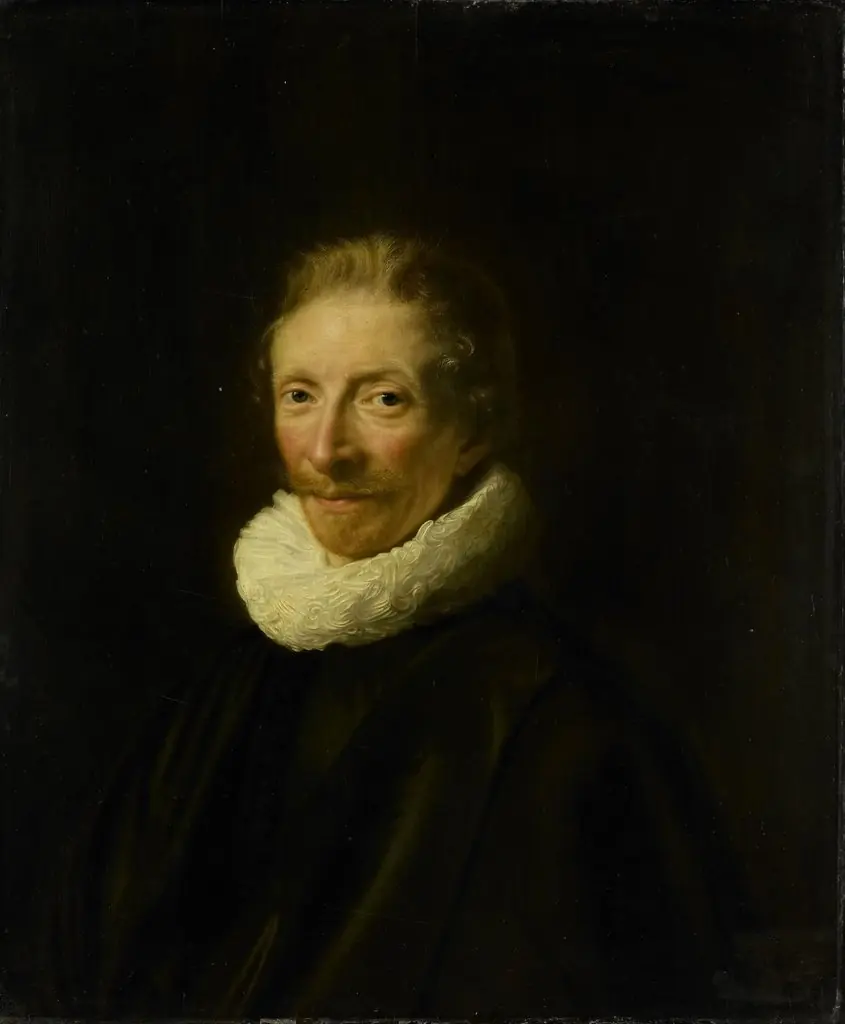
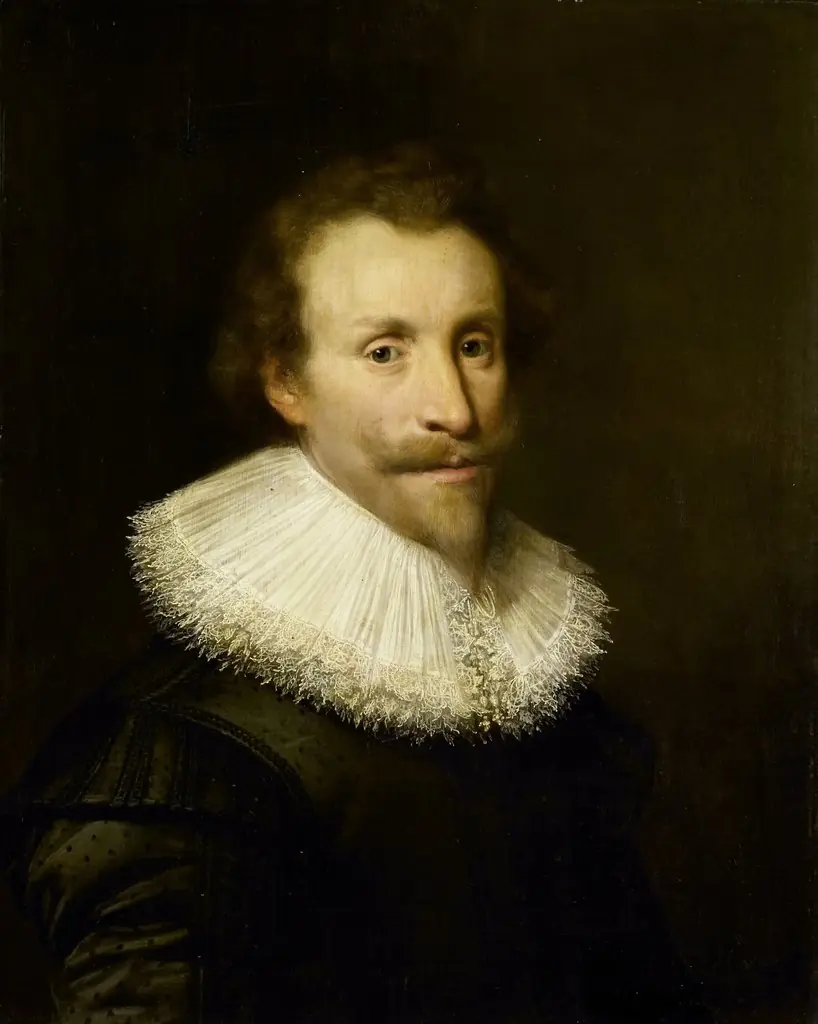
Untitled is an unspecified painting by the Baroque artist Jan van Ravesteyn. It dates from 1630 and is held in the collection of the Rijksmuseum.
About this work
Technique & Style
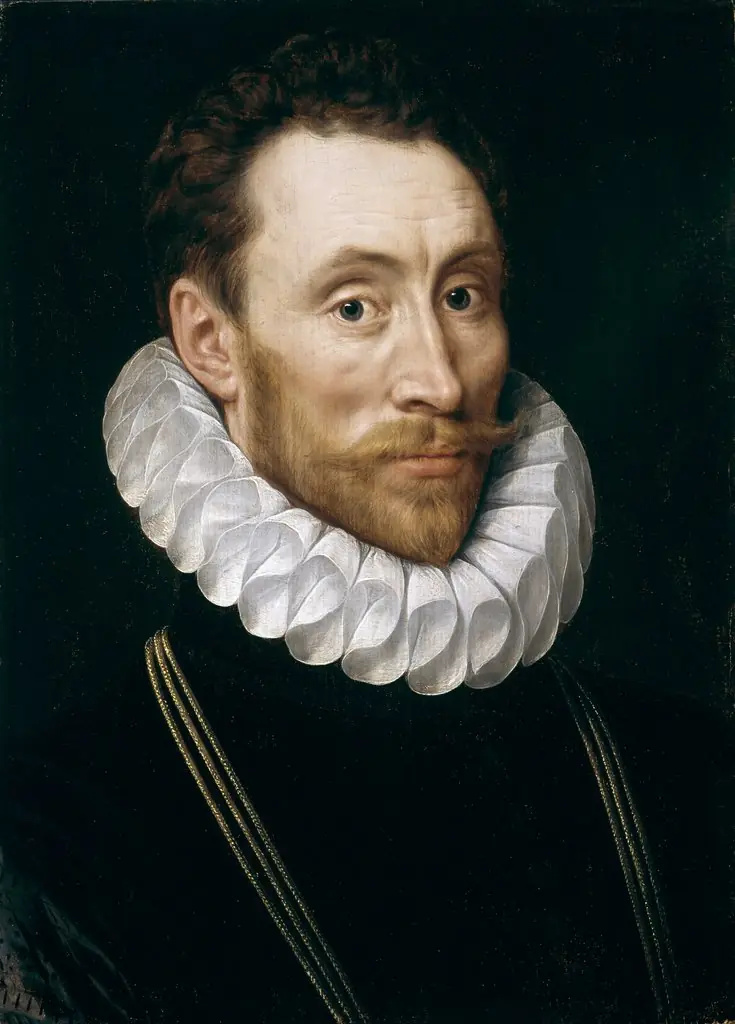
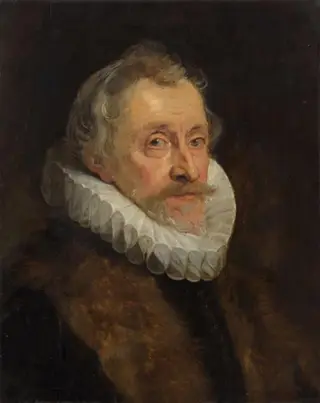
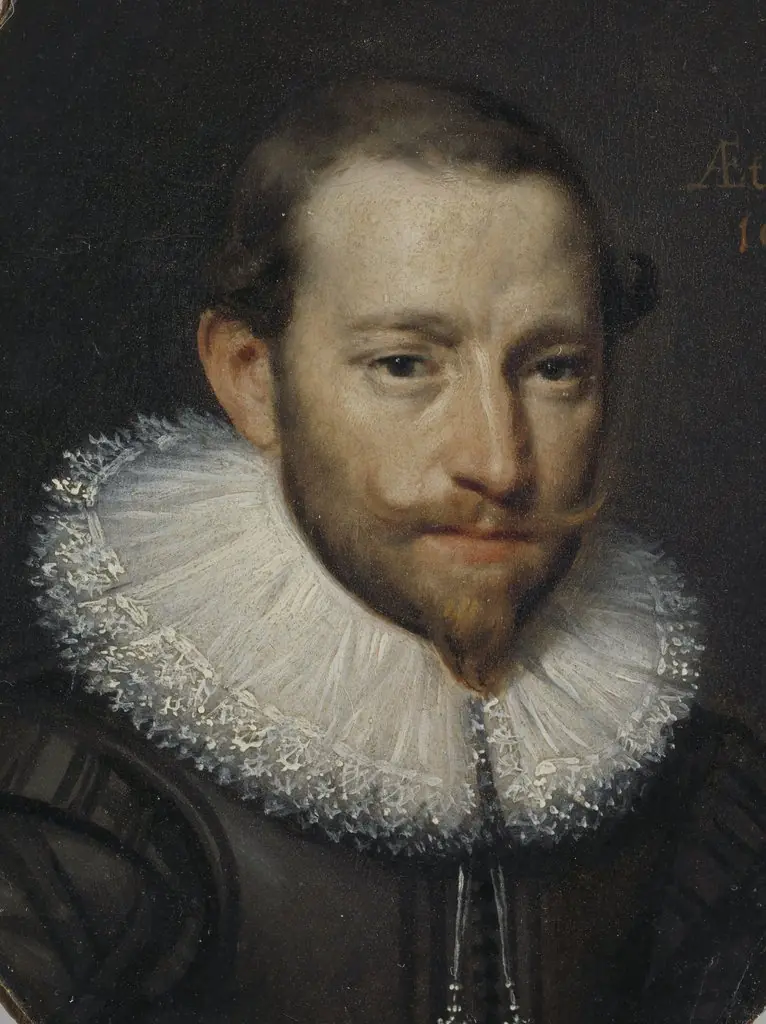
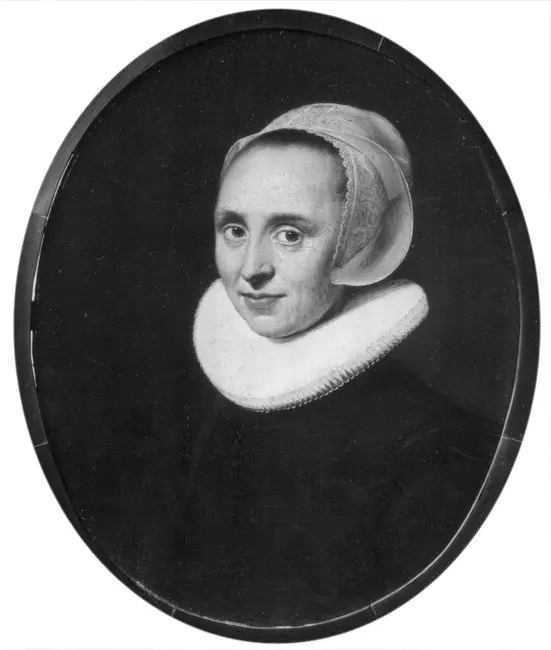
Untitled by Jan Antonisz van Ravesteyn, painted circa 1630–1635, is an oil on canvas portrait exemplifying Baroque techniques through its clear yet rötliche tonality and energetic characterization. The work functions as a formal portrait displaying courtly subject matter within the Dutch Golden Age tradition, with stylistic elements including precise rendering of facial features and controlled brushwork that defines van Ravesteyn's approach to capturing aristocratic presence. The painting's condition reflects typical Baroque-era handling through preserved structural integrity of the canvas support and evidence of careful conservation practices documented in archival records.
The artwork's medium demonstrates standard 17th-century portrait practice with oil pigments applied to stretched canvas, maintaining original dimensional proportions without compositional alterations. Formal stylistic qualities reveal van Ravesteyn's signature approach to facial modeling through chiaroscuro effects and restrained color palette, particularly evident in the nuanced treatment of skin tones and fabric textures. This piece represents a mature phase of his oeuvre where technical mastery combines with the era's emphasis on psychological realism in portraiture, as seen in the subject's direct engagement with the viewer and controlled expression conveying status and authority.
History & Provenance
His workshop produced portraits for the Dutch royal house of Nassau, and he taught several notable artists including Adriaen Hanneman.
Jan Antonisz van Ravesteyn, a Dutch portrait painter active in The Hague from the late 16th to mid-17th century, created the work Untitled around 1630 to 1635, as recorded in its classification as a painting within the portrait genre. He was born circa 1572 in The Hague and died in 1657, with his career documented through membership in the Guild of St. Luke in 1598 and involvement in the founding of Confrerie Pictura in 1656. His workshop produced portraits for the Dutch royal house of Nassau, and he taught several notable artists including Adriaen Hanneman.
The painting's creation history is tied to his role as a court portraitist, with stylistic elements reflecting Baroque influences and clear, energetic characterization noted in his body of work.
Context
Jan Antonisz. van Ravesteyn operated within the prolific Dutch portrait tradition of the early 17th century, producing works that documented the civic and aristocratic elite of The Hague. His activity coincided with the rise of the Confrérie Pictura in 1656, a breakaway from the Guild of St. Luke that reflected growing tensions between fine artists and guild painters. Van Ravesteyn’s portraits, often of court officials and members of the House of Nassau, exemplify the Baroque emphasis on psychological presence and precise characterization, as noted in contemporary records.
His workshop trained numerous artists, including Adriaen Hanneman and Dirck Abrahamsz., ensuring the transmission of this portrait style. The attribution of his works remains tied to archival documentation of civic commissions and royal patronage in the Dutch Republic.
Overview
Created circa 1630, this untitled oil painting is part of the Rijksmuseum’s collection. It depicts a solitary figure in a dim interior, illuminated by the flicker of a single candle. The composition reflects the aesthetic concerns of the Dutch Golden Age, when artists increasingly explored intimate, everyday scenes.
Subject & Meaning
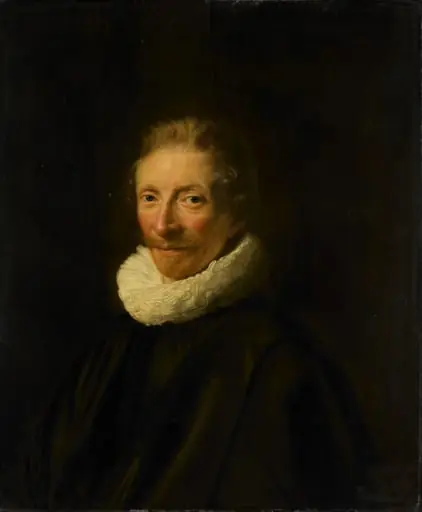
The work shows a man wearing a white collar, bent over an open book. His visage is partially obscured by shadow, suggesting a private, contemplative moment. The subdued atmosphere invites viewers to consider themes of study, solitude, and the quiet rituals of personal reading.
Own this work as a print
Artist & collection
Artist
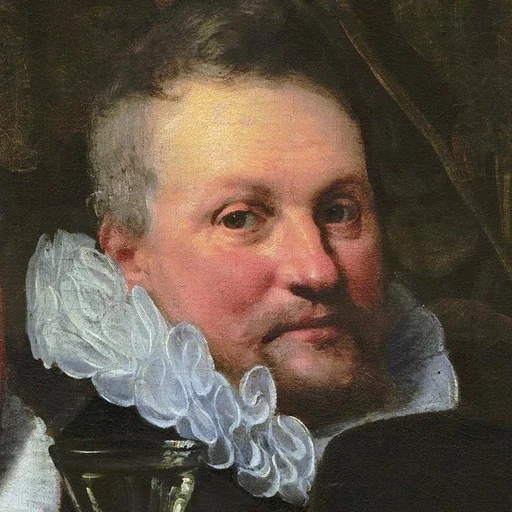
Jan Anthoniszoon (abbr. Anthonisz.) van Ravesteyn (c. 1572 – buried 21 June 1657) was a successful portrait painter to the Dutch court in The Hague.

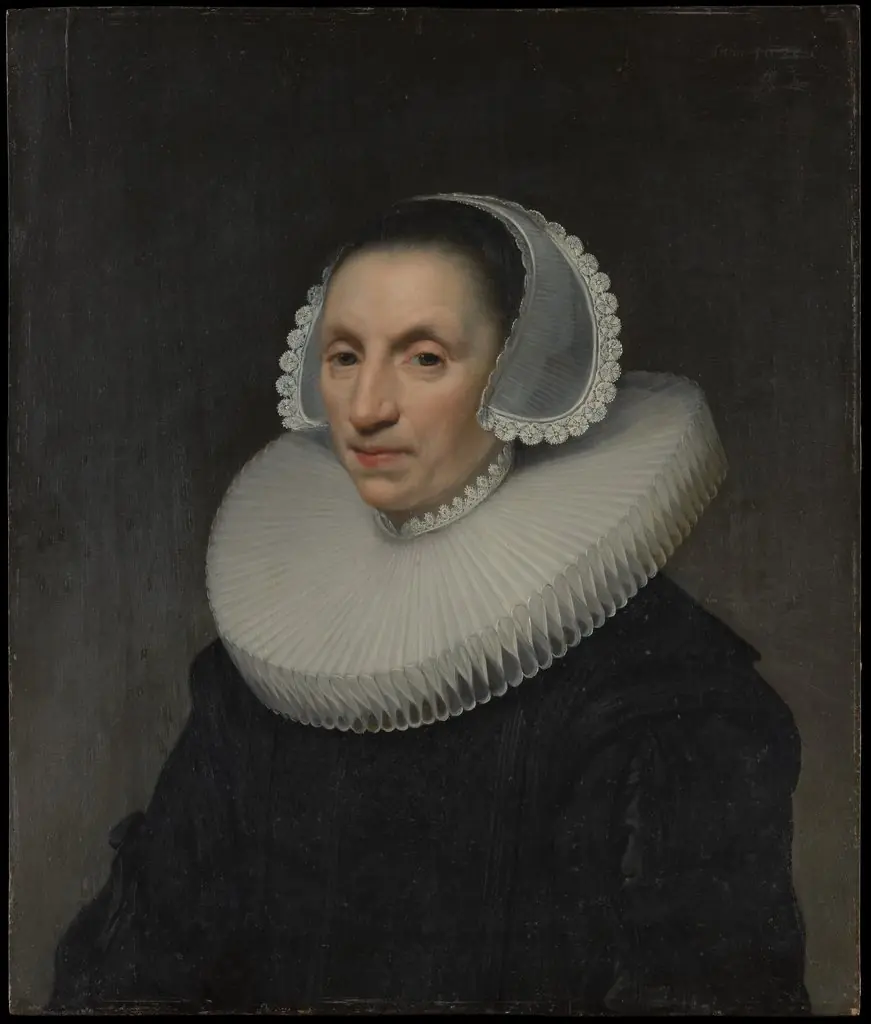 Portrait of a Woman
- Portrait of a man
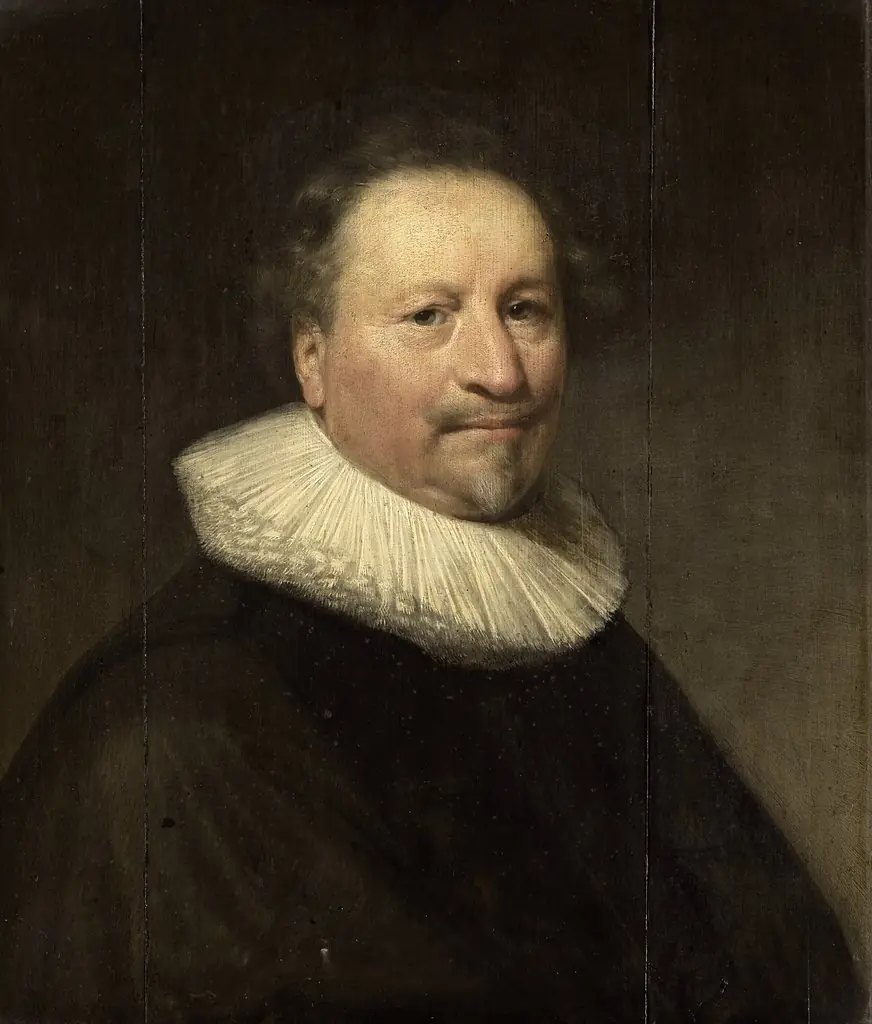 Portrait of a man, possibly Jan Doublet (1580-1650)
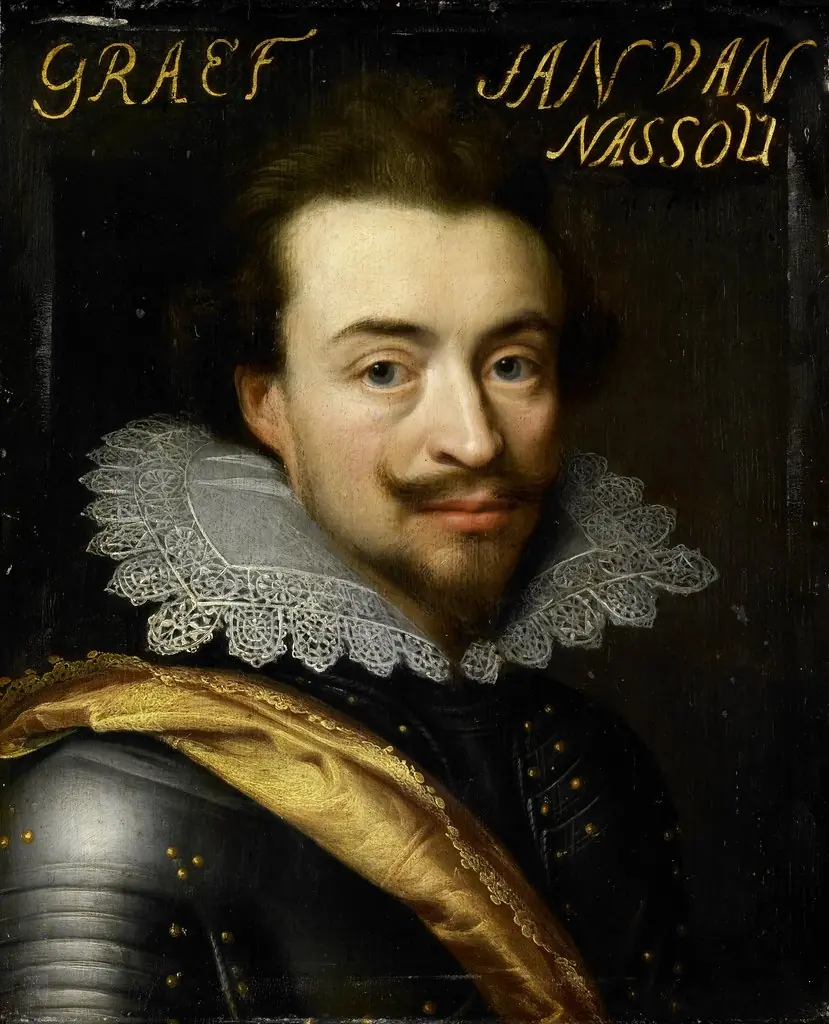 Portrait of Jan the Younger (1583-1638), Count of Nassau-Siegen
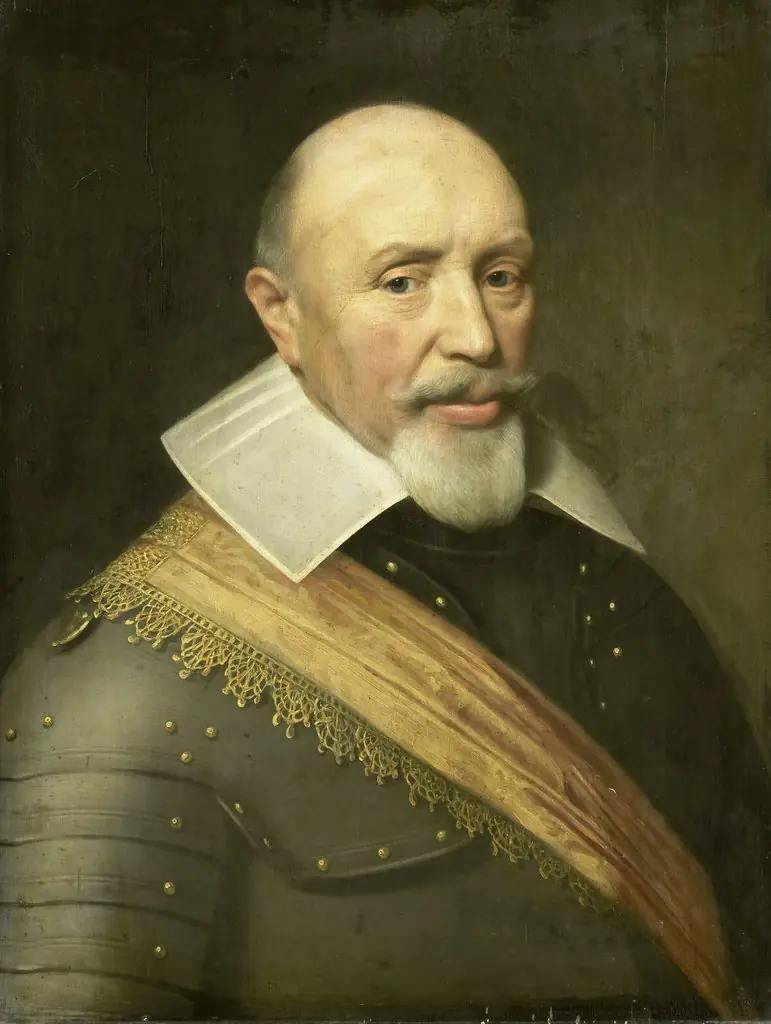 Portrait of an officer
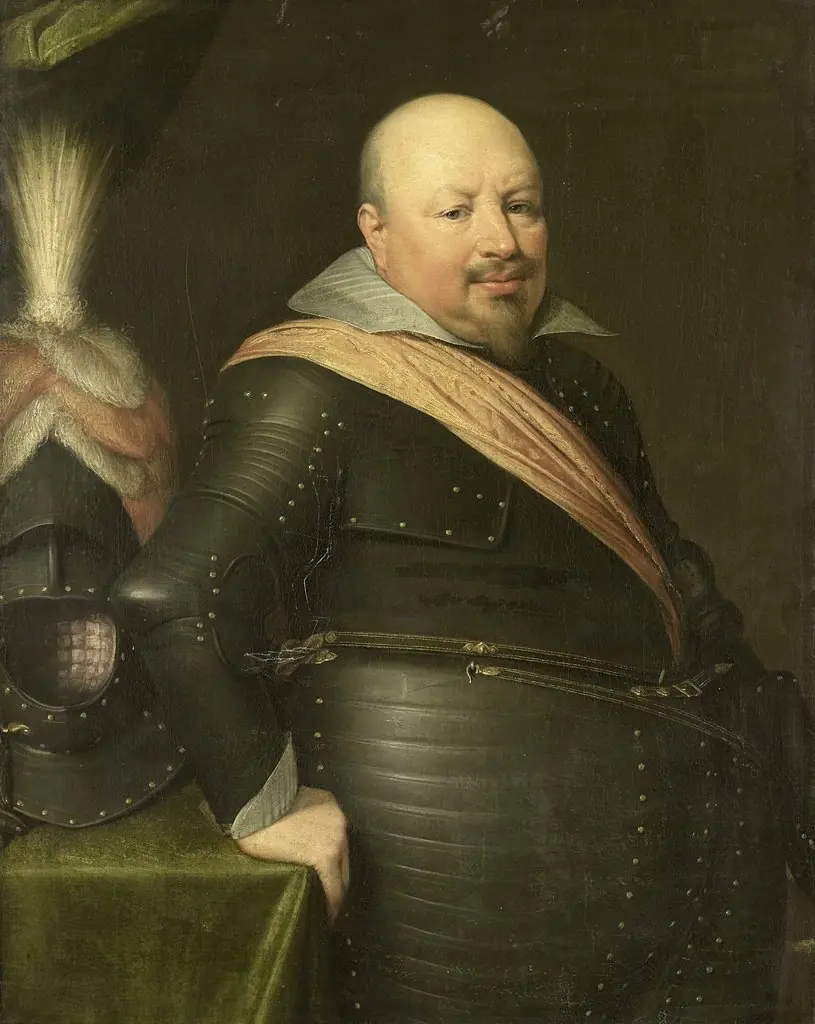 Portrait of Nicolaas Schmelzing (1561-1629)
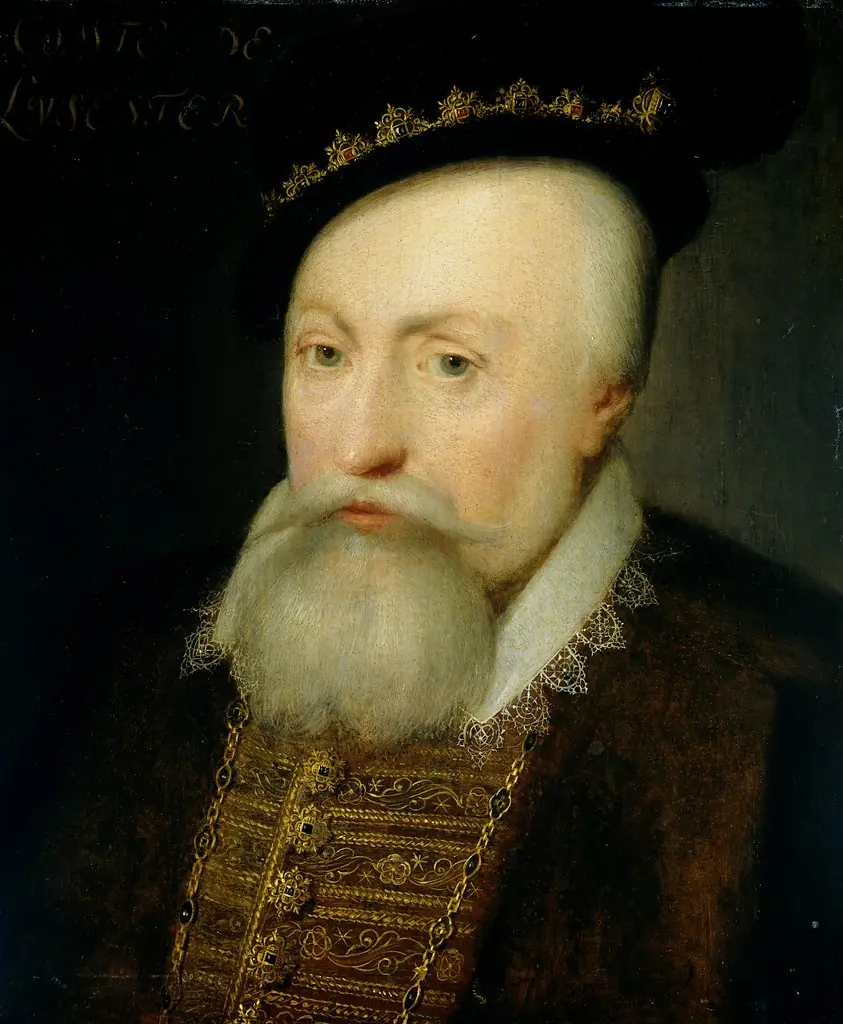 Portrait of Robert Dudley (1532-88), Earl of Leicester
 Portrait of the sister of Dirck Baltus