Artwork
The Adoration of the Magi
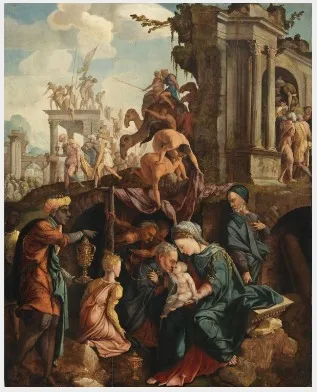
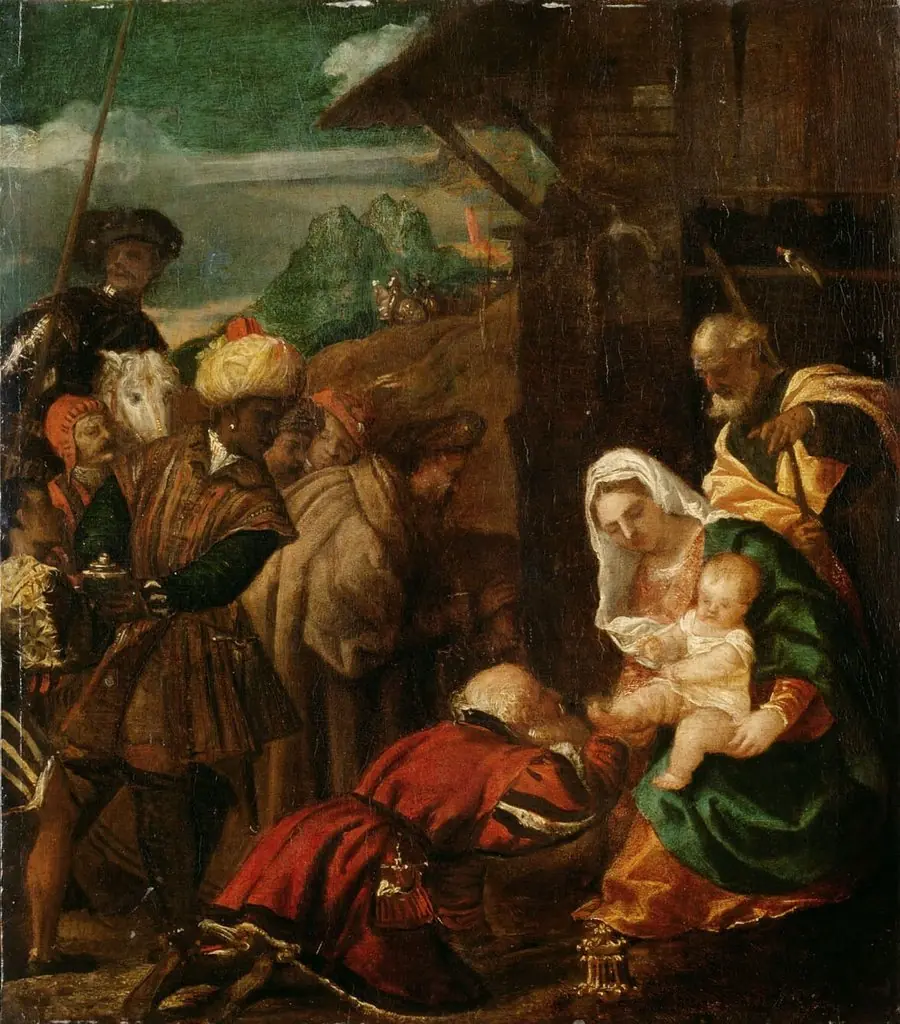
The Adoration of the Magi is an oil painting by the Northern Renaissance artist Jan van Scorel. It dates from 1524 and is held in the collection of the National Gallery of Ireland.
About this work
Overview
The figures are arranged in a dynamic, crowded grouping that fills the foreground, emphasizing the interaction between the holy family and the visiting kings.
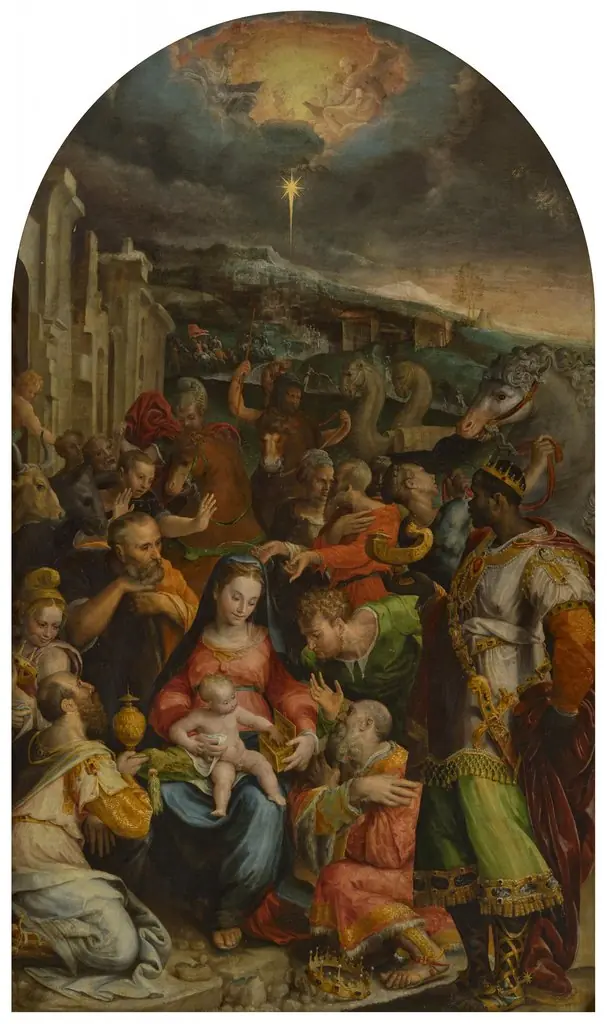
Jan van Scorel's The Adoration of the Magi, executed in 1524, is a seminal work of the Netherlandish Renaissance that synthesizes Northern European tradition with Italianate influence. The composition centers on the Virgin Mary, clad in a blue robe, seated upon a stone ruin while presenting the Christ Child to the kneeling Magi. The figures are arranged in a dynamic, crowded grouping that fills the foreground, emphasizing the interaction between the holy family and the visiting kings.
Scorel distinguishes the visitors through their elaborate, contemporary attire and distinct facial features, a hallmark of his portraiture. In the background, the scene extends to include mounted attendants and a classical architectural structure featuring columns, reflecting the artist's direct experience with Italian art during his travels. Painted shortly after Scorel's return from Italy, this work demonstrates his ability to merge the detailed realism of the Northern school with the spatial depth and classical motifs of the High Renaissance.
The painting serves as a key example of the stylistic transition occurring in the Netherlands during the early sixteenth century, marking Scorel's role as a pioneer in introducing Italian Renaissance aesthetics to the Low Countries.
Subject & Meaning
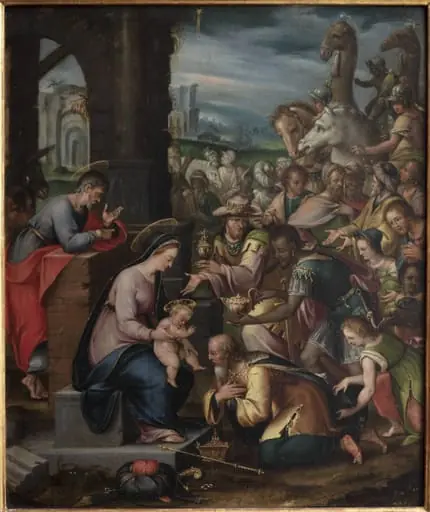
At the centre of the composition a woman, likely the Virgin Mary, cradles the newborn Christ while a group of richly dressed figures kneel and stand in reverence. The presence of mounted riders in the distance and an architectural backdrop suggests a narrative of pilgrimage and homage.
Technique & Style
Scorel employs a warm palette of reds, blues, and earth tones, while a bright sky frames the scene. Sharp illumination falls on faces and hands, casting deep shadows that model the figures in three dimensions, a clear use of chiaroscuro to enhance spatial depth.
History & Provenance
The painting was created in the early sixteenth century, during Scorel’s mature period after his travels in Italy. It entered the National Gallery of Ireland’s holdings in the twentieth century, where it remains on public display.
Context
The work reflects the influence of Italian Renaissance art on Northern painters, evident in its balanced composition and use of light. It also aligns with the period’s devotional interest in the Nativity and the Magi, themes frequently commissioned for private chapels.
Artist & collection

Artist
Jan van Scorel was a Dutch painter, who played a leading role in introducing aspects of Italian Renaissance painting into Dutch and Flemish Renaissance painting.

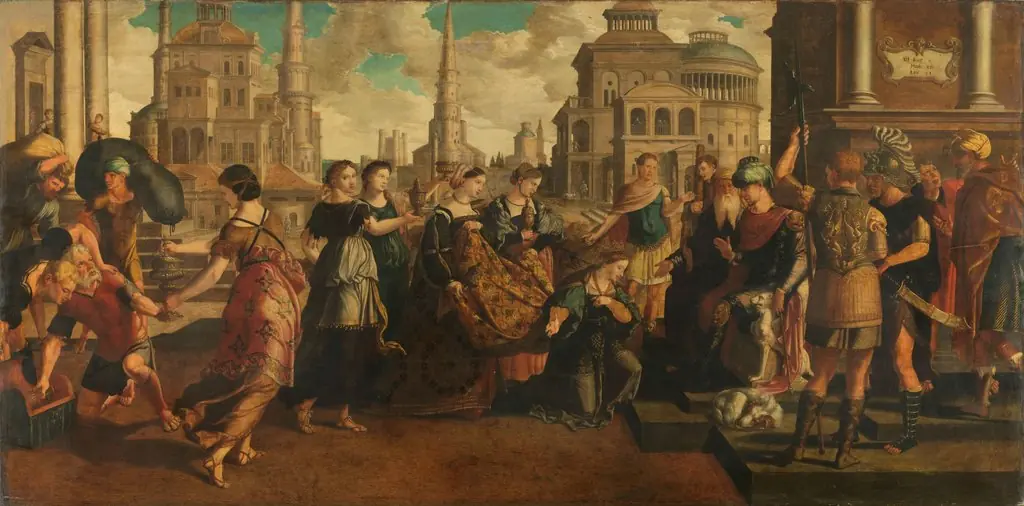
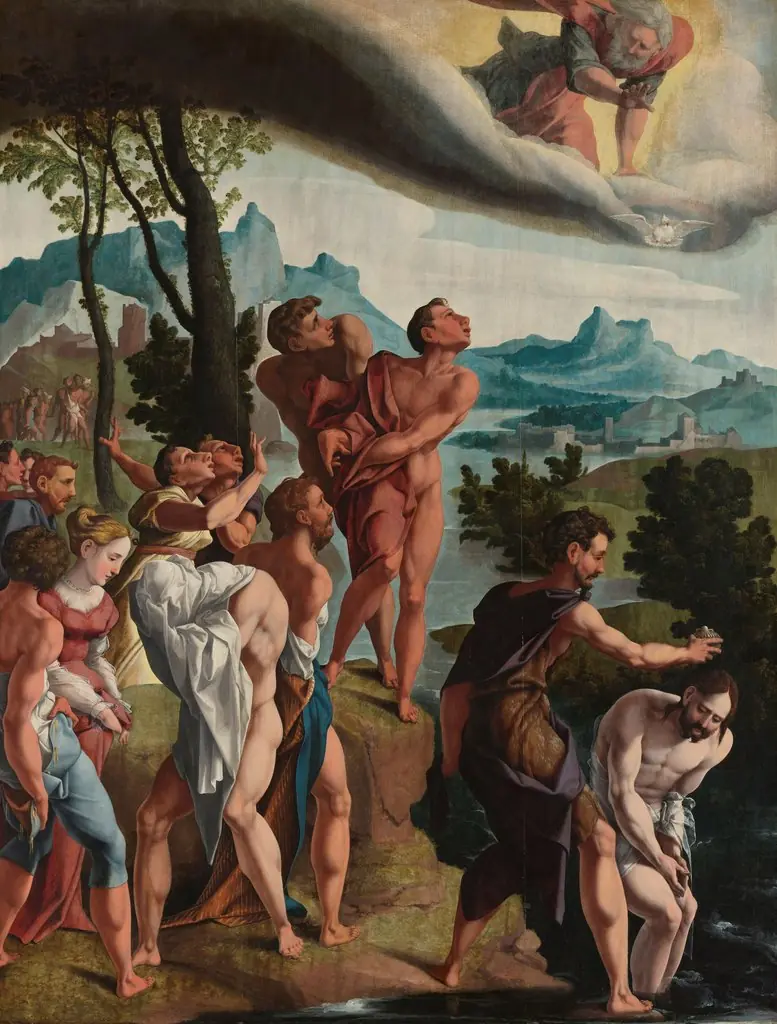
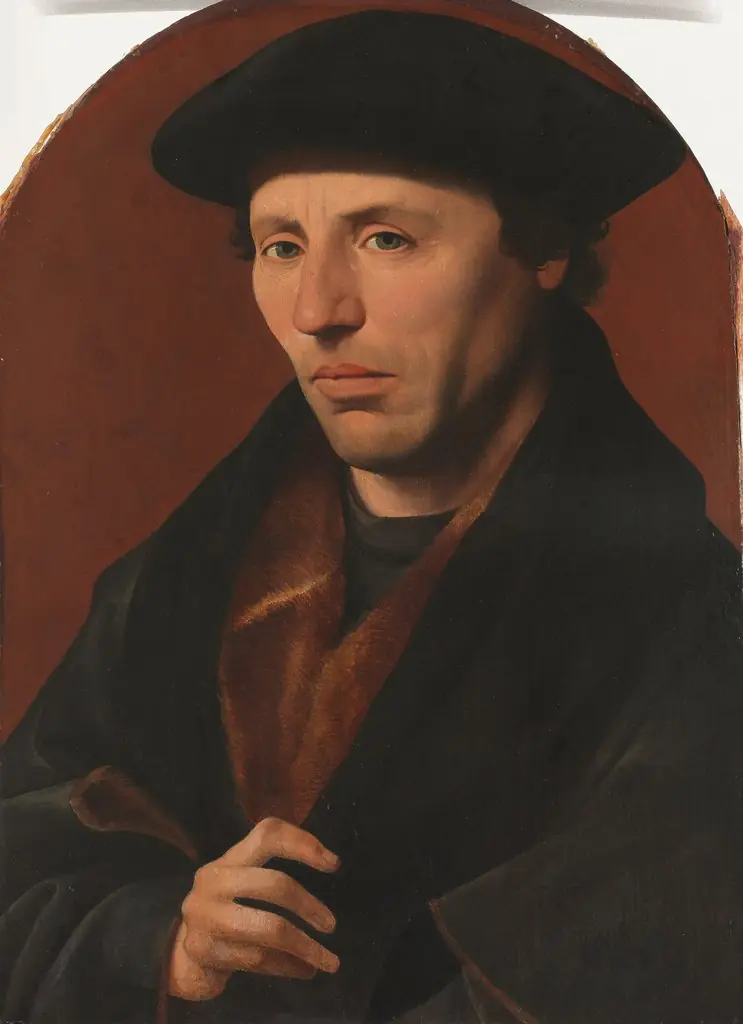
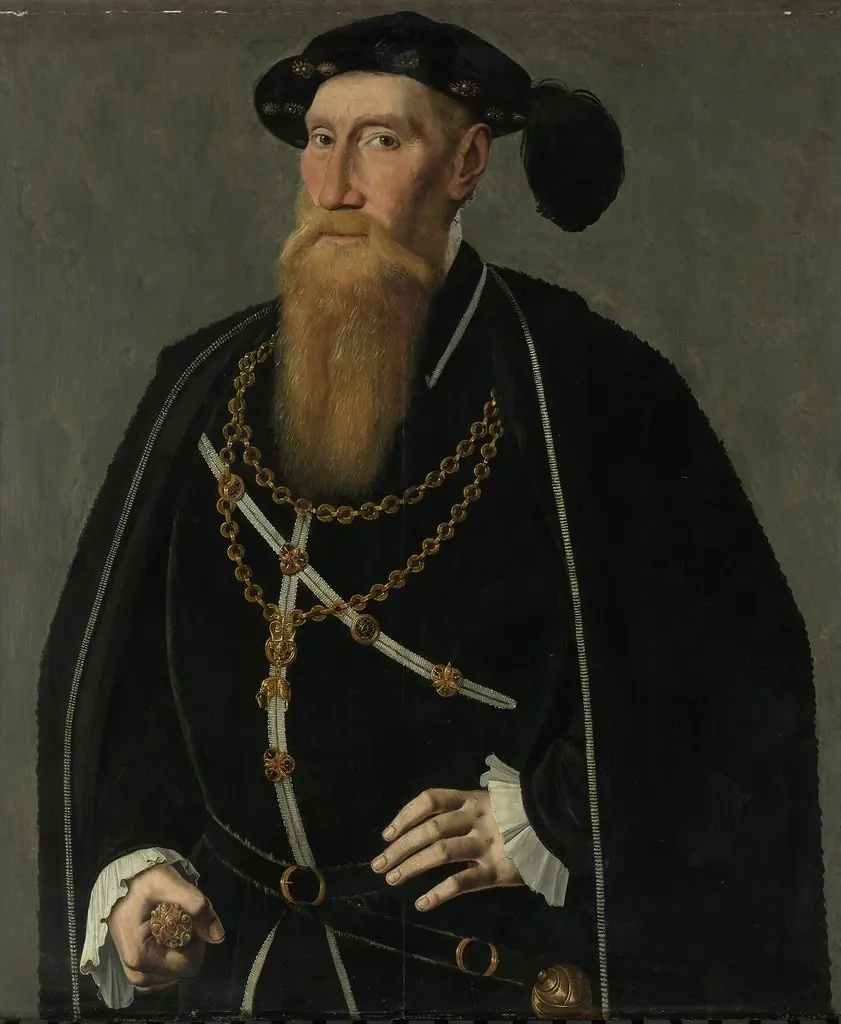
- The Adoration of the Magi
 The Adoration of the Magi
 The Adoration of the Magi
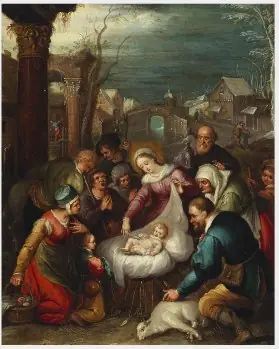 The Adoration of the Shepherds
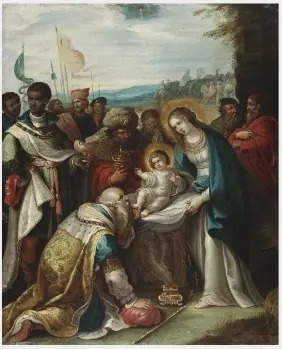 The Adoration of the Magi
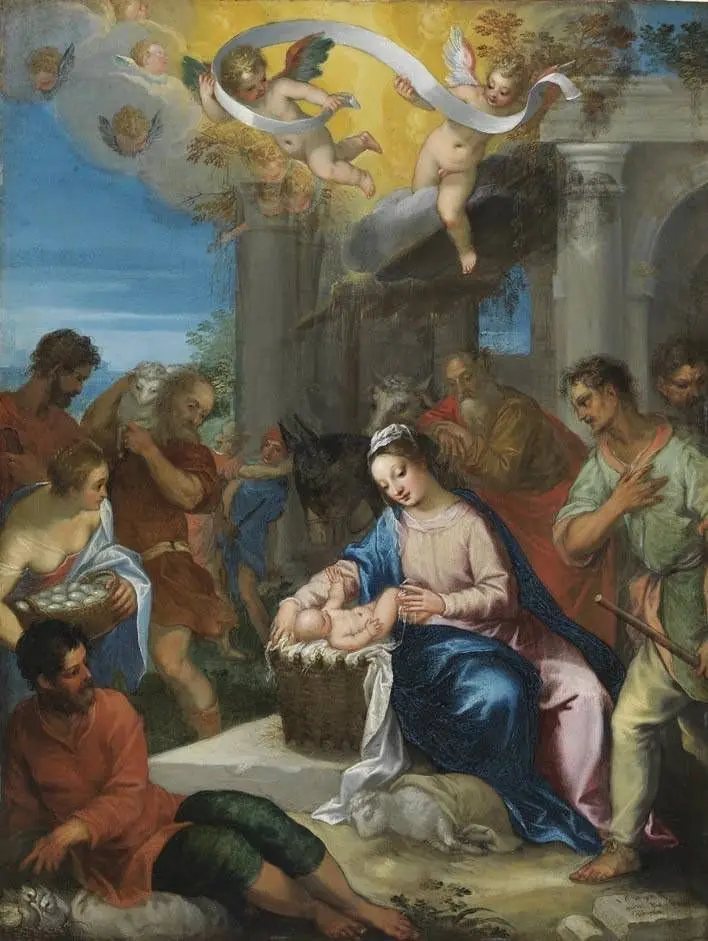 Anbetung der Hirten
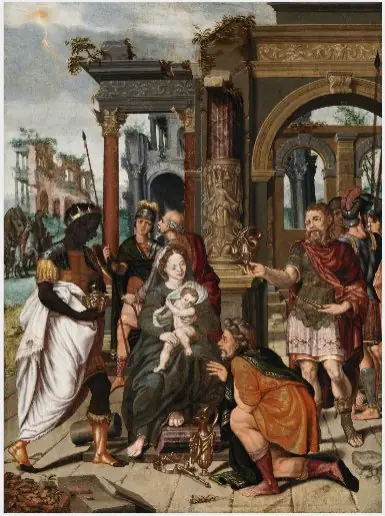 The Adoration of the Magi
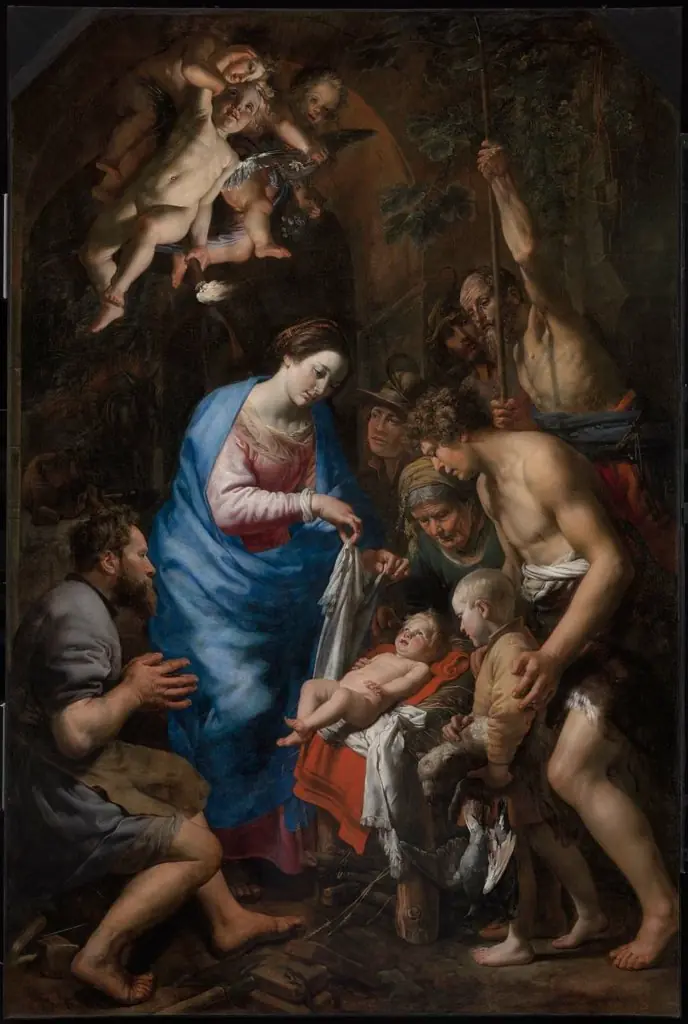 The Adoration of the Shepherds
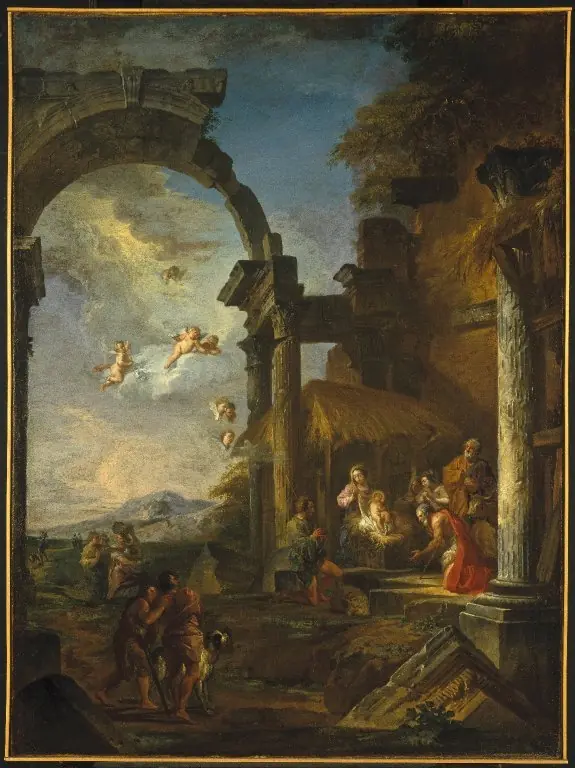 Adoration of the Shepherds
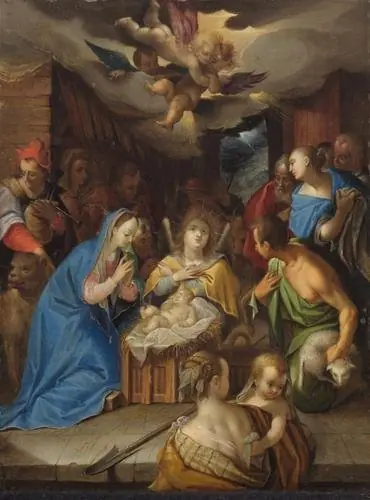 The Adoration of the Shepherds
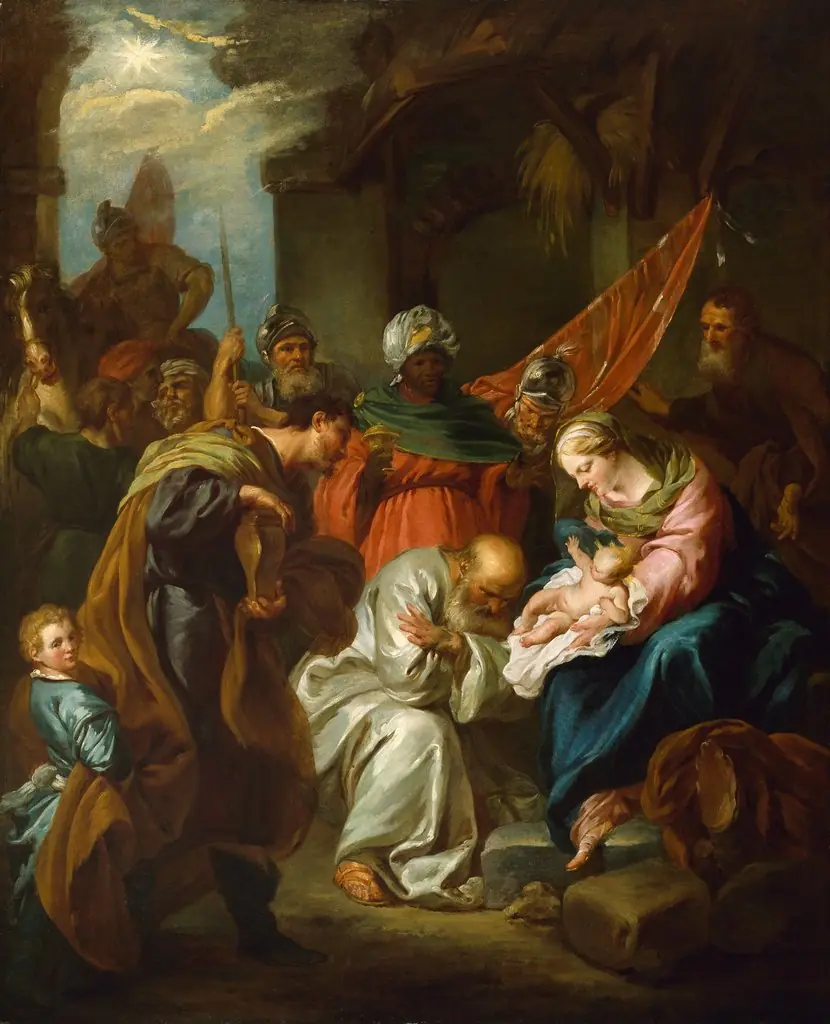 The Adoration of the Magi
 Adoration of the Magi