Artwork
Landscape with Bathsheba
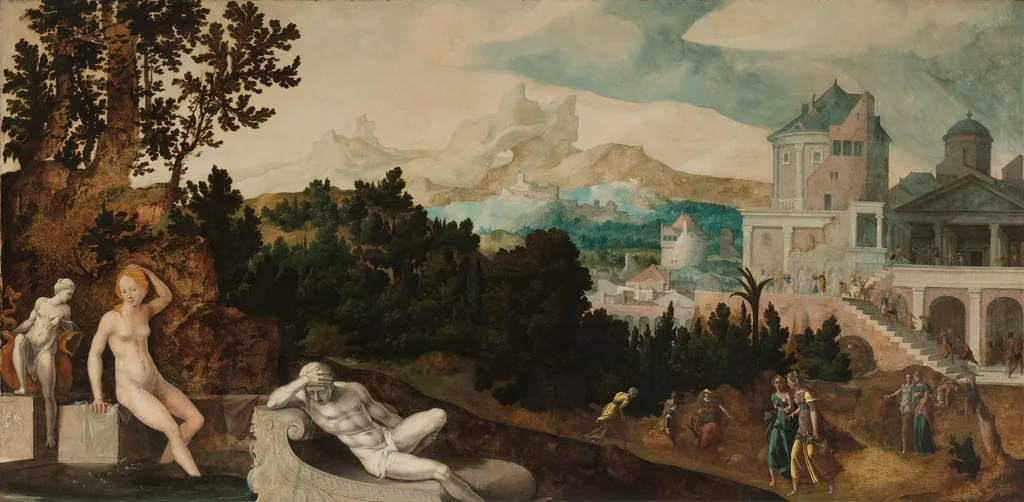
Landscape with Bathsheba is an oil painting by the Northern Renaissance artist Jan van Scorel. It dates from 1540 and is held in the collection of the Rijksmuseum.
About this work
In the left foreground of Jan van Scorel's panoramic panel, Bathsheba dips her feet into a fountain set with antique statuary while King David leans from a distant palace balcony to send his fateful letter. Painted in Utrecht around 1540, the work folds the biblical drama of 2 Samuel into a sweeping classical landscape, worked in smalt, azurite, and oil across four joined oak planks. It hangs in the Rijksmuseum.
Subject & Meaning
Bathsheba is depicted nude, seated beside a fountain with a basin and attended by a domestic worker, while David is shown in the distance on a palace terrace.
The painting illustrates the biblical episode from 2 Samuel 11, where King David spies the bathing Bathsheba. Bathsheba is depicted nude, seated beside a fountain with a basin and attended by a domestic worker, while David is shown in the distance on a palace terrace. The work blends religious narrative with landscape painting, featuring a broad forest, mountains, and a classical statue in the foreground.
The inclusion of the statue and palace architecture reinforces the biblical setting, while the expansive natural backdrop emphasizes the landscape genre. Iconographically, the scene represents temptation and the abuse of royal power, though Van Scorel subordinates narrative drama to the panoramic vista and serene atmospheric effects typical of Dutch landscape traditions.
Technique & Style
The painting is executed in oil paint on a panel support, measuring 100.4 by 203.9 centimeters. This large horizontal format accommodates a sweeping landscape that integrates religious and nude subjects, consistent with Northern Renaissance trends of the period. The composition features a detailed panorama with broad-leaved trees, a forest, a palace, mountains, and a sky filled with clouds.
Within this setting, Bathsheba is depicted nude, swimming or washing, surrounded by ancillary figures and architectural elements. The use of oil on panel allowed for fine detail and luminous color, typical of Jan van Scorel’s workshop. While the sources do not specify handling or condition, the numerous depicted elements indicate a complex, narrative-driven landscape with careful attention to natural and architectural motifs.
History & Provenance
The painting 'Landscape with Bathsheba' was created in 1540 in Utrecht, attributed primarily to Jan van Scorel, with some records also crediting Lambert Sustris. It is executed in oil on panel. The work is currently held in the collections of the Rijksmuseum and the Centraal Museum, though its earlier ownership chain is not specified in available documentation.
Overview
Jan van Scorel's "Landscape with Bathsheba," an oil painting, reimagines the biblical account of Bathsheba within an expansive panorama. Created around 1540–1545, this work foregrounds a vast landscape featuring classical structures, influenced by Scorel's studies in Rome. The human drama, depicting Bathsheba bathing and King David dispatching a fateful letter, is subtly integrated into the sweeping natural and architectural setting, reflecting the artist's preference for this format.
Artist & collection

Artist
Jan van Scorel was a Dutch painter, who played a leading role in introducing aspects of Italian Renaissance painting into Dutch and Flemish Renaissance painting.

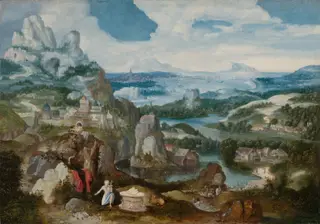
- Landscape with the Penitent Saint Jerome
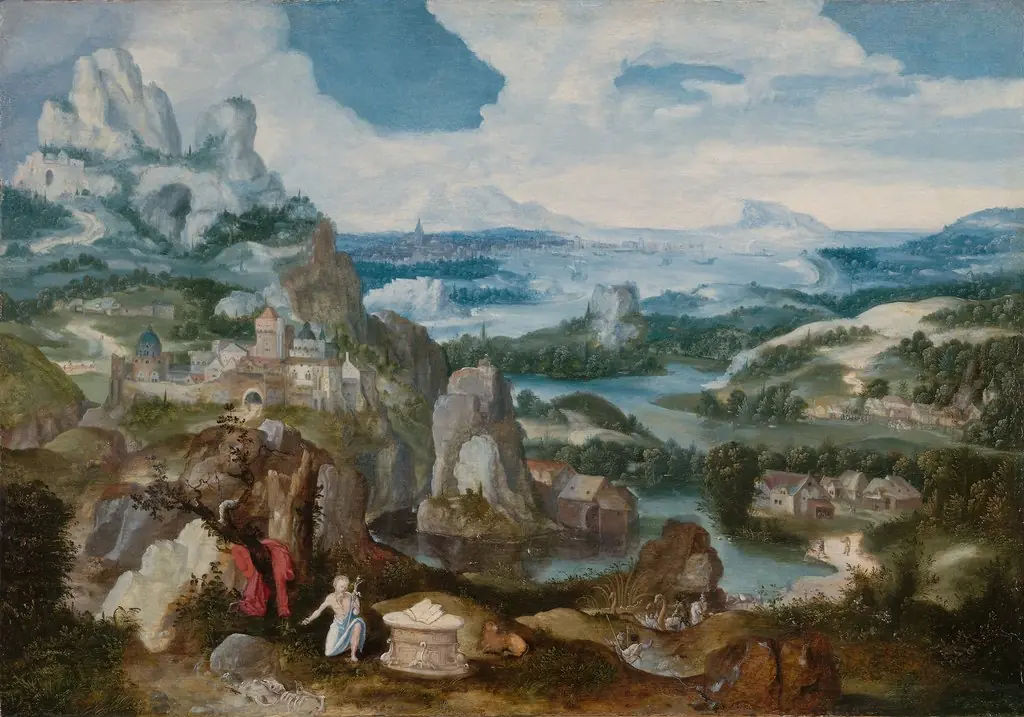 Landscape with the Penitent Saint Jerome
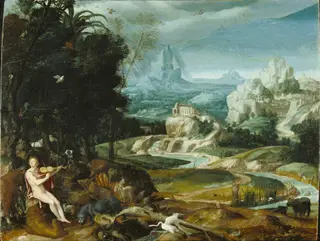 Landscape with Orpheus
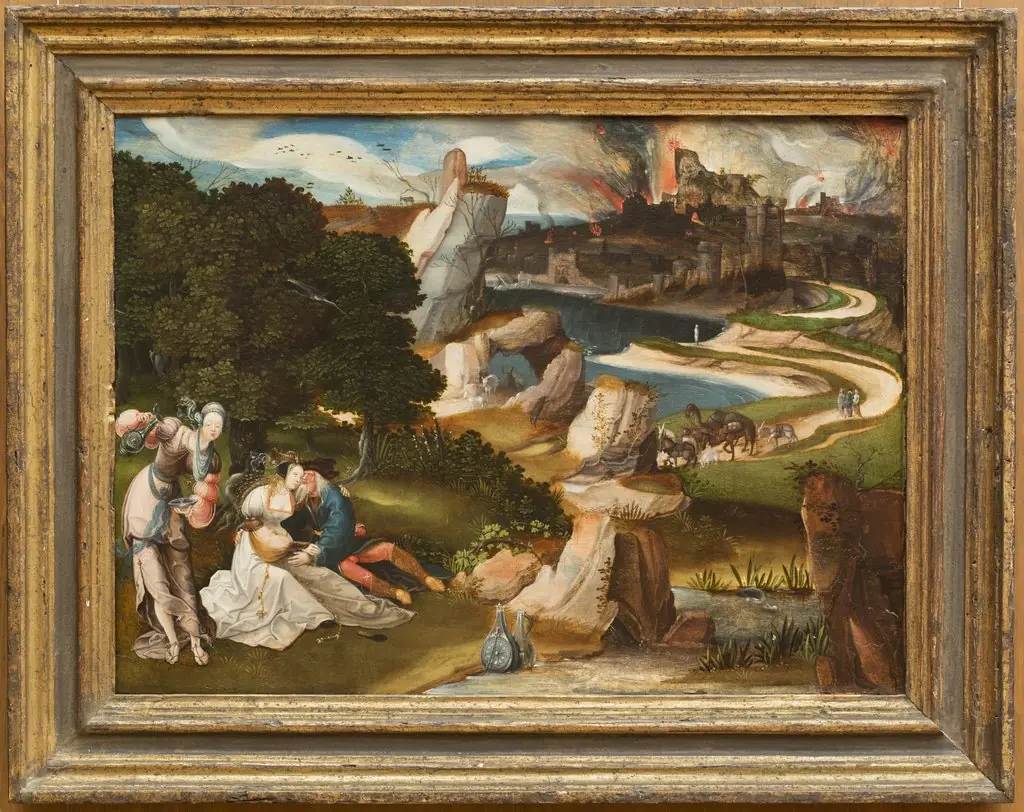 Lot and His Daughters
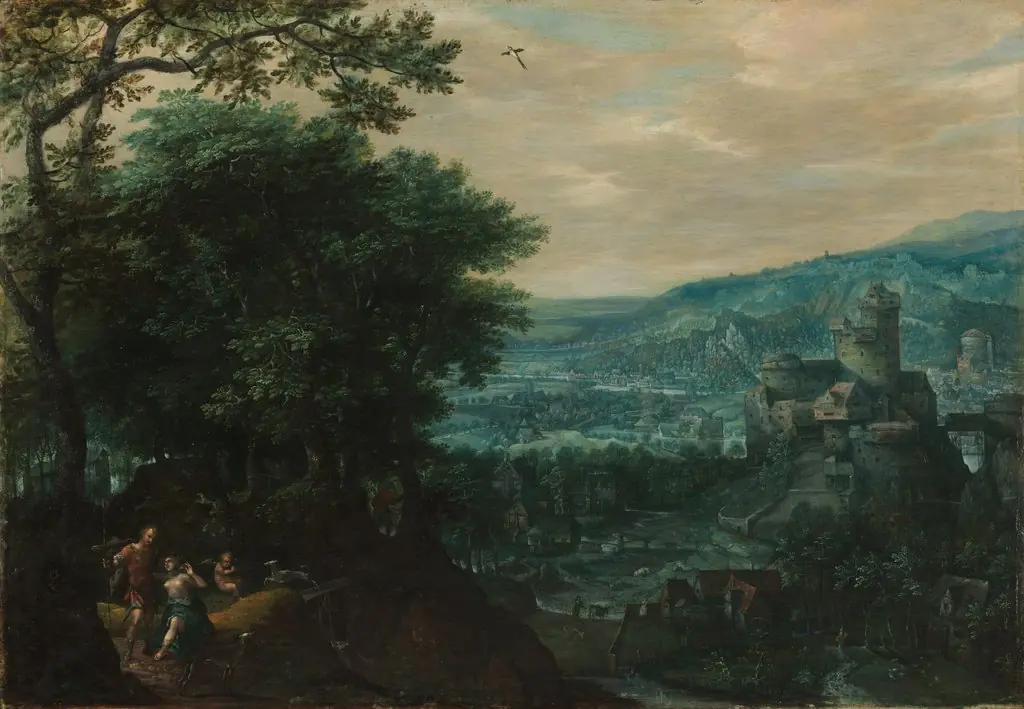 Landscape with Venus and Adonis
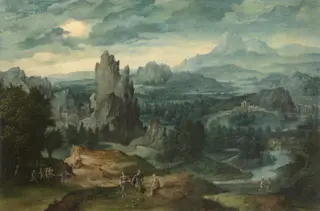 Landscape with Procne and Philomela
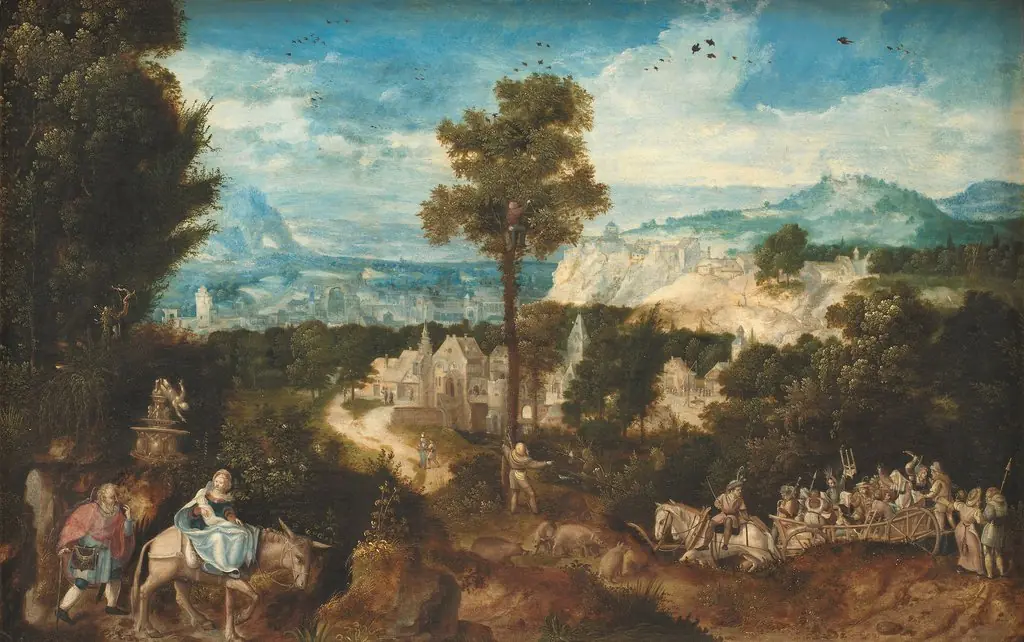 Landscape with the Flight into Egypt
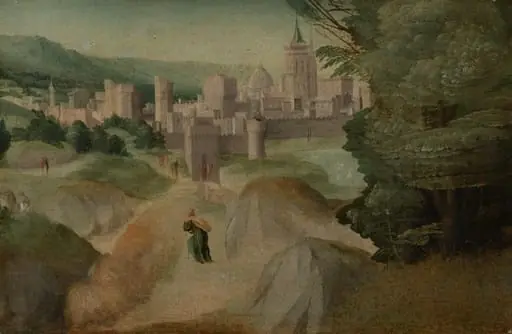 Scenes from a Legend
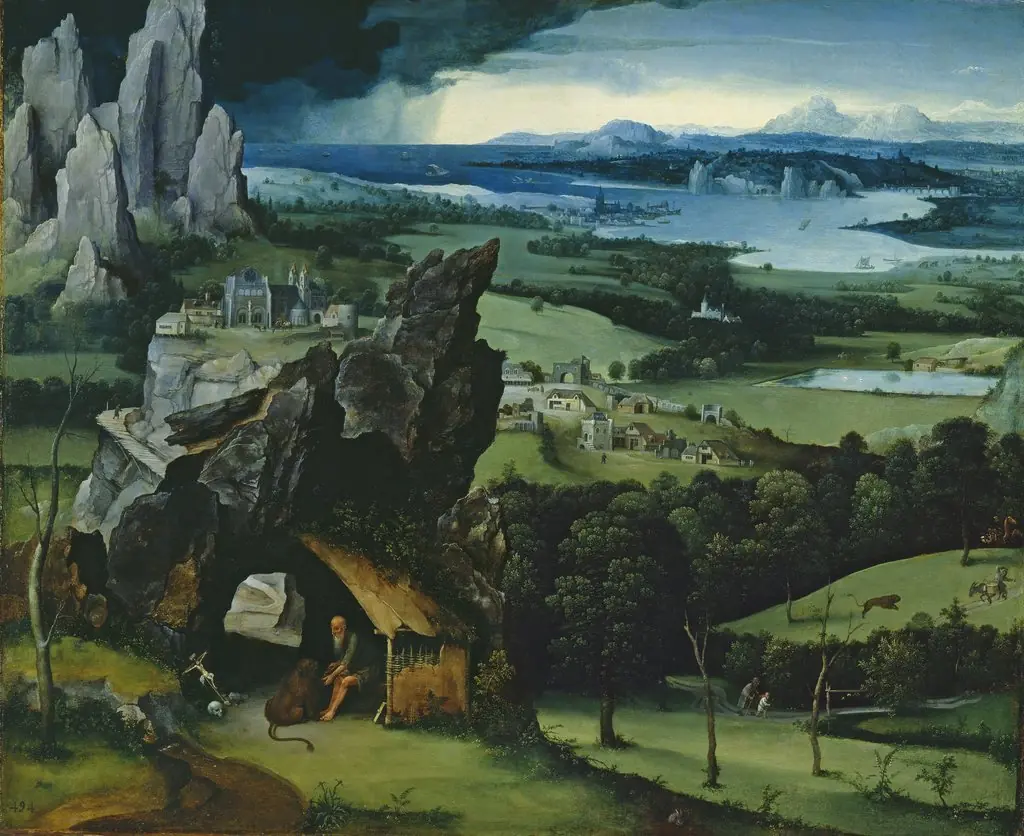 Landscape with St Jerome
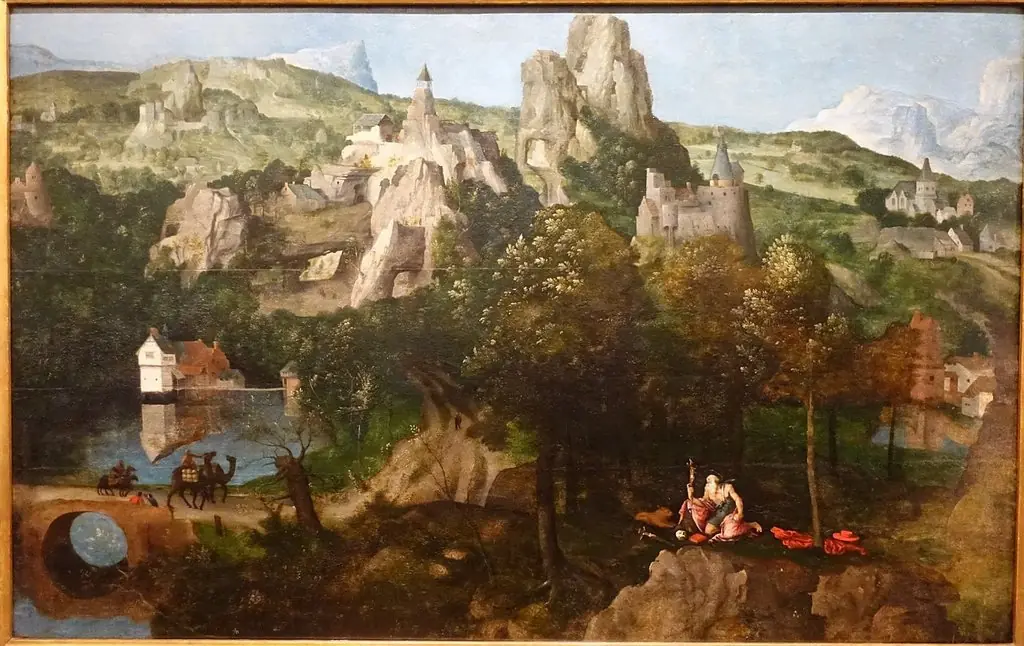 São Jerónimo em Adoração
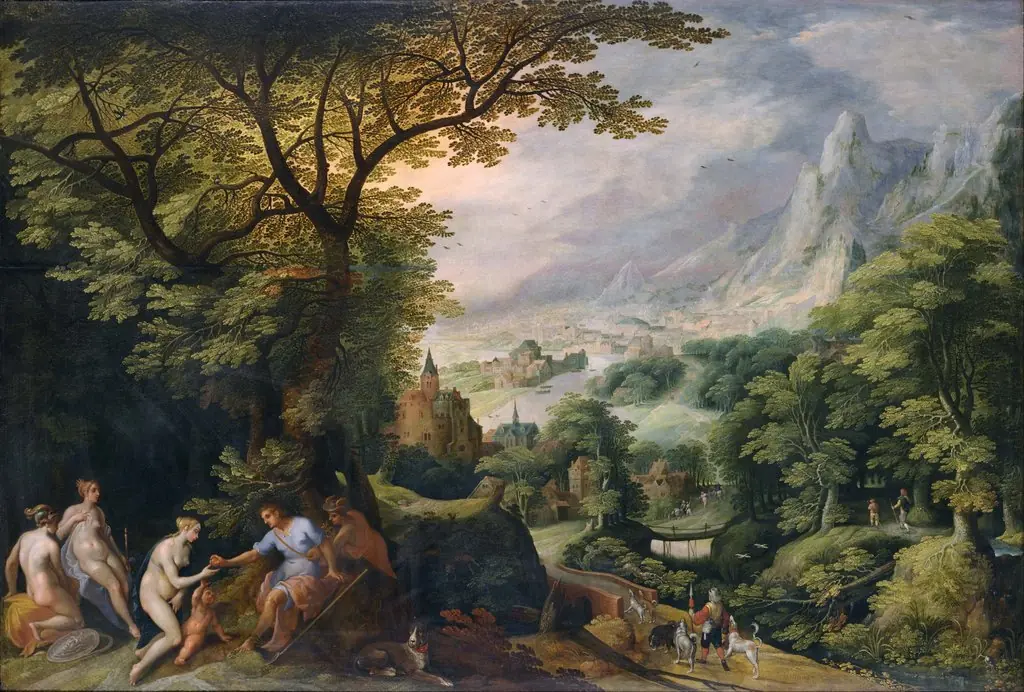 Landscape with the Judgement of Paris
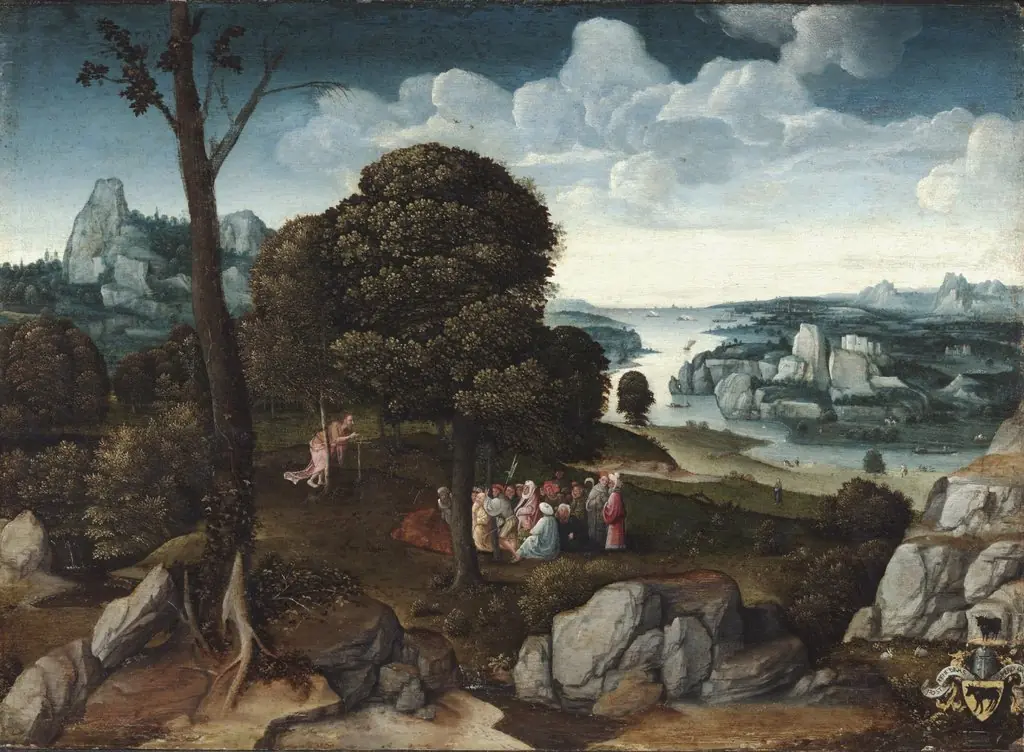 Landscape with Saint John the Baptist Preaching
 Studied in the Dutch Golden Age course