Artwork
Dead birds
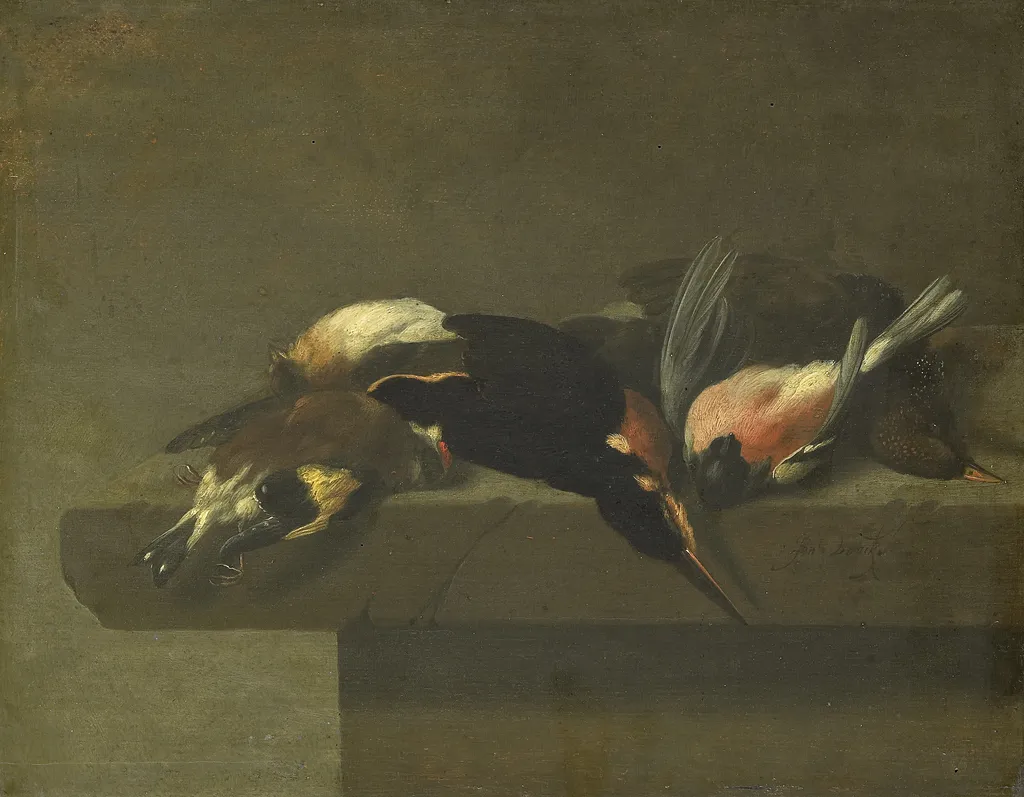
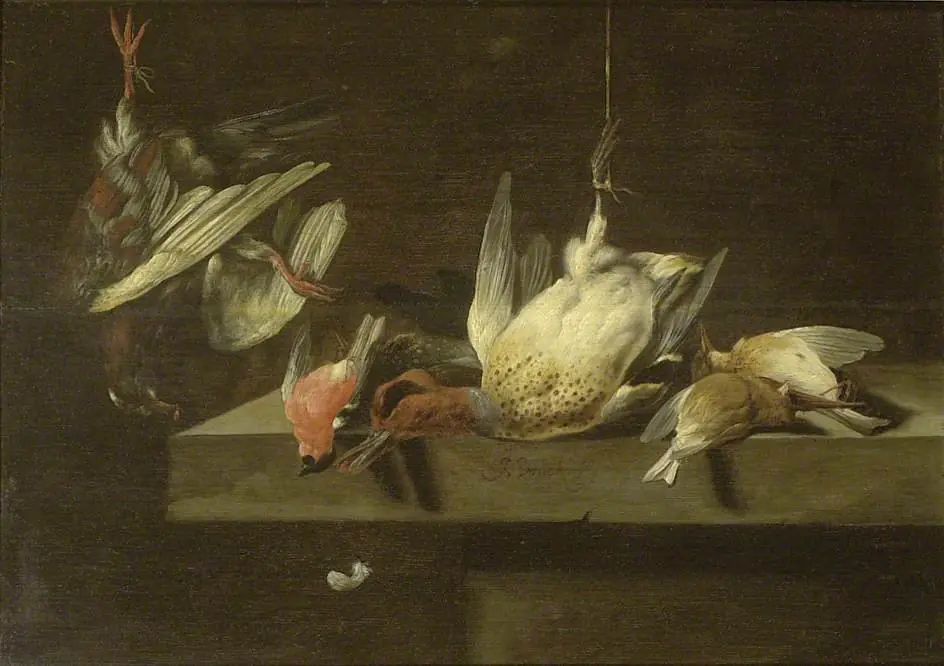
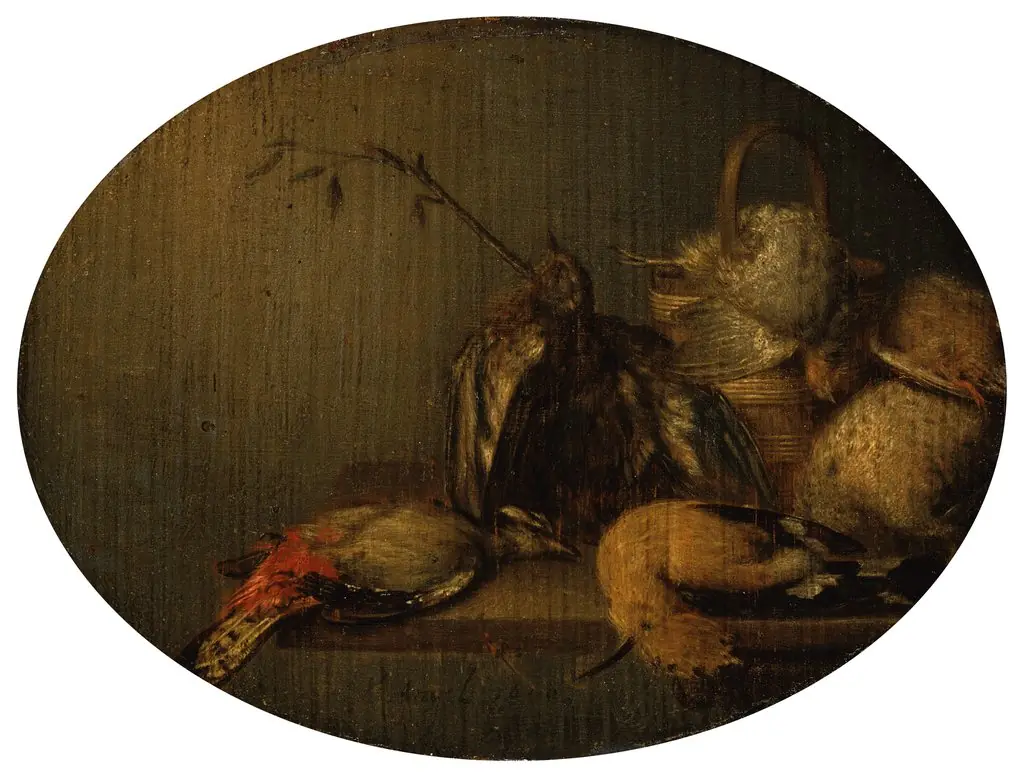
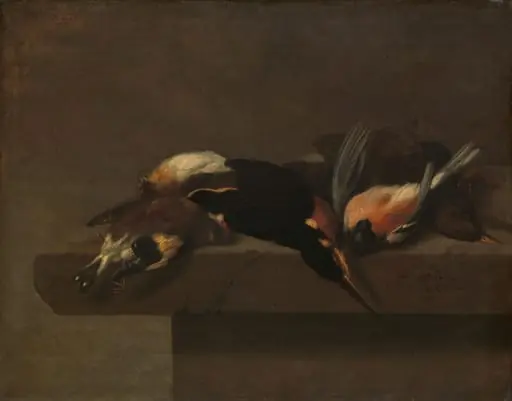
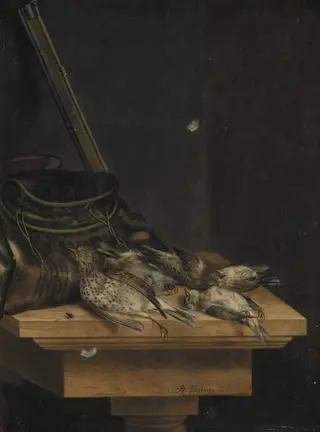
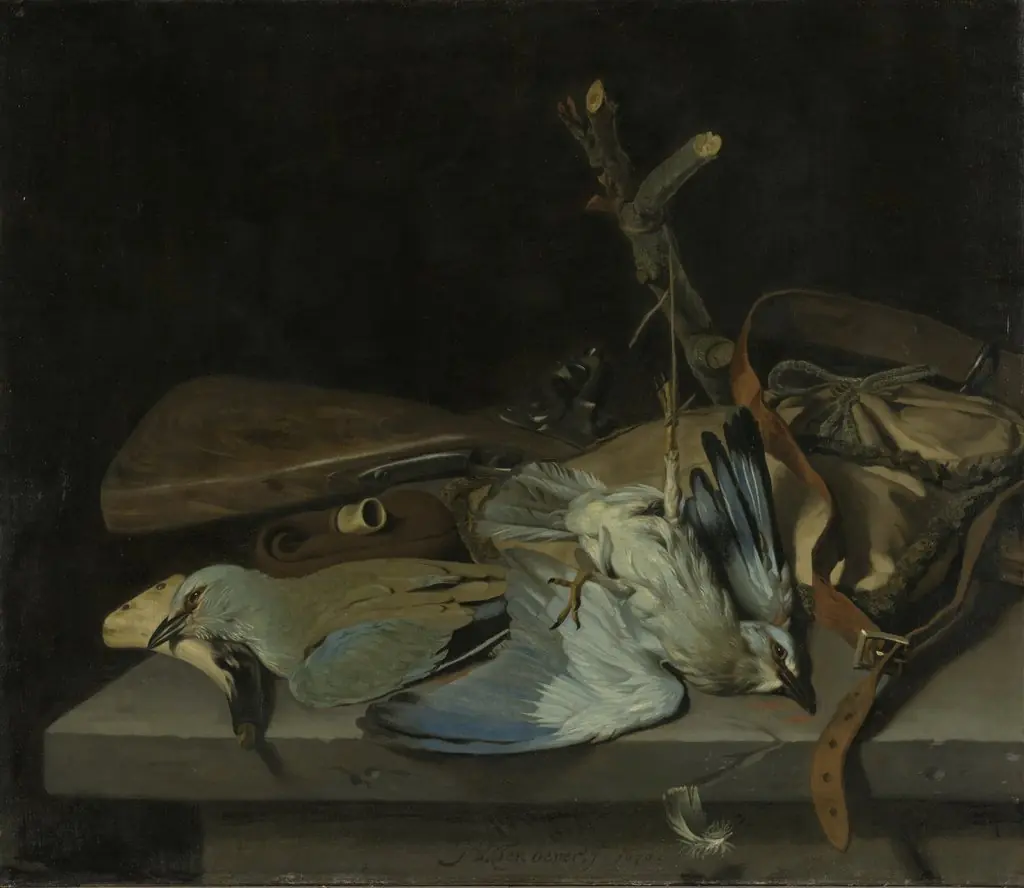
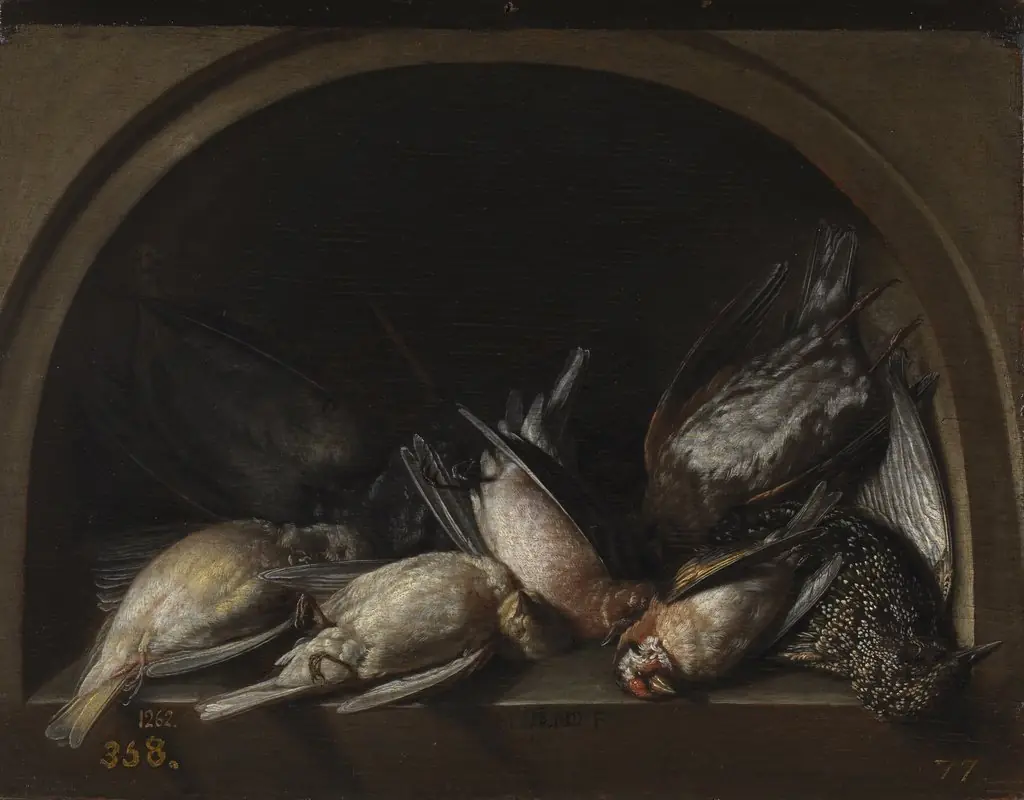
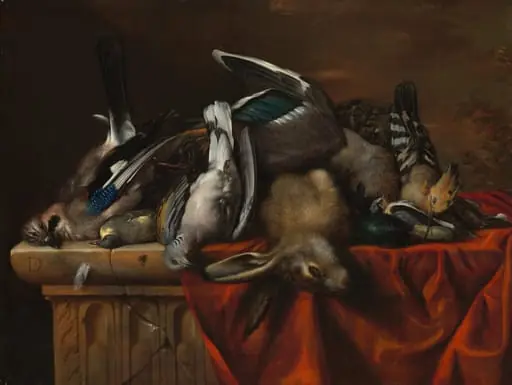
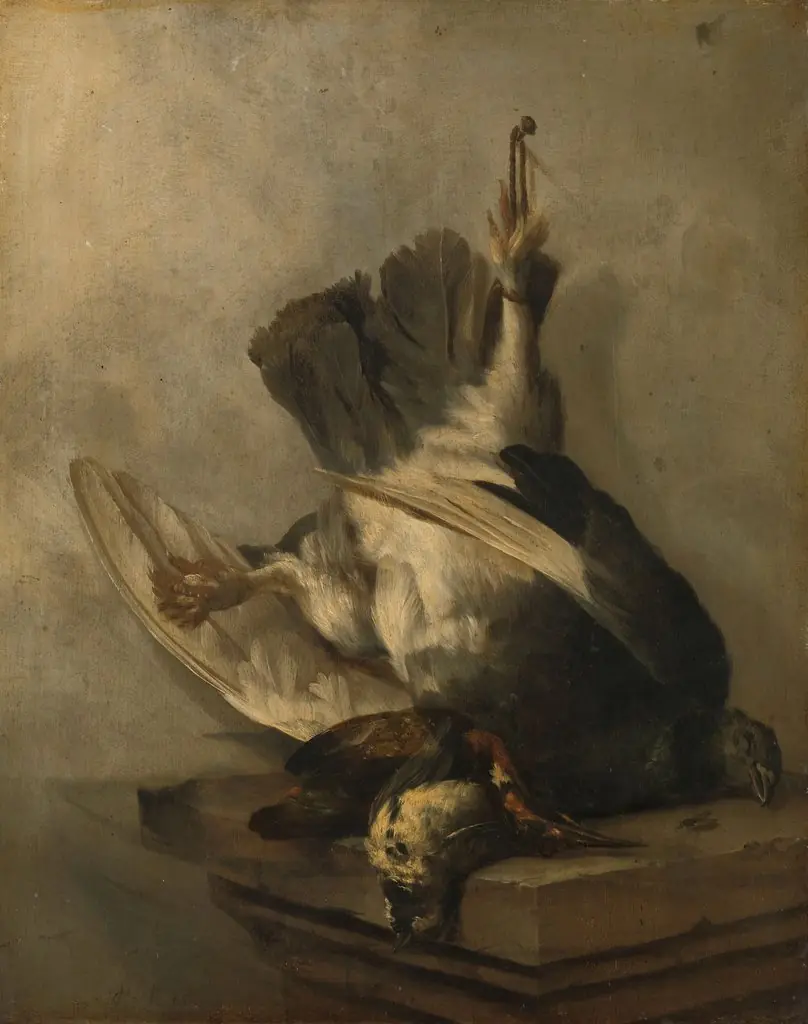
Dead birds is an oil painting by the Dutch Golden Age artist Jan Vonck. It dates from 1650 and is held in the collection of the Rijksmuseum.
About this work
Technique & Style
The surface retains its original varnish with minor craquelure, indicating stable condition over centuries of preservation at the Rijksmuseum.
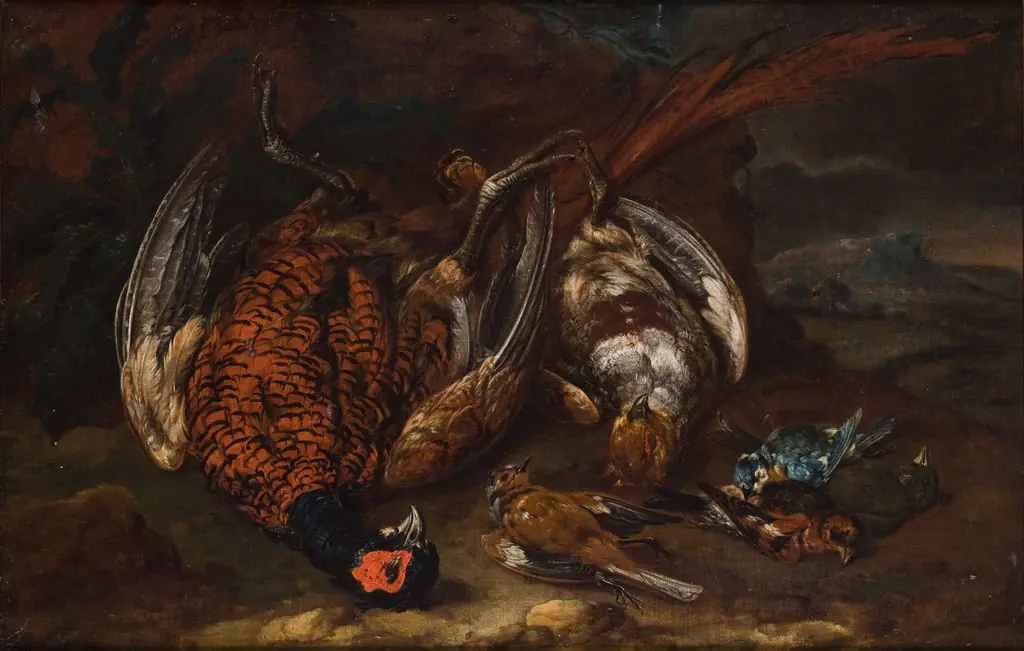
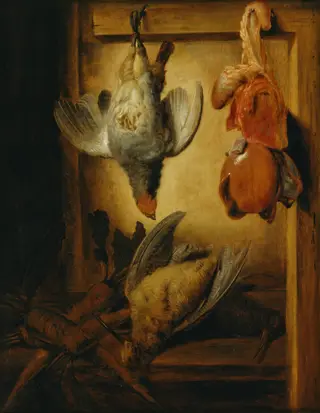
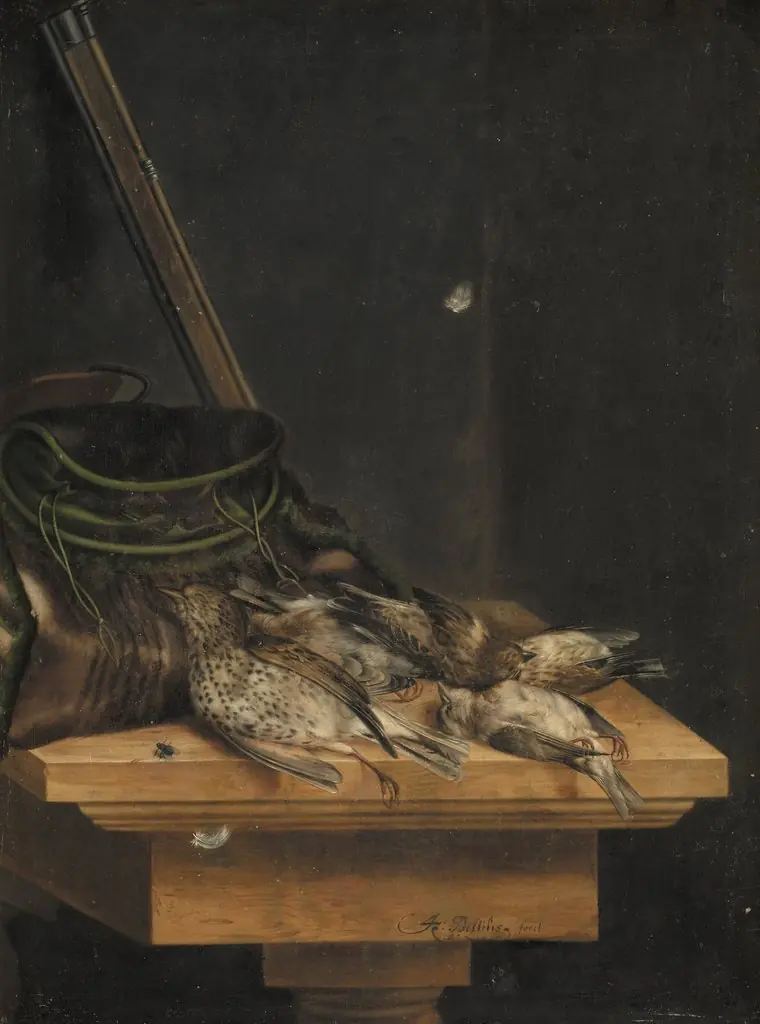
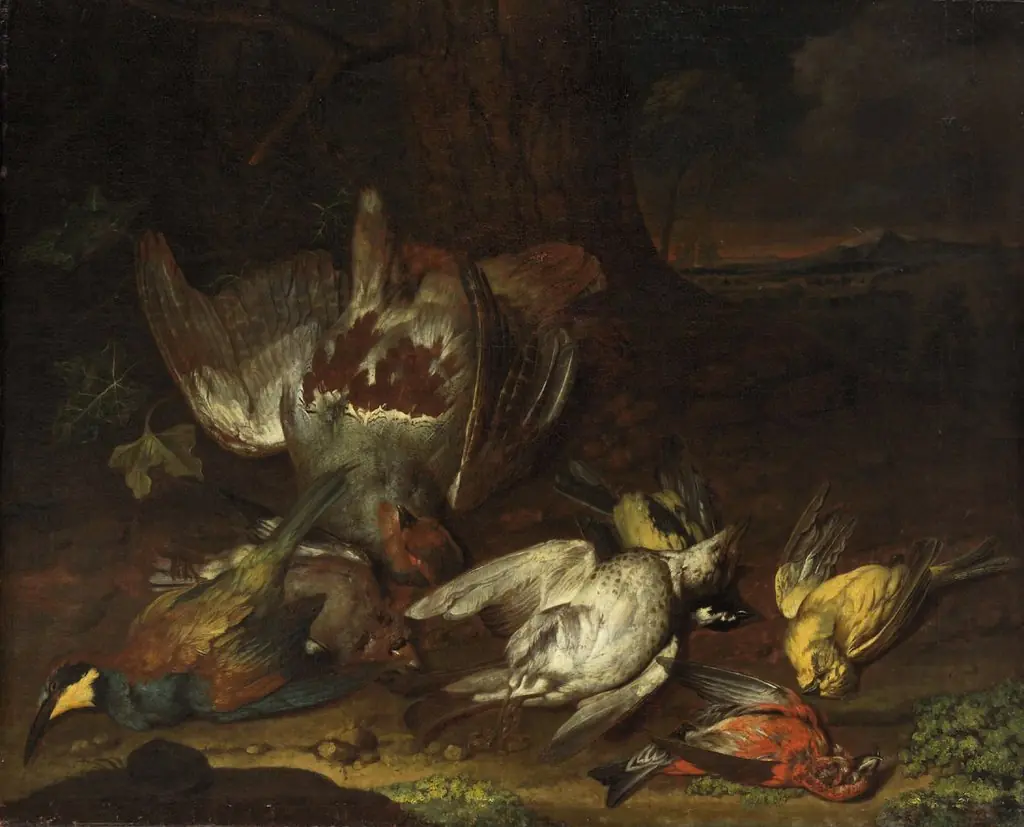
The work is an oil painting executed on wood panel, depicting a still life of dead birds. The composition emphasizes stark realism in the rendering of feathers and the muted palette, while the handling of light and shadow contributes to a somber mood. The formal arrangement of the birds creates a balanced yet unsettling visual rhythm, reflecting the Baroque interest in naturalistic detail.
The surface retains its original varnish with minor craquelure, indicating stable condition over centuries of preservation at the Rijksmuseum.
History & Provenance
Dead birds is an oil painting on panel created in 1650 by Dutch artist Jan Vonck. The work measures 34 cm in height and 42 cm in width and depicts a bird in a still life composition. It was originally owned by Jan Hendrik Cremer and is now part of the Rijksmuseum collection in Amsterdam.
Dead birds, an oil-on-panel still life by Jan Vonck dated 1650, is held by the Rijksmuseum. The work was formerly owned by Jan Hendrik Cremer before entering the museum's collection. No specific inventory or accession number is recorded in the available sources, and no exhibition history is documented.
Overview
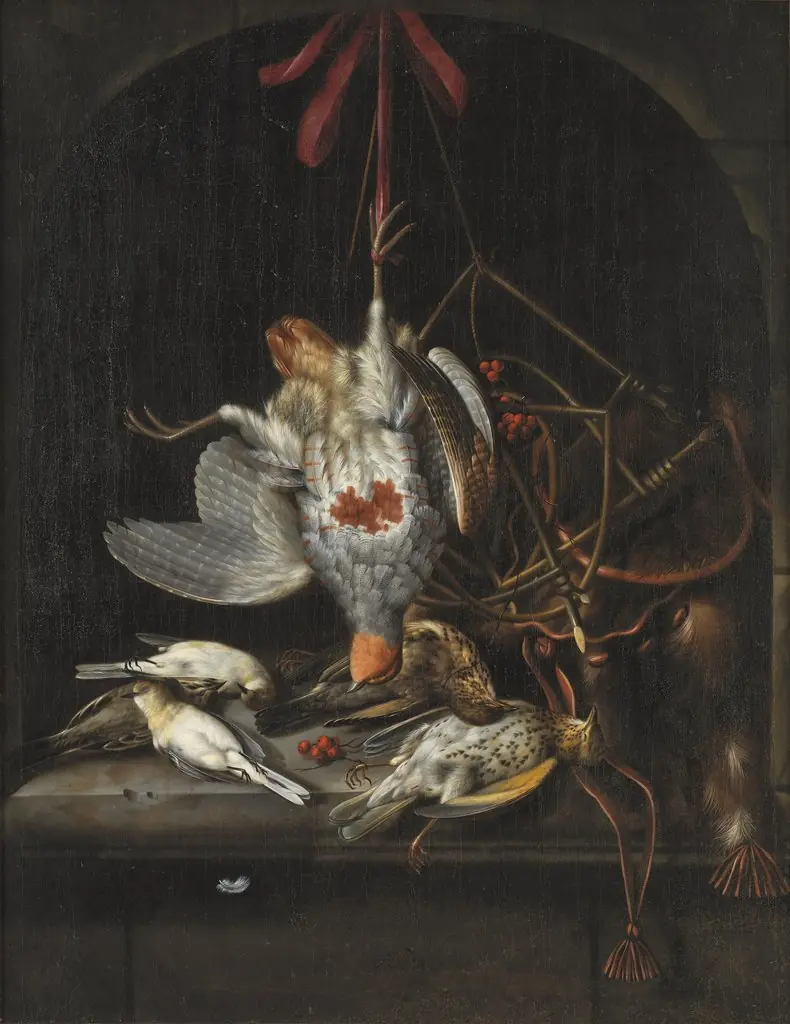
Jan Vonck’s oil painting, dated around 1650, presents a still‑life arrangement of four deceased birds resting on a simple ledge. The composition is set against an unadorned dark background, which isolates the birds and emphasizes their forms. The work is part of the Rijksmuseum’s collection and exemplifies the Dutch still‑life tradition of the mid‑seventeenth century.
Subject & Meaning
The tableau features four birds with muted brown and white plumage, one bearing a faint pink‑orange patch on its breast. By portraying the animals after death, the painting invites contemplation of mortality and the fleeting nature of life, a common moral undercurrent in Dutch still‑life art of the period.
Own this work as a print
Artist & collection