Artwork
Untitled
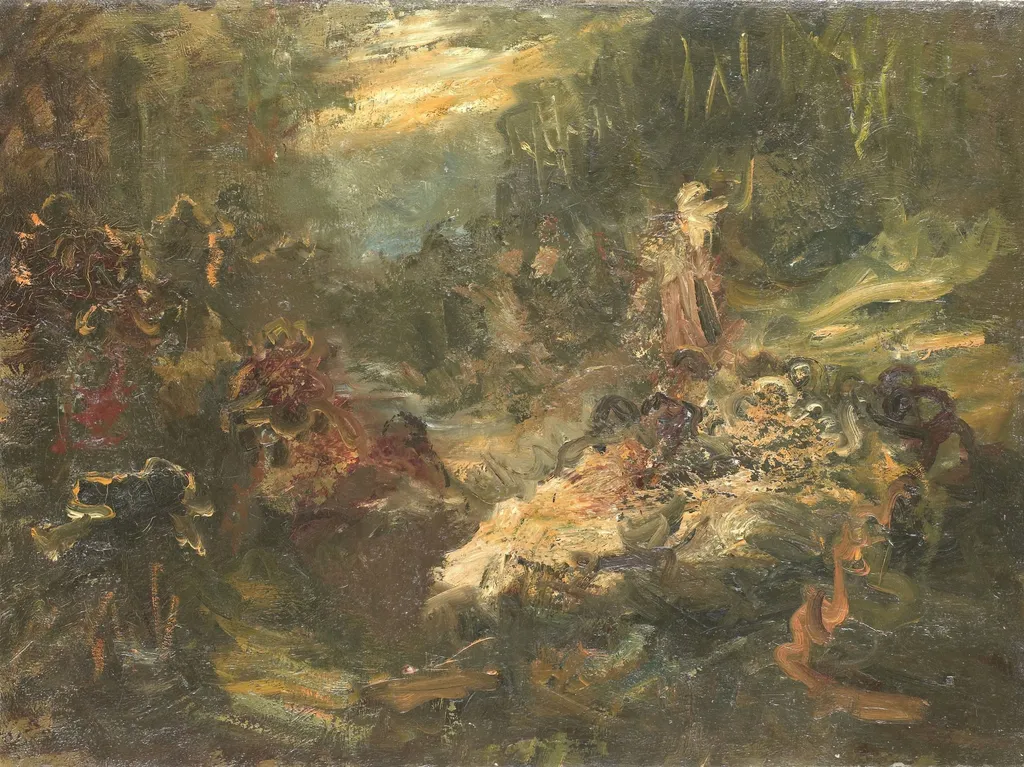
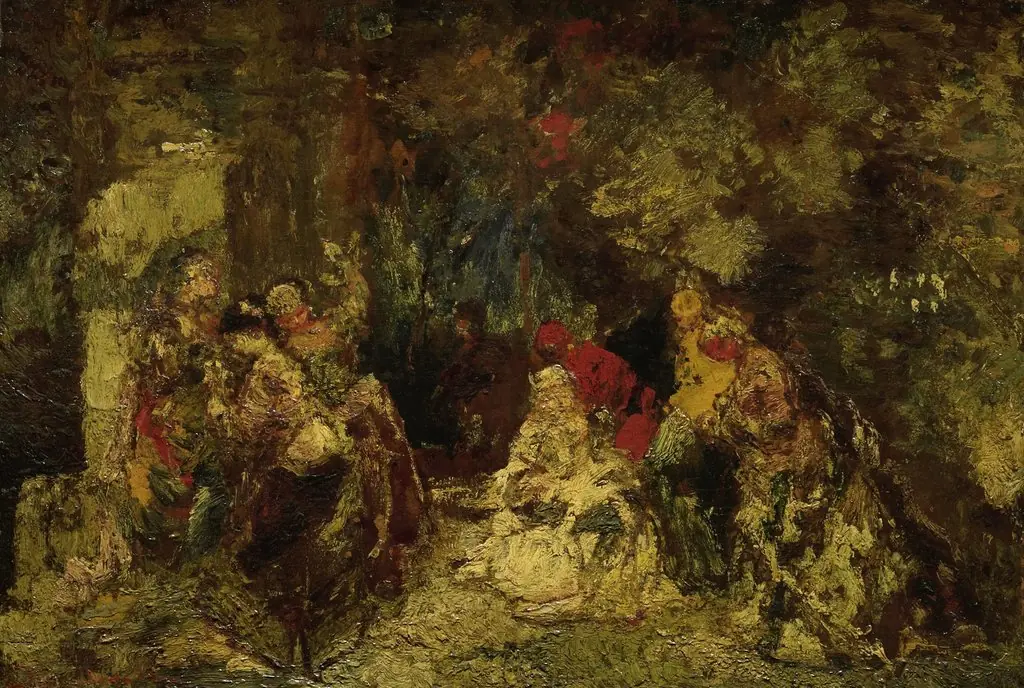
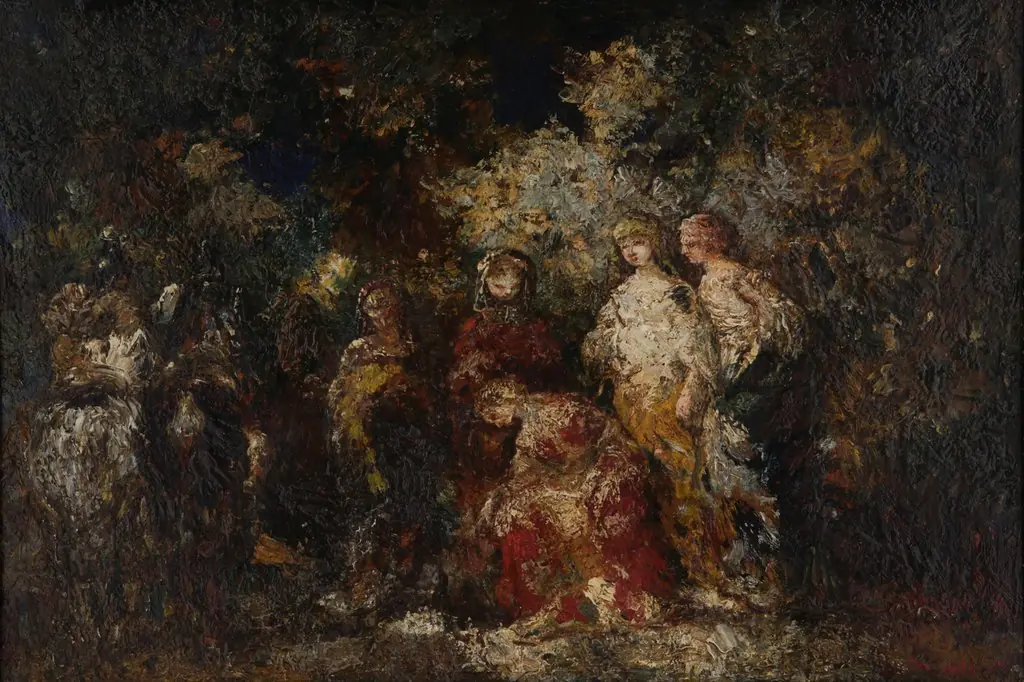
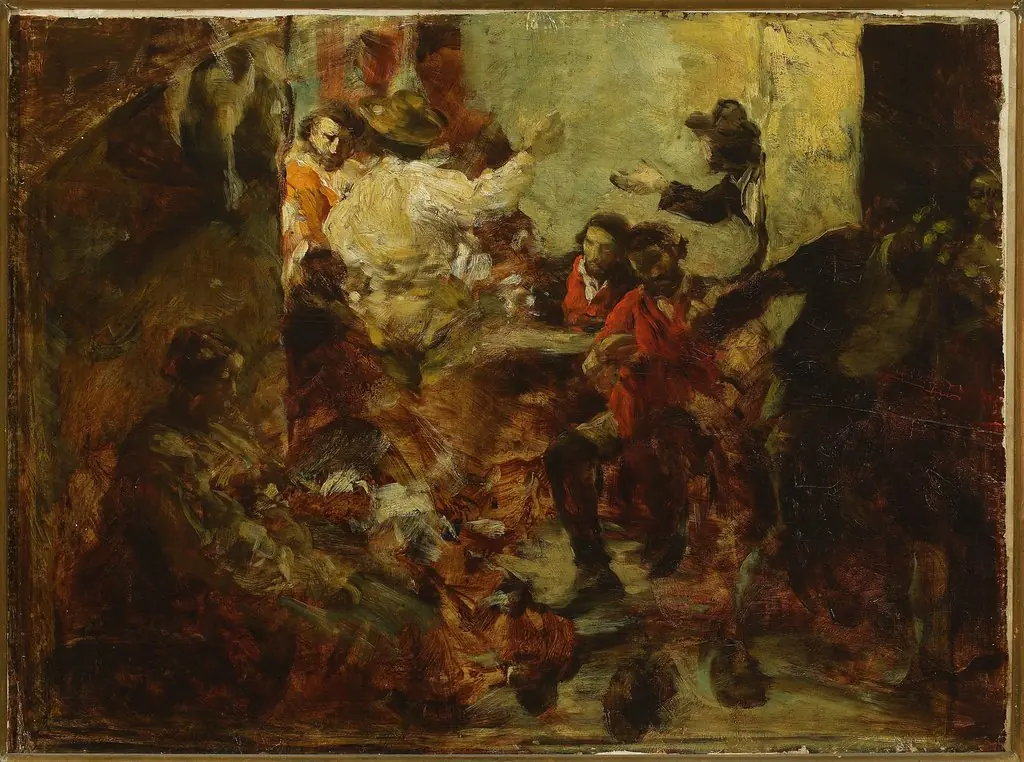
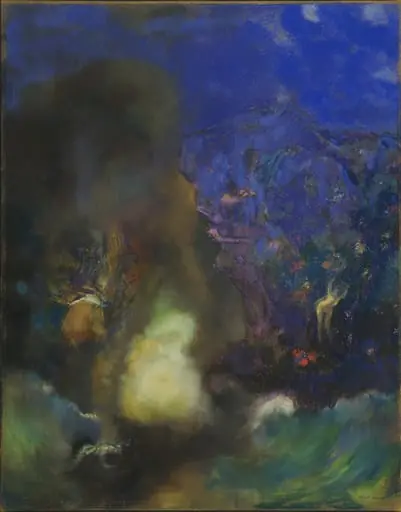
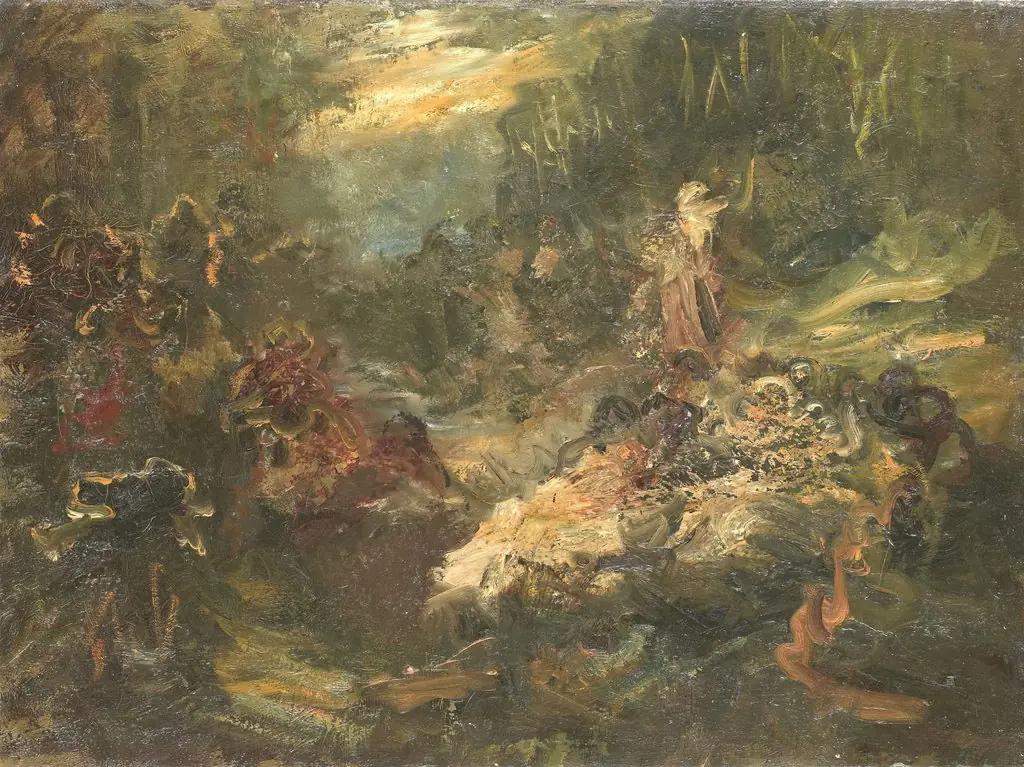
Untitled is an unspecified painting by the Symbolist artist Jan Zürcher. It dates from 1892 and is held in the collection of the Rijksmuseum. A solitary figure stands motionless in a dense, untamed woodland, clad in a long robe and clutching a book.
About this work
Overview
The painting’s original title, The Forest Preacher, suggests a religious context, but no definitive evidence supports this interpretation.
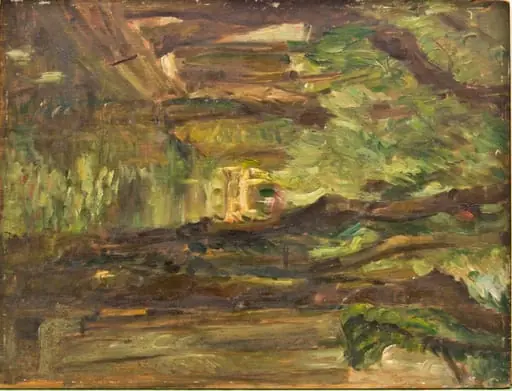
A solitary figure stands motionless in a dense, untamed woodland, clad in a long robe and clutching a book. The scene lacks clear narrative cues or identifying marks, leaving the subject’s identity and purpose ambiguous. The painting’s original title, The Forest Preacher, suggests a religious context, but no definitive evidence supports this interpretation. Its anonymous authorship and unresolved symbolism contribute to its enigmatic presence.
Subject & Meaning
The figure, possibly a preacher or hermit, is isolated amid wild vegetation, evoking themes of solitude, contemplation, or spiritual retreat. The book may imply scripture, knowledge, or personal reflection, yet its role remains unconfirmed. No overt religious symbols or textual clues clarify intent. The absence of witnesses or context invites speculation without resolution, reinforcing the work’s quiet mystery.
Technique & Style
Brushwork is loose and atmospheric, with dark, interwoven tree trunks creating a claustrophobic canopy. Light filters unevenly through the foliage, appearing spontaneous rather than composed. The palette is muted, deep greens, browns, and grays, with minimal contrast.
The figure is rendered with subtle detail, contrasting the abstracted surroundings, suggesting observation of nature over idealized composition.
History & Provenance
The painting’s origins are undocumented. It was once labeled The Forest Preacher, a title likely assigned later by collectors or curators. No records link it to a known artist, school, or period.
Its early ownership is unknown, and it entered institutional collections without a clear provenance trail. The lack of documentation has prevented definitive attribution or dating.
Context
Created during a period when landscape painting increasingly emphasized mood over narrative, the work aligns with Northern European traditions of forest scenes infused with quiet introspection. Unlike allegorical or biblical landscapes, it avoids clear symbolism, reflecting a shift toward observational realism. Similar atmospheric woods appear in works by contemporaries, though none match its deliberate ambiguity.
Legacy
The painting endures as an example of unresolved artistic intent in early modern landscape art. Its anonymity and subdued tone have made it a subject of scholarly curiosity rather than popular acclaim. It is often cited in studies of unattributed Northern European works, valued for its evocative restraint and the questions it raises about authorship and meaning.
Own this work as a print
Artist & collection