Artwork
Die Himmelfahrt Christi
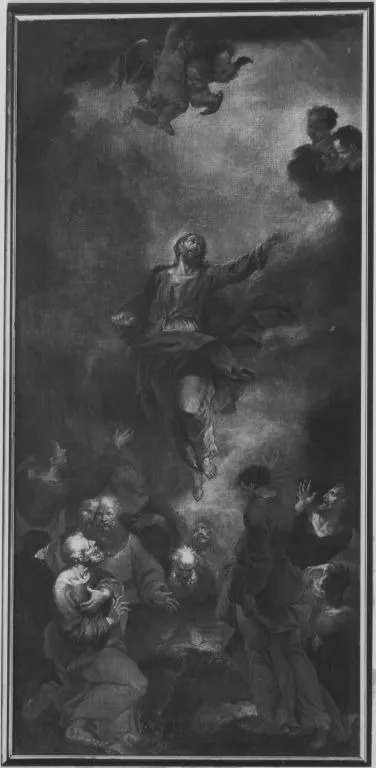
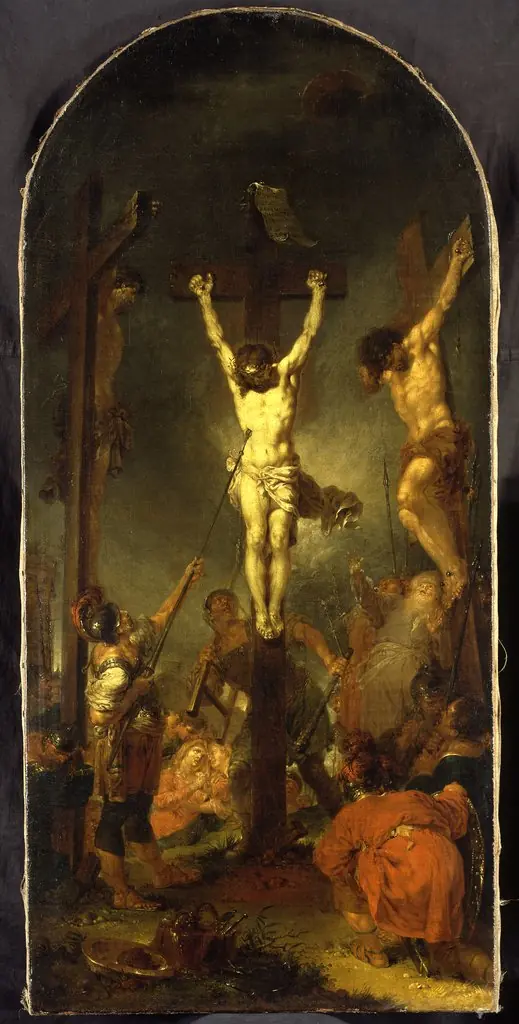
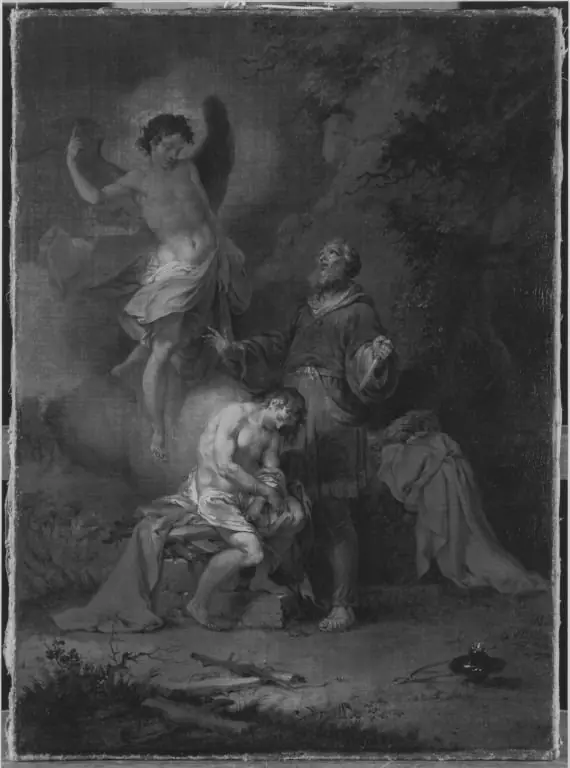
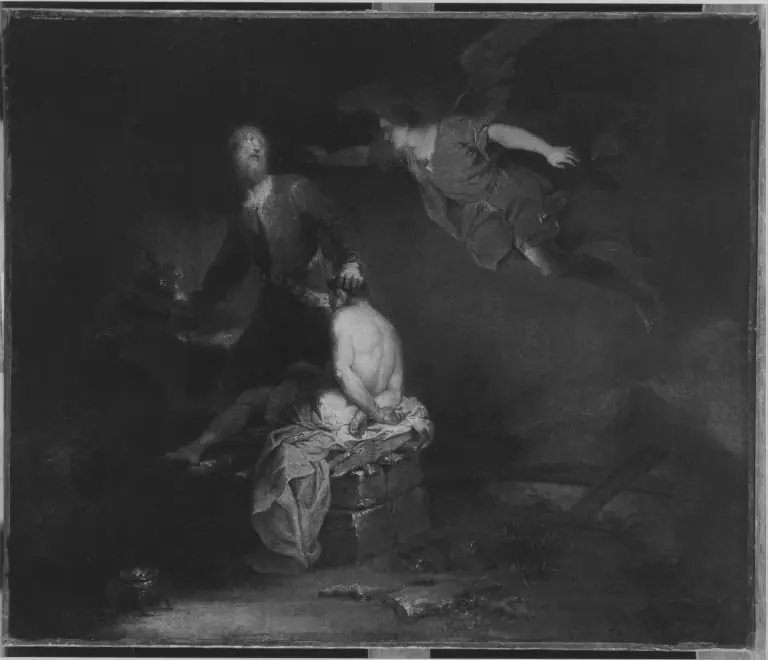
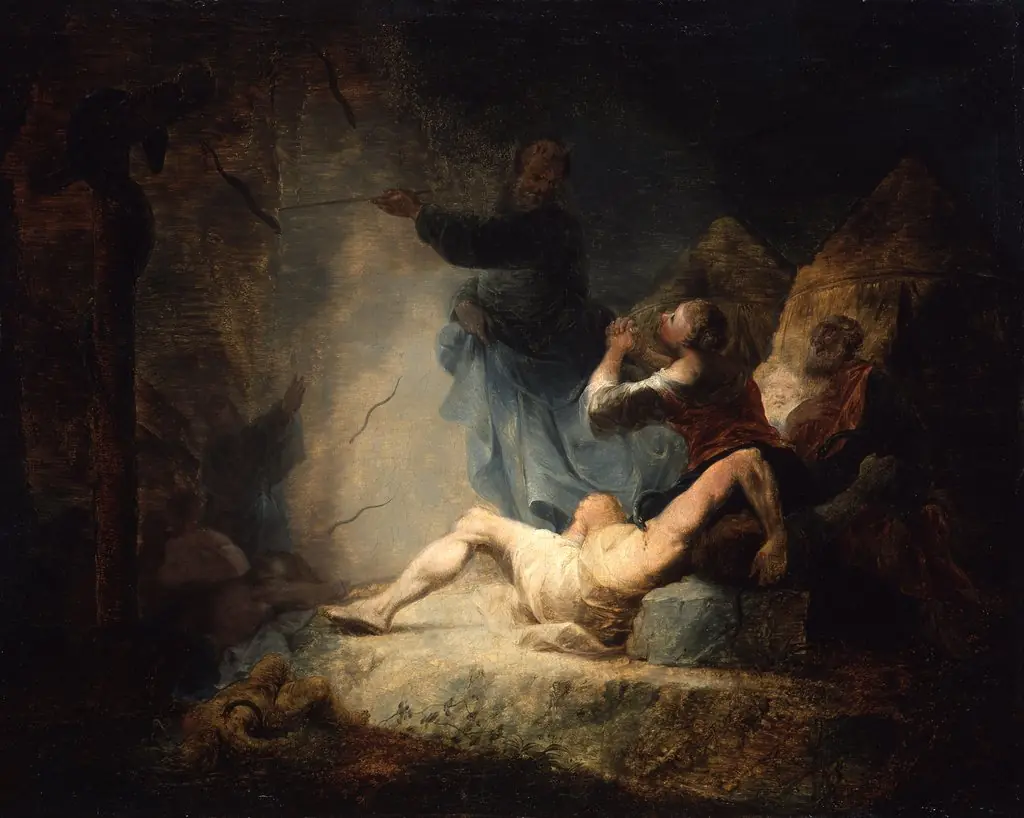
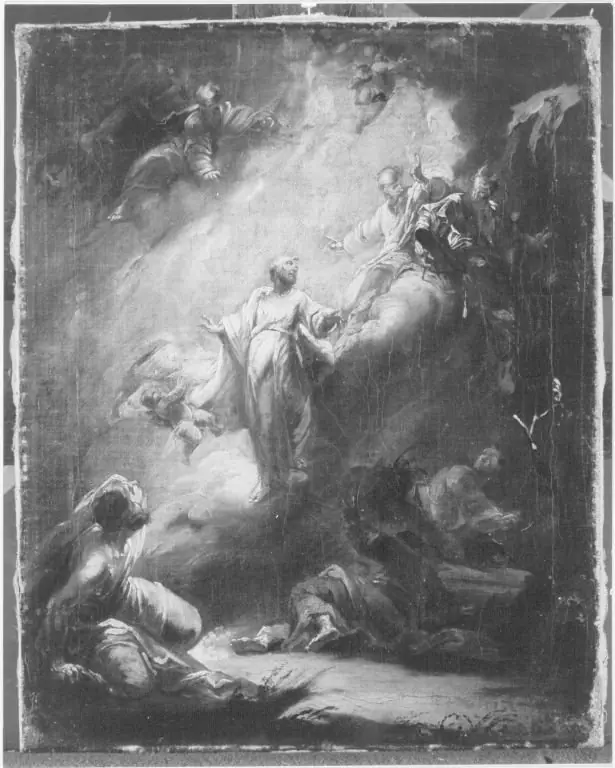
Die Himmelfahrt Christi is an unspecified painting by the German Romanticist artist Januarius Zick. It dates from 1796 and is held in the collection of the Bavarian State Painting Collections.
About this work
Overview
Johann Rasso Januarius Zick painted Die Himmelfahrt Christi in 1796. The work, a religious composition, is part of the Alte Pinakothek’s holdings. It belongs to the late Baroque period while also reflecting the emerging German Romantic sensibility toward spiritual intensity.
Subject & Meaning
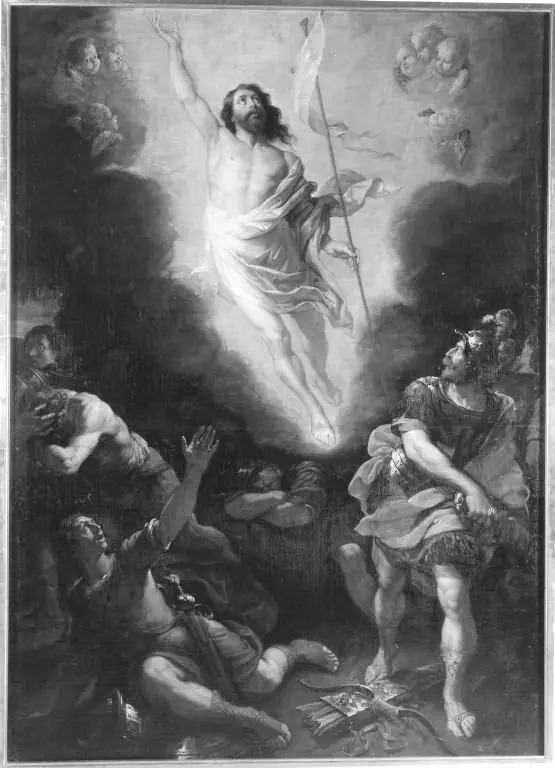
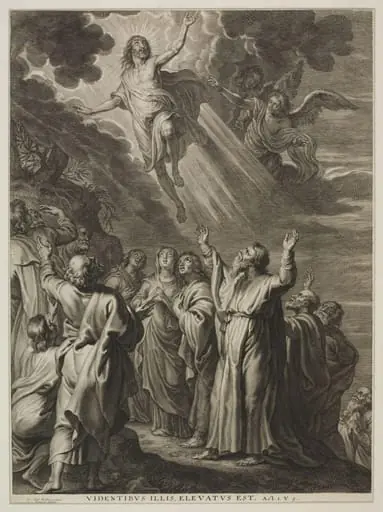
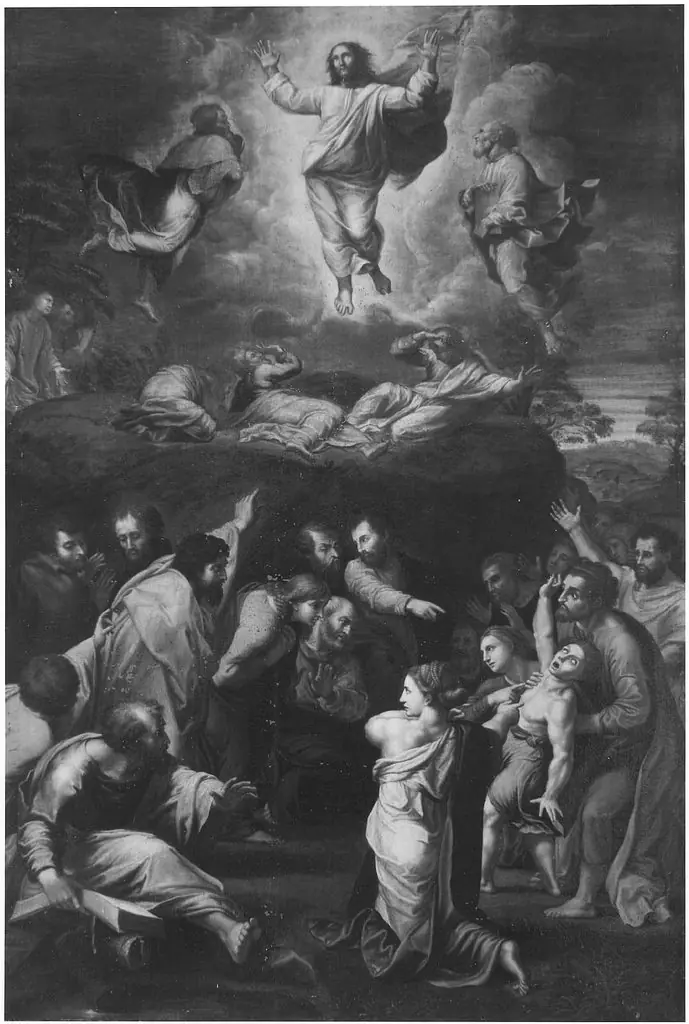
The canvas depicts Christ ascending into heaven, his robes billowing as he rises with arms outstretched. Below, a crowd of kneeling figures reaches toward him, their faces shrouded in shadow, conveying a mixture of awe, urgency and fear.
Technique & Style
Zick employs a stark chiaroscuro, contrasting deep, somber tones with bright illumination on the central figure. This interplay of light and darkness heightens the sense of movement and dramatizes the celestial event.
History & Provenance
Created near the end of the eighteenth century, the painting entered the Alte Pinakothek’s collection, where it remains on display. Its provenance traces directly from Zick’s workshop to the museum’s acquisition records.
Artist & collection

Artist
Johann Rasso Januarius Zick (6 February 1730 – 14 November 1797) was a German painter and architect. He is considered to be one of the main masters of the Late-Baroque.