Artwork
Hl. Maria Magdalena als Büßerin
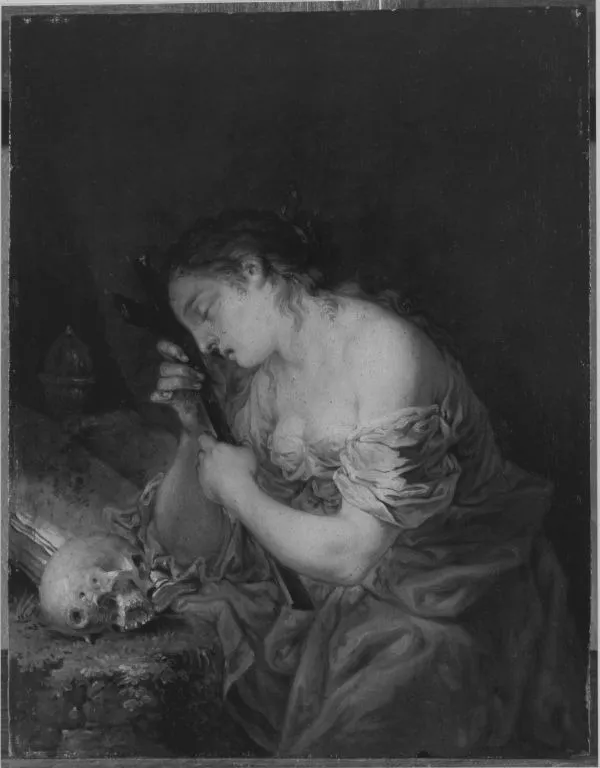
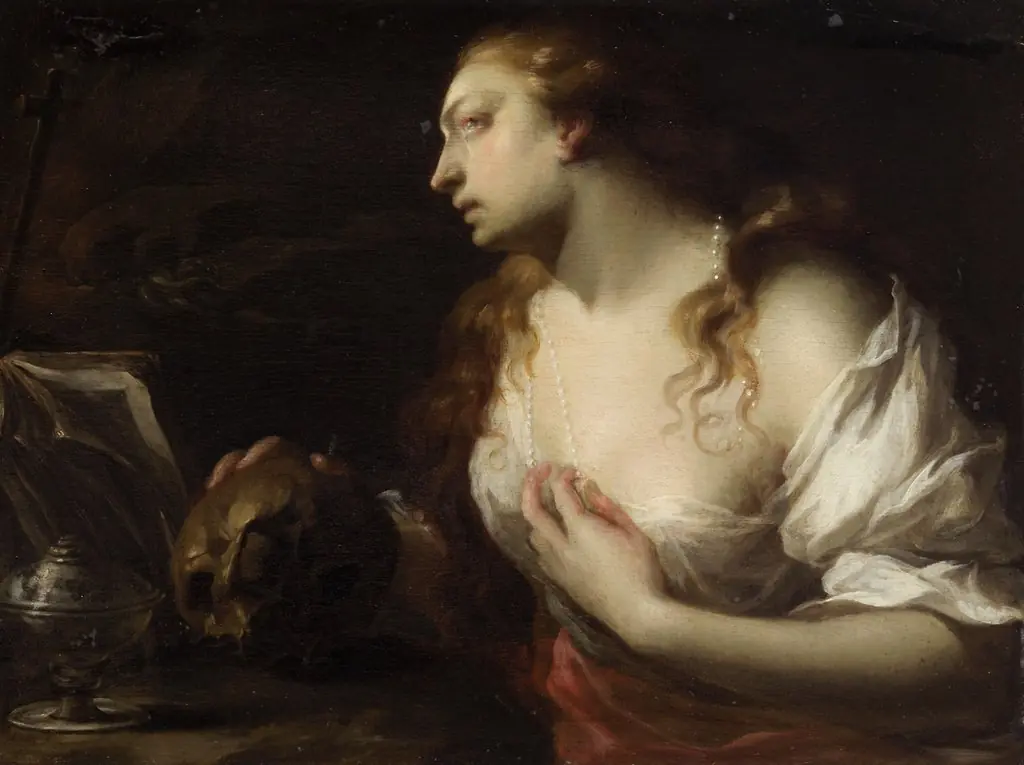
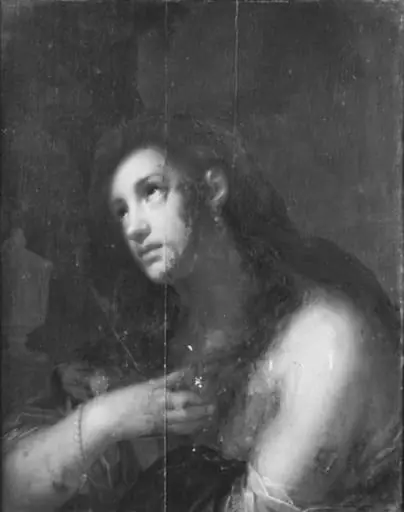
Hl. Maria Magdalena als Büßerin is an unspecified painting by the Rococo painting artist Januarius Zick. It dates from 1769 and is held in the collection of the Bavarian State Painting Collections.
About this work
Subject & Meaning
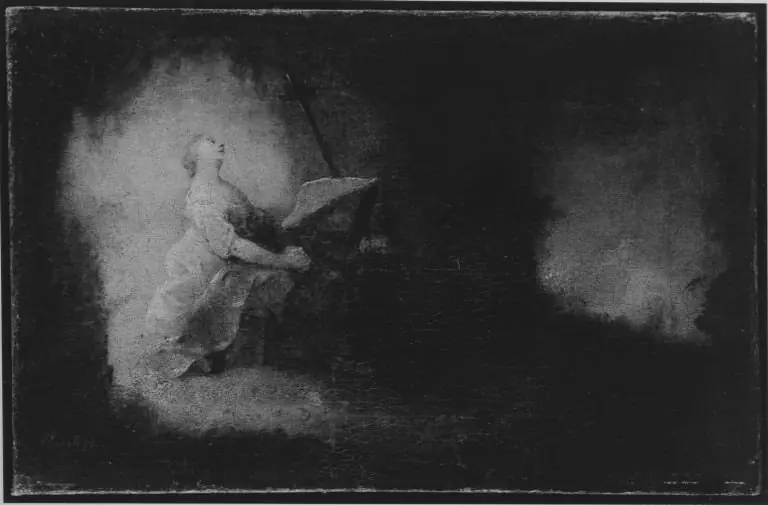
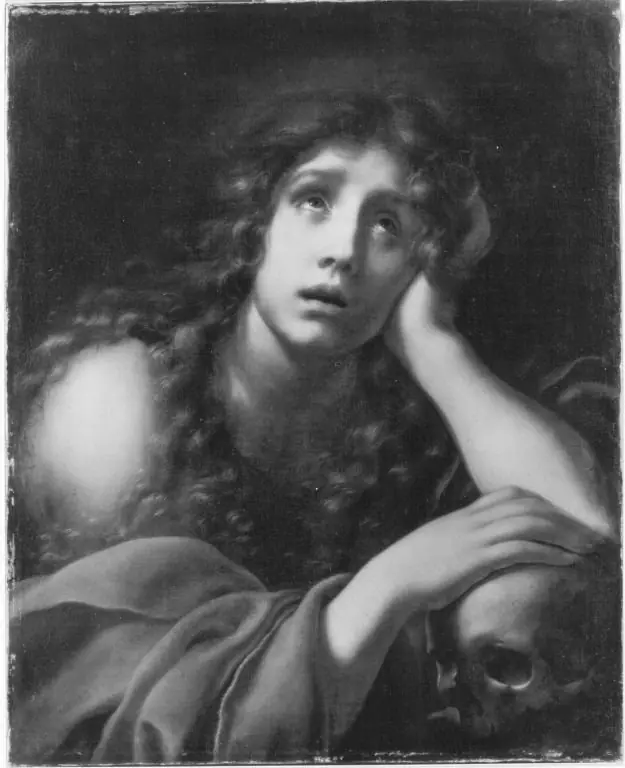
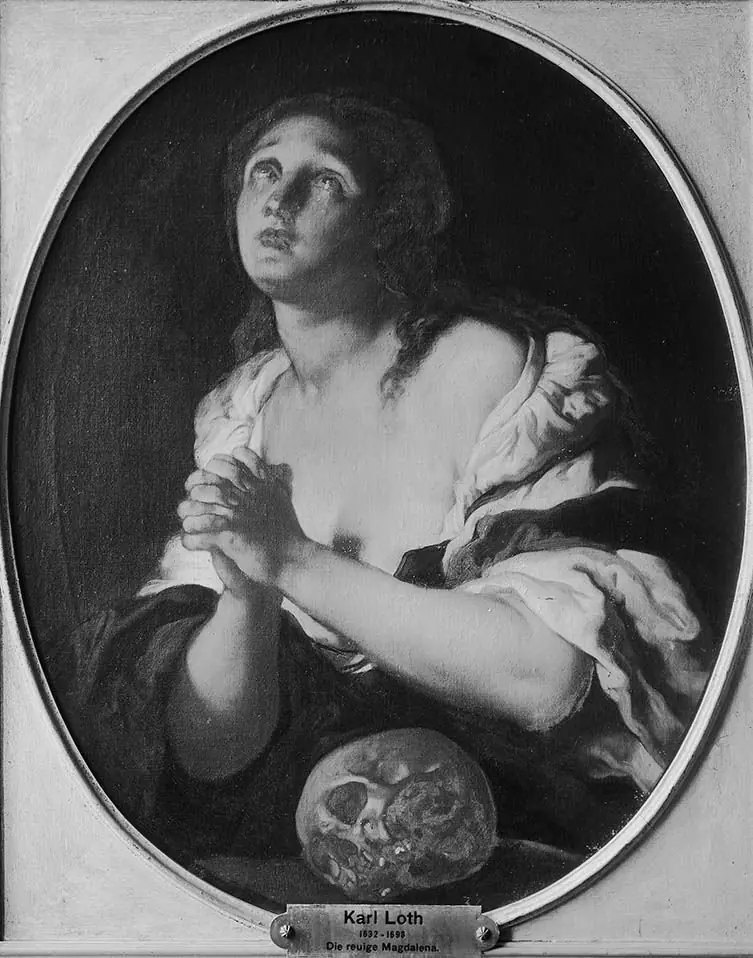
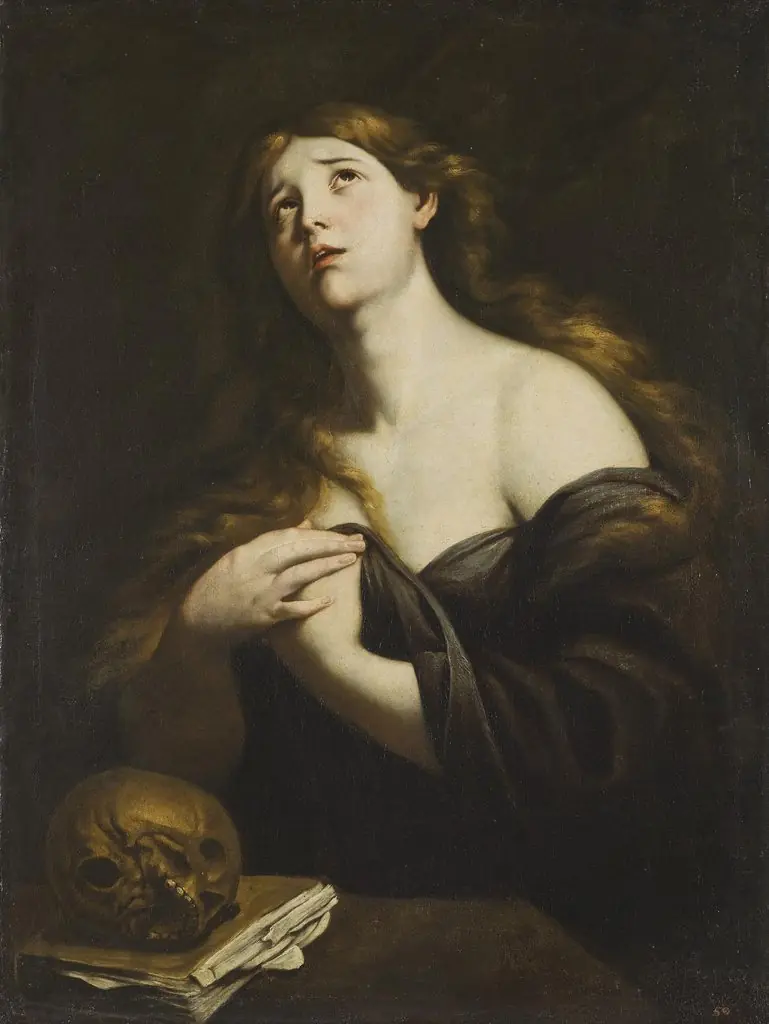
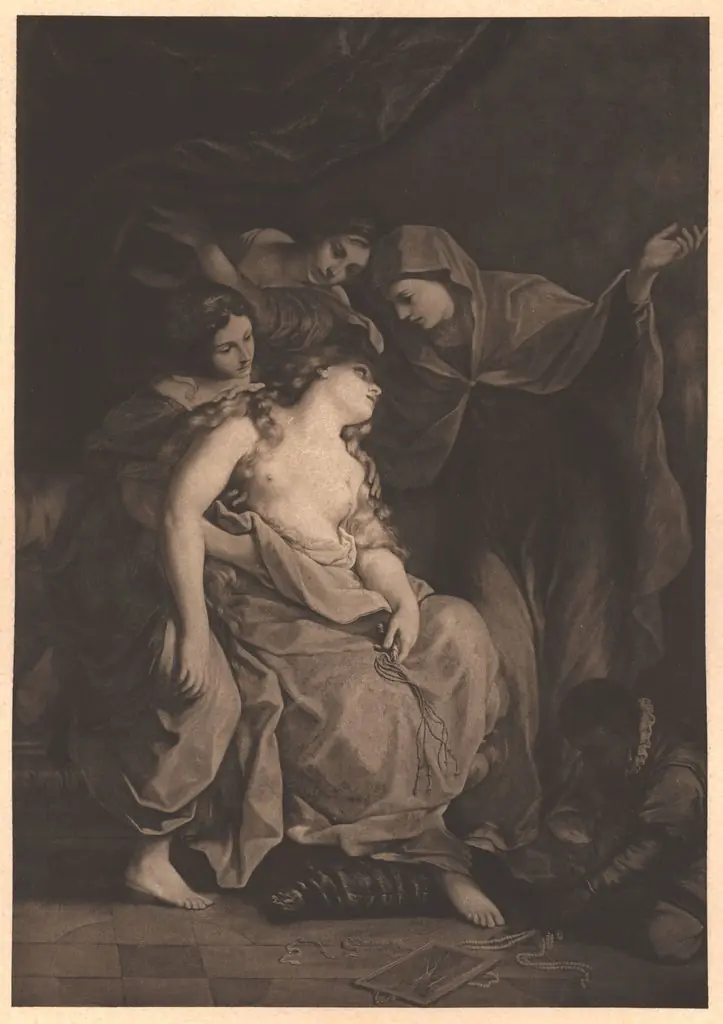
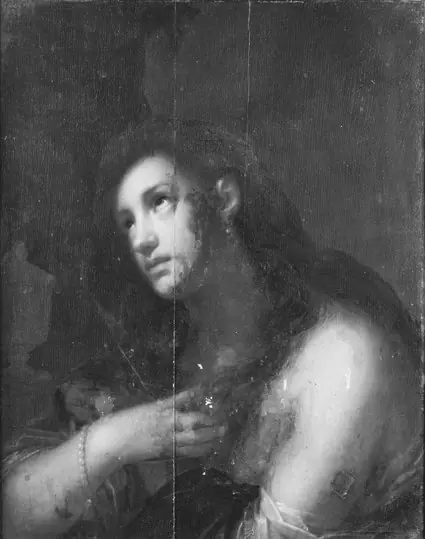
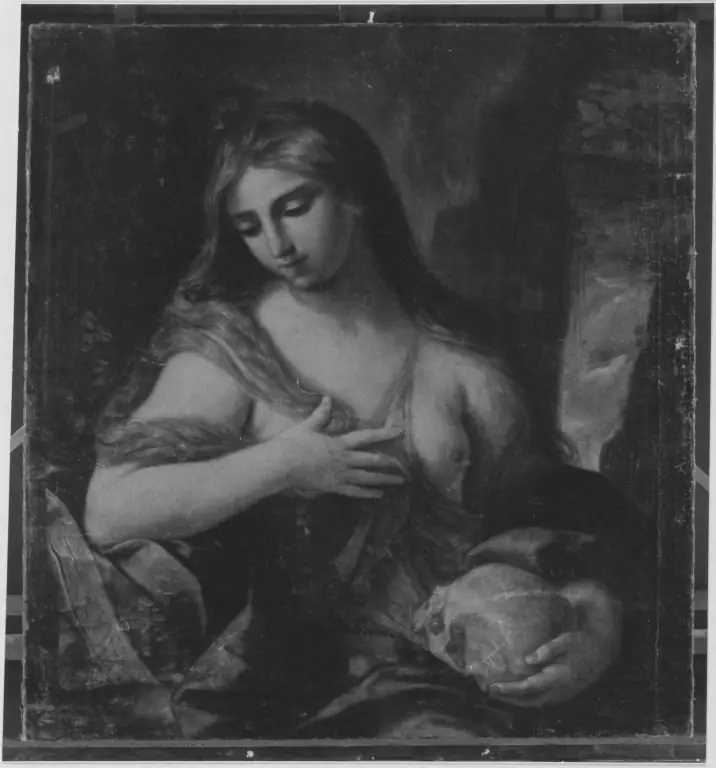
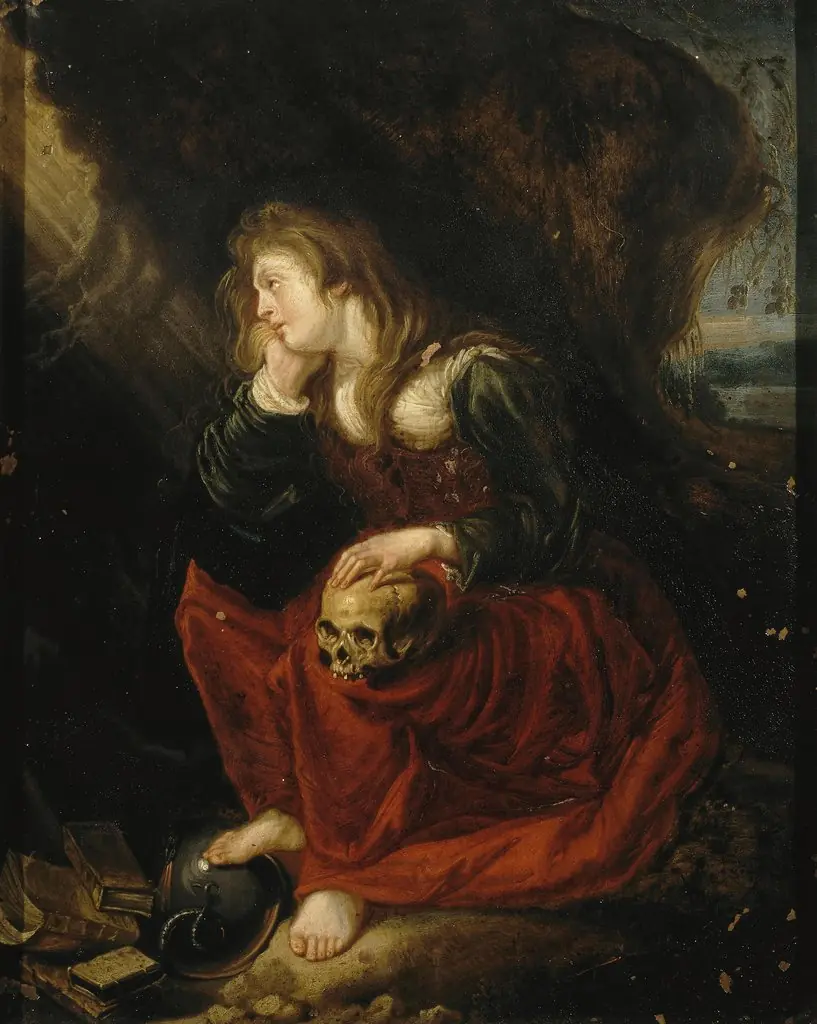
The painting depicts Mary Magdalene, a central figure in Christian religious art, specifically portrayed in her role as a penitent.
The painting depicts Mary Magdalene, a central figure in Christian religious art, specifically portrayed in her role as a penitent. Created by Januarius Zick in 1769, the work focuses on the saint's act of repentance, a common iconographic theme intended to represent spiritual redemption and contrition. As a piece of religious genre painting, it visually communicates the narrative of the saint's withdrawal from worldly life to seek forgiveness, serving as a devotional image within the Catholic tradition.
Technique & Style
The work is an oil painting on canvas measuring 28.2 cm in height and 22 cm in width, created by Januarius Zick in 1769. It portrays Mary Magdalene in a devotional context, reflecting the religious art genre characteristic of the period. The composition and brushwork demonstrate the stylistic traits of Bavarian religious painting in the late 18th century, as evidenced by its inclusion in the Bavarian State Painting Collections.
History & Provenance
Hl. Maria Magdalena als Büßerin is a religious painting by Januarius Zick dated to 1769, depicting the penitent Mary Magdalene.
The work is held by the Bavarian State Painting Collections and is housed at the Alte Pinakothek in Munich. The painting measures 28.2 cm in height by 22 cm in width. No further details about its commission, prior ownership, or chain of custody are documented in the available sources.
The painting is held by the Bavarian State Painting Collections and is on view at the Alte Pinakothek in Munich. Its dimensions are recorded as 28.2 cm in height by 22 cm in width.
No specific inventory or accession number is documented in the available sources, and no exhibition history beyond its placement within the Bavarian State Painting Collections is recorded.
Legacy
The painting's enduring presence in the Bavarian State Painting Collections and its continued scholarly attention underscore its significance within Bavarian religious art. Its depiction of Mary Magdalene as a penitent has contributed to ongoing discussions about Counter-Reformation visual narratives in 18th-century German painting.
The artwork remains accessible to the public at the Alte Pinakothek in Munich, preserving its role as a touchstone for studies of devotional imagery and female saintly representation.
Overview
Johann Rasso Januarius Zick, a German painter active in the late 18th century, completed the oil painting Hl. Maria Magdalena als Büßerin in 1769. Executed in a Rococo idiom that still bears the weight of Baroque conventions, the work is part of the Alte Pinakothek’s holdings in Munich.
Context
Created during a period when German artists were negotiating the shift from the dramatic vigor of the Baroque to the lighter, ornamental Rococo, Zick’s work exemplifies this stylistic bridge. His dual career as painter and architect informed the careful spatial composition of the interior scene.
Artist & collection
Artist
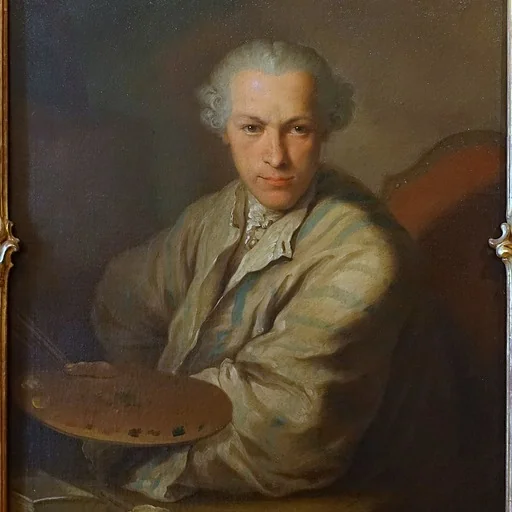
Johann Rasso Januarius Zick (6 February 1730 – 14 November 1797) was a German painter and architect. He is considered to be one of the main masters of the Late-Baroque.