Artwork
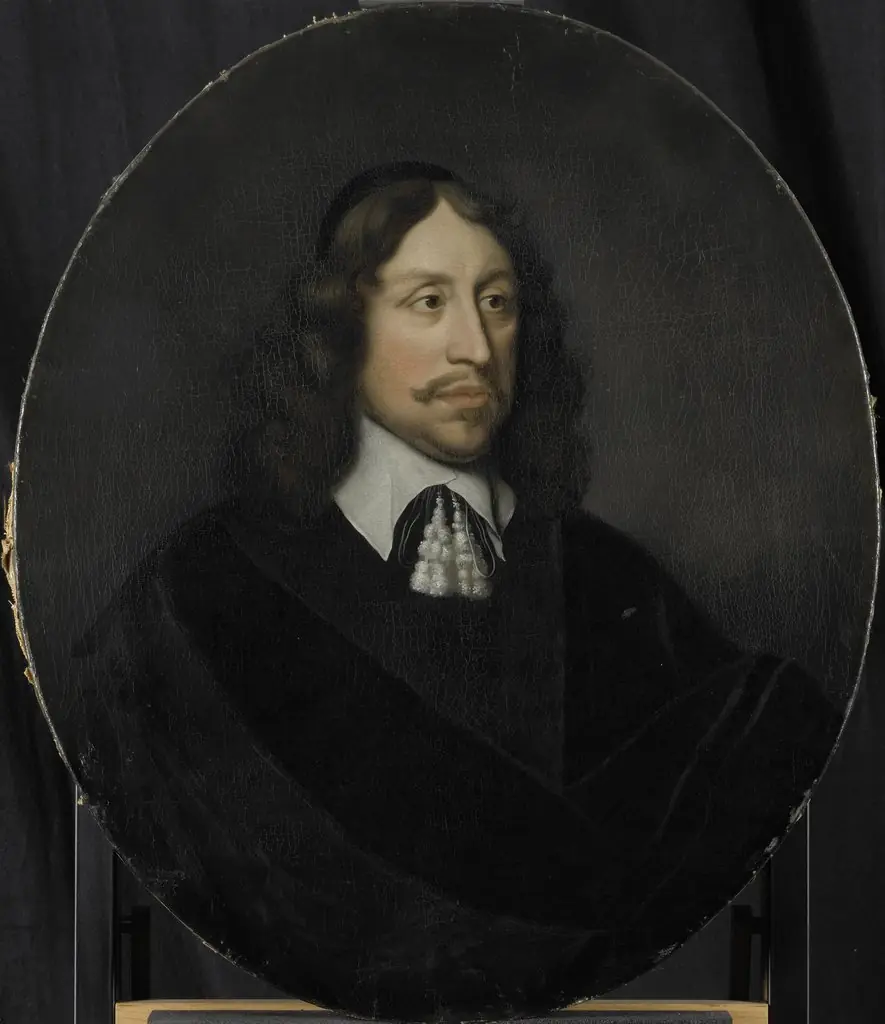
Portrait of a man, perhaps Philippe de la Trémoïlle (1596-?), count of Olonne
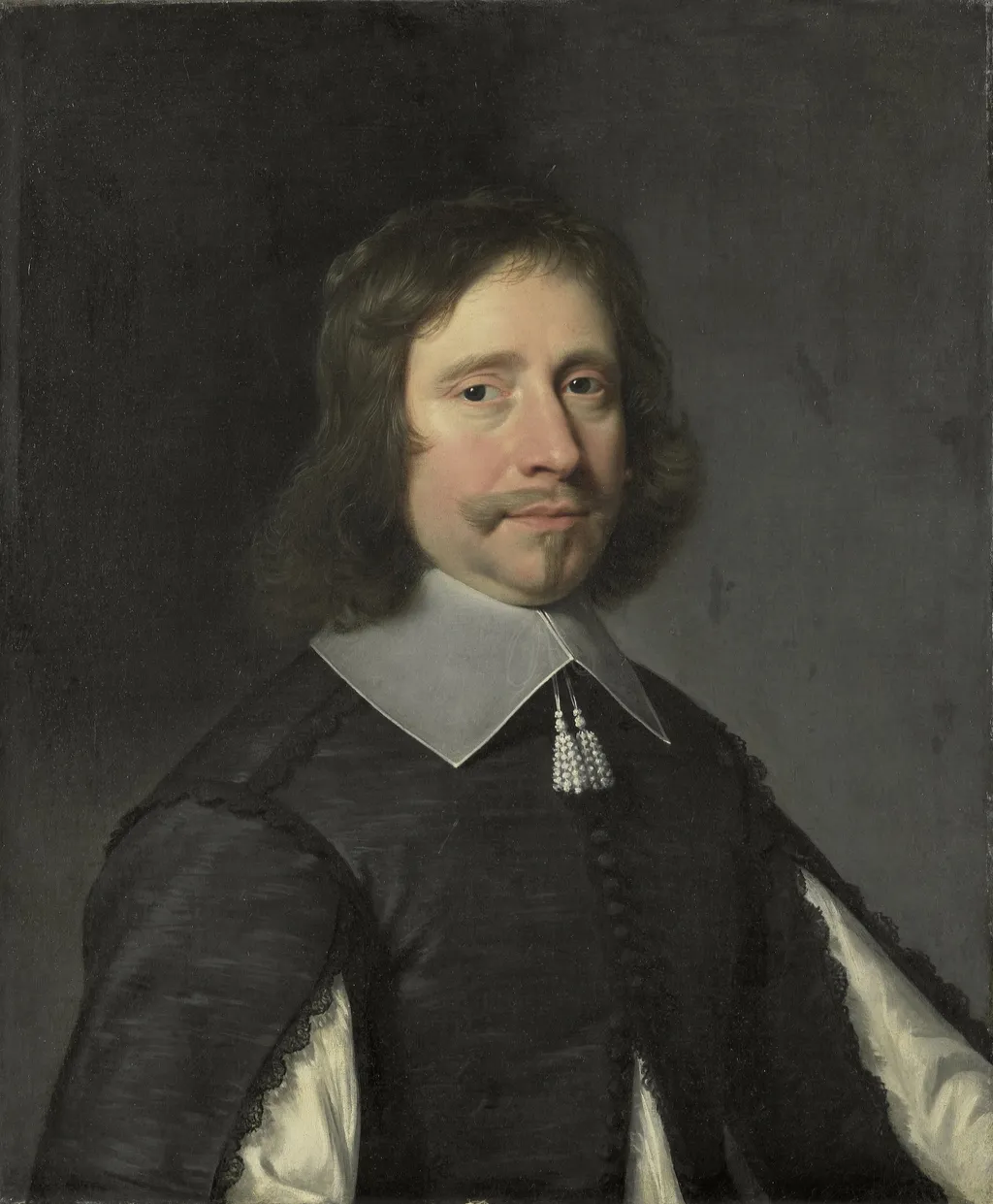
Portrait of a man, perhaps Philippe de la Trémoïlle (1596-?), count of Olonne is an oil painting by the French Classical Baroque artist Jean Baptiste de Champaigne. It dates from 1650 and is held in the collection of the Rijksmuseum. Created circa 1650, this oil portrait by Jean‑Baptiste de Champaigne presents a seated gentleman in a dark interior.
About this work
Subject & Meaning
The painting depicts Philip I of La Trémoïlle, also known as the Count of Olonne, who lived from 1596 until an uncertain date.
The painting depicts Philip I of La Trémoïlle, also known as the Count of Olonne, who lived from 1596 until an uncertain date. As a formal portrait, the work centers on the sitter's direct engagement with the viewer, characterized by a steady gaze that establishes a connection across time. While the title suggests some historical ambiguity regarding the specific identification of the subject, the primary iconography is anchored in the representation of Philip I. The composition functions as a straightforward commemoration of the nobleman, emphasizing his presence and status through the artist's realistic rendering without additional symbolic allegories.
Technique & Style
The painting is executed in oil on canvas, a medium typical of mid-seventeenth-century portraiture in the Low Countries and France. The handling shows a smooth, controlled application of paint, with subtle transitions in tone that model the sitter’s face and costume without visible impasto or overt brushwork. The composition is organized around a restrained palette dominated by dark, earthy hues enlivened by lighter accents in the ruff and costume details, reflecting the restrained elegance associated with Dutch-influenced French court portraiture of the period.
The figure is presented in a three-quarter view, engaging the viewer with a direct gaze that anchors the composition. Formally, the portrait emphasizes verticality and austerity, with the sitter’s tall ruff and vertical folds of the black cloak directing attention upward toward the face. The restrained yet precise modeling of features and the emphasis on line over painterly texture align with the restrained classicism that characterizes Jean-Baptiste de Champaigne’s work within the orbit of his more famous relative Philippe de Champaigne.
History & Provenance
The painting, an oil on canvas portrait attributed to Jean Baptiste de Champaigne, dates to 1650. It depicts Philip I of La Tremoille, also identified as the Count of Olonne, who is shown gazing towards the viewer. The work was formerly owned by the sculptor Edme Bouchardon before entering the collection of the Rijksmuseum.
Overview
Created circa 1650, this oil portrait by Jean‑Baptiste de Champaigne presents a seated gentleman in a dark interior. The figure, rendered in a restrained palette, looks directly at the viewer, his expression solemn and composed. The painting belongs to the Rijksmuseum’s collection and exemplifies the French classical Baroque approach to portraiture, emphasizing clarity of form and dignified presence.
Context
During the mid‑1600s, French portraiture increasingly adopted a sober, courtly aesthetic, moving away from the exuberance of earlier Baroque. Champaigne, trained in the Flemish tradition yet active in Paris, merged these influences, producing portraits that balanced realism with an idealized representation of noble virtue. This painting illustrates that synthesis, aligning with contemporary expectations of aristocratic portraiture.
Own this work as a print
Artist & collection

Artist
Jean Baptiste de Champaigne (10 December 1631 – 27 October 1681), was a Flemish-born French Baroque painter and teacher.

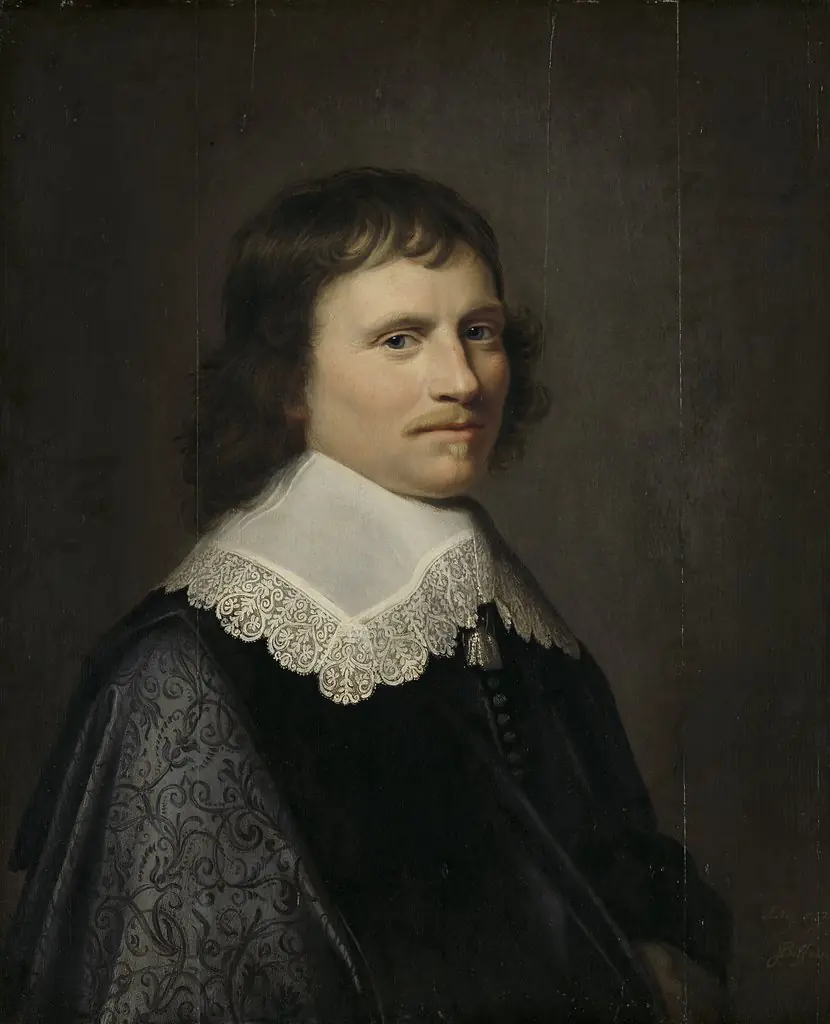 Portrait of a man, thought to be Salomon van Schoonhoven (1617-53), lord lieutenant of Putten
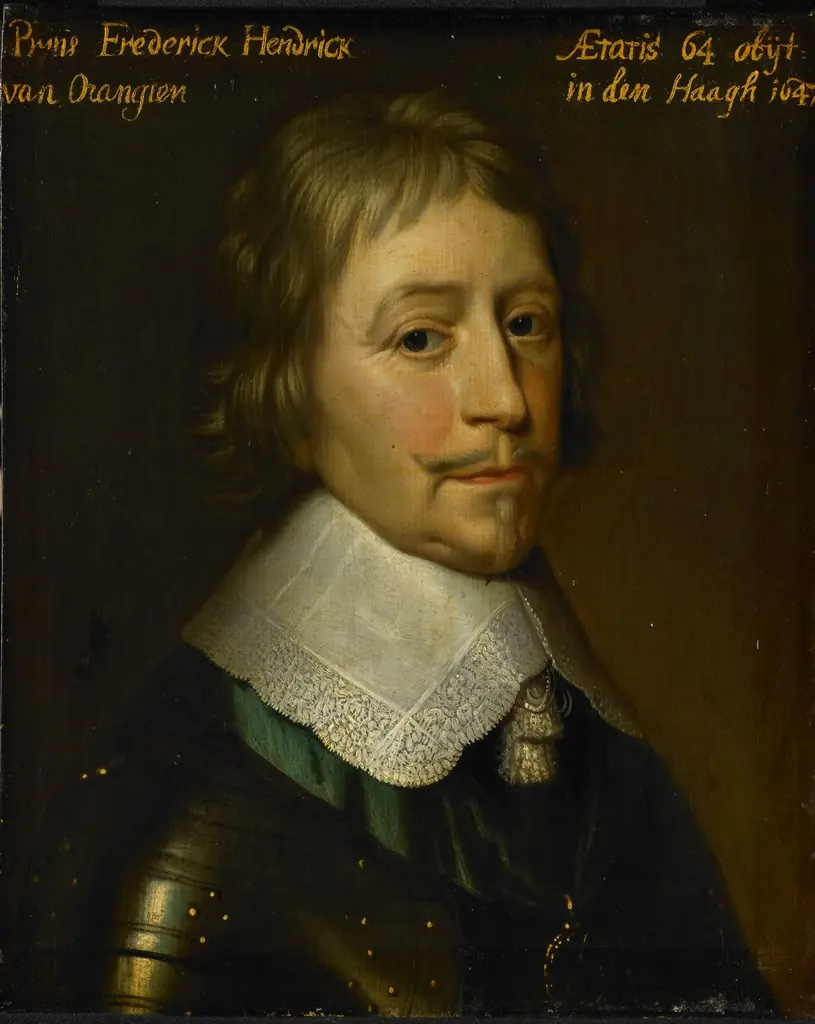 Portrait of Frederik Hendrik (1584-1647), Prince of Orange
 Portrait of Johan de Vries, Director of the Rotterdam Chamber of the Dutch East India Company, elected 1667
![Portrait of a Gentleman [possibly Jacob van Campen], by Thomas de Keyser](https://artifactworldgallery.com/img/thomas-de-keyser--portrait-of-a-gentleman-possibly-jacob-van-campen--d0c829ca95efaf31-w320.webp) Portrait of a Gentleman [possibly Jacob van Campen]
Portrait of a Gentleman [possibly Jacob van Campen] Portrait of Johan de Vries, Director of the Rotterdam Chamber of the Dutch East India Company, elected 1667
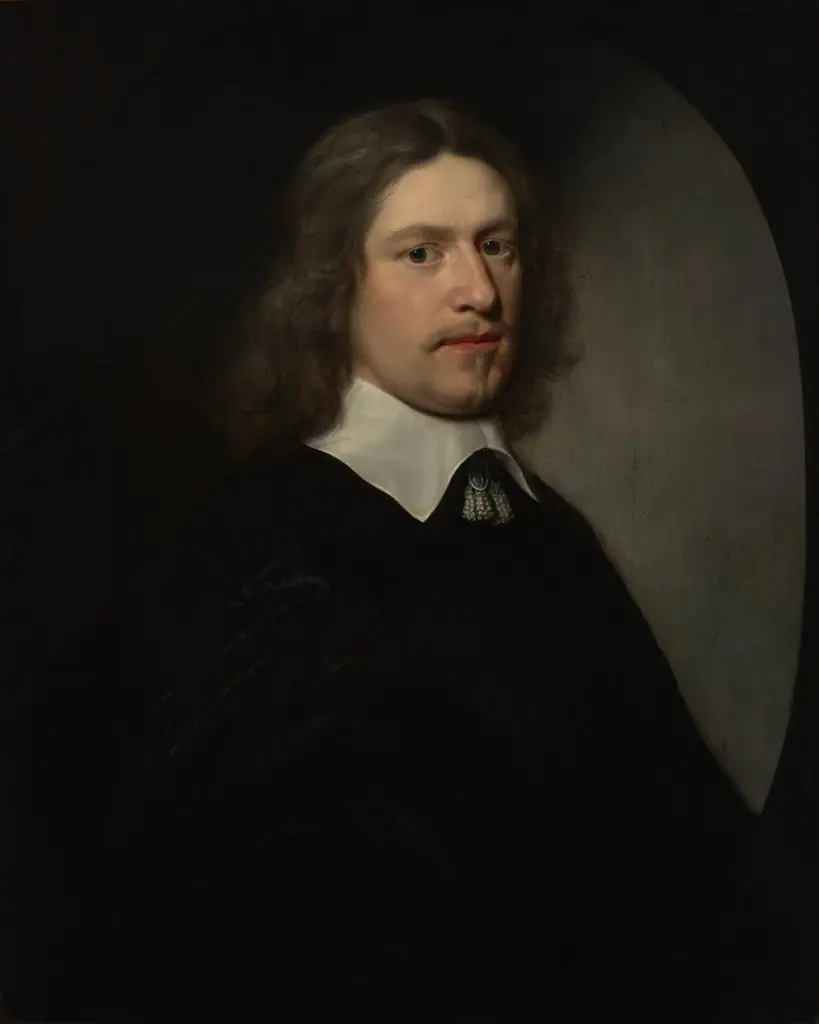 Portrait of a Man
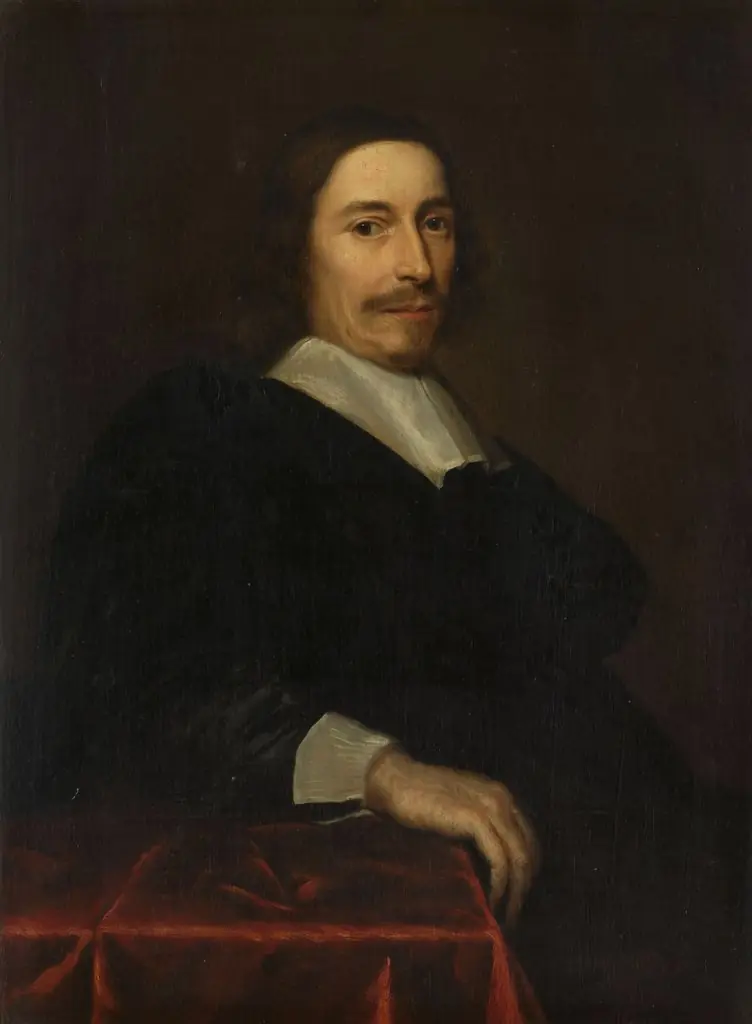 Jacob de Witt (1589-1674)
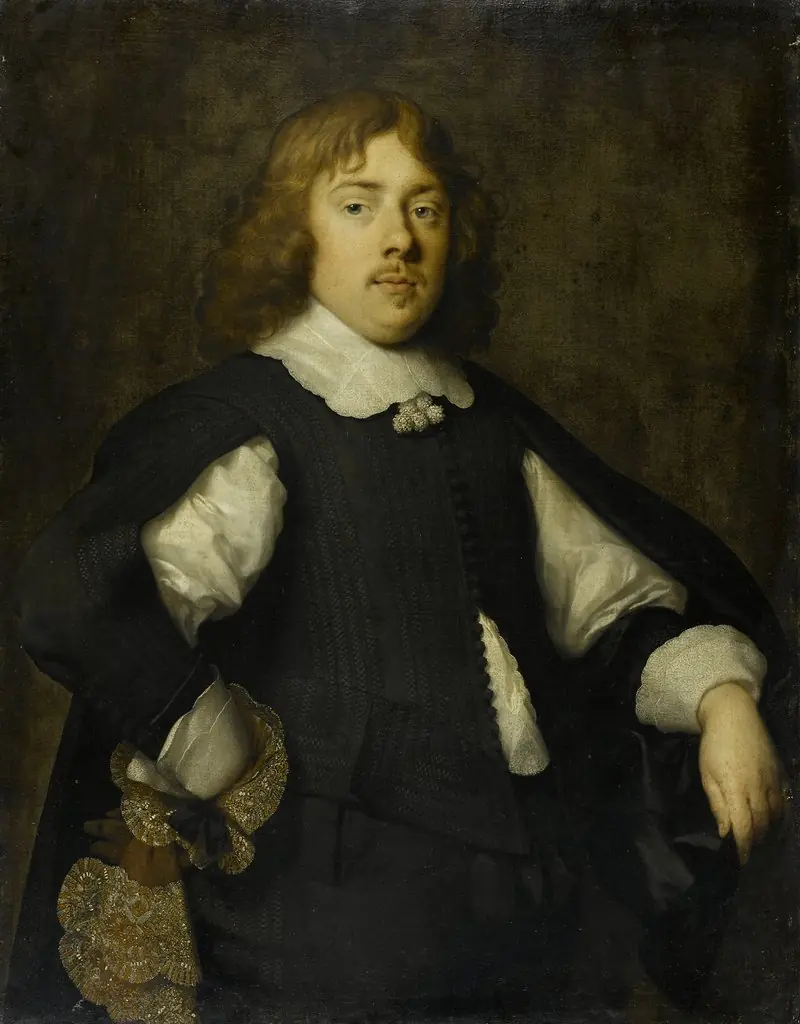 Portrait of Joan Pietersz Reael (1625-59)
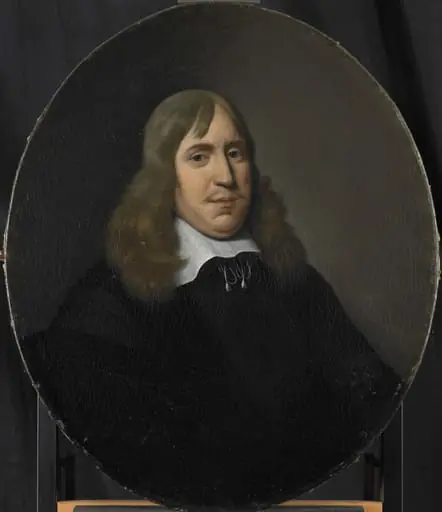 Portrait of Willem Hartigsvelt, Director of the Rotterdam Chamber of the Dutch East India Company, elected 1657
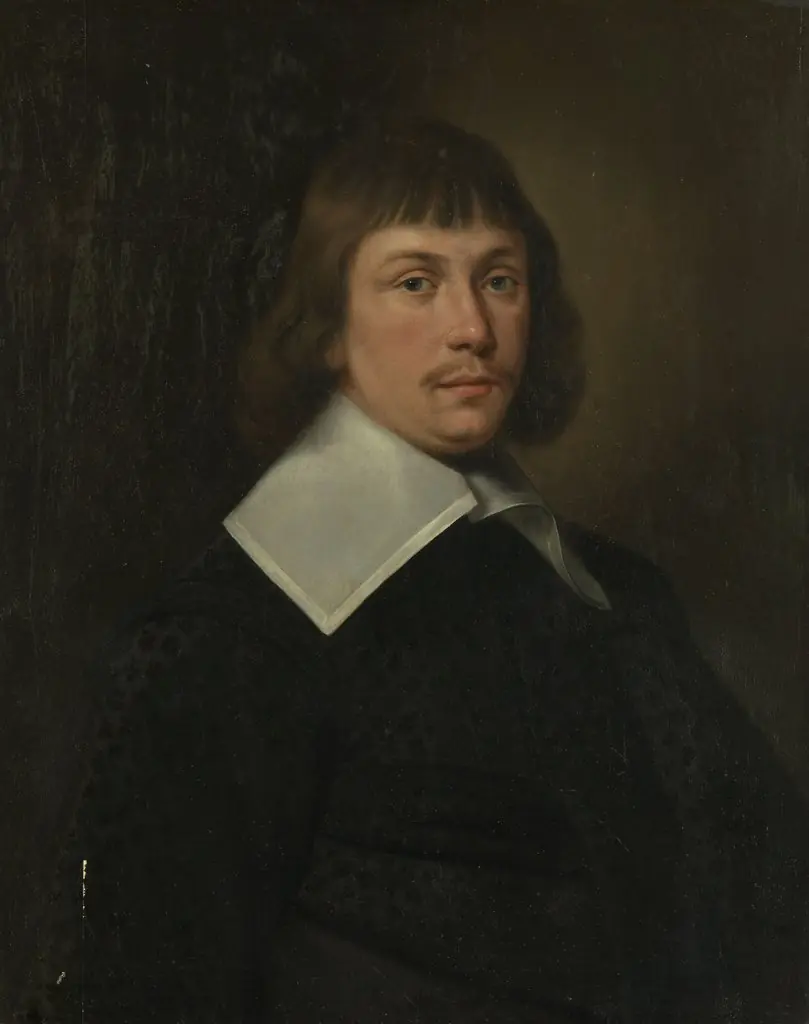 Portrait of a man