Artwork
Portrait of a man
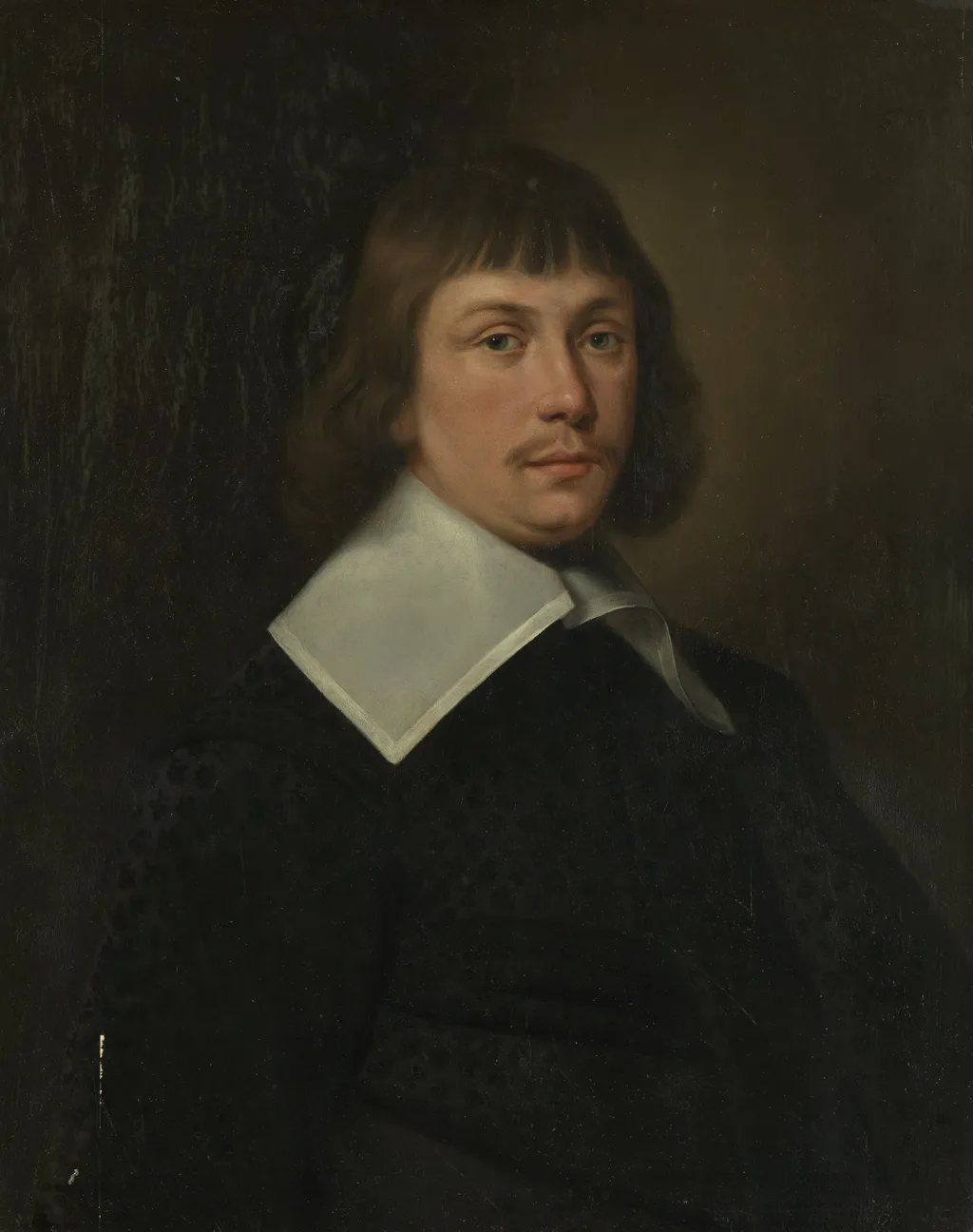
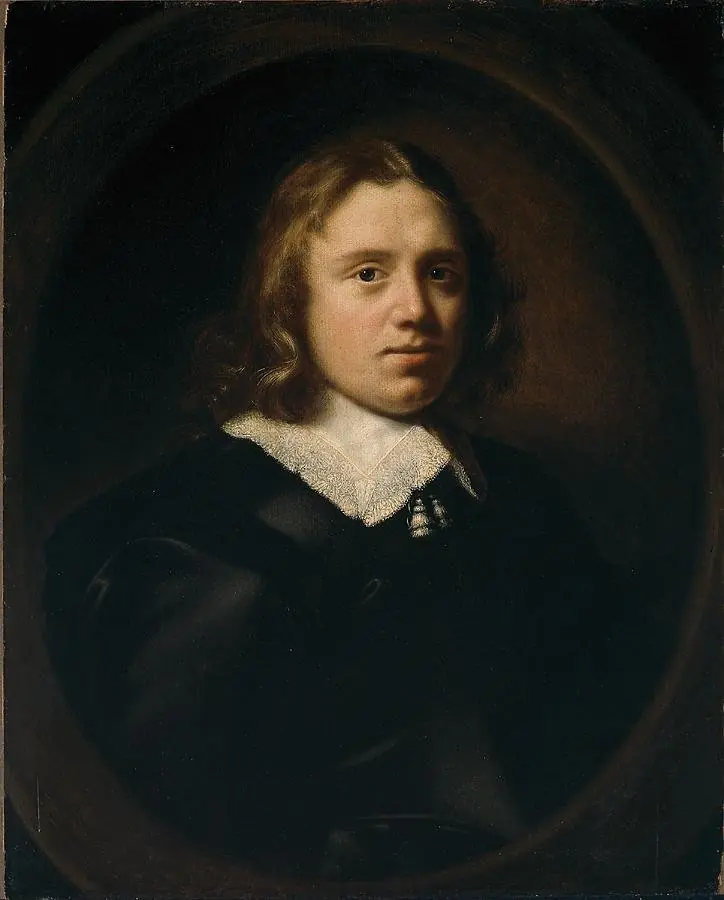
Portrait of a man is an oil painting. It dates from 1643 and is held in the collection of the Rijksmuseum. The work is an oil painting portraying a solitary male figure.
About this work
The painting depicts a man with a serious expression, wearing a black coat and a white collar.
The painting depicts a man with a serious expression, wearing a black coat and a white collar. His dark hair is cut in a bob with bangs. The background is a dark brown color.
The man's attire and hairstyle suggest a formal portrait from the 17th century. The artist's use of chiaroscuro creates a sense of depth and dimensionality in the painting. The painting is a fine example of a portrait from the Dutch Golden Age.
Technique & Style
The portrait is executed in oil paint on a wooden panel, a support typical of seventeenth-century Northern Netherlandish practice. Its dimensions are 73.5 by 59.5 cm, yielding an upright format suited to a single-figure bust-length composition. The work is classified as a portrait genre painting depicting a man, produced in 1643 within the Northern Low Countries.
The choice of oil on panel allowed for the fine, controlled handling associated with small-scale cabinet portraits of the period, while the panel support provided a smooth ground for detailed modeling of the sitter's features.
No condition report is documented in the available sources.
History & Provenance
Created in 1643, this oil painting on panel depicts a man and was produced in the Northern Low Countries. The work measures 73.5 cm in height and 59.5 cm in width. Historical records indicate that the painting was once owned by Jacob de Witte van Citters.
It currently resides in the collection of the Rijksmuseum in Amsterdam, where it is cataloged under the inventory number SK-A-920.
The oil painting Portrait of a Man, dated 1643, is held in the collection of the Rijksmuseum in Amsterdam. The work is cataloged under the inventory number SK-A-920. It was previously owned by Jacob de Witte van Citters before entering the museum's holdings. The painting is executed in oil on panel and depicts a male subject.
Overview
The work is an oil painting portraying a solitary male figure. He is rendered with a solemn expression, dressed in a dark coat trimmed with a white collar, and his hair is styled in a short bob with a fringe. The background consists of a uniform dark brown tone, providing a subdued setting for the sitter.
Subject & Meaning
The sitter’s attire and coiffure indicate a formal presentation typical of early modern European portraiture, suggesting status and decorum. The serious demeanor and restrained pose convey a sense of gravitas, aligning with the conventions of portraiture that aimed to reflect the subject’s social standing and personal character.
Context
The painting exemplifies the Dutch Golden Age’s emphasis on realistic, individualized portraiture, a period when merchants and professionals commissioned works to assert identity and wealth. Its stylistic traits, subtle lighting, restrained palette, and attention to material detail, place it within the broader 17th‑century tradition of Dutch portrait painters.
Artist & collection

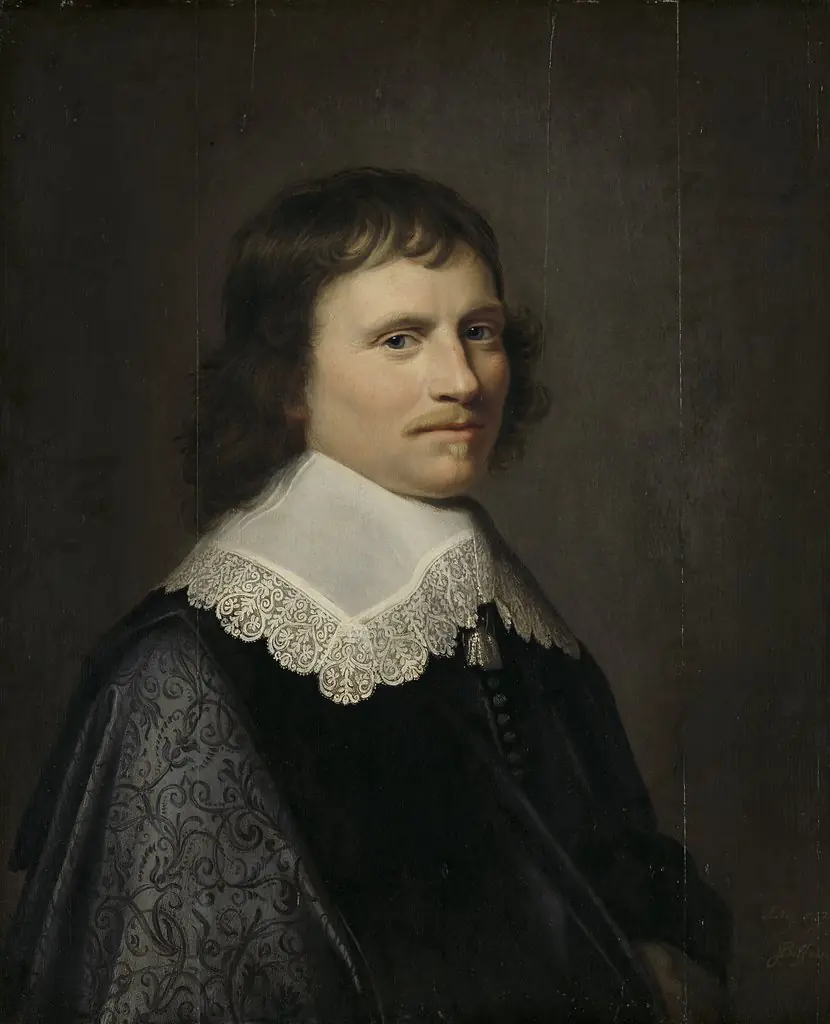 Portrait of a man, thought to be Salomon van Schoonhoven (1617-53), lord lieutenant of Putten
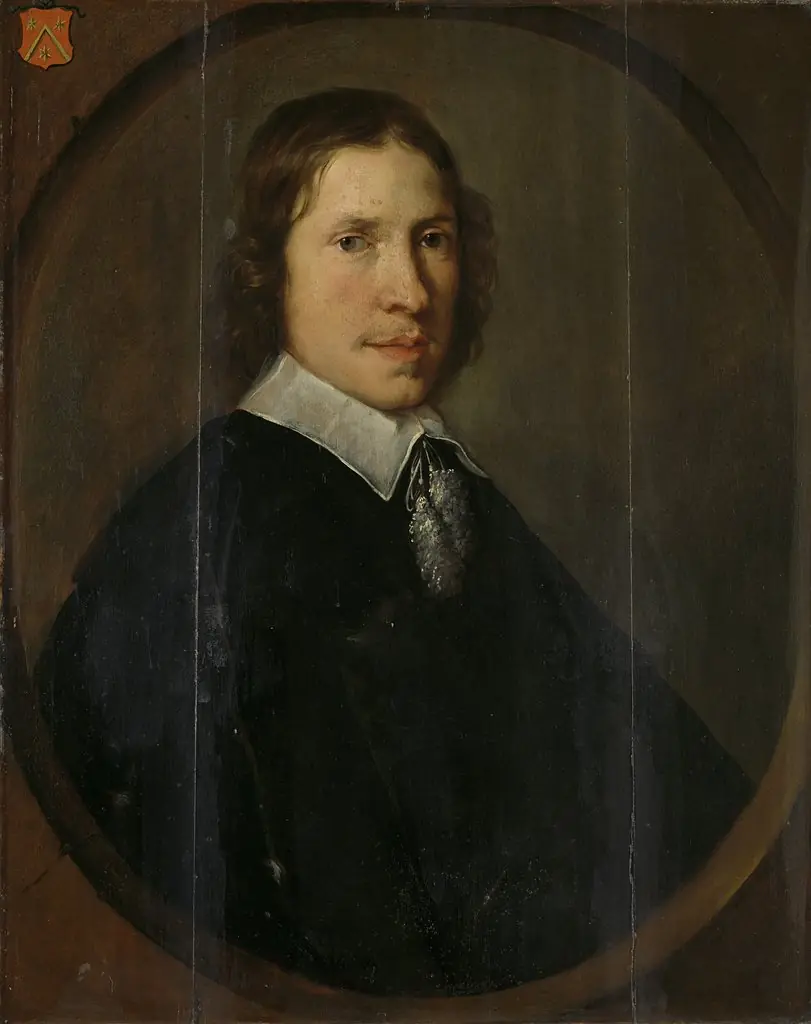 François Leydecker (1626-88). Burgomaster of Tholen
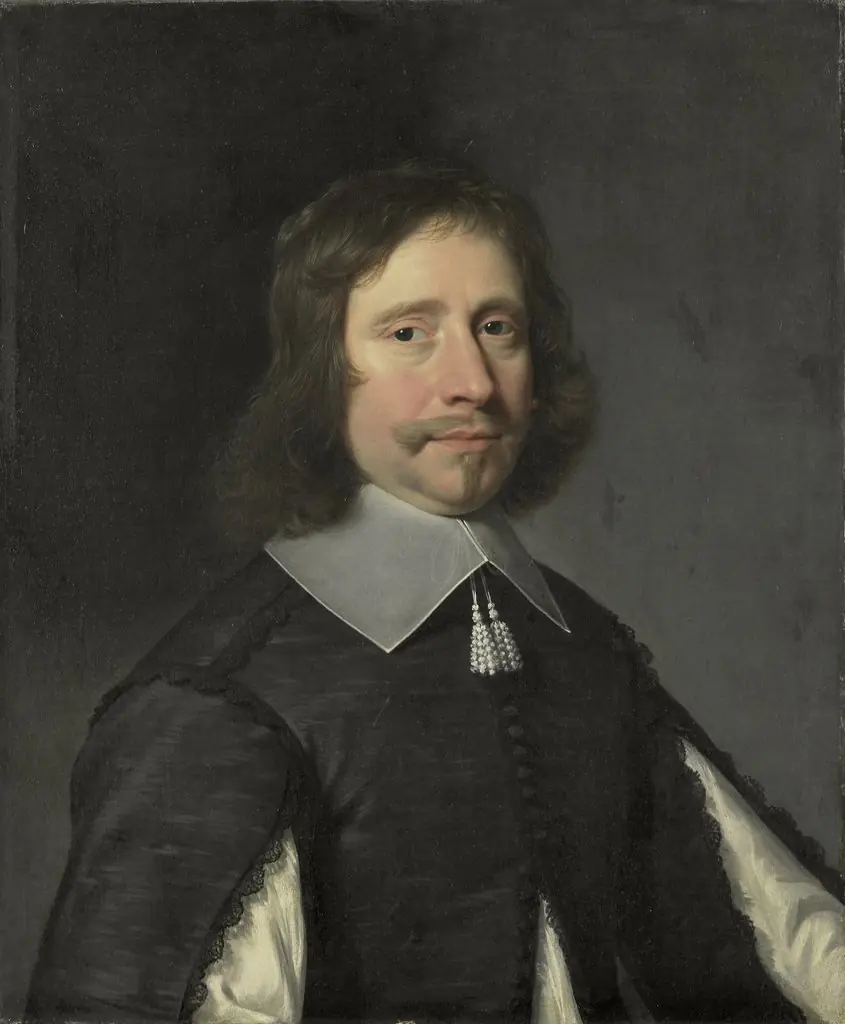 Portrait of a man, perhaps Philippe de la Trémoïlle (1596-?), count of Olonne
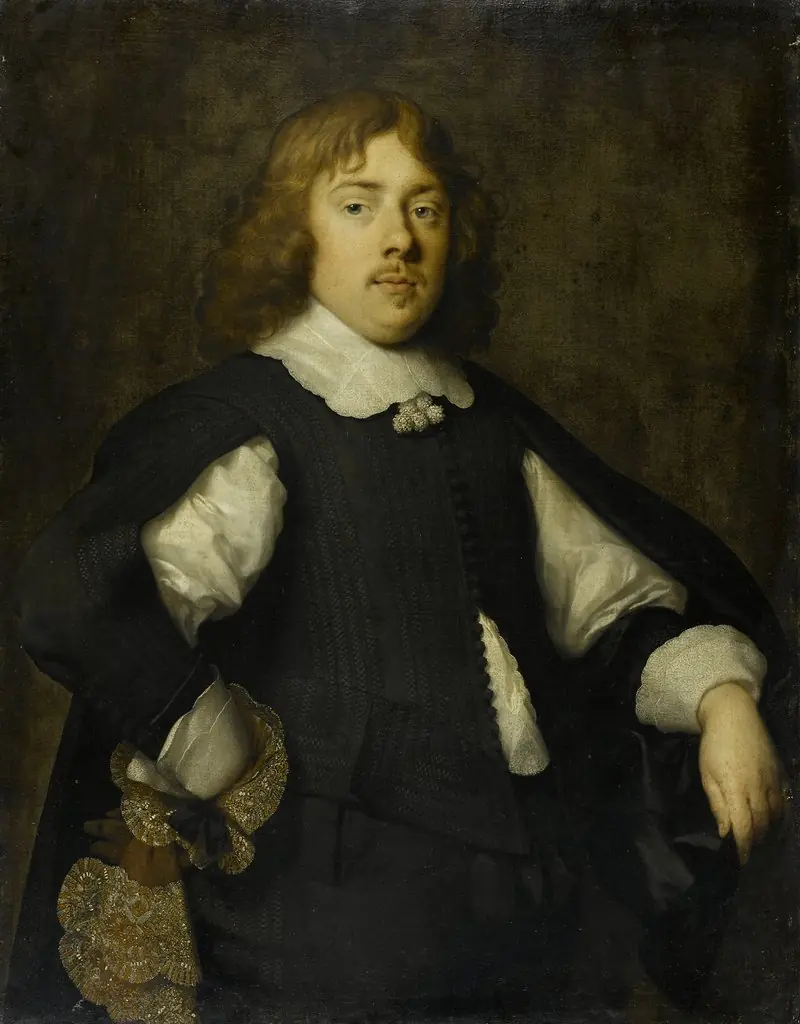 Portrait of Joan Pietersz Reael (1625-59)
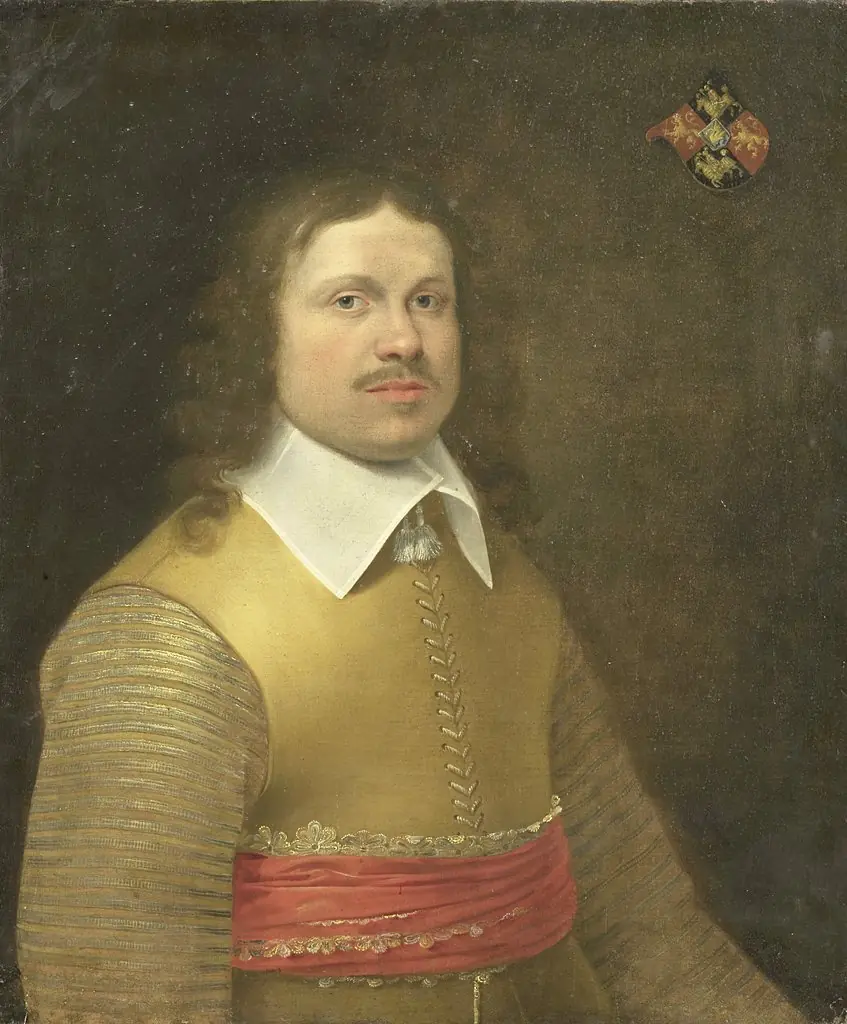 Portrait of Herman van der Hem van Nederstein (Herman Gysbert van der Hemm van Niederstein) (died 1671)
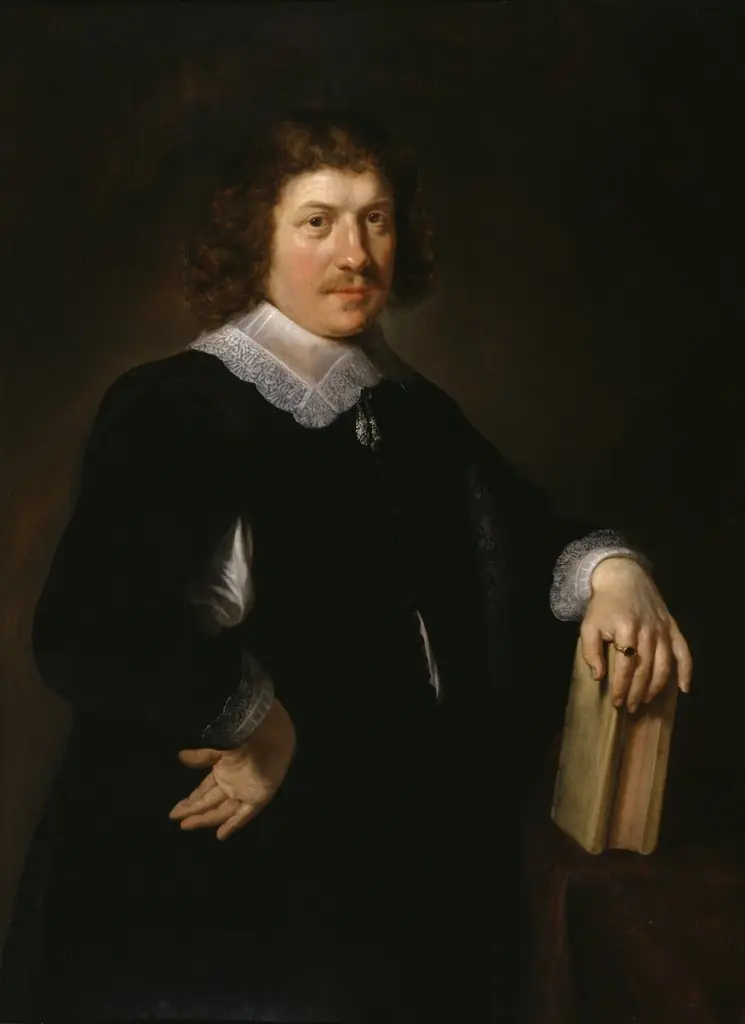 Portrait of a Husband
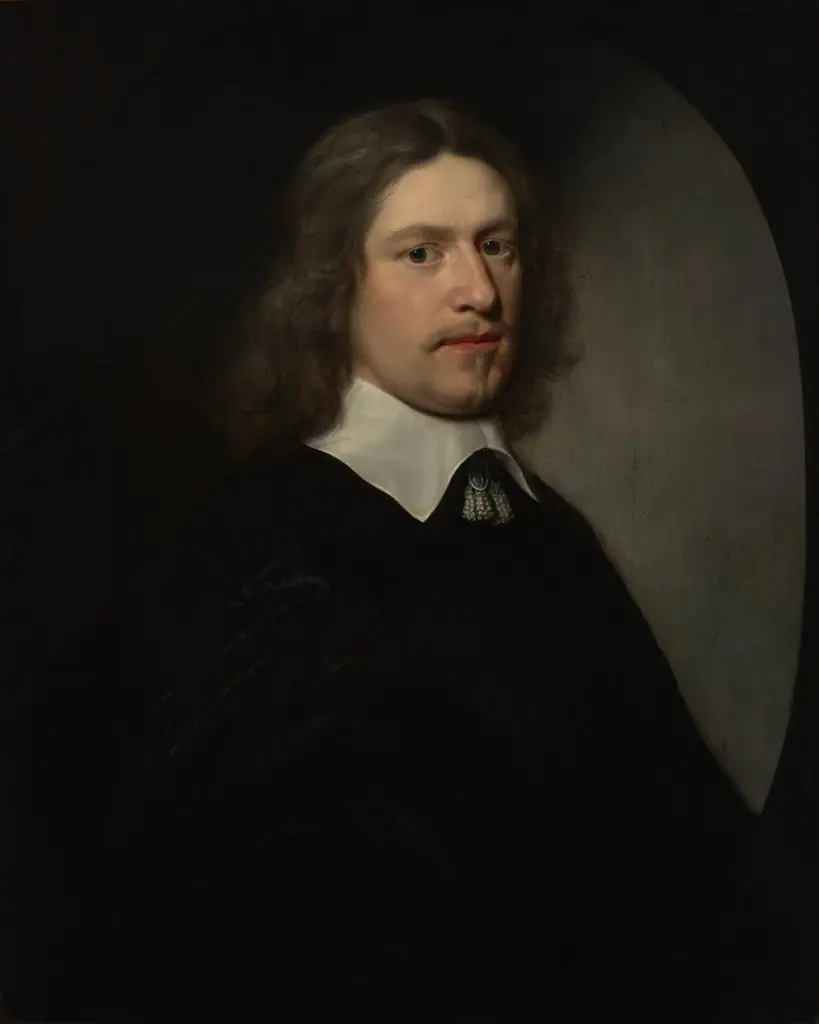 Portrait of a Man
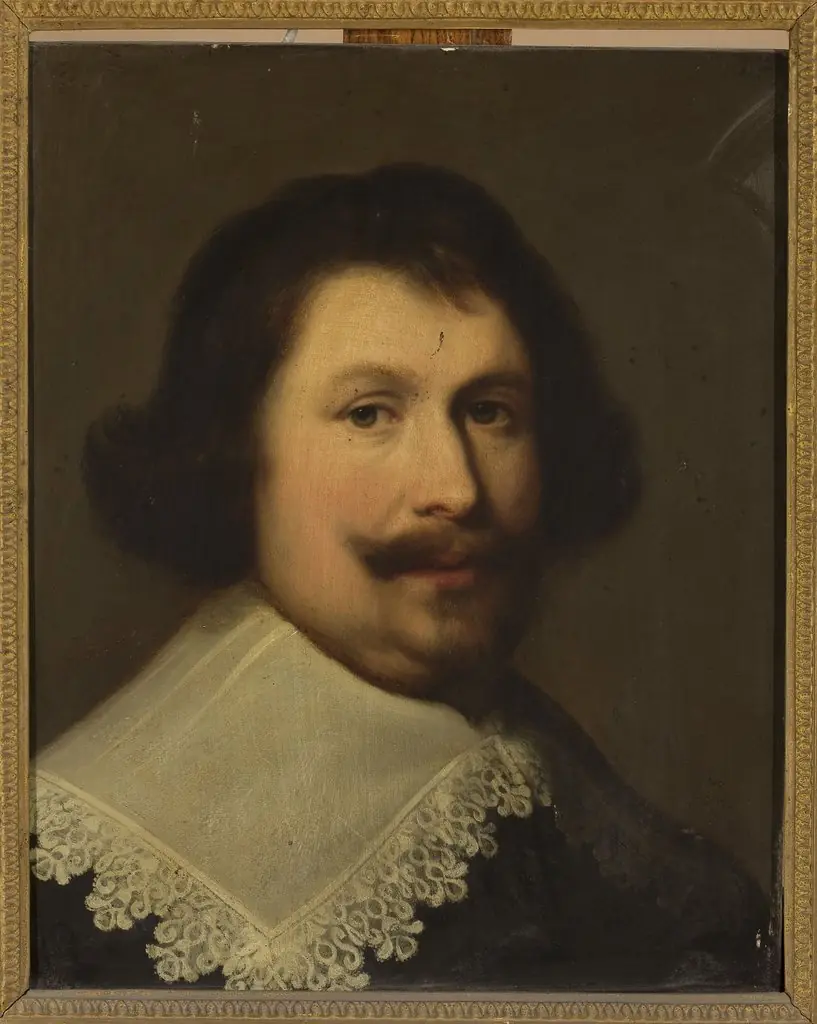 Portrait of a nobleman
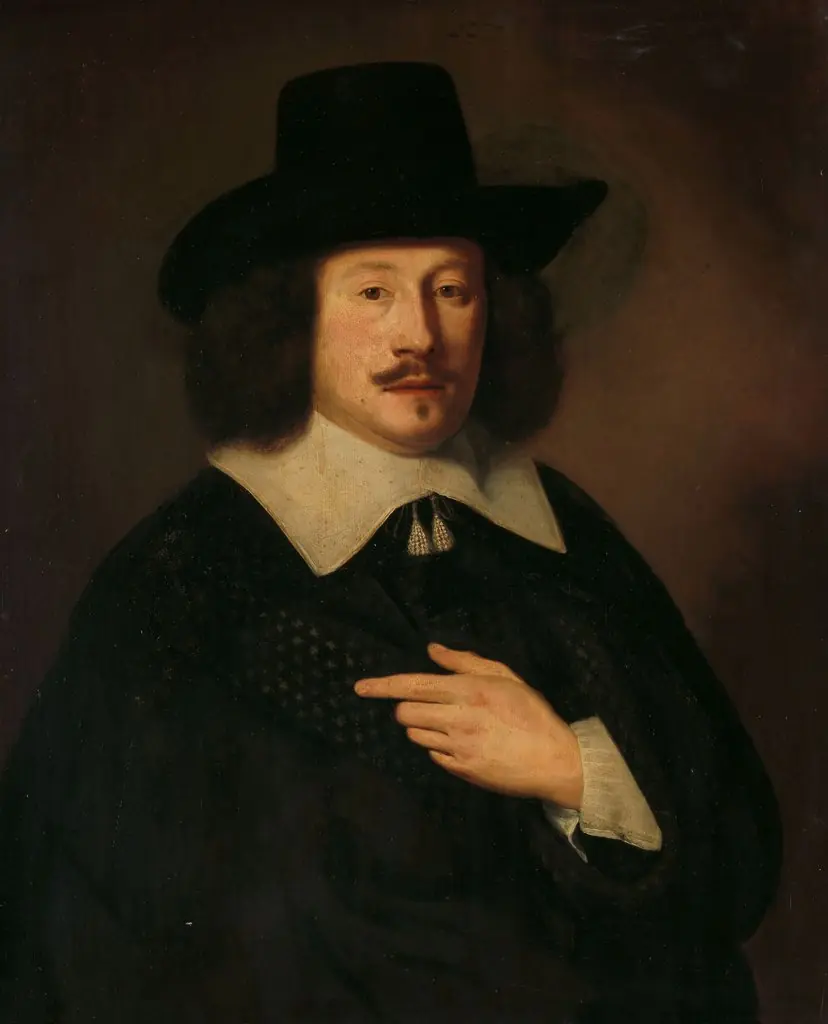 Portrait of a man
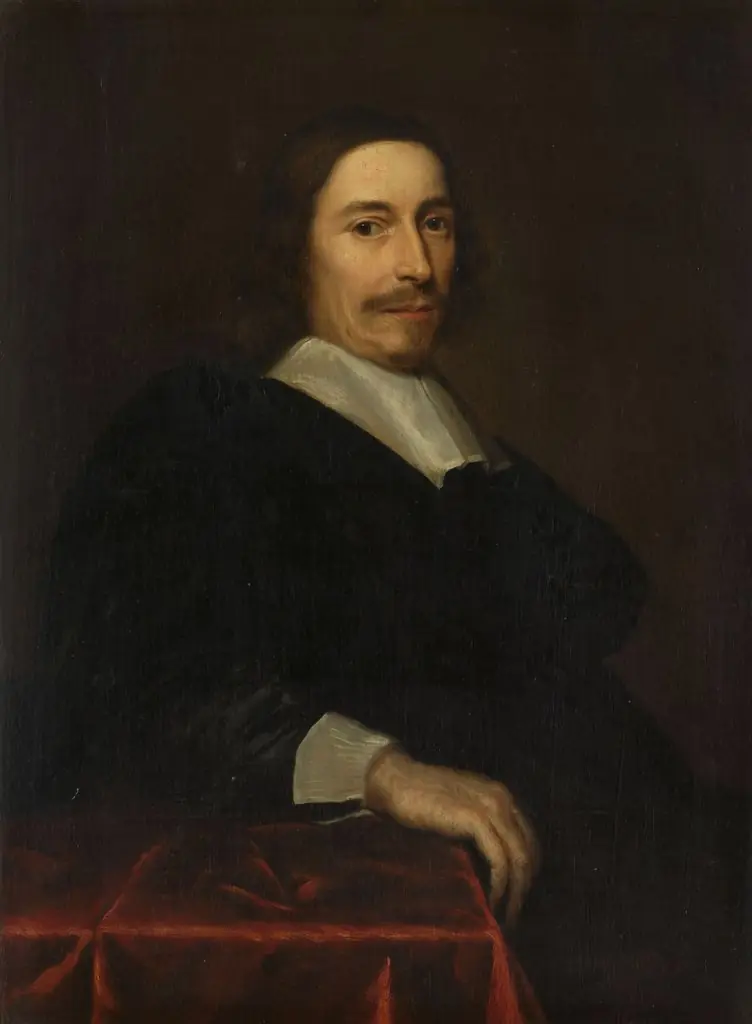 Jacob de Witt (1589-1674)
 Portrait of a Dutch gentleman
- Portrait of a Man