Artwork
Joseph and Potiphar's Wife
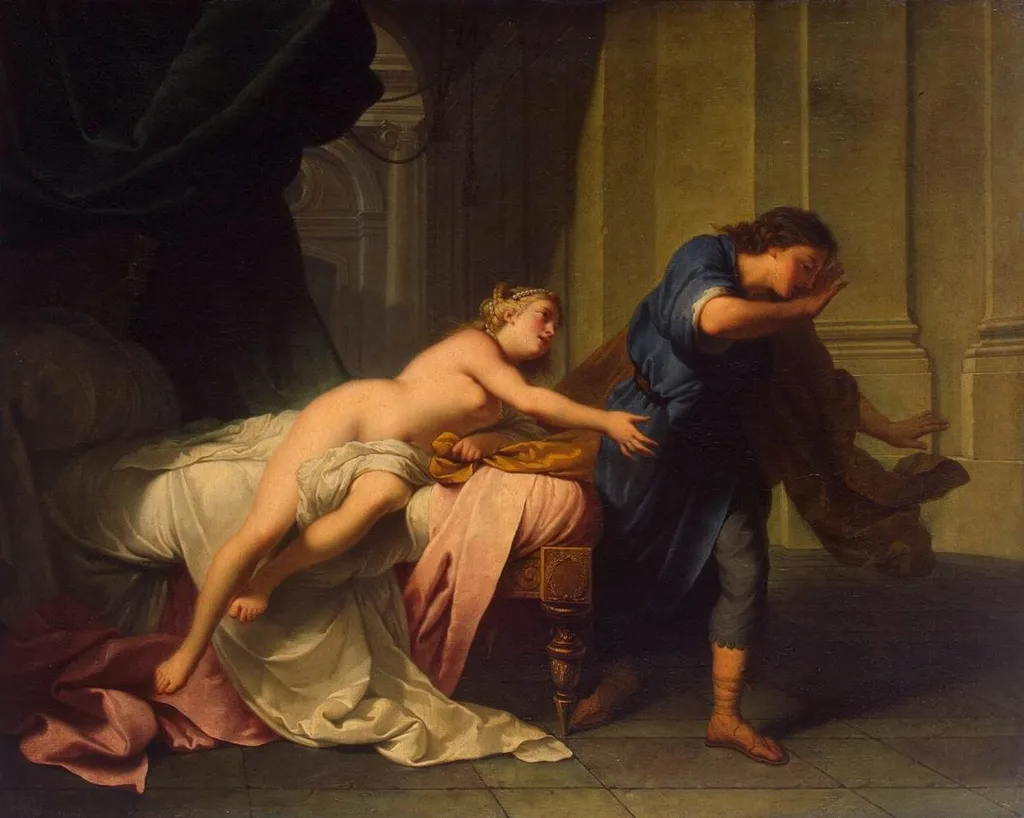
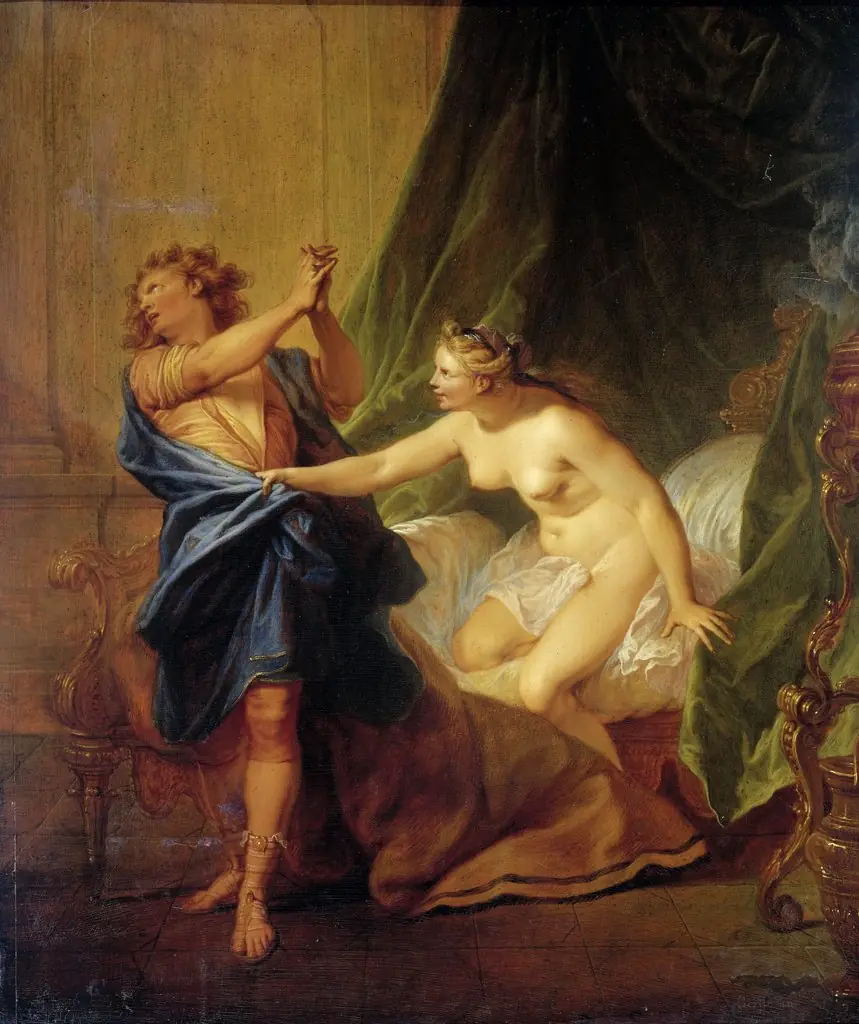
Joseph and Potiphar's Wife is an oil painting by the French Classical Baroque artist Jean-Baptiste Nattier. It dates from 1711 and is held in the collection of the Hermitage Museum.
About this work
Overview
Joseph and Potiphar's Wife is a 1711 oil painting by Jean-Baptiste Nattier, housed at the State Hermitage Museum. The work captures a dramatic moment from biblical narrative.
Subject & Meaning
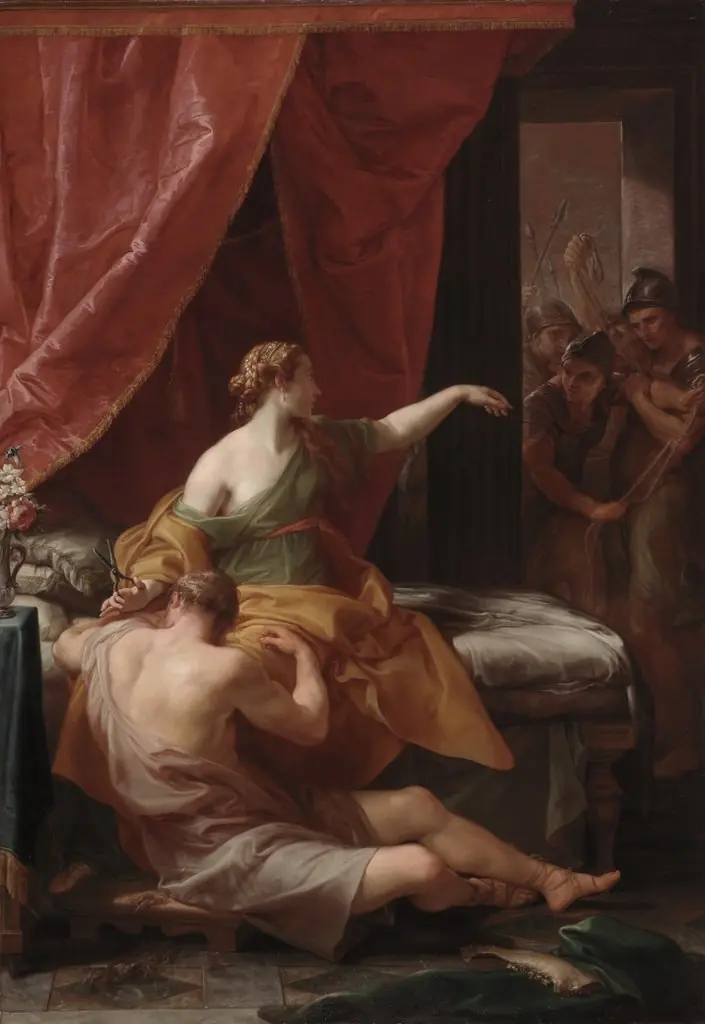
The painting illustrates the biblical story of Zulaikha (Potiphar's Wife) and Joseph, conveying a scene of attempted seduction and resistance. Zulaikha, nearly nude, leans forward in a sensual pose, while Joseph, fully dressed, recoils in distress.
Technique & Style
Nattier employs dramatic lighting to heighten the emotional tension between the two figures. The contrast between Zulaikha's exposed form, draped in gold and white, and Joseph's distressed, fully clothed figure, underscores the narrative's conflict.
History & Provenance
Created in 1711, the painting is part of the State Hermitage Museum's collection, though specific details of its acquisition or earlier ownership are not provided here.
Context
This work reflects 18th-century European interest in biblical themes, often depicted with sensuality and drama. Nattier's interpretation emphasizes the psychological depth of the encounter.
Legacy
While not widely discussed in broad art historical narratives, the painting remains a notable example of early 18th-century religious art, appreciated for its emotional intensity and compositional drama.
Artist & collection