Artwork
Emperor Franz I, Empress Maria Theresa and Their Son Archduke Joseph
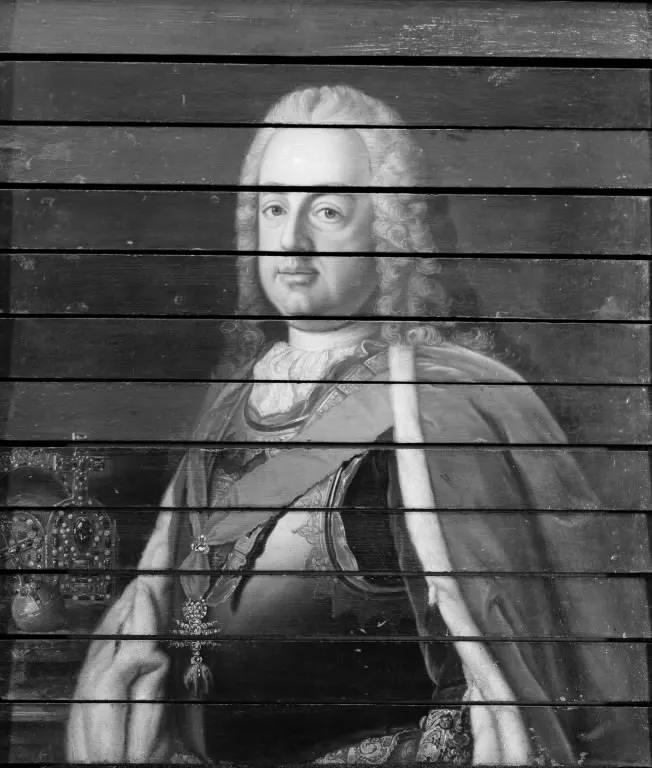
Emperor Franz I, Empress Maria Theresa and Their Son Archduke Joseph is an unspecified painting by the Rococo painting artist Jean-Étienne Liotard. It dates from 1765 and is held in the collection of the Statens Museum for Kunst.
About this work
Subject & Meaning
The portrait depicts Francis I, Holy Roman Emperor, his wife Maria Theresa of Austria, and their son Joseph, later Joseph II, Holy Roman Emperor.
The portrait depicts Francis I, Holy Roman Emperor, his wife Maria Theresa of Austria, and their son Joseph, later Joseph II, Holy Roman Emperor. Painted in 1765 by Jean-Étienne Liotard, the composition emphasizes dynastic continuity and familial bonds within the Habsburg-Lorraine dynasty. The inclusion of the young archduke, positioned between his parents, underscores the legitimacy of the imperial succession and the stability of the ruling family during a period of political consolidation in Central Europe.
History & Provenance
Jean-Étienne Liotard created the family portrait titled Emperor Franz I, Empress Maria Theresa and Their Son Archduke Joseph in 1765. The work was executed during the reign of the depicted Habsburg figures, specifically capturing Francis I, Holy Roman Emperor, Maria Theresa of Austria, and their son Joseph II. Current records indicate the painting is held in the collection of the Statens Museum for Kunst.
The inception date is recorded as January 1, 1765, marking the completion of this specific commission by the Swiss artist.
The painting Emperor Franz I, Empress Maria Theresa and Their Son Archduke Joseph is held in the collection of the Statens Museum for Kunst in Copenhagen. The work, created by Jean-Étienne Liotard in 1765, is categorized as a family portrait depicting Francis I, Maria Theresa, and Joseph II. While the source confirms the museum's location and ownership, it does not provide a specific inventory or accession number for the piece. Furthermore, the available documentation does not list any exhibition history for this artwork.
Context
The 1765 portrait by Jean-Étienne Liotard depicting Emperor Franz I, Empress Maria Theresa and their son Archduke Joseph was received as a skilled example of family portraiture within Enlightenment court painting traditions. Contemporary scholarship highlights its significance as a rare depiction of Habsburg familial unity, influencing later interpretations of imperial portraiture. The work remains part of the Statens Museum for Kunst collection, where it is studied as an important piece within Liotard's broader oeuvre and the evolution of 18th-century European portraiture.
Overview
Jean‑Étienne Liotard’s 1765 group portrait presents the Austrian imperial family: Emperor Francis I, Empress Maria Theresa, and their son Joseph, later Holy Roman Emperor. Executed in the Rococo era, the canvas now belongs to Denmark’s Statens Museum for Kunst. The composition places the three figures against a dark backdrop, emphasizing their refined attire and the subtle interplay of light and shadow.
Technique & Style
Liotard, renowned for his meticulous naturalism, renders textures with precise brushwork: the emperor’s curly white hair, the empress’s white dress with a prominent bow, and the young archduke’s embroidered jacket are depicted with careful attention to fabric and detail. The dark background functions as a neutral field, allowing the luminous colors of the garments to stand out.
Artist & collection
Artist
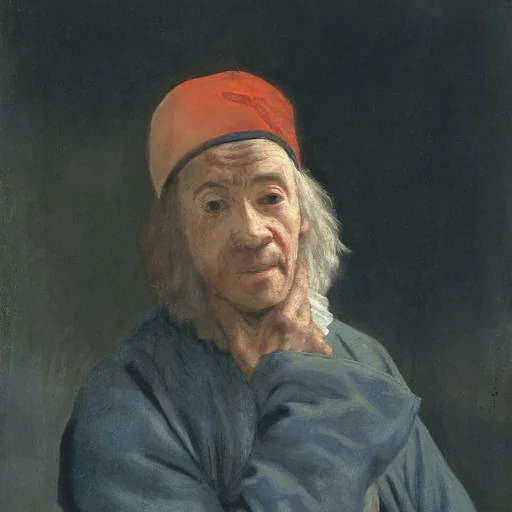
Jean-Étienne Liotard (French pronunciation:; 22 December 1702 – 12 June 1789) was a Genevan painter, pastellist, printmaker, art theorist and art dealer.

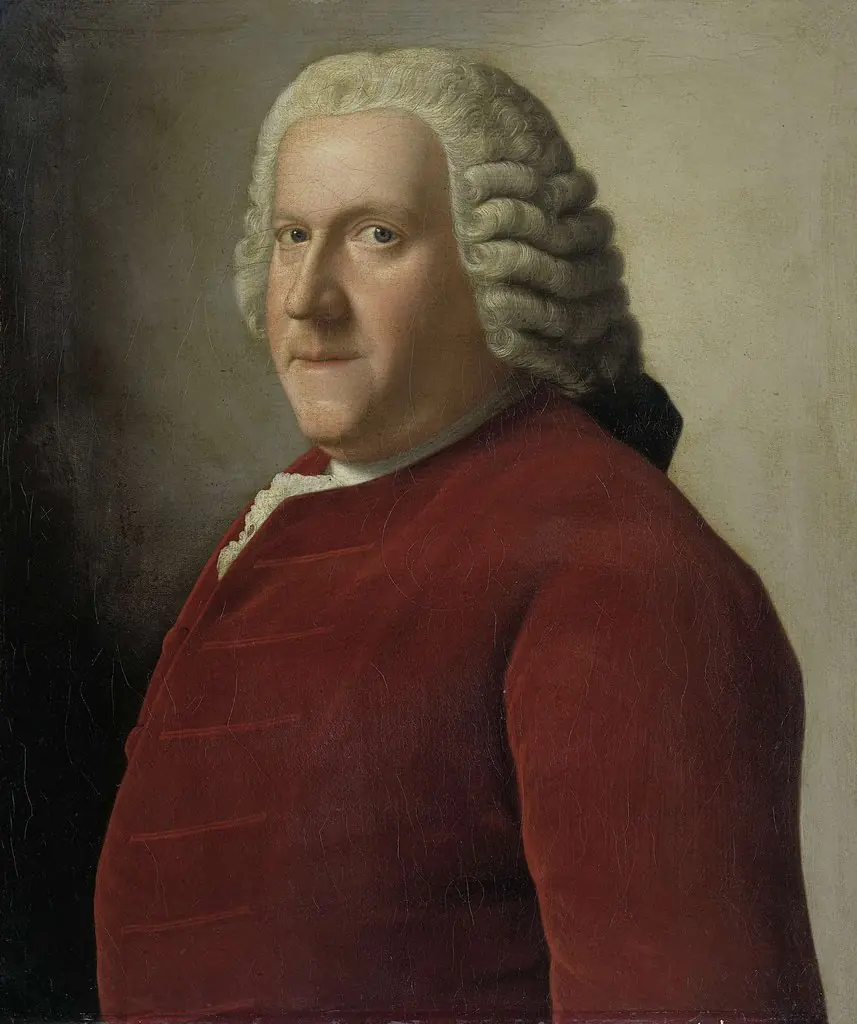
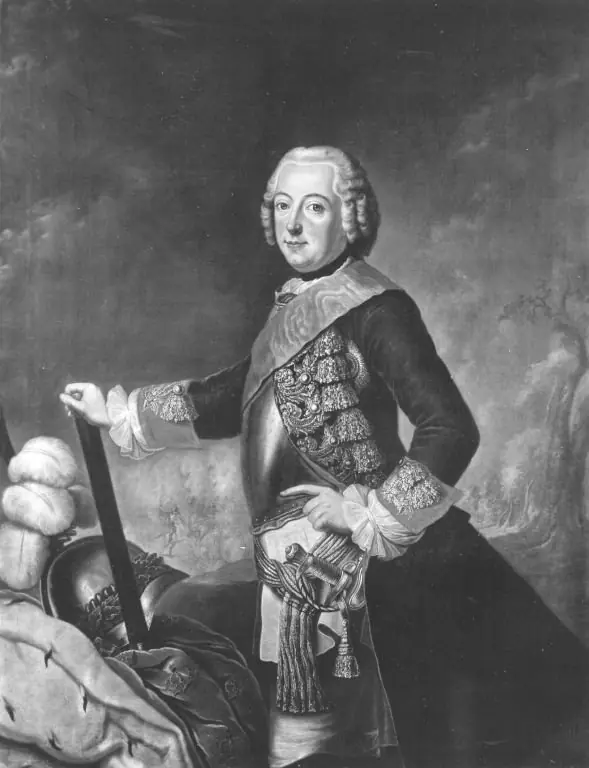 Friedrich II. der Große
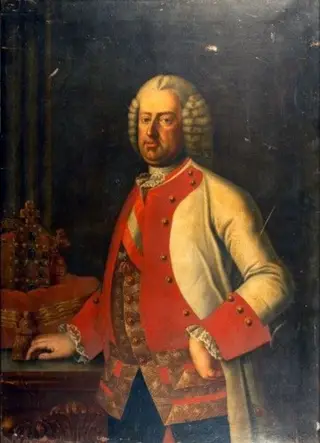 Portretul împăratului Franz Stephan de Lorena
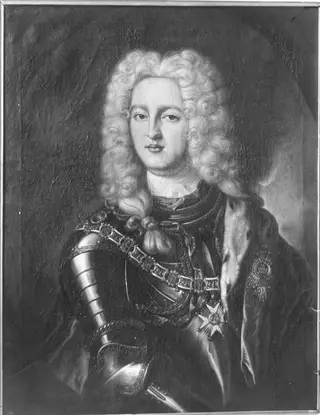 Count Palatine Christian III from Zweibrücken-Birkenfeld
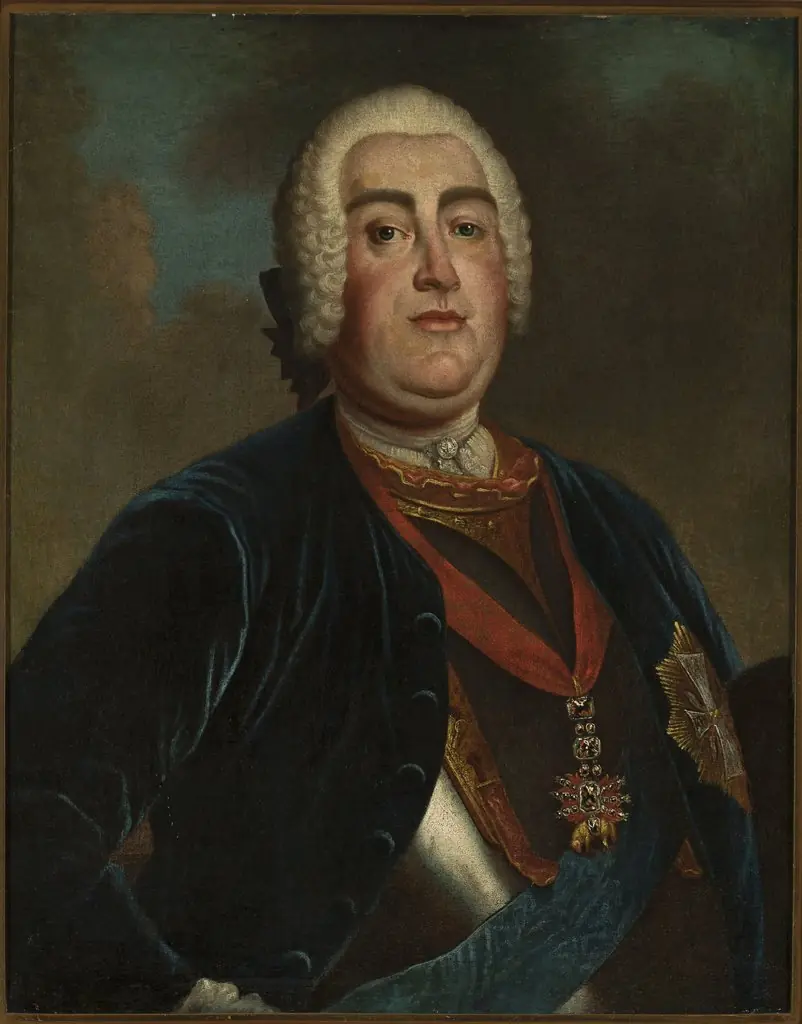 Portrait of Augustus III
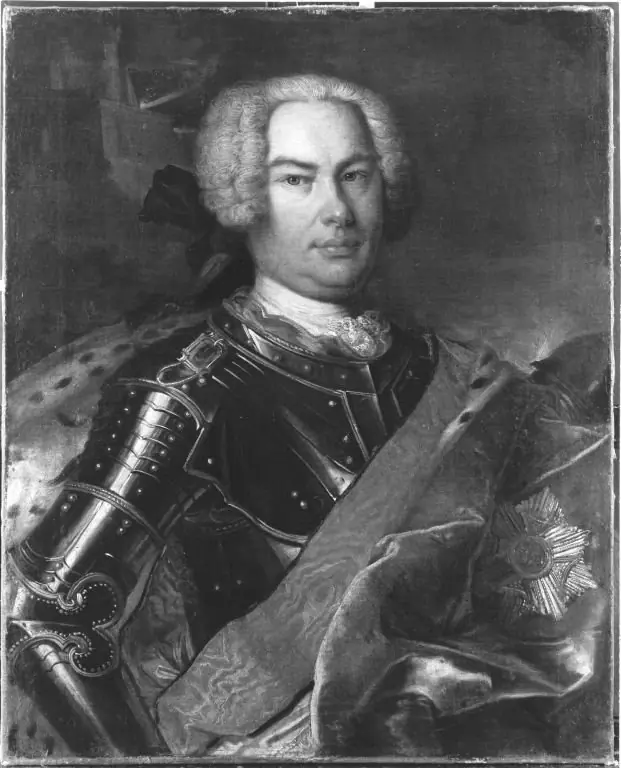 Christian III, Prince of Zweibrücken-Birkenfeld
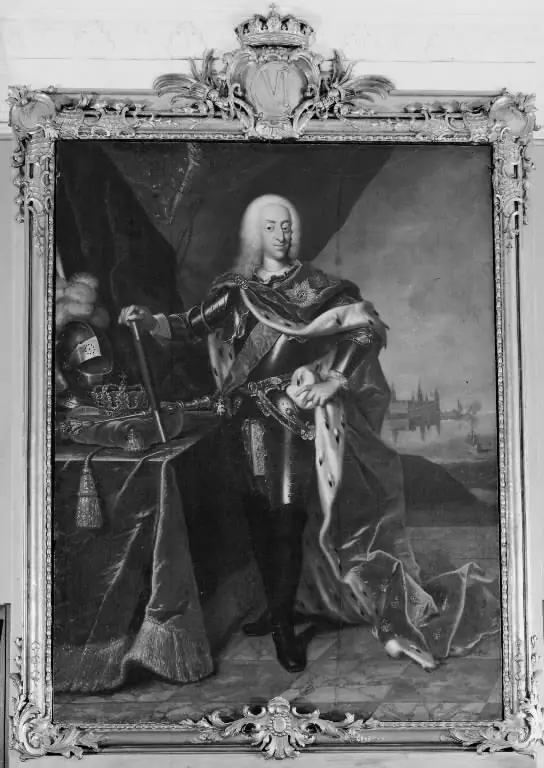 Christian VI
 Kong Frederik IV
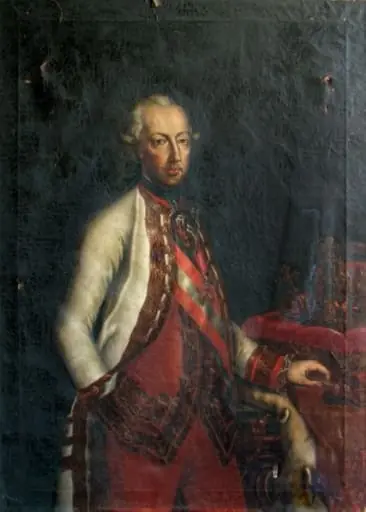 Împăratul Iosif al II-lea
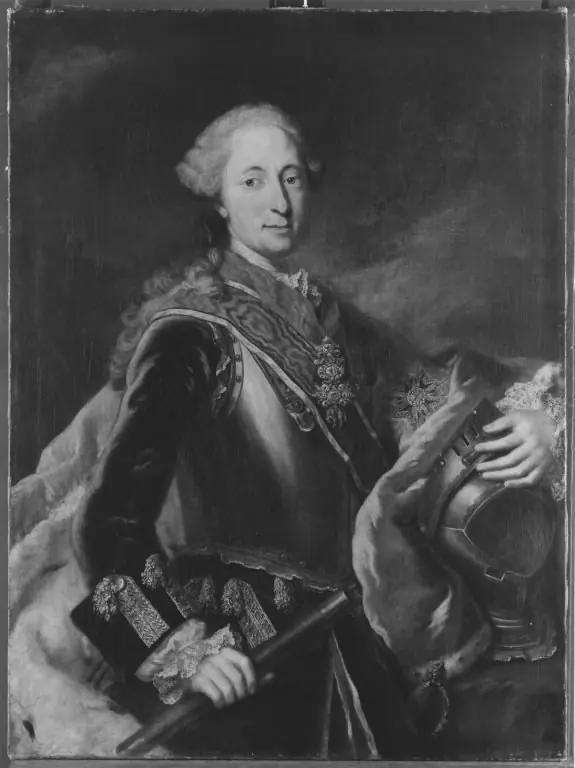 Kurfürst Max III. Joseph von Bayern (zugeschrieben)
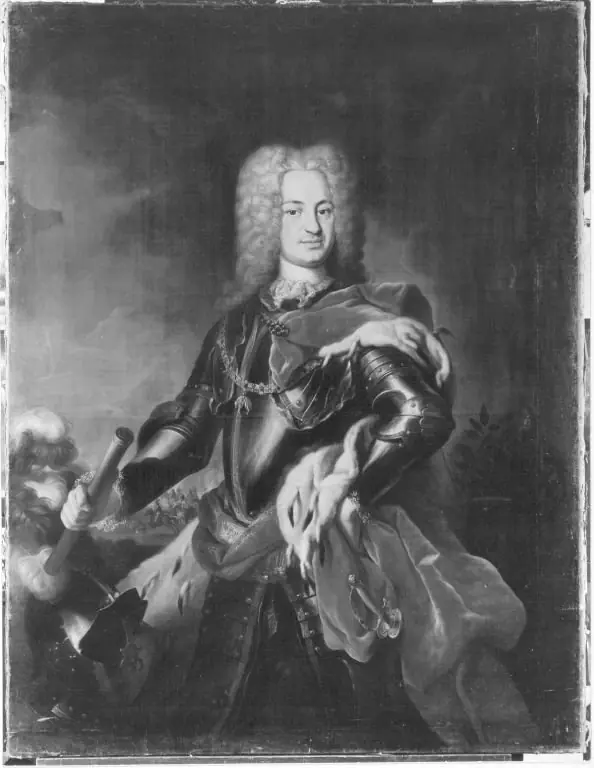 Bildnis des Joseph Karl Emanuel von Sulzbach als Feldherr (1694-1729)