Artwork
Portrait of Willem Bentinck van Rhoon (1704-1774)
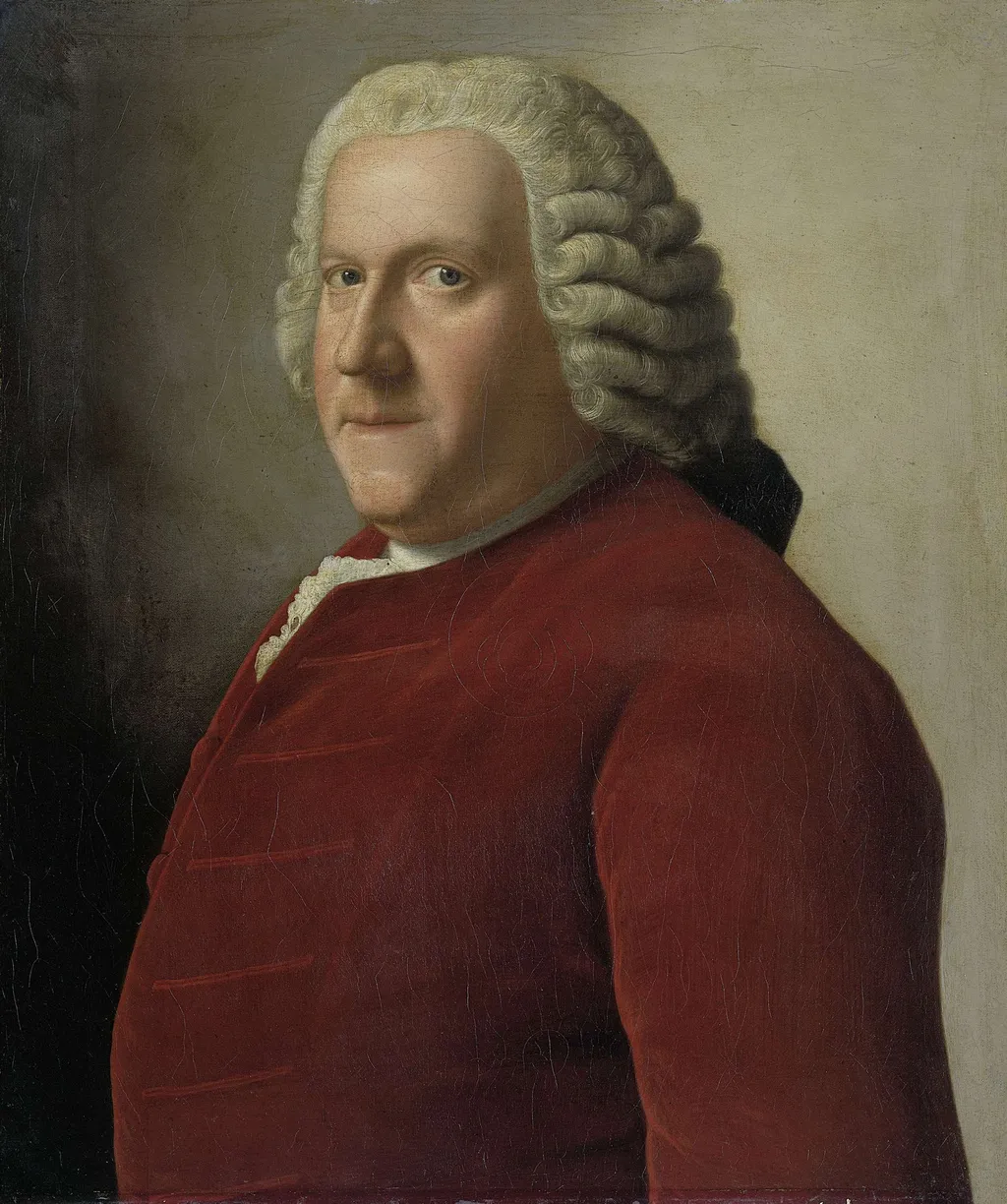
Portrait of Willem Bentinck van Rhoon (1704-1774) is an oil painting by the Rococo painting artist Jean-Étienne Liotard. It dates from 1755 and is held in the collection of the Rijksmuseum.
About this work
Technique & Style
Created in 1755 by Jean-Étienne Liotard, this portrait is executed in oil paint on a canvas support. The work measures 59 cm in height and 49 cm in width. As a formal portrait, the piece focuses on the depiction of Willem Bentinck van Rhoon. The painting is currently held in the collection of the Rijksmuseum.
History & Provenance
The work was created directly from a prior Portrait of Willem Graaf Bentinck (1704-1774), serving as a preparatory study for the later portrait.
The Portrait of Willem Bentinck van Rhoon was painted by Jean-Étienne Liotard in 1755 as a commissioned likeness of the Dutch nobleman. It entered the collection of the Rijksmuseum, where it remains on display today.
The work was created directly from a prior Portrait of Willem Graaf Bentinck (1704-1774), serving as a preparatory study for the later portrait.
The painting measures 59 cm in height and 49 cm in width, executed in oil on canvas.
The Rijksmuseum holds the work in its collection and lists it as part of their portrait genre holdings.
Context
The Portrait of Willem Bentinck van Rhoon (1704-1774) by Jean-Étienne Liotard was created in 1755 and exemplifies the artist's mastery of pastel and oil techniques within the Rococo tradition, reflecting his prominence as a Swiss-Italian painter active in Paris and Vienna. It is housed in the Rijksmuseum collection, where it is recognized as a significant example of 18th-century European portraiture, showcasing Liotard's influence on portraiture through his meticulous detail and luminous coloration, as documented in scholarly records and museum archives.
The work's reception has been consistently positive, noted for its refined elegance and psychological depth, contributing to Liotard's reputation as a leading portraitist of aristocratic subjects during his era. Its placement in art history underscores the evolution of portraiture toward greater realism and individual expression in the mid-18th century, positioning it within broader movements of Enlightenment-era painting and the artist's legacy as a pivotal figure bridging Dutch and French artistic traditions.
Scholarly analysis emphasizes its role in documenting elite social identity through portraiture, with the painting frequently cited in studies of Liotard's technique and the cultural context of aristocratic representation in pre-revolutionary Europe, affirming its enduring significance in art historical discourse.
Legacy
The portrait of Willem Bentinck van Rhoon by Jean-Étienne Liotard has maintained a steady reputation within Dutch portraiture, influencing later artists who sought to emulate Liotard's refined tonal modeling and delicate rendering of texture. Its inclusion in the Rijksmuseum's collection has allowed continued scholarly attention to Liotard's role in 18th-century European art, reinforcing the work's status as a benchmark for aristocratic portraiture. The painting's technical precision and historical significance continue to inform exhibitions and academic discourse on Dutch aristocracy and Enlightenment-era visual culture.
Overview
The Portrait of Willem Bentinck van Rhoon is a 1755 oil painting by Jean-Étienne Liotard, a painter known for his detailed and naturalistic works.
Subject & Meaning
The portrait depicts Willem Bentinck van Rhoon, shown with a neutral expression and direct gaze, wearing a red jacket with a white lace collar against a beige background.
Own this work as a print
Artist & collection
Artist
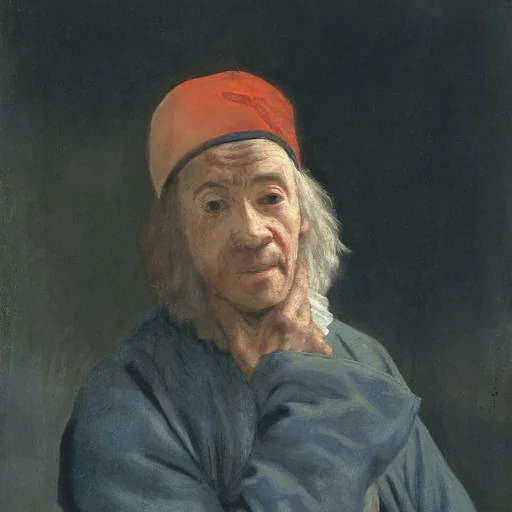
Jean-Étienne Liotard (French pronunciation:; 22 December 1702 – 12 June 1789) was a Genevan painter, pastellist, printmaker, art theorist and art dealer.

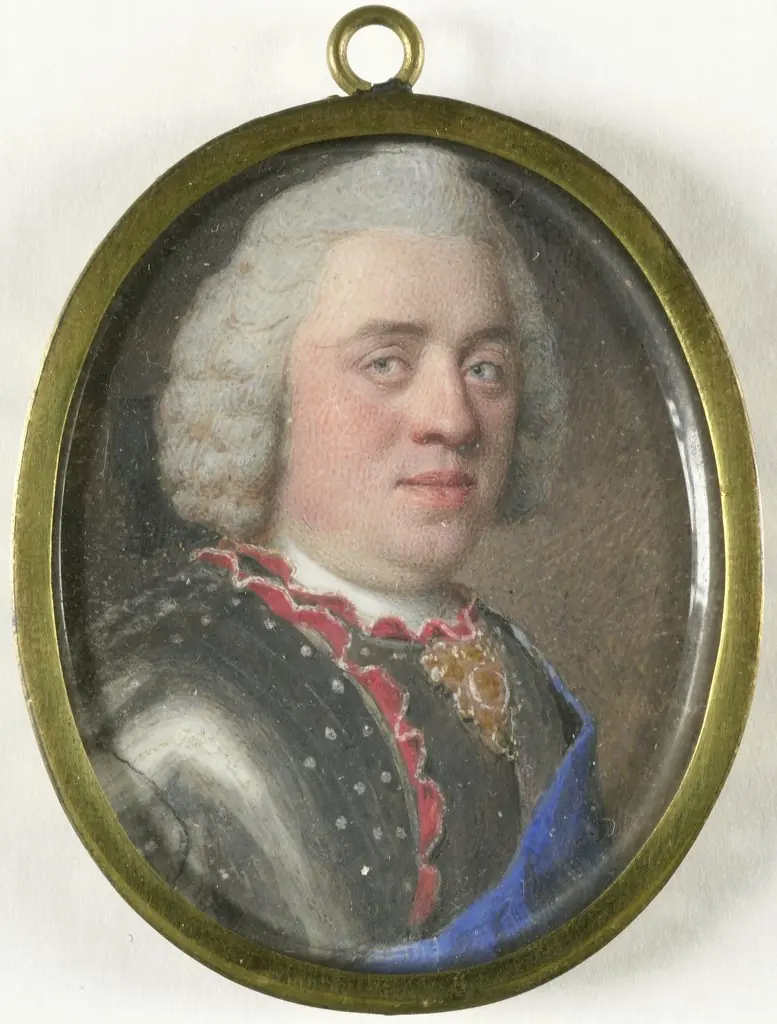
- Portrait of a Man
 Don José Moñino y Redondo, Conde de Floridablanca
 Don José Moñino y Redondo, Conde de Floridablanca
 Portrait of Count Miklós Esterházy
 Portrait of a man
 Portrait of Pyotr Shafirov
 Painting
 José Patiño Rosales
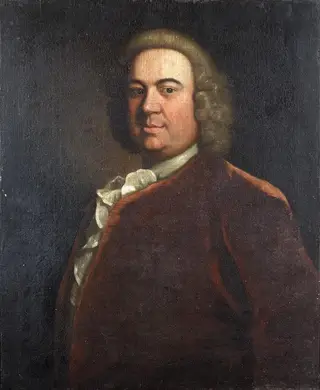 Morgan Lloyd Esq
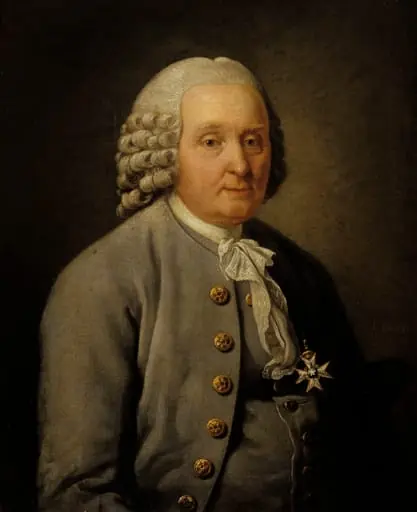 Pormestari Jonas Robeck
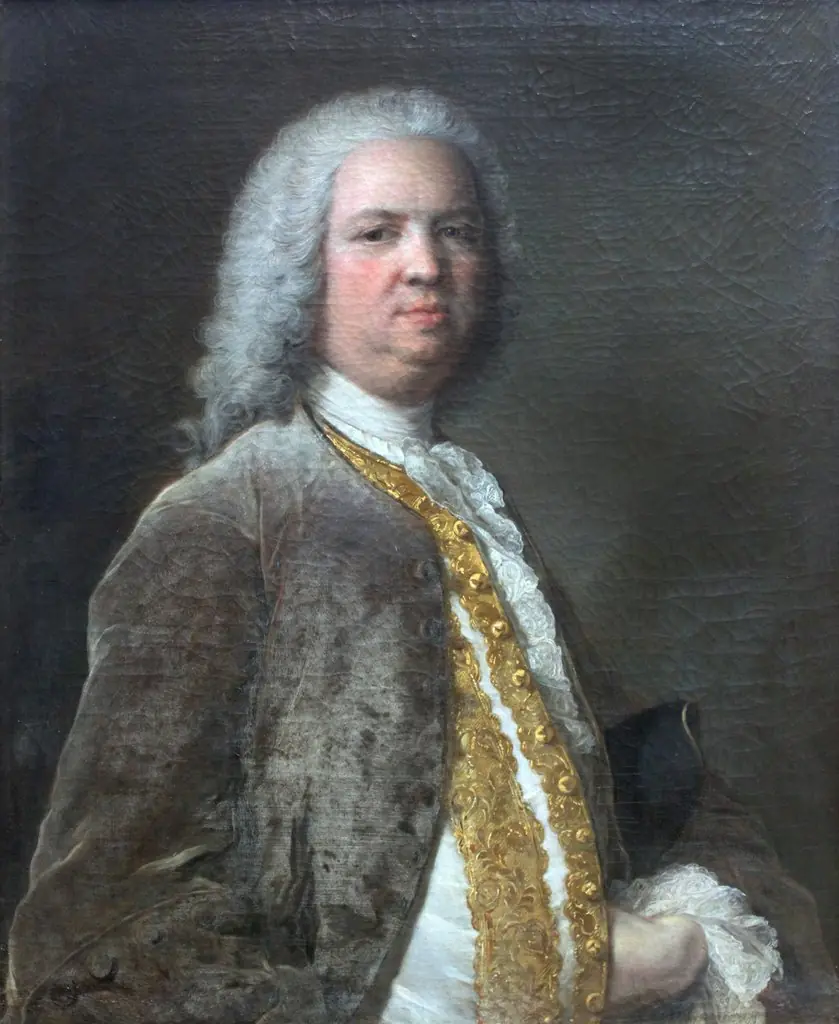 Portrait of the Frankfurt banker Johann Georg Leerse
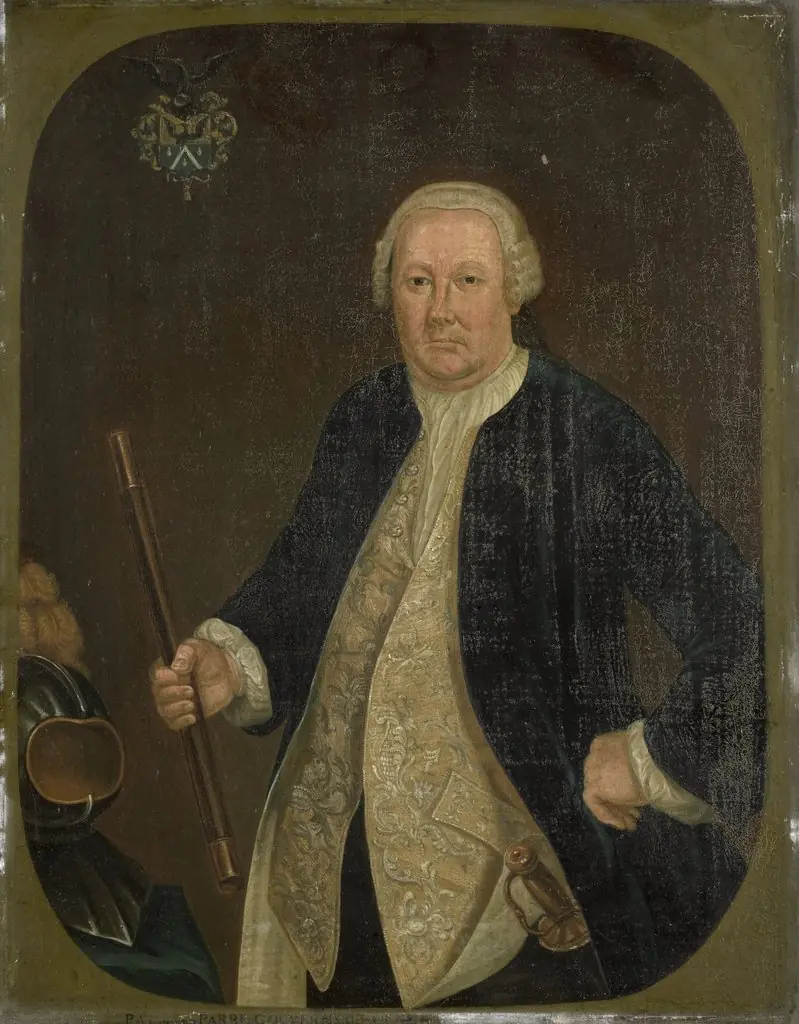 Portrait of Petrus Albertus van der Parra (1714-1775)