Artwork
Count Palatine Christian III from Zweibrücken-Birkenfeld
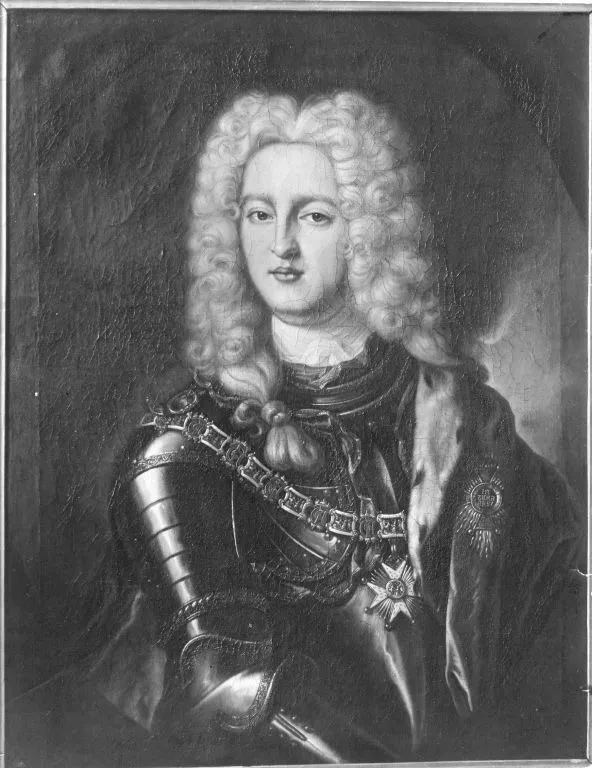
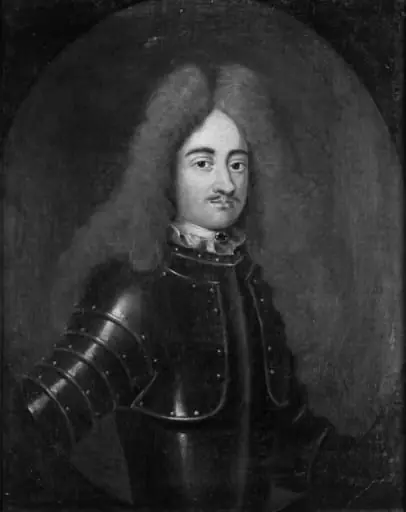
Count Palatine Christian III from Zweibrücken-Birkenfeld is an unspecified painting by the Rococo painting artist Unknown. It dates from 1722 and is held in the collection of the Bavarian State Painting Collections. The work is a portrait of Count Palatine Christian III of Zweibrücken-Birkenfeld, rendered in oil on canvas.
About this work
Subject & Meaning
Painted in 1722, the piece focuses on the individual as its main subject rather than presenting a complex allegorical scene or narrative.
The work is a portrait depicting Christian III, Count Palatine of Zweibrücken. Painted in 1722, the piece focuses on the individual as its main subject rather than presenting a complex allegorical scene or narrative. As a formal portrait, the painting serves to document the appearance and status of the Count Palatine.
The composition centers on the sitter, identifying him clearly as the historical figure Christian III. There is no indication in the available records of additional symbolic elements, iconographic attributes, or deeper metaphorical meanings beyond the straightforward representation of the nobleman.
Technique & Style
The 1722 portrait of Count Palatine Christian III from Zweibrücken-Birkenfeld is classified as a painting in the portrait genre, attributed to Peter Laminée. Its measured dimensions are 85.8 cm in height by 65.9 cm in width, indicating a standard half-length or bust-length portrait format on a vertical support. The work belongs to the Bavarian State Painting Collections and is held at the Alte Pinakothek.
No further details regarding the specific medium, support, technique, handling, condition, or stylistic qualities are documented in the available sources.
History & Provenance
The portrait of Count Palatine Christian III from Zweibrücken-Birkenfeld was painted in 1722. It is attributed to Peter Laminée. The work is held in the collection of the Bavarian State Painting Collections and is located at the Alte Pinakothek. The painting measures 85.8 by 65.9 cm.
Context
The portrait Count Palatine Christian III from Zweibrücken-Birkenfeld was painted in 1722, depicting the titular ruler of his eponymous branch of the Wittelsbach family. Executed by Peter Laminée, the work is part of the Bavarian State Painting Collections and housed in the Alte Pinakothek in Munich, where it remains on display. Its classification as a 18th-century German portrait reflects the era’s emphasis on dynastic representation, situating it within broader currents of courtly visual culture and the emergence of regional artistic workshops in the Holy Roman Empire.
Legacy
The portrait of Count Palatine Christian III from Zweibrücken-Birkenfeld, painted in 1722, has been part of the Bavarian State Painting Collections since its acquisition and is currently displayed at the Alte Pinakothek in Munich. Its representation of a German nobleman from the Zweibrücken line contributed to 18th-century portrait conventions and was studied in early art historical surveys of German courts. The work entered public discourse through exhibitions at the Alte Pinakothek, influencing later interpretations of Palatine identity in visual culture. Scholars have cited its compositional details as indicative of courtly symbolism in pre‑Enlightenment Germany.
The painting’s provenance within the Bavarian collection has made it a reference point for studies on regional portraiture, and its technical dimensions (85.8 cm × 65.9 cm) remain documented in museum records.
Research on the piece’s legacy includes analyses of its iconography in relation to other portraits of European royalty, highlighting its role in shaping perceptions of Zweibrücken’s political stature. Its inclusion in scholarly catalogues underscores its significance as a representative example of German Rococo portraiture.
Overview
The work is a portrait of Count Palatine Christian III of Zweibrücken-Birkenfeld, rendered in oil on canvas. He is depicted in a formal pose, his face illuminated against a dark backdrop, emphasizing his features and attire. The composition centers on the count’s dignified bearing, with a focus on his elaborate wig, armor, and the objects he holds, conveying his status and authority.
Artist & collection









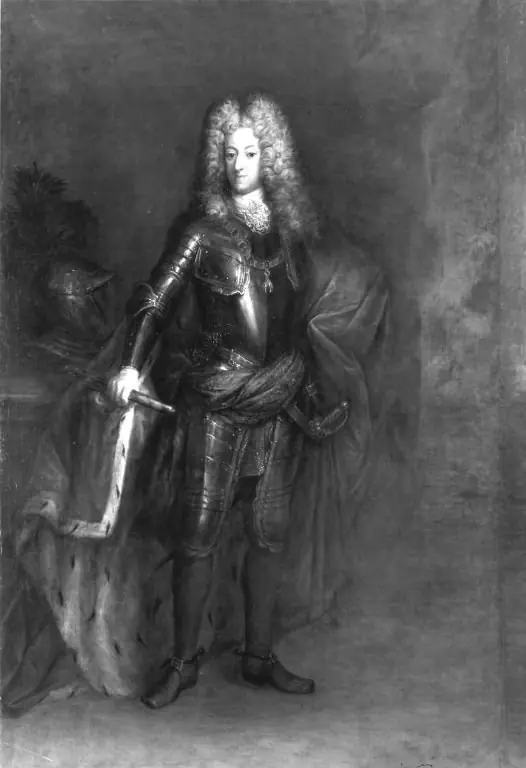 Bildnis des Kurfürsten Max Emanuel von Bayern
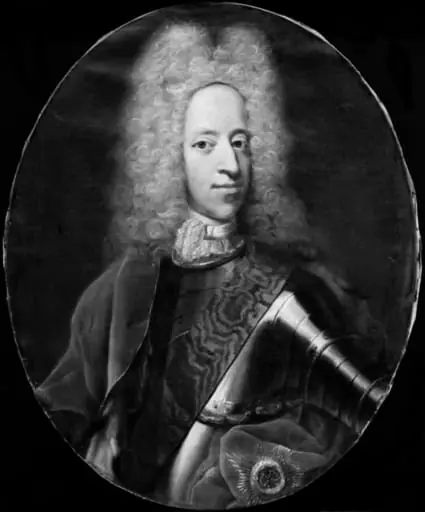 Kong Christian VI som prins
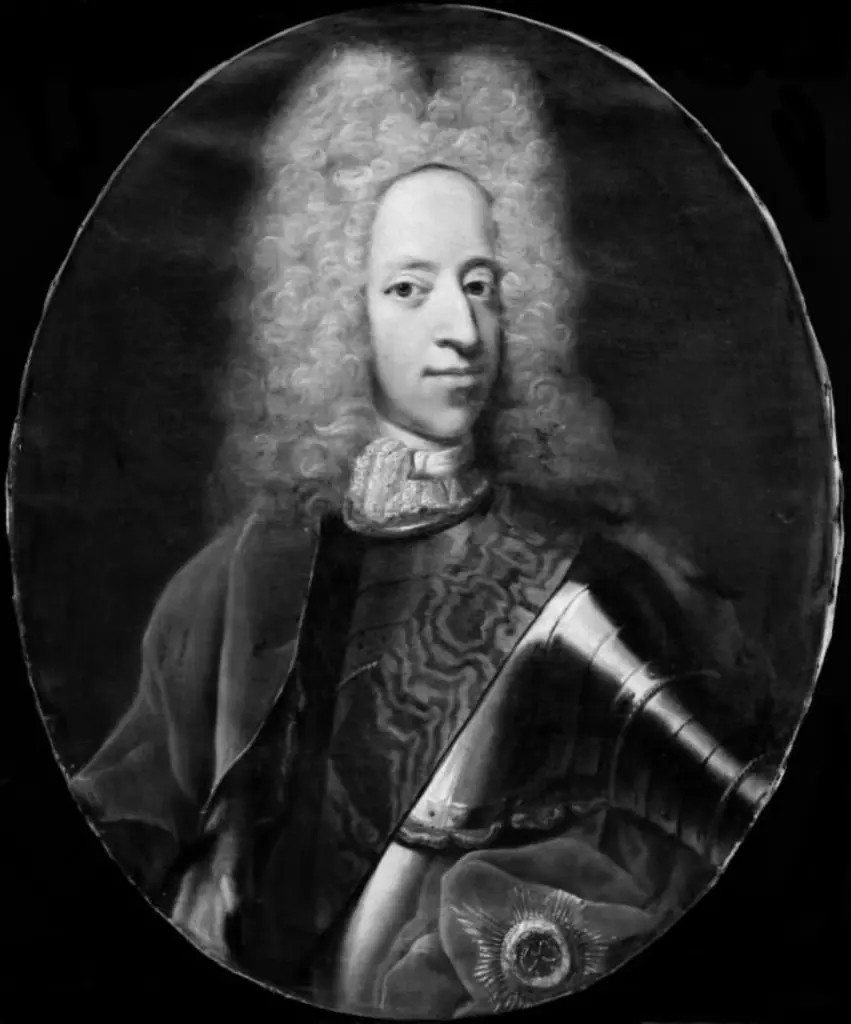 Kong Christian VI som prins
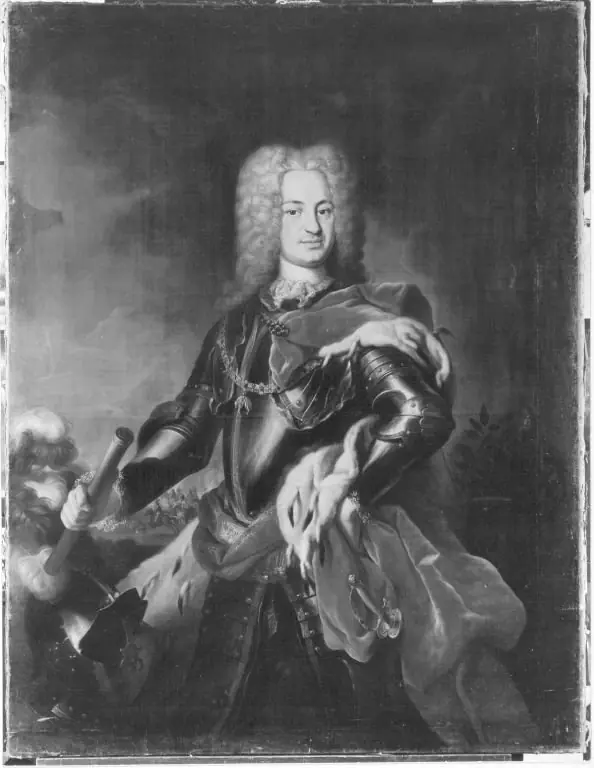 Bildnis des Joseph Karl Emanuel von Sulzbach als Feldherr (1694-1729)
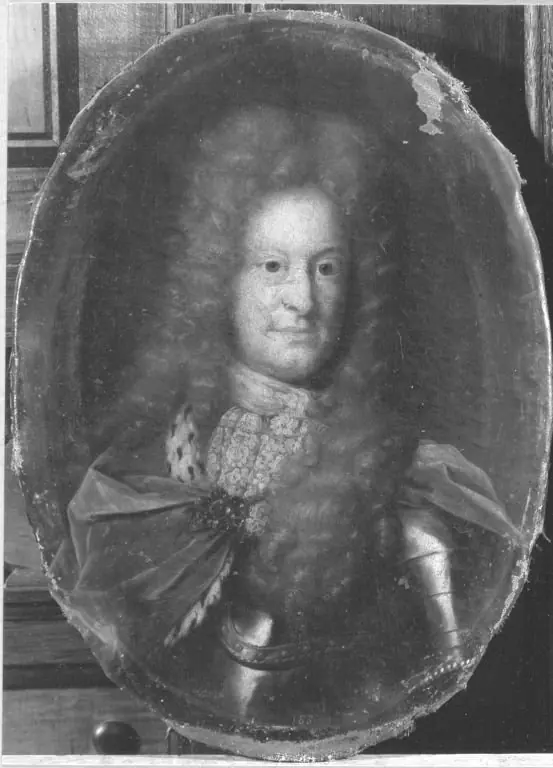 Bildnis eines unbekannten Fürsten
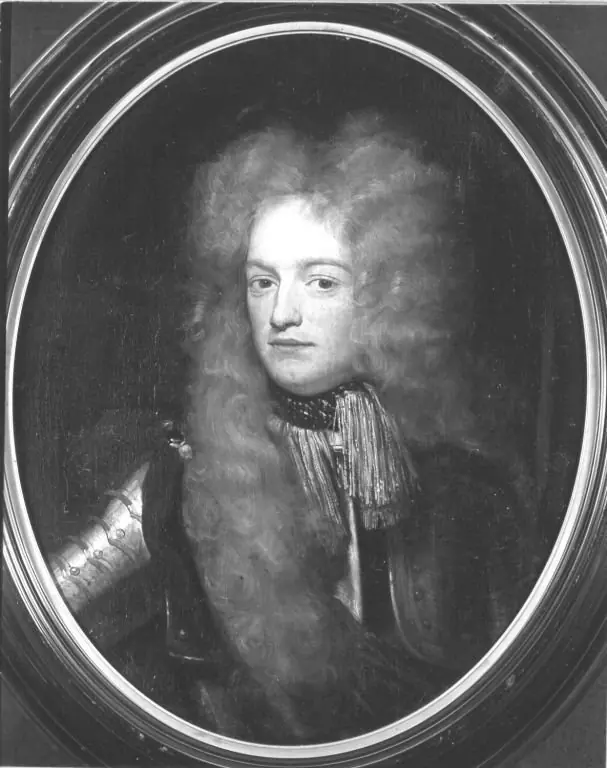 Bildnis des Kurfürsten Karl III. Philipp von der Pfalz (1661-1742)
 Portrait of a Man
 Ludwig Anton in goldverzierter Rüstung