Artwork
An Eruption of Vesuvius
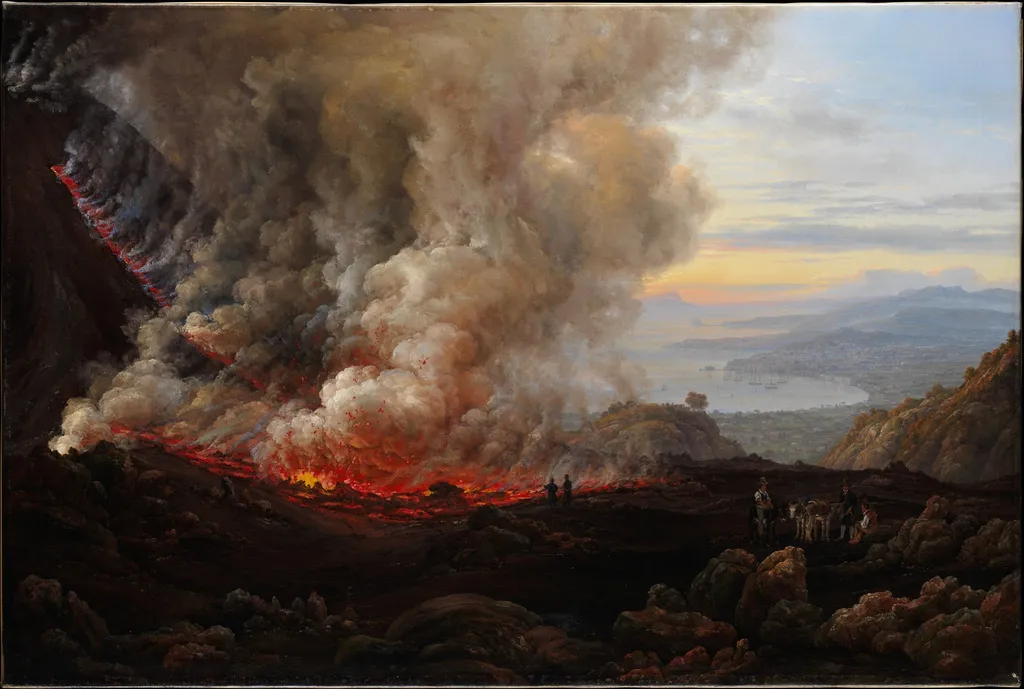
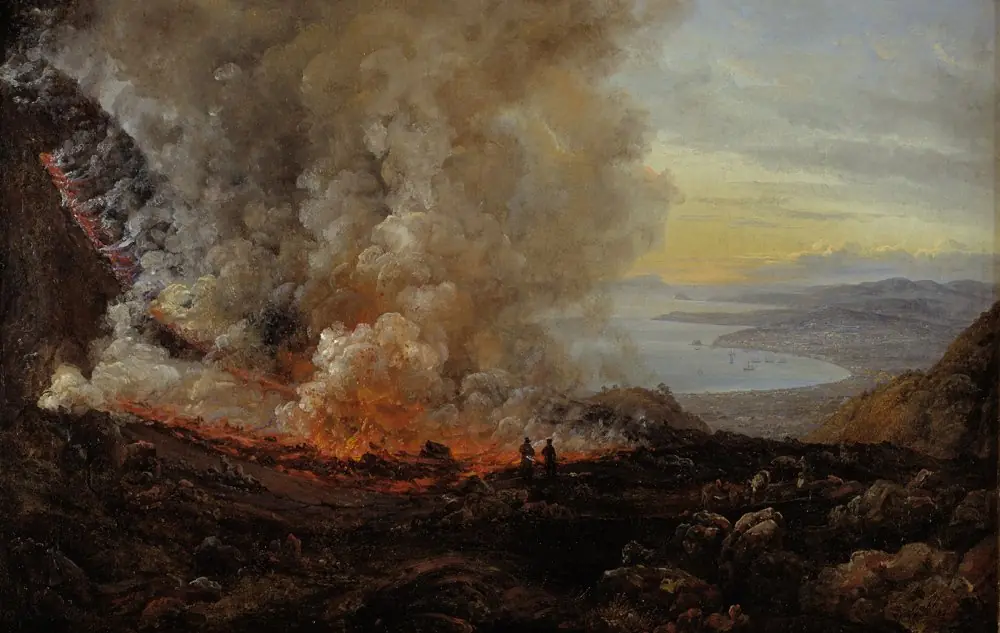
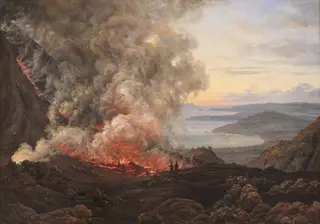
An Eruption of Vesuvius is an oil painting by Johan Christian Dahl. It dates from 1824 and is held in the collection of the Metropolitan Museum of Art.
About this work
Subject & Meaning
The painting portrays the 1824 eruption of Mount Vesuvius as a dramatic natural spectacle, emphasizing the fiery plume, molten lava, and surrounding landscape.
The painting portrays the 1824 eruption of Mount Vesuvius as a dramatic natural spectacle, emphasizing the fiery plume, molten lava, and surrounding landscape. Dahl includes a donkey, a traditional symbol of humility, to contrast human frailty with the overwhelming force of the volcano. The composition highlights the volcano’s peak and the surrounding mountain, underscoring the event’s geological significance while evoking awe and the sublime terror of nature’s power.
By rendering the eruption with vivid detail and dramatic lighting, the work reflects early 19th‑century fascination with volcanic phenomena and the Romantic era’s interest in confronting nature’s sublime forces.
Technique & Style
Executed in oil on canvas, the work measures 94 cm in height and 139.1 cm in width. Dahl employed a fluid handling of oil paint to render the erupting volcano, contrasting incandescent bursts of red and orange with cooler atmospheric tones. The composition balances dynamic natural forces against a calm foreground, where a donkey and human figures appear as incidental yet compositionally anchored elements.
The technique combines rapid, textured brushwork for the eruption with smoother transitions in the sky and terrain, suggesting both immediacy and careful observation. The canvas support remains intact, with no major condition issues reported in institutional records.
History & Provenance
Johan Christian Dahl created the oil painting An Eruption of Vesuvius in 1824. Executed on canvas, the work measures 94 by 139.1 centimeters and depicts the volcanic activity of Mount Vesuvius. The piece is currently held in the collection of the Metropolitan Museum of Art, where it remains located.
The provided records confirm the artist, date of inception, and current institutional ownership, though specific details regarding the original commission or intermediate ownership history prior to its arrival at the museum are not contained within the available sources.
An Eruption of Vesuvius (1824) by Johan Christian Dahl is part of the Metropolitan Museum of Art's collection; the work is housed in the museum's galleries in New York. Its accession or inventory number is not listed in the available documentation, and no specific exhibition record is provided in the sources. The painting, executed in oil on canvas, measures 94 cm by 139.1 cm and depicts a volcanic scene with fire, a donkey, and Mount Vesuvius.
The available records indicate its inclusion in the museum's catalogue but do not detail past exhibitions or loan history.
Legacy
An Eruption of Vesuvius, completed by Johan Christian Dahl in 1824, is recognized for its vivid portrayal of the volcano's dynamism and its integration of naturalistic detail with Romantic sensibility. The painting's inclusion in the Metropolitan Museum of Art's collection underscores its enduring scholarly and public interest, positioning it as a reference point for subsequent landscape and volcanic imagery. Its technical execution in oil on canvas, documented dimensions, and thematic focus on Mount Vesuvius contributed to later discussions of 19th‑century European landscape painting and influenced subsequent artists' depictions of volcanic activity.
Overview
Johan Christian Dahl's 1824 oil painting, An Eruption of Vesuvius, captures the dramatic force of the erupting volcano. This work showcases the artist's engagement with natural phenomena, a characteristic of his contribution to Norwegian art. The canvas is part of the collection at The Metropolitan Museum of Art, representing a key moment in European Romantic landscape painting.
Own this work as a print
Artist & collection
Artist
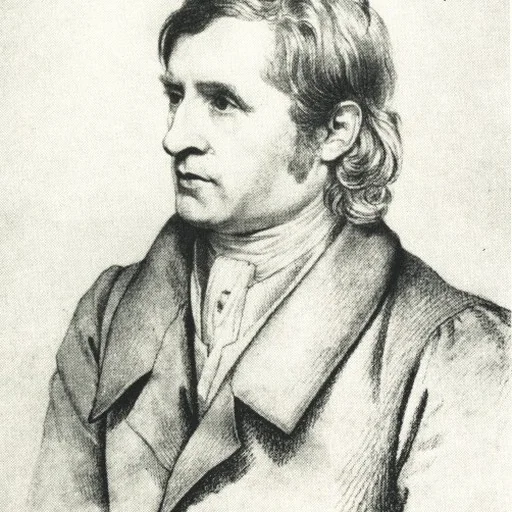
Johan Christian Claussen Dahl (24 February 1788 – 14 October 1857), often known as J.

- The Eruption of Vesuvius
 The Eruption of Vesuvius
 Eruption of the Volcano Vesuvius
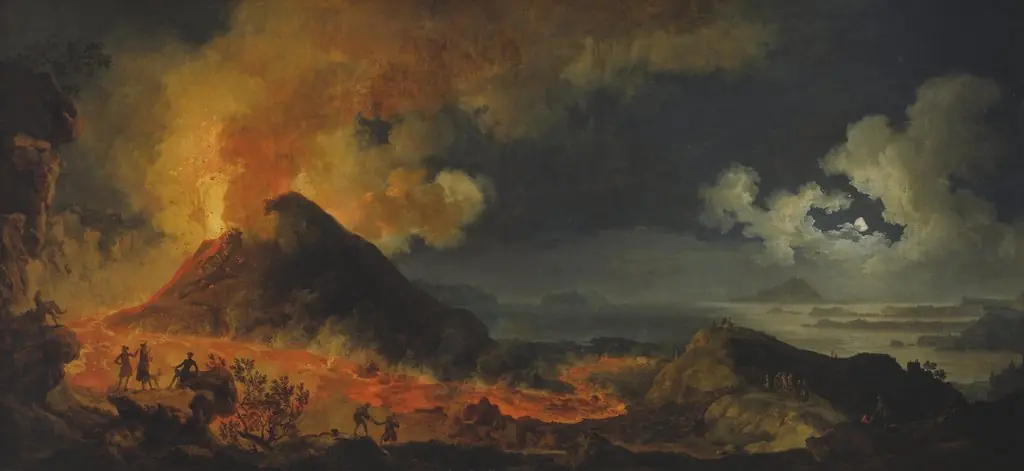 The Eruption of Vesuvius
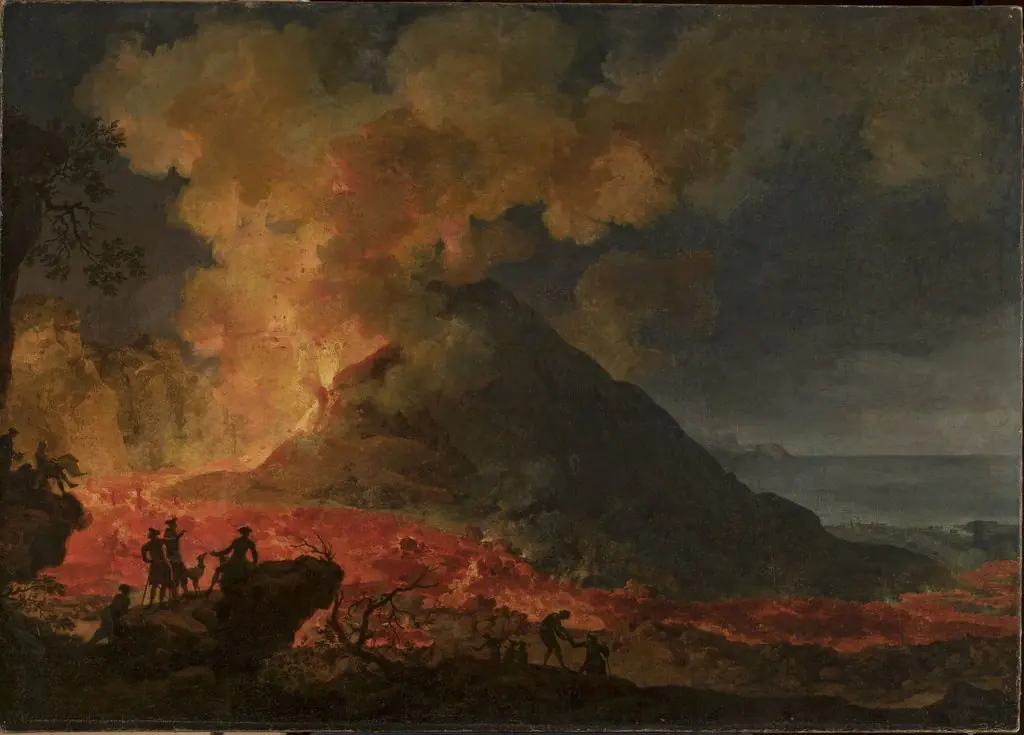 Eruption of Vesuvius
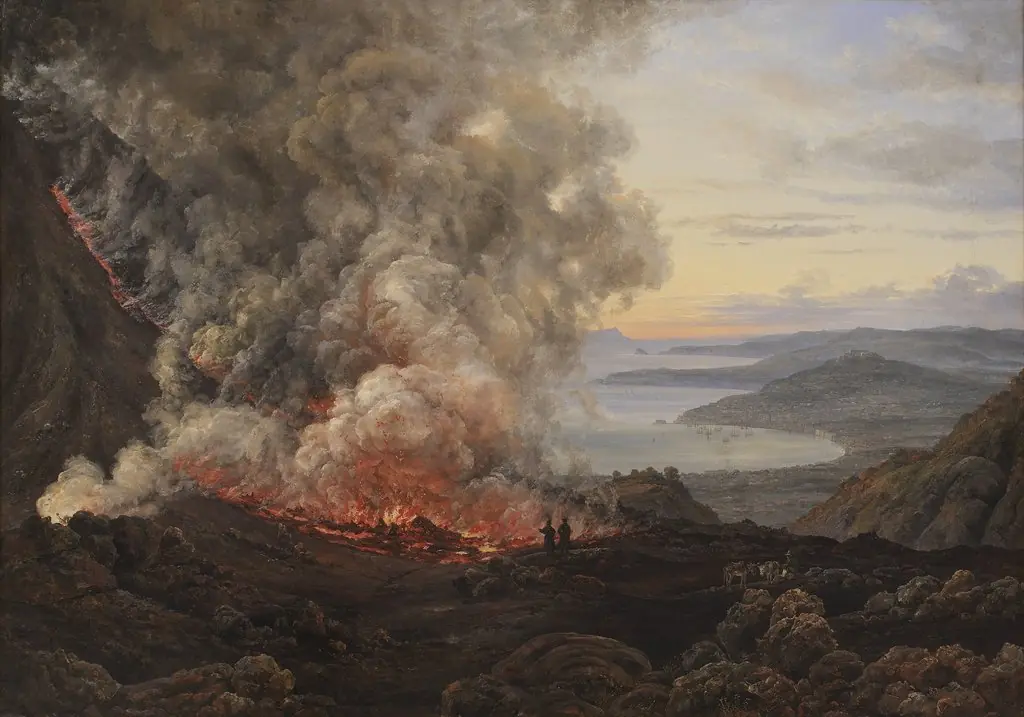 Eruption of the Volcano Vesuvius, 1820
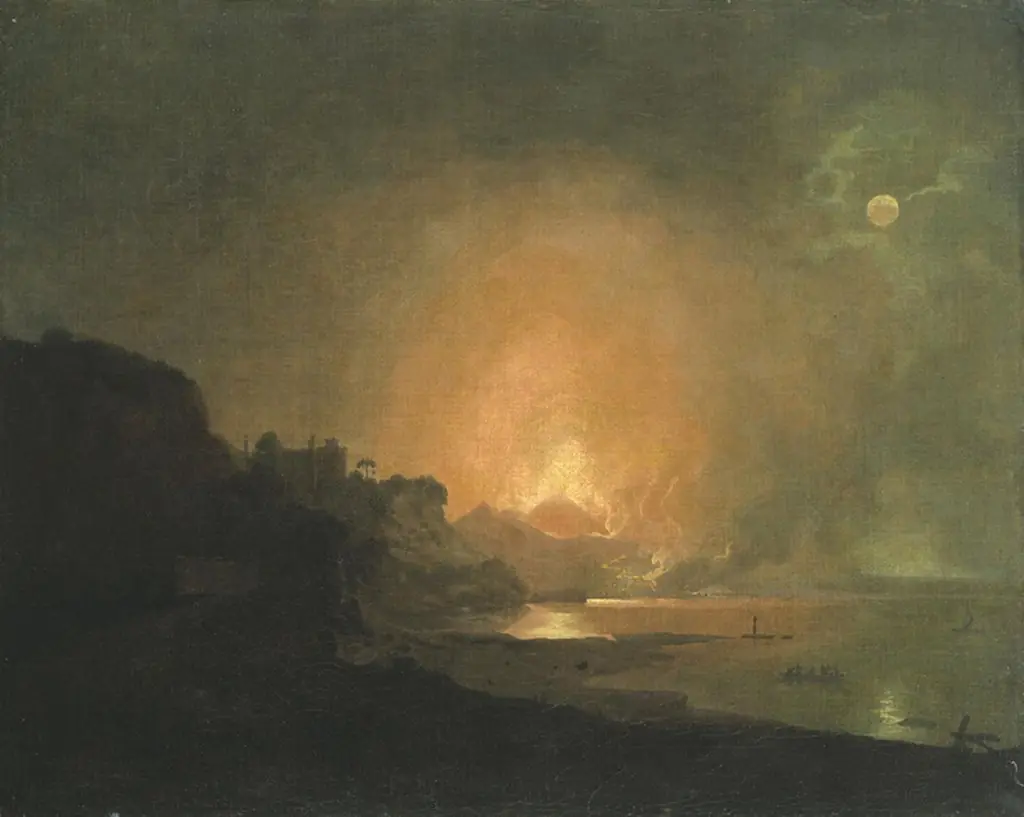 Vesuvius in Eruption
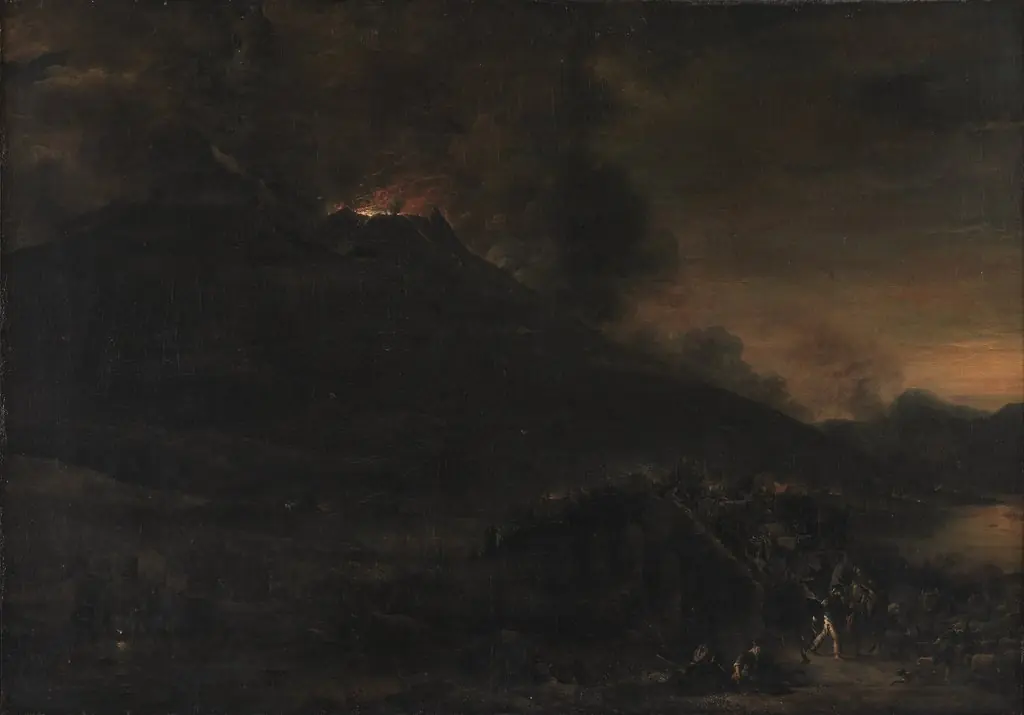 Vesuvius Erupting at Nightfall
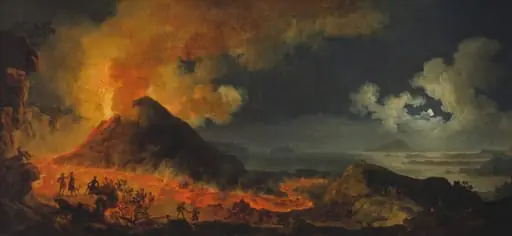 The Eruption of Vesuvius
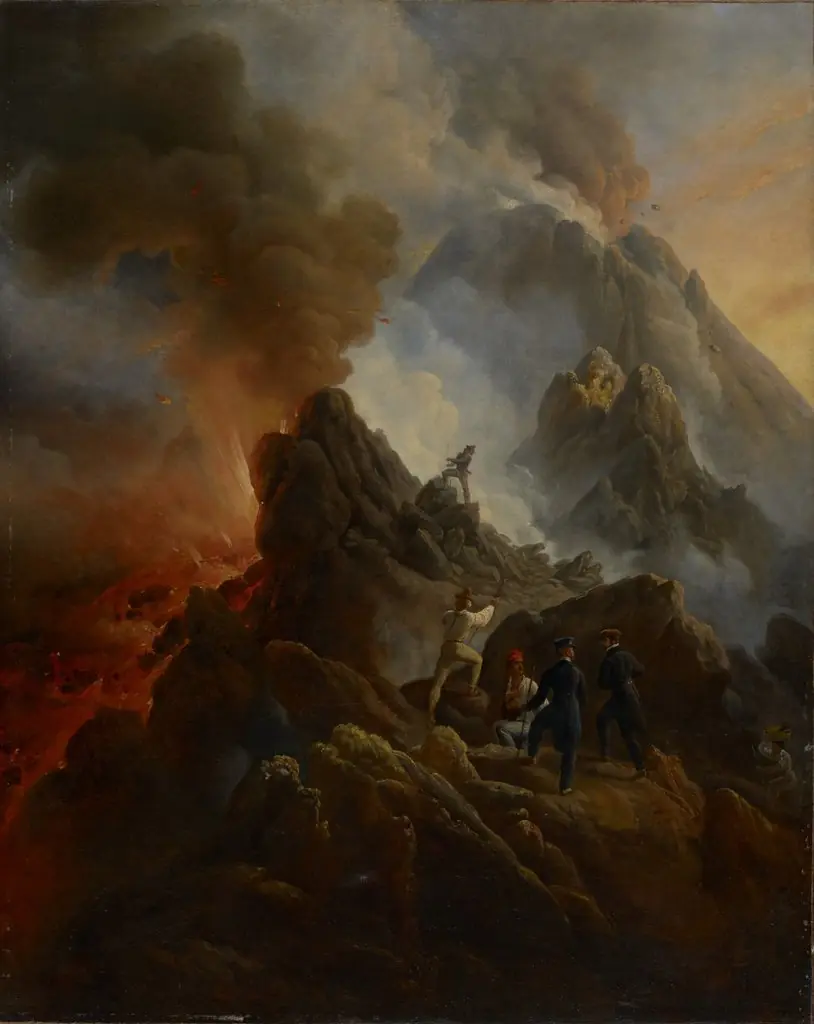 The Vesuvius Erupting, the Artist and His Father, Carle Vernet, in the Foreground
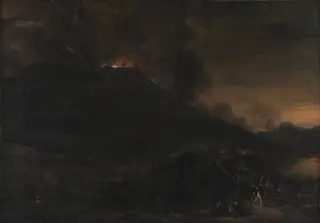 Vesuvius Erupting at Nightfall
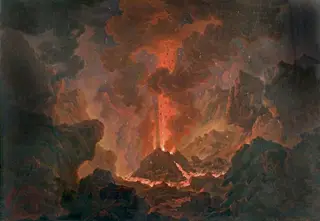 Vesuvius in Eruption, Italy