Artwork
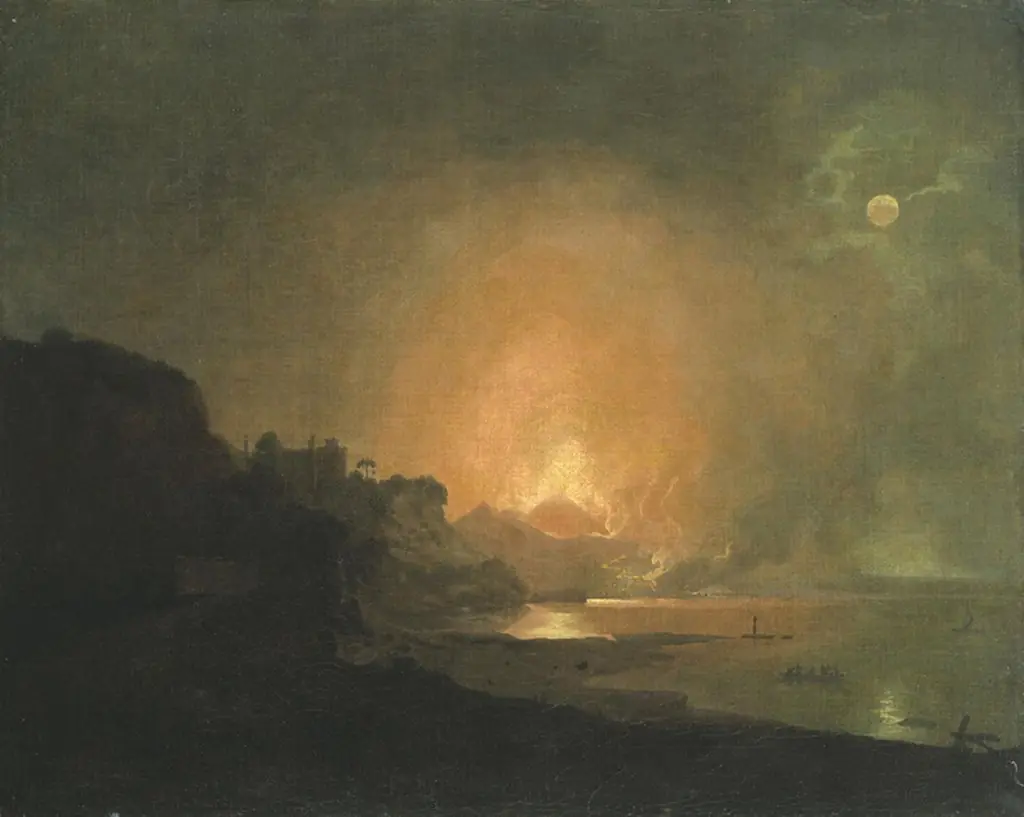
The Eruption of Vesuvius
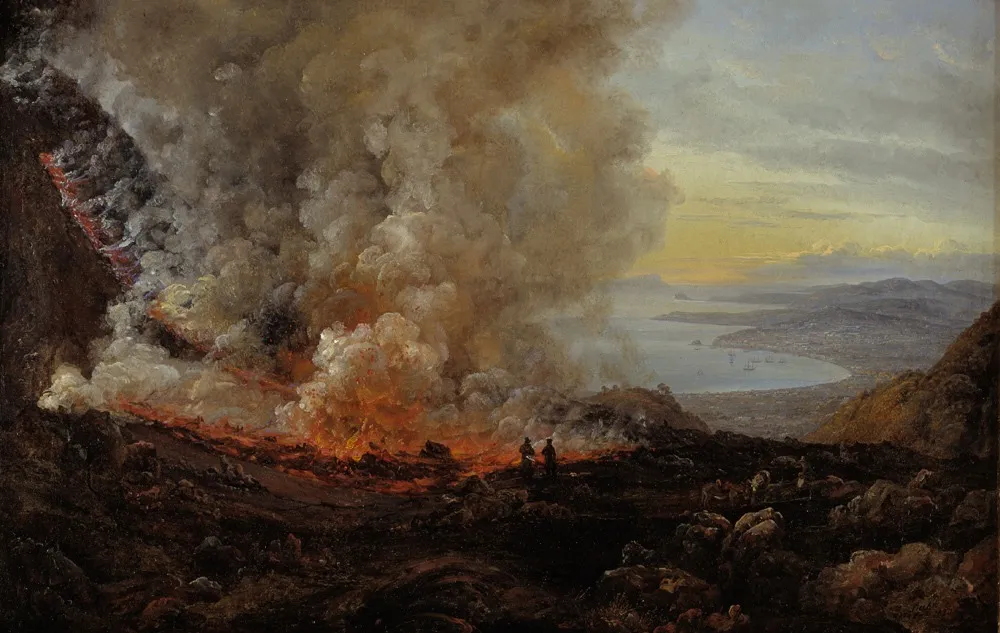
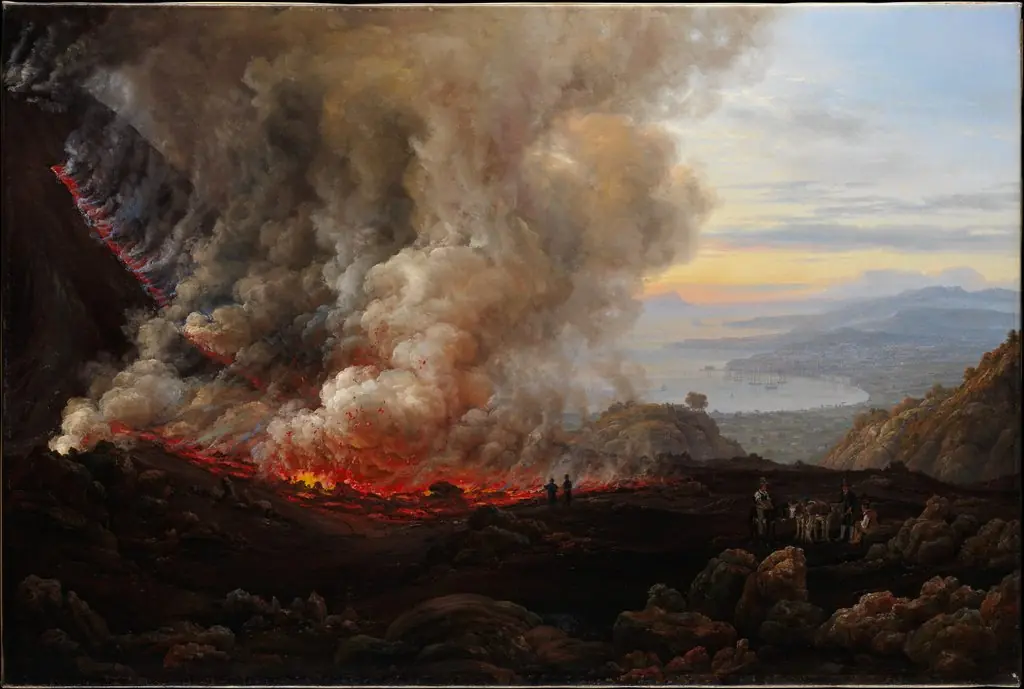
The Eruption of Vesuvius is an oil painting by the German Romanticist artist Johan Christian Dahl. It dates from 1820 and is held in the collection of the Statens Museum for Kunst.
About this work
Overview
The work reflects his technical precision and deep engagement with landscape as a vehicle for emotional and philosophical inquiry.
Johan Christian Dahl painted The Eruption of Vesuvius in 1820 using oil on canvas. A Norwegian artist central to the nation’s early Romantic movement, Dahl captured one of Europe’s most volatile natural phenomena during a period when artists across the continent sought to convey nature’s overwhelming force. The work reflects his technical precision and deep engagement with landscape as a vehicle for emotional and philosophical inquiry.
Subject & Meaning
The painting portrays Mount Vesuvius in violent eruption, with ash and fire rising into a turbulent sky. Below, a small group of observers stands at a distance, dwarfed by the scale of the disaster. Their presence underscores human vulnerability before nature’s power.
The scene is not a record of a specific event but an imagined confrontation with the sublime, a central theme in Romantic thought that equates awe with terror.
Technique & Style
Dahl employed a sharp contrast between warm hues of orange and red for the lava and smoke, and cool grays and blues for the sky and rocky terrain. This chromatic tension heightens the painting’s drama. Brushwork varies from loose, energetic strokes in the plume to finer detail in the figures and foreground rocks, demonstrating his command of both atmospheric effect and observational realism.
History & Provenance
Completed during Dahl’s time in Italy, the painting was part of his broader study of southern European landscapes and natural phenomena. It entered the collection of Statens Museum for Kunst in Copenhagen, Denmark, where it remains today. The work was among the first Norwegian paintings to gain recognition beyond Scandinavia, marking Dahl’s role in establishing a distinct national artistic voice within European Romanticism.
Context
In the early 19th century, European artists increasingly turned to nature as a source of spiritual and emotional resonance, moving away from classical idealism. Vesuvius, long associated with destruction and myth, became a favored subject for Romantic painters. Dahl’s depiction aligns with contemporaries like Turner and Friedrich, who used landscape to explore themes of impermanence, awe, and humanity’s place within vast natural forces.
Legacy
Dahl’s Eruption of Vesuvius helped define Norwegian Romantic landscape painting and influenced later generations of Nordic artists. Its emphasis on nature’s untamed power contributed to a broader European shift in how landscapes were interpreted, not as mere backdrops, but as active, emotive forces. The painting endures as a quiet testament to the era’s fascination with the sublime and the limits of human control.
Artist & collection
Artist
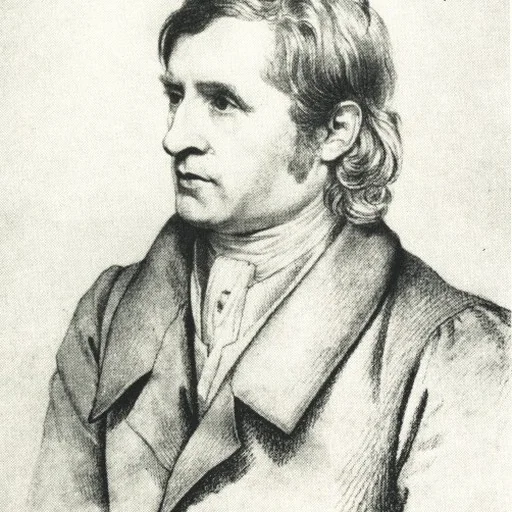
Johan Christian Claussen Dahl (24 February 1788 – 14 October 1857), often known as J.

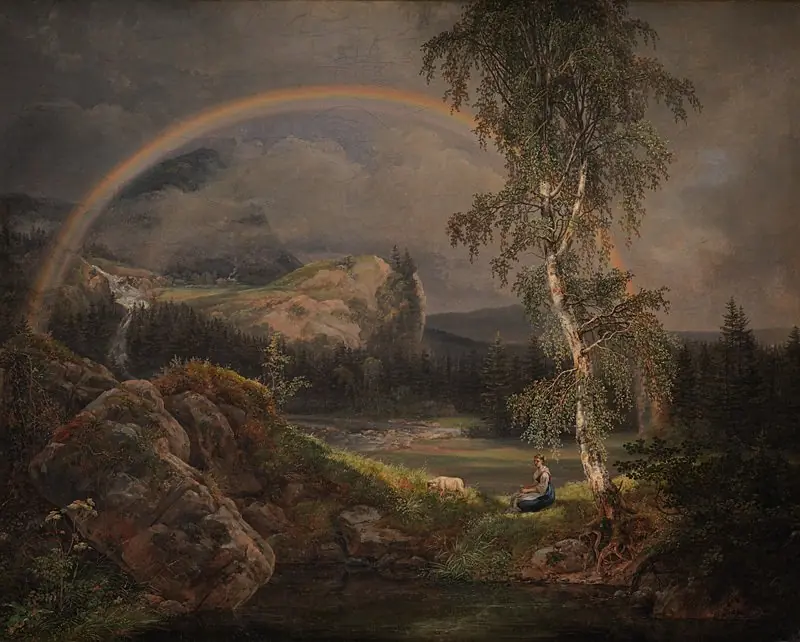
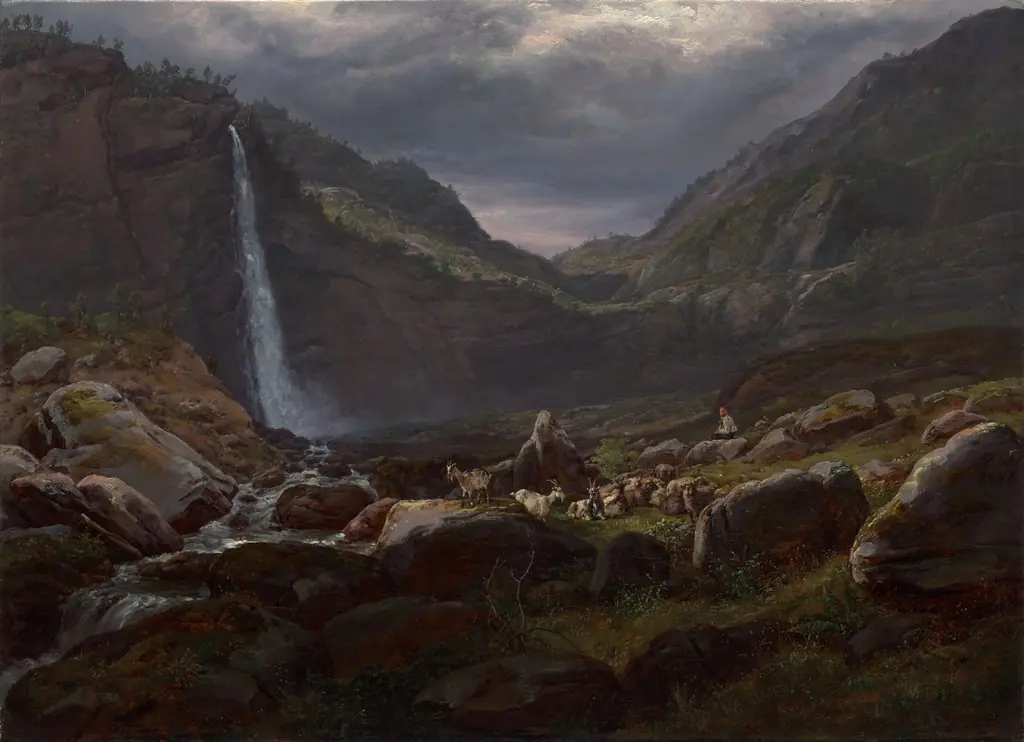
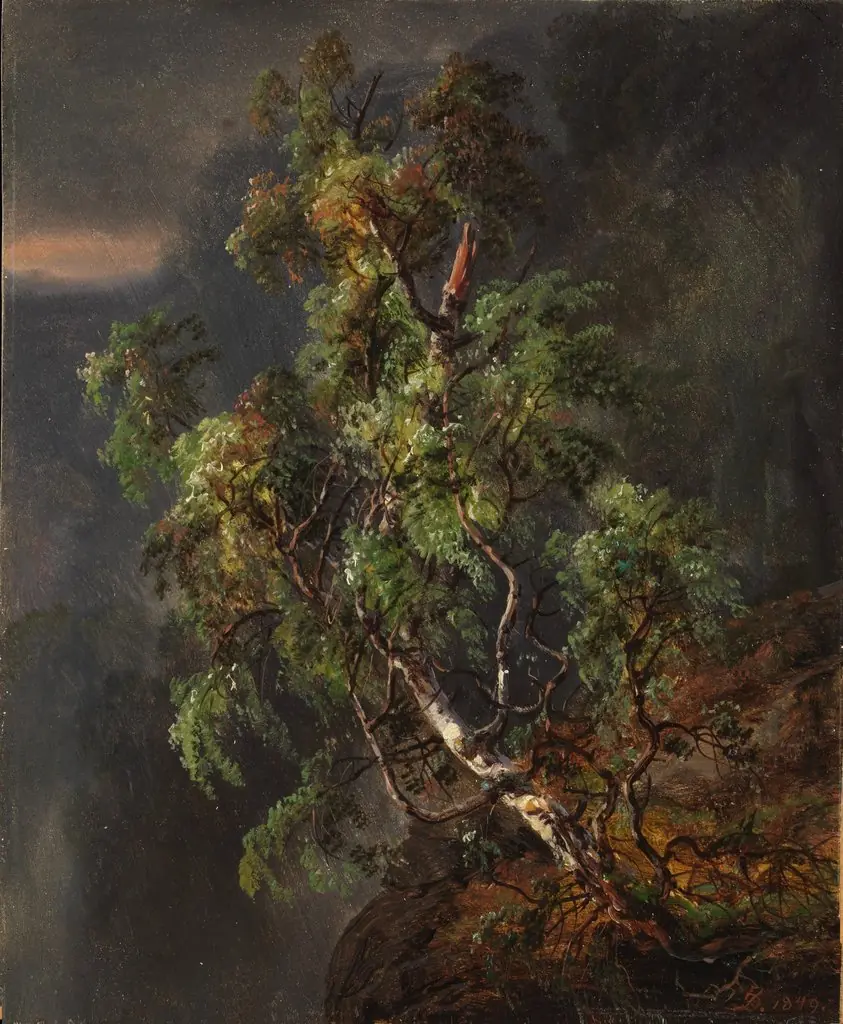
- The Eruption of Vesuvius
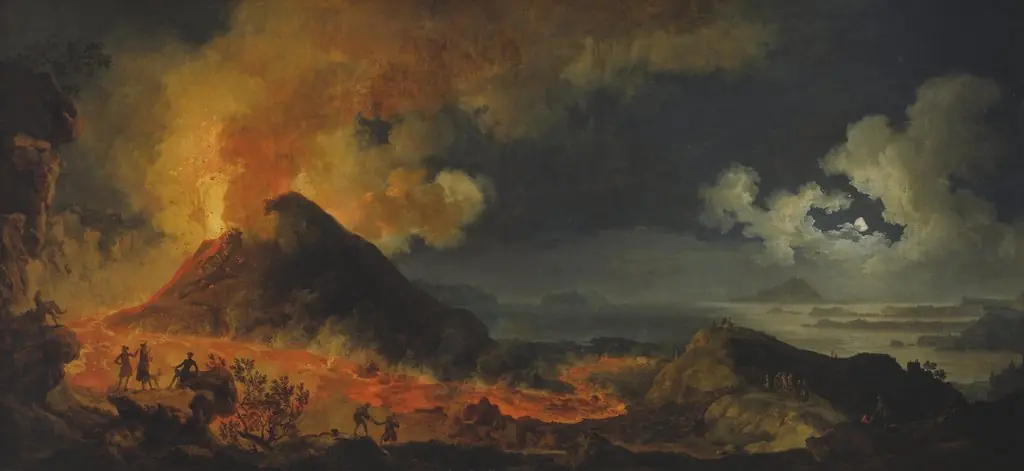 The Eruption of Vesuvius
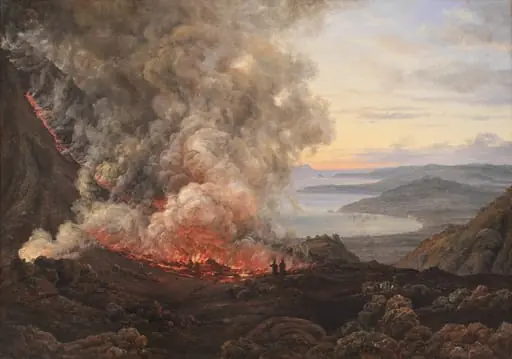 Eruption of the Volcano Vesuvius
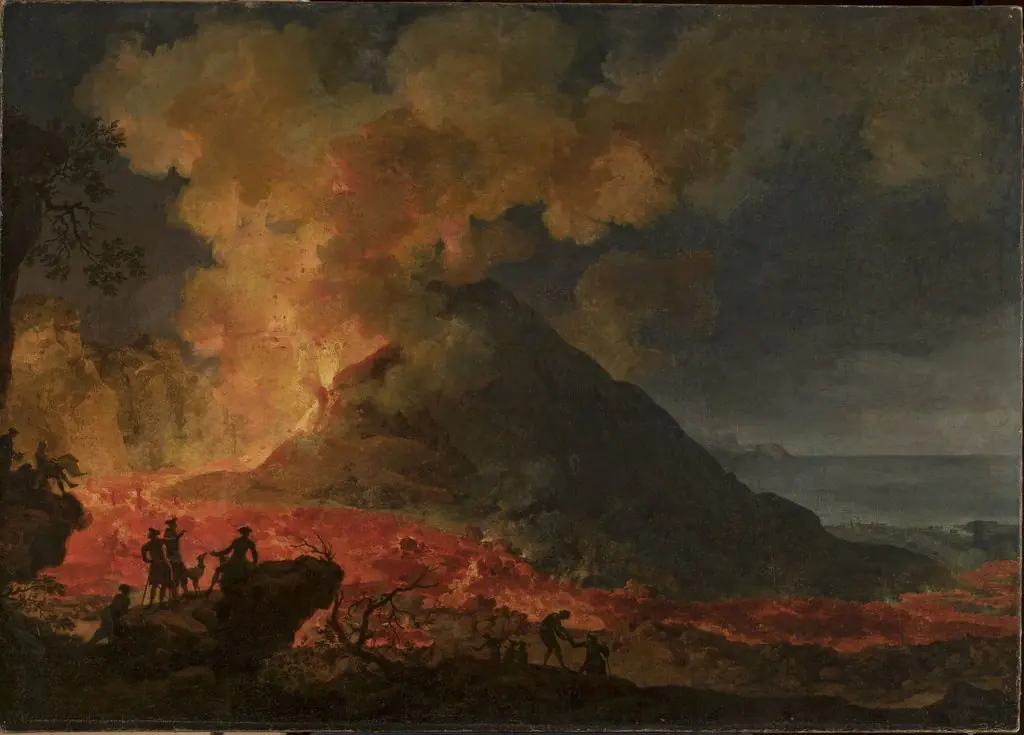 Eruption of Vesuvius
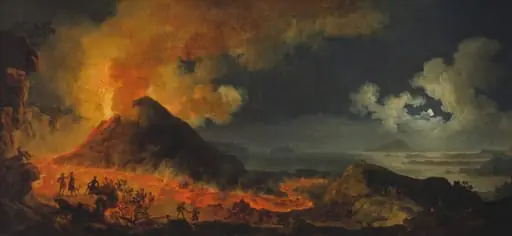 The Eruption of Vesuvius
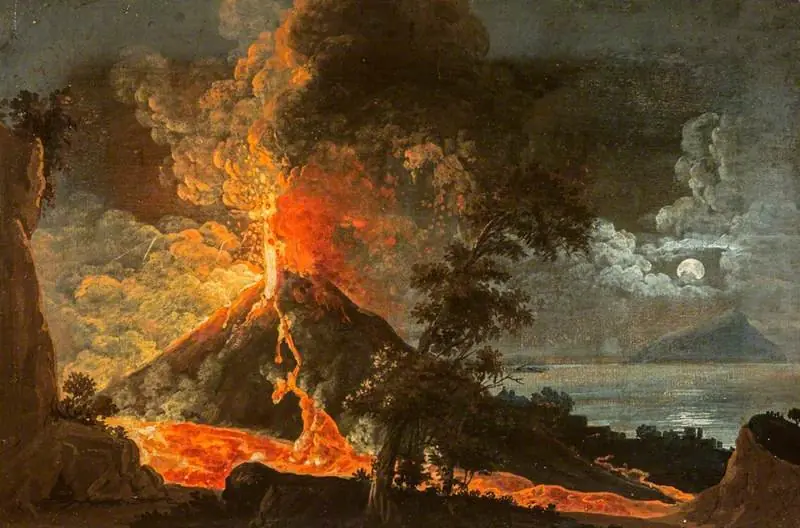 Eruption of Vesuvius
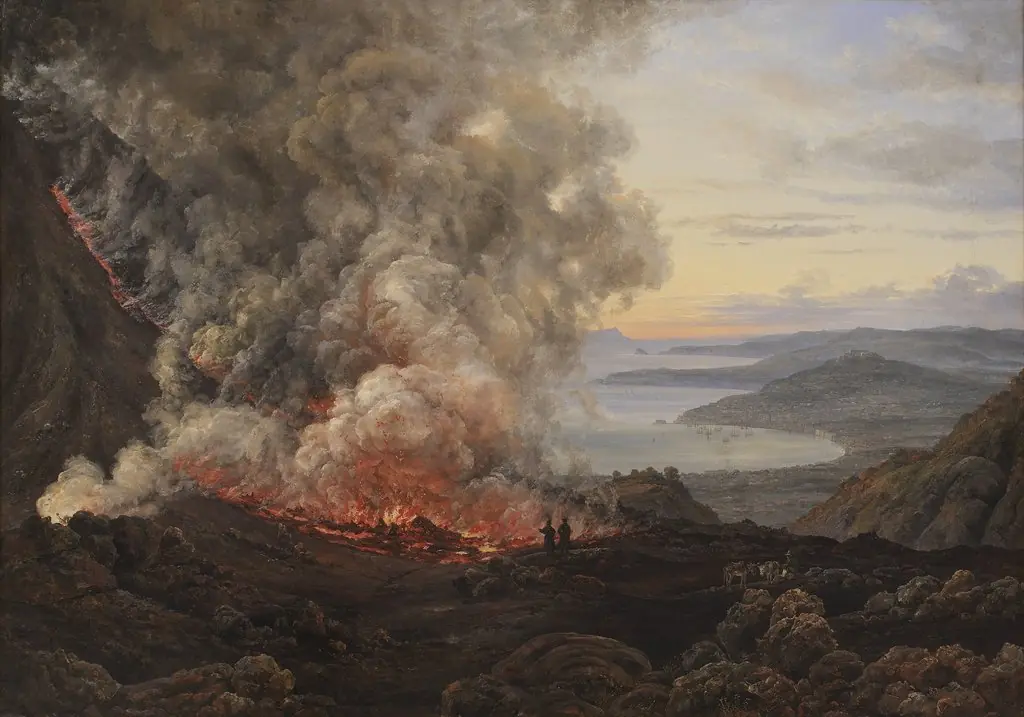 Eruption of the Volcano Vesuvius, 1820
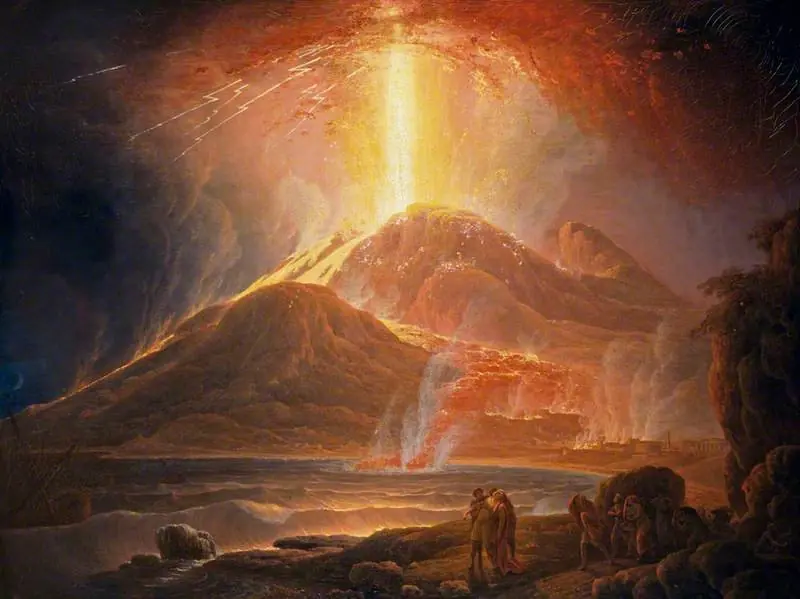 Mount Vesuvius in Eruption
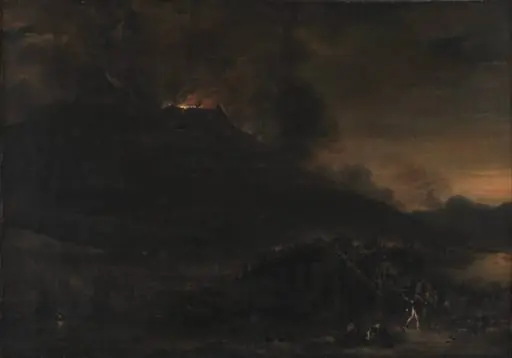 Vesuvius Erupting at Nightfall
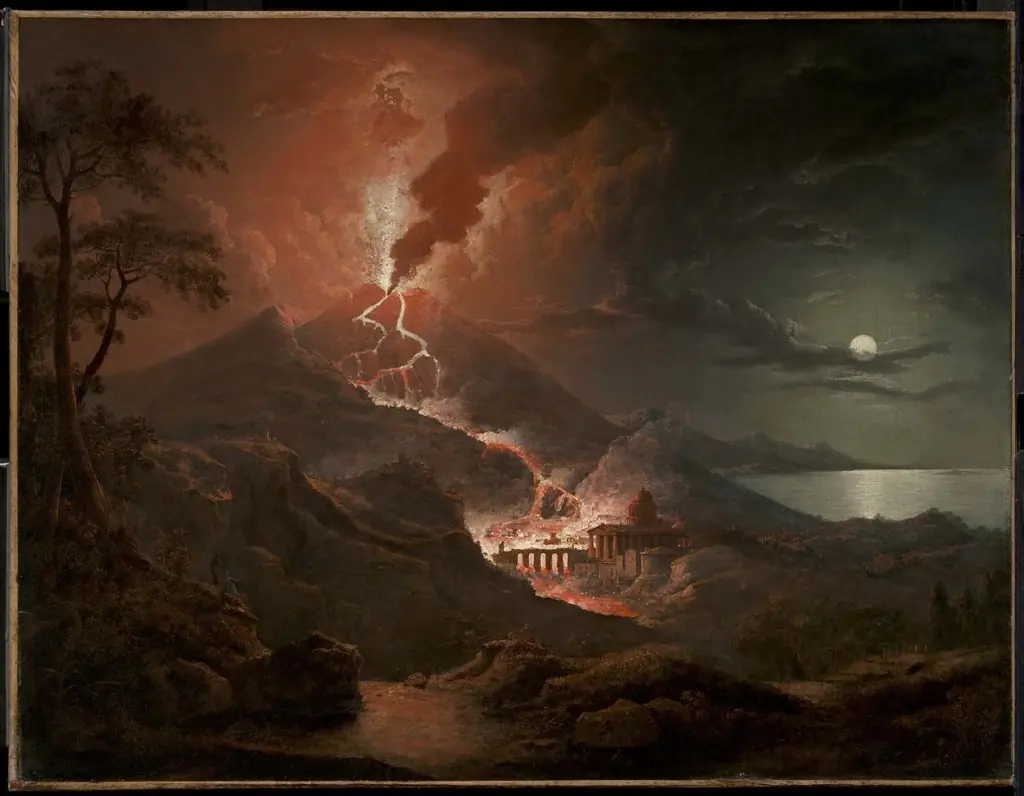 Eruption of Vesuvius with Destruction of a Roman City
 Vesuvius in Eruption