Artwork
Eruption of the Volcano Vesuvius, 1820
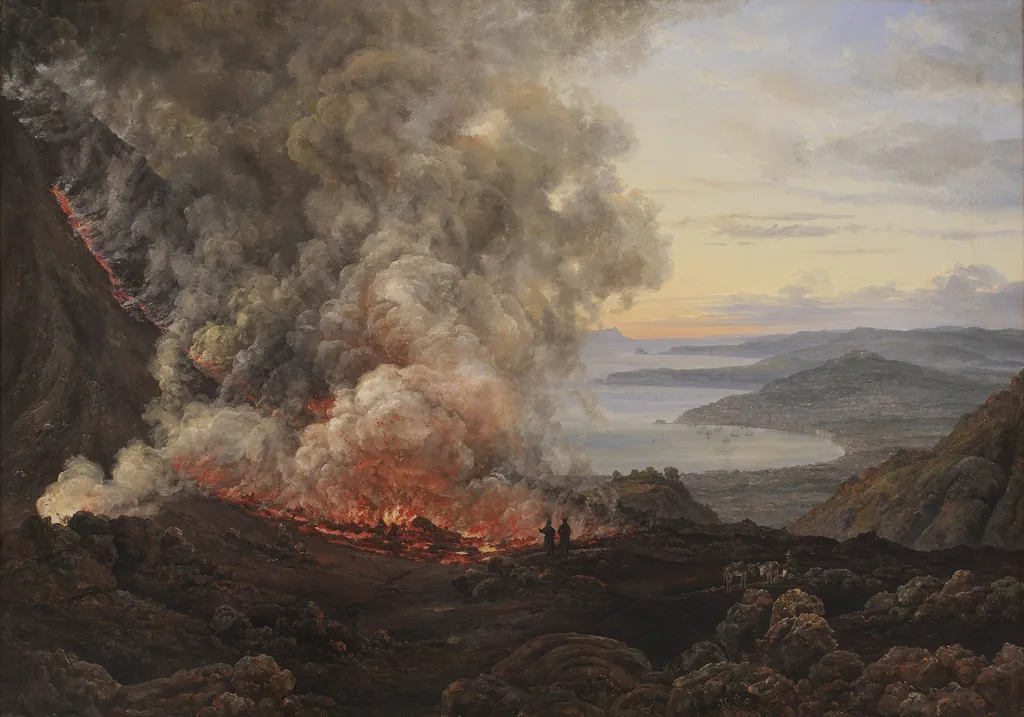
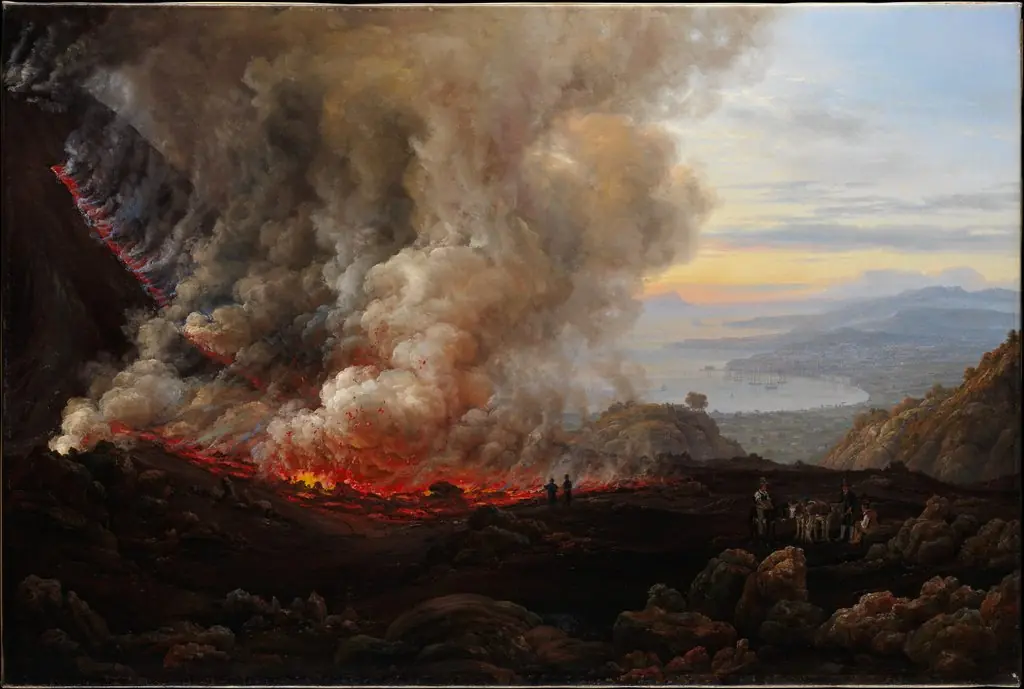
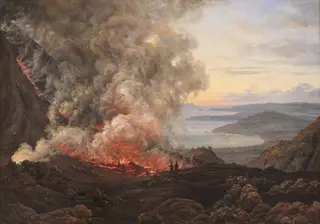
Eruption of the Volcano Vesuvius, 1820 is an oil painting by the German Romanticist artist Johan Christian Dahl. It dates from 1821 and is held in the collection of the Statens Museum for Kunst.
About this work
Subject & Meaning
As a landscape painting, the work belongs to the Romantic tradition of sublime nature, where the overwhelming power of the volcano serves as the dramatic focus.
The painting depicts the volcanic eruption of Mount Vesuvius, with the erupting volcano as its central subject. The scene includes human figures, lava flows, and sailing ships near Naples, placing the natural disaster within a populated coastal setting. A donkey also appears among the depicted elements.
As a landscape painting, the work belongs to the Romantic tradition of sublime nature, where the overwhelming power of the volcano serves as the dramatic focus. The inclusion of human and animal figures alongside ships emphasizes the vulnerability of life before natural forces.
Technique & Style
Executed in 1821, this work is an oil painting applied to a canvas support. The piece measures 124 cm in height and 162.6 cm in width, establishing a substantial horizontal format typical of the landscape genre. Visually, the composition depicts the eruption of Mount Vesuvius, incorporating dynamic elements such as flowing lava, a sailing ship, and figures including a man and a donkey against the backdrop of Naples.
The handling of the oil medium allows for the detailed rendering of these natural and human subjects within a dramatic volcanic scene.
History & Provenance
The painting Eruption of the Volcano Vesuvius is dated 1821, while its title refers to the 1820 eruption it depicts. Johan Christian Dahl witnessed the 1820 eruption while traveling in southern Italy and completed the work in Dresden in 1821, developing the composition from on-site sketches and later recollection. The canvas entered the collection of Statens Museum for Kunst, Copenhagen, where it remains.
The work is cataloged within the museum's holdings as a landscape painting depicting Mount Vesuvius, lava, and figures in Naples. While the source material confirms the institution and the artwork's physical presence there, it does not provide a specific inventory or accession number for the piece, and the available records do not list any past or current exhibition history for this specific work.
Overview
Johan Christian Dahl's "Eruption of the Volcano Vesuvius, 1820" is an oil painting from 1821, capturing the dramatic force of nature. This work exemplifies German Romanticism, a movement that often explored sublime landscapes. Dahl, a Norwegian artist, achieved significant European recognition, becoming a pivotal figure in his home country's "golden age" of painting.
Context
Johan Christian Dahl, born in Norway in 1788, established himself as a prominent artist within the broader European art scene. He is credited as the first Norwegian painter to gain considerable recognition across the continent, playing a crucial role in what is often termed the "golden age" of Norwegian art. His association with German Romanticism positioned him among artists who sought to evoke emotion and awe through natural landscapes.
Own this work as a print
Artist & collection
Artist
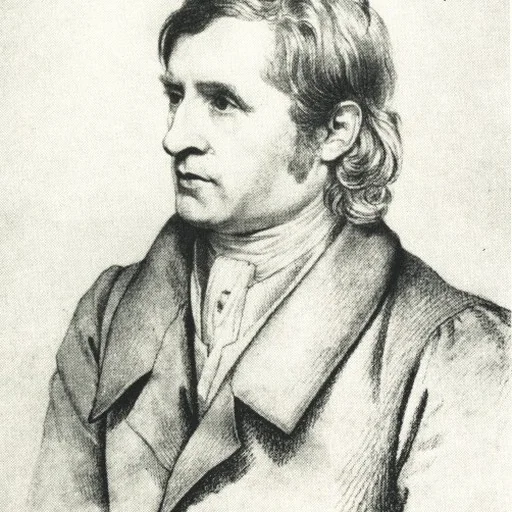
Johan Christian Claussen Dahl (24 February 1788 – 14 October 1857), often known as J.

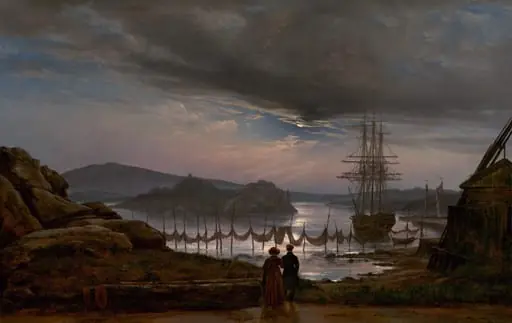
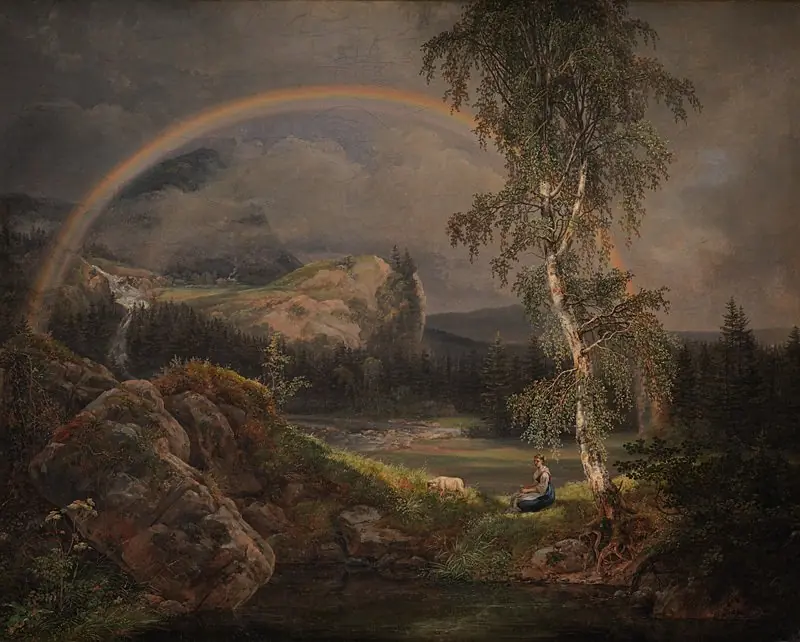
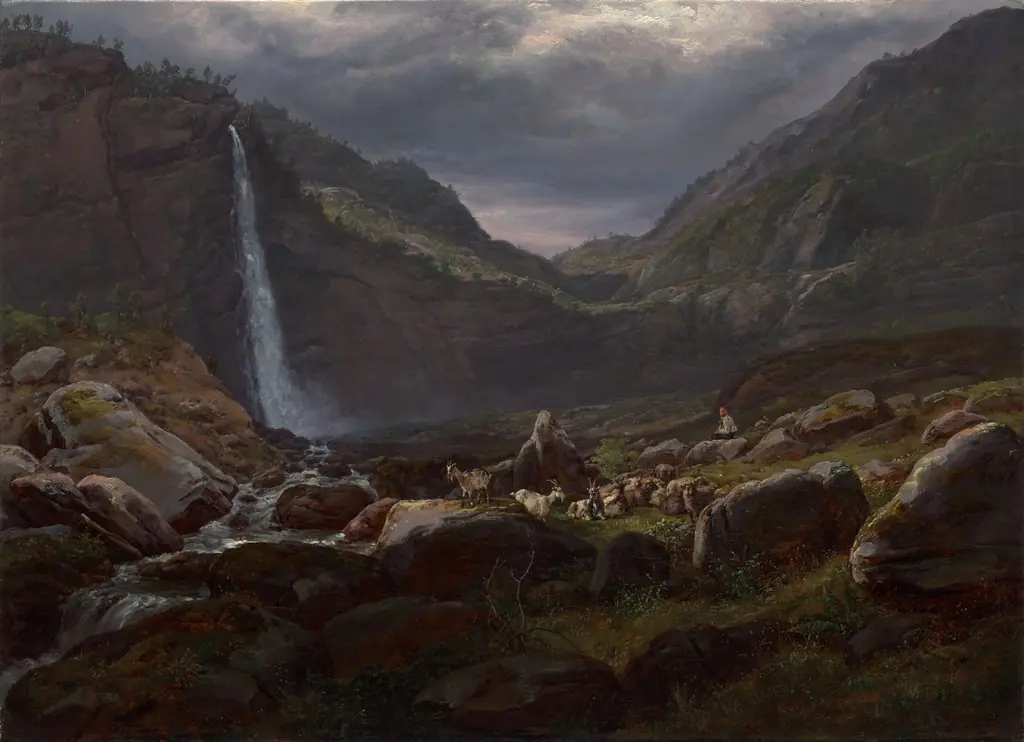
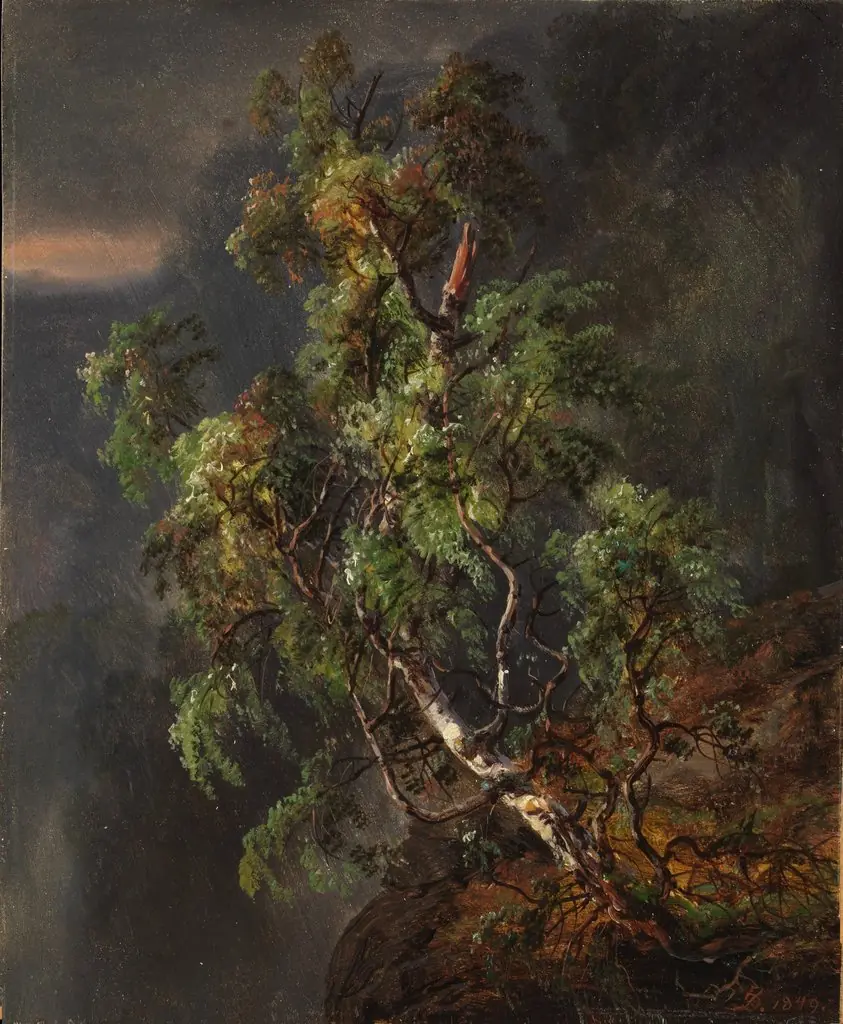
- The Eruption of Vesuvius
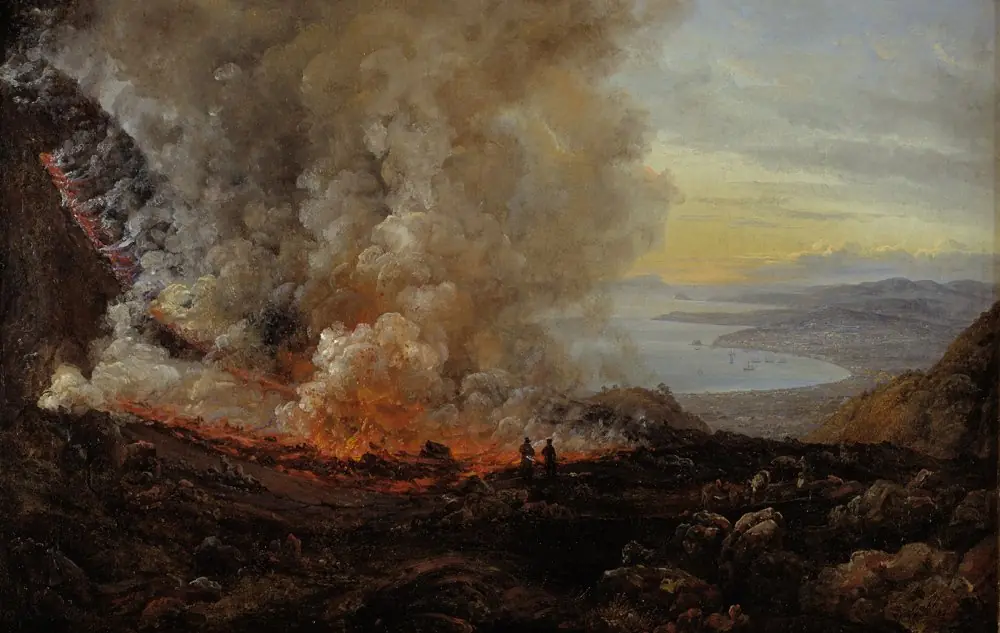 The Eruption of Vesuvius
 Eruption of the Volcano Vesuvius
 The Eruption of Vesuvius
 Eruption of Vesuvius
 The Eruption of Vesuvius
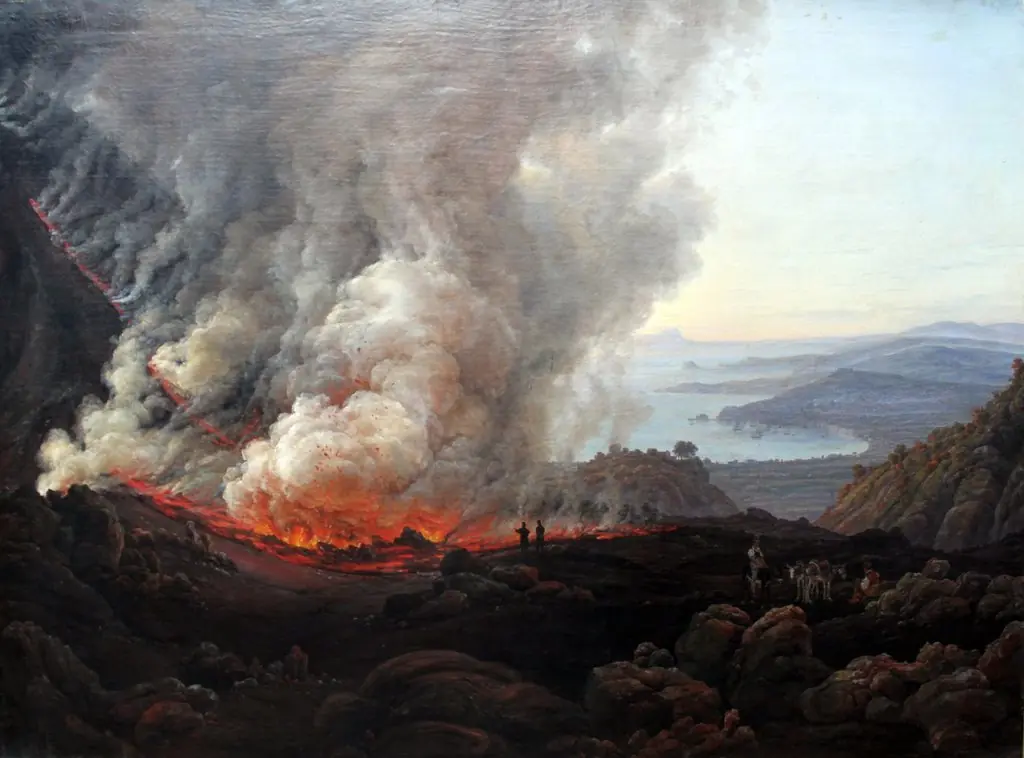 Der Ausbruch des Vesuv im Dezember 1820
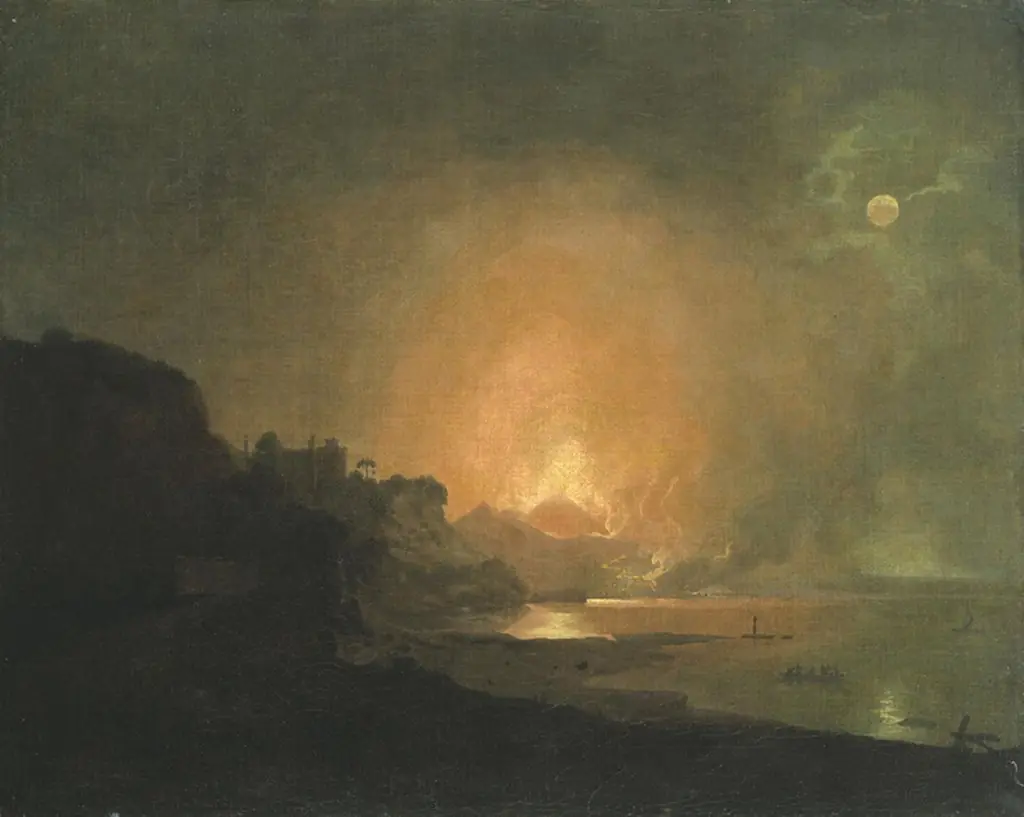 Vesuvius in Eruption
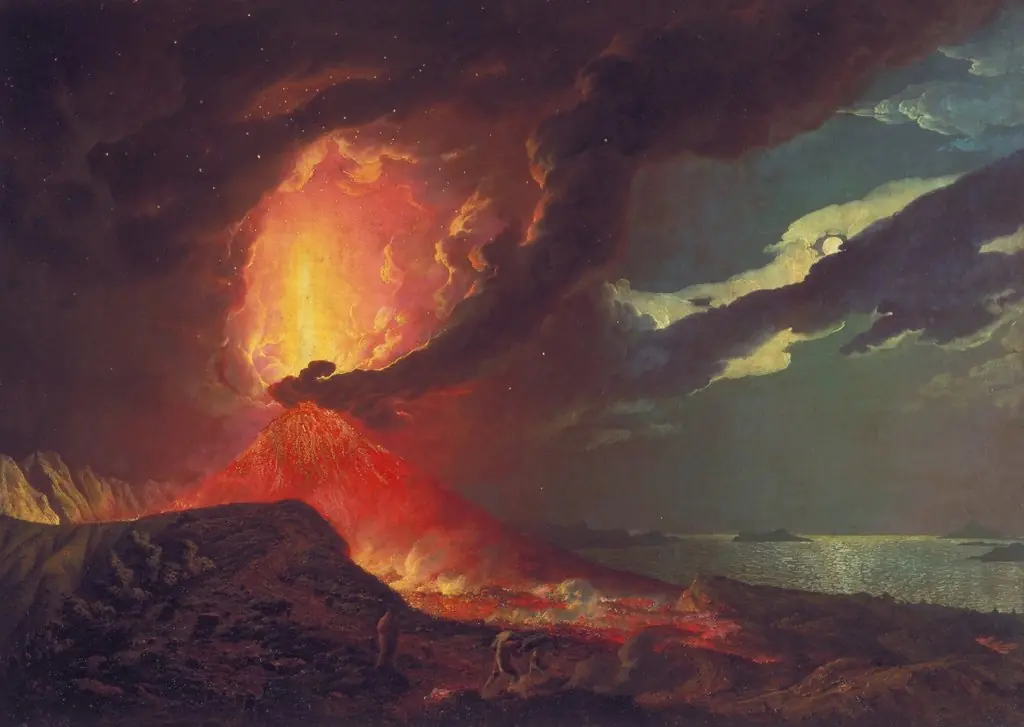 Vesuvius in Eruption, with a View over the Islands in the Bay of Naples
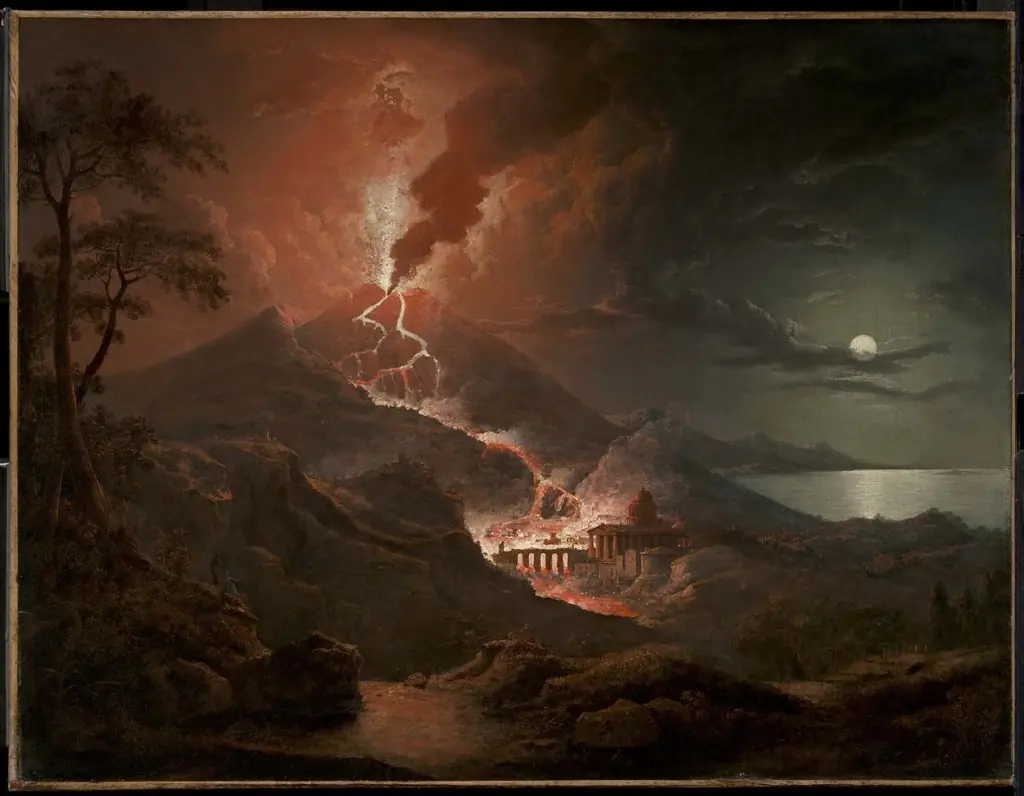 Eruption of Vesuvius with Destruction of a Roman City
 Vesuvius in Eruption, Italy