Artwork
The Castle Ruin at Tharandt
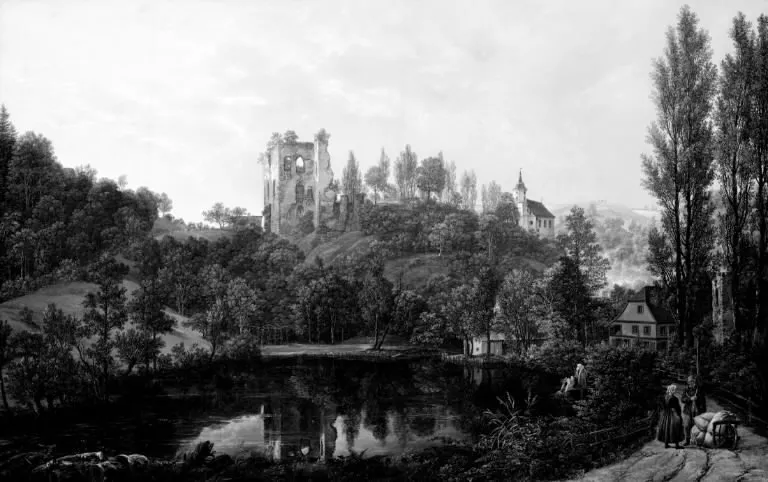
The Castle Ruin at Tharandt is an oil painting by the German Romanticist artist Johan Christian Dahl. It dates from 1819 and is held in the collection of the Statens Museum for Kunst.
About this work
Subject & Meaning
The composition merges precise architectural detail with atmospheric light, conveying both melancholy and reverence for the past.
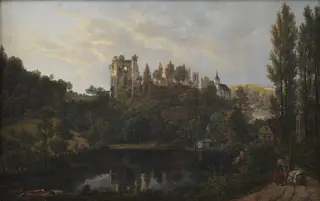
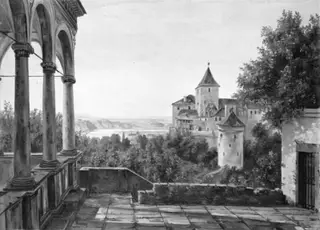
The Castle Ruin at Tharandt portrays the crumbling medieval fortress perched beside a tranquil lake, framed by dense forest and a winding road that leads toward a modest church. The scene includes a lone man and woman, suggesting contemplation of history and the passage of time. Dahl’s rendering reflects Romantic fascination with decayed grandeur and the sublime in nature, using the ruin as a symbol of the transience of human achievement against enduring landscapes. The composition merges precise architectural detail with atmospheric light, conveying both melancholy and reverence for the past.
Technique & Style
Johan Christian Dahl’s The Castle Ruin at Tharandt (1819) is executed in oil paint on canvas, a standard medium for Romantic landscape painting [,]. Measuring 77.8 by 123 centimeters, the work employs a layered application of pigments, characteristic of Dahl’s meticulous handling, to evoke atmospheric depth and texture []. The composition balances detailed foreground elements, such as the figures, road, and foliage, with softer, diffused backgrounds, including the ruined castle, lake, and forest, reflecting Romanticism’s emphasis on nature’s sublime and picturesque qualities [].
The condition of the painting, housed at the Statens Museum for Kunst, remains stable, preserving its original stylistic integrity [].
History & Provenance
Johan Christian Dahl executed the oil painting The Castle Ruin at Tharandt in 1819. Created on canvas, the work depicts the ruins of Tharandt Castle within a Romantic landscape setting. The piece entered the collection of the Statens Museum for Kunst, where it remains held.
Its exhibition history includes the 1988 jubilee exhibition dedicated to the artist, titled Johan Christian Dahl 1788–1857, as well as a memorial display at the Nasjonalgalleriet organized in collaboration with Kunstnernes Hus to mark the institution's centenary. No specific details regarding the original commission or intermediate ownership transfers prior to its museum acquisition are provided in the available records.
The painting is held at the Statens Museum for Kunst, Copenhagen, under accession no. KMS3239. It was included in the 1988 Jubilee Exhibition marking the 200th anniversary of Dahl’s birth, titled Johan Christian Dahl 1788–1857. J.C. Dahl’s verk, organized jointly by Nasjonalgalleriet and Kunstnernes Hus.
Overview
Johan Christian Dahl, a prominent Norwegian landscape painter, completed The Castle Ruin at Tharandt in 1819 using oil paint. This work exemplifies the German Romantic movement, presenting a dramatic depiction of ancient architecture reclaimed by nature. The painting is currently held in the collection of the Statens Museum for Kunst.
Context
Created during Dahl's early career, The Castle Ruin at Tharandt reflects the prevailing sensibilities of German Romanticism. This artistic movement often explored themes of the sublime, the melancholic beauty of ruins, and humanity's relationship with the natural world. Dahl, recognized as a foundational figure in Norwegian landscape painting, brought a distinctive perspective to these popular Romantic motifs.
Artist & collection
Artist
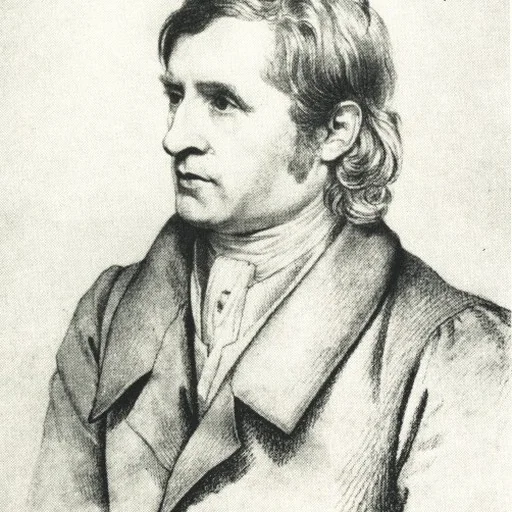
Johan Christian Claussen Dahl (24 February 1788 – 14 October 1857), often known as J.

 River Scenery
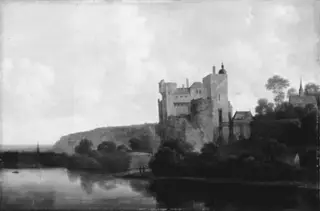 Castle by a River
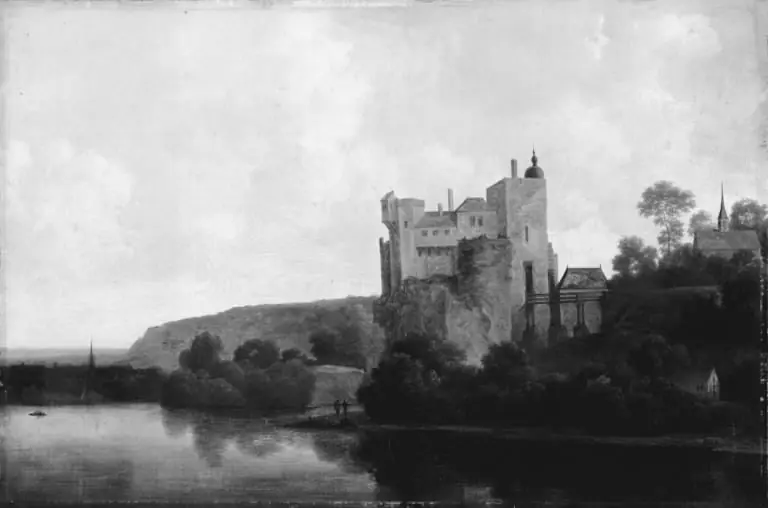 Castle by a River
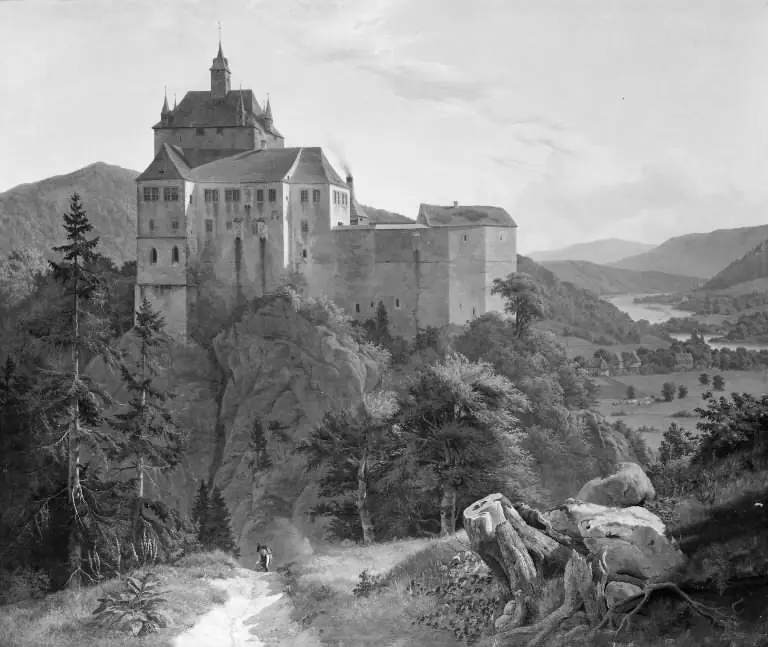 Kriebstein Castle at Zschoppau in Saxony. Morning
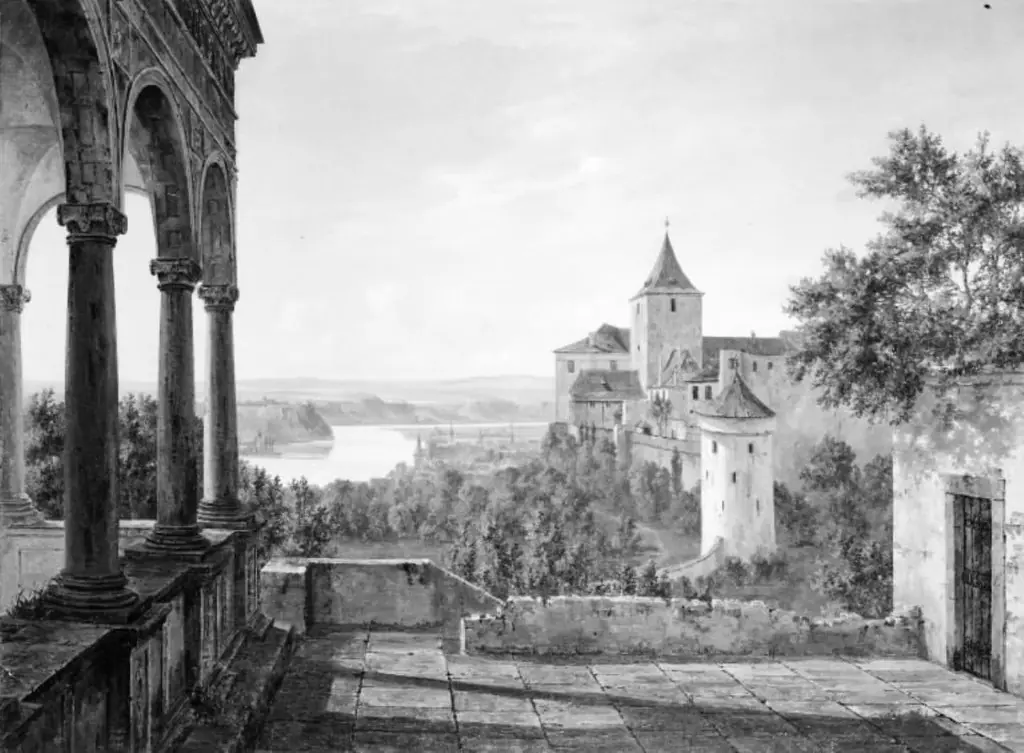 Udsigt ved Tycho Brahes observatorium i Prag
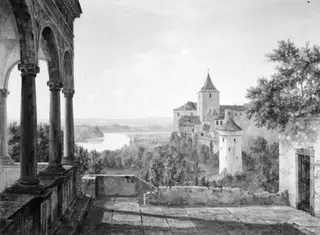 Udsigt ved Tycho Brahes observatorium i Prag
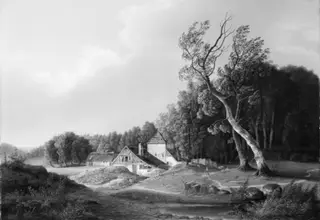 Udsigt mod et kalk- og teglbrænderi på en stormfuld dag
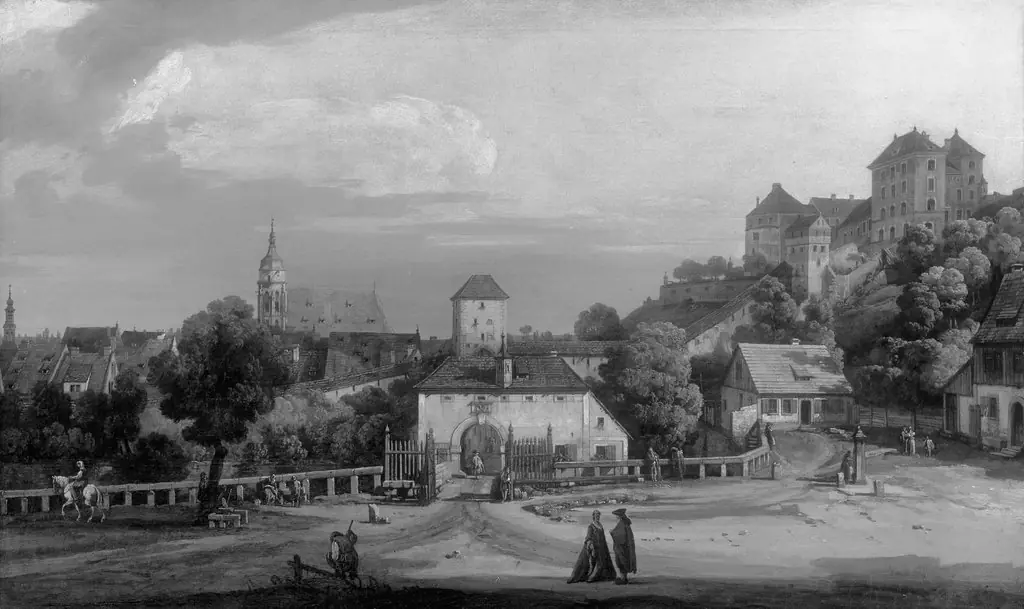 The high gate of Pirna
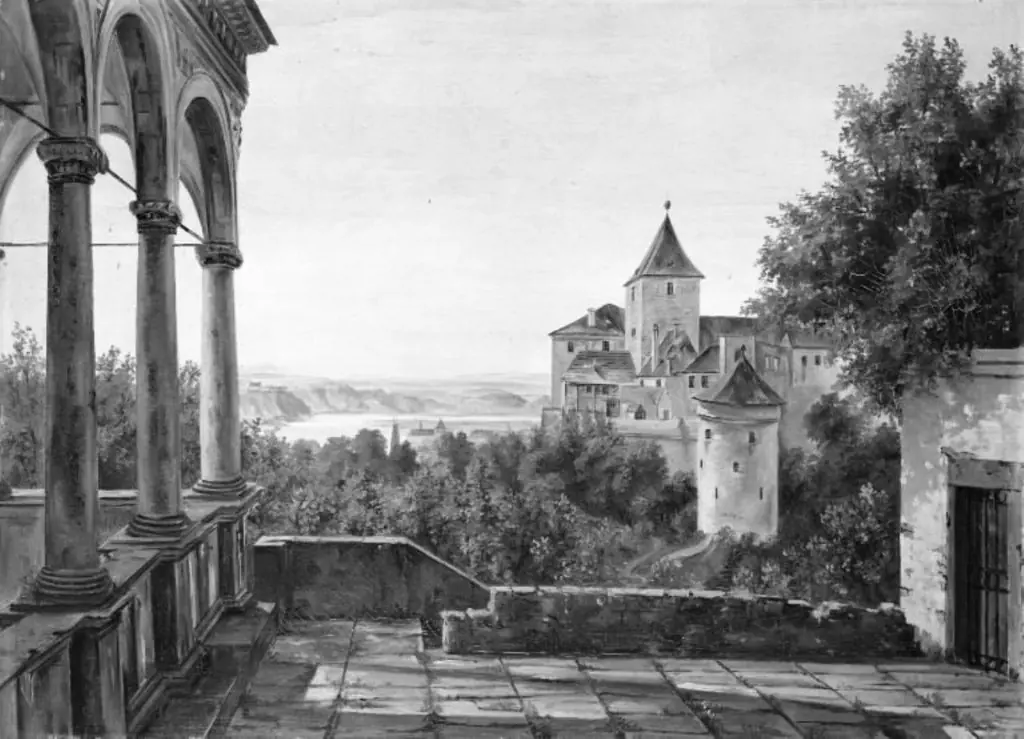 Udsigt ved Tycho Brahes observatorium i Prag
 Udsigt ved Tycho Brahes observatorium i Prag