Artwork
The Pont Neuf
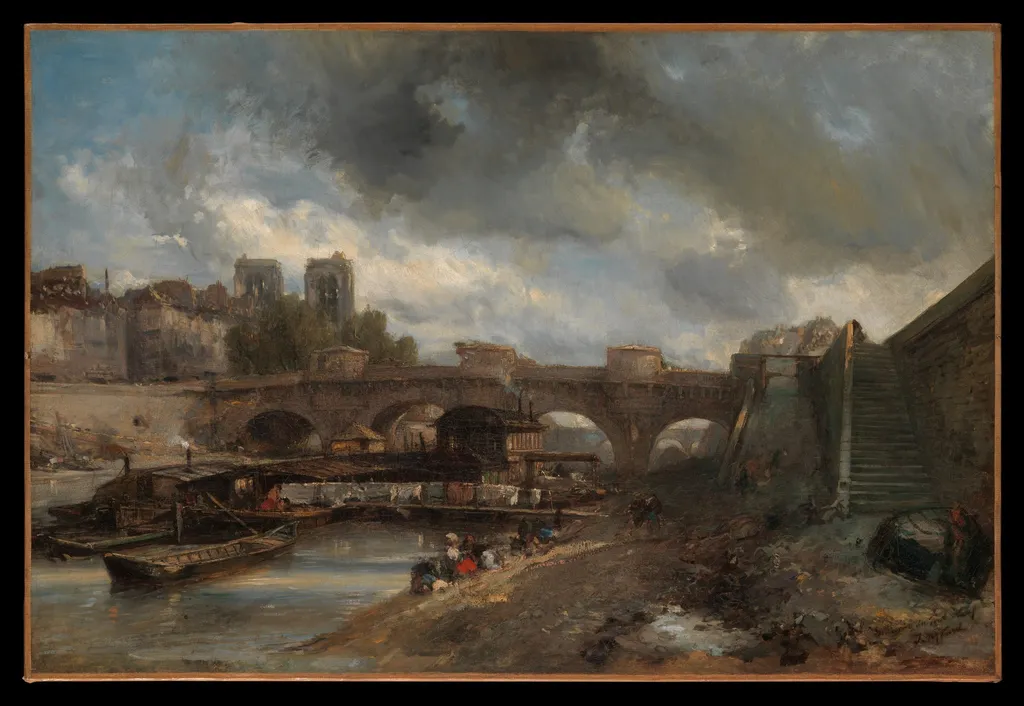
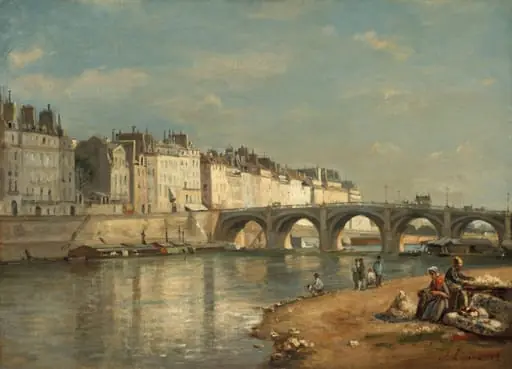
The Pont Neuf is an oil painting by the Barbizon school artist Johan Jongkind. It dates from 1849 and is held in the collection of the Metropolitan Museum of Art.
About this work
History & Provenance
The painting was first exhibited in 1849, the same year it was created, and has remained part of the museum’s collection since its acquisition.
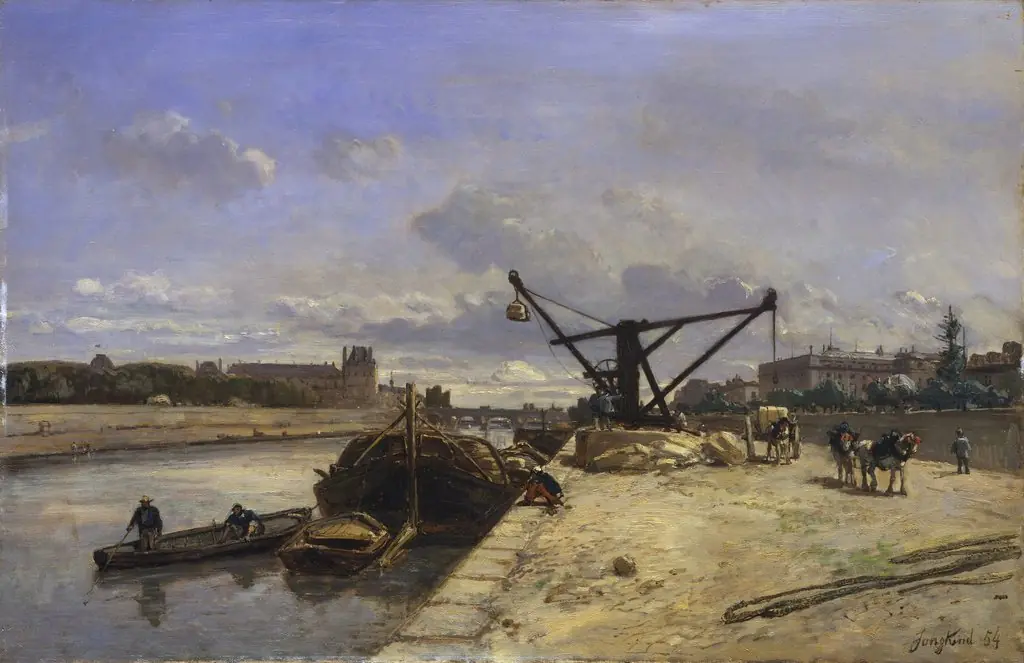
Johan Barthold Jongkind created the oil painting The Pont Neuf in 1849. Executed on canvas, the work measures 54.6 by 81.6 centimeters and depicts a river scene featuring a bridge and boats. The piece is currently held in the collection of the Metropolitan Museum of Art, where it remains located.
While the specific circumstances of its original commission and the detailed chain of ownership between its creation in the mid-19th century and its acquisition by the museum are not detailed in the available records, the work's inception is firmly established as 1849.
The Pont Neuf is held by the Metropolitan Museum of Art, New York, where it is recorded as accession number 1975.1.208. The painting was first exhibited in 1849, the same year it was created, and has remained part of the museum’s collection since its acquisition.
Overview
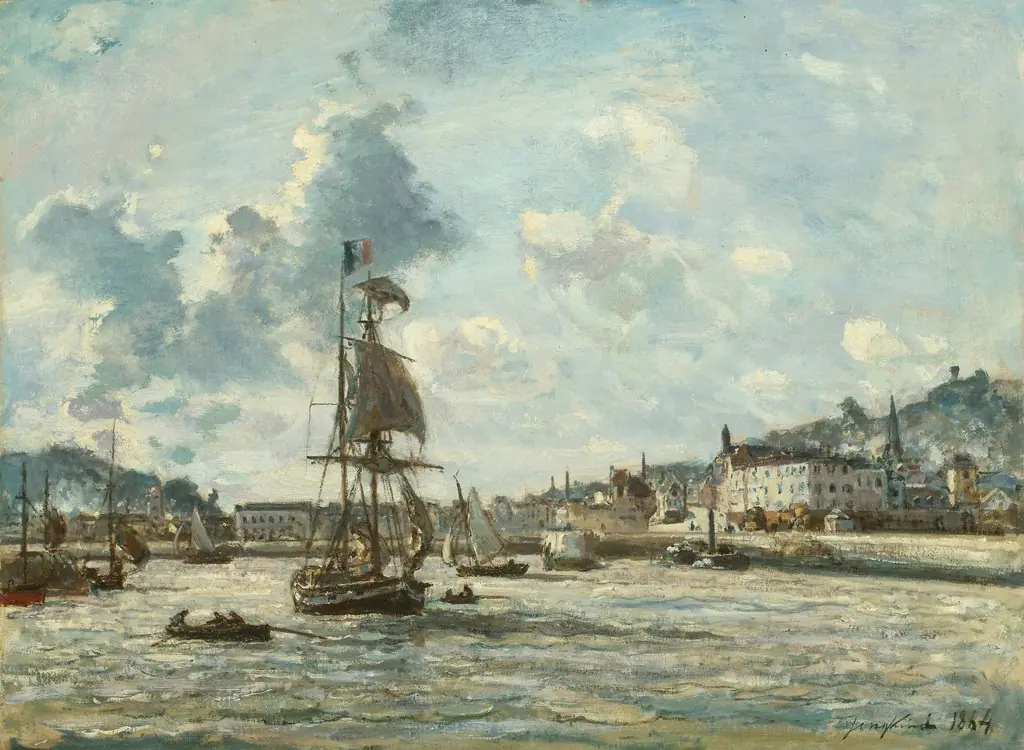
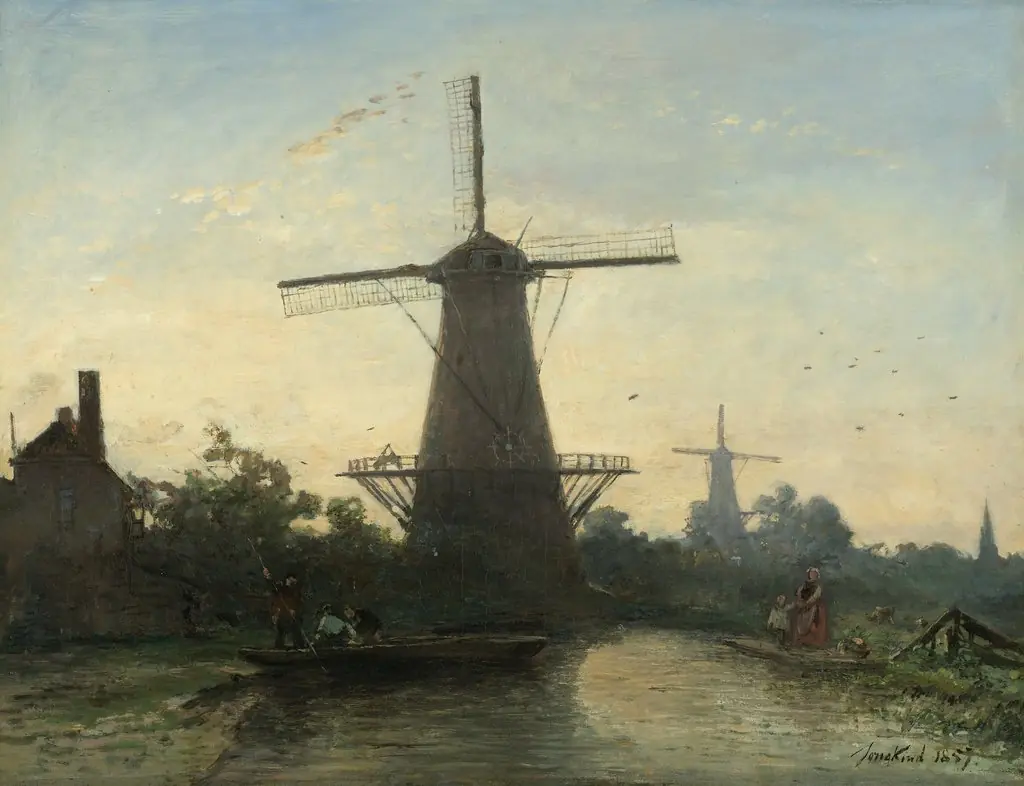
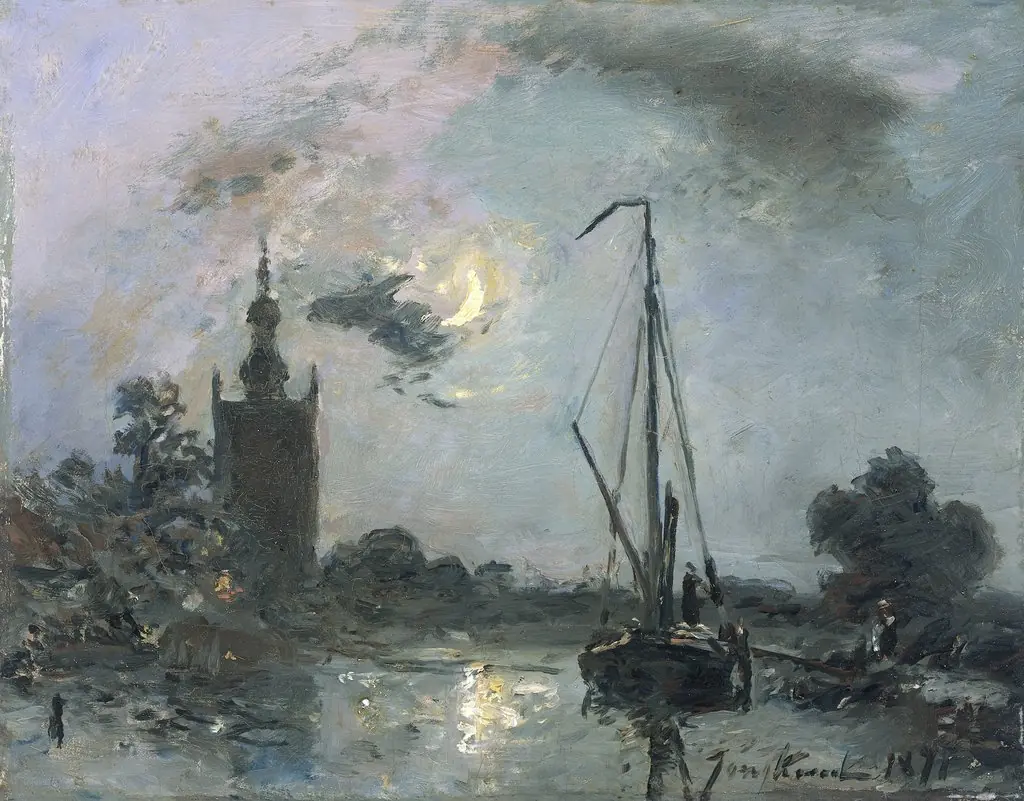
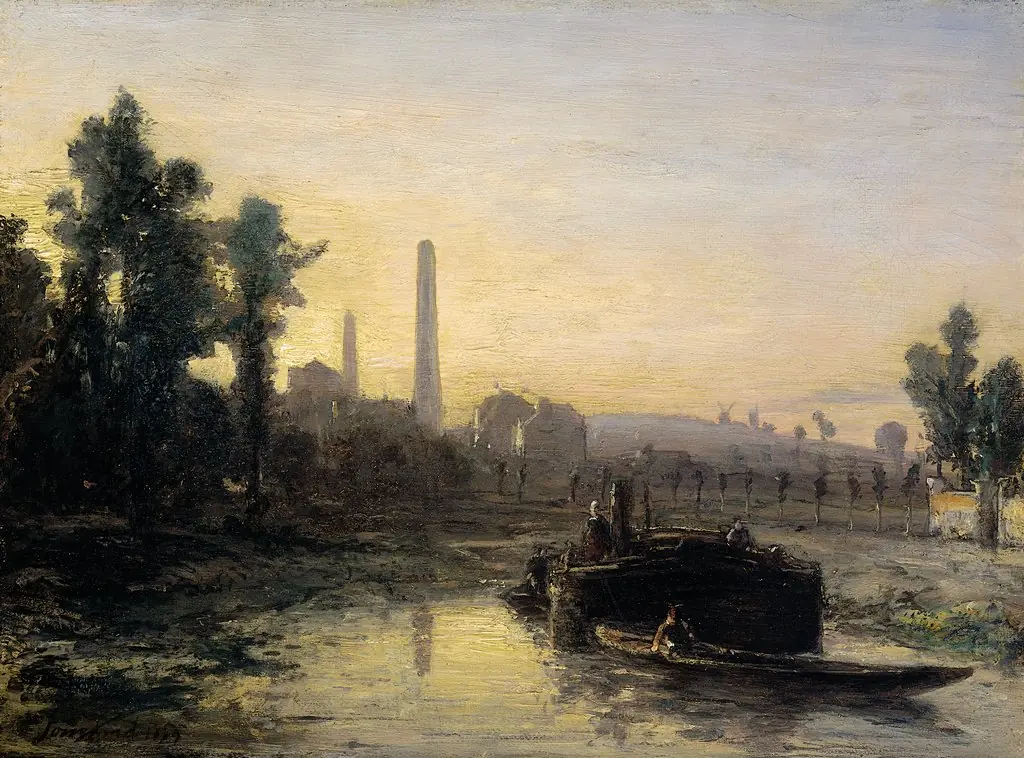
Johan Barthold Jongkind, a Dutch painter and printmaker, created The Pont Neuf in 1849 using oil paint. This work captures a dynamic river scene, featuring a prominent bridge, various boats, and human figures. The painting exemplifies Jongkind's early engagement with naturalistic subjects and his distinctive, expressive brushwork, which would later influence the development of Impressionism. It is currently held in the collection of The Metropolitan Museum of Art.
Subject & Meaning
The painting presents a view of a river spanned by a stone bridge, bustling with people and small vessels. On the left, a boat rests near the bank, while figures populate the water's edge on the right. The composition is crowned by a dramatic sky, where dark clouds intermingle with shafts of light.
Buildings line the distant riverbanks, and the bridge's arches gracefully curve over the water, reflecting a naturalistic observation of the urban landscape.
Technique & Style
Jongkind employed a loose and expressive painting technique in The Pont Neuf. The brushstrokes are notably thick and visible, particularly in the rendering of the sky, which conveys a textured, almost turbulent atmosphere. This vigorous application of paint imbues the scene with a sense of vitality and movement.
Such an approach to capturing light and transient effects, prioritizing subjective impression over precise detail, marks Jongkind as an important precursor to the Impressionist painters.
Context
Johan Barthold Jongkind was a Dutch artist celebrated for his marine landscapes and his pivotal role in the transition toward modern painting. His artistic practice, including The Pont Neuf, demonstrates an affinity for the naturalistic depiction of outdoor scenes, aligning with the Barbizon School's focus on direct observation. This early work showcases the innovative handling of light and atmosphere that would profoundly influence the younger generation of artists who later formed the Impressionist movement.
Own this work as a print
Artist & collection
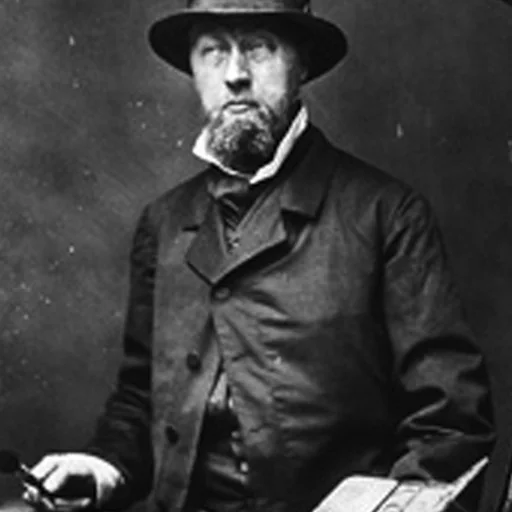
Artist
Johan Barthold Jongkind (Dutch pronunciation:; 3 June 1819 – 9 February 1891) was a Dutch painter and printmaker. He painted marine landscapes in a free manner and is regarded as a forerunner of impressionism.