Artwork
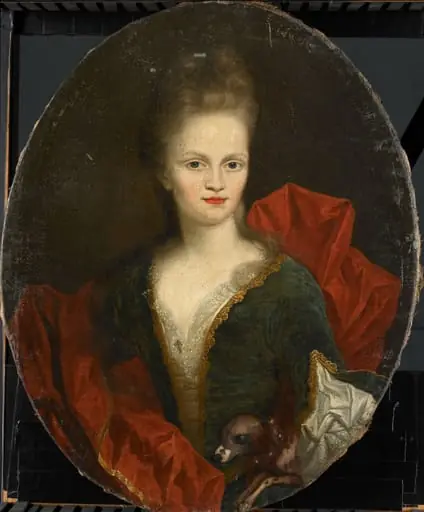
Anna Margaretha van Petcum (1676-1745). Wife of Johan Arnold Zoutman
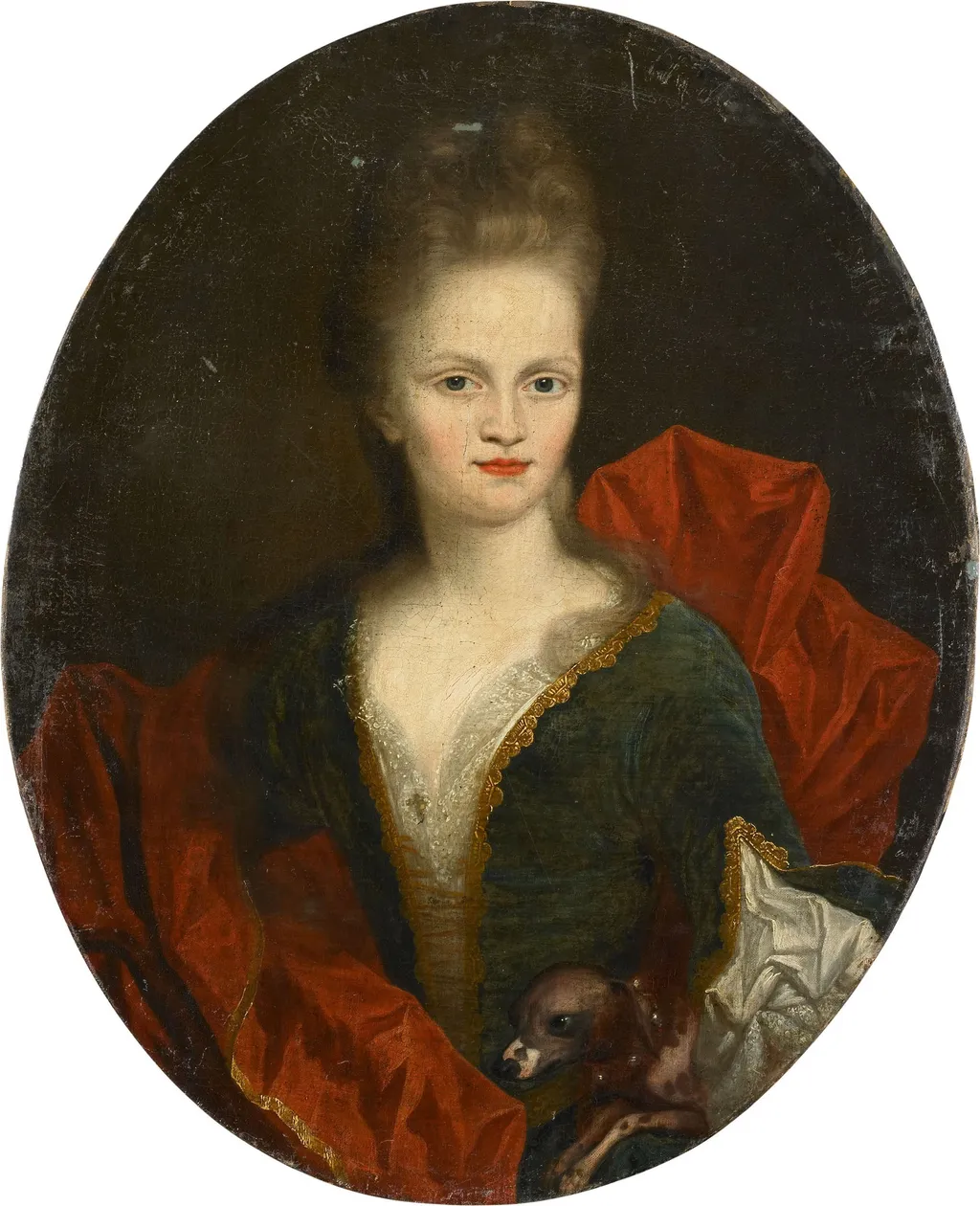
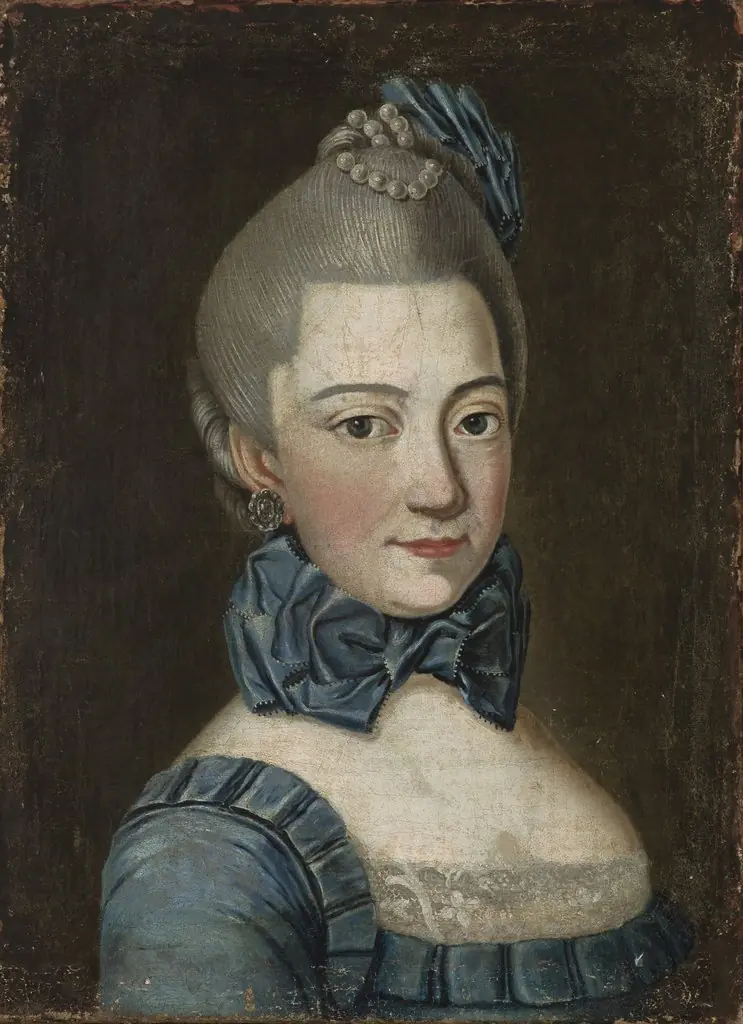
Anna Margaretha van Petcum (1676-1745). Wife of Johan Arnold Zoutman is an oil painting by the Dutch Golden Age artist Johan van Diest. It dates from 1705 and is held in the collection of the Rijksmuseum.
About this work
Technique & Style
It portrays Anna Margaretha van Petcum, the wife of Johan Arnold Zoutman, rendered in a conventional portrait style typical of early 18th-century Dutch art.
The work is an oil painting executed on canvas, measuring 80 cm in height by 64.5 cm in width. It portrays Anna Margaretha van Petcum, the wife of Johan Arnold Zoutman, rendered in a conventional portrait style typical of early 18th-century Dutch art. The composition and handling of paint reflect the technical proficiency of Johan van Diest in this medium.
The formal qualities include a restrained palette and precise brushwork that emphasize the sitter’s status and domestic virtue. The painting’s condition appears stable, with no noted alterations to the original support or surface treatment.
History & Provenance
The portrait of Anna Margaretha van Petcum is held by the Rijksmuseum, which is also listed as its collection on Wikidata. No specific inventory or accession number is provided in the available sources, and no exhibition history is documented. The painting, executed by Johan van Diest in 1705, is recorded as an oil-on-canvas portrait measuring 80 cm in height by 64.5 cm in width.
Overview
Johan van Diest’s 1705 oil portrait depicts Anna Margaretha van Petcum (1676‑1745), known as the spouse of naval officer Johan Arnold Zoutman. The work is part of the Rijksmuseum’s collection and presents the sitter in a formal, three‑quarter view against a deep, neutral backdrop.
Subject & Meaning
The portrait emphasizes van Petcum’s social standing through her elaborate attire: a low‑cut gown trimmed with lace, a vivid red shawl, and a small dark‑coated dog perched on her lap, a common symbol of fidelity. Her composed expression and genteel pose reflect the conventions of early‑18th‑century Dutch portraiture, intended to convey respectability and domestic virtue.
Context
The work belongs to a broader tradition of Dutch portraiture that flourished in the late 17th and early 18th centuries, when merchant and military families commissioned likenesses to affirm status. Van Diest, active in the Haarlem region, often portrayed members of the local elite, employing the same lighting and compositional strategies seen in contemporaneous works by his peers.
Own this work as a print
Artist & collection

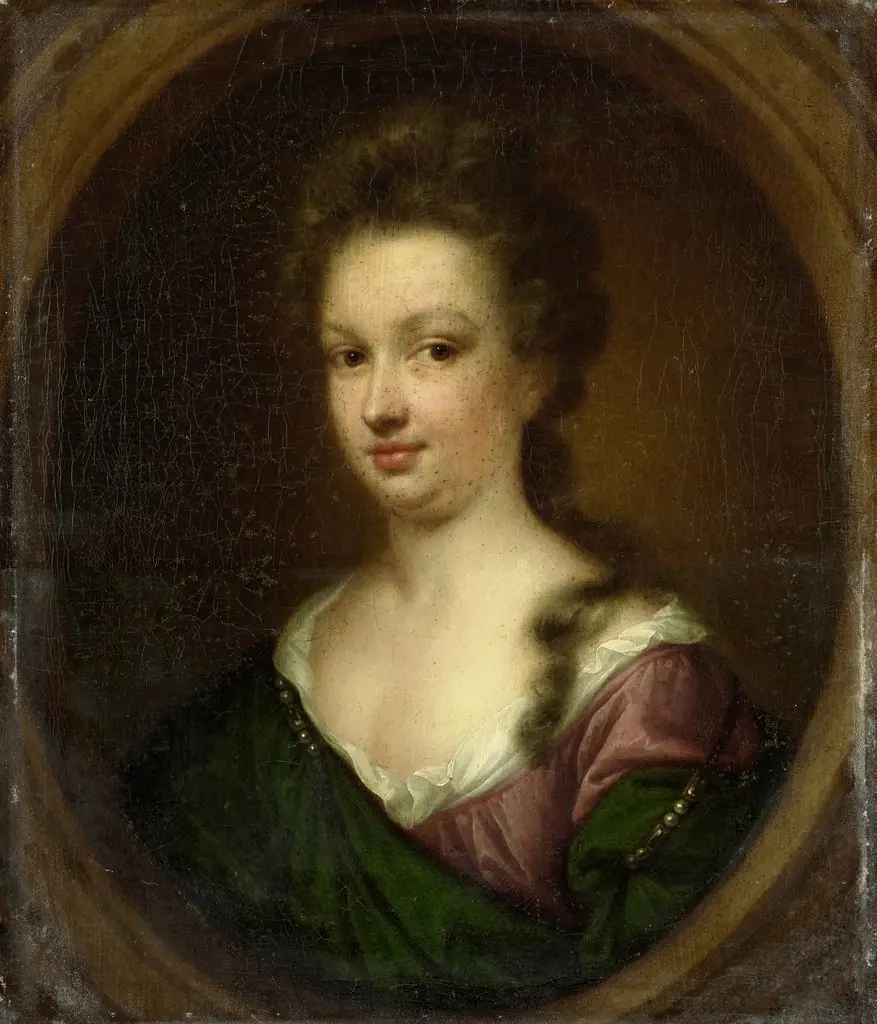 Portrait of Emerantia van Citters (1666-94), sister of Anna van Citters
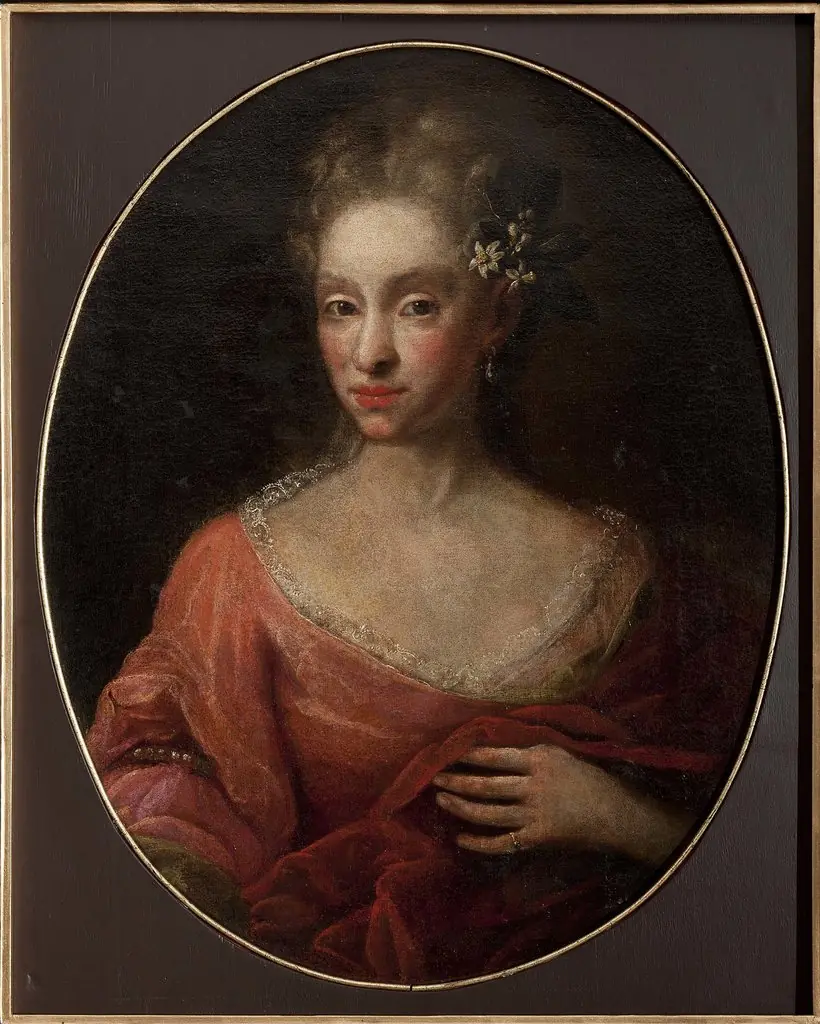 Portrait of Urszula Dembińska née Morsztyn (1746–1825)
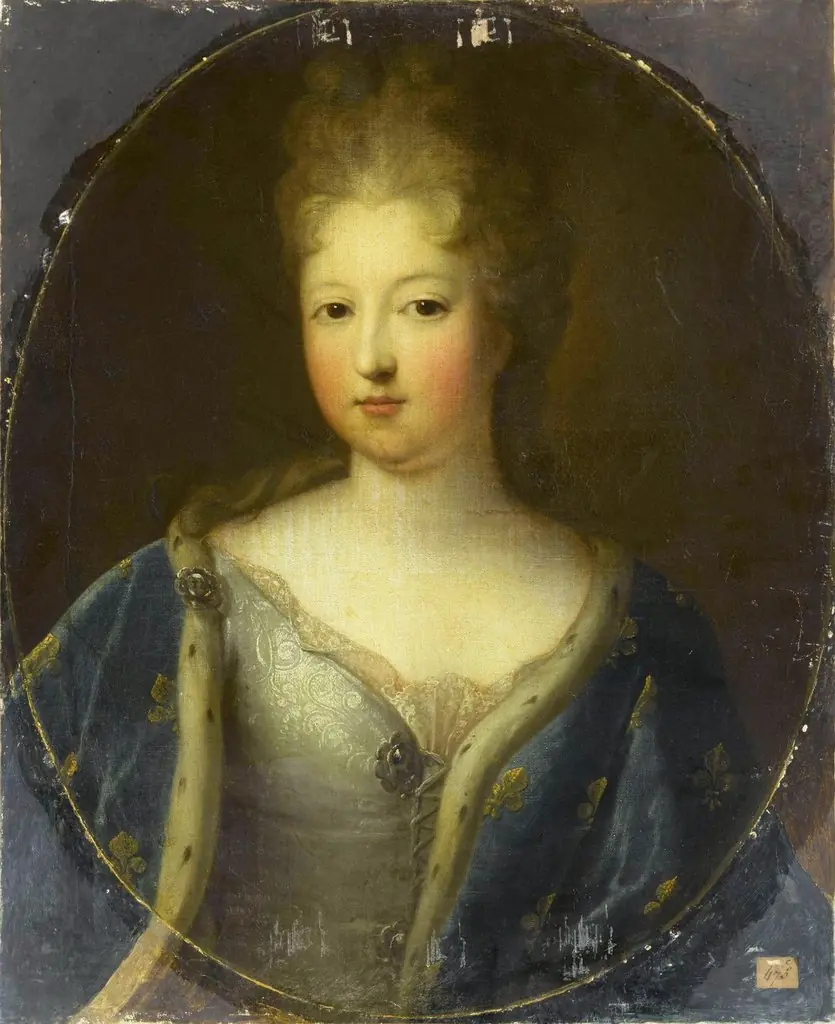 Portrait of Françoise-Marie de Bourbon
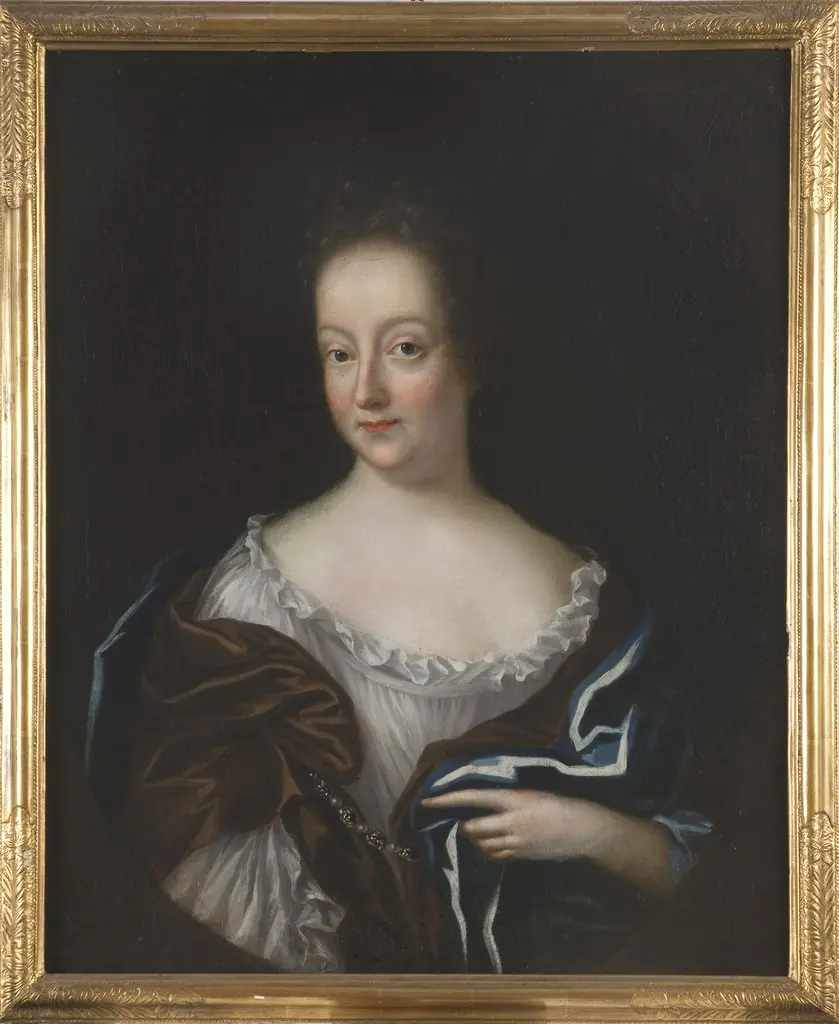 Beata Elisabet von Königsmarck (1637-1723), grevinna, gift med greve Pontus Fredrik De la Gardie
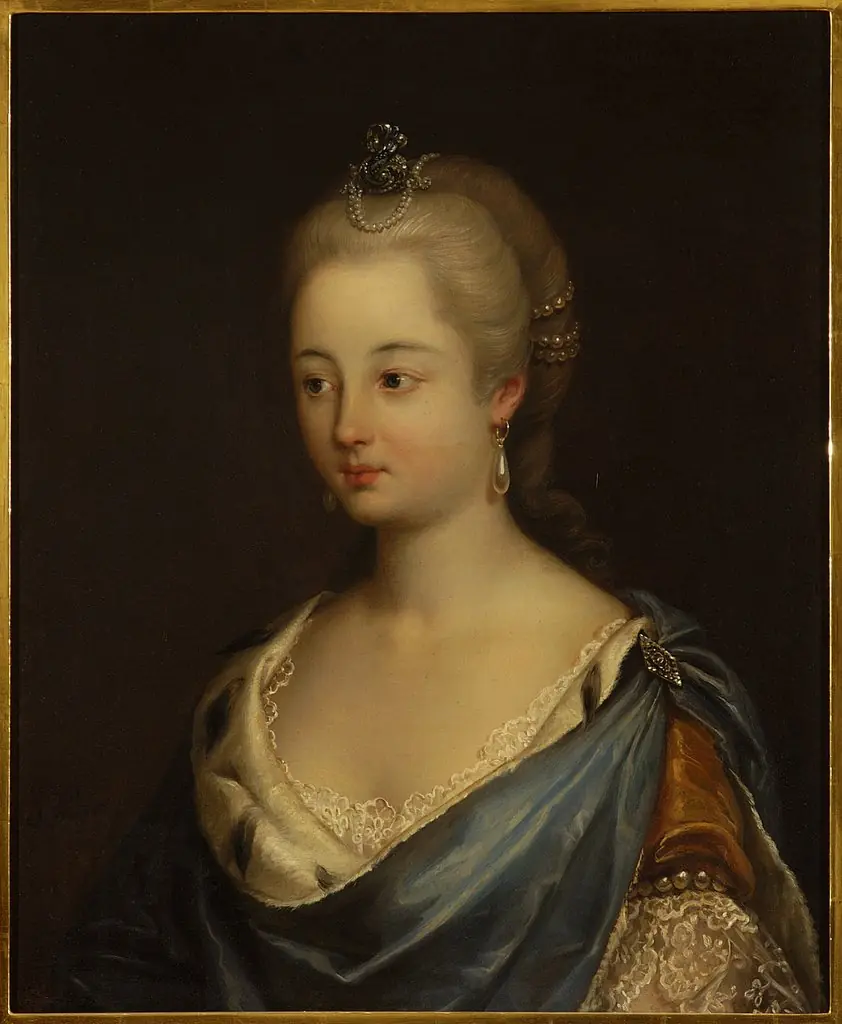 Portrait of Mrs. Kruszewska née Komorowska
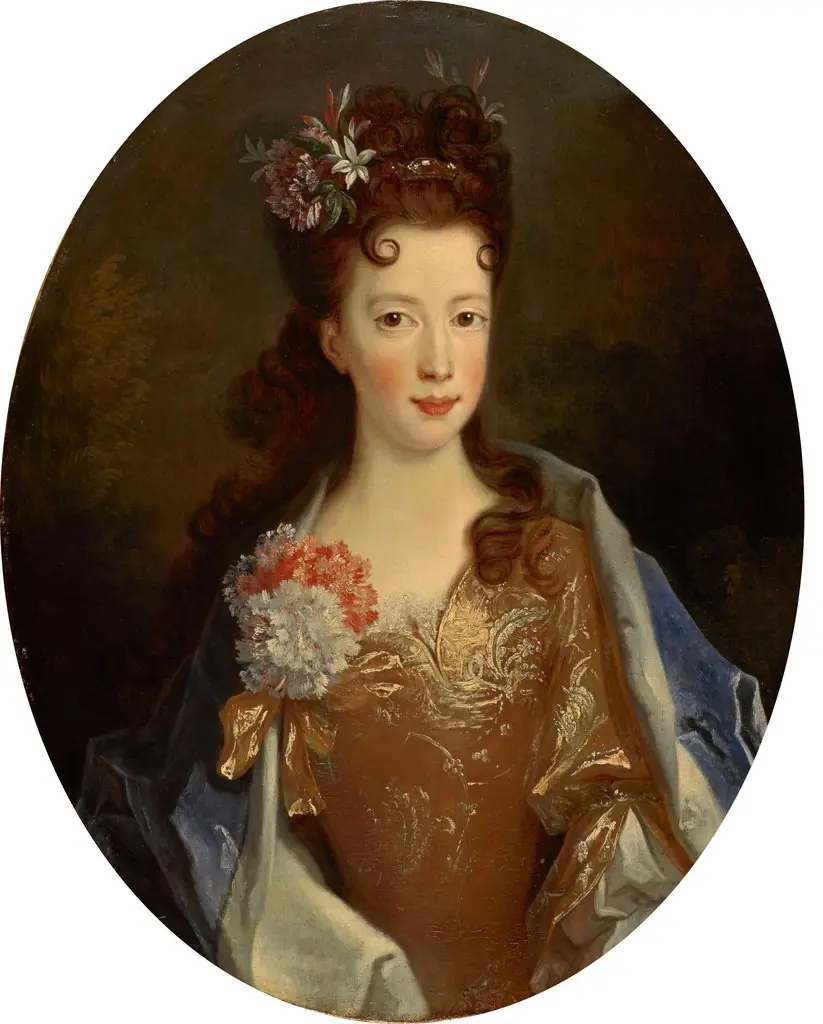 Princess Louisa Maria Teresa Stuart, 1692 - 1712. Daughter of James VII and II
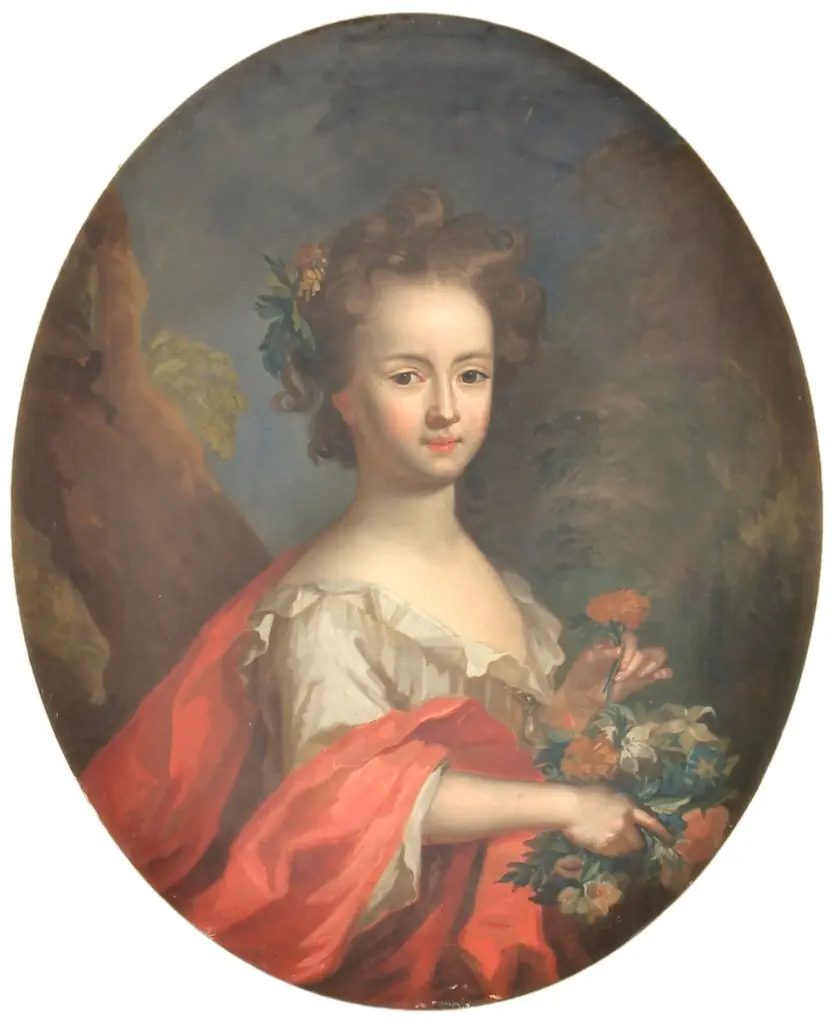 Et barn med blomster
 Portrait of Elżbieta Potocka née Wielopolska