Artwork
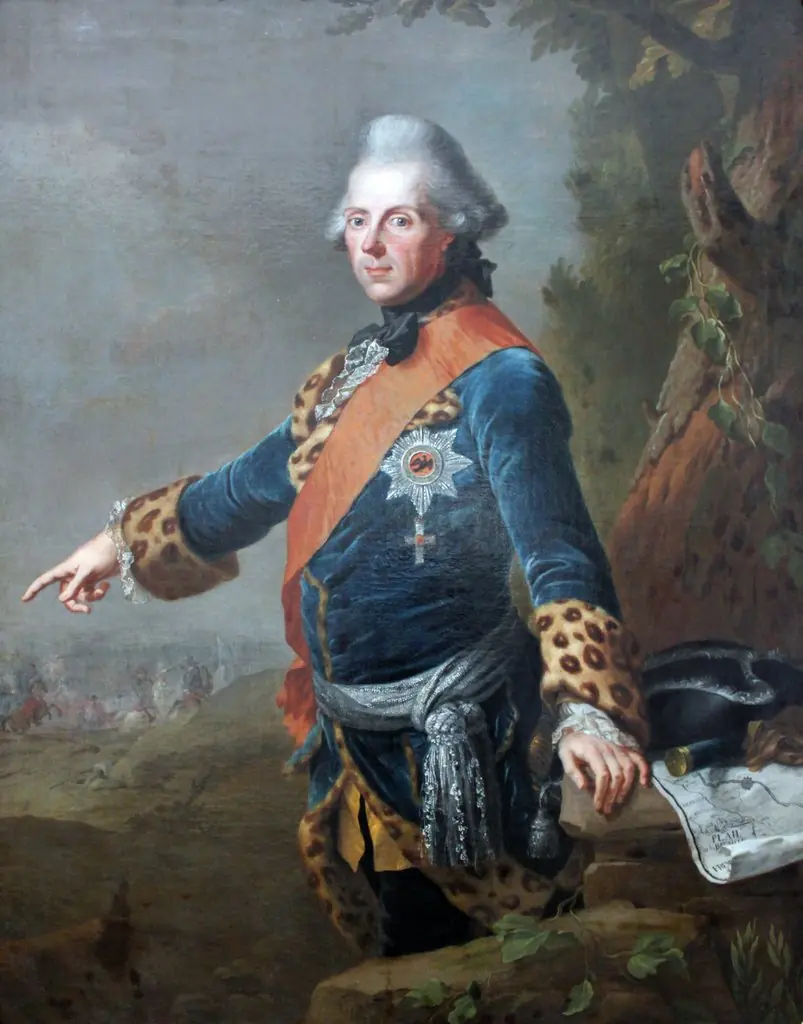
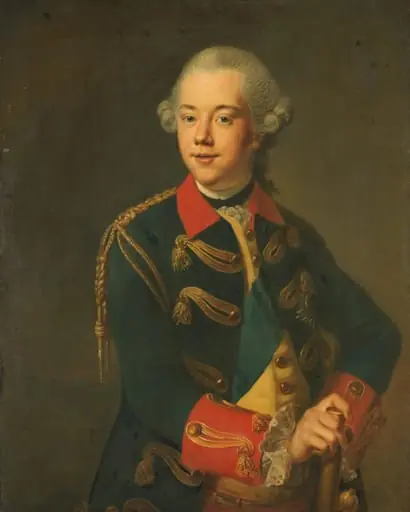
Portrait of Willem V (1748-1806), Prinz von Oranien-Nassau
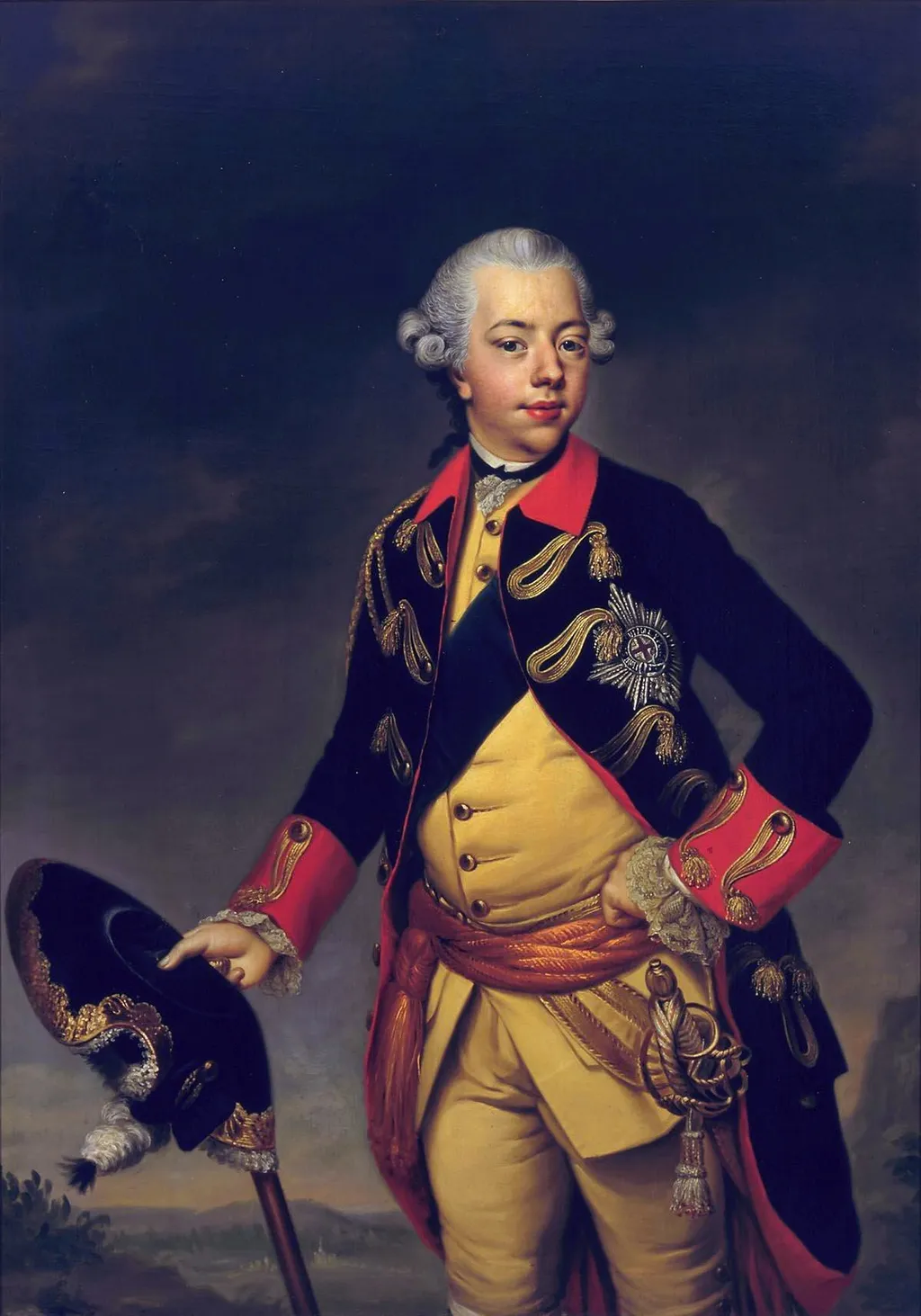
Portrait of Willem V (1748-1806), Prinz von Oranien-Nassau is an oil painting by the Rococo painting artist Johann Georg Ziesenis. It dates from 1768 and is held in the collection of the National Art Gallery of the Netherlands.
About this work
Subject & Meaning
His pose with hands akimbo conveys authority, while the inclusion of regalia such as the sword underscores his princely status and military role.
The painting portrays William V, Prince of Orange, depicted in formal 18th-century attire including a wig, hat, sword, and an assistive cane, standing against a rural landscape beneath an expansive sky. His pose with hands akimbo conveys authority, while the inclusion of regalia such as the sword underscores his princely status and military role. The work, created by Johann Georg Ziesenis in 1768, combines naturalistic detail with symbolic elements to emphasize both the subject's aristocratic identity and his position within Dutch political society.
Technique & Style
The work is an oil painting executed on canvas, measuring 141 cm in height by 101 cm in width. Johann Georg Ziesenis renders the portrait in a conventional yet refined portraiture style, emphasizing clear facial definition and precise rendering of attire and accessories such as the sitter's wig, hat, sword, and cane. The composition places the figure against a neutral background, allowing attention to fall on the subject's dignified posture and the subtle interplay of light across the fabric and skin tones.
These formal qualities align with mid‑18th‑century Dutch portrait conventions while retaining a sense of immediacy through careful handling of chiaroscuro.
History & Provenance
The work was created in 1768 as an oil on canvas portrait of Willem V, Prince of Orange, commissioned within the Dutch aristocratic circle. It entered the collection of the Mauritshuis in The Hague, where it remains on display as part of the museum’s permanent holdings. The painting measures 141 cm in height and 101 cm in width.
The portrait was executed by Johann Georg Ziesenis, a German-born artist who worked at the Dutch court and was known for rendering members of the House of Orange in formal attire. Its creation reflects the political and cultural ties between the Dutch Republic and the Nassau family in the late 18th century. The work was likely produced to commemorate Willem V’s position and status during his tenure as Stadtholder.
The painting is held by the Mauritshuis in The Hague as part of the National Art Gallery of the Netherlands. It is inventoried there as object GW-153.
It was shown in the exhibition “Willem V, Prins van Oranje” held at the Mauritshuis in 2019 (cat. no. 21).
Overview
Portrait of Willem V, Prinz von Oranien-Nassau is an oil painting by Johann Georg Ziesenis, executed in 1768. The work portrays William V, Prince of Orange, in a formal, ornate military attire, conveying his rank and status.
Context
The portrait reflects the late 18th-century European tradition of formal, symbolic royal portraiture, where attire and pose were crucial in conveying the subject's power and lineage.
Legacy
While not widely discussed in broad art historical narratives, the portrait remains a significant example of 18th-century Dutch royal portraiture, offering insights into the visual language of aristocratic representation during that era.
Own this work as a print
Artist & collection
Museum
National Art Gallery of the Netherlands
Continue through works from the same source collection.
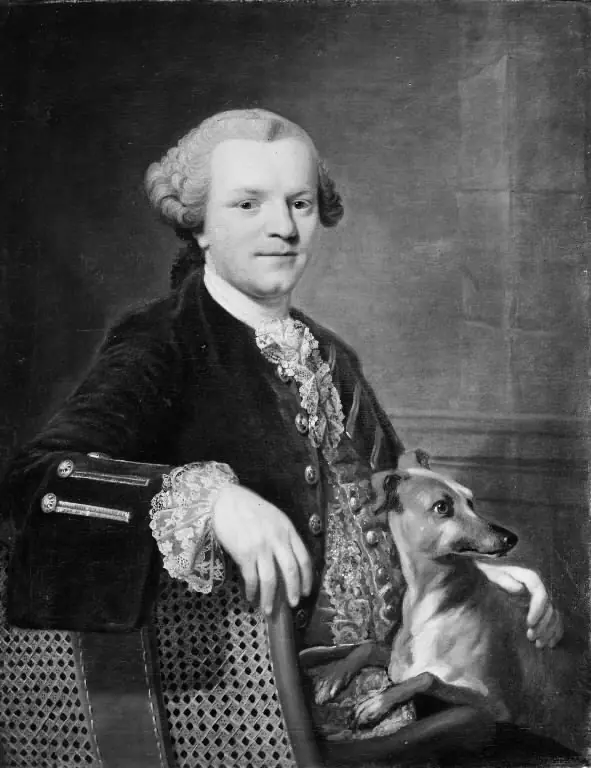 Portrait of Freiherr von Münchhausen
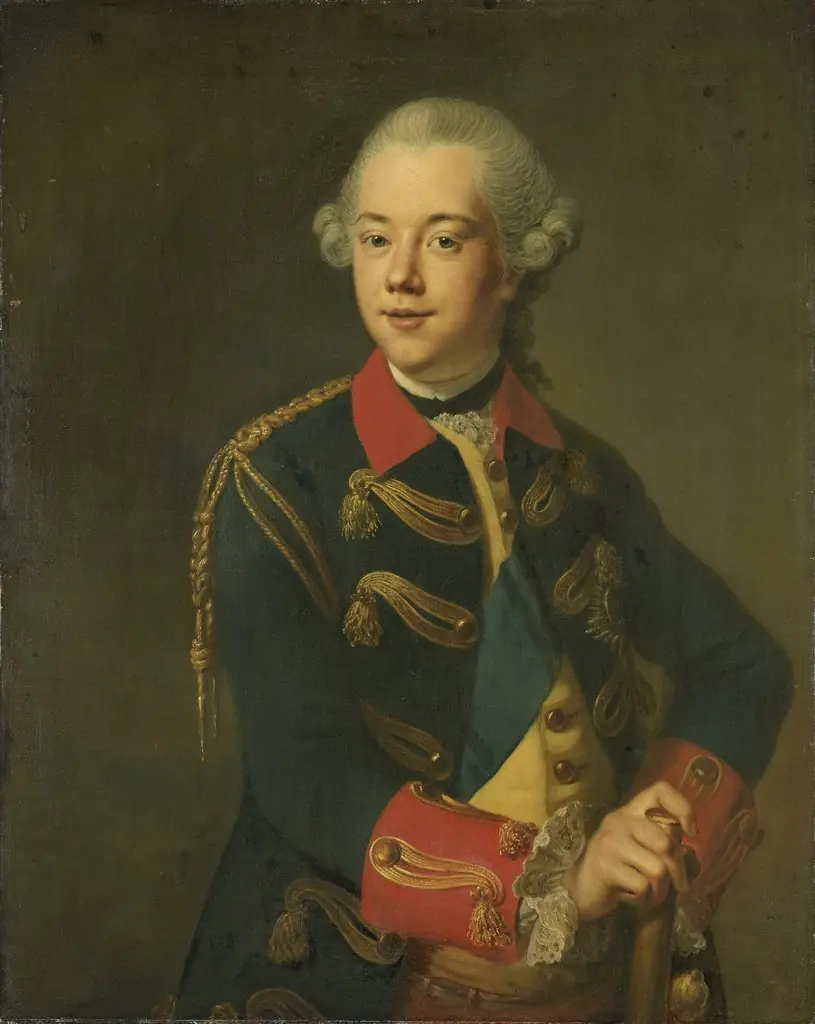 Portrait of William V, Prince of Orange-Nassau
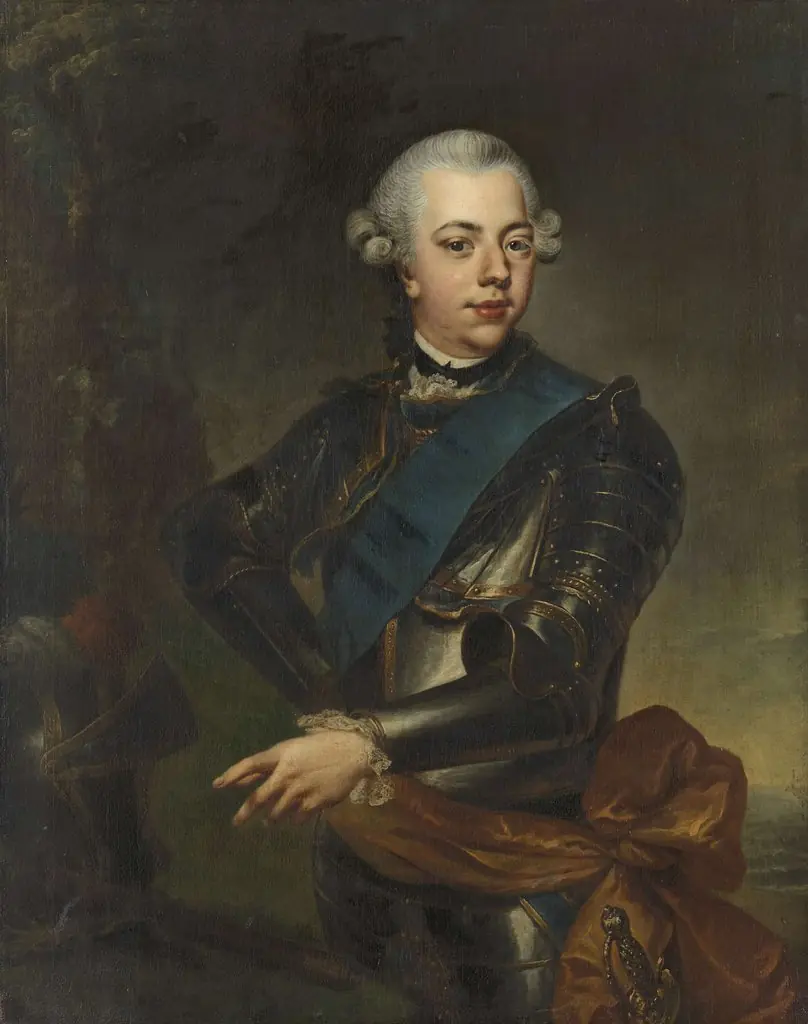 Willem V (1748-1806), prins van Oranje-Nassau
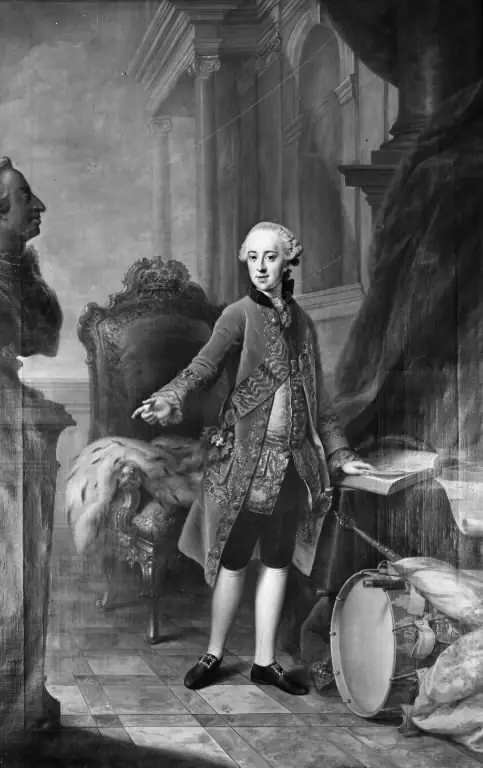 Portrait of Frederik, Heir Presumptive
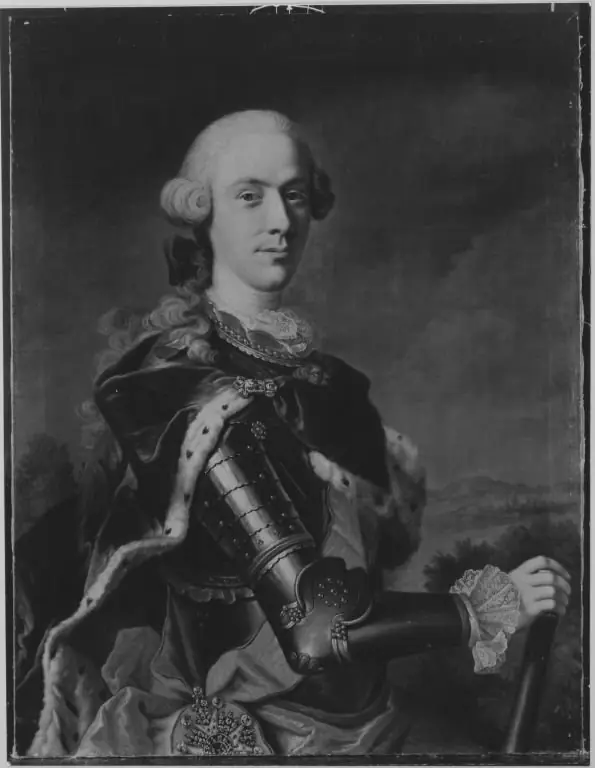 Bildnis von Christian IV., Herzog von Pfalz-Zweibrücken (1722-1775)
- Portrait of William V, Prince of Orange-Nassau
 Portrait of Freifrau von Münchhausen
 Portrait of the Artist's Daughter Elisabeth, Married Lampe