Artwork
Count Platon Zubov
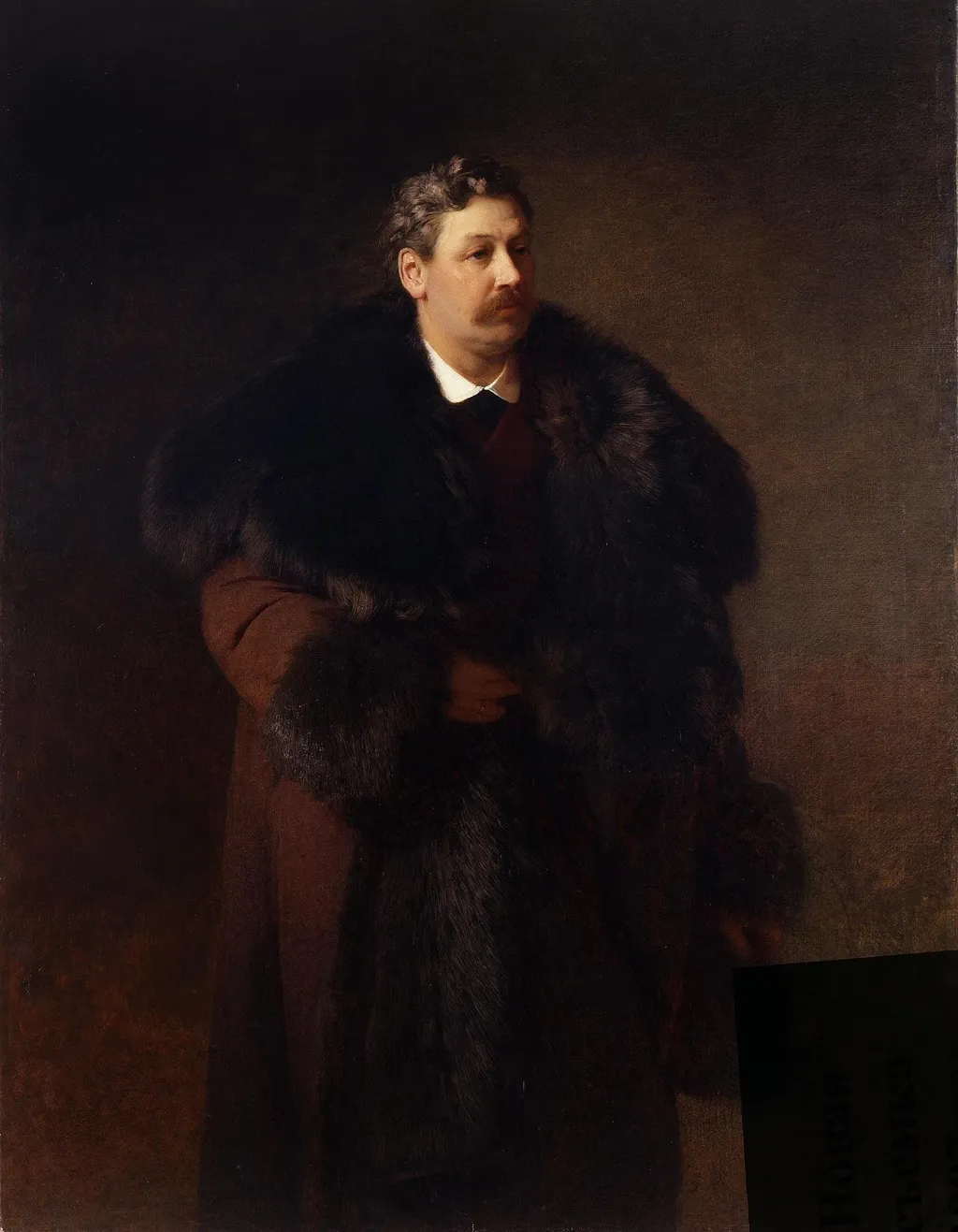
Count Platon Zubov is an oil painting by the Realist artist Johann Köler. It dates from 1873 and is held in the collection of the Hermitage Museum.
About this work
Overview
Count Platon Zubov is an oil on canvas portrait painted by Johann Köler in 1873 during the artist's time in Russia.
Count Platon Zubov is an oil on canvas portrait painted by Johann Köler in 1873 during the artist's time in Russia. Measuring 160.5 by 124.5 centimeters, the full-length painting depicts a standing male figure dressed in a dark fur coat and is cataloged under Hermitage Museum work ID 168628, where it remains today. The artwork serves as a significant example of nineteenth-century Russian portraiture, bridging the transition from Romanticism to Academicism while documenting the elite Zubov family lineage.
Subject & Meaning
The painting depicts Count Platon Aleksandrovich Zubov (1835-1890), a Russian philanthropist, landowner, and privy councilor descended from the prominent Zubov and Suvorov families. He served as a trustee of the House of the Poor under the Imperial Philanthropic Society and the Ivanovo Girls' School, donating substantial funds to educational and charitable causes. The portrait conveys his aristocratic status and societal role through his dignified attire and composed posture. It is important to distinguish this sitter from his infamous historical namesake, Prince Platon Alexandrovich Zubov (1767-1822), who was the final favorite of Catherine the Great and the most powerful man in the Russian Empire during her final years.
Technique & Style
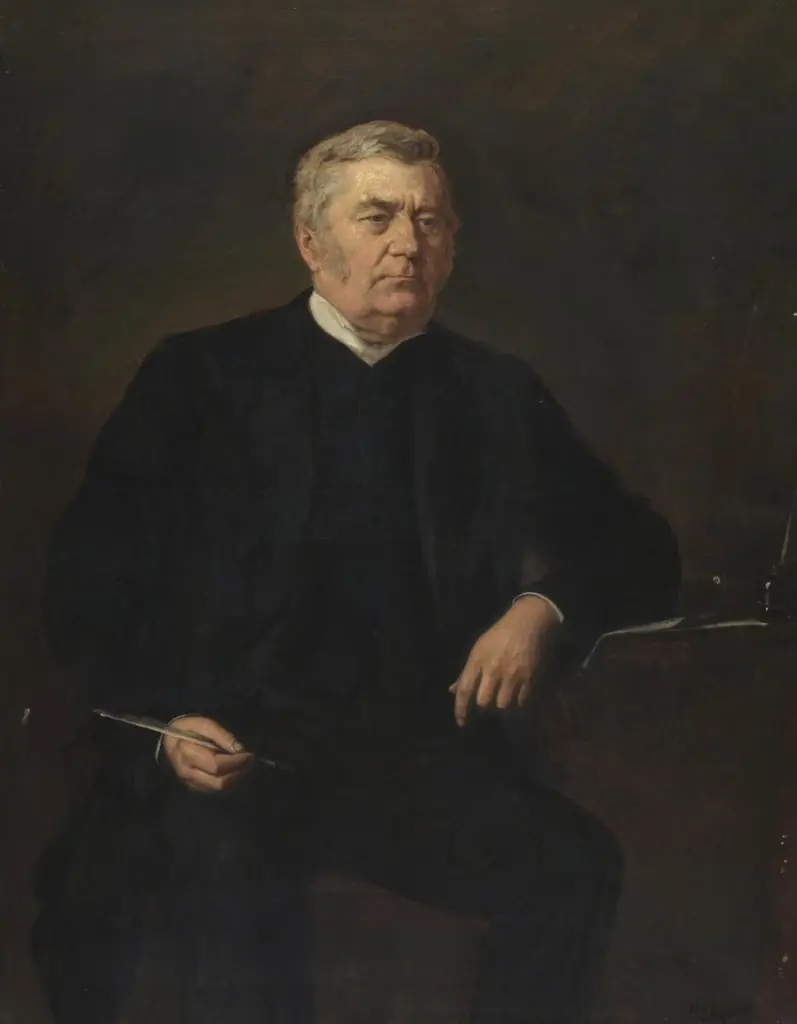
Köler executed the portrait using oil paint on canvas, employing a dark, muted palette dominated by deep browns, blacks, and earth tones. The composition positions the figure slightly off-center against a muted brown background. The sitter wears an ample dark fur coat worn open over a dark red garment, with a white collar providing a sharp tonal contrast. Light falls from the upper left, illuminating the left side of the face, the fur texture, and the subject's hand, which is tucked into the front of the coat, while the right side recedes into shadow. The brushwork is smooth and blended in the face and background, contrasting with more textured strokes defining the fur. A dark rectangular shape, possibly a table or pedestal edge, occupies the lower right corner.
History & Provenance
Created in Russia in 1873, the painting entered the collection of the State Hermitage Museum in Saint Petersburg, where it is currently held. The museum assigns it the accession number 168628. While the specific commission details and early ownership chain remain undocumented in available records, the work's presence in the Hermitage collection indicates its preservation within a major state institution. The museum also holds a separate, distinct miniature portrait of Count P. A. Zubov executed in watercolor and gouache, measuring 8 by 6.3 centimeters, which was formerly in the collection of Faberge.
Context
Johann Köler worked during a pivotal era in Russian art, and his oeuvre helps illustrate the development of national identity and the stylistic transition from Romanticism to Academicism. His portraiture utilized symbolism and formal conventions to convey cultural narratives and the social standing of his sitters. By the 1870s, Köler was an established figure painting the Russian elite, and this portrait of a prominent philanthropist and landowner aligns with his broader practice of documenting the imperial aristocracy. The work stands as a record of the Zubov family's continued prominence in Russian society a century after their initial rise to power.
Own this work as a print
Artist & collection
Artist
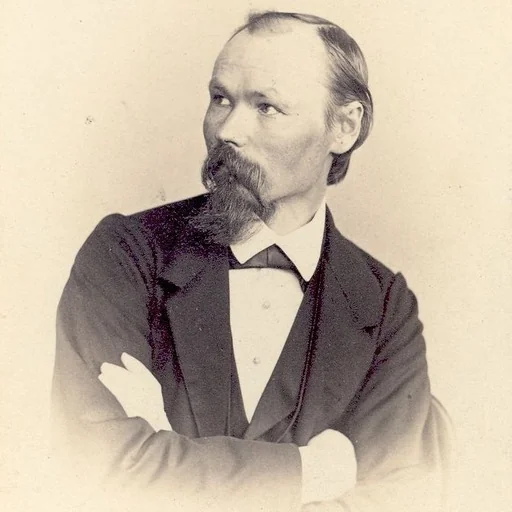
Johann Köler (8 March 1826 – 22 April 1899) was a leader of the Estonian national awakening and a painter.

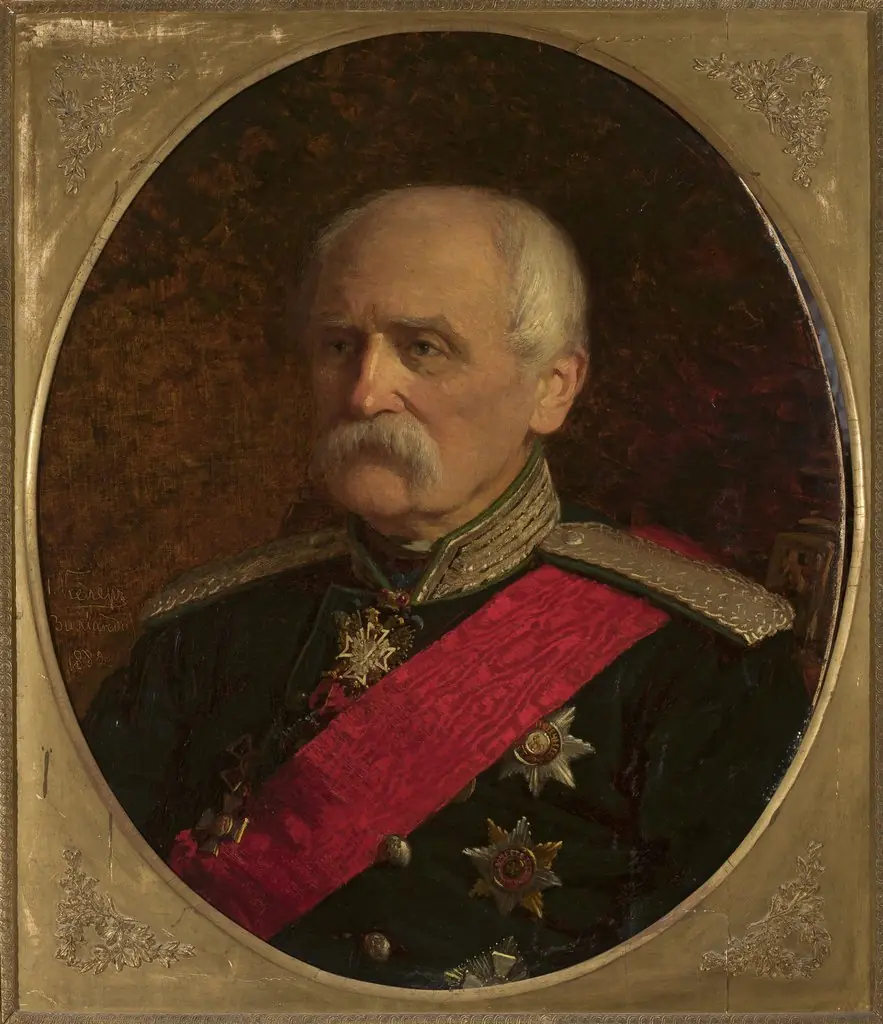
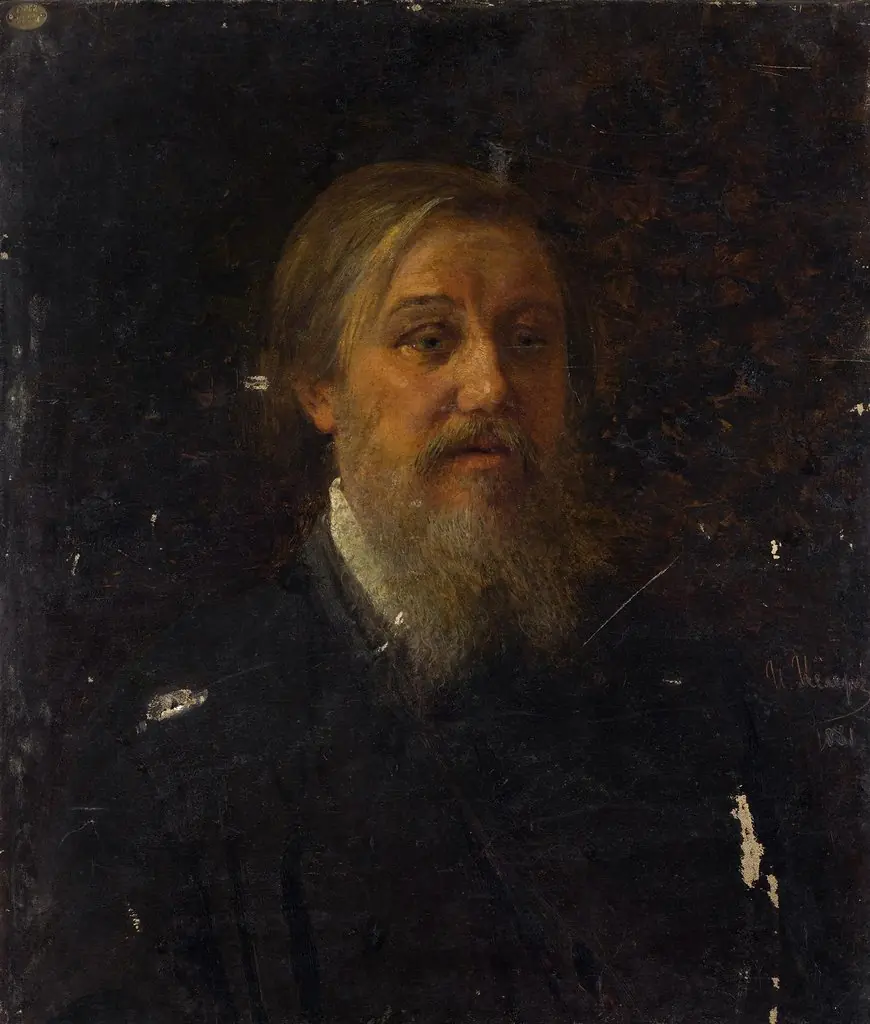
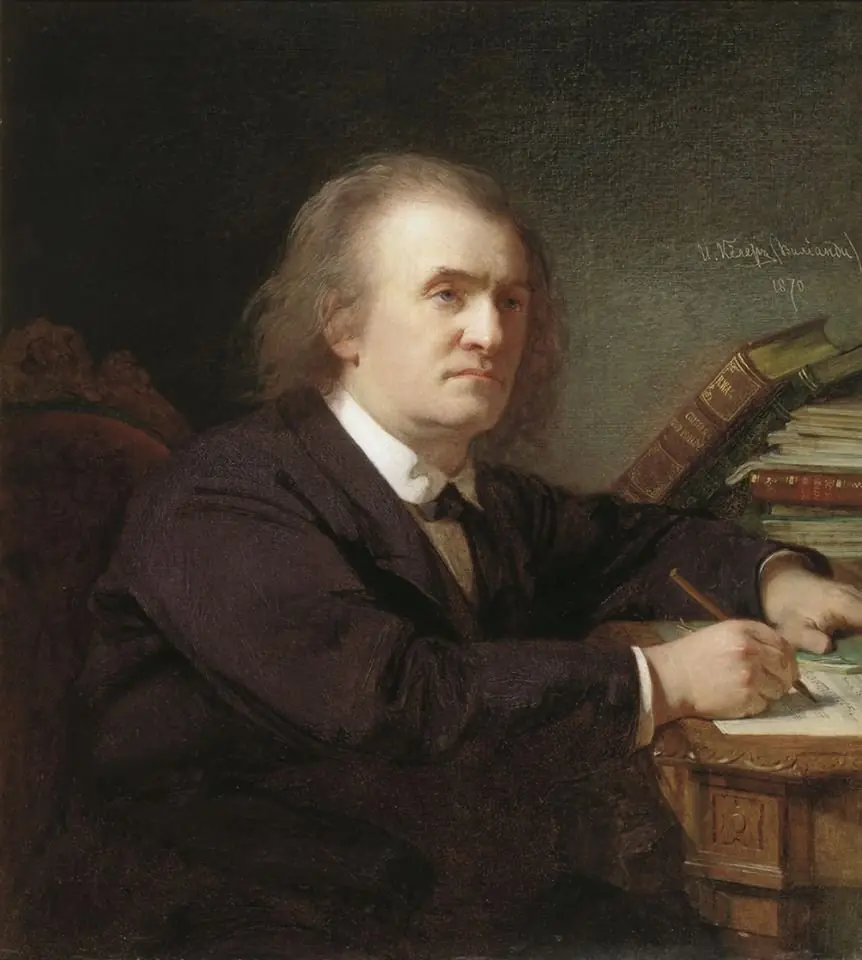
- Portrait of the Minister of Justice Count Viktor Panin
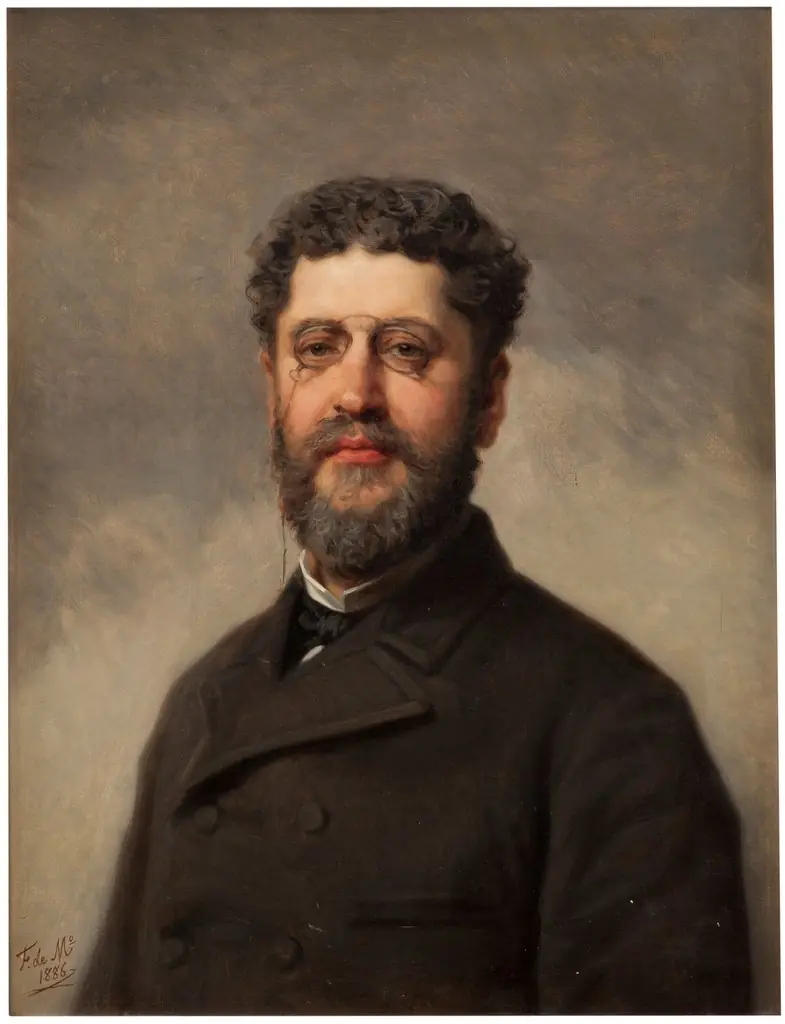 José Tomás Salvany
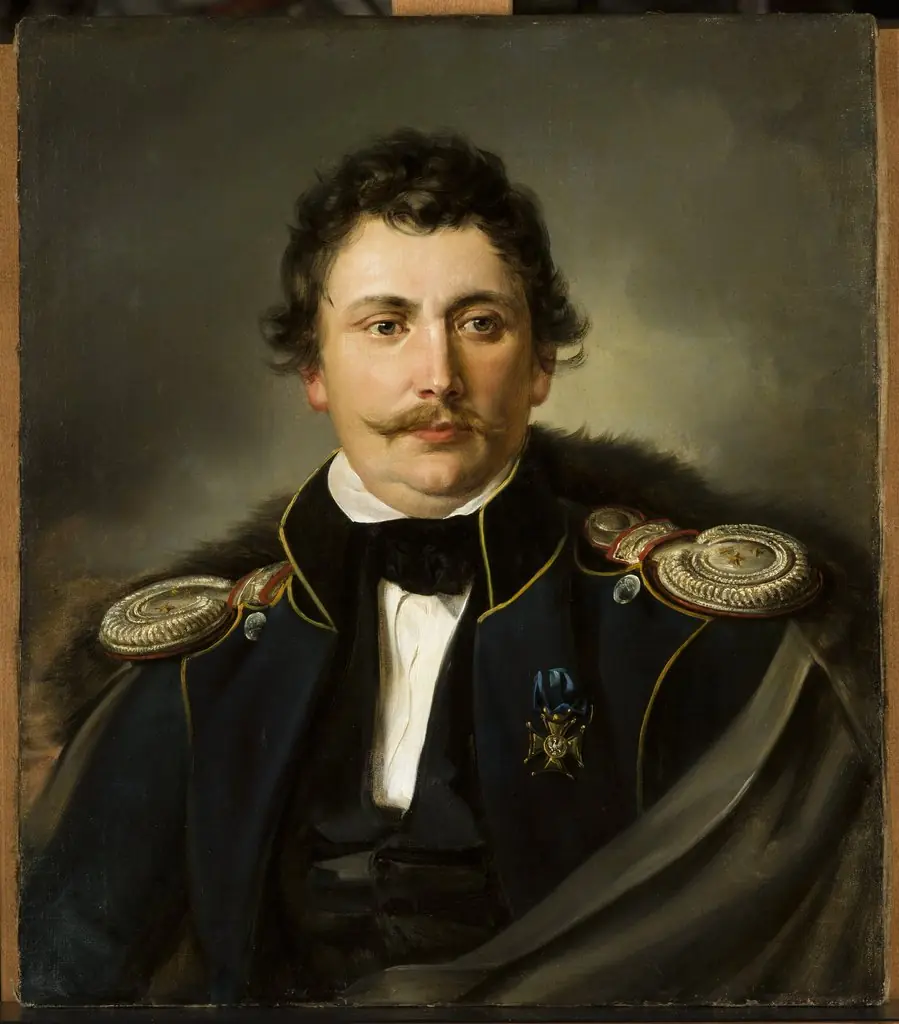 Portrait of Józef Patelski
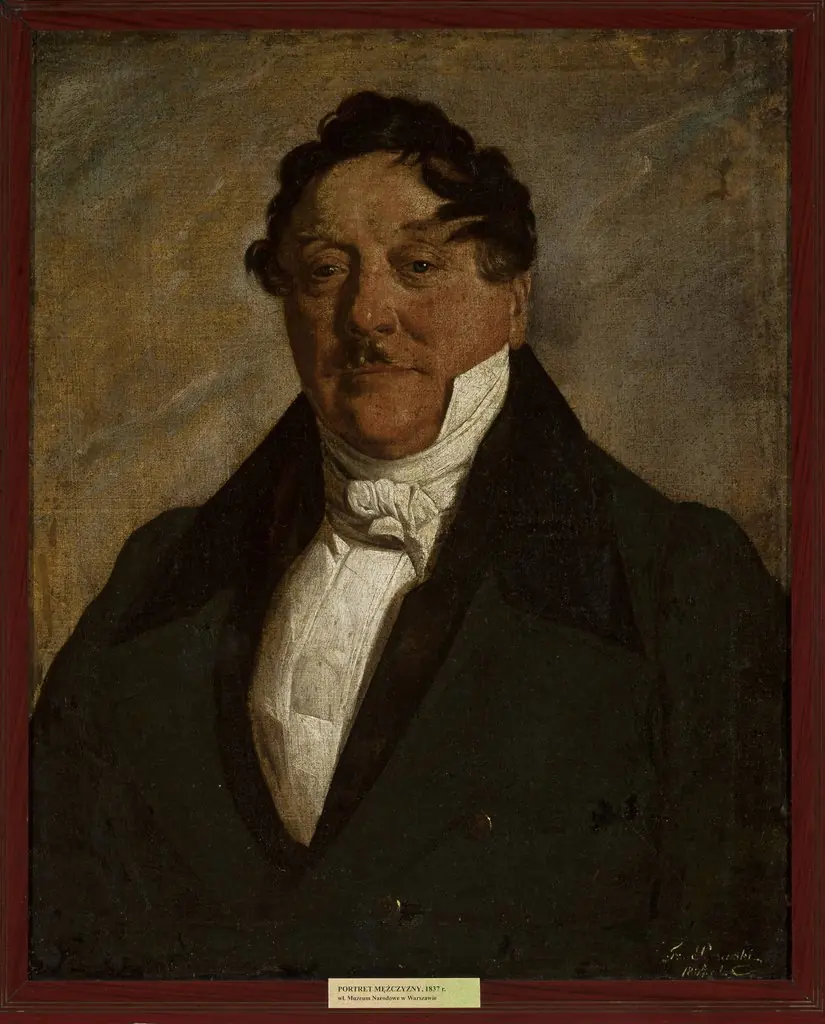 Portrait of a man in a white jabot
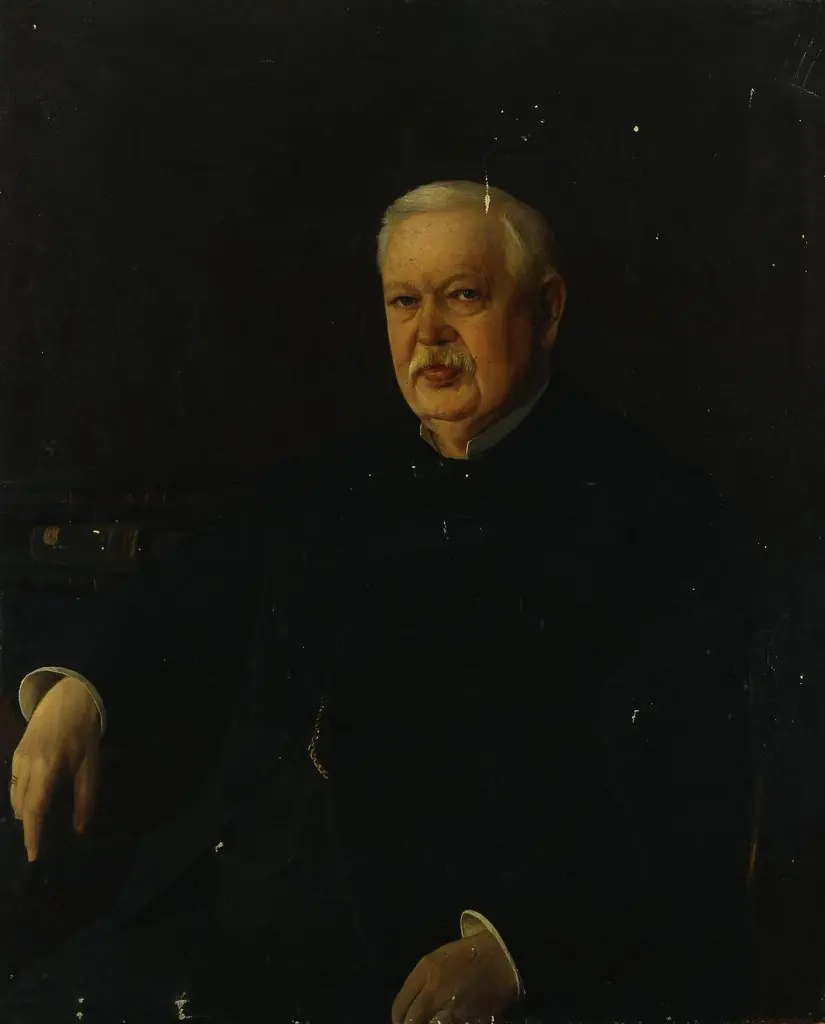 Portrait of Nikolai Koksharov
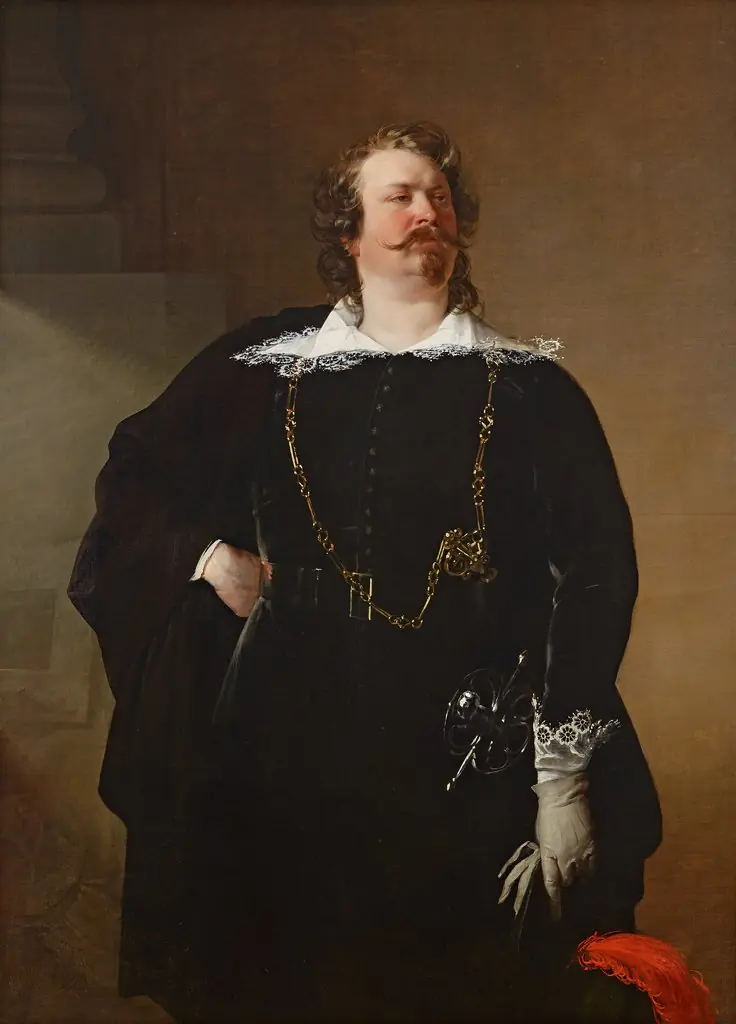 Flamand Mayor (Baron Pfuel?)
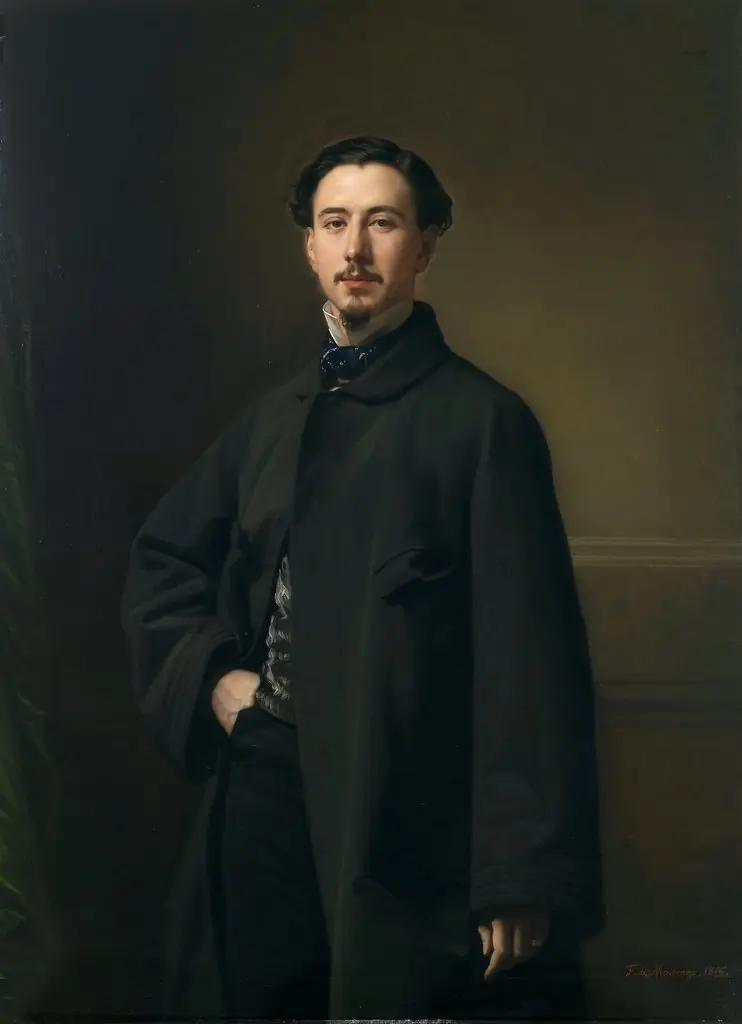 Jaime Girona y Agrafel
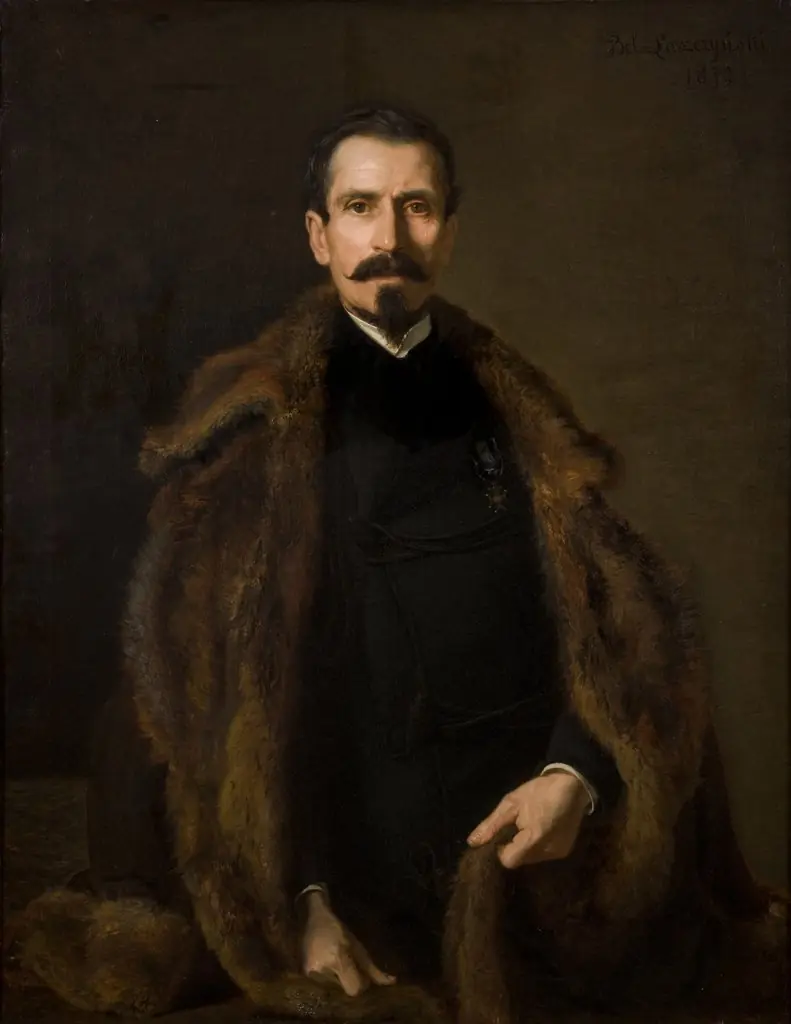 Portrait of Julian Konstanty Ordon
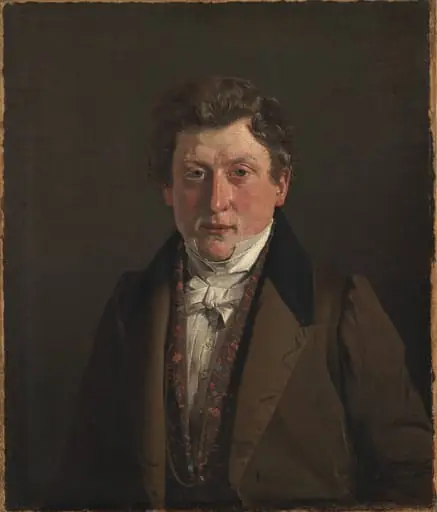 Portrait of the Artist´s Cousin and Brother-in-Law, the Grocer Christian Petersen
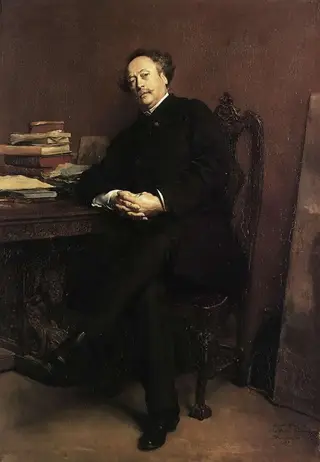 Alexandre Dumas son
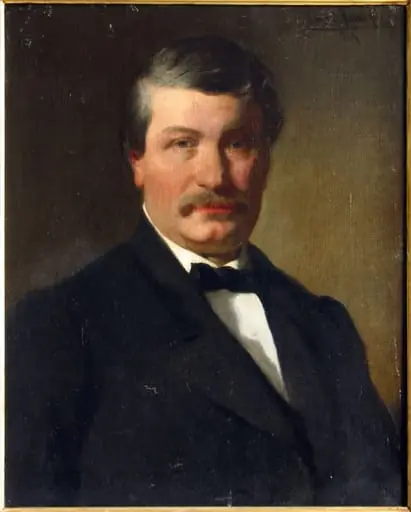 Comitele Konrad Schmidt
 Rev. Edward Matthews