Artwork
Die Heilige Familie
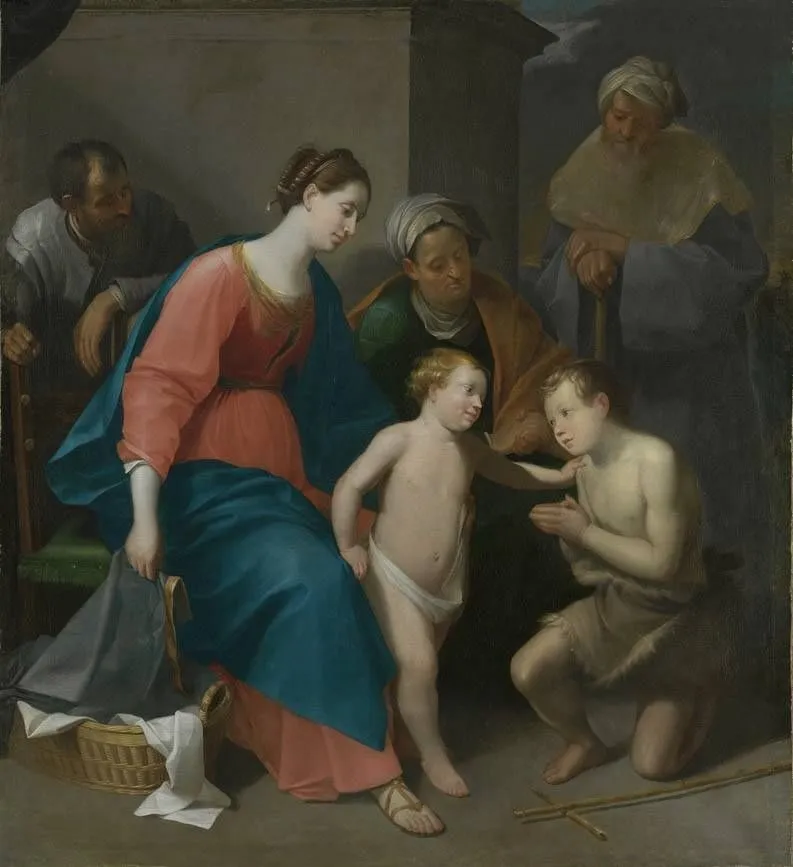
Die Heilige Familie is an unspecified painting by the Early Baroque Italian artist Johann Ulrich Loth. It dates from 1635 and is held in the collection of the Bavarian State Painting Collections.
About this work
Subject & Meaning
The work's iconography underscores themes of protection, nurture, and the divine within the human sphere, typical of Baroque religious art in southern Germany.
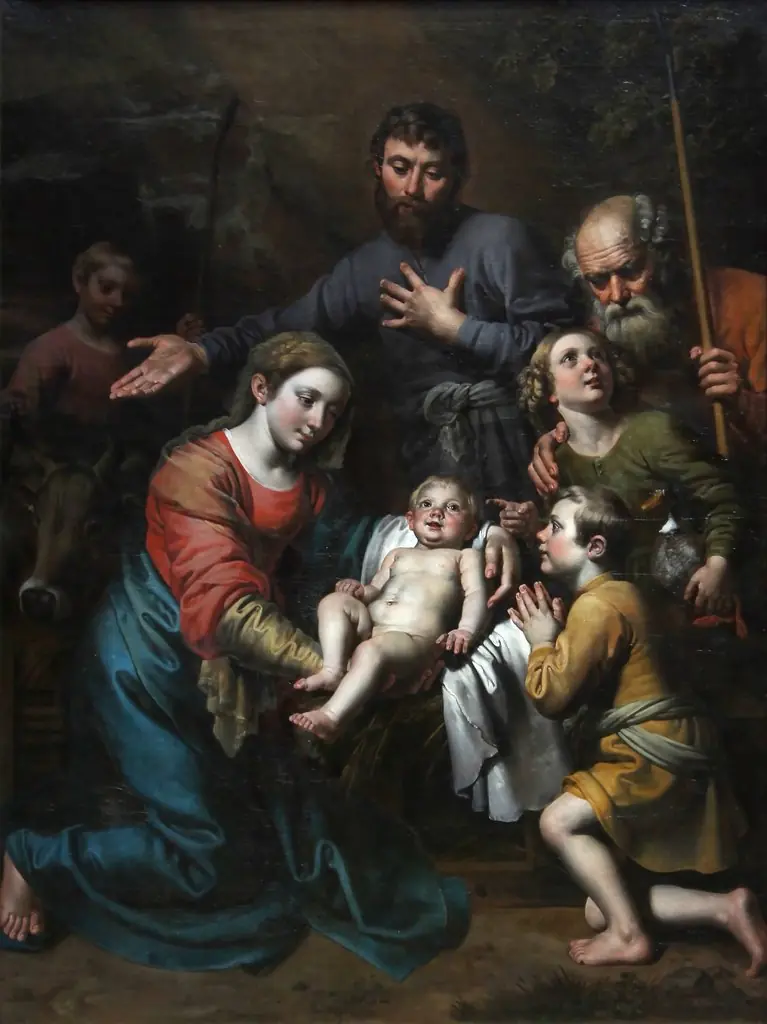
The painting depicts the Holy Family, Mary, the Christ Child, and Joseph, arranged in an interior setting that emphasizes piety and domestic devotion. Mary is shown holding the Christ Child, who is the focal point of the composition, while Joseph appears in the background, often holding a staff or tools, underscoring his role as the family's guardian. The scene reflects Counter-Reformation ideals of familial sanctity and the sacredness of everyday life, aligning with the religious genre's emphasis on veneration of holy figures.
The work's iconography underscores themes of protection, nurture, and the divine within the human sphere, typical of Baroque religious art in southern Germany.
History & Provenance
Die Heilige Familie was created by Johann Ulrich Loth in 1635. The painting, a religious work depicting the Holy Family, is held in the Bavarian State Painting Collections and is housed at the Alte Pinakothek. The sources do not provide further details regarding the original commission, prior ownership, or the chain of custody prior to its acquisition by the Bavarian State Painting Collections.
Overview
Johann Ulrich Loth’s 1635 work titled Die Heilige Familie presents a domestic tableau of the Holy Family. Executed in oil on canvas, the composition is part of the collection of Munich’s Alte Pinakothek, where it is displayed among other Baroque religious pieces.
Technique & Style
Loth employs a restrained chiaroscuro, allowing soft light to illuminate the faces and drapery while deeper shadows model the forms. The palette of muted earth tones punctuated by the vivid blues and reds of Mary’s garments creates a calm, intimate atmosphere typical of early‑Baroque religious painting.
Context
Loth, a German painter active in the Southern Netherlands, often blended Flemish realism with Italianate lighting effects. Die Heilige Familie reflects contemporary devotional trends that favored approachable, humanized depictions of biblical figures, aligning with Counter‑Reformation aims to make sacred narratives relatable.
Artist & collection

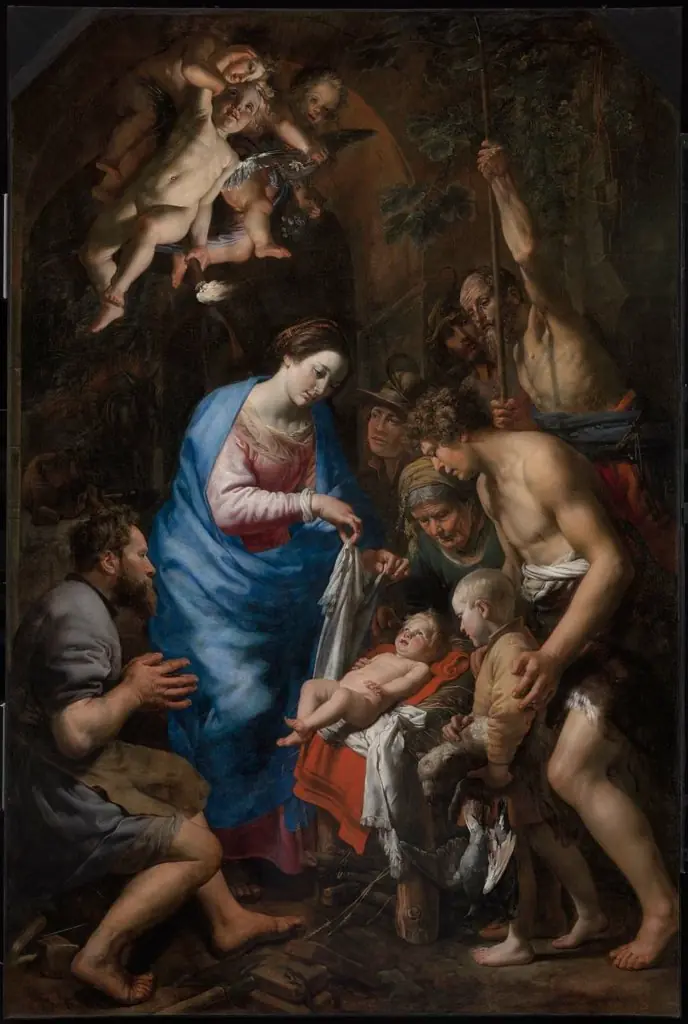
- The Adoration of the Shepherds
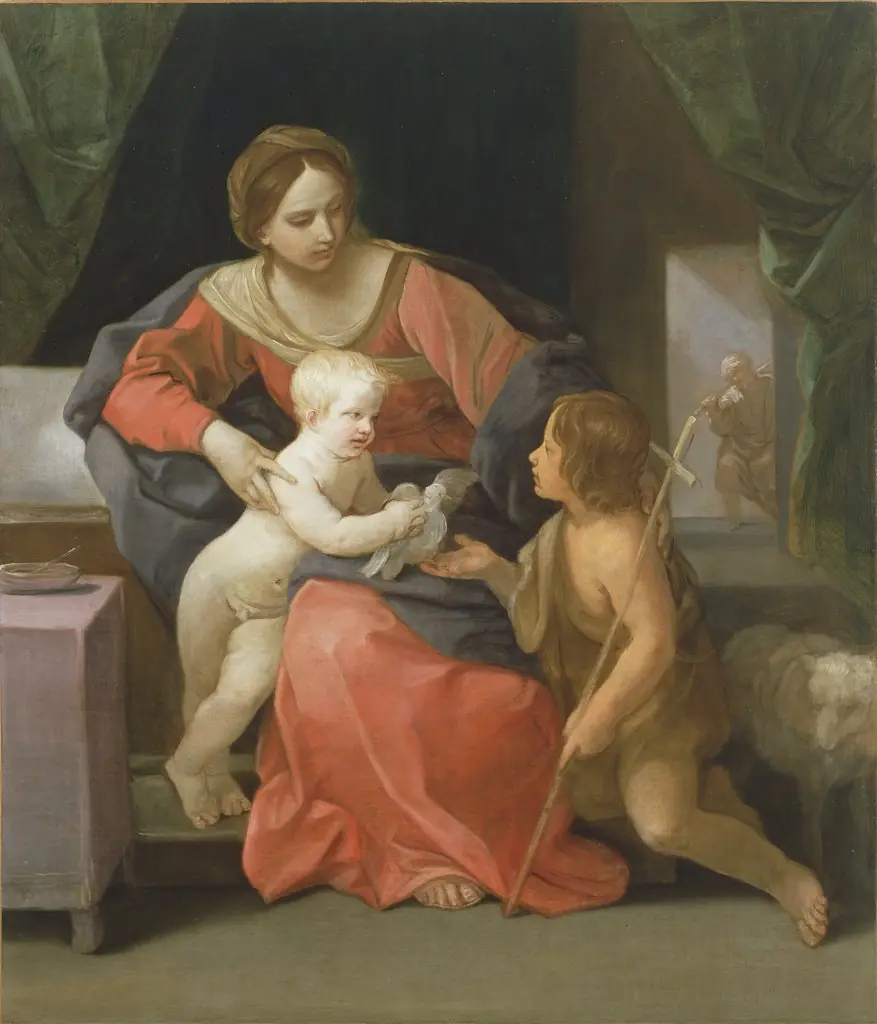 Virgin and Child with Saint John the Baptist
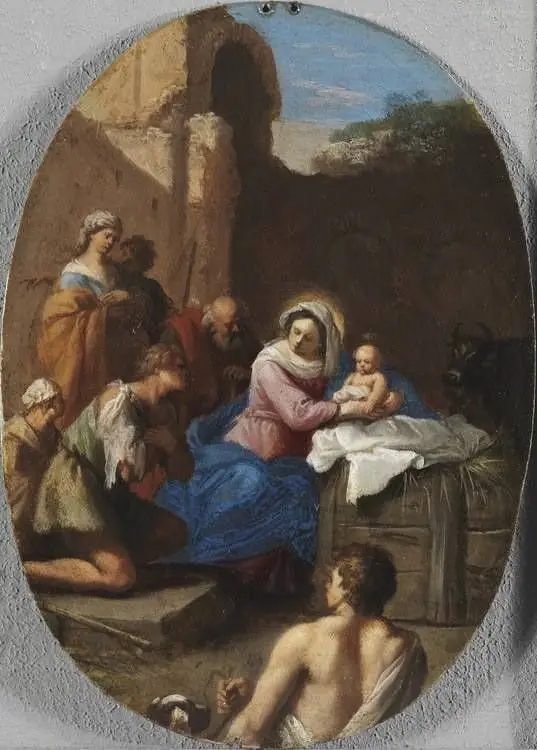 Anbetung der Hirten (zugeschrieben)
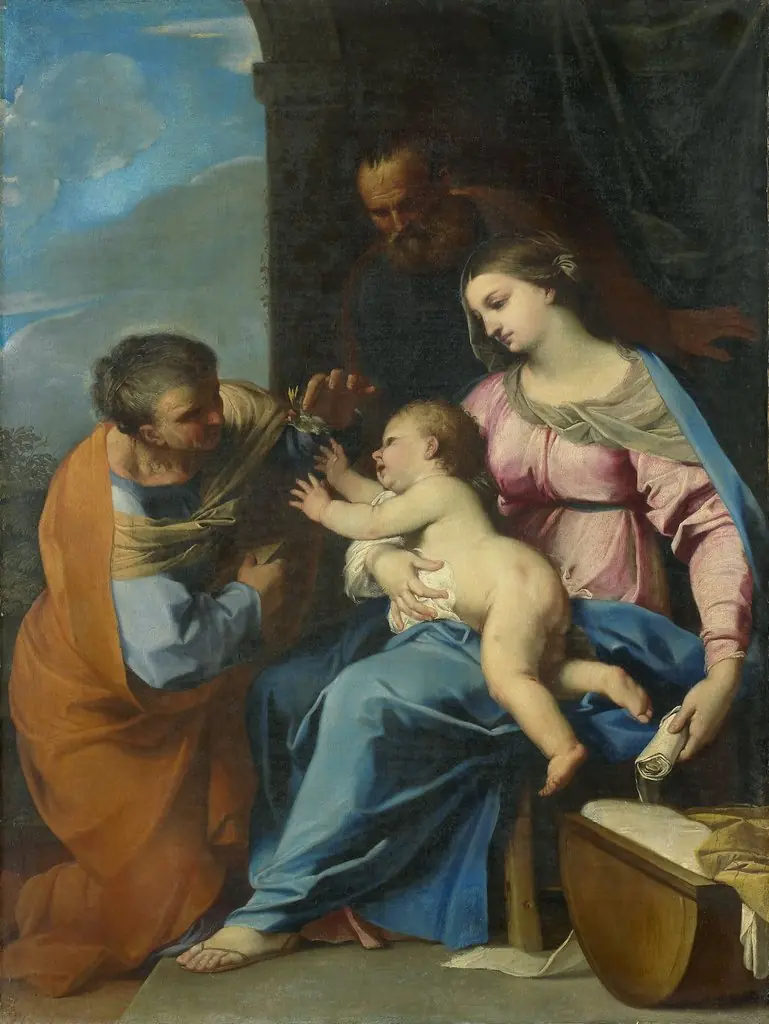 Holy Family
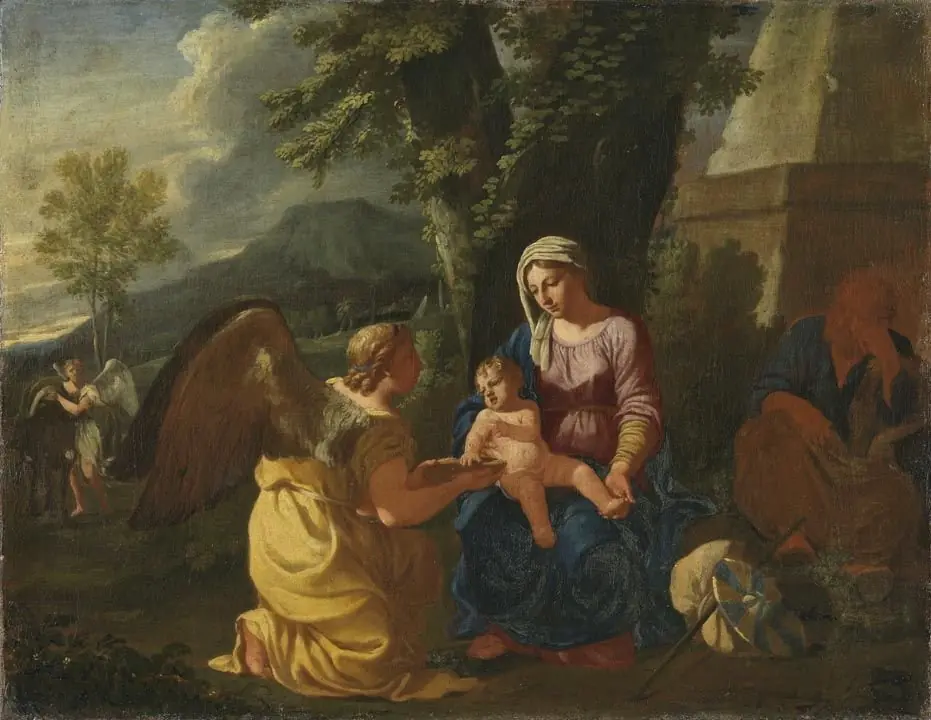 The Flight into Egypt
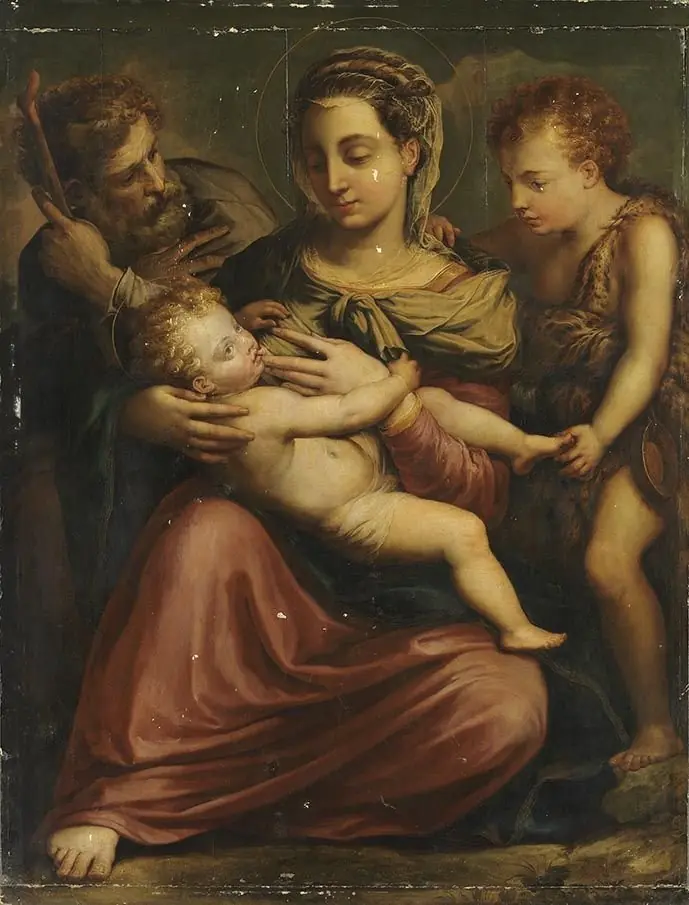 Holy Family with John the Baptist as child
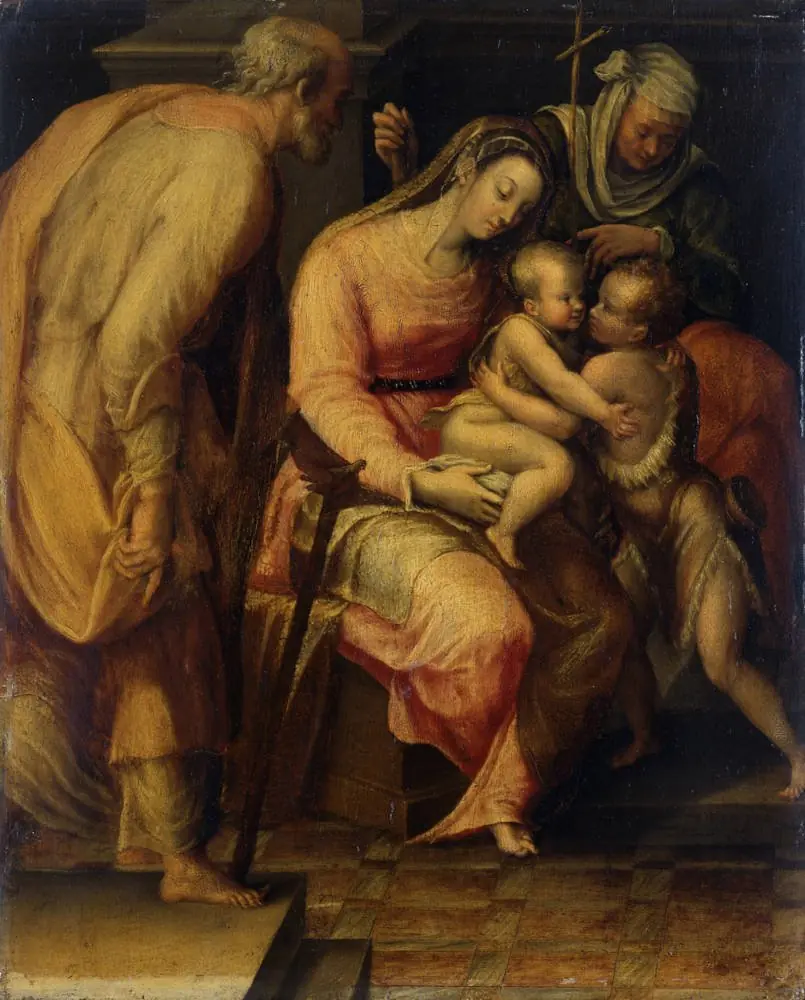 The Holy Family
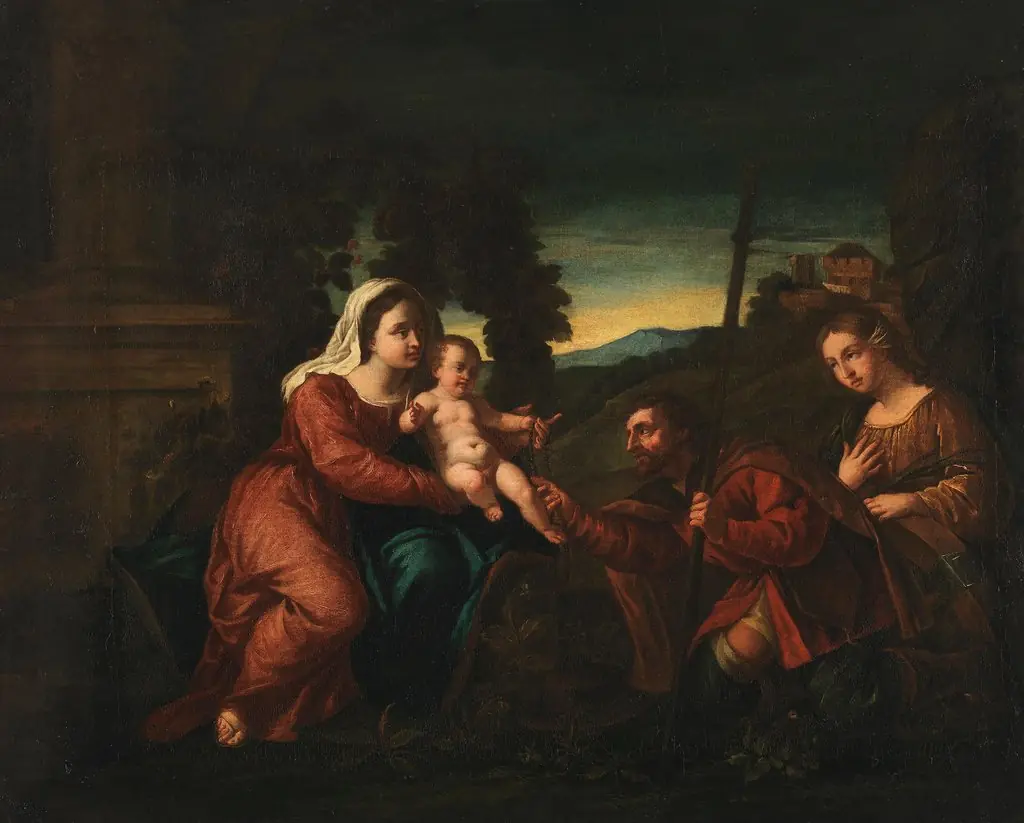 Madonna and Child with Saints Roche and Mary Magdalene
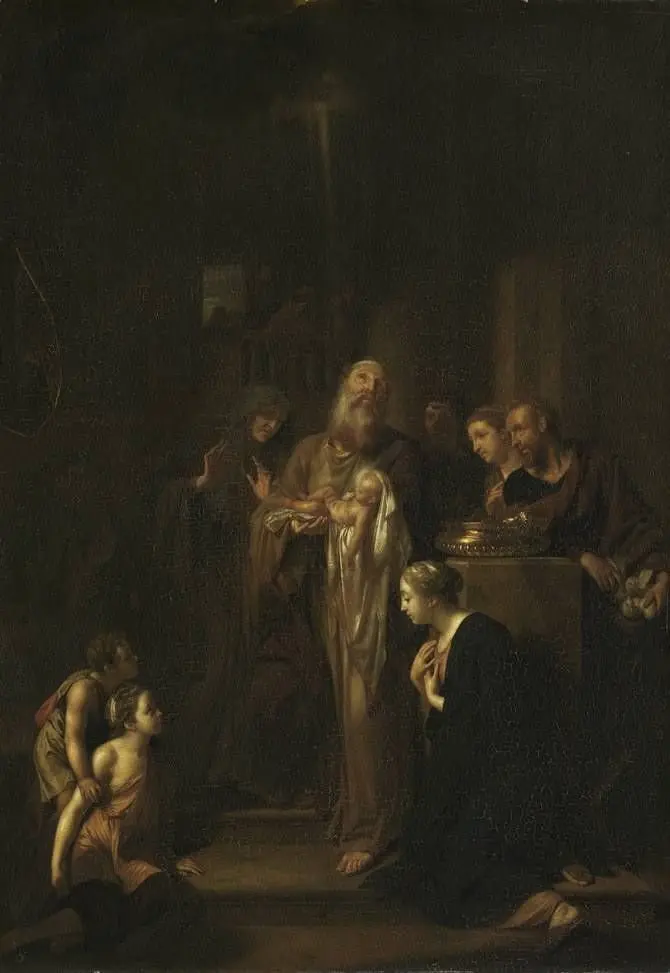 The Presentation in the Tempel
 Adoration of the Shepherds
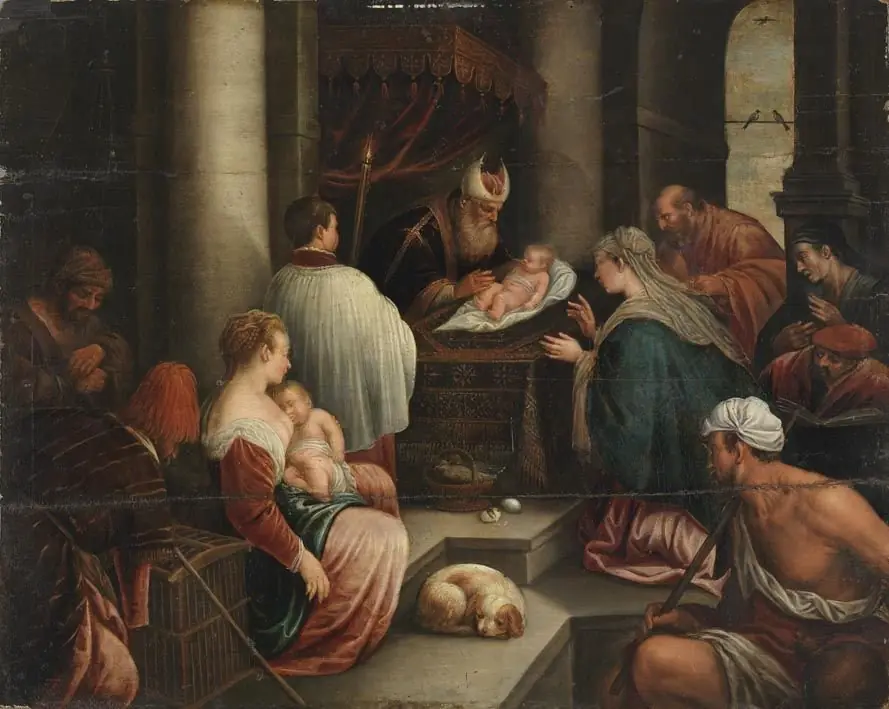 The presentation of Christ in the temple
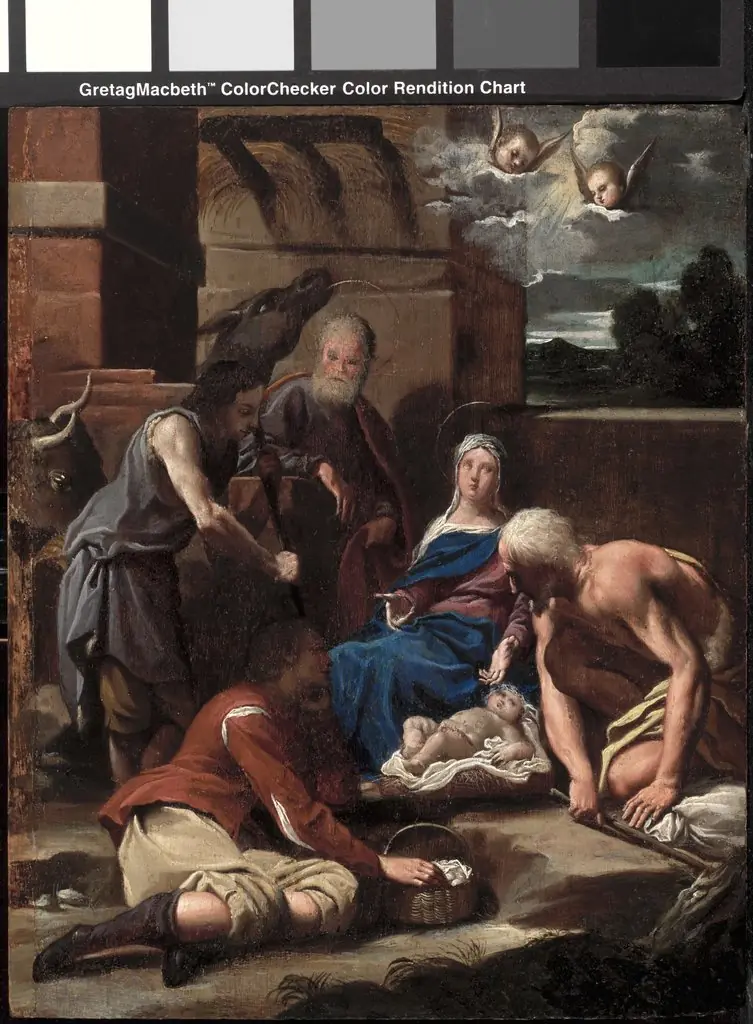 Adoration of the Shepherds