Artwork
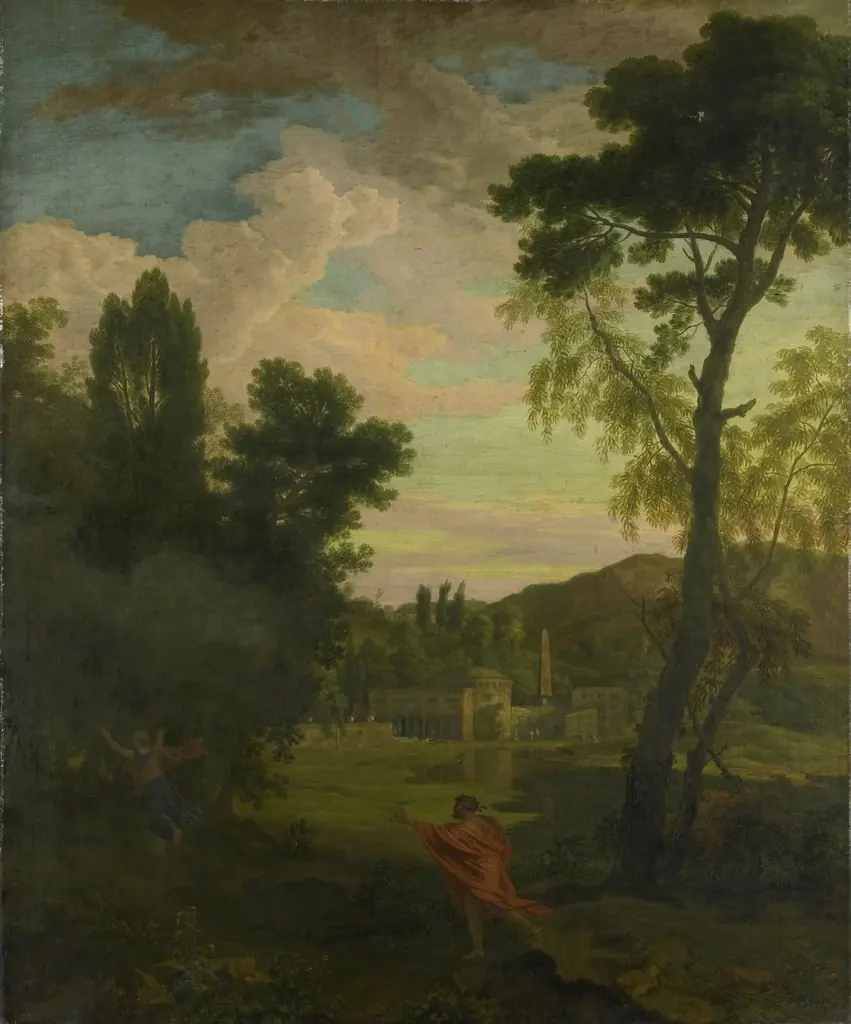
Arcadian landscape with Salmacis and Hermaphroditus
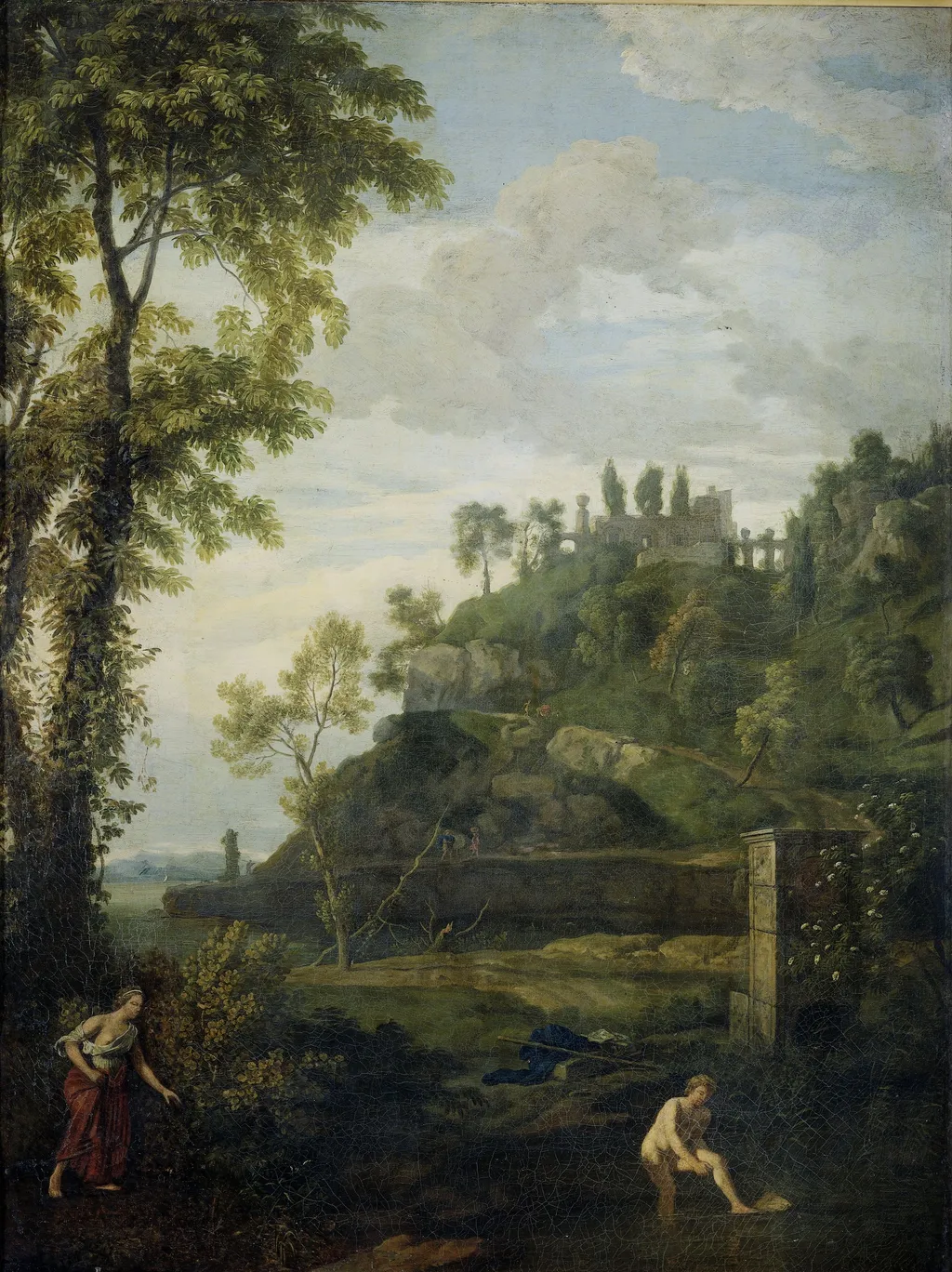
Arcadian landscape with Salmacis and Hermaphroditus is an oil painting by the Rococo painting artist Johannes Glauber. It dates from 1703 and is held in the collection of the Rijksmuseum.
About this work
Subject & Meaning
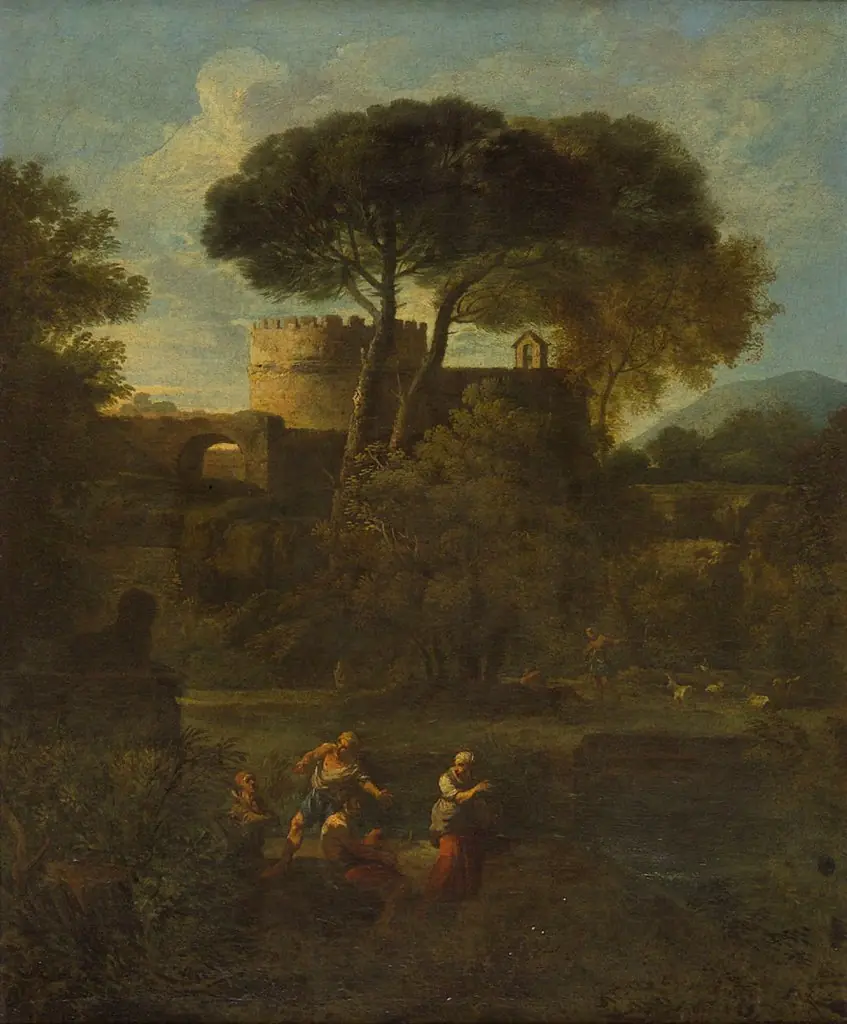
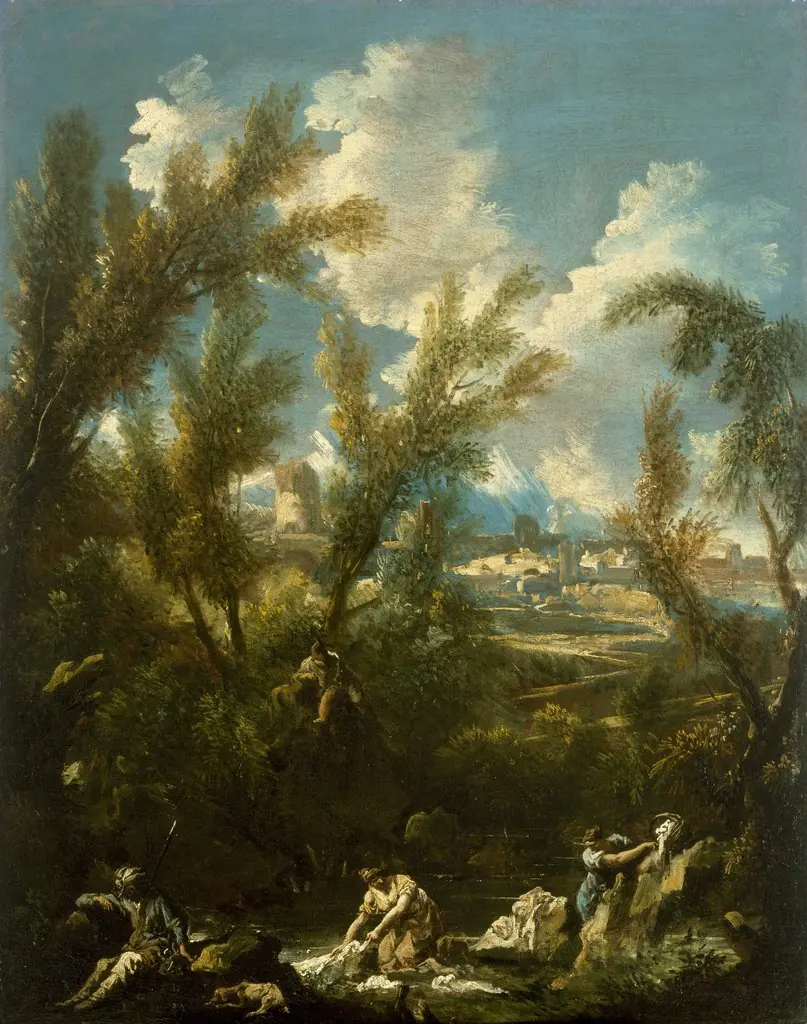
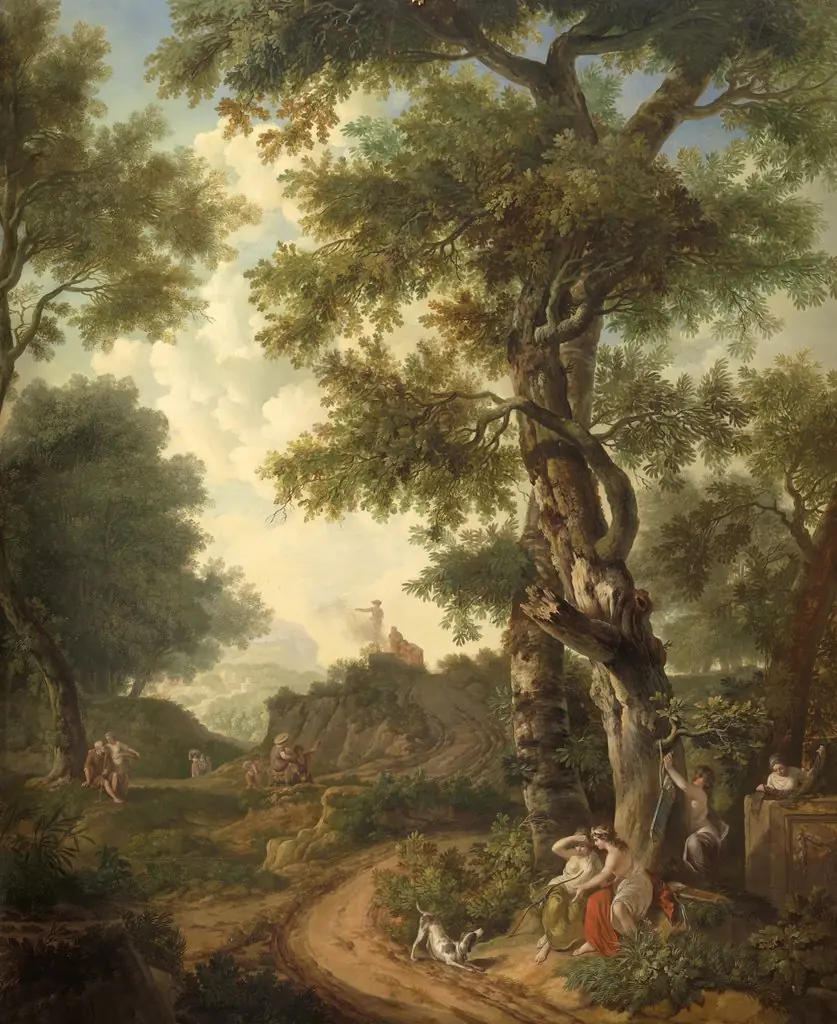
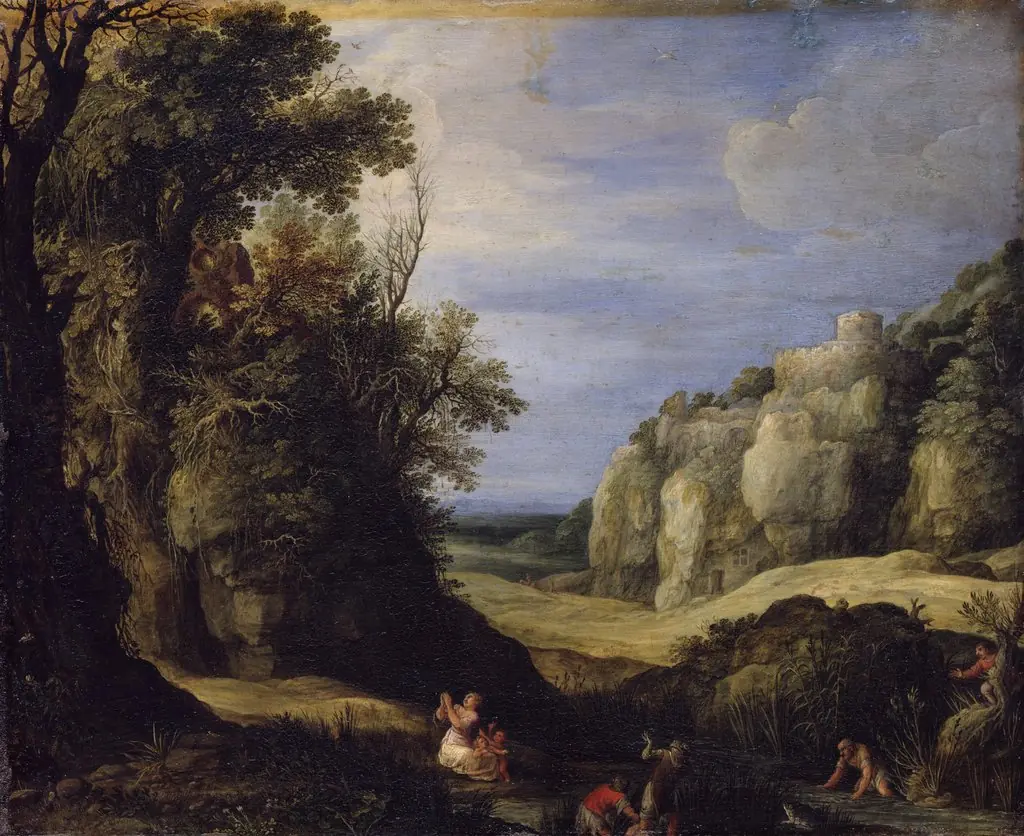
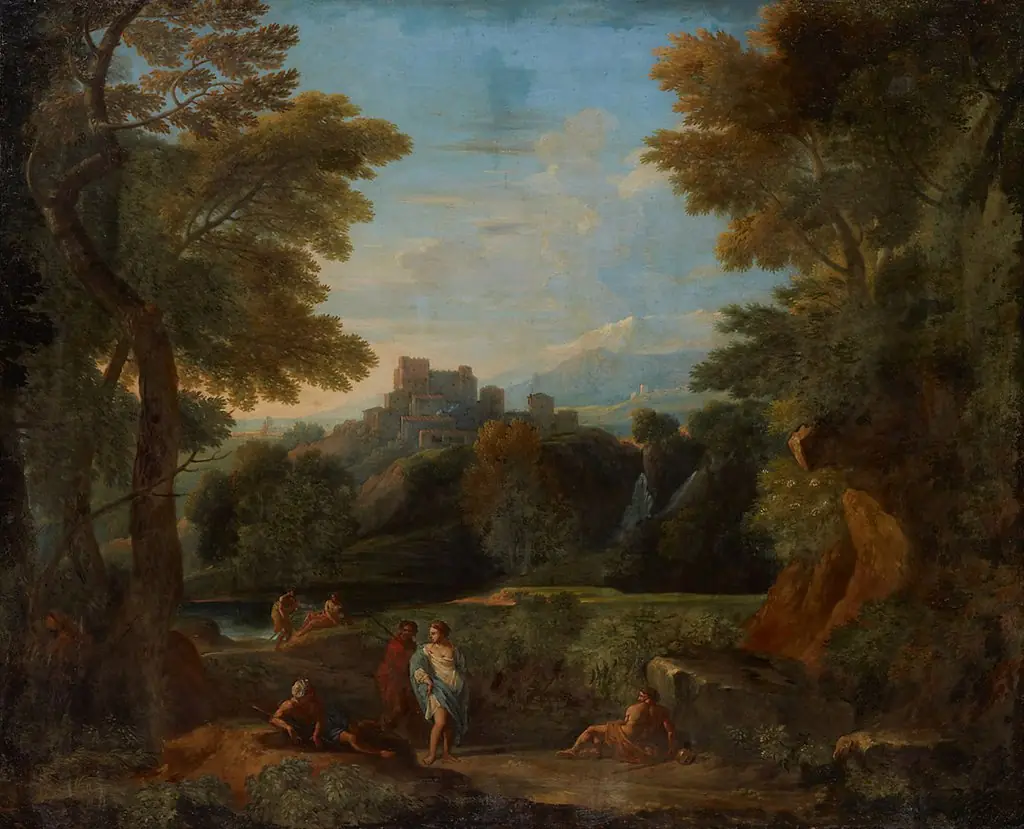
The scene is populated by natural and architectural elements, including trees, mountains, and a house, which frame the central narrative.
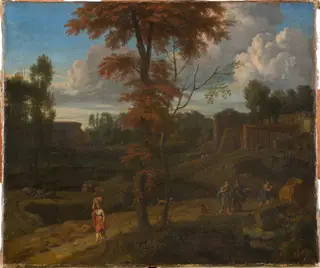
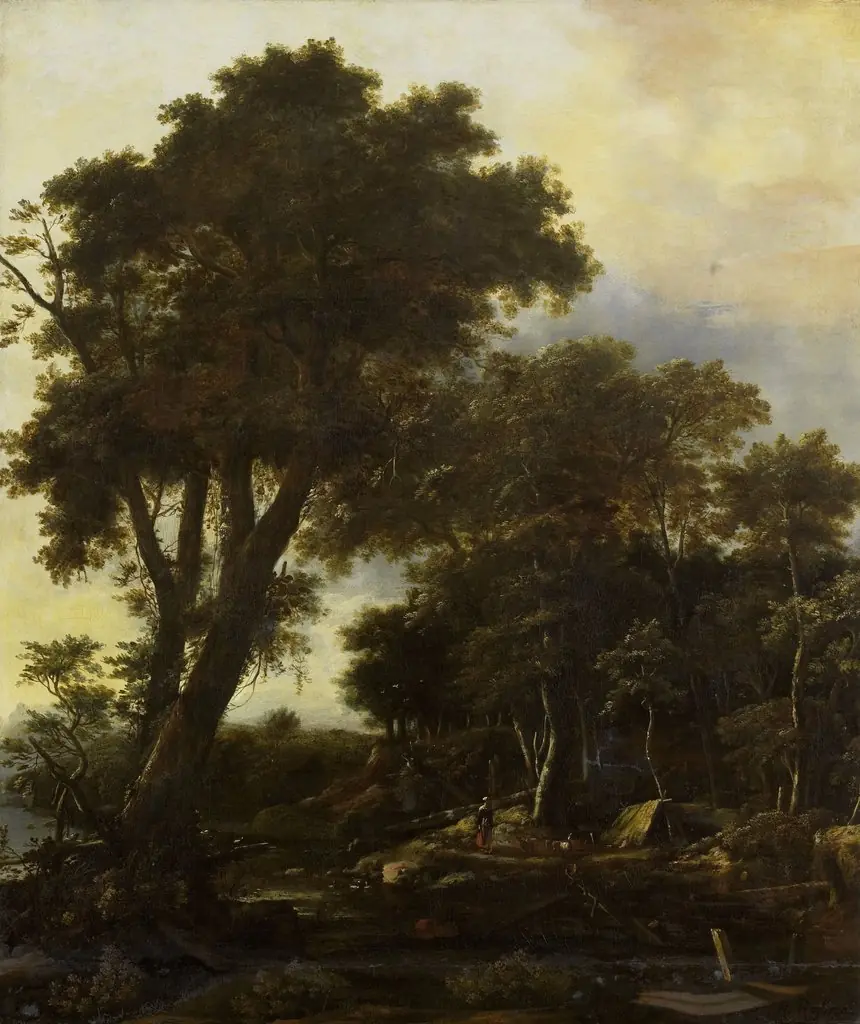
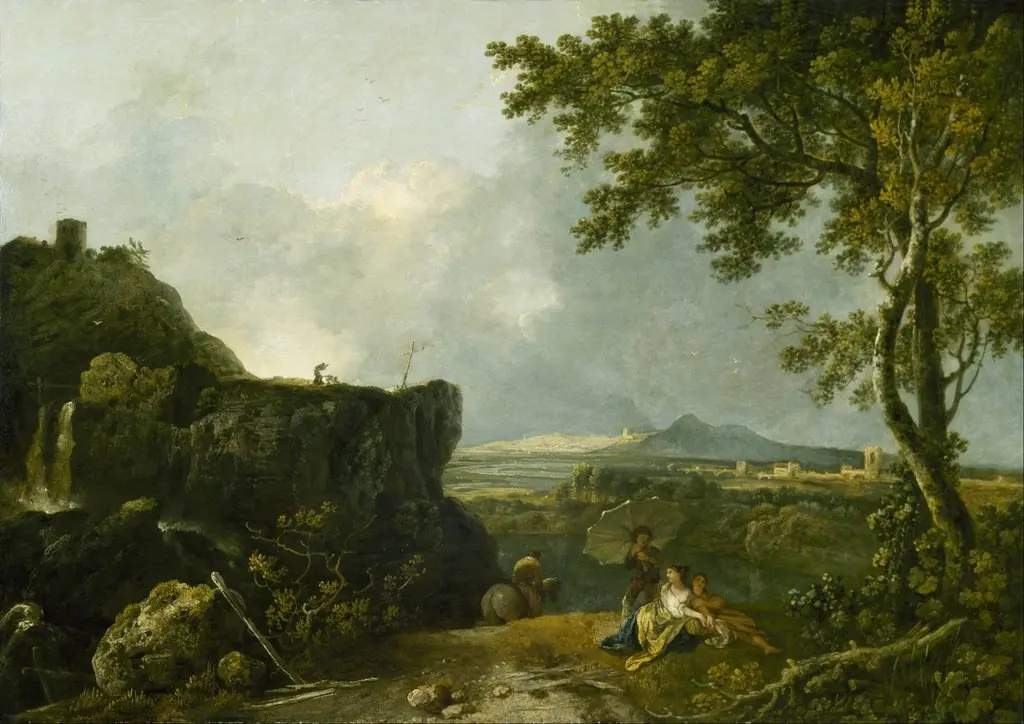
The painting depicts the mythological union of Salmacis and Hermaphroditus set within an Arcadian landscape. The scene is populated by natural and architectural elements, including trees, mountains, and a house, which frame the central narrative. As a landscape genre work, the composition emphasizes the pastoral setting associated with the myth of the two figures merging into one. The work, created in 1703 by Johannes Glauber, utilizes the idyllic environment to present the classical story.
Technique & Style
Arcadian landscape with Salmacis and Hermaphroditus is an oil painting on canvas created in 1703. The work depicts a tree, mountain and house and measures 123 cm in height by 93 cm in width. It is attributed to Johannes Glaubar and belongs to the landscape genre.
The painting is executed in oil paint on canvas, reflecting typical handling and material practices of early 18th-century European art. Its formal qualities include compositional balance and naturalistic rendering characteristic of the period's landscape tradition.
History & Provenance
Arcadian landscape with Salmacis and Hermaphroditus is held in the Rijksmuseum collection and is catalogued under the inventory number SK-A-1234. The work has been exhibited at the Rijksmuseum in the exhibition "Dutch Masters of the Golden Age" (2015) and at the Mauritshuis in the exhibition "Johannes Glauber: Landscapes and Allegories" (2018).
Overview
Johannes Glauber’s oil on canvas, executed in 1703, presents a tranquil Arcadian setting that incorporates the mythological encounter of Salmacis and Hermaphroditus. The composition balances a modest architectural element, a distant hill, and a cluster of trees beneath a softly clouded sky, all rendered in the artist’s characteristic Baroque palette. The work is part of the collection of the Rijksmuseum in Amsterdam.
Context
The work reflects the 17th‑century fascination with idealized rural scenes that served as stages for classical myths. Glauber, known for his decorative landscapes, often combined architectural ruins with mythological figures, aligning his practice with the broader European trend of integrating narrative content into bucolic vistas.
Own this work as a print
Artist & collection