Artwork
Arcadian landscape
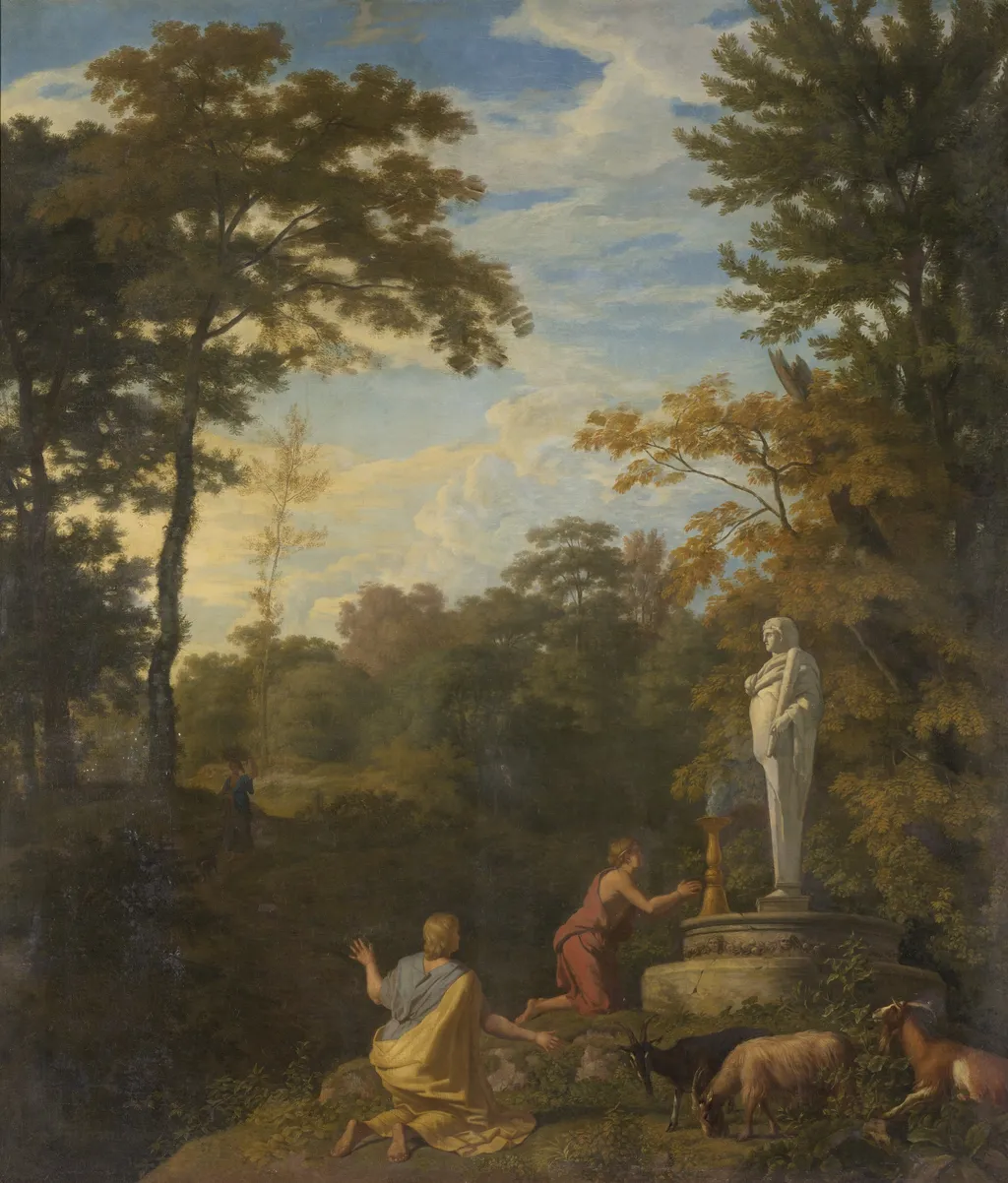
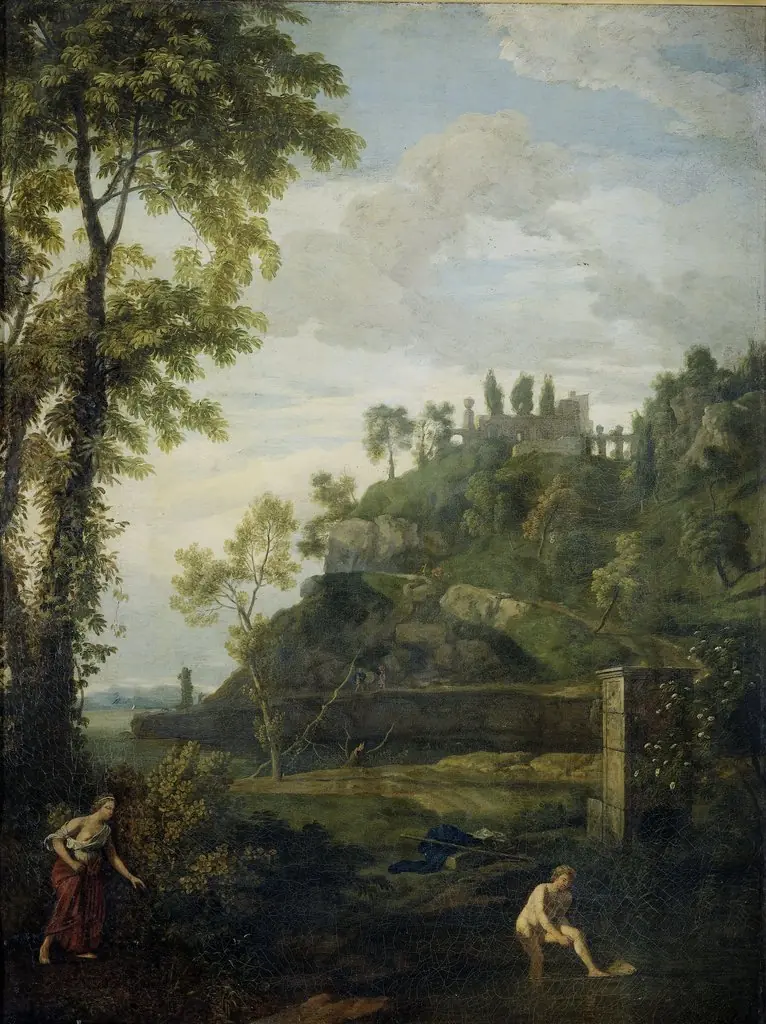
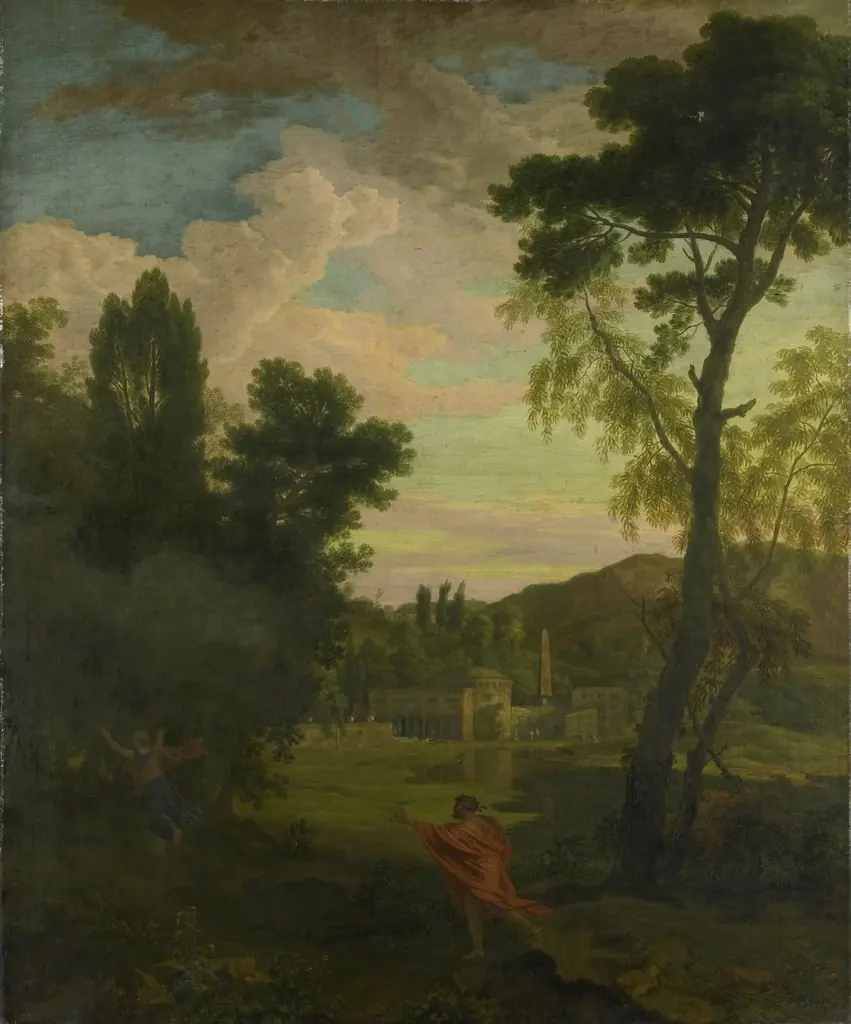
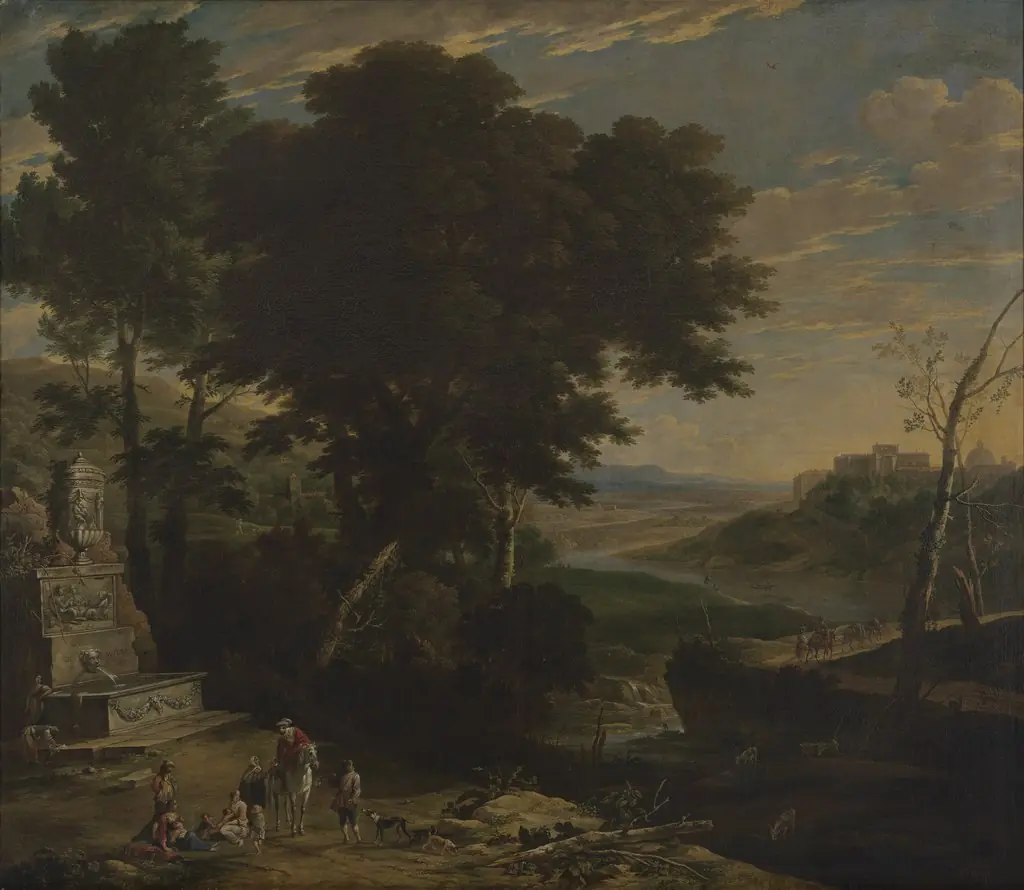
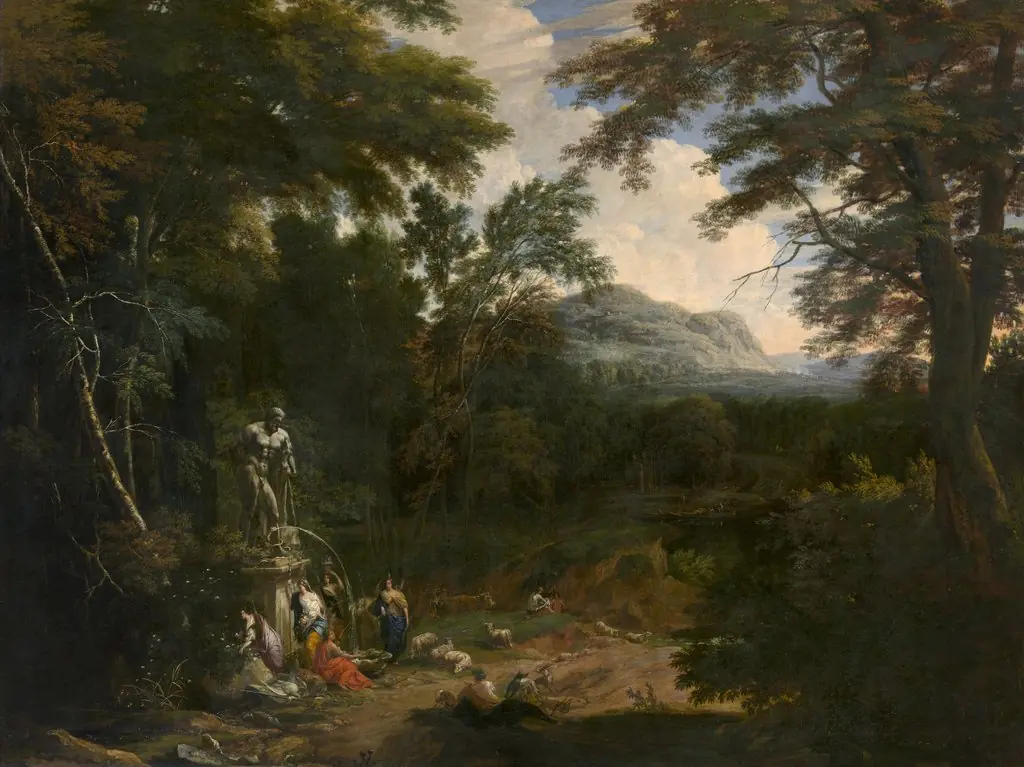
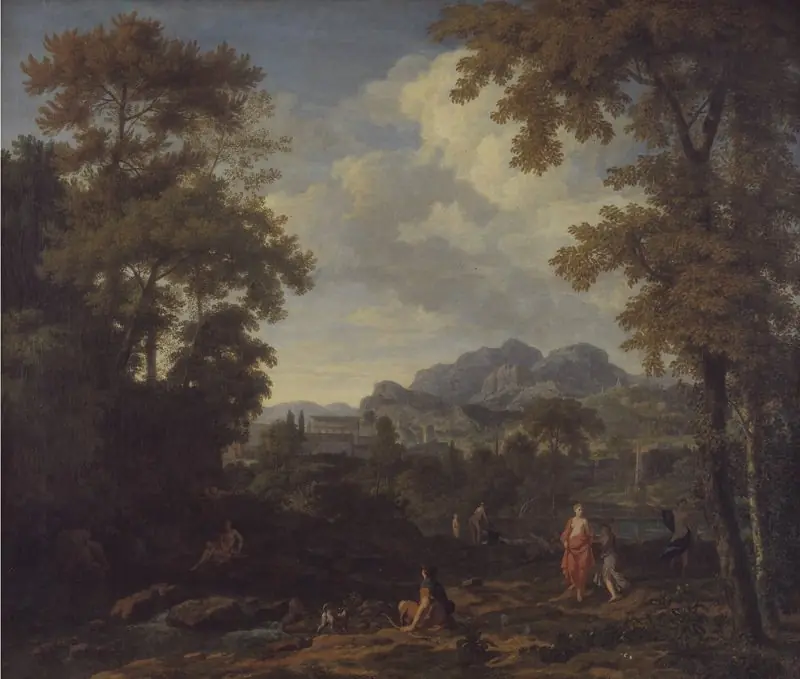
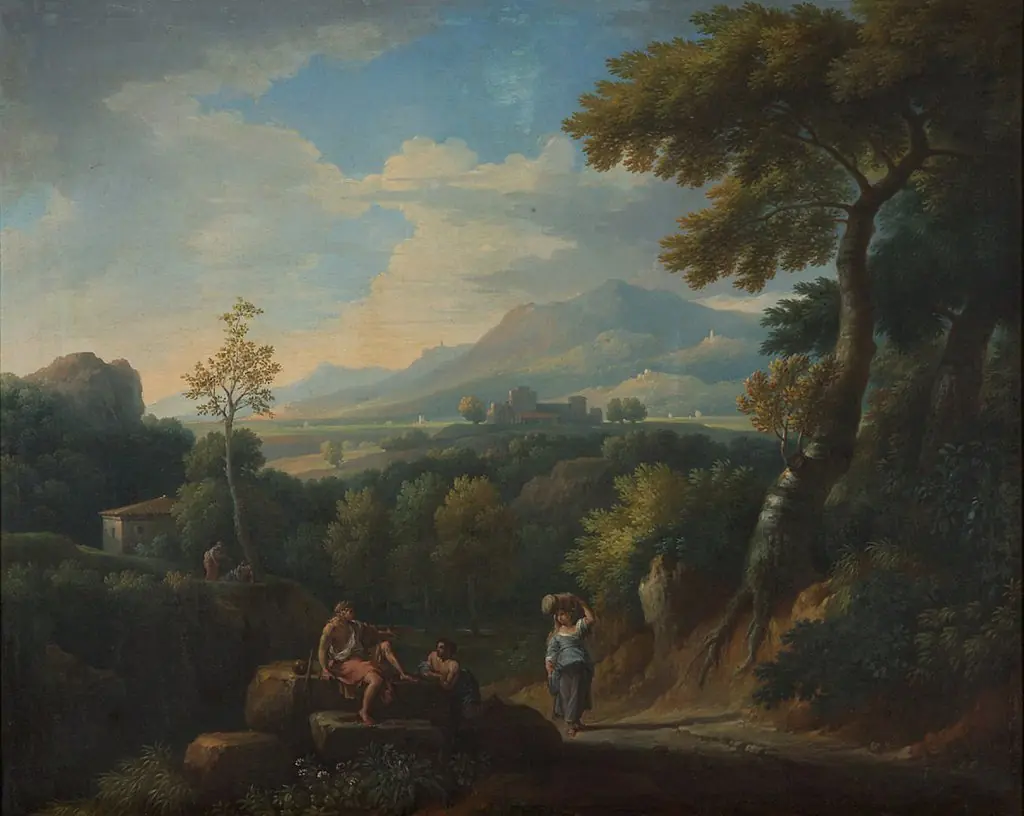
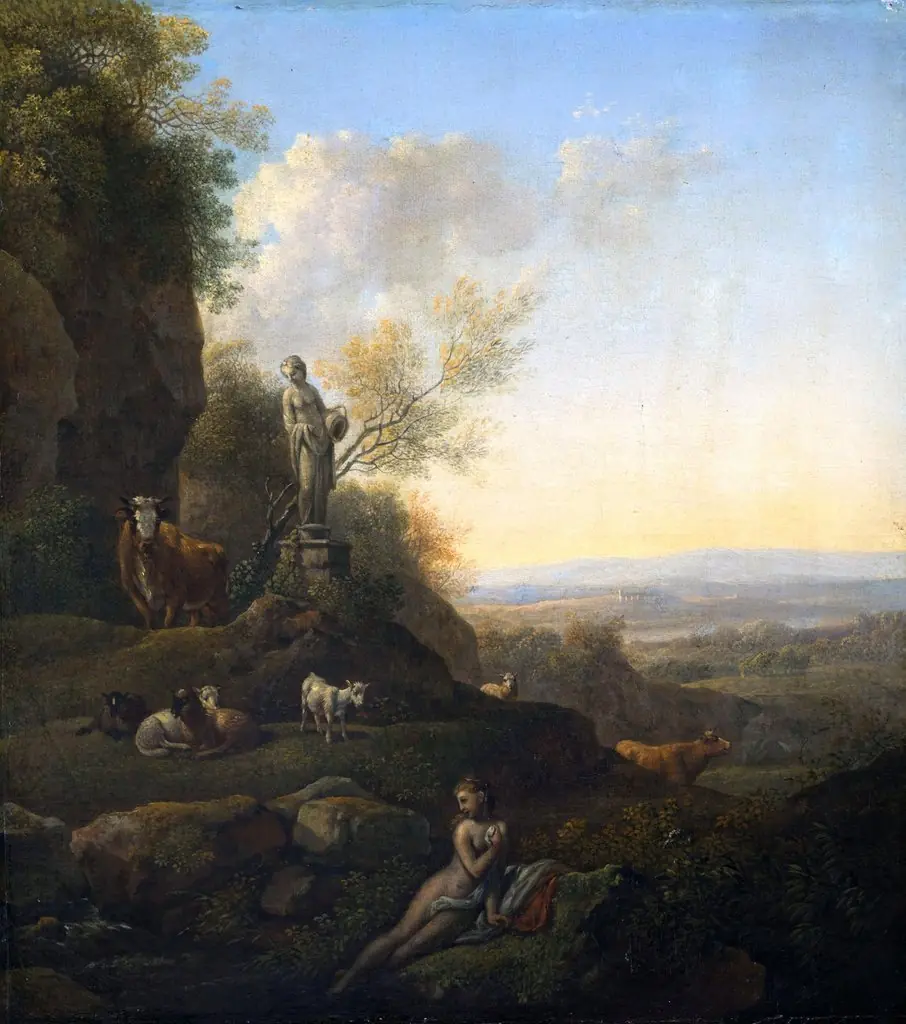
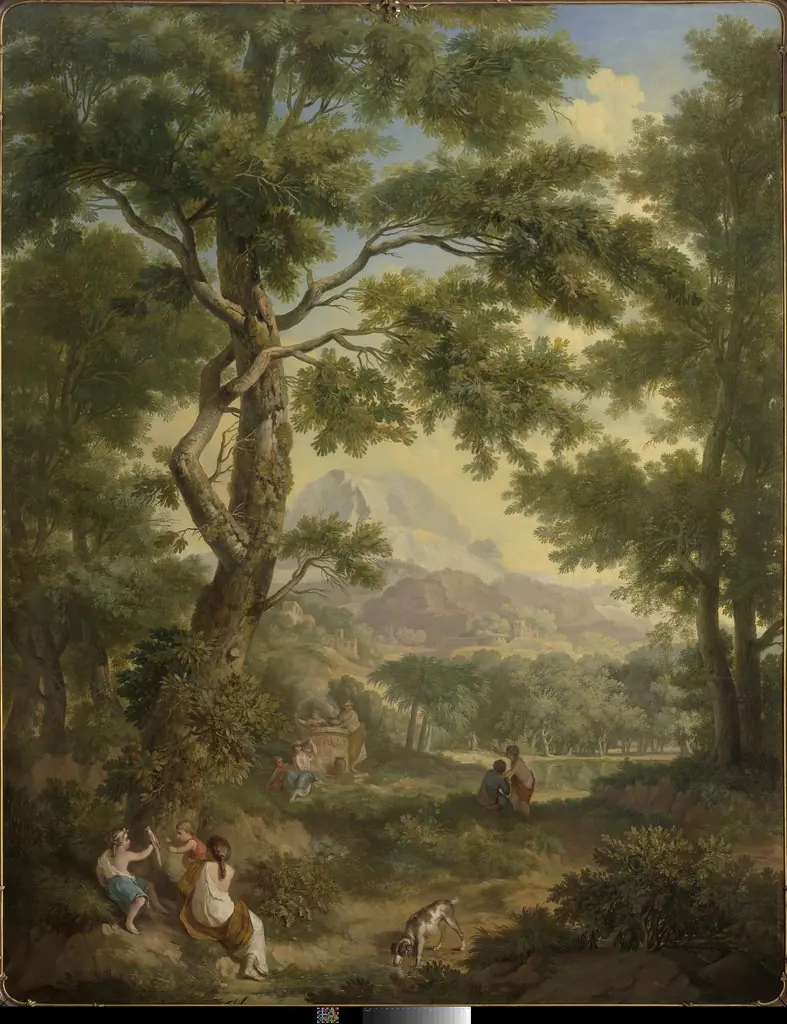
Arcadian landscape is an oil painting by the Dutch Golden Age artist Johannes Glauber. It dates from 1703 and is held in the collection of the Rijksmuseum.
About this work
Subject & Meaning
Johannes Glauber's 1703 oil painting, titled Arcadian landscape, belongs to the landscape genre and depicts a scene centered around a tree.
Johannes Glauber's 1703 oil painting, titled Arcadian landscape, belongs to the landscape genre and depicts a scene centered around a tree. The title itself evokes the classical literary concept of Arcadia, an idealized vision of pastoral harmony and rustic simplicity often associated with ancient Greek mythology. While the specific narrative or allegorical figures are not detailed in the provided records, the designation implies a representation of a utopian natural world rather than a specific topographical location.
The work functions as a visual meditation on this timeless, serene ideal, using the natural element of the tree to anchor the composition within this mythological framework.
Technique & Style
Executed in 1703, this landscape by Johannes Glauber is an oil painting on canvas. The work measures 180 cm in height and 156 cm in width. As a landscape composition, the imagery prominently features trees within an Arcadian setting. The piece is classified as a painting and is held in the collection of the Rijksmuseum.
History & Provenance
Arcadian landscape is an oil-on-canvas painting by Johannes Glauber, dated 1703. The work is held in the collection of the Rijksmuseum, which is also its current location. According to the Wikidata record, the painting is associated with the collections of the Rijksmuseum, the Mauritshuis, and the National Art Gallery of the Netherlands, suggesting a shared or transferred institutional history among these Dutch repositories.
No further details about the original commission, early ownership, or chain of custody are documented in the available sources.
The painting is held in the collection of the Rijksmuseum, Amsterdam. It is recorded there with the inventory number SK-C-1849.
The work was shown in the exhibition "Hollands Gouden Eeuw: Het Rijksmuseum on tour" at the Hermitage Amsterdam in 2016.
Context
The Arcadian landscape by Johannes Glauber, painted in 1703, exemplifies the Dutch Golden Age's fascination with idealized pastoral scenes and is situated within the broader trajectory of early 18th-century landscape painting. Its composition, featuring a solitary tree amid expansive terrain, reflects evolving aesthetic theories that emphasized natural harmony and moralizing symbolism, linking it to contemporaries such as Jacob van Ruisdael while anticipating later Romantic sensibilities. The work is held in prominent European collections, including the Rijksmuseum and Mauritshuis, underscoring its recognized significance within national artistic heritage.
Legacy
Arcadian landscape has been cited by scholars as an early example of 18th-century Dutch landscape painting that influenced later artists' compositions of wooded scenes. The work's depiction of a solitary tree within a broad, atmospheric setting contributed to the visual vocabulary of Romantic landscape painters in the 19th century. Its presence in prominent Dutch collections such as the Rijksmuseum and Mauritshuis has reinforced its reputation as an important work within the Dutch Golden Age tradition.
Overview
Johannes Glauber’s 1703 oil painting titled “Arcadian Landscape” presents a tranquil woodland scene bathed in the warm glow of late afternoon. The composition is anchored by a stone fountain topped with a serene female statue, around which two robed figures are positioned, while a solitary traveler and a small herd of goats occupy the surrounding forest.
Own this work as a print
Artist & collection