Artwork
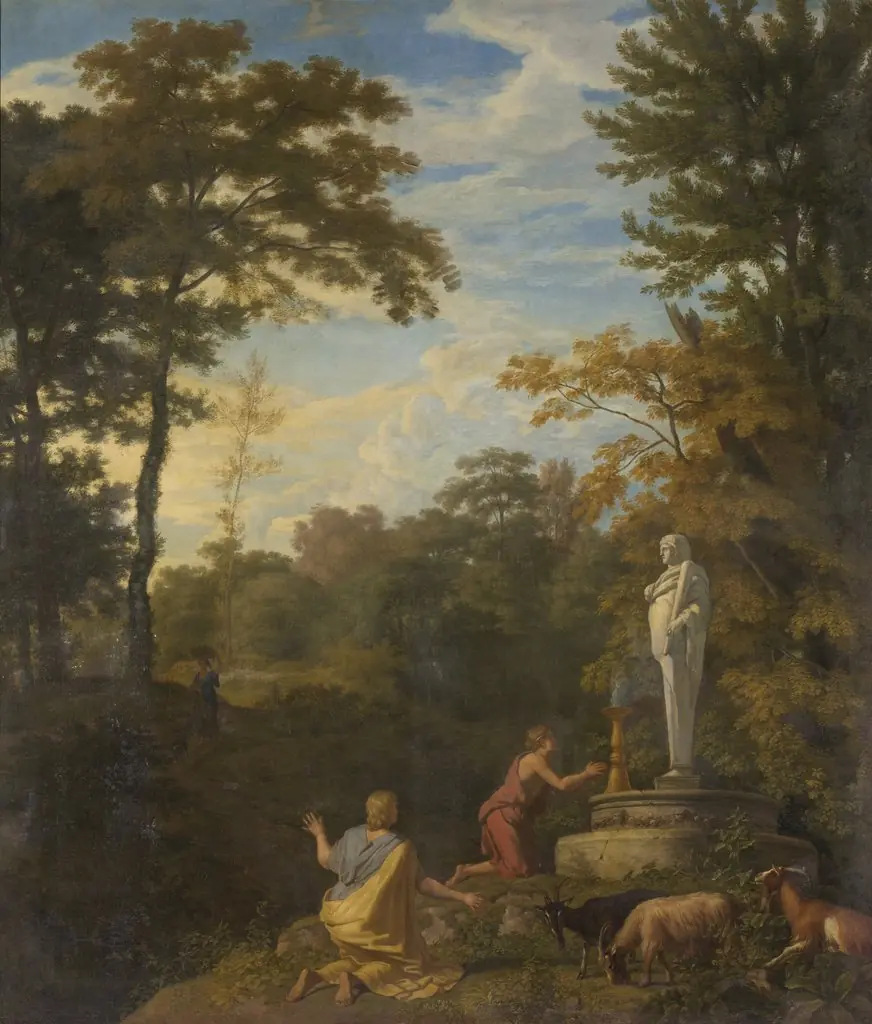
Arcadian landscape with Jupiter and Io
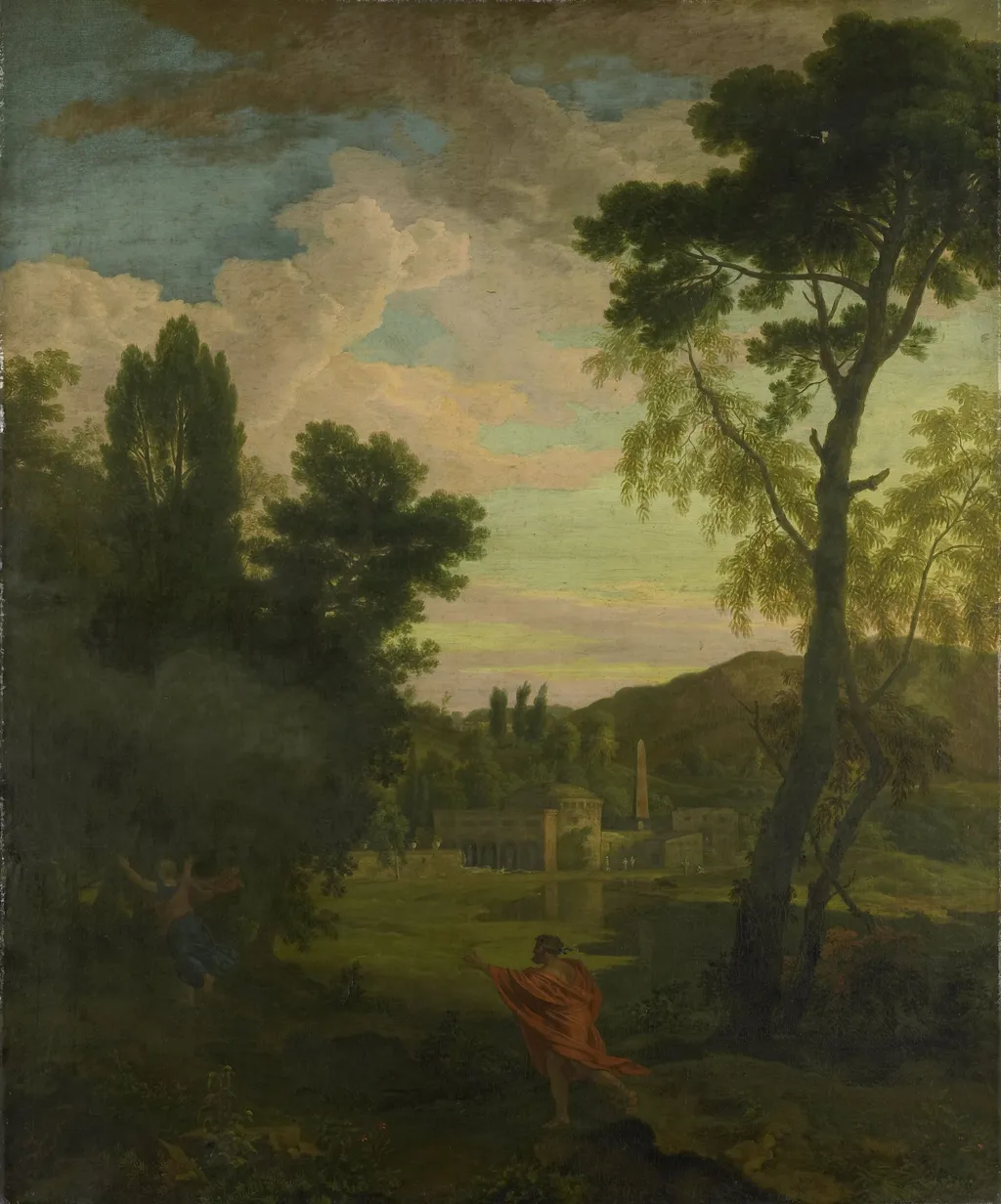
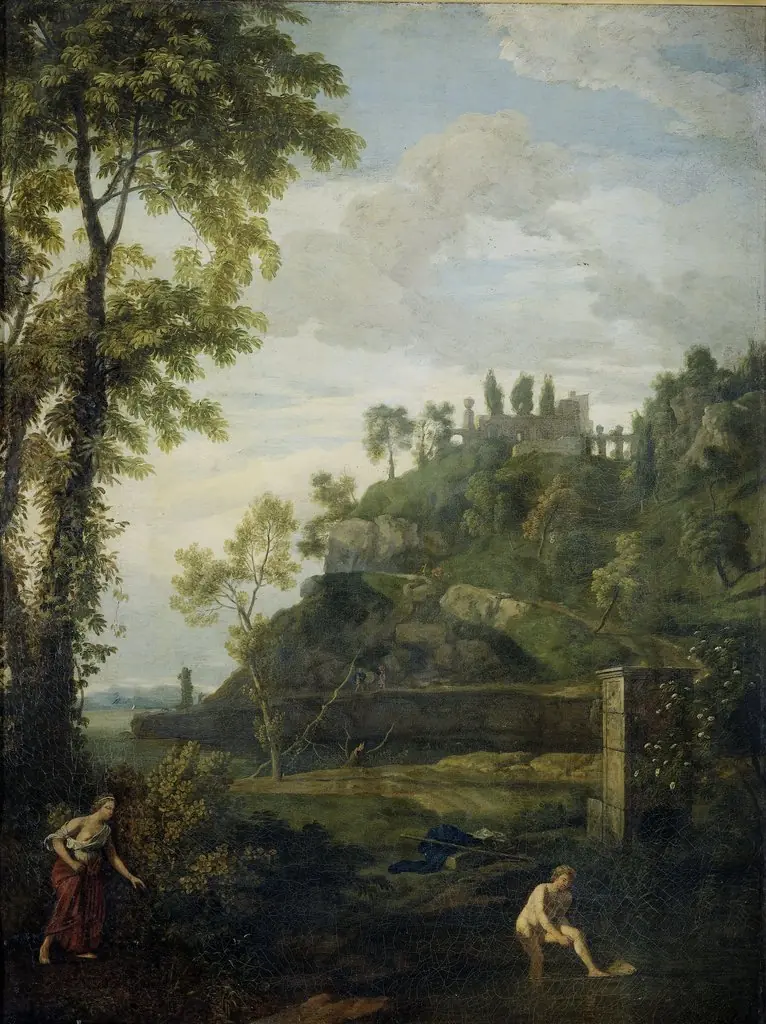
Arcadian landscape with Jupiter and Io is an oil painting by the Dutch Golden Age artist Johannes Glauber. It dates from 1703 and is held in the collection of the Rijksmuseum.
About this work
Technique & Style
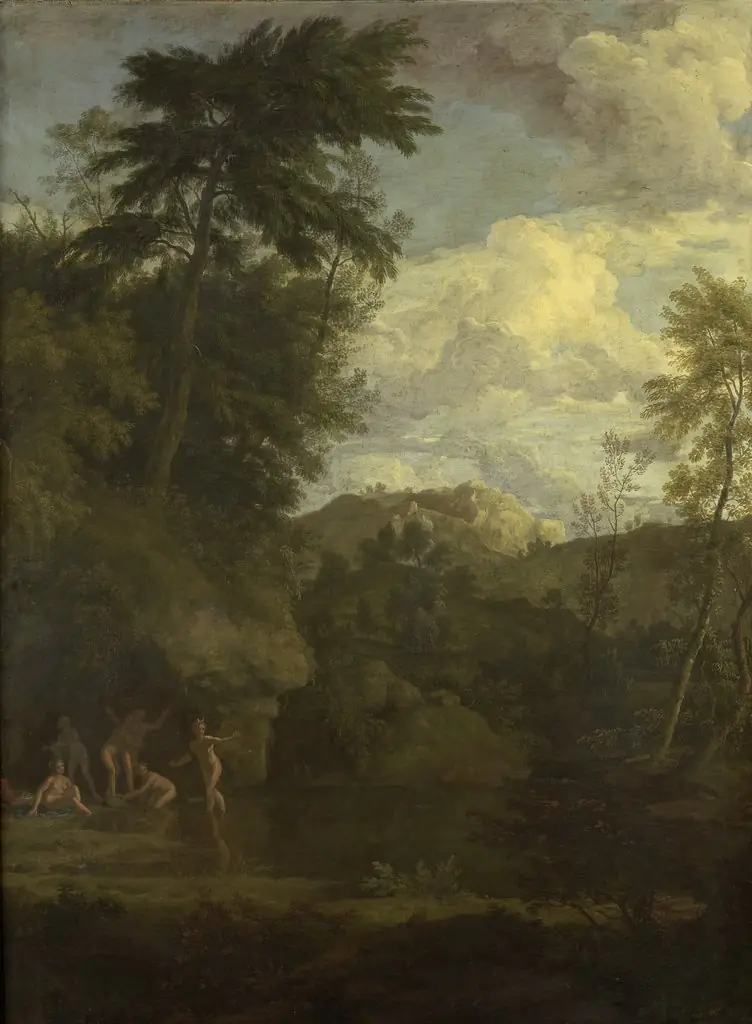
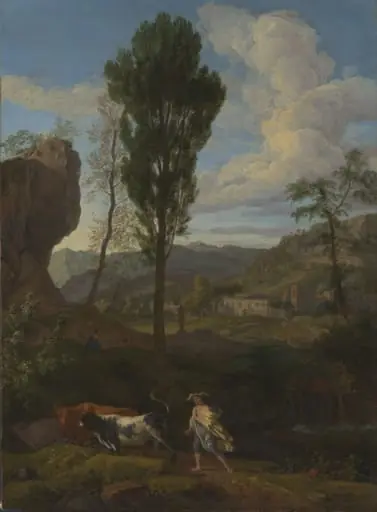
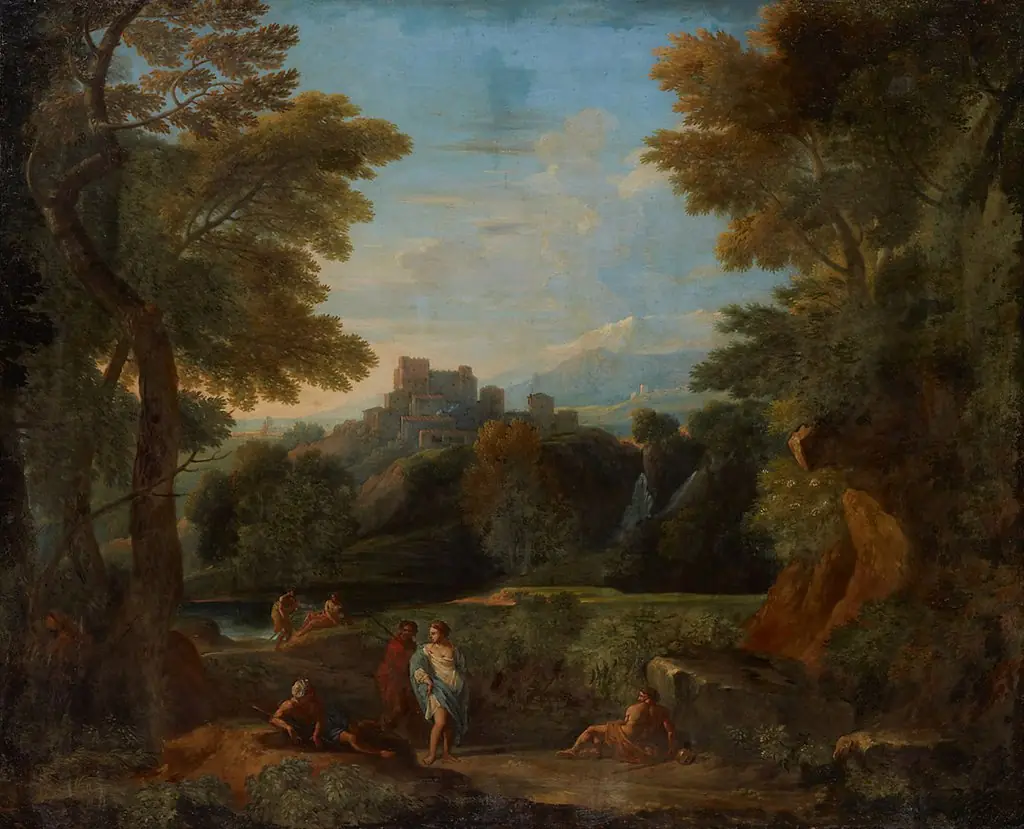
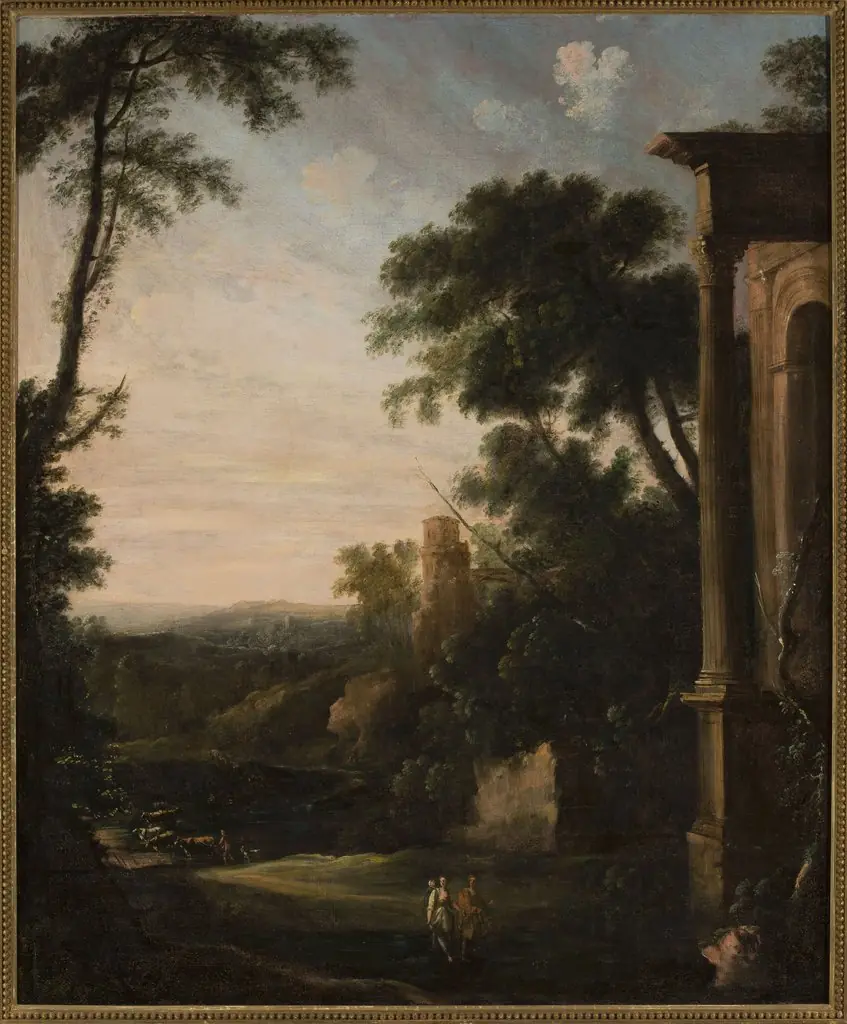
The painting is executed in oil on canvas, measuring 160 by 131 cm. Its handling combines landscape and mythological genres, depicting the mythological encounter between Jupiter and Io within an Arcadian setting. A tree is featured among the depicted elements. The work is classified as a painting and dated to 1703.
History & Provenance
The work entered the collection of the Rijksmuseum in Amsterdam and is also held by the Mauritshuis and the National Art Gallery of the Netherlands.
Arcadian landscape with Jupiter and Io is an oil painting by Johannes Glauber executed in 1703 on canvas measuring 160 by 131 centimeters. The work entered the collection of the Rijksmuseum in Amsterdam and is also held by the Mauritshuis and the National Art Gallery of the Netherlands. Its provenance traces ownership through these institutions without record of private sales or earlier collectors.
The painting was created as a mythological landscape in the early 18th century and has been exhibited as part of the Rijksmuseum’s permanent display of Dutch Golden Age works.
The painting is held in the collection of the Rijksmuseum, which is also listed as its location in the Wikidata record. additionally associates the work with the Mauritshuis and the National Art Gallery of the Netherlands as part of its collection history.
No specific inventory or accession number is provided in the available sources, and no exhibition history is documented.
Context
Johannes Glauber's 1703 oil painting Arcadian landscape with Jupiter and Io has been studied within the trajectory of Dutch Golden Age landscape and mythological painting, reflecting Baroque fascination with classical narratives and atmospheric space. The work's composition, featuring a mythological scene set in an idealized landscape, aligns with contemporaries who blended natural observation with allegorical themes. It is held in major institutional collections including the Rijksmuseum and Mauritshuis, underscoring its recognized significance in Dutch art history.
Scholars have examined its technical execution and iconographic sources in relation to 17th-century Dutch painting practices, situating it within Glauber's broader oeuvre of mythological landscapes.
Overview
Created in 1703 by Dutch painter Johannes Glauber, this oil on canvas presents an idyllic Arcadian scene. The composition balances a tranquil natural setting with modest human figures, inviting the viewer into a calm, pastoral world. The work is part of the Rijksmuseum’s collection, where it is displayed among other examples of early‑18th‑century landscape painting.
Subject & Meaning
The foreground features two modestly dressed figures, one in a red garment positioned on the right, the other on the left, suggesting a quiet narrative within the broader landscape. A distant architectural element, reminiscent of a classical temple, rises behind a line of trees, evoking the mythological reference to Jupiter and Io while emphasizing harmony between humanity and nature.
Own this work as a print
Artist & collection