Artwork
Giotto (c.1267–1337) (design for a mosaic in the Victoria and Albert Museum)
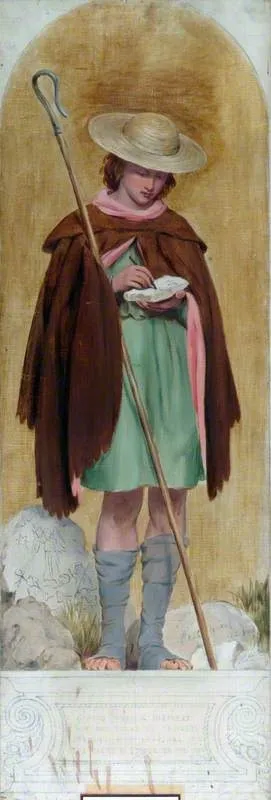
Giotto (c.1267–1337) (design for a mosaic in the Victoria and Albert Museum) is an oil painting by the Aestheticist artist John Callcott Horsley. It dates from 1872 and is held in the collection of the Victoria and Albert Museum.
About this work
Overview
This oil painting, created in 1872 by English artist John Callcott Horsley, presents a design concept for a mosaic portraying the renowned Italian painter Giotto (c.1267–1337). The work is characterized by its emphasis on visual aesthetics, aligning with the aestheticism movement.
Subject & Meaning
The painting depicts a youthful figure, purportedly Giotto, dressed as a shepherd in a brown cloak and straw hat, standing before a stone wall. He holds a staff and a small dish, evoking a serene rural ambiance. The subject's portrayal as a shepherd may symbolize the artist's humble beginnings or a thematic choice driven by the aestheticism movement's focus on beauty.
Technique & Style
Horsley employs earthy tones and gentle brushstrokes to achieve a peaceful atmosphere, consistent with his style of detailed, realistic depictions of everyday scenes. The overall effect is one of calmness and naturalism.
History & Provenance
Created in 1872, the painting is part of the Victoria and Albert Museum's collection, reflecting Horsley's contribution to decorative design and his association with the Cranbrook artist's colony.
Context
The piece reflects the aestheticism movement's priorities, focusing on beauty over narrative depth. Horsley's involvement with the Cranbrook colony and his diverse artistic output (genre, historical, illustration, and design) contextualize the work within late 19th-century British artistic practices.
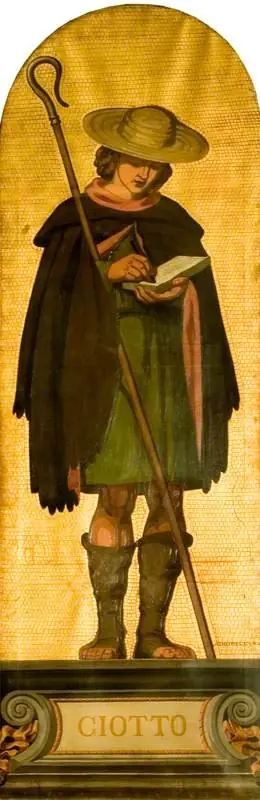
Artist & collection
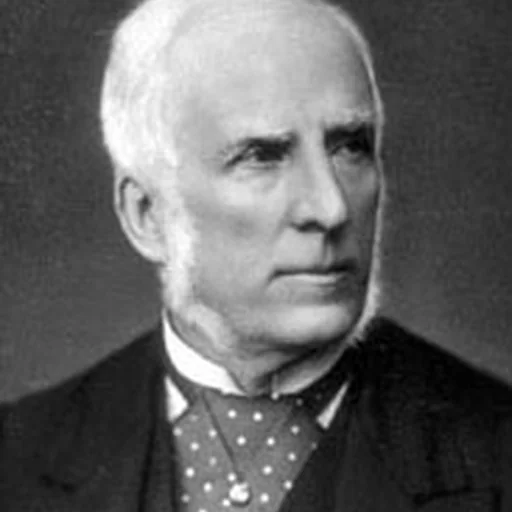
Artist
John Callcott Horsley (29 January 1817 – 18 October 1903) was an English academic painter of genre and historical scenes, illustrator, and designer of the first Christmas card. He was a member of the artist's colony in Cranbrook.

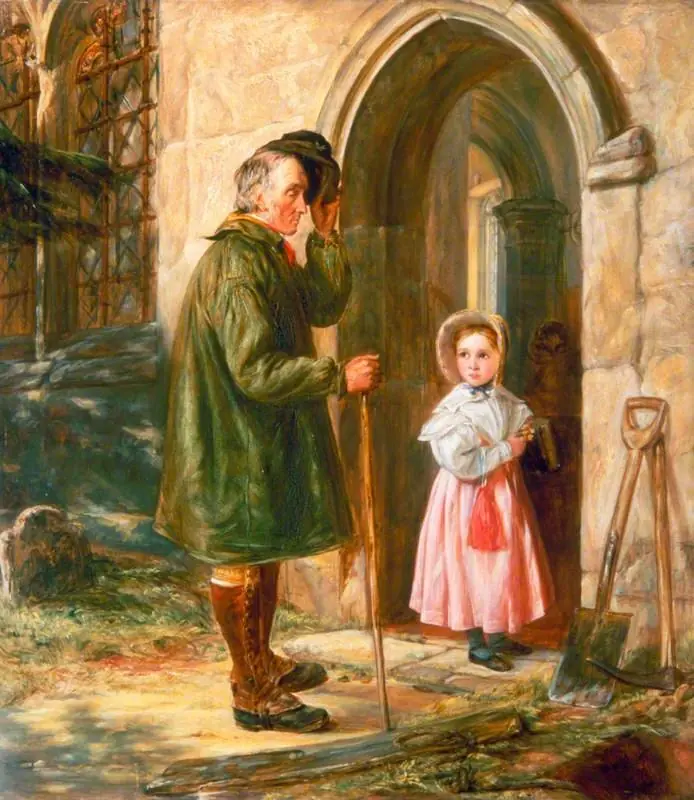
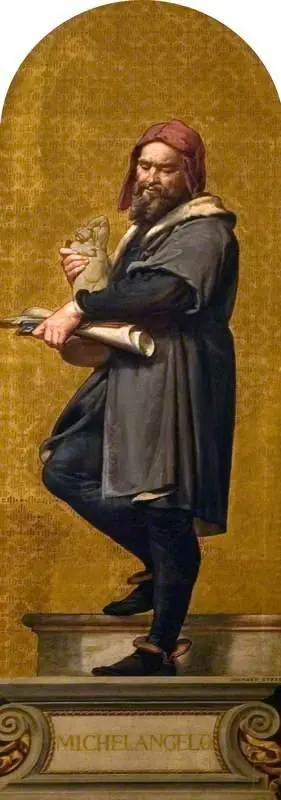 Michelangelo (1475–1564) (design for a mosaic in the Victoria and Albert Museum)
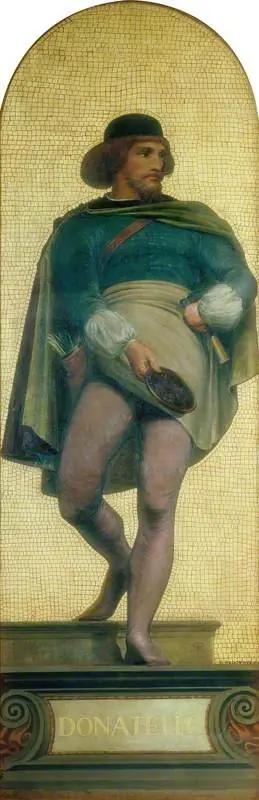 Donatello (c.1386–1466) (design for a mosaic in the Victoria and Albert Museum)
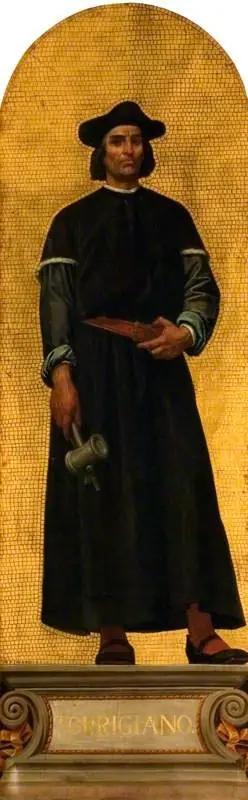 Pietro Torrigiano (1472–1522) (design for a mosaic in the Victoria and Albert Museum)
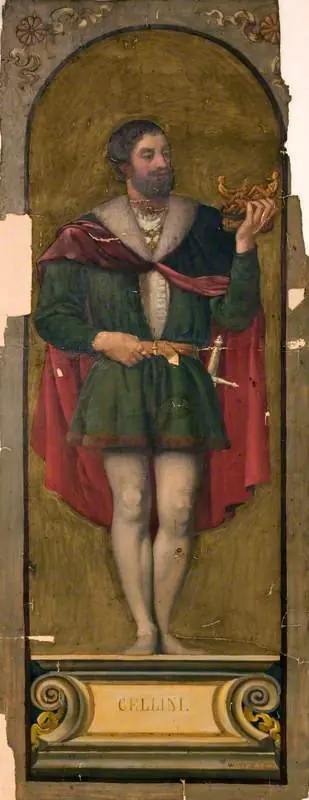 Benvenuto Cellini (1500–1571) (design for a mosaic in the Victoria and Albert Museum)
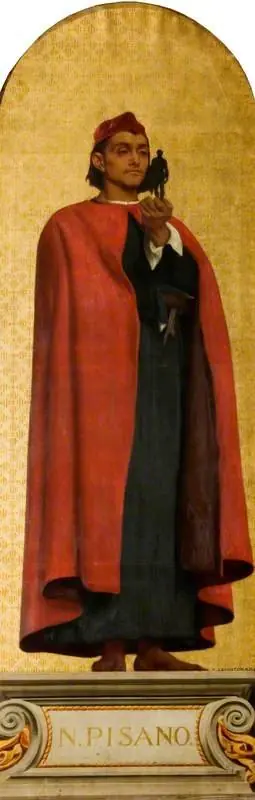 Nicola Pisano (c.1220/1225–c.1284) (design for a mosaic in the Victoria and Albert Museum)
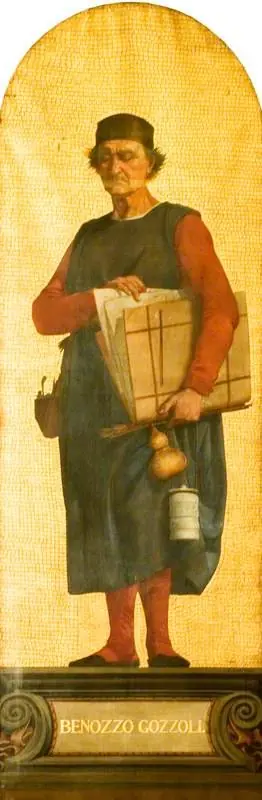 Benozzo Gozzoli (c.1421–1497) (design for a mosaic in the Victoria and Albert Museum)
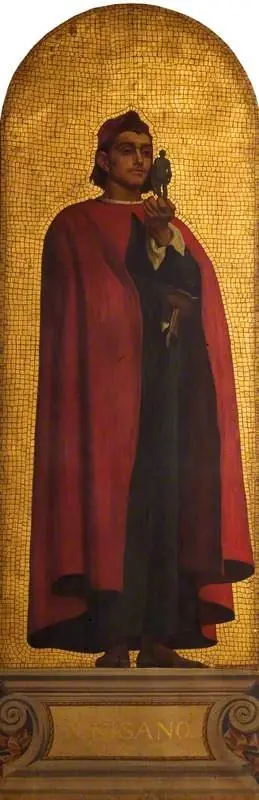 Nicola Pisano (c.1220/1225–c.1284) (design for a mosaic in the Victoria and Albert Museum)
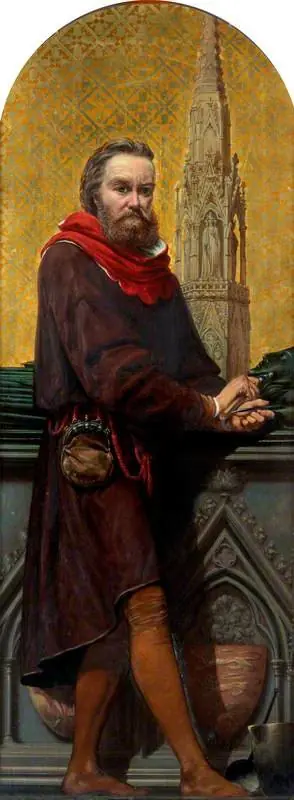 William Torrel (1291–1303) (design for a mosaic in the Victoria and Albert Museum)