Subject
Shepherd
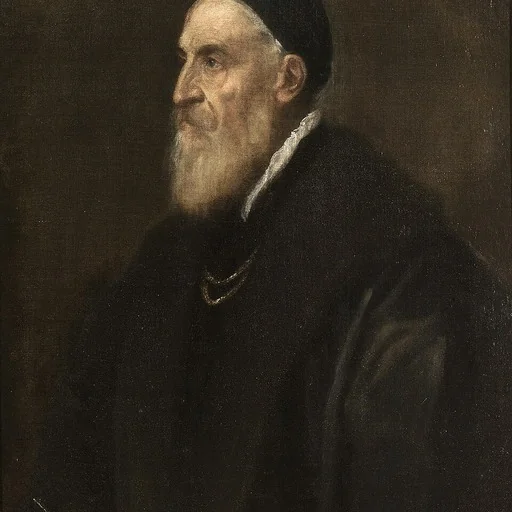
Shepherd is a subject in art. The gallery holds 77 works in this subject in art, including works by Titian, François Boucher and El Greco.
The shepherd is among the oldest and most resonant figures in Western art, carrying meanings that range from divine kingship to idyllic escape. Its roots lie in two ancient traditions. In the biblical world the shepherd signified guidance and sacrifice—David the shepherd-king, and above all Christ's declaration in the Gospel of John, "I am the good shepherd." Before the cross became Christianity's universal sign, believers in the Late Roman Empire favoured the image of a youthful shepherd carrying a lamb across his shoulders, painted on catacomb walls and carved on marble sarcophagi as a promise of peace in the afterlife. This motif overlapped with the Greco-Roman shepherd of Theocritus and Virgil's Eclogues, lending it a gentle, naturalistic character.
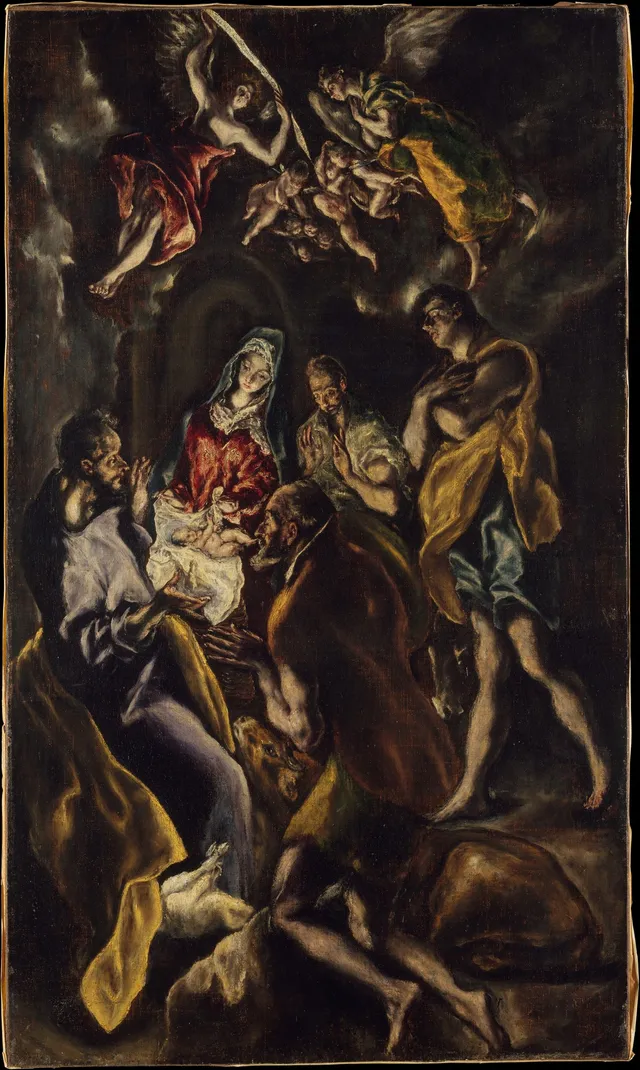
The Nativity gave the figure its great narrative subject. The Adoration of the Shepherds, drawn from Luke 2—the only Gospel to recount the angel's announcement to shepherds in the fields—shows rough herdsmen kneeling before the newborn Christ. Rarely treated independently before the fifteenth century in the West, it became a vehicle for contrasts of humility and glory, darkness and radiant light. Giorgione's tender, atmospheric treatment and El Greco's elongated, flame-lit figures, both held in this collection, mark the subject's Venetian and Mannerist poles.
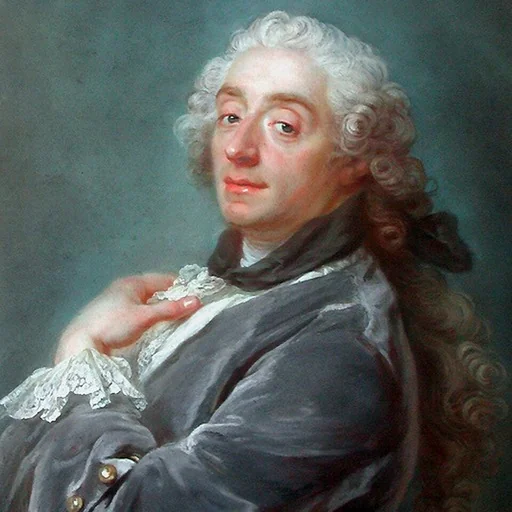
A parallel, secular current emerged with the Renaissance revival of Arcadia. Jacopo Sannazaro's pastoral romance Arcadia (1504) inspired painters to imagine shepherds as idle lovers and musicians in a golden countryside. Giorgione's Pastoral Concert (c.1510), sometimes attributed to the young Titian, became the model for the genre. It reached its decorative peak in Rococo France, where François Boucher, from the mid-1740s, populated his canvases with porcelain-skinned shepherdesses for an aristocracy far removed from rural labour.
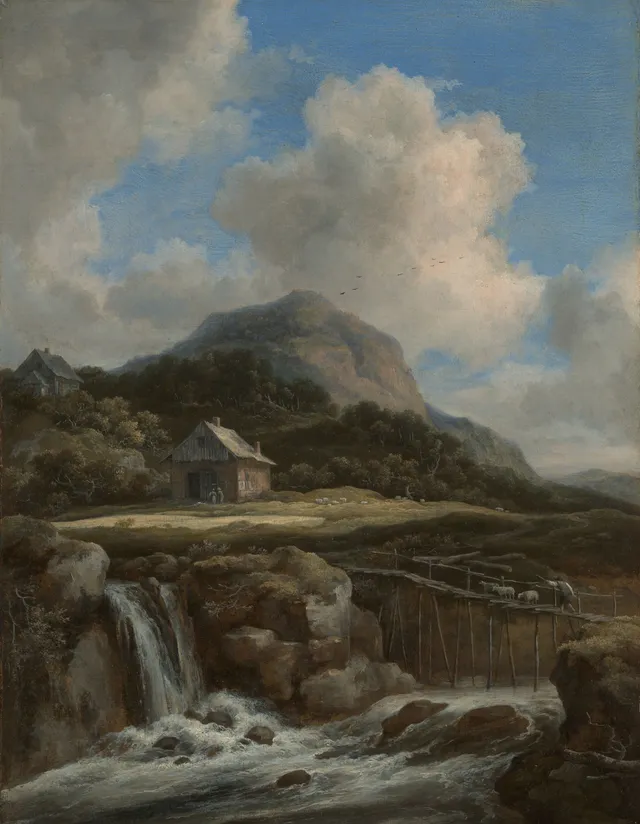
The shepherd also anchored the landscape tradition. Dutch masters such as Jacob van Ruisdael set tiny herdsmen beneath turbulent skies to measure nature's grandeur, while the Flemish animalier Eugène Verboeckhoven lavished attention on flocks themselves. In nineteenth-century America, Asher Brown Durand and the Hudson River School absorbed this pastoral ideal into a national landscape. Through Barbizon naturalism and beyond, the shepherd endured as a symbol of harmony between humanity and the land.
Key artists
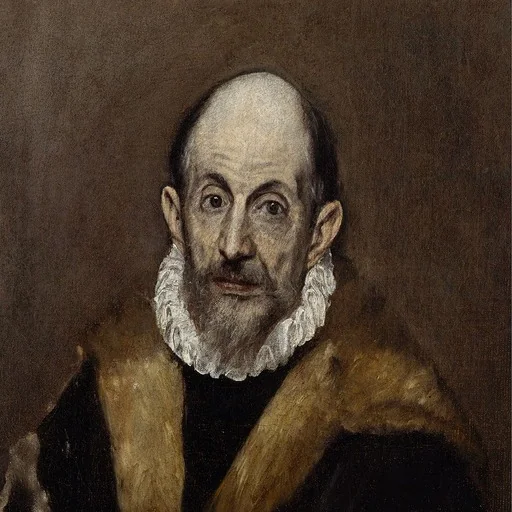
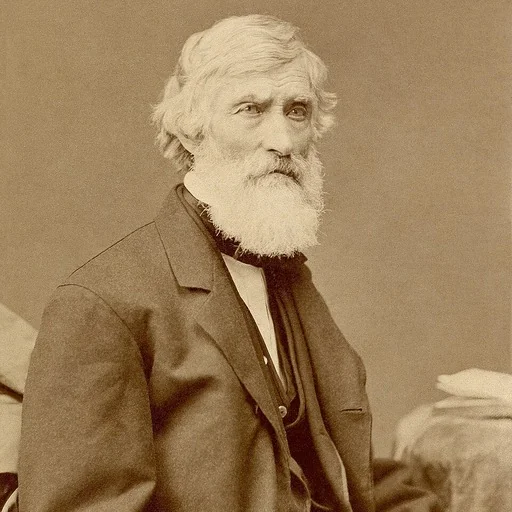
Works
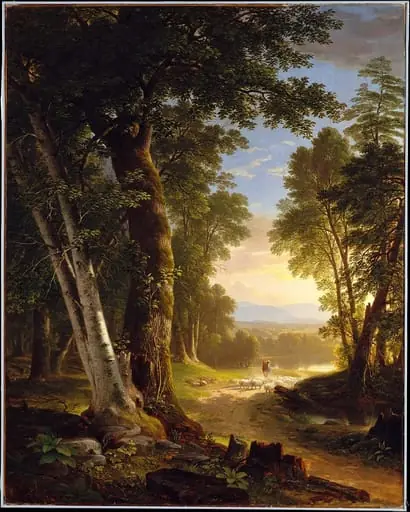 The Beeches
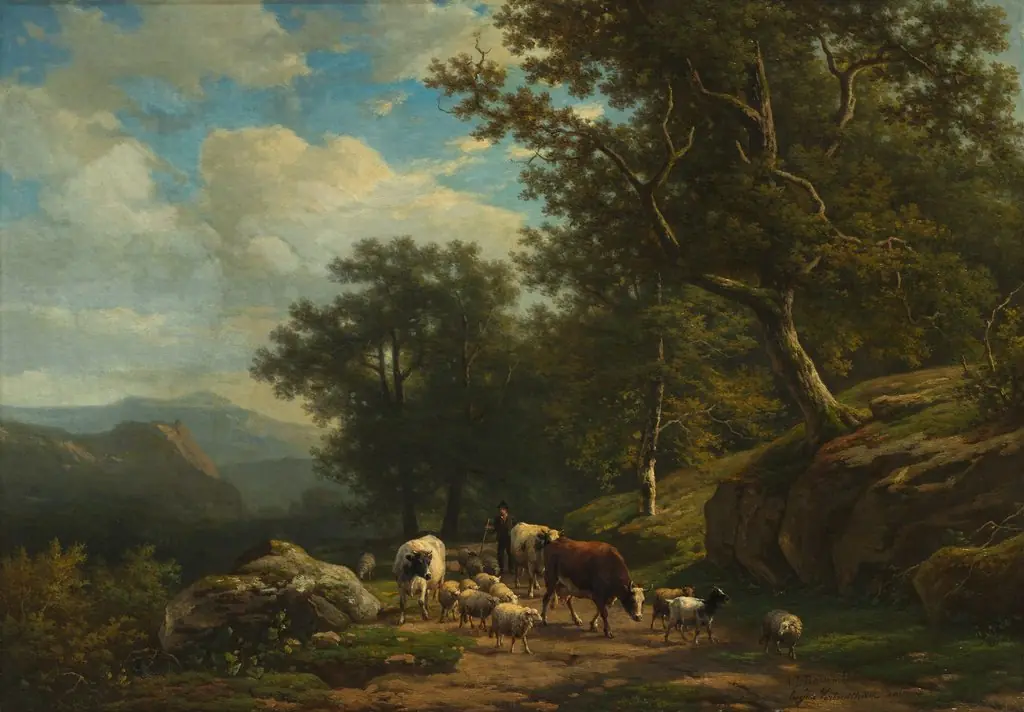 Landscape with a Peasant and His Flock
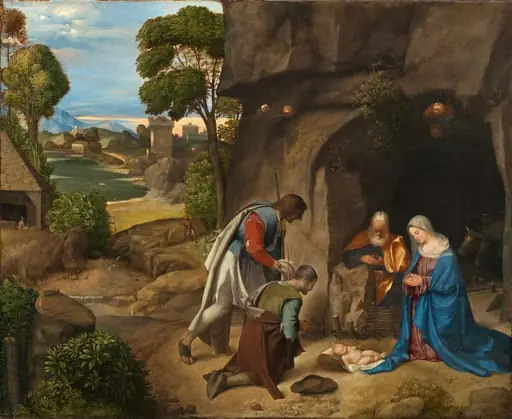 The Adoration of the Shepherds
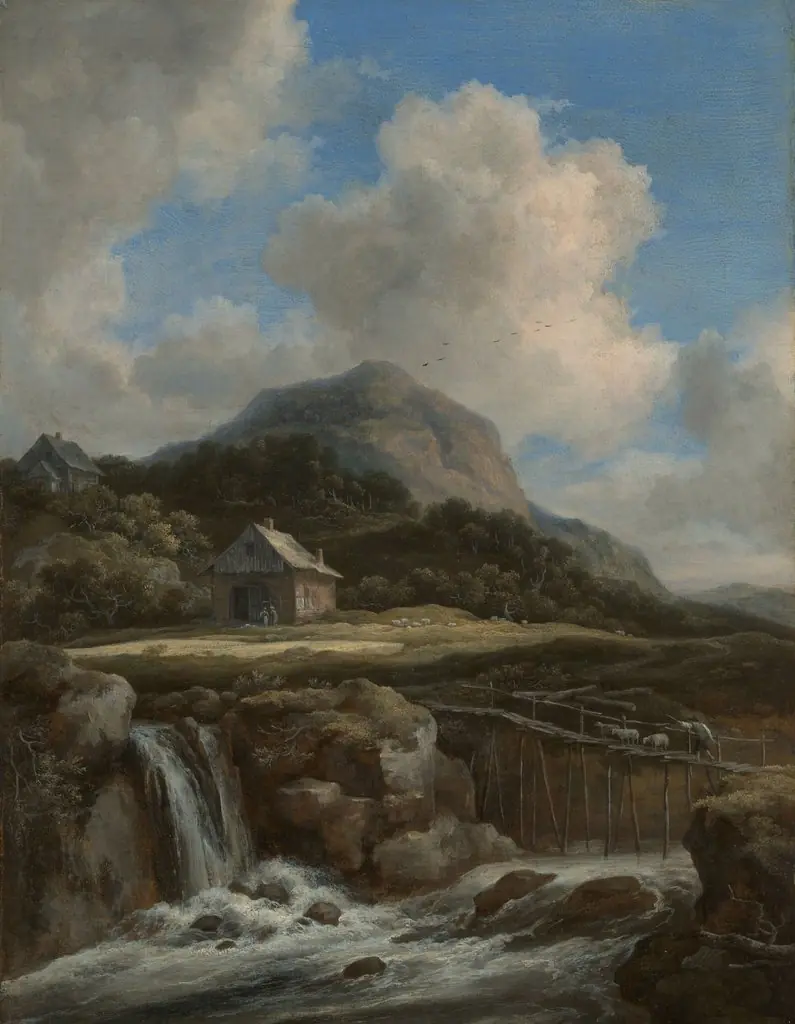 Mountain Torrent
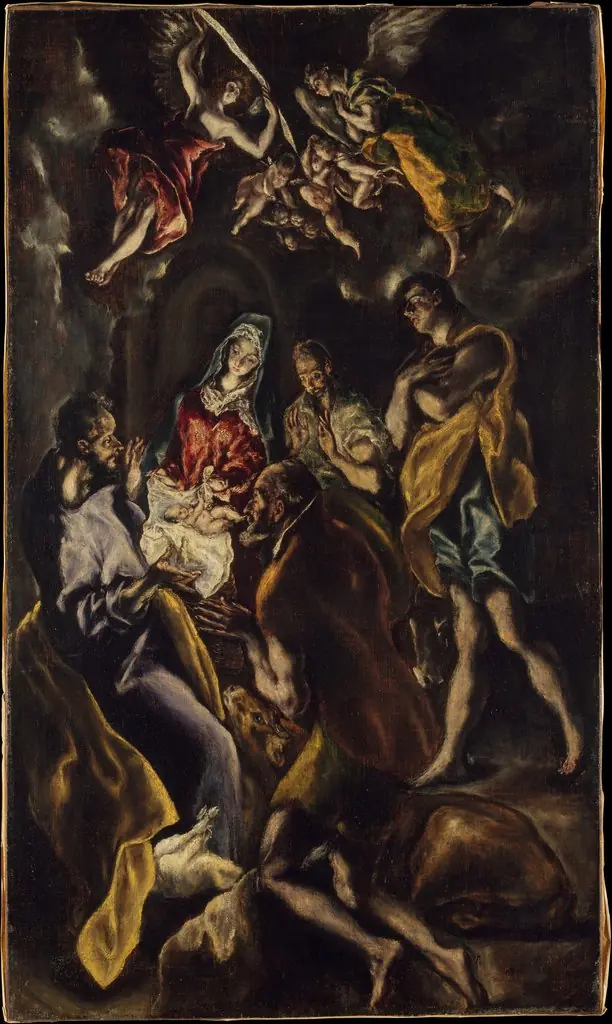 The Adoration of the Shepherds
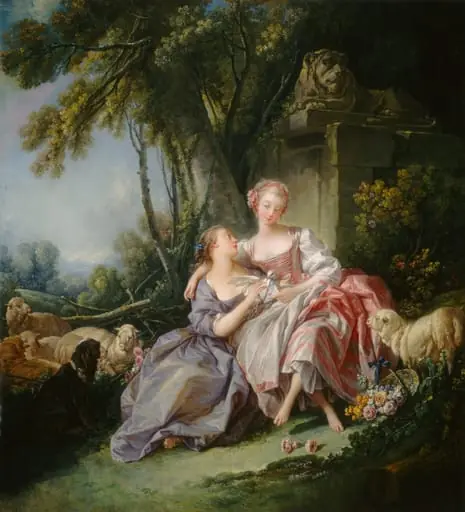 The Love Letter
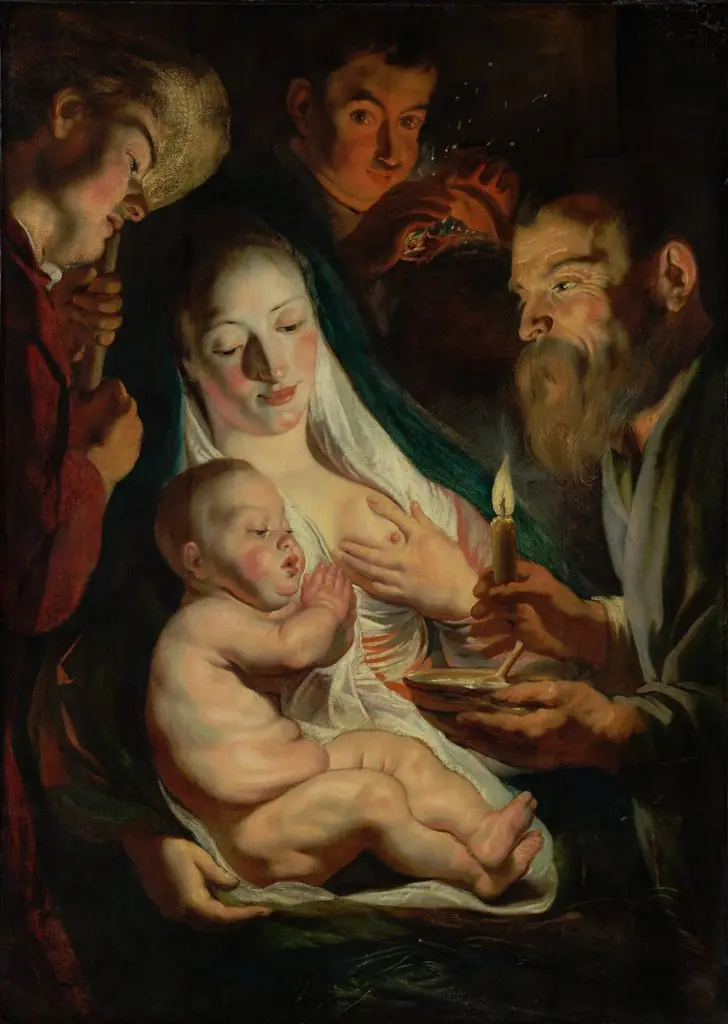 The Holy Family with Shepherds
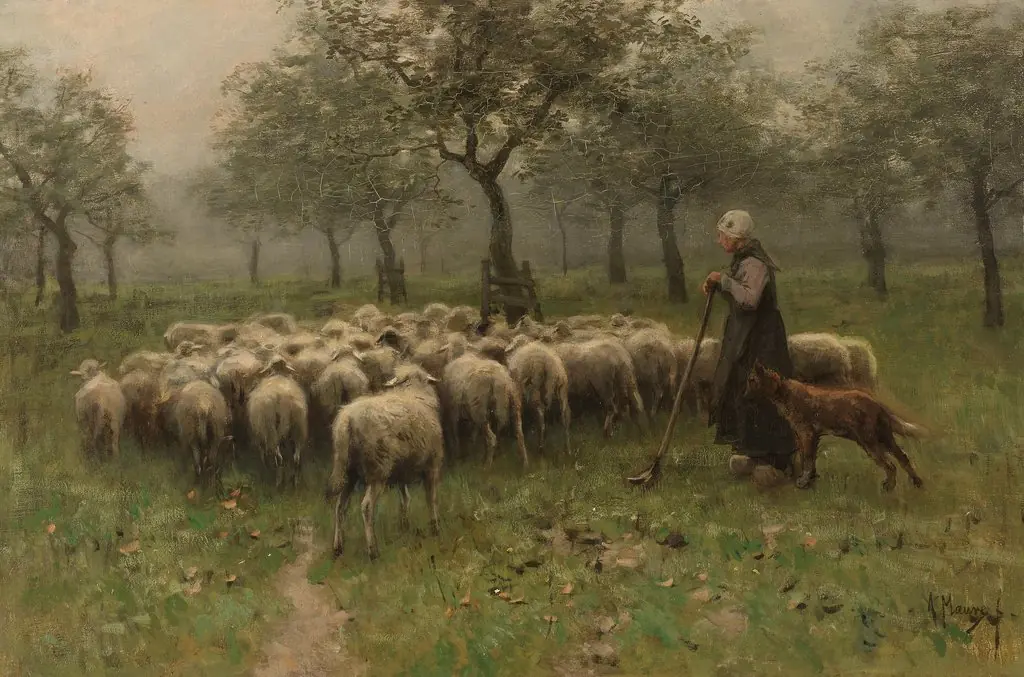 Shepherdess with a Flock of Sheep
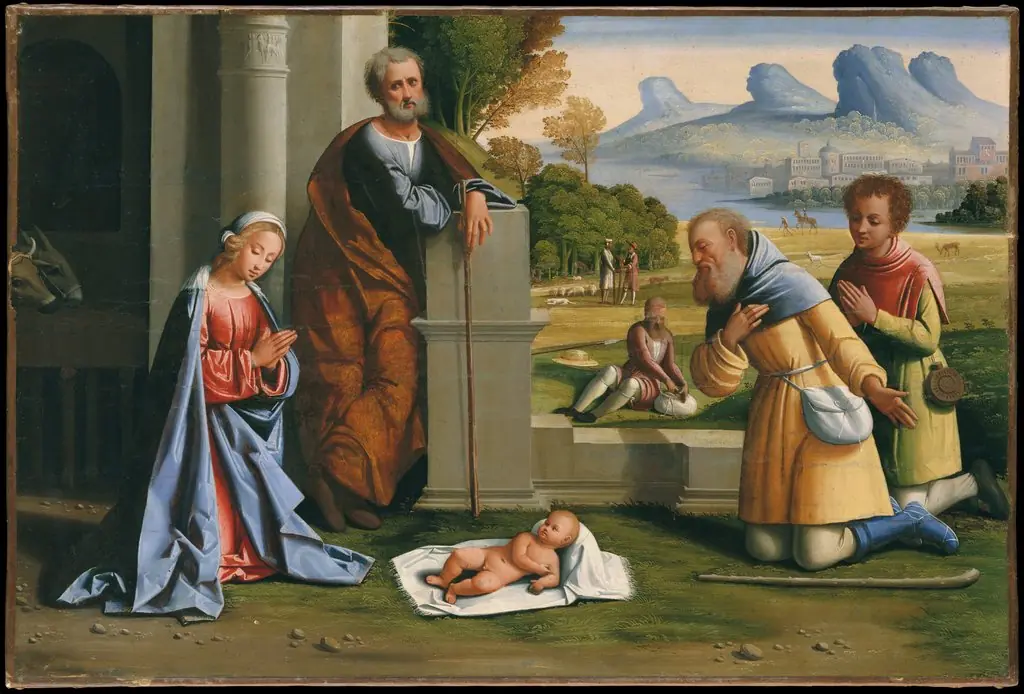 The Adoration of the Shepherds
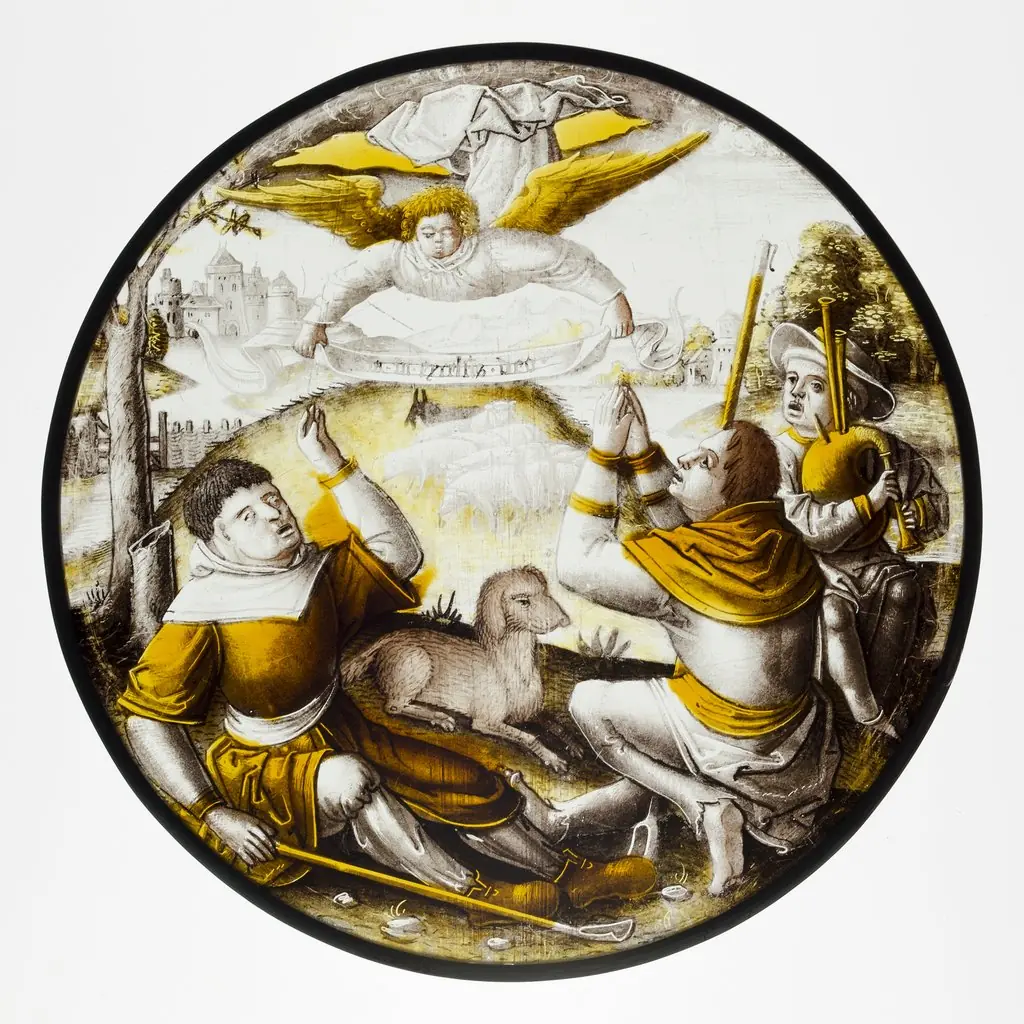 Roundel with Annunciation to the Shepherds
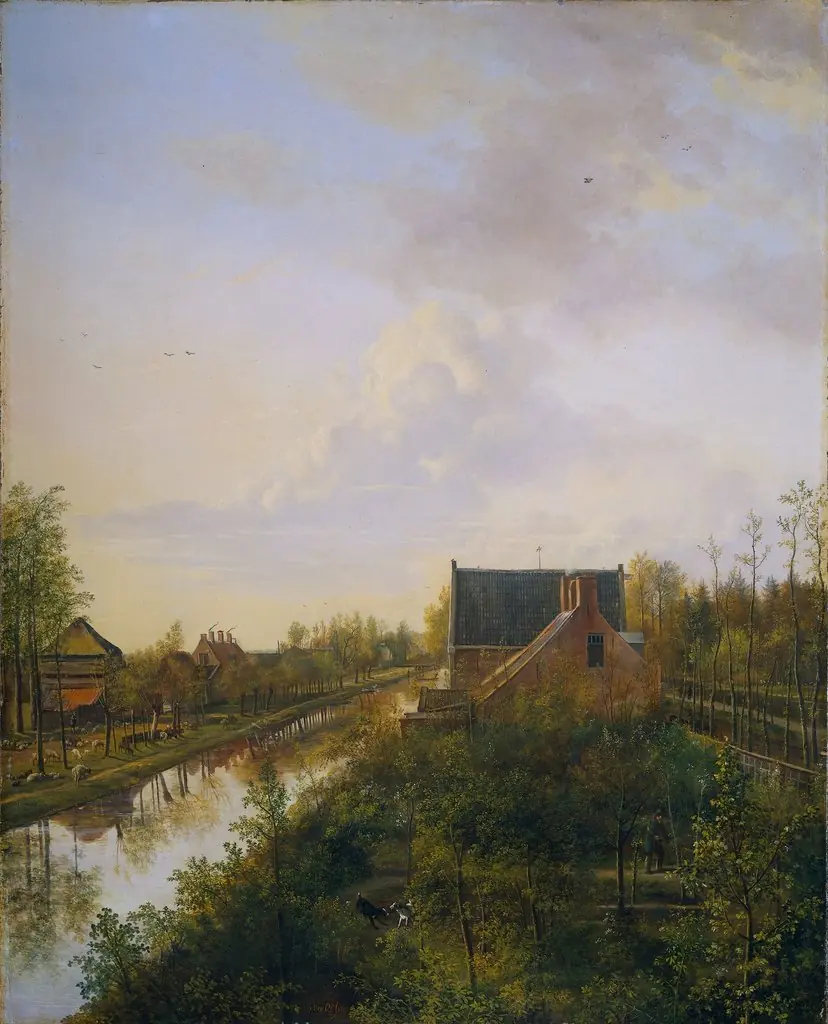 The canal at 's-Graveland
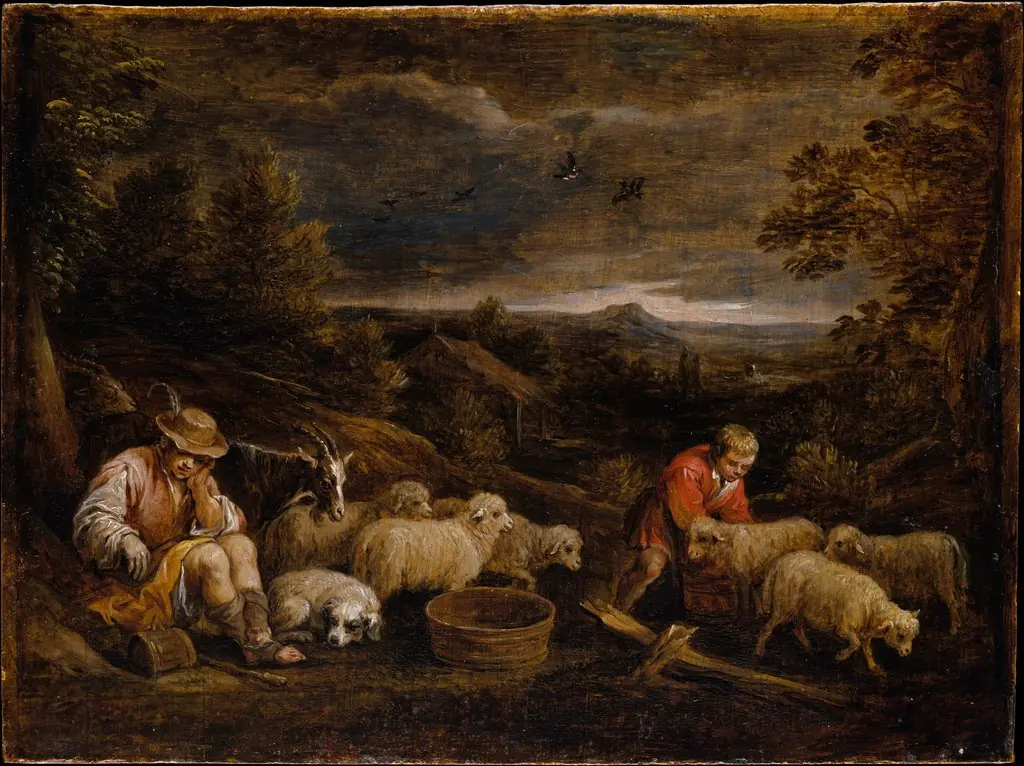 Shepherds and Sheep
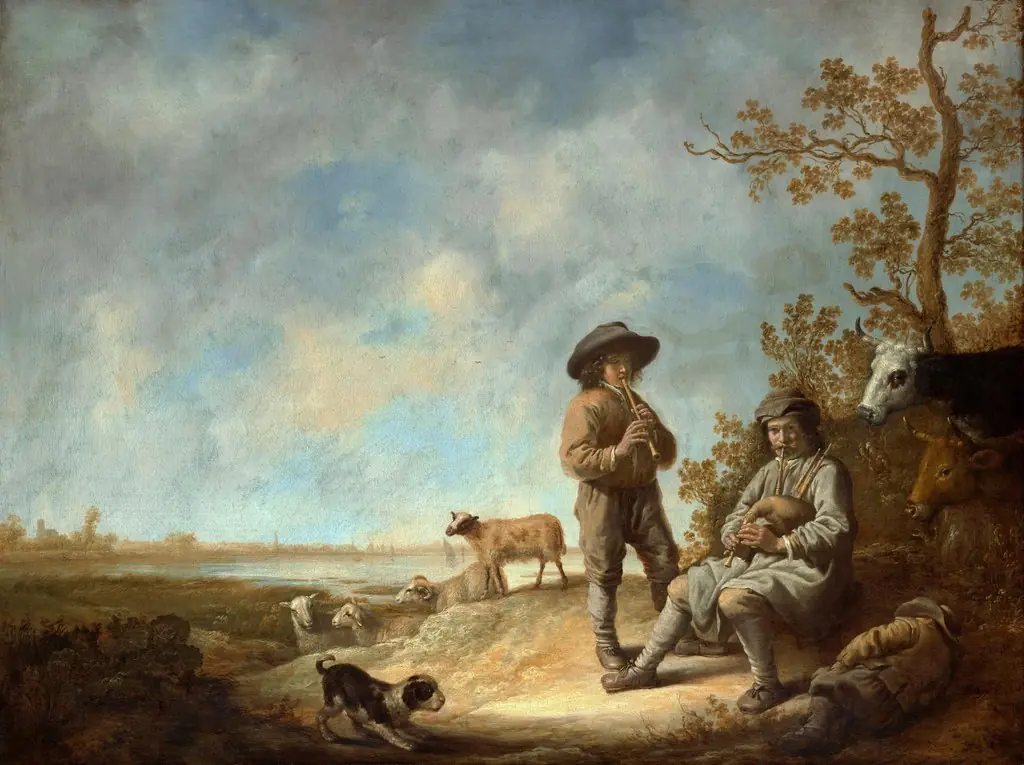 Piping Shepherds
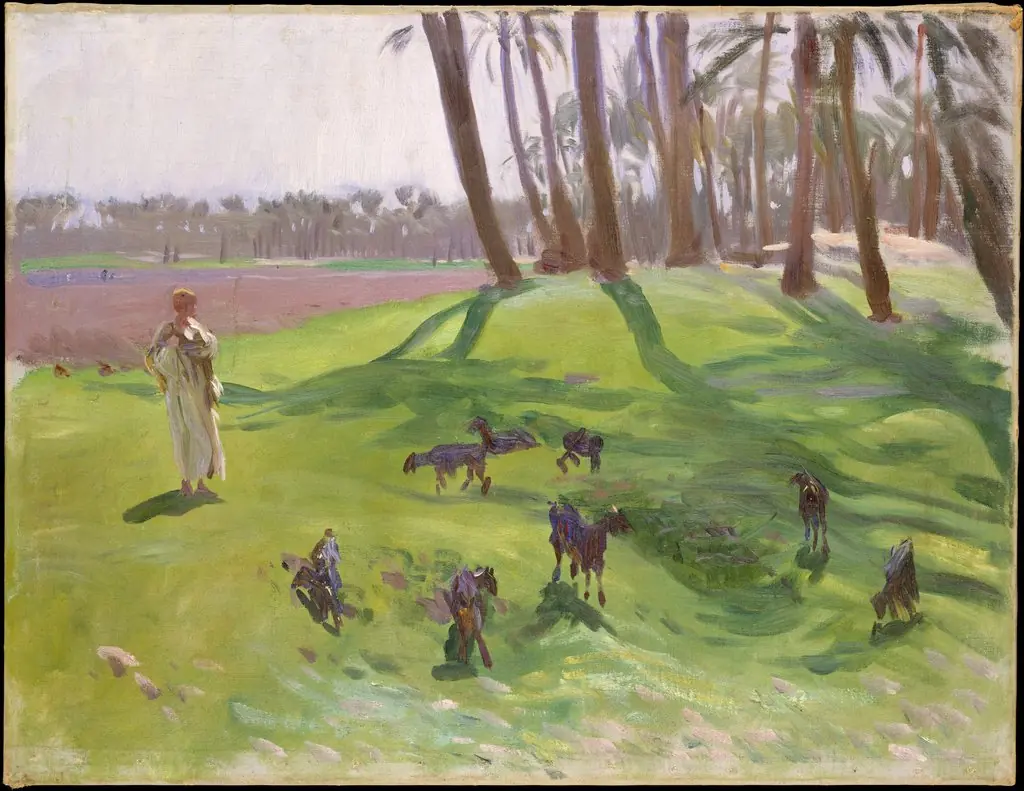 Landscape with Goatherd
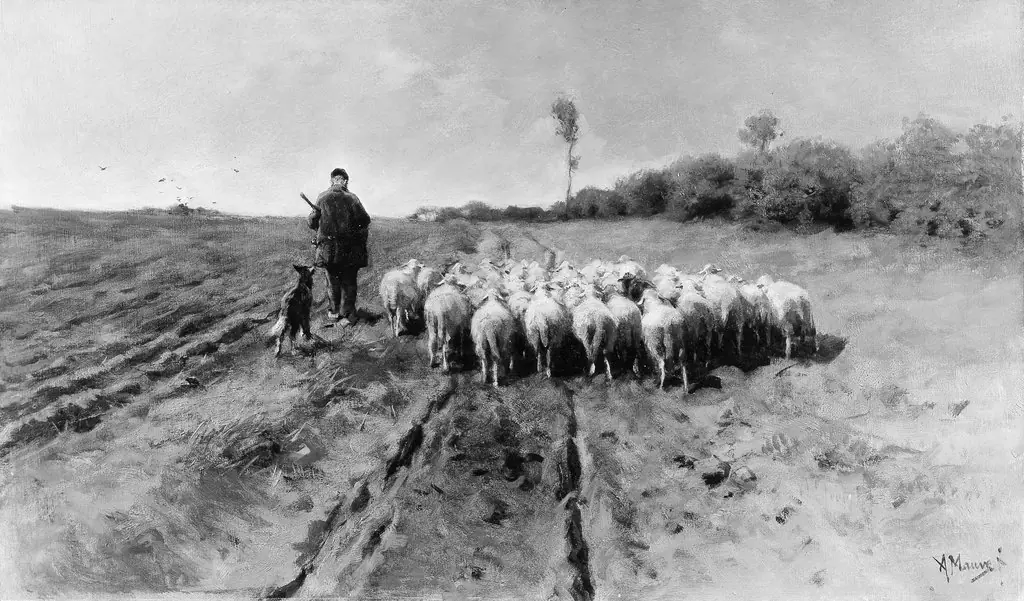 The Return to the Fold
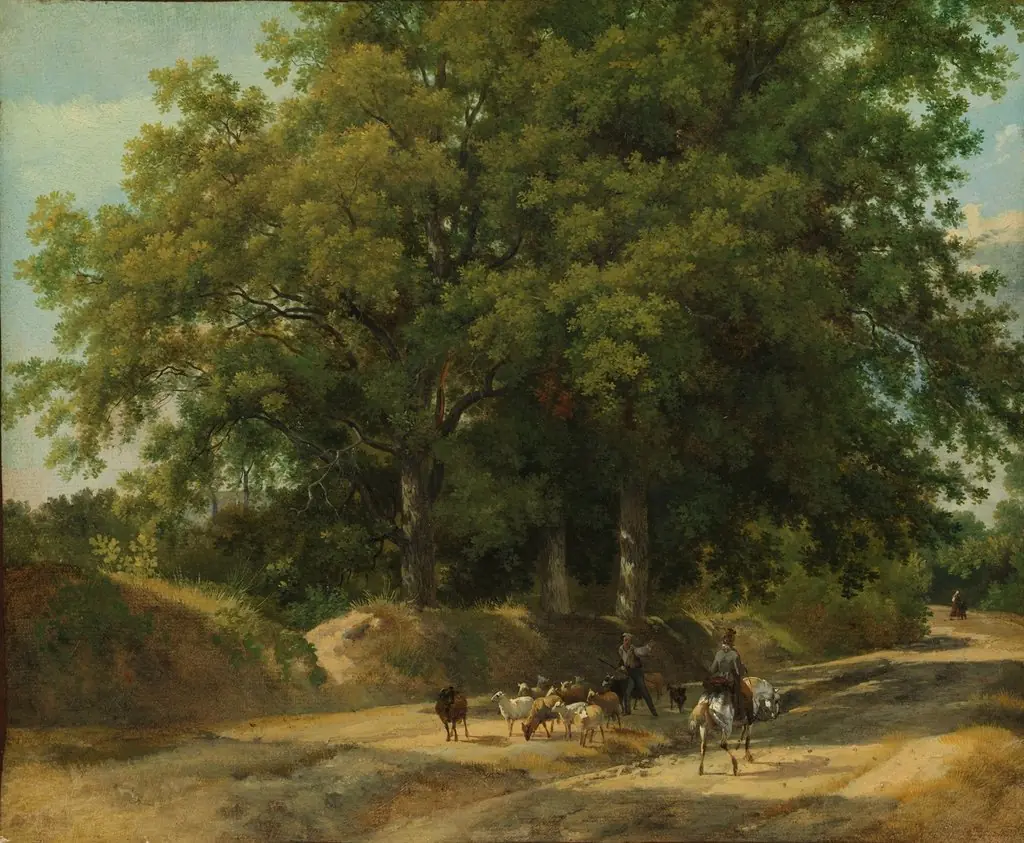 A Shepherd and a Rider on a Country Lane
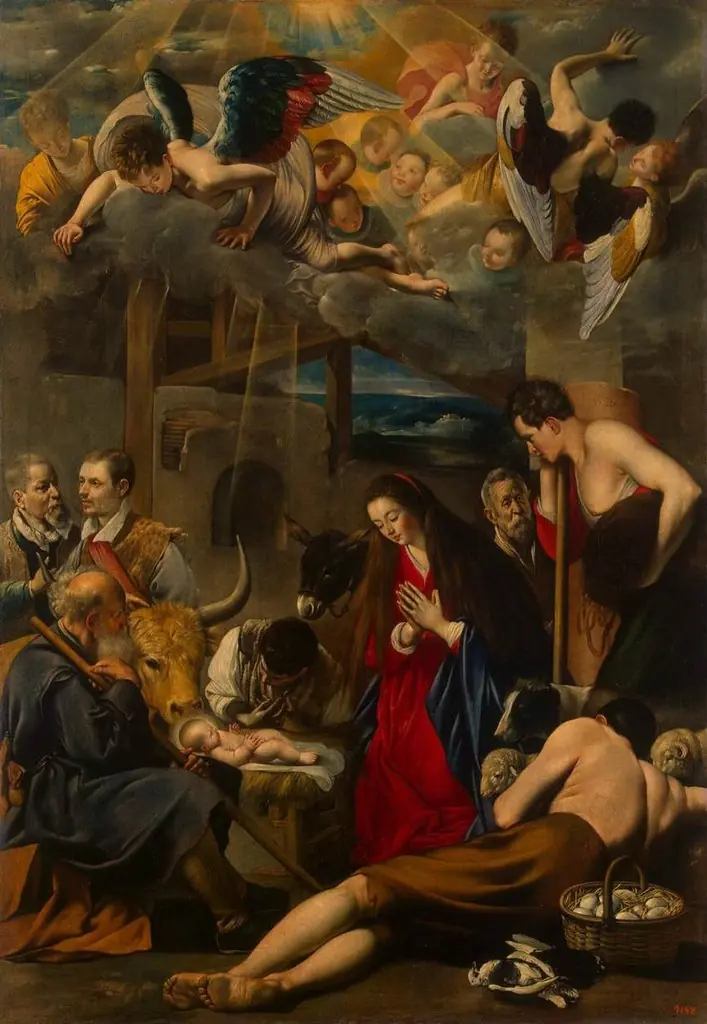 Adoration of the Shepherds
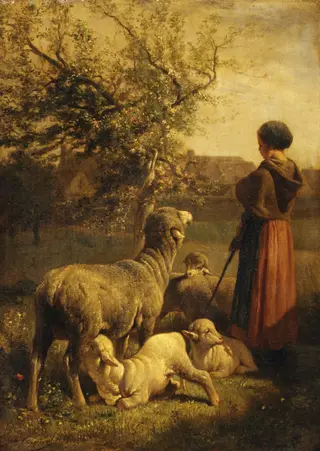 Springtime
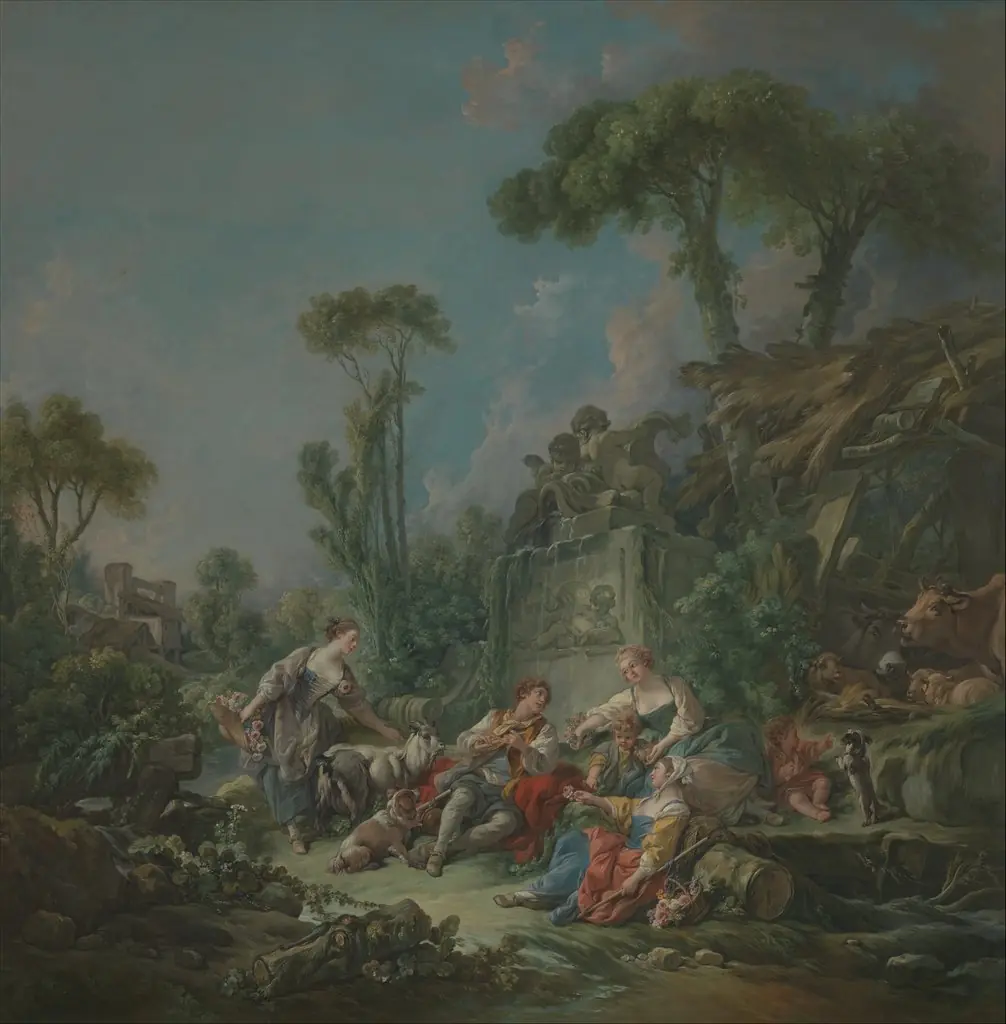 Shepherd's Idyll
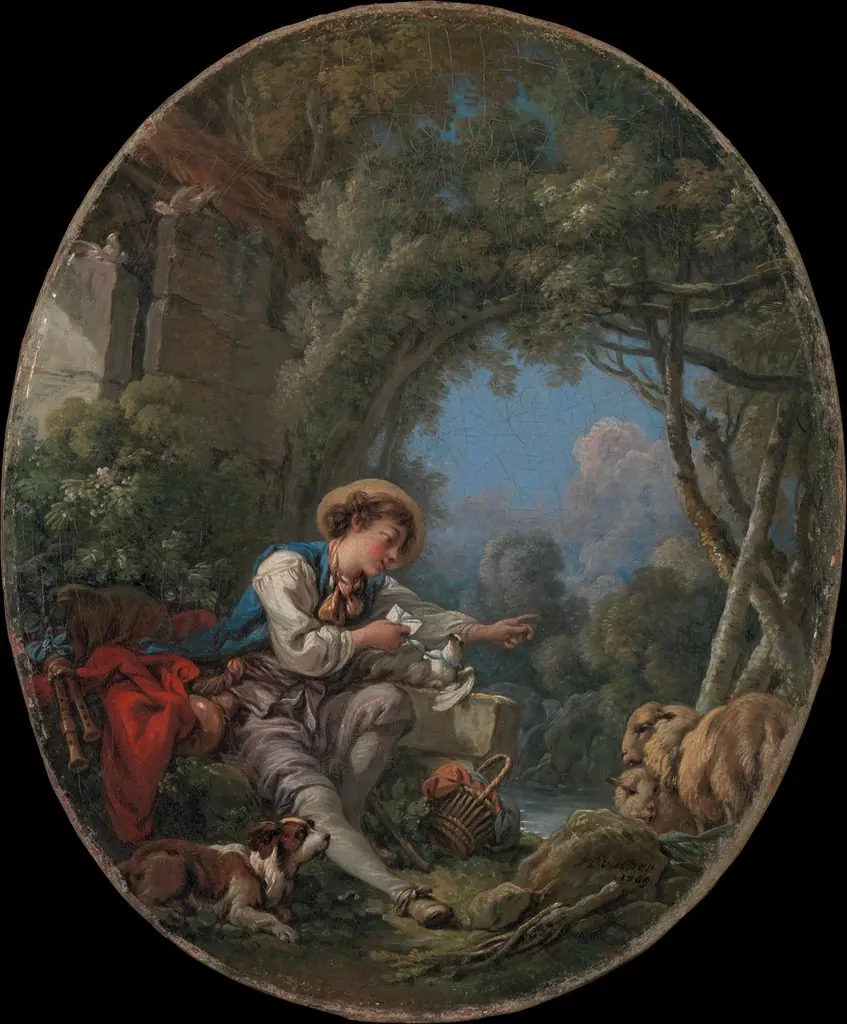 The Dispatch of the Messenger
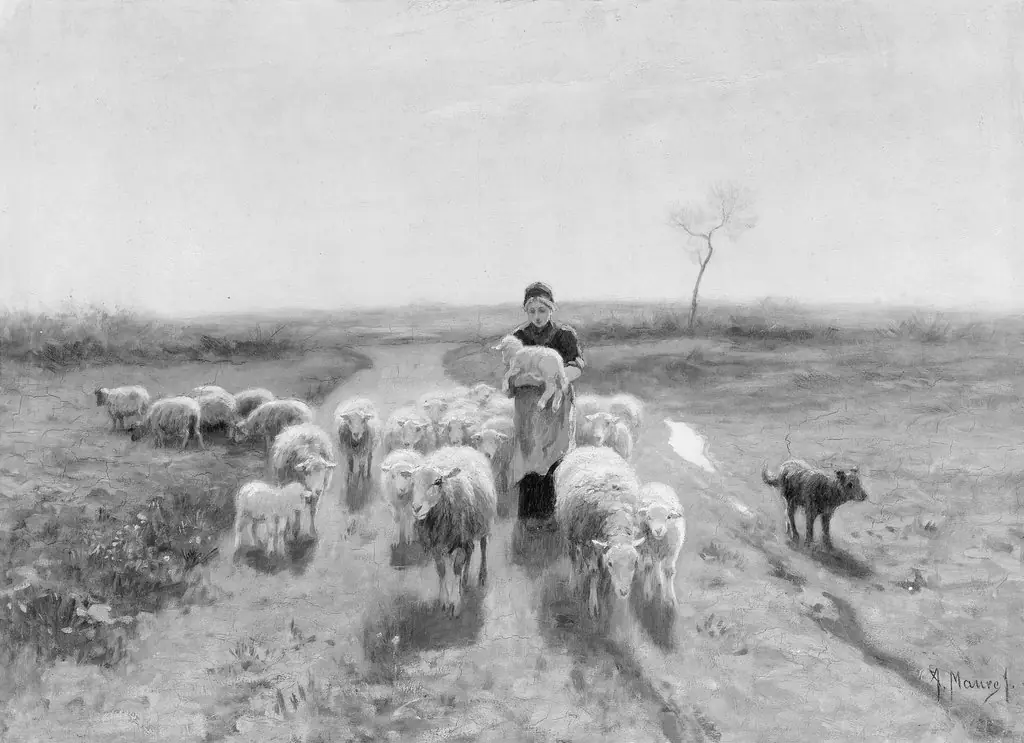 A Shepherdess and Her Flock
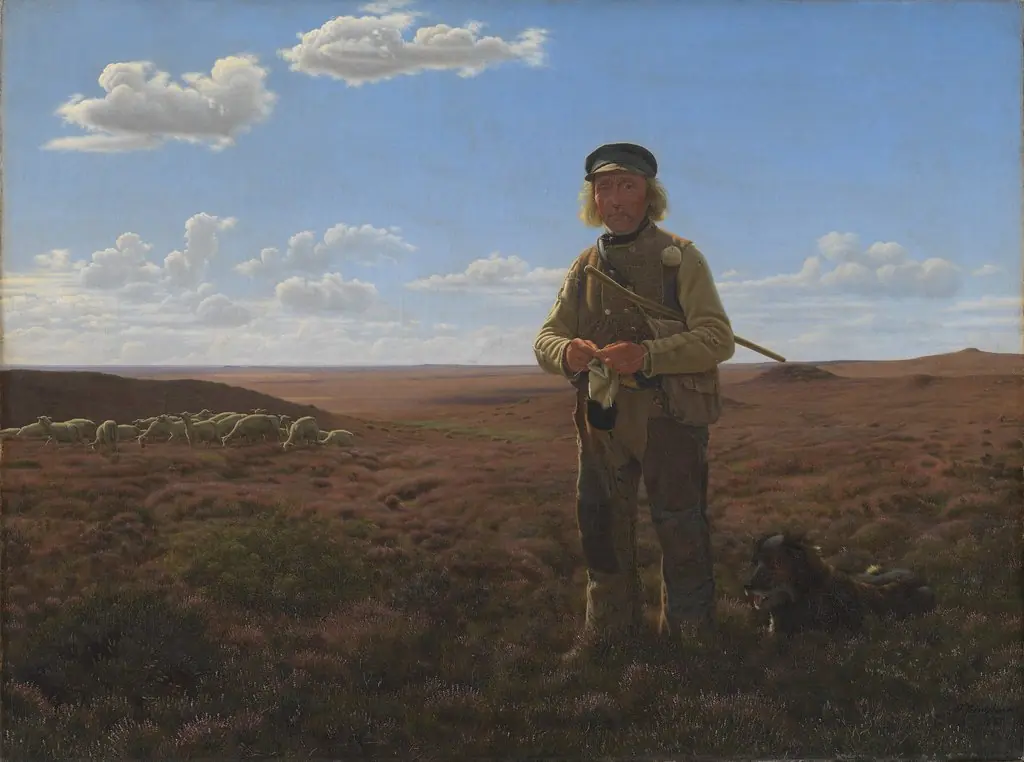 A Jutland Sheperd on the Moors
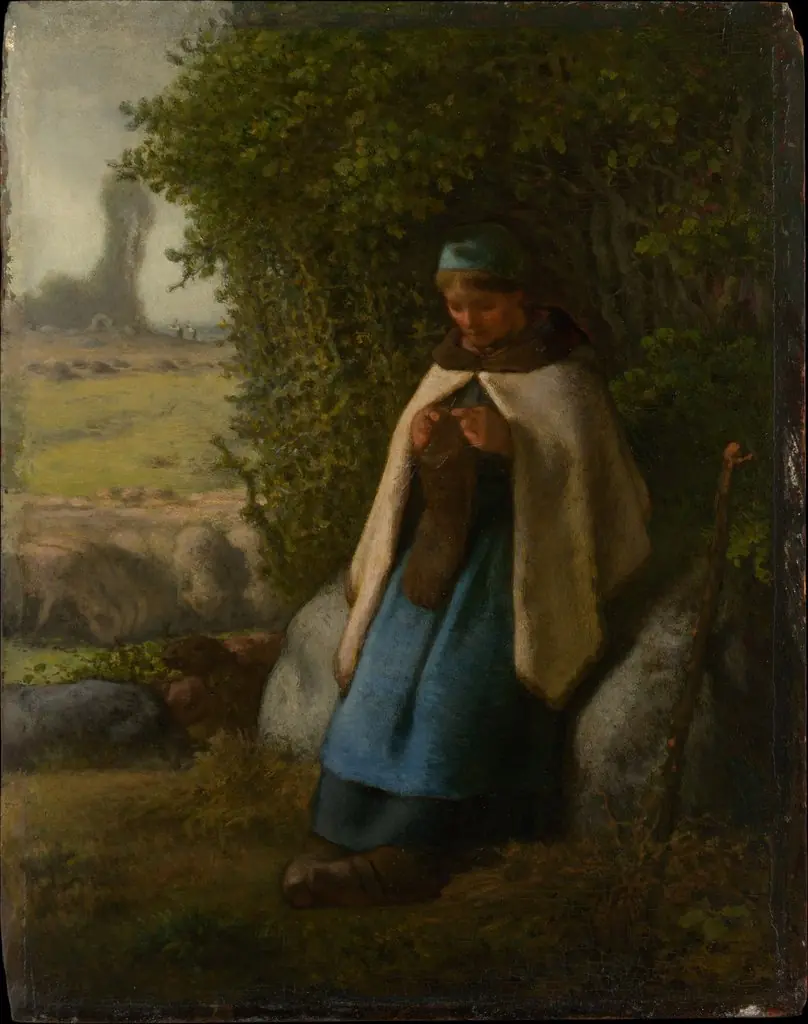 Shepherdess Seated on a Rock
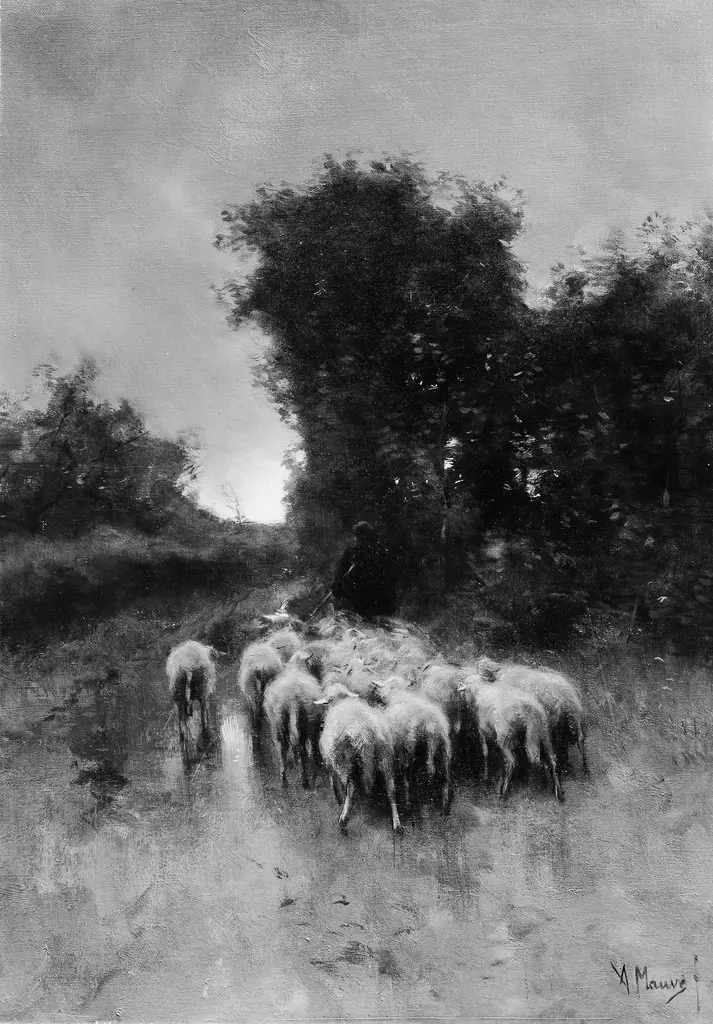 Twilight
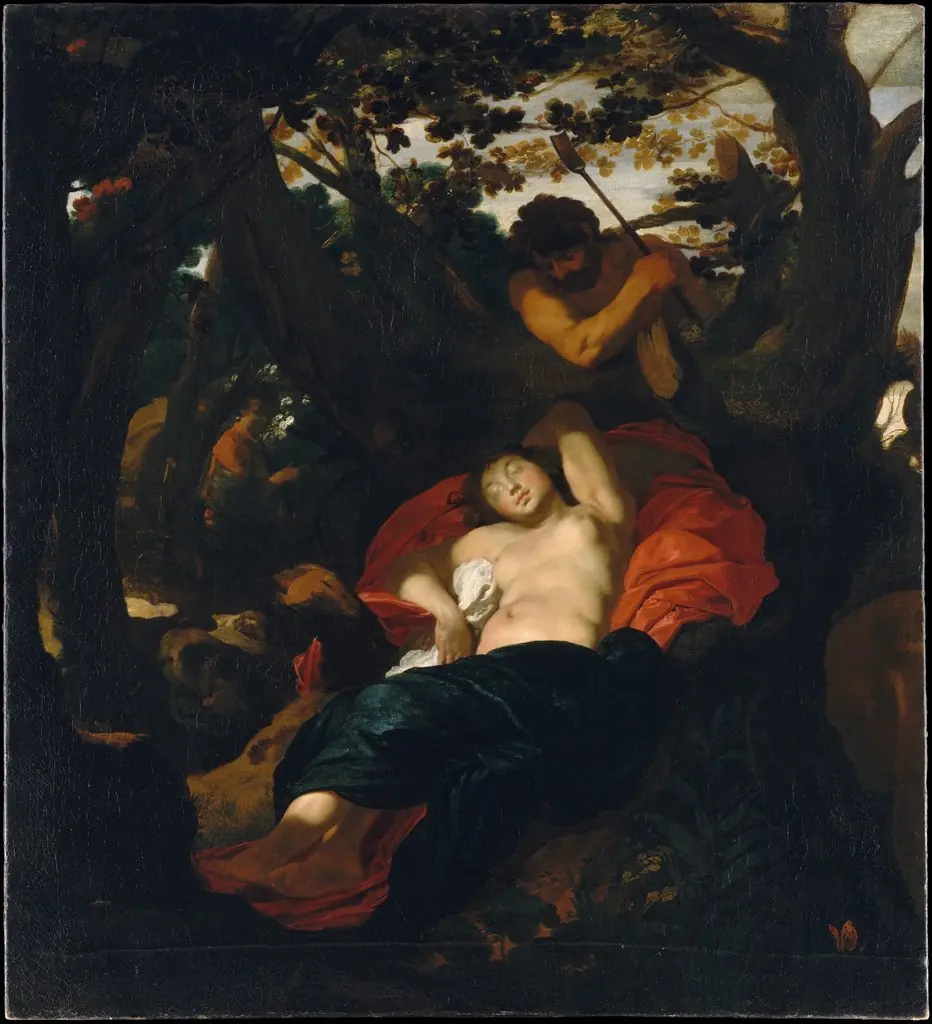 Nymph and Shepherd
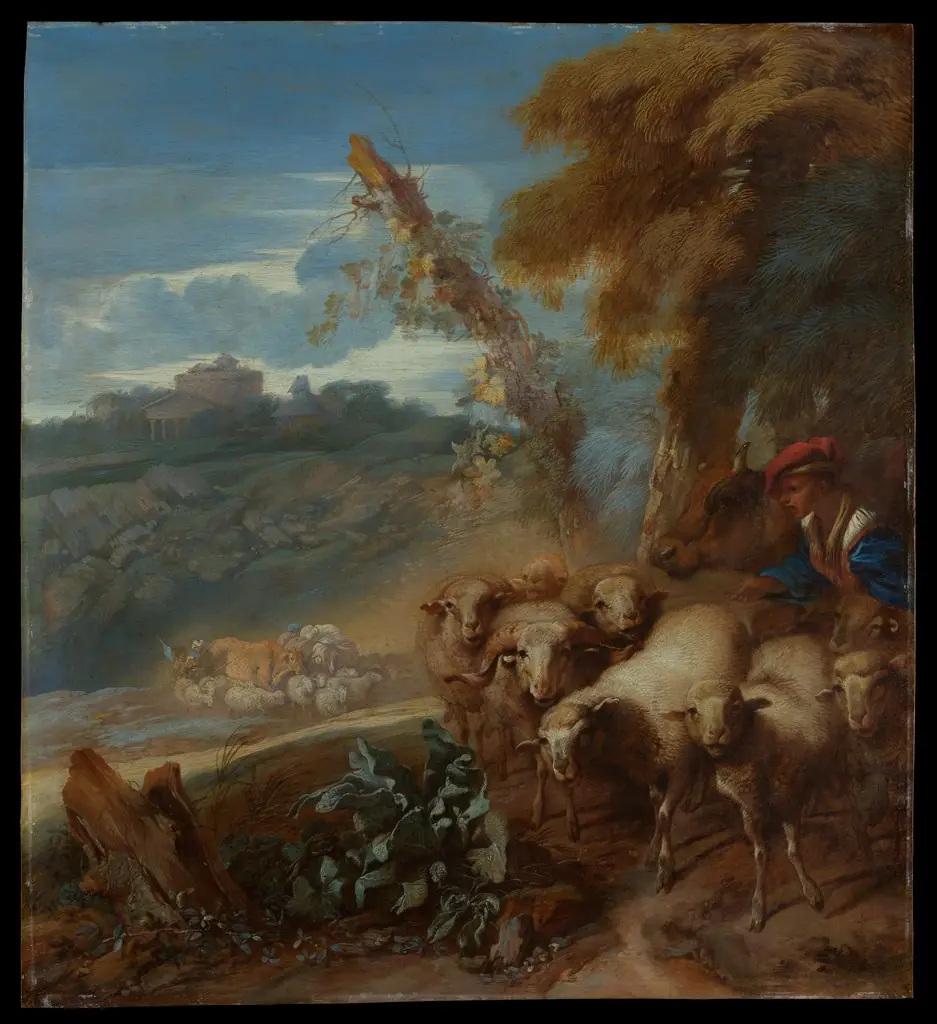 Roman Landscape with a Shepherd and Sheep
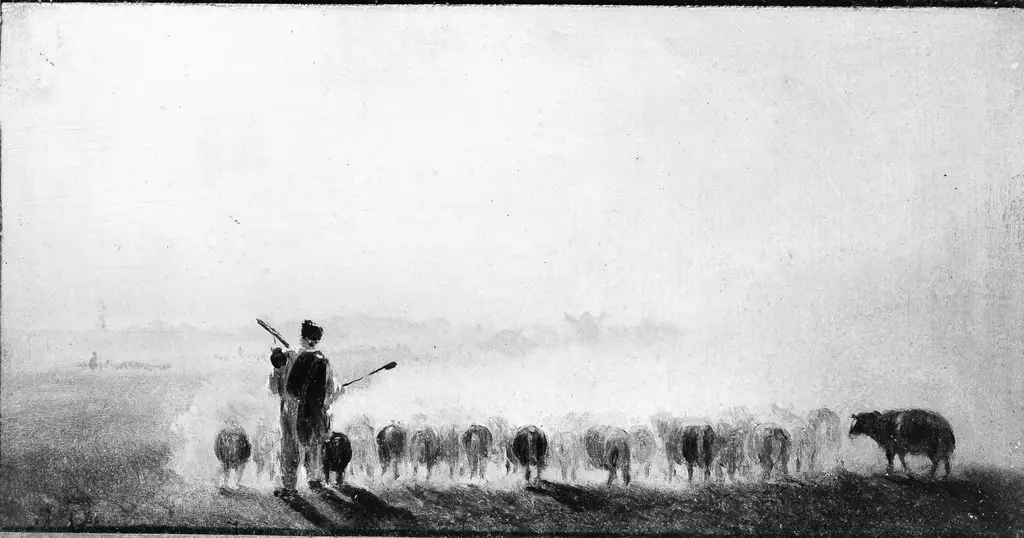 Shepherd with a Flock of Sheep
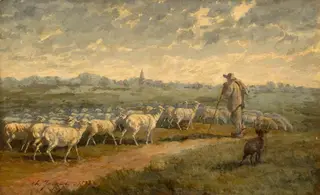 Landscape with a Herd
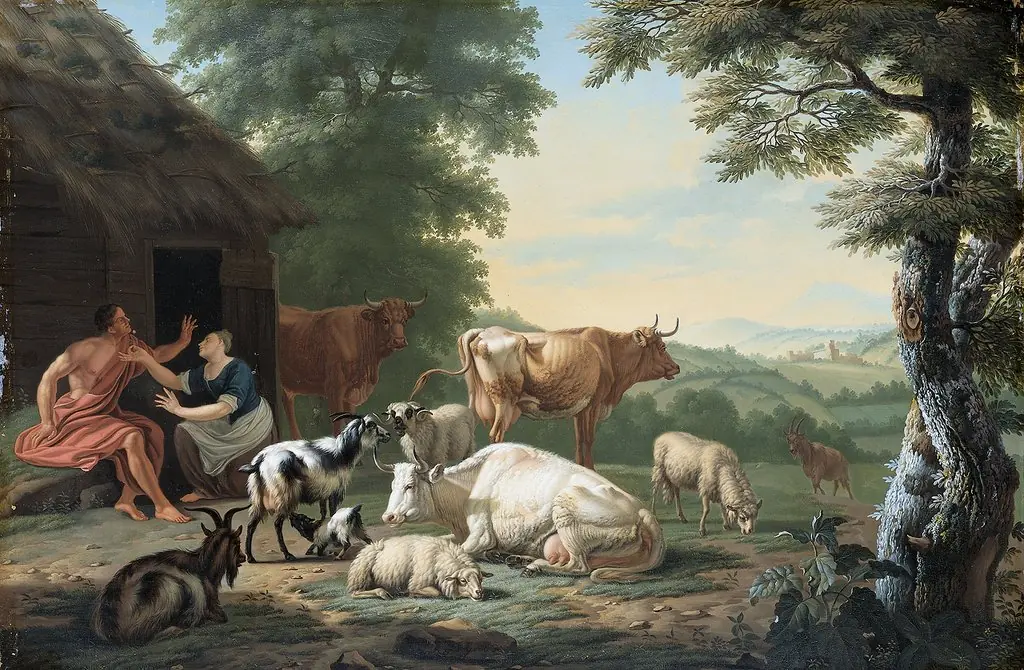 Arcadian Landscape with Shepherds and Animals
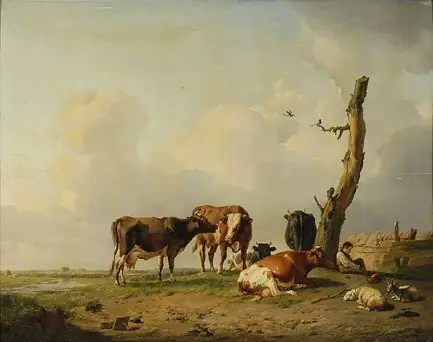 Landschap met herder en vee bij een boom
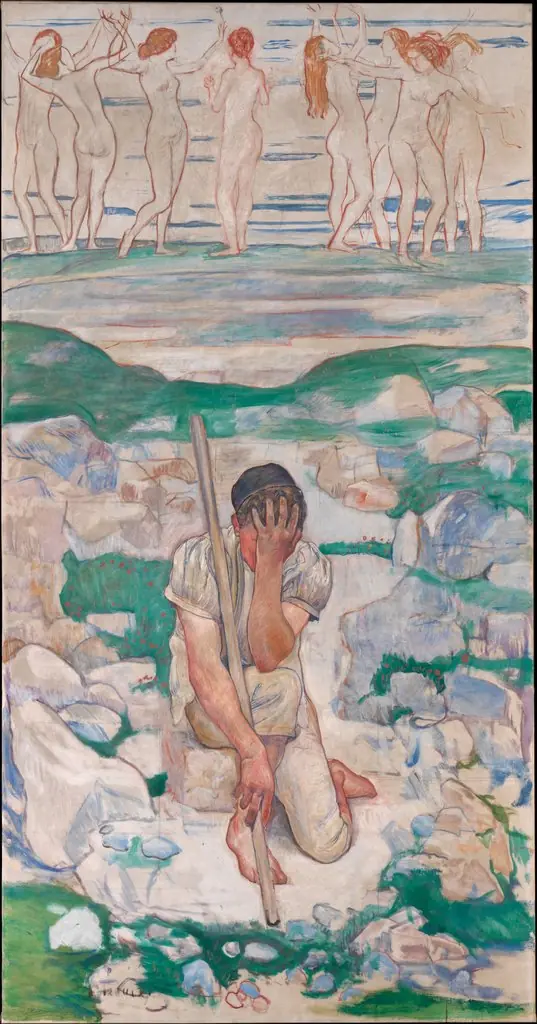 The Dream of the Shepherd (Der Traum des Hirten)
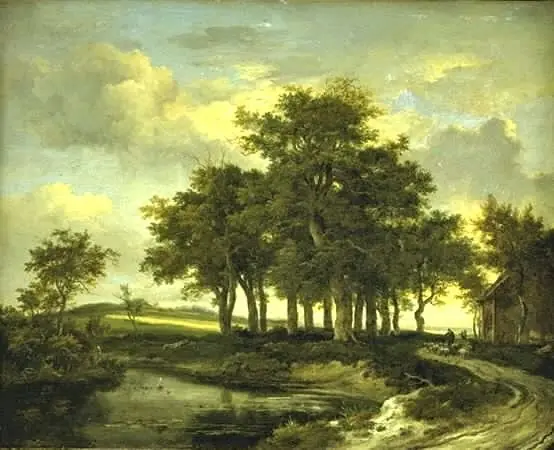 Oak Trees near a Road, Evening
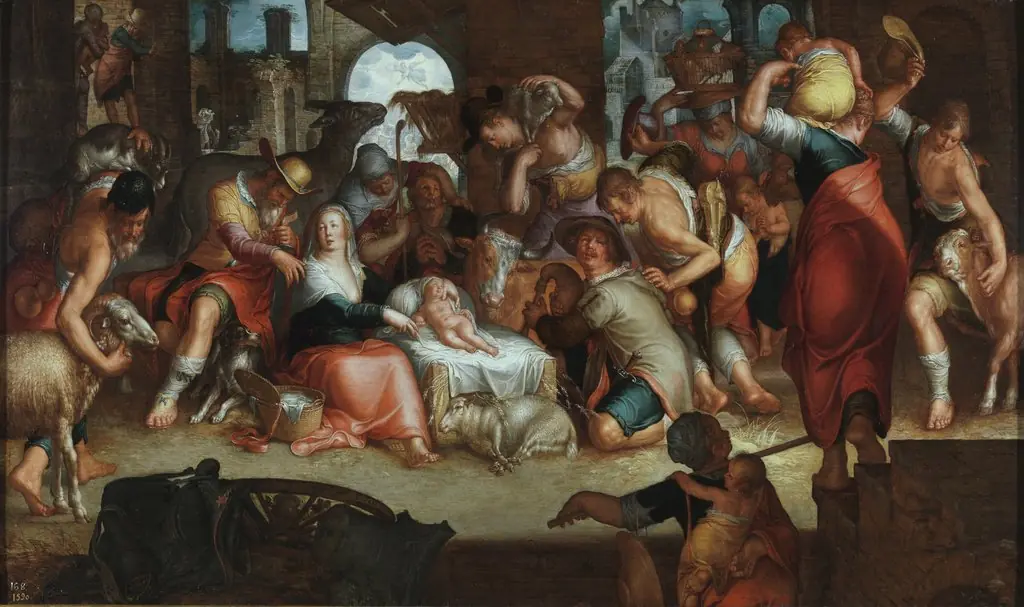 Adoration of the Shepherds
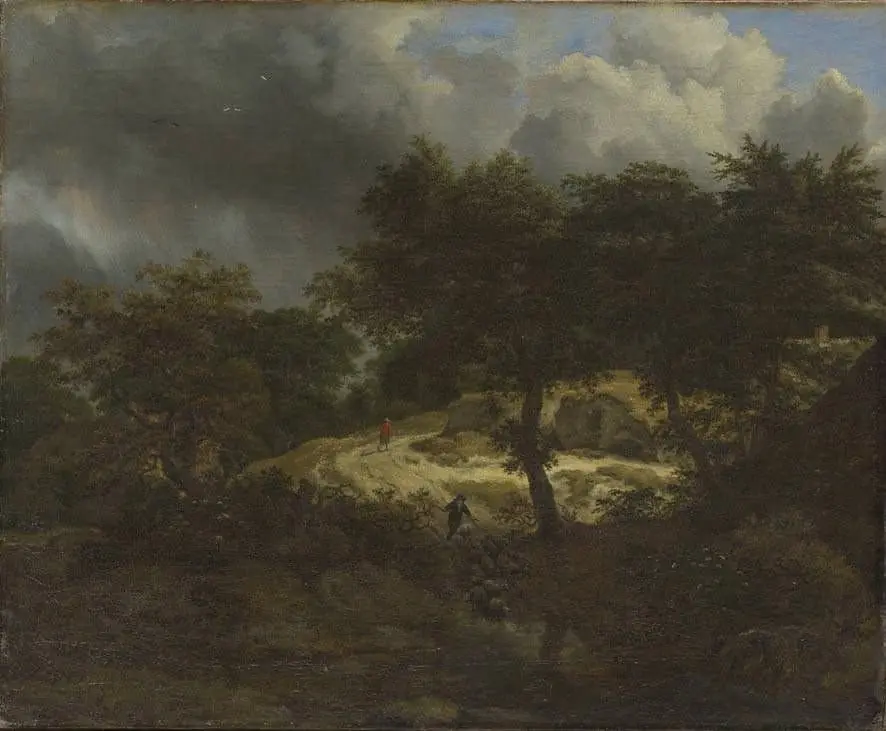 Wooded Landscape with Oncoming Storm
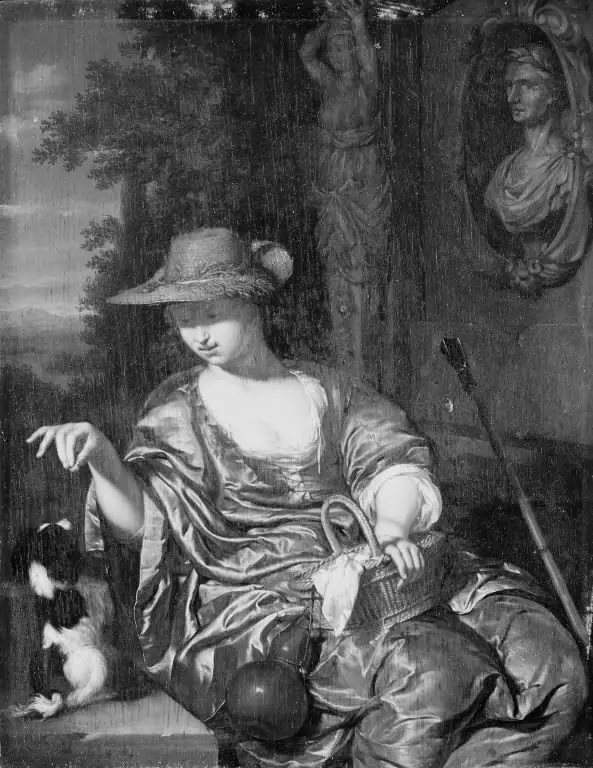 A Shepherdess with a Dog
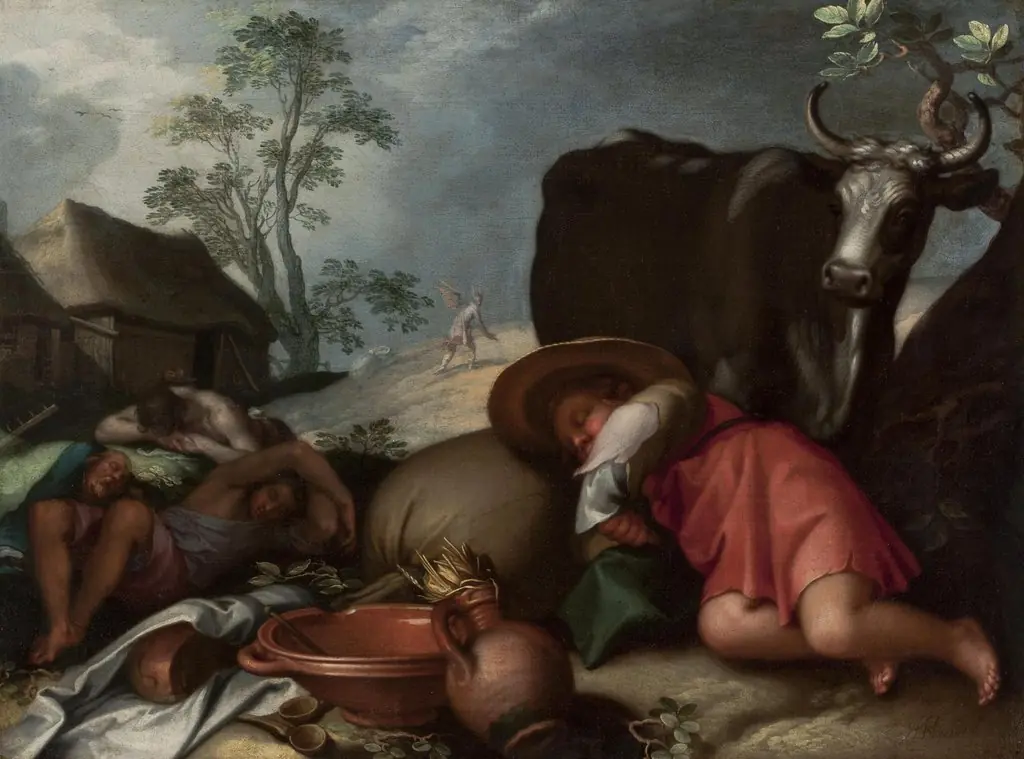 Landscape with Herdsmen and Satan Sowing Darnel
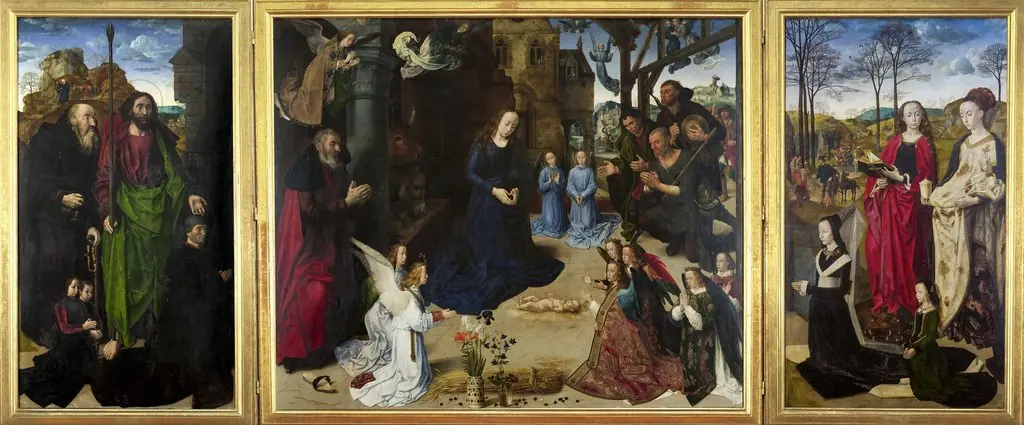 Portinari Triptych
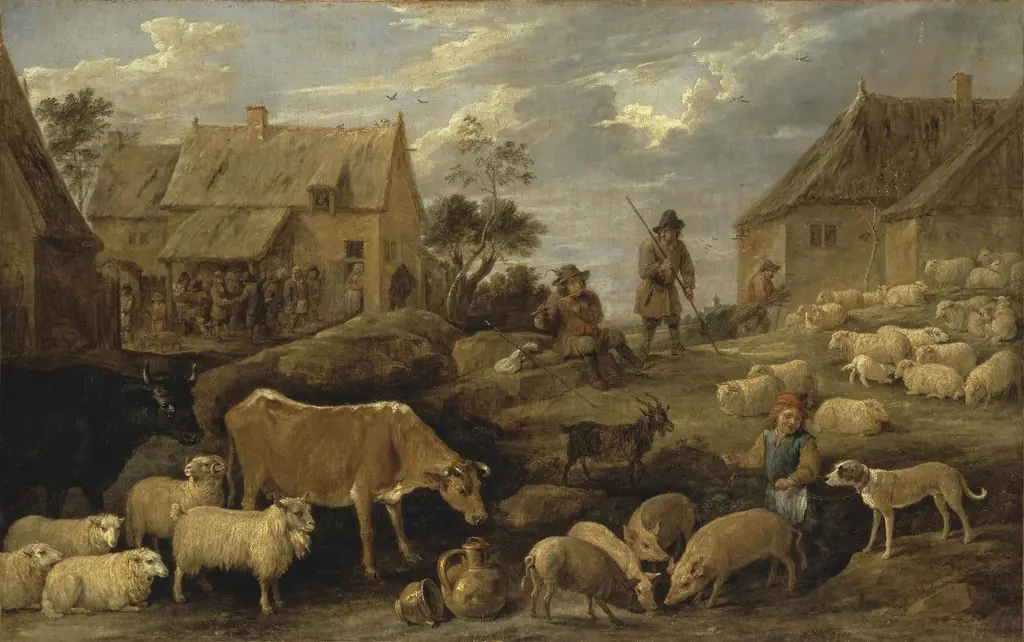 Landscape with shepherds and a flock
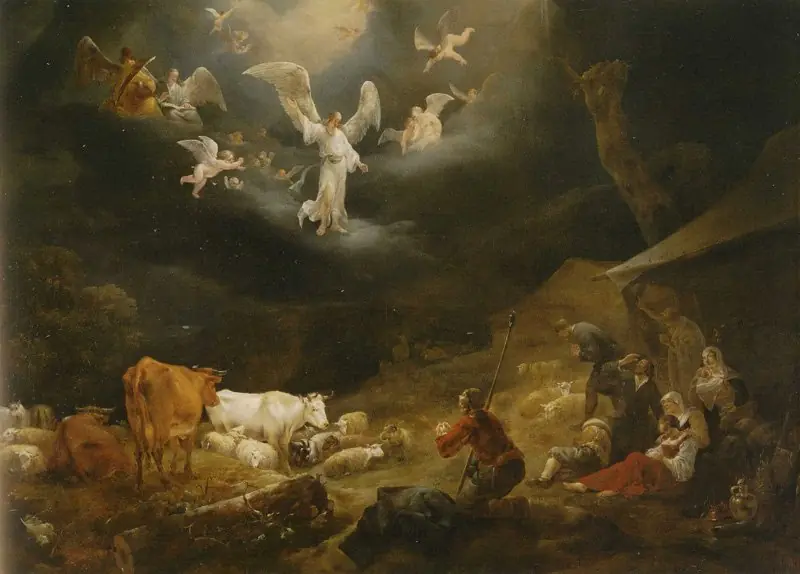 The Annunciation to the Shepherds
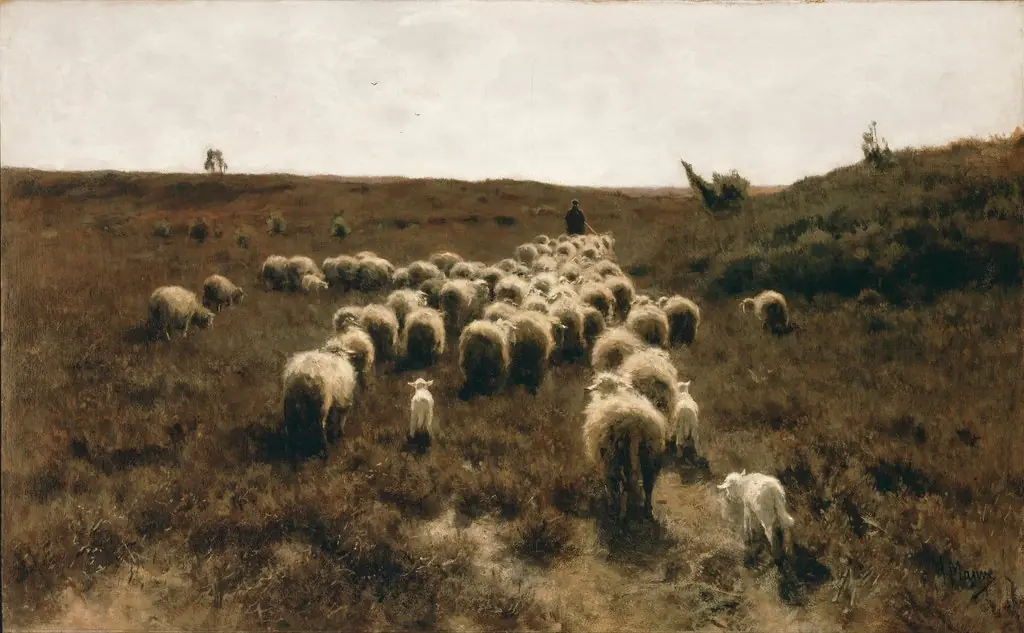 The Return of the Flock, Laren
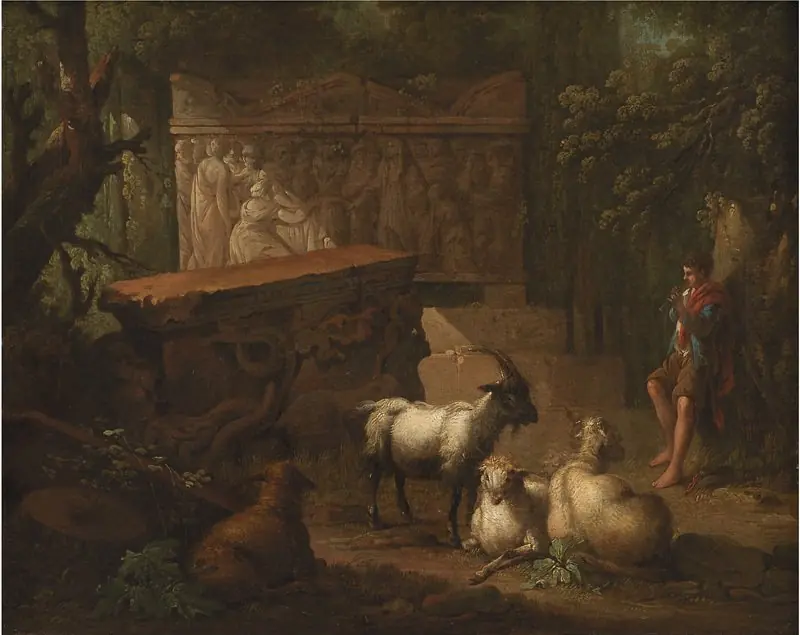 Antikke ruiner omgivet af træer, i forgrunden en hyrde og nogle geder
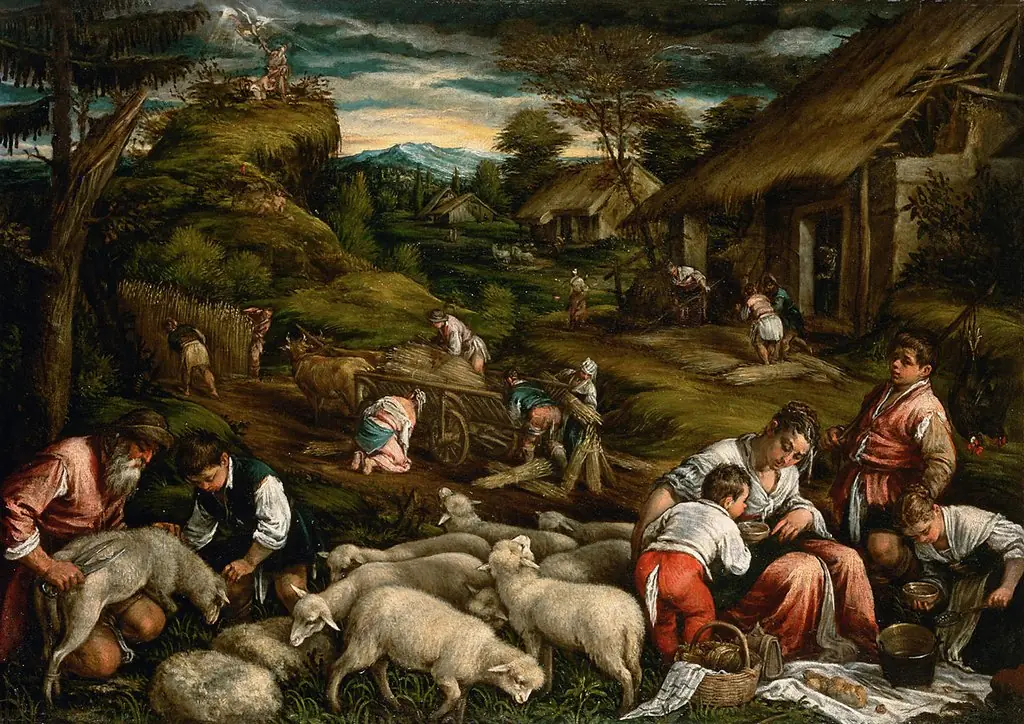 Summer (with Sacrifice of Isaac)
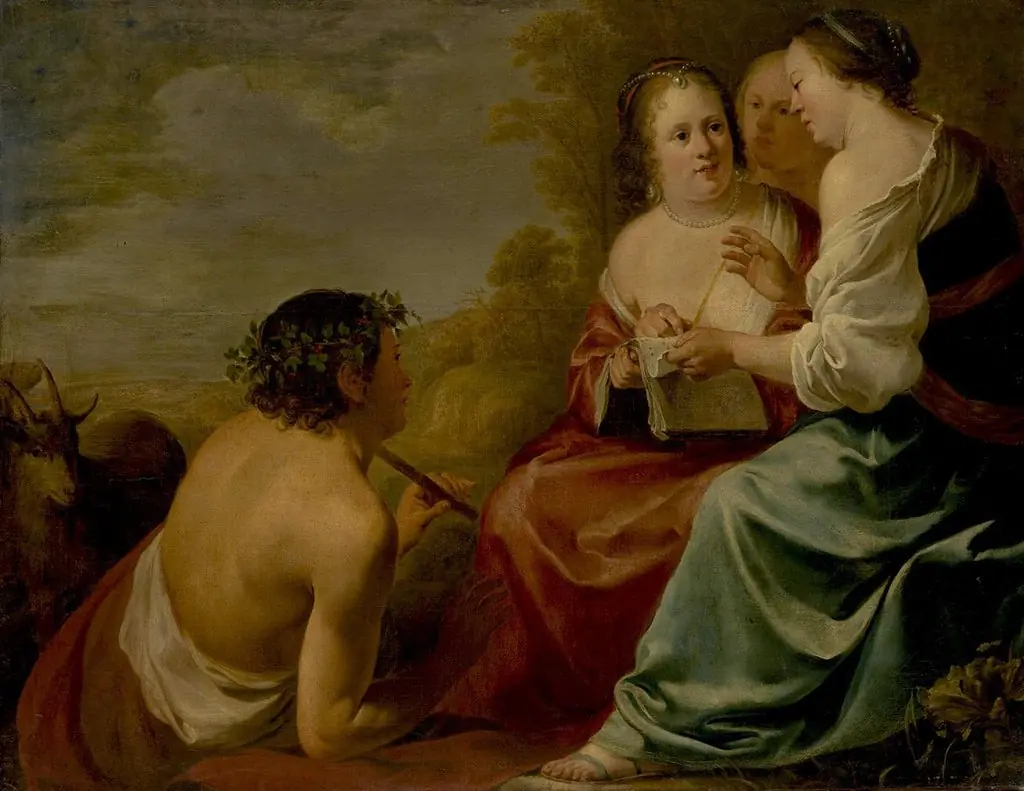 A Shepherd's Concert
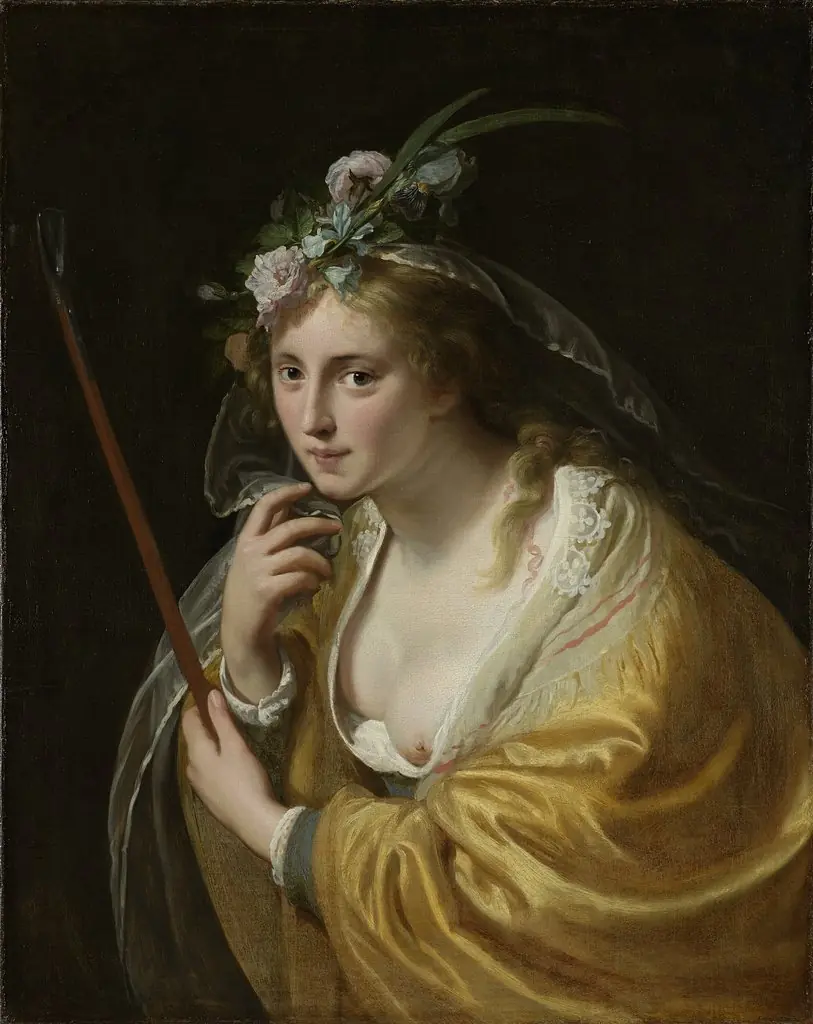 A Shepherdess
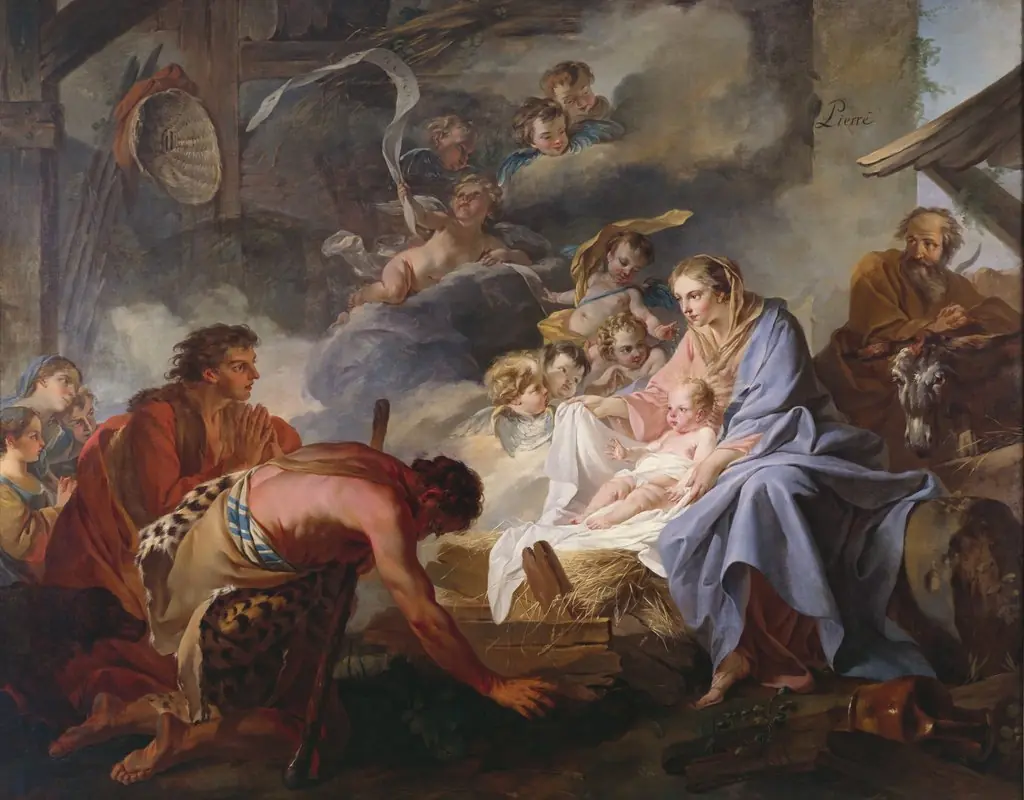 The Adoration of the Shepherds
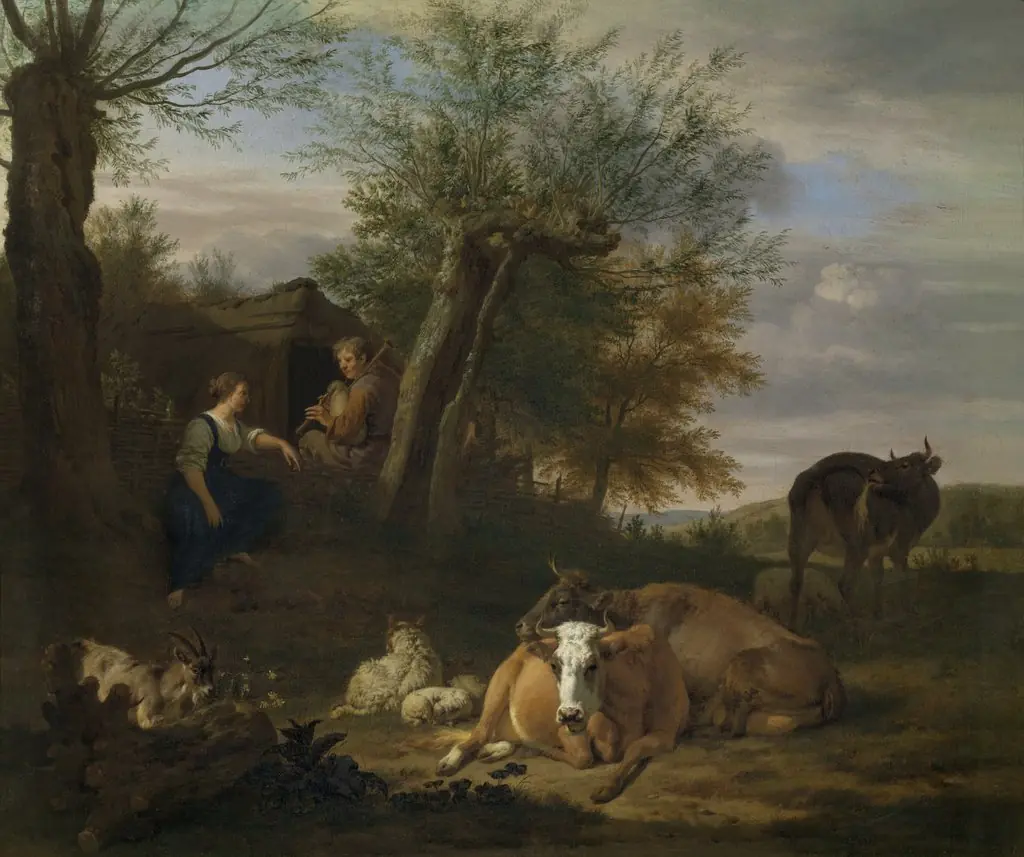 Bagpiper
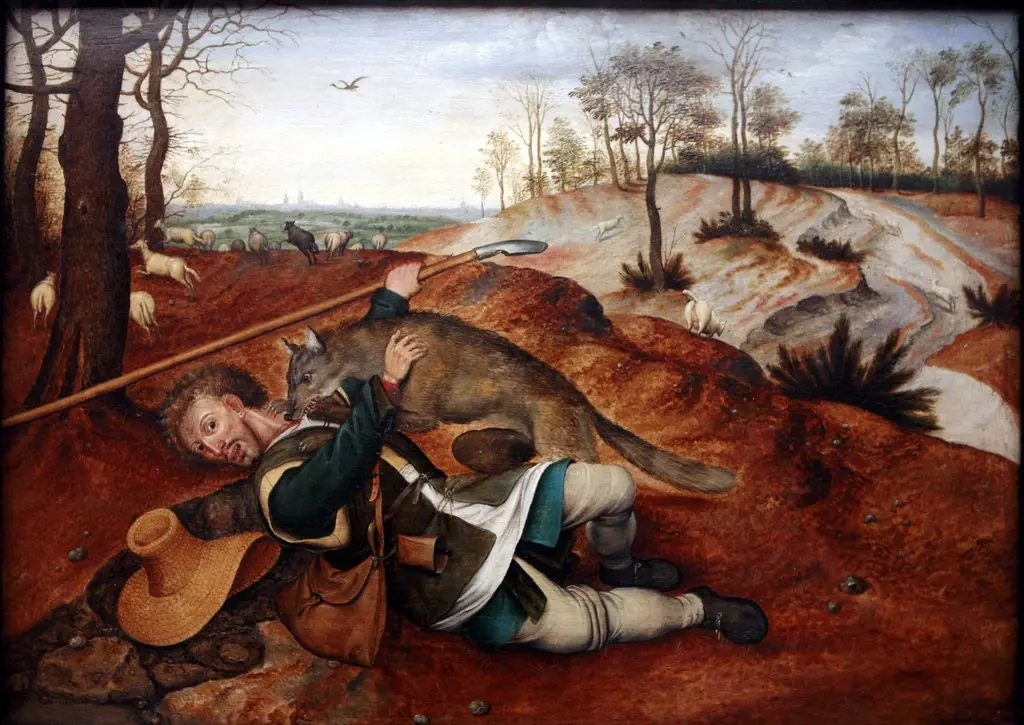 The Good Shepherd
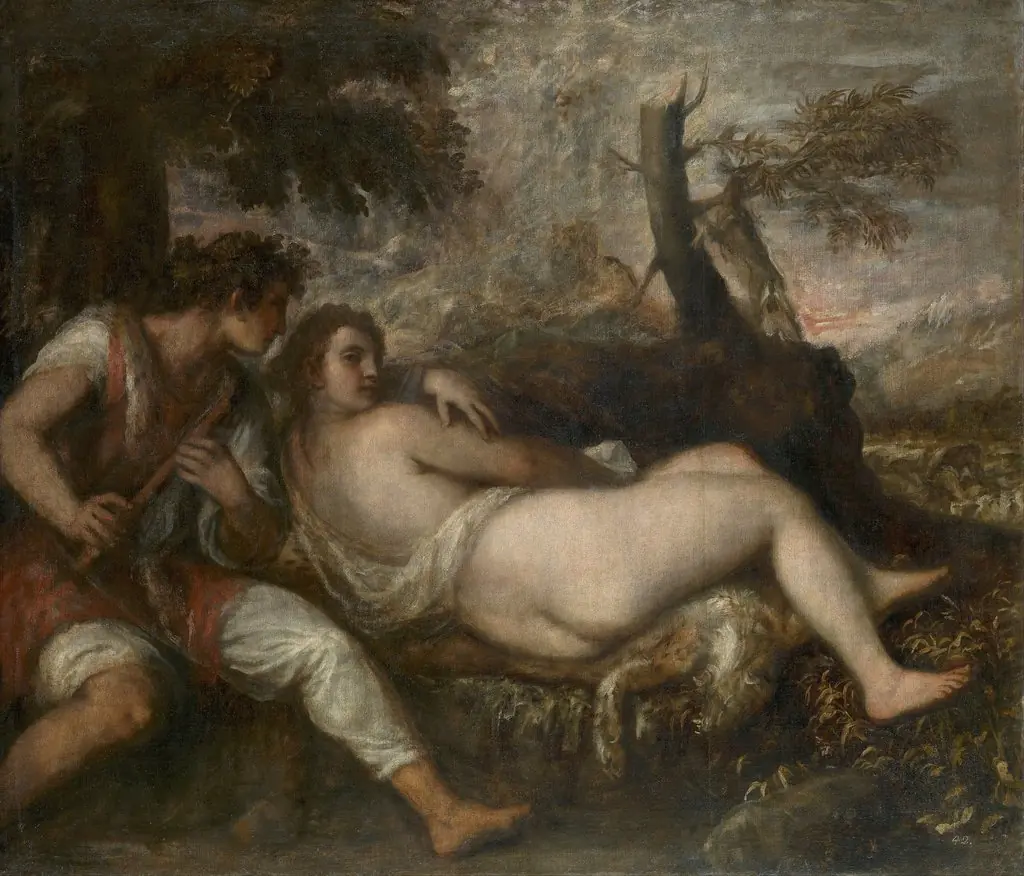 Nymph and Shepherd
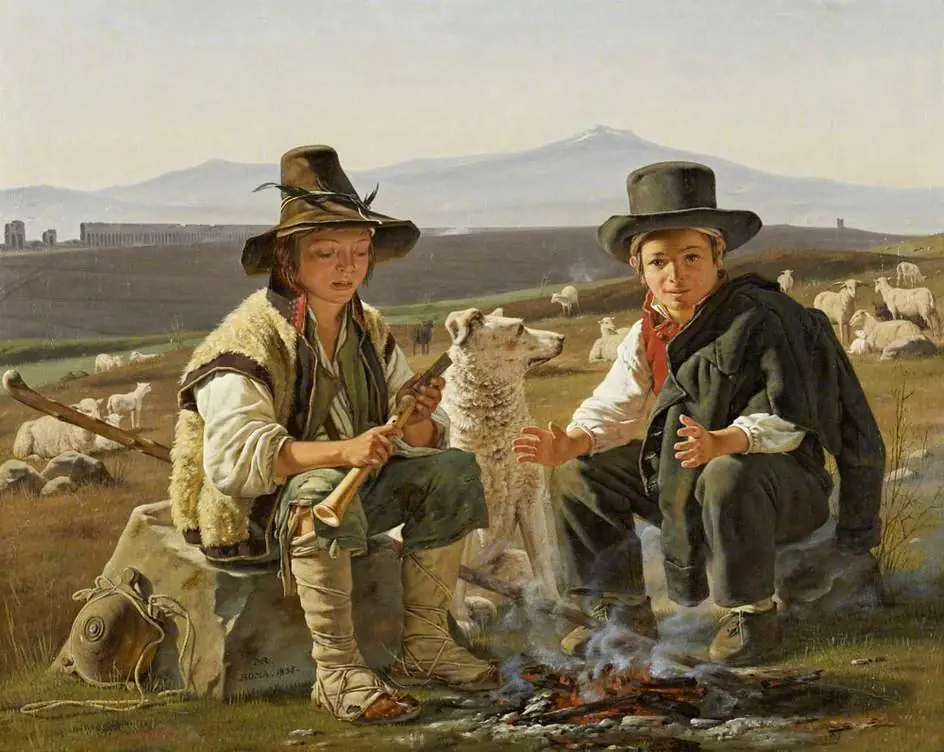 Two Shepherd Boys in the Roman Campagna
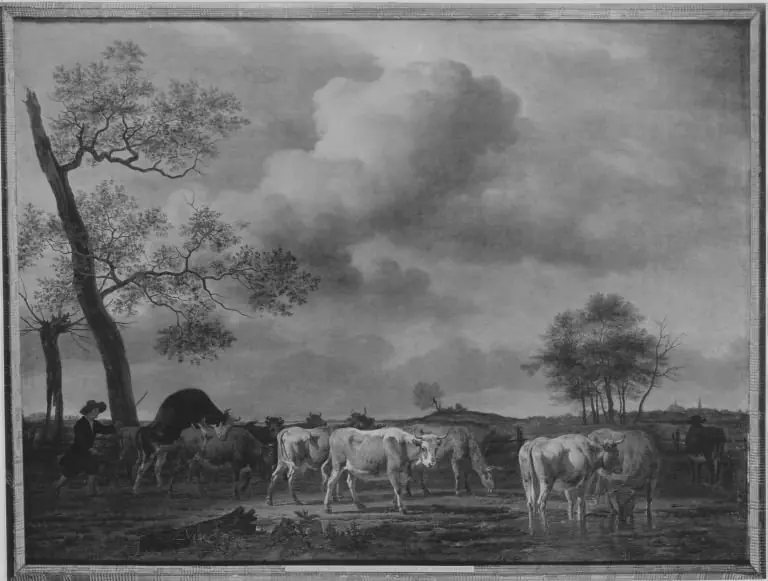 Hirt mit Rinderherde
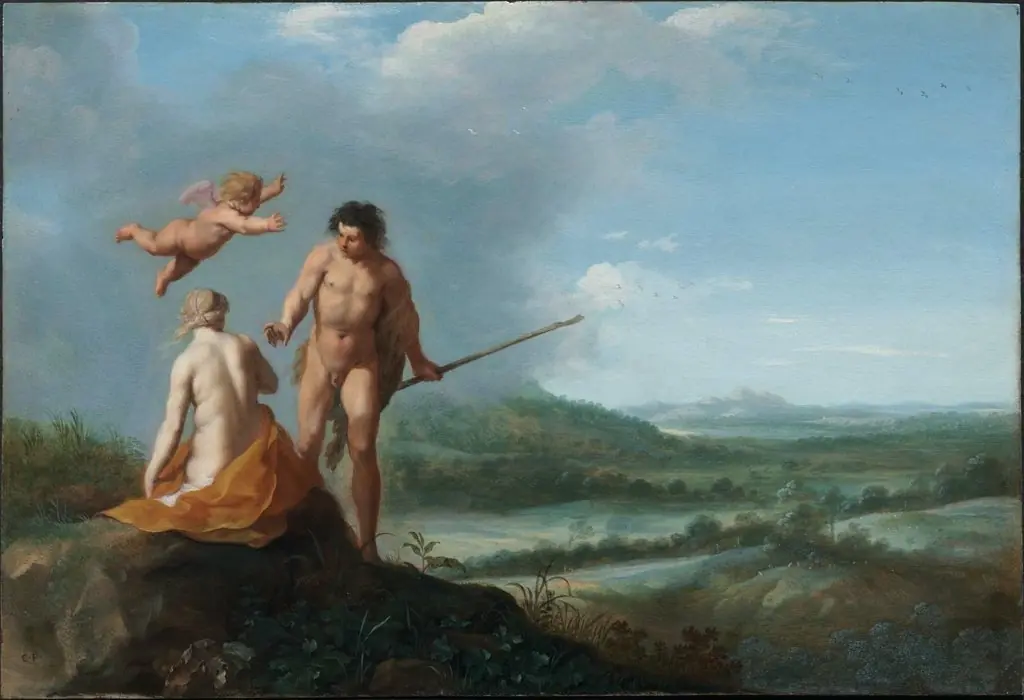 Nymph and Shepherd in a Landscape
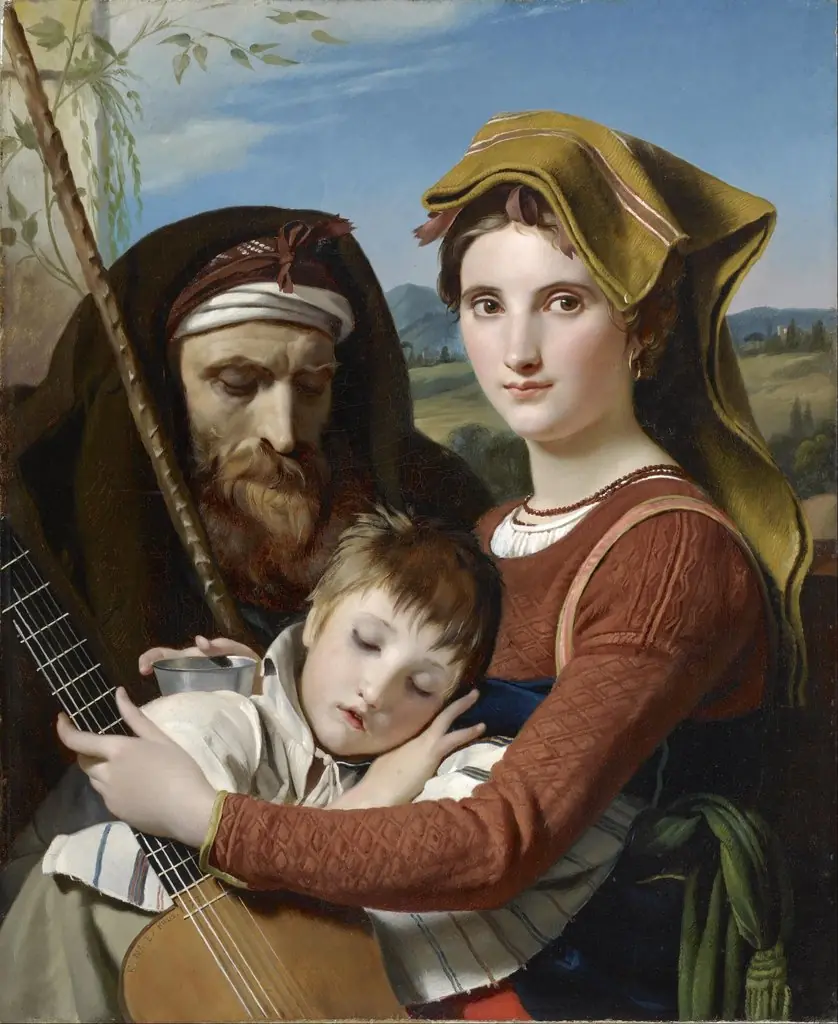 Roman Shepherd Family in the Campagna
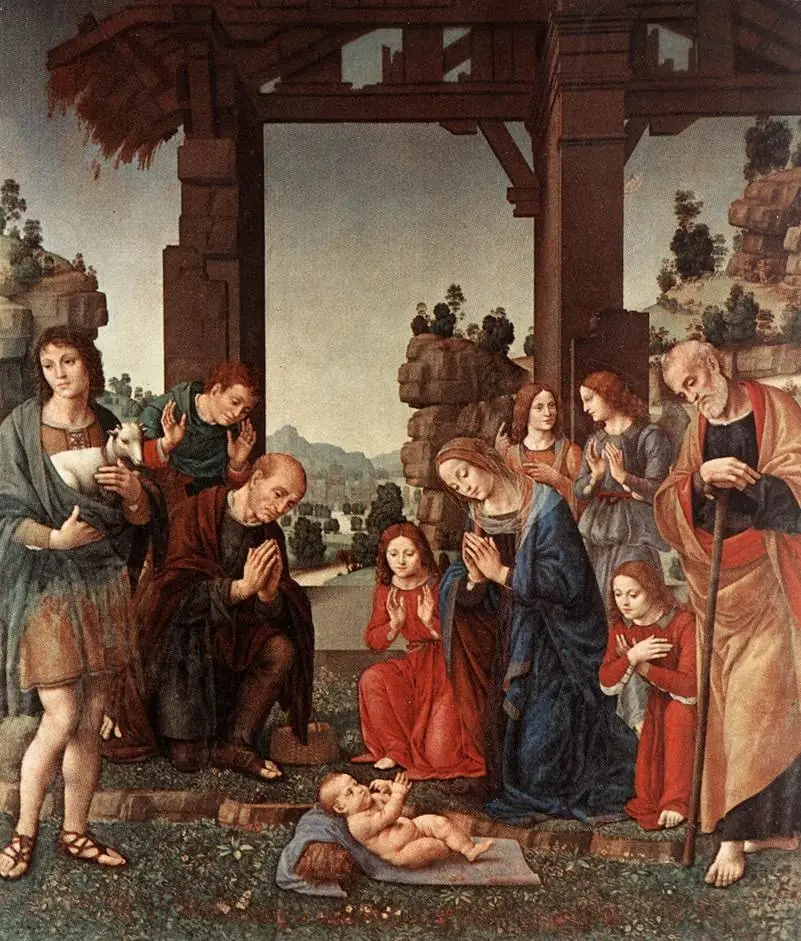 Adoration of the Shepherds
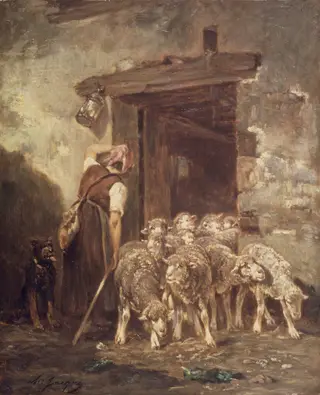 Leaving the Sheep Pen
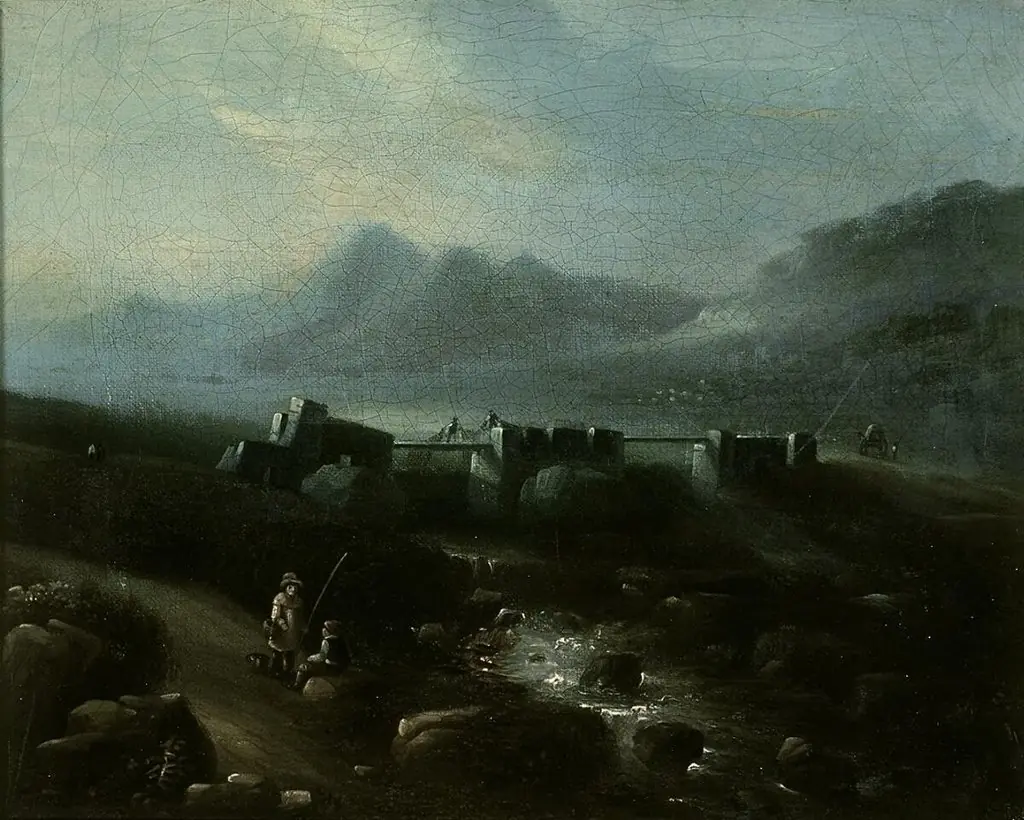 Pont Gwryd, Snowdon in the distance
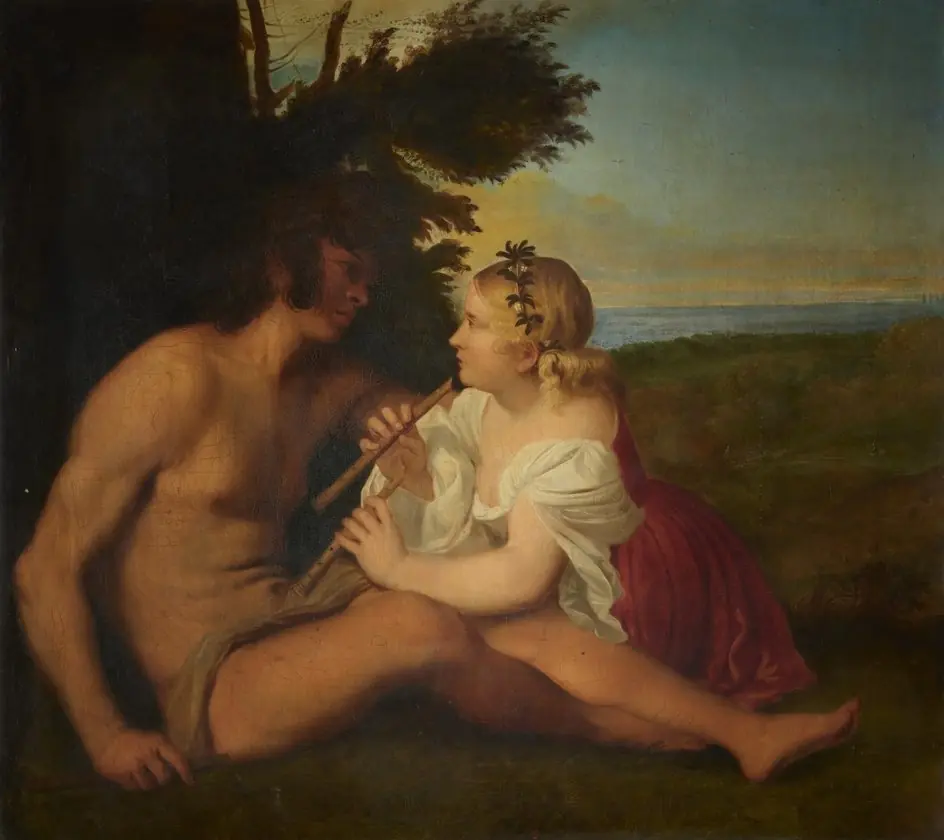 A Shepherd and a Nymph
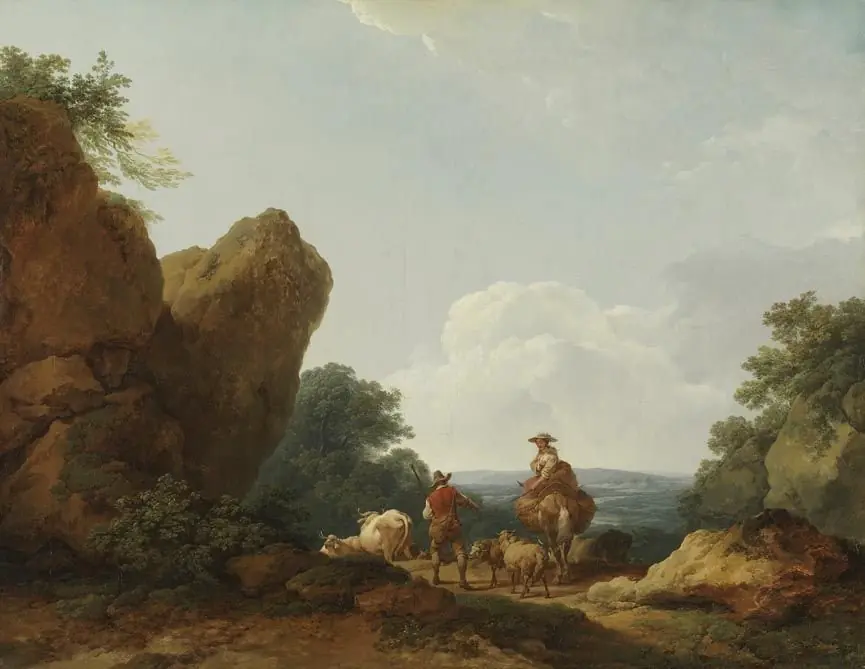 Landscape with Herdsmen at the Top of a Pass
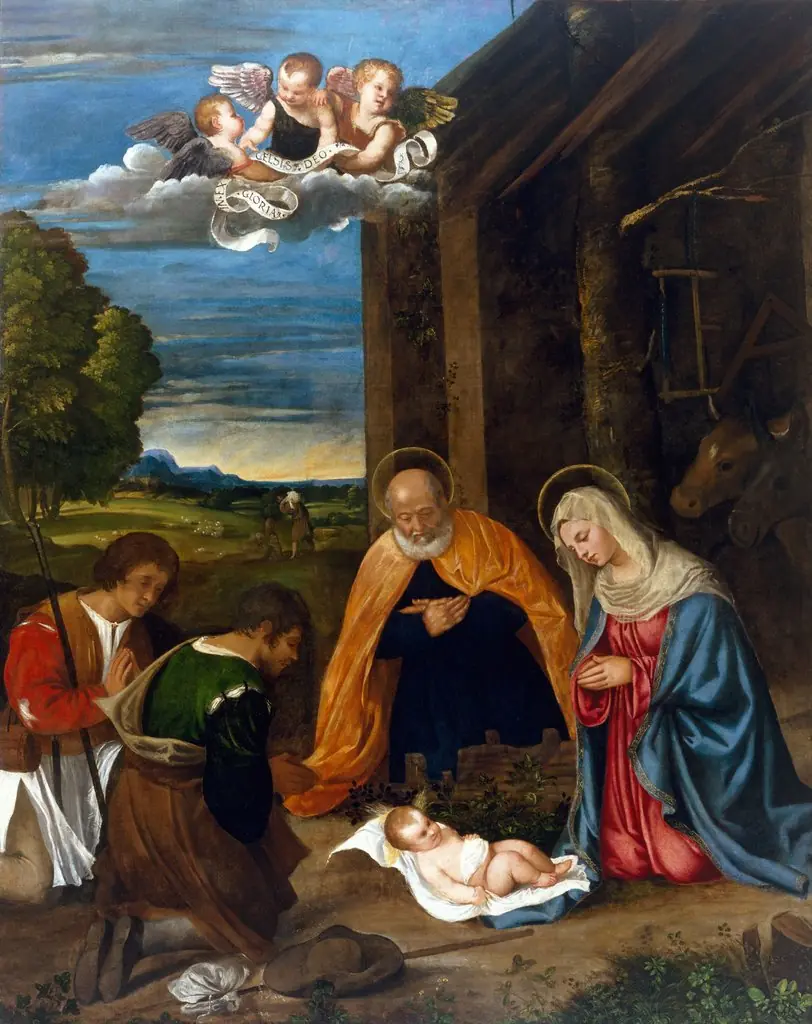 The Nativity with Shepherds
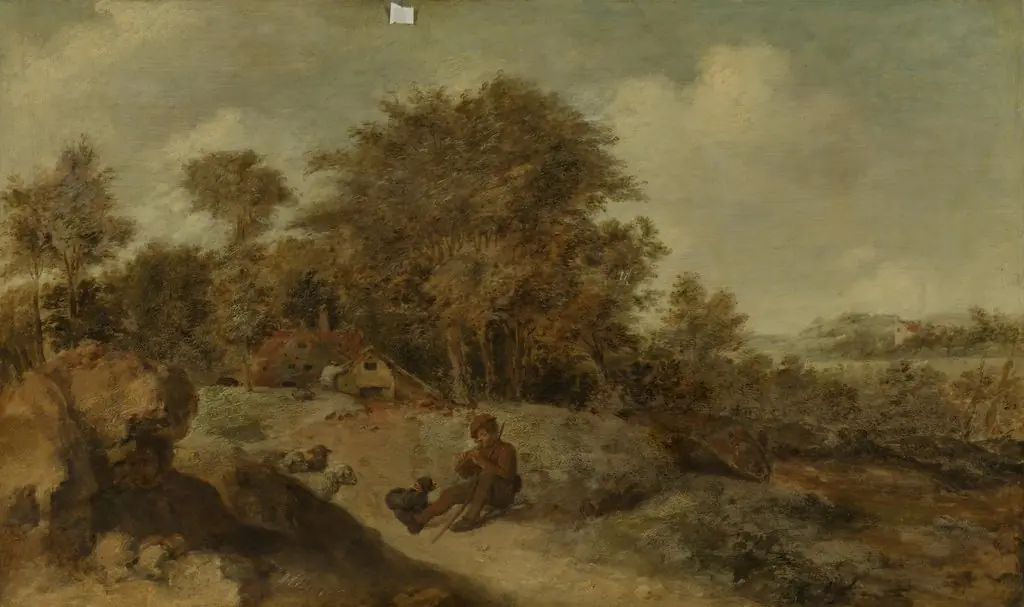 Landscape with Shepherd
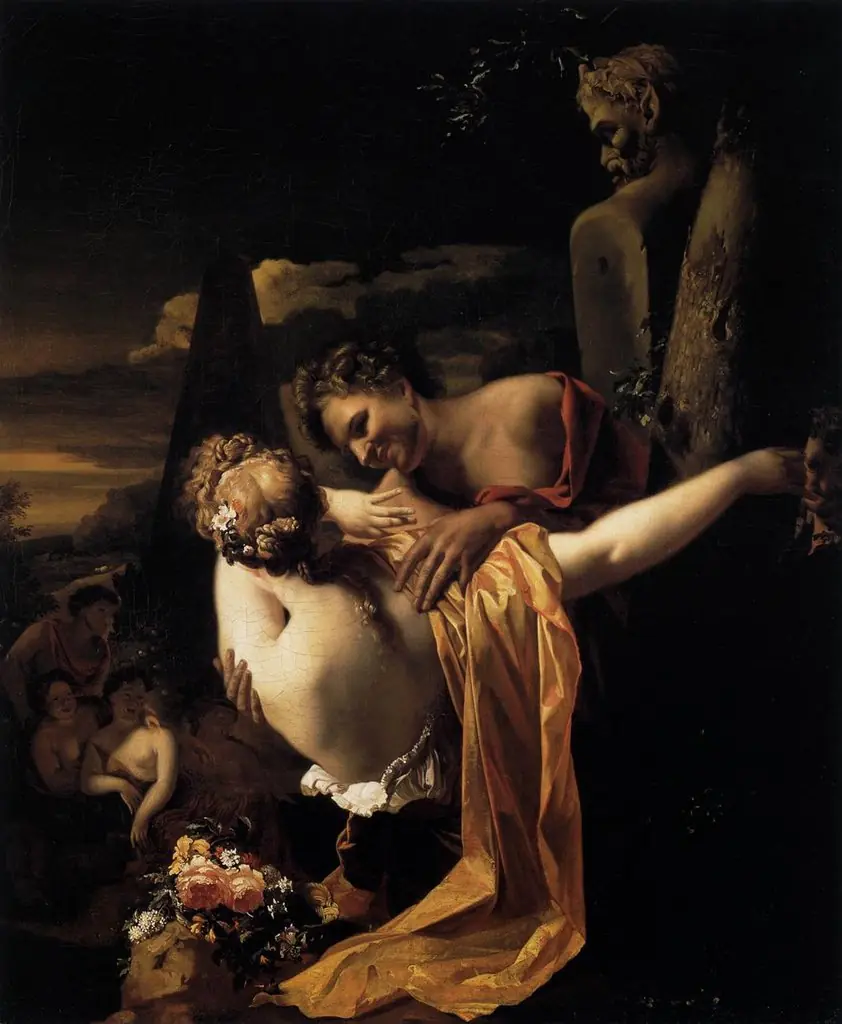 Young shepherd embracing a shepherdess
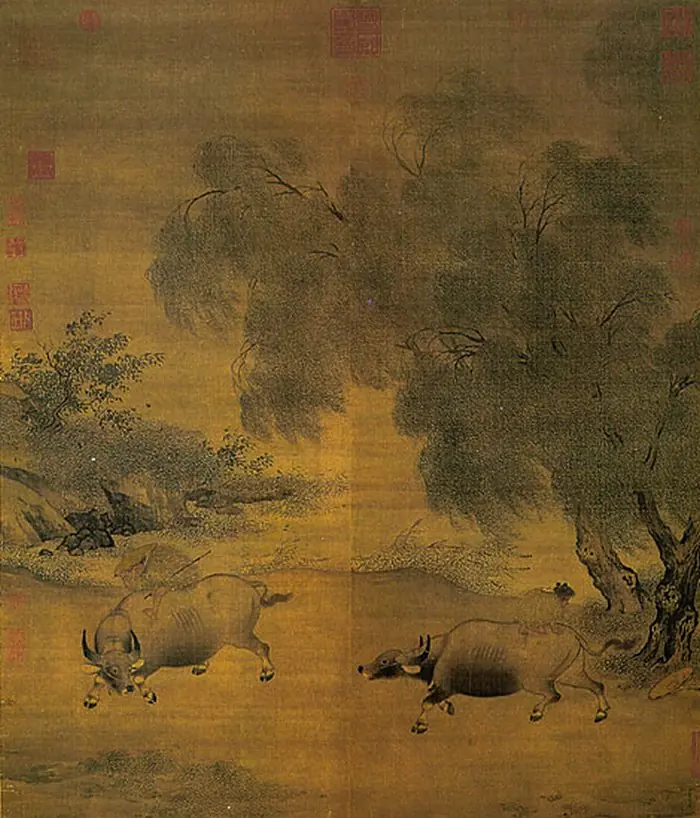 Homeward Oxherds in Wind and Rain
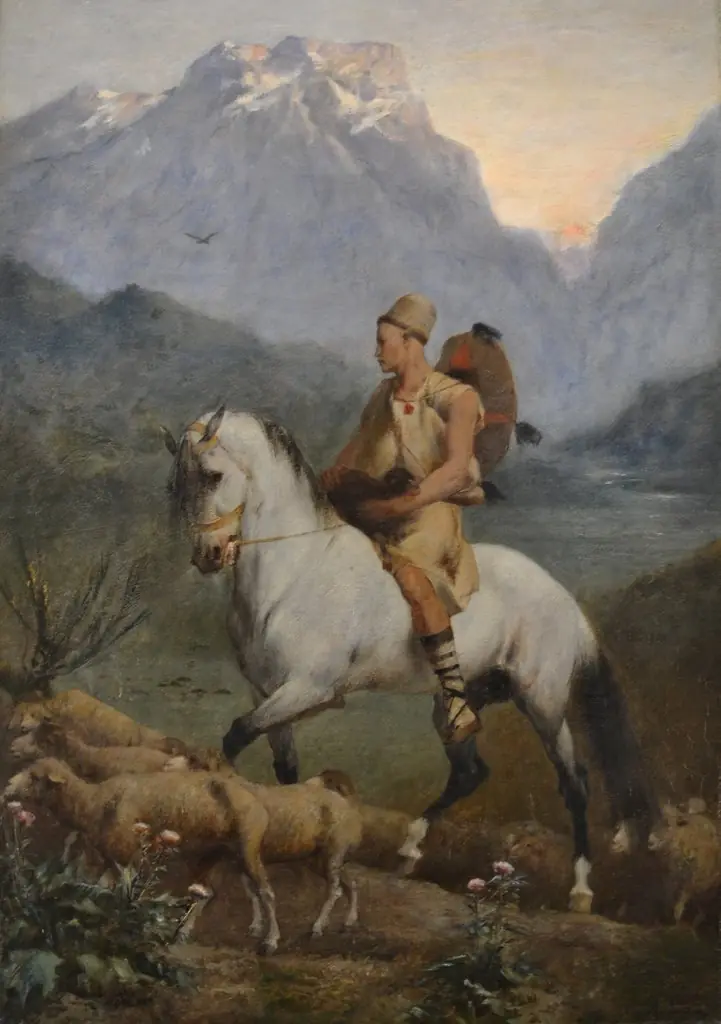 Kabyle Shepherd (Shepherd: High Plateau of Kabylia)
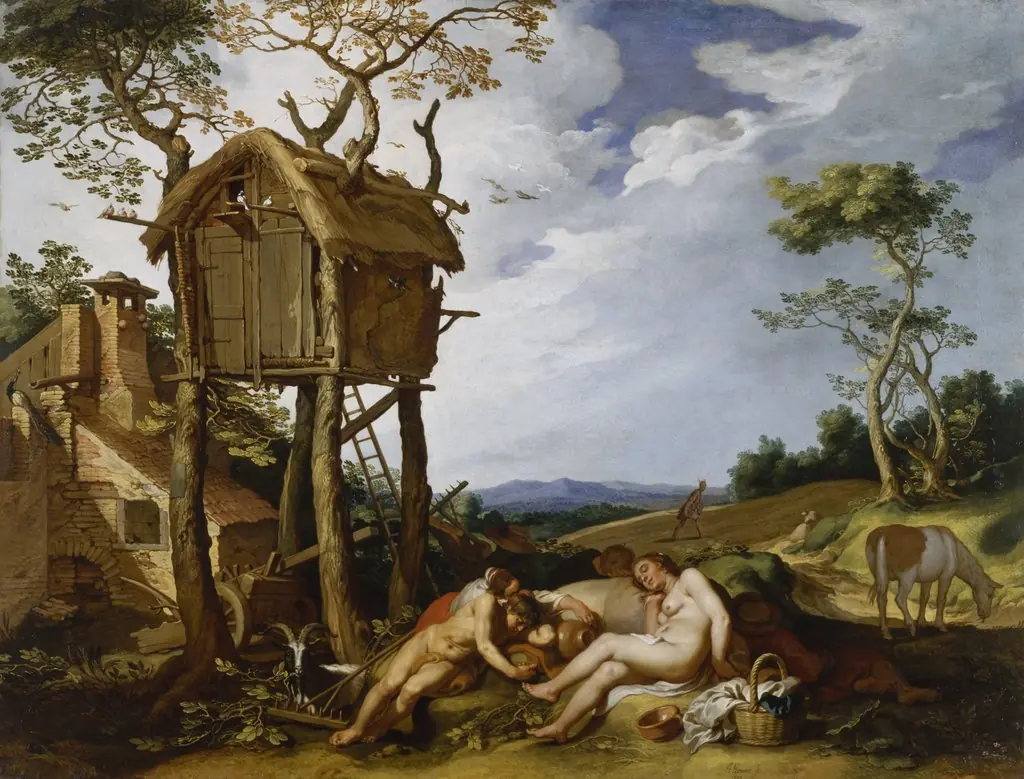 Parable of the Wheat and the Tares
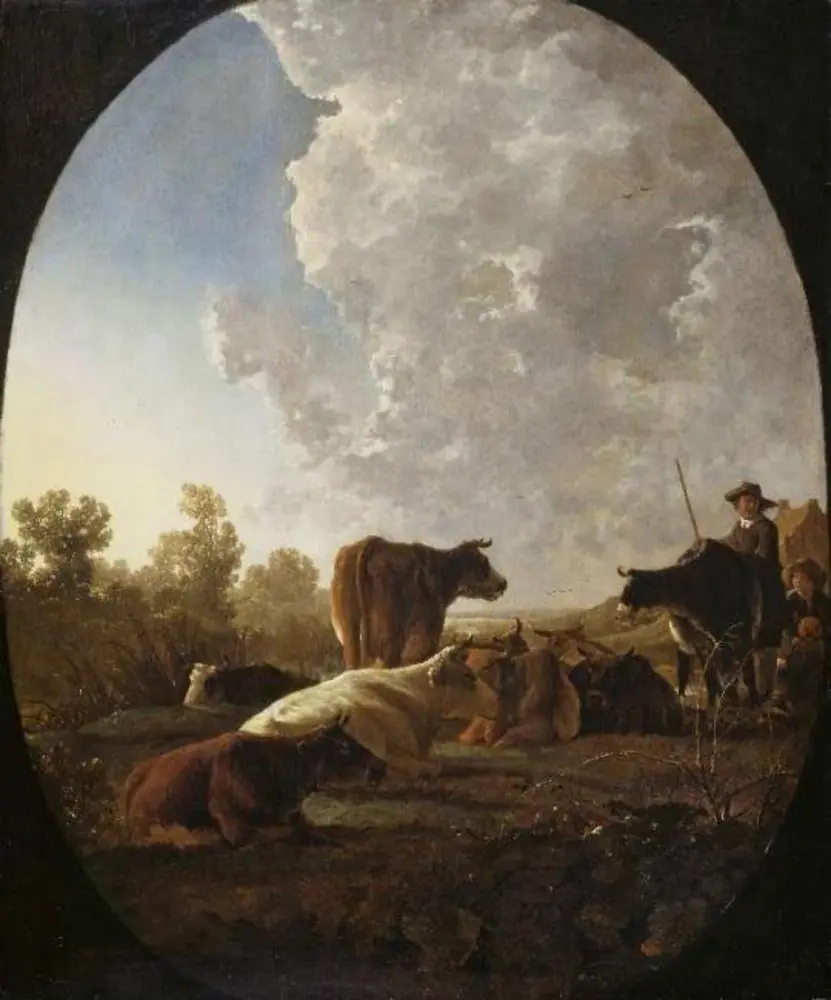 Sunset after rain
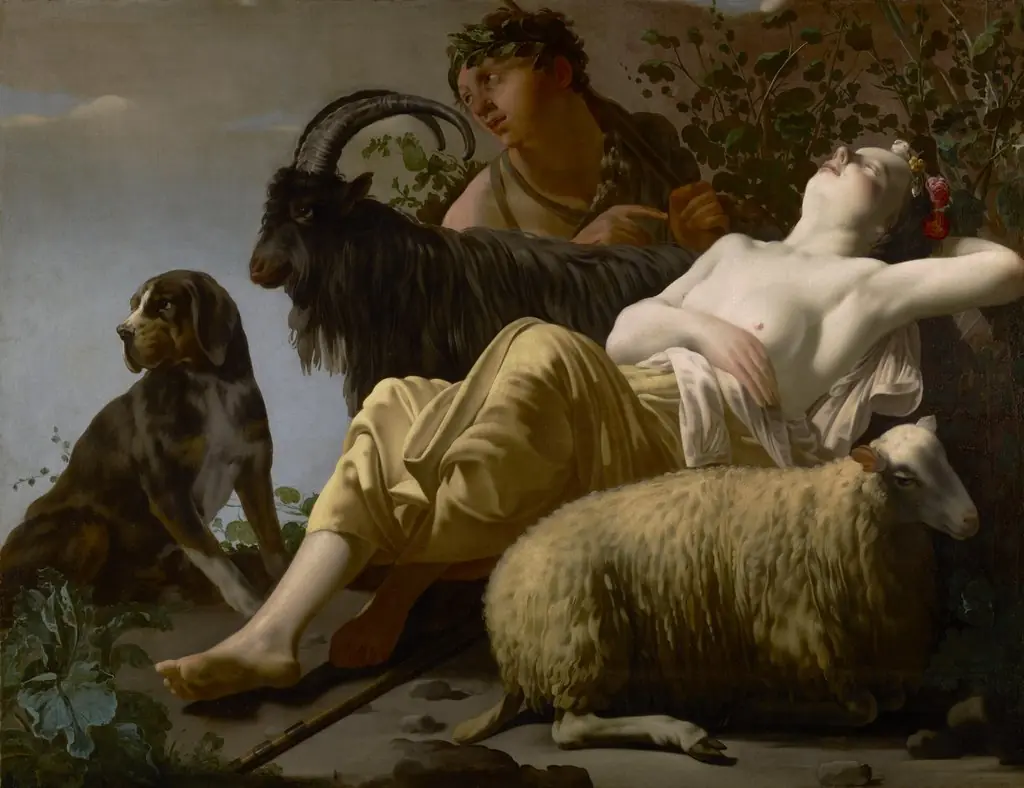 Shepherd and Sleeping Shepherdess
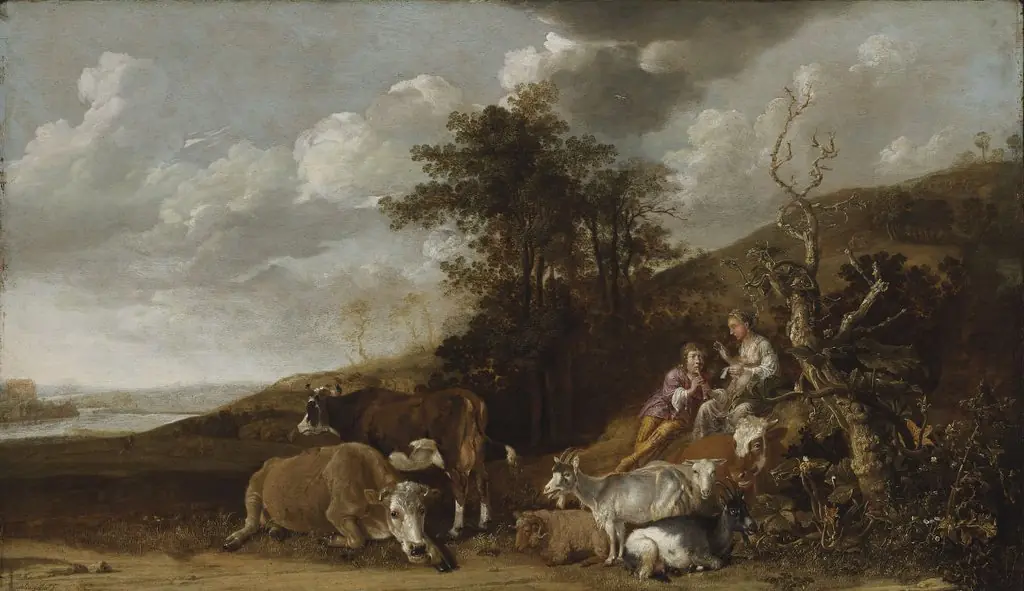 Landscape with Shepherdess and Shepherd Playing Flute
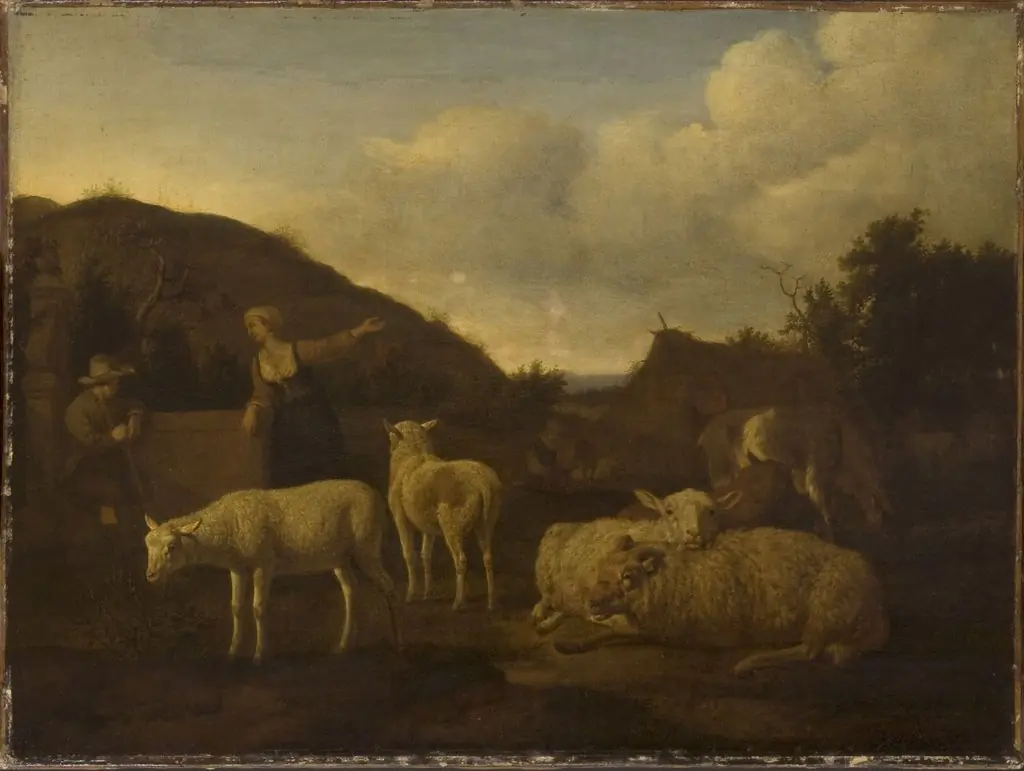 A Shepherd and a Shepherdess with a Flock of Sheep
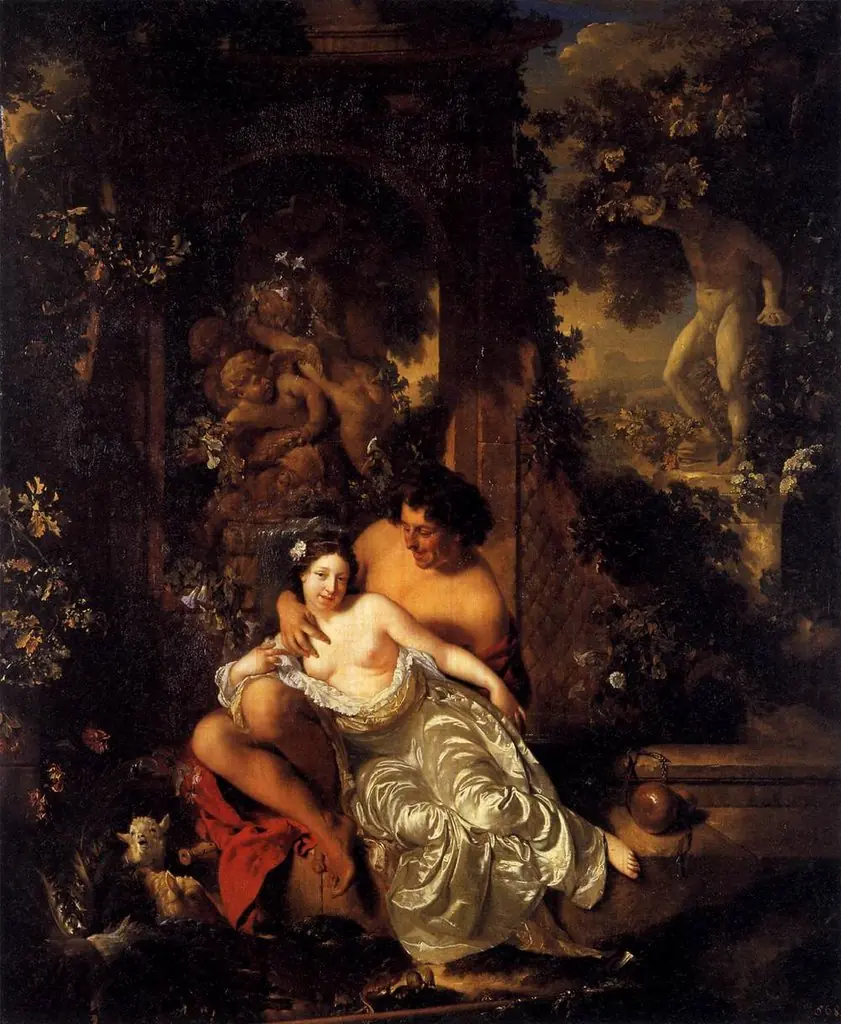 Amorous couple in a park
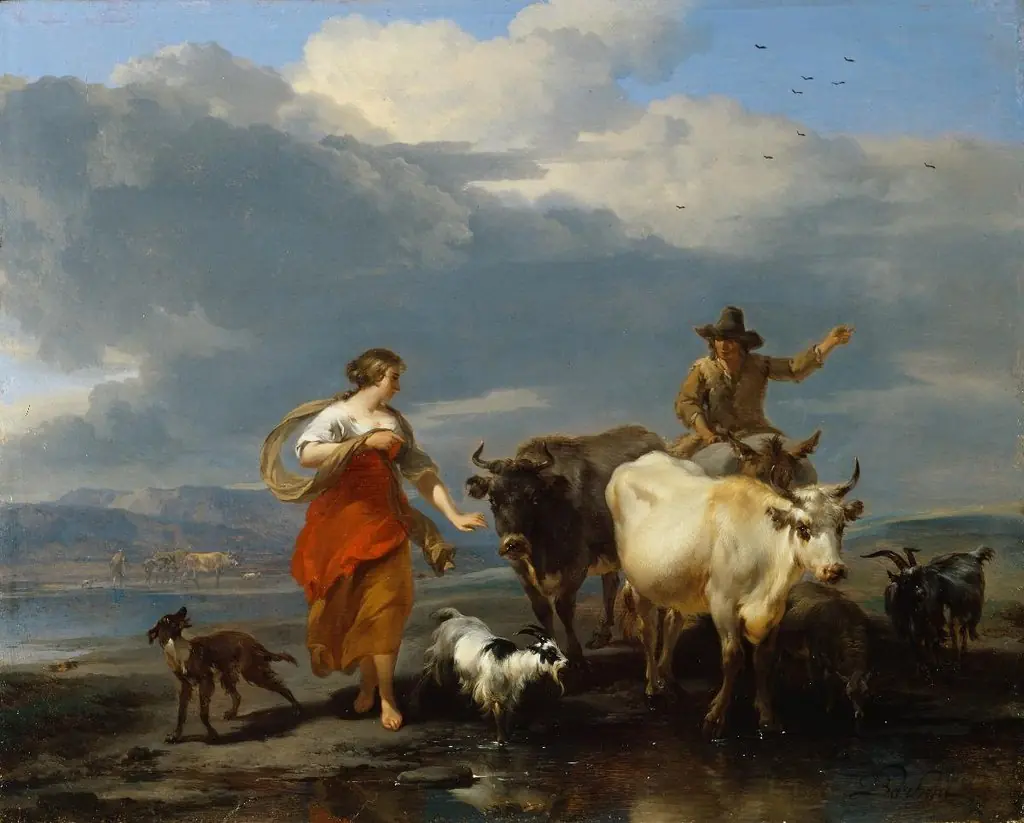 Southern Landscape with Shepherdess and Mule-rider at a Ford
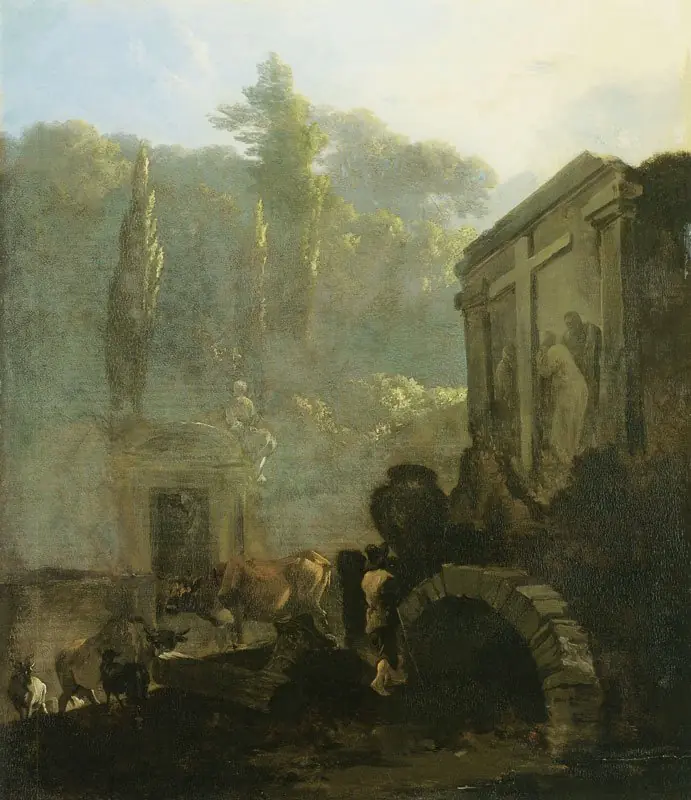 Italian cemetery with a shepherd and cattle
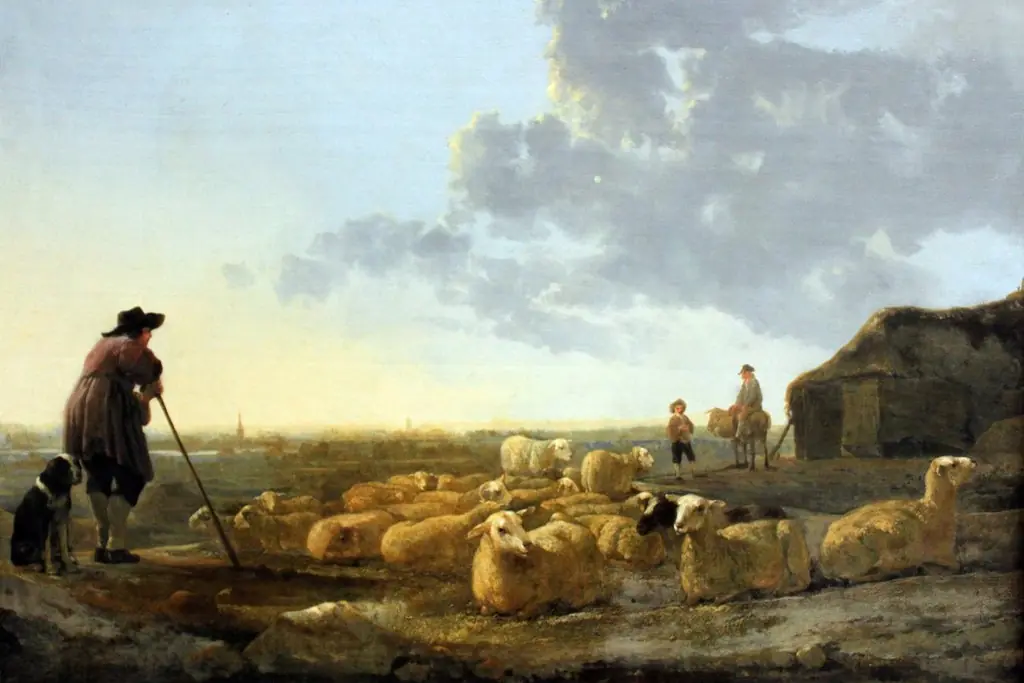 A Shepherd and His Flock
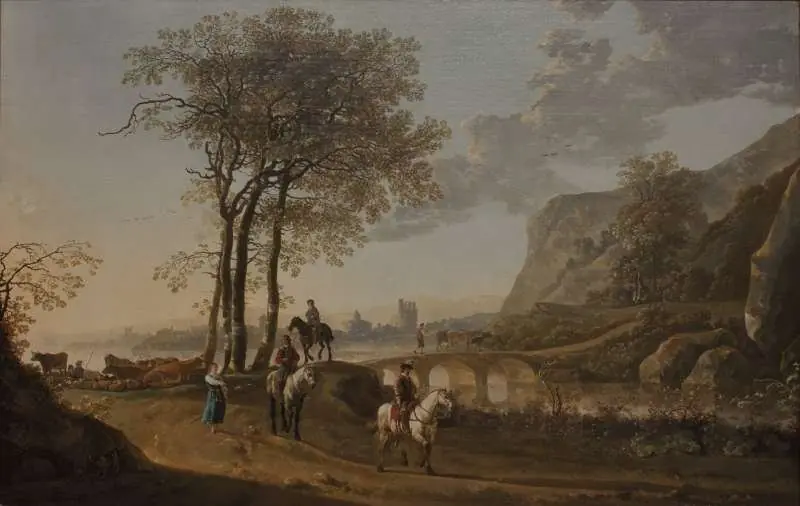 River Landscape with Shepherdess and Travellers
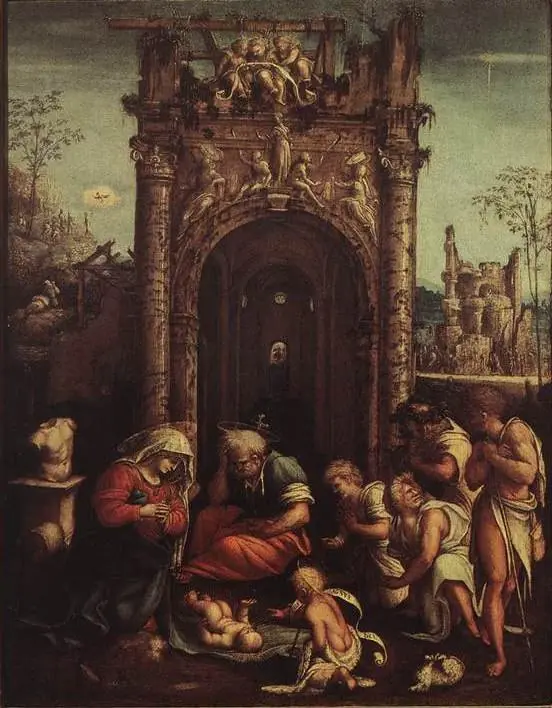 The Adoration of the Shepherds
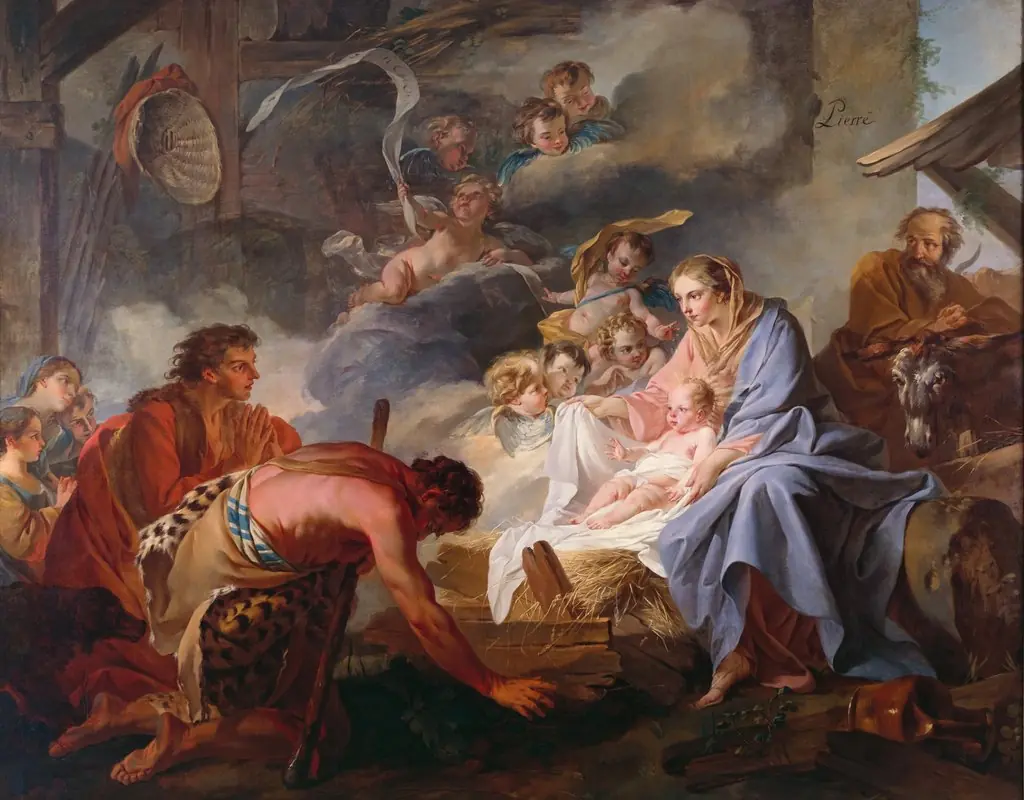 Adoration of the Shepherds
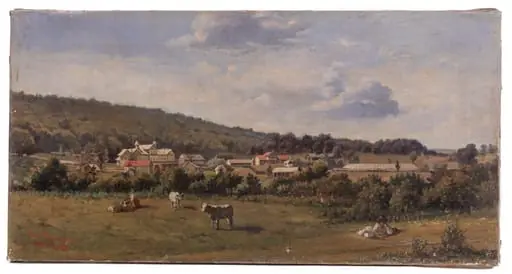 Peisaj
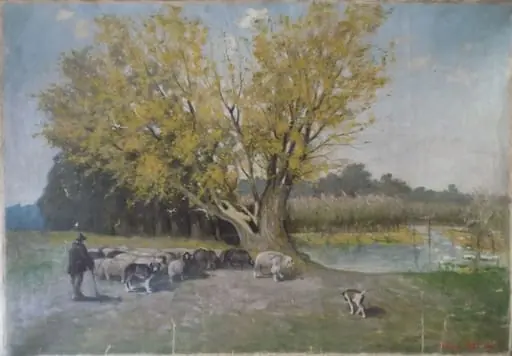 Băneasa
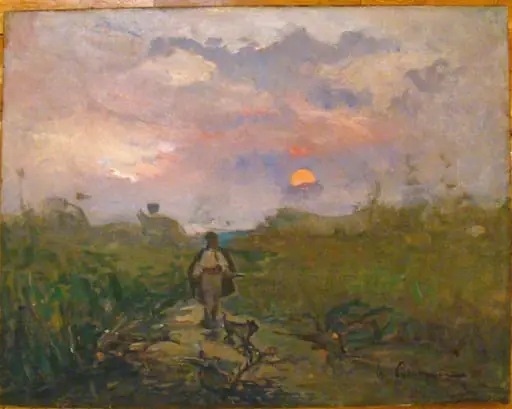 Apus de soare pe Siret
Frequently asked questions
What is Shepherd?
Shepherd is a surname, cognate of the English word "Shepherd".
How many Shepherd works does Artifact World Gallery have?
Artifact World Gallery holds 77 public-domain Shepherd works, all free to view and download.
Who are the key Shepherd artists?
Key Shepherd artists in the collection include Titian, François Boucher and El Greco.
Where can I see Shepherd works?
Shepherd works in the collection are held by Metropolitan Museum of Art, Hermitage Museum and Rijksmuseum.