Artwork
King Street, Norwich
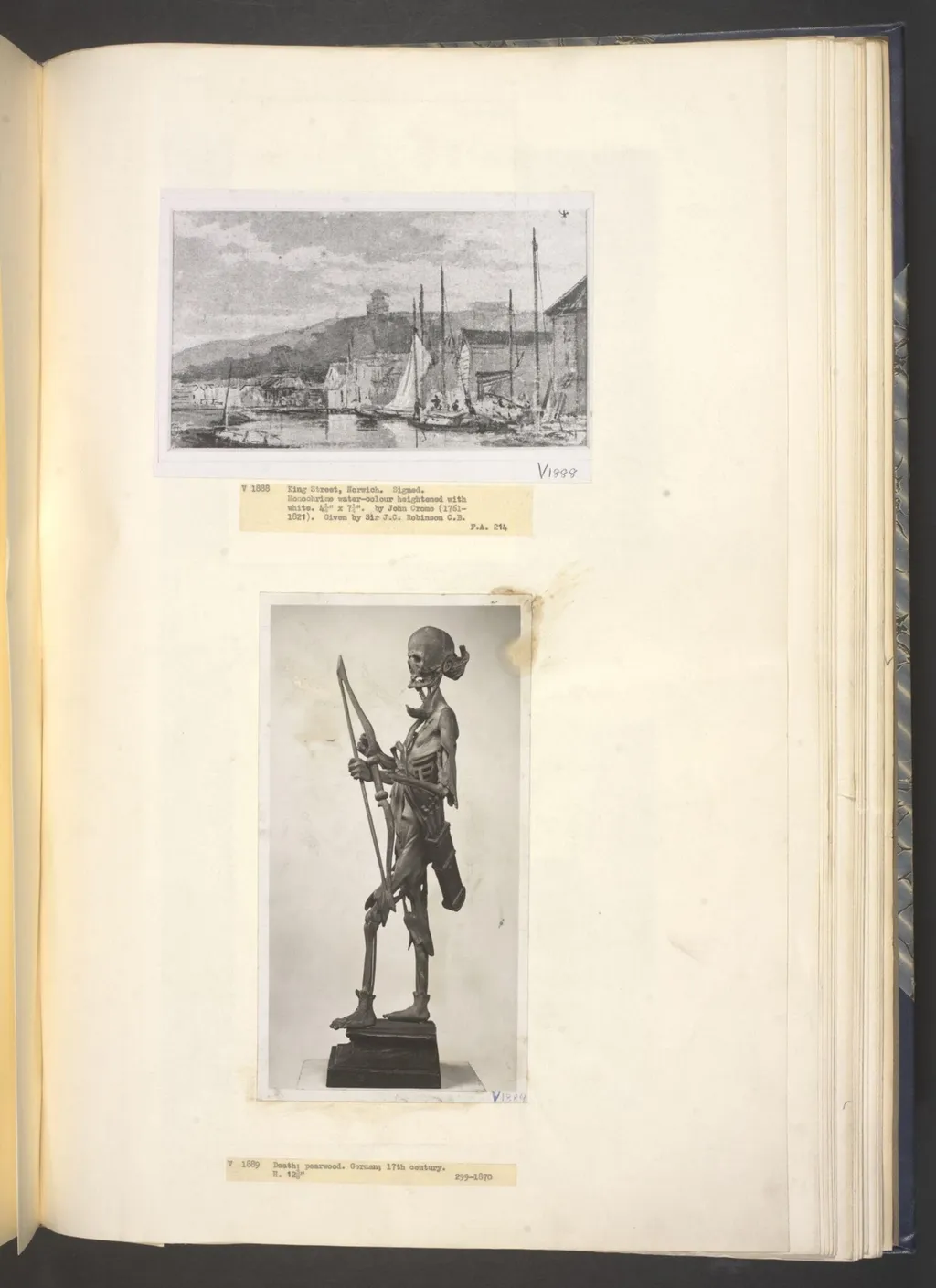
King Street, Norwich is a drawing by the Romanticist artist John Crome. It dates from 1790 and is held in the collection of the Victoria and Albert Museum.
About this work
Overview
King Street, Norwich is a small, quickly executed drawing by John Crome, created in 1790 with Indian ink and chalk, bearing the artist's signature.
Subject & Meaning
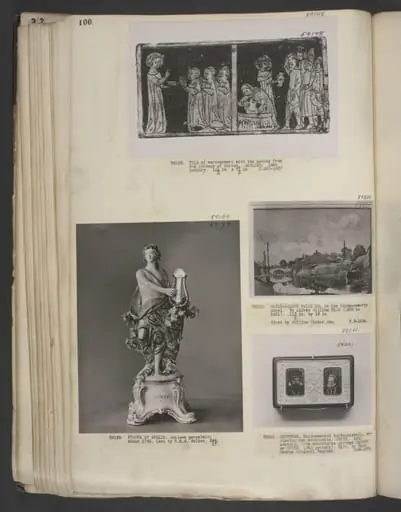
The drawing depicts a serene harbor scene in Norwich, featuring docked ships, waterfront buildings, and a tree-lined hill in the background, capturing an everyday moment in a coastal town.
Technique & Style
Crome employed simple, expressive lines and subtle shading to convey light and shadow, resulting in a muted, calm atmosphere characteristic of a rapid, observational sketch.
History & Provenance
Executed in 1790, the drawing is signed by the artist; however, detailed provenance information is not provided in the available sources.
Context
This work reflects Crome's interest in capturing local, everyday scenes, potentially influenced by his association with the Norwich School of painters, known for their landscapes of the Norfolk region.
Legacy
While not individually highlighted as a landmark work, King Street, Norwich contributes to the broader understanding of John Crome's oeuvre and the Norwich School's emphasis on observational, local landscapes.
Own this work as a print
Artist & collection
Artist
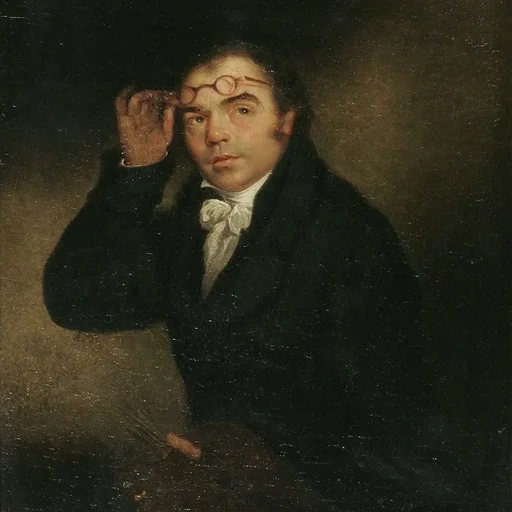
John Crome, once known as Old Crome to distinguish him from his artist son John Berney Crome, was an English landscape painter of the Romantic era, one of the principal artists and founding members of the Norwich School of painters.