Subject
Spear
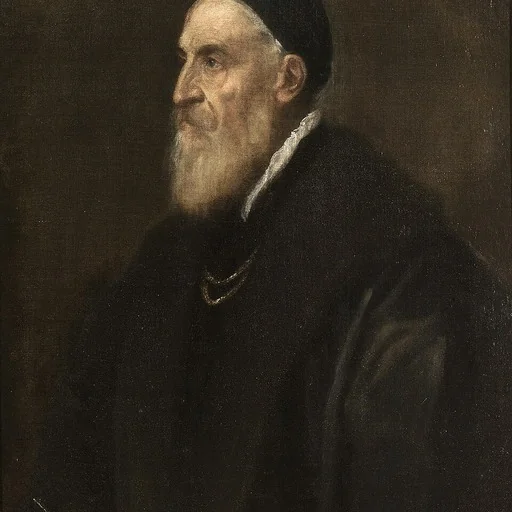
Spear is a subject in art. The gallery holds 72 works in this subject in art, including works by Titian, Raphael and El Greco.
The spear is among humankind's oldest implements—a shaft, usually of wood, tipped with a point that may be the fire-hardened end of the shaft itself or a head of bone, flint, obsidian, copper, bronze, iron, or steel. As both hunting tool and weapon of war, it predates settled civilization, and its image accordingly runs through the whole of art history. From the earliest narrative reliefs onward, the spear served artists less as a mere object than as a sign: of authority, of the hunt, of martial virtue, and of violent death.
In classical antiquity the spear became a fixed attribute of the gods. Athena—and her Roman counterpart Minerva—is regularly shown armed with shield and spear, the weapon emblematic of disciplined strategy rather than brute force; the theme survives in our own "Venus and Minerva." The spear also governed the era's ideal of the body. Polykleitos's bronze "Doryphoros" ("Spear-Bearer"), cast around 440 BCE and known today only through Roman marble copies such as the celebrated example from Pompeii, balanced its lost spear on the figure's shoulder and served as the sculptor's "Canon" of perfect human proportion.
Christian art transformed the spear into an instrument of sacred drama. The lance with which the soldier later named Longinus pierced Christ's side—the "Holy Lance"—appears in countless Crucifixions, including Fra Angelico's San Marco frescoes (c. 1437–46). The cavalry lance likewise defines the iconography of Saint George, whose shattered spear in Raphael's small panel (now in Washington) marks the instant before the dragon is dispatched.
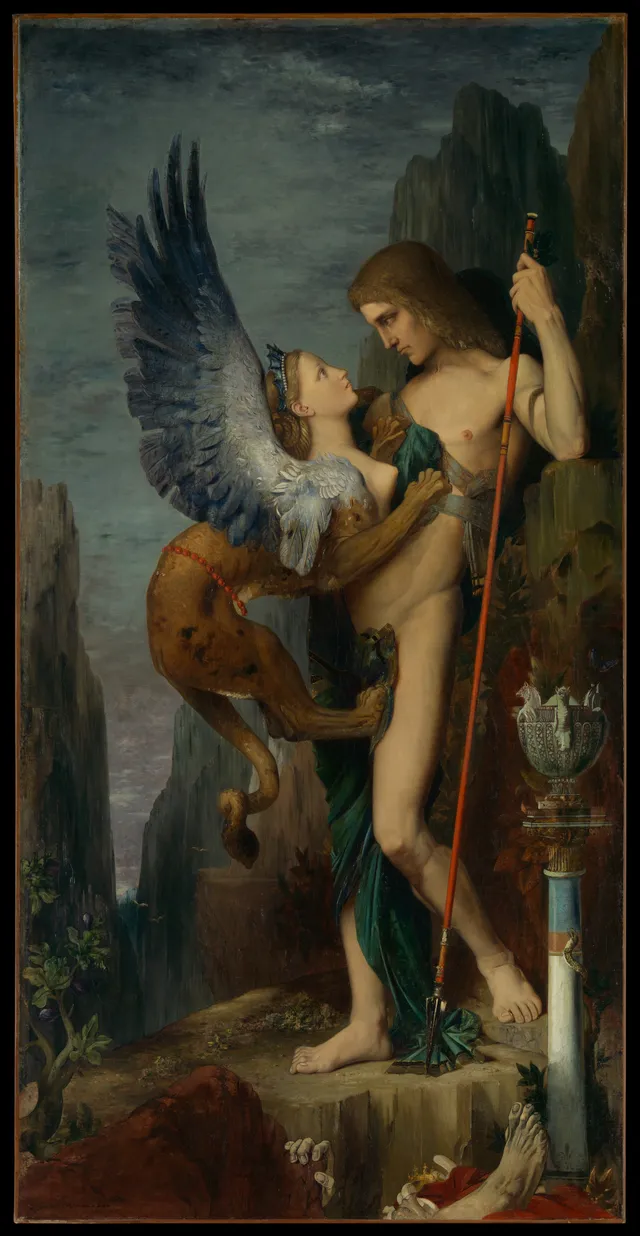
The motif persisted into the mythological hunt and the history painting. The feathered hunting spear, or "dart," carried by Adonis recurs in Titian's compositions and in our holdings by Ferdinand Bol and Joost de Pape; Gustave Moreau arms his Oedipus with a slender lance before the Sphinx; and Hans Baldung Grien's "The Ages and Death" gives the weapon to Death itself. Most famously, Velázquez crowded the upper register of "The Surrender of Breda" (1634–35, Prado) with vertical pikes—earning it the nickname "Las Lanzas." Across these traditions the spear endures as one of art's most legible symbols of power, sacrifice, and mortality.
Key artists

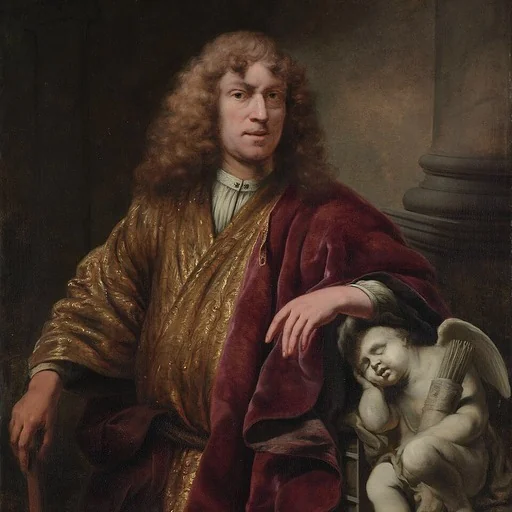
Overview
A spear is a polearm consisting of a shaft, usually of wood, with a pointed head. The head may be simply the sharpened end of the shaft itself, as with fire-hardened spears, or it may be made of a more durable material fastened to the shaft, such as bone, flint, obsidian, copper, bronze, iron, or steel. As one of the earliest and most widespread tools developed by early humans, the spear has been used for at least 400,000 years for hunting, fishing, and warfare, and it remains a persistent motif across the history of art. Its appearance in 81 works within this collection alone testifies to its enduring role as a visual subject, one that carries meanings ranging from the martial and the sacred to the tragic and the heroic.
Iconography & meaning
The spear carries layered symbolic weight across cultures and periods. In Greek antiquity, the spear, or dory, served as a status and sovereignty symbol from at least late Mycenaean times, and the spear of Achilles was believed to heal wounds as well as inflict them. In Norse mythology, the spear Gungnir was the attribute of Odin, while in Celtic tradition the spear of Lug was a weapon of fire that guaranteed victory. Christian iconography adopted the spear as both positive and negative attribute: the Holy Lance became the attribute of the Christian centurion Longinus, while a broken spear signified the synagogue accused of deicide. Saint George is inseparable from his spear with which he slays the dragon, and Saint Thomas was martyred by the same weapon. The spear thus oscillates between instrument of salvation and instrument of death, of legitimate authority and of violent transgression.
Across movements & periods
The treatment of the spear in art reflects broader shifts in military technology, cultural values, and representational priorities. In prehistoric contexts, spears were depicted as essential hunting and combat tools, with archaeological evidence from the Schöningen spears onward establishing their fundamental role in human survival. Greek art emphasized the spear as the defining weapon of the hoplite and the instrument of heroic individualism in Homeric narrative. Roman art distinguished between the thrusting hasta and the throwing pilum, with the latter's long, bending tip designed to foul enemy shields. Medieval art, as documented in sources such as the Stuttgart Psalter, the Bayeux Tapestry, and the Maciejowski Bible, shows spear and lance as the dominant weapons of both infantry and cavalry. By the later Middle Ages, the spear declined in favor of the lance, halberd, and pike, even as it persisted in jousting with blunted or breakable tips for scoring purposes. The continued depiction of spears in Renaissance and Baroque mythological and historical paintings, such as those in this collection, indicates a deliberate archaism, a reaching back to classical or heroic models even as actual battlefield use diminished.
Legacy
The spear's afterlife in visual culture extends from its prehistoric origins to contemporary symbolic usage. As a weapon, it persisted until the modern era, where it survives in the bayonet fixed to firearms and in athletic javelin throwing, with modern sports spears achieving distances over 100 meters. The Czech athlete Jan Železný's world record of 98.48 meters, set in 1996, represents the culmination of this trajectory. Symbolically, the spear retains political resonance, as in the flag of Swaziland with its shield and two spears, and linguistic currency in expressions where speerpunt denotes a guiding principle or priority. The enduring presence of the spear in museum collections, including its 81 appearances here, attests to its capacity to condense narratives of violence, virtue, and mortality into a single, immediately legible form.
Works
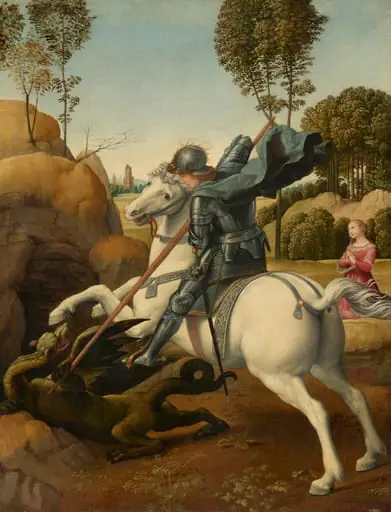 Saint George and the Dragon
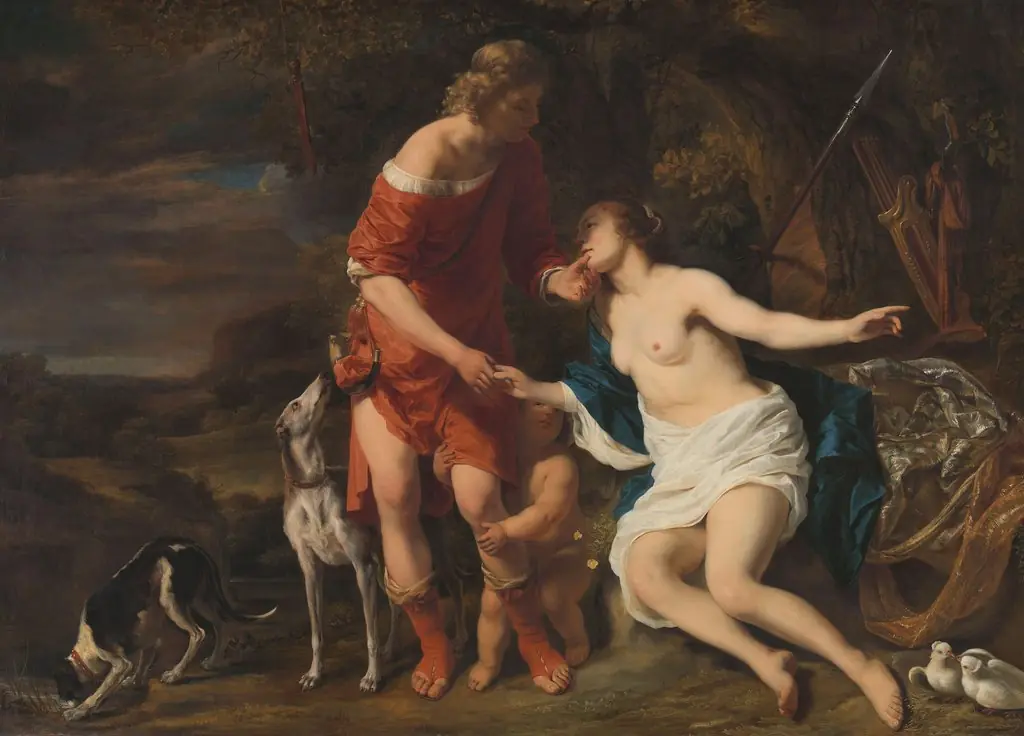 Venus and Adonis
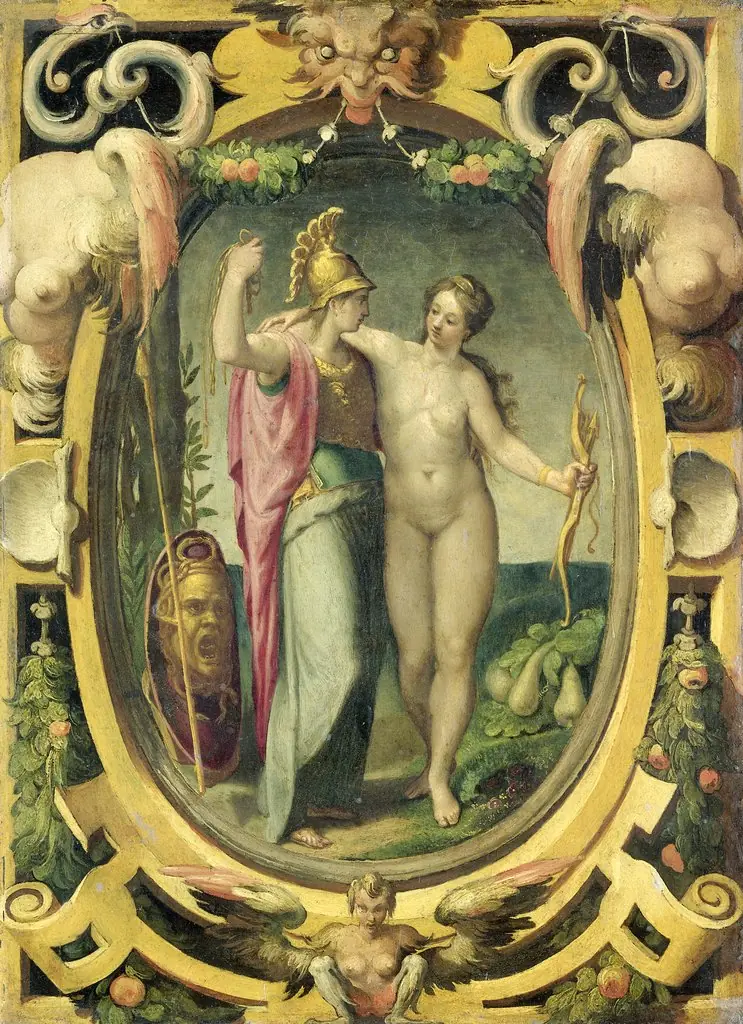 Venus and Minerva
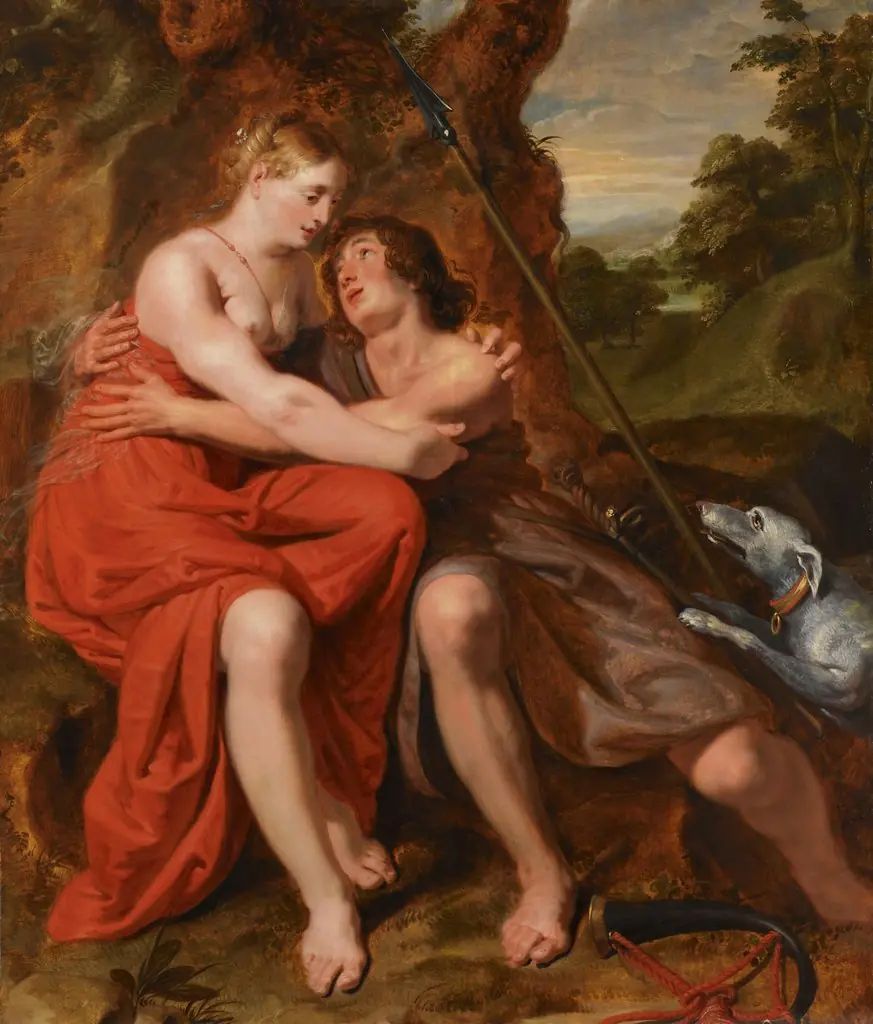 Venus and Adonis
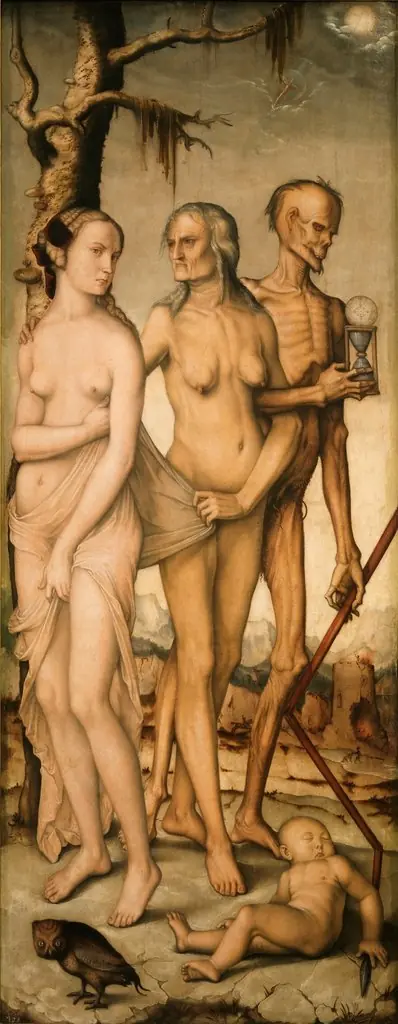 The Ages and Death
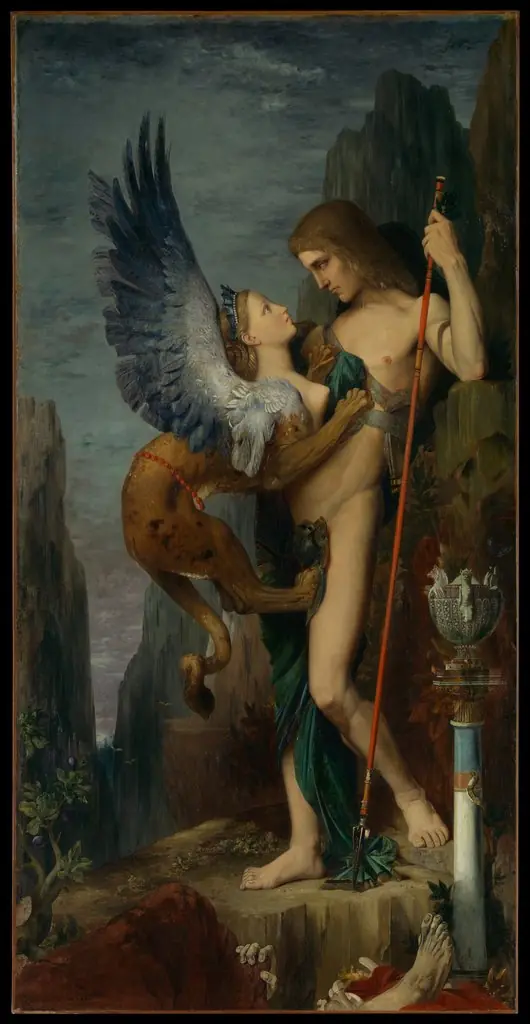 Oedipus and the Sphinx
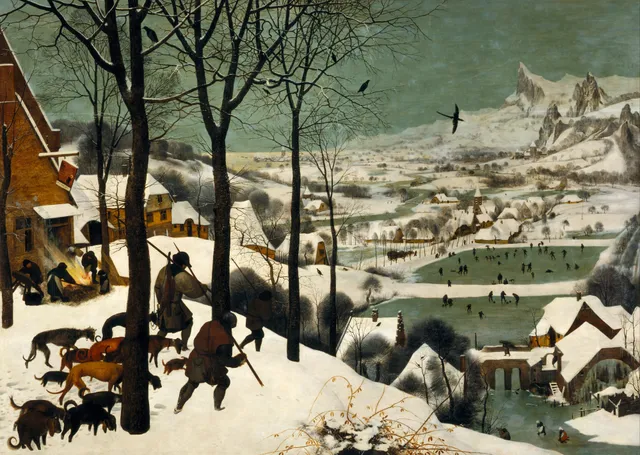
 The Hunters in the Snow
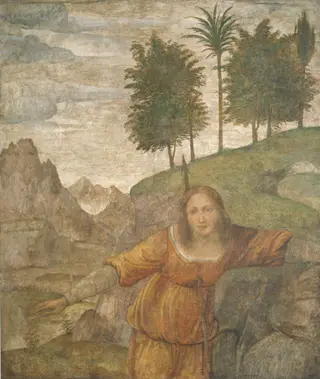 Procris Pierced by Cephalus' Javelin
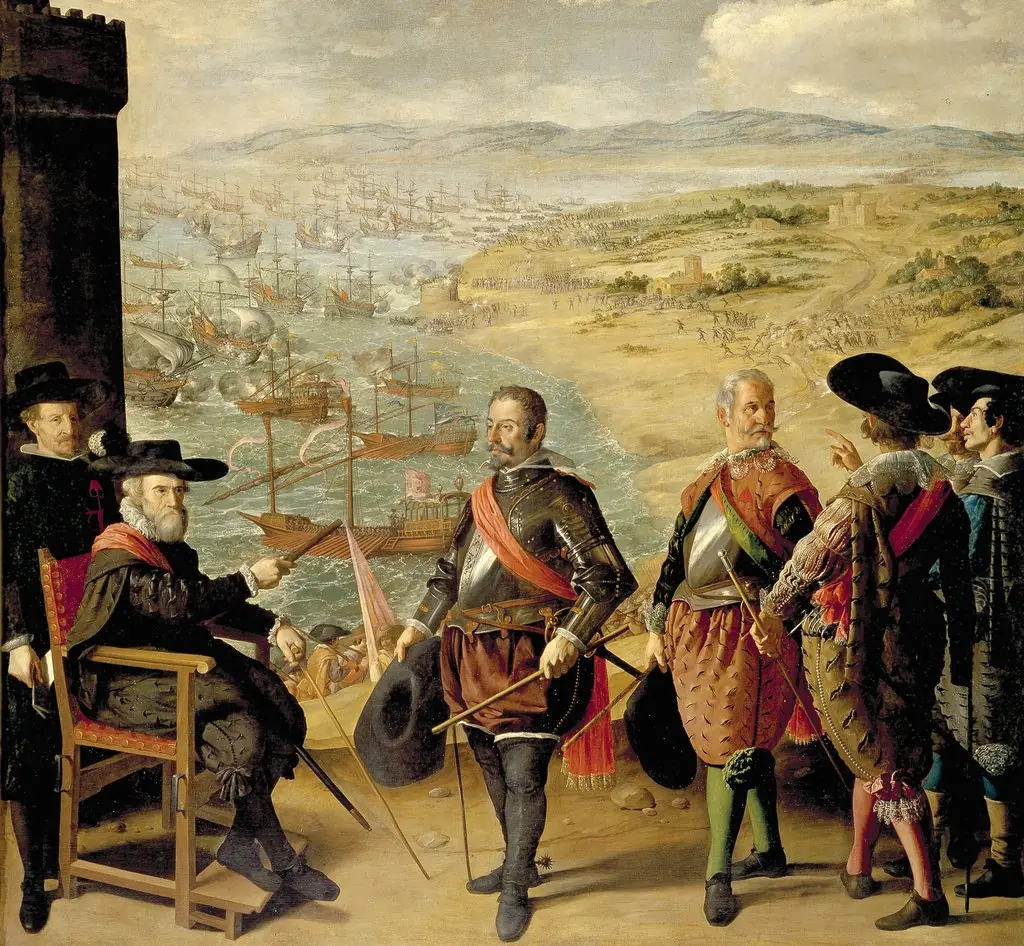 The Defense of Cadiz Against the English
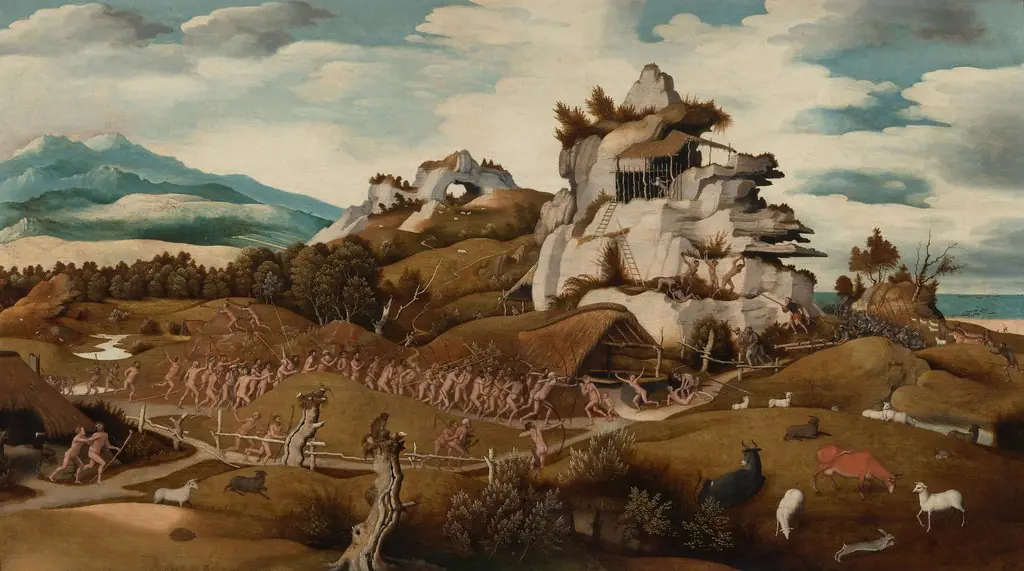 Landscape with a Scene of the Conquest of America
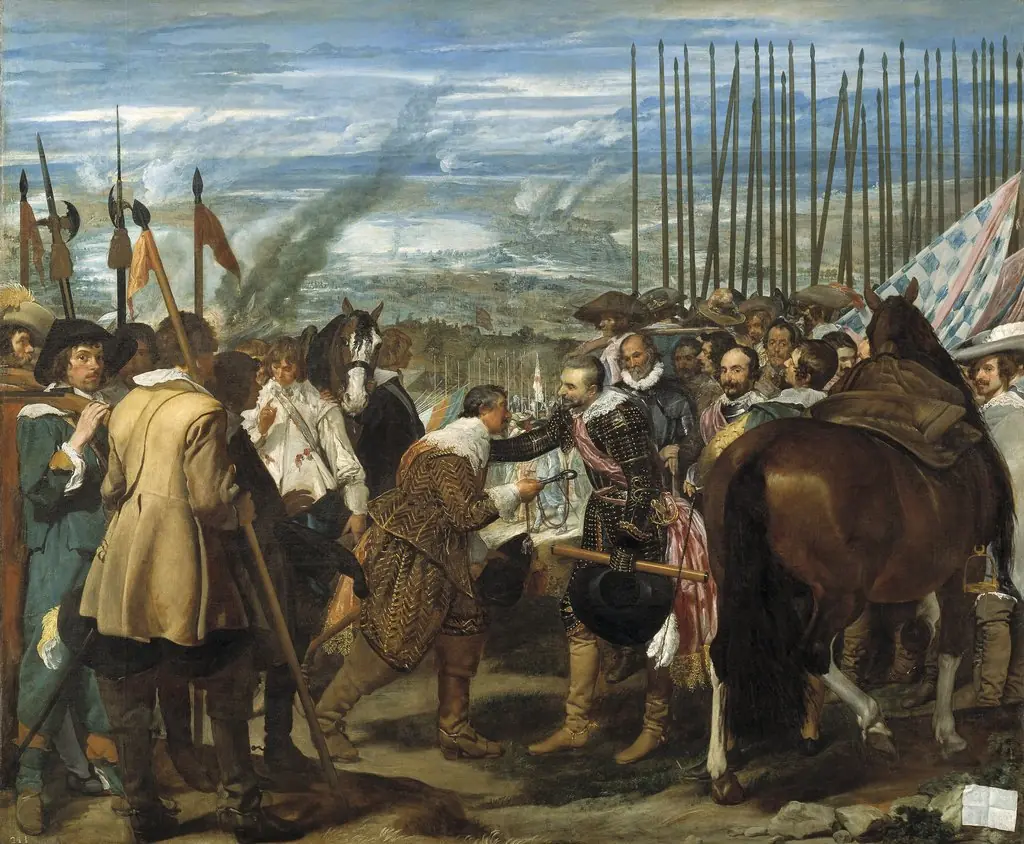 The Surrender of Brea
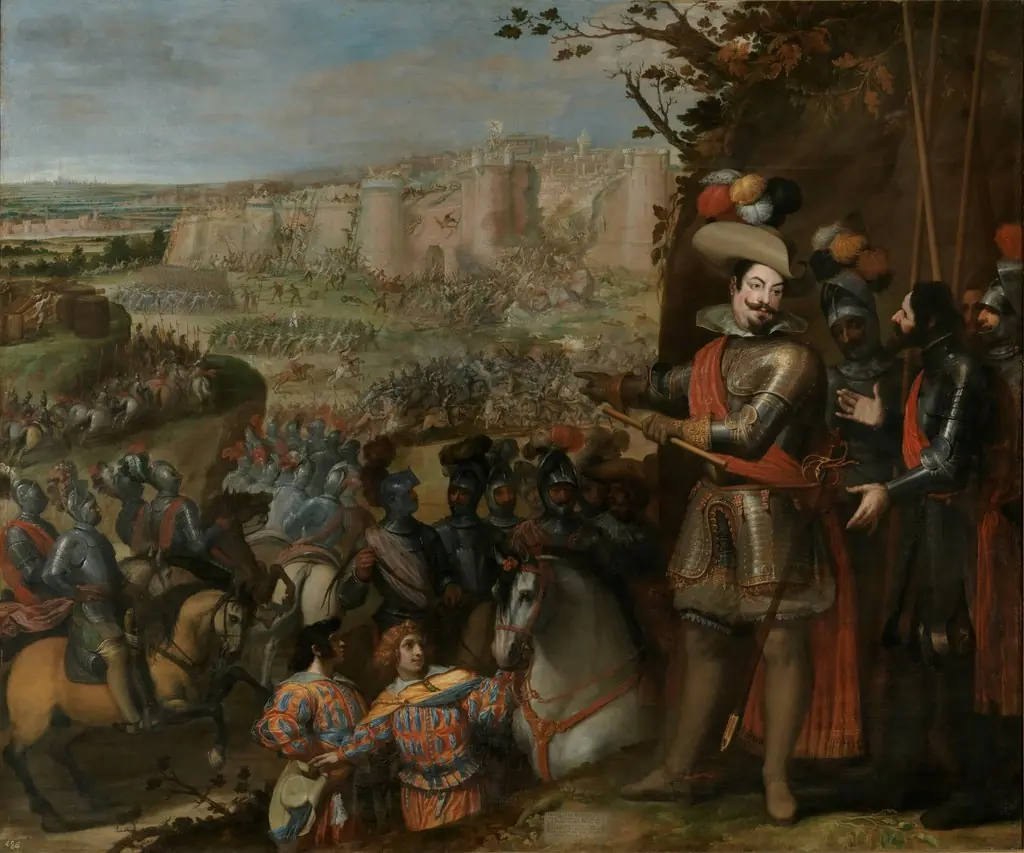 The Storming of Rheinfelden
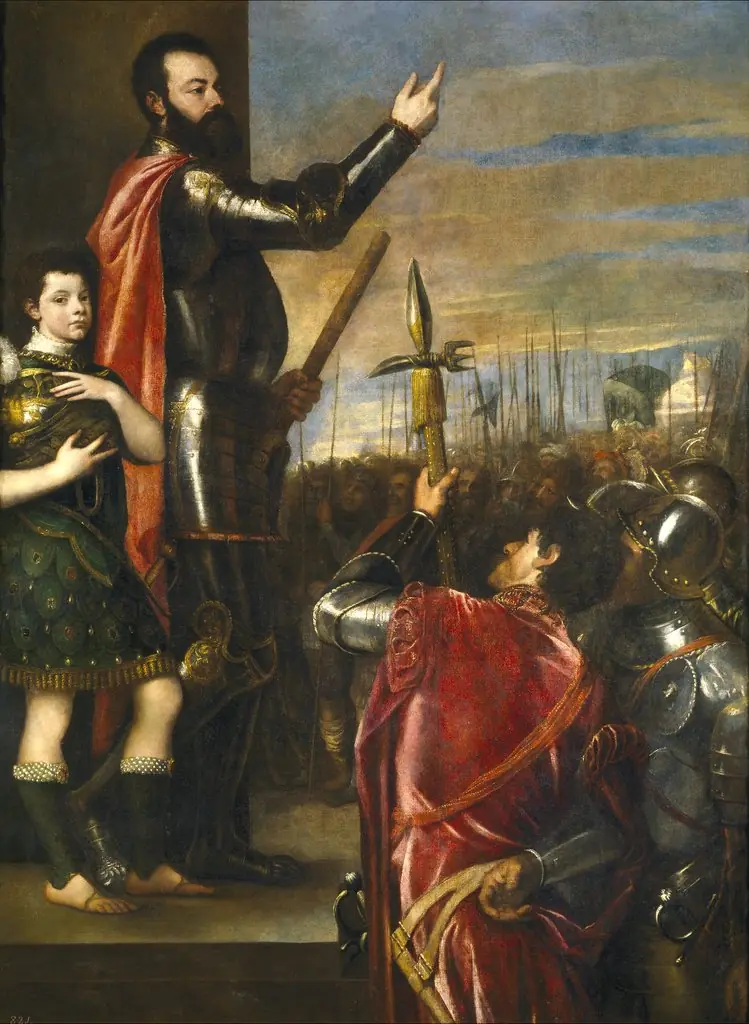 Alfonso d'Avalos Addressing his Troops
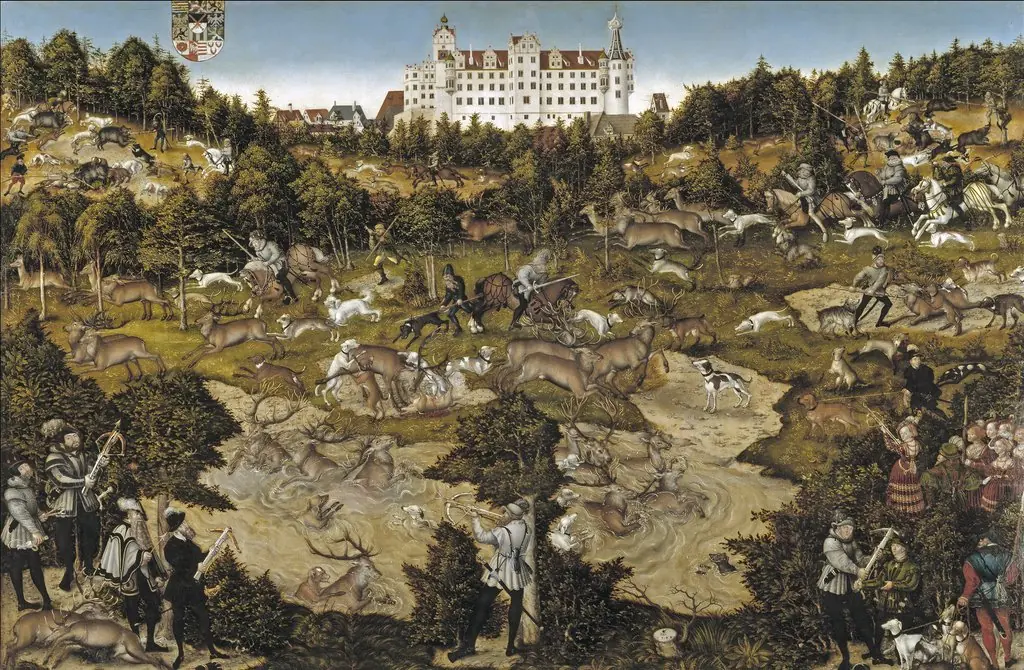 Hunt at the Castle of Torgau in honour of Charles V
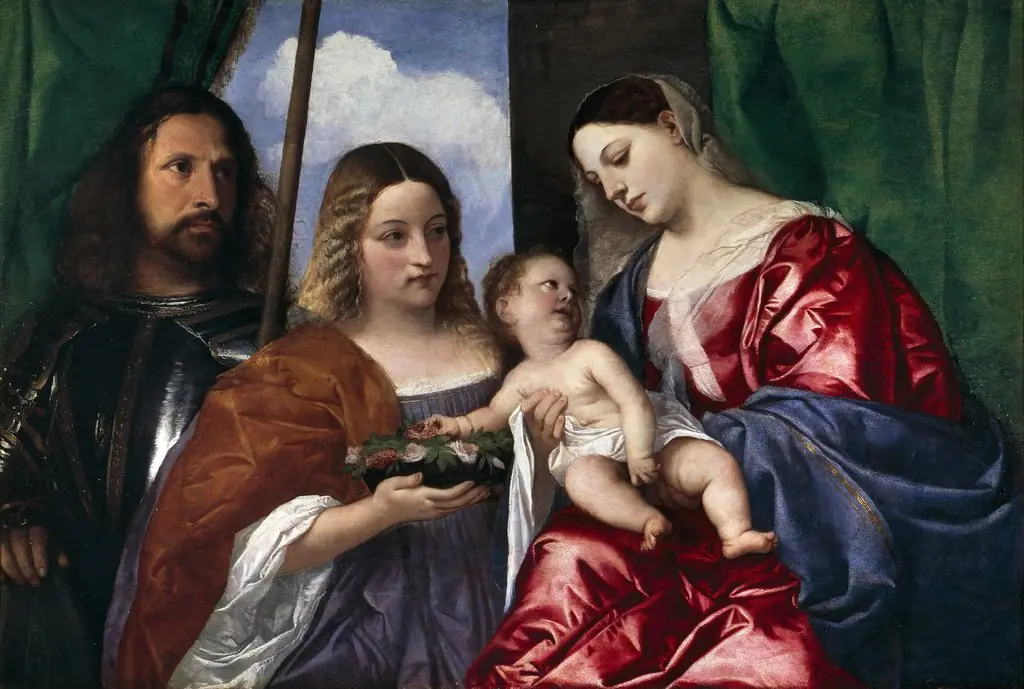 Madonna and Child with Saints Dorothy and George
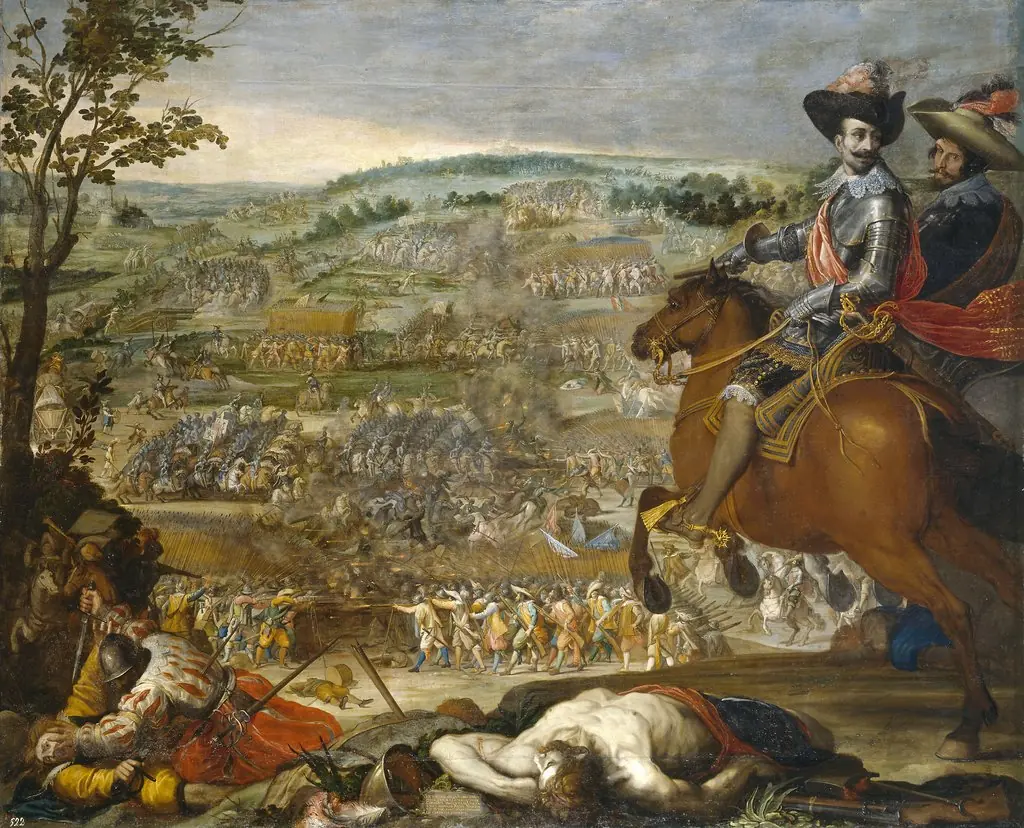 The Victory of Fleurus
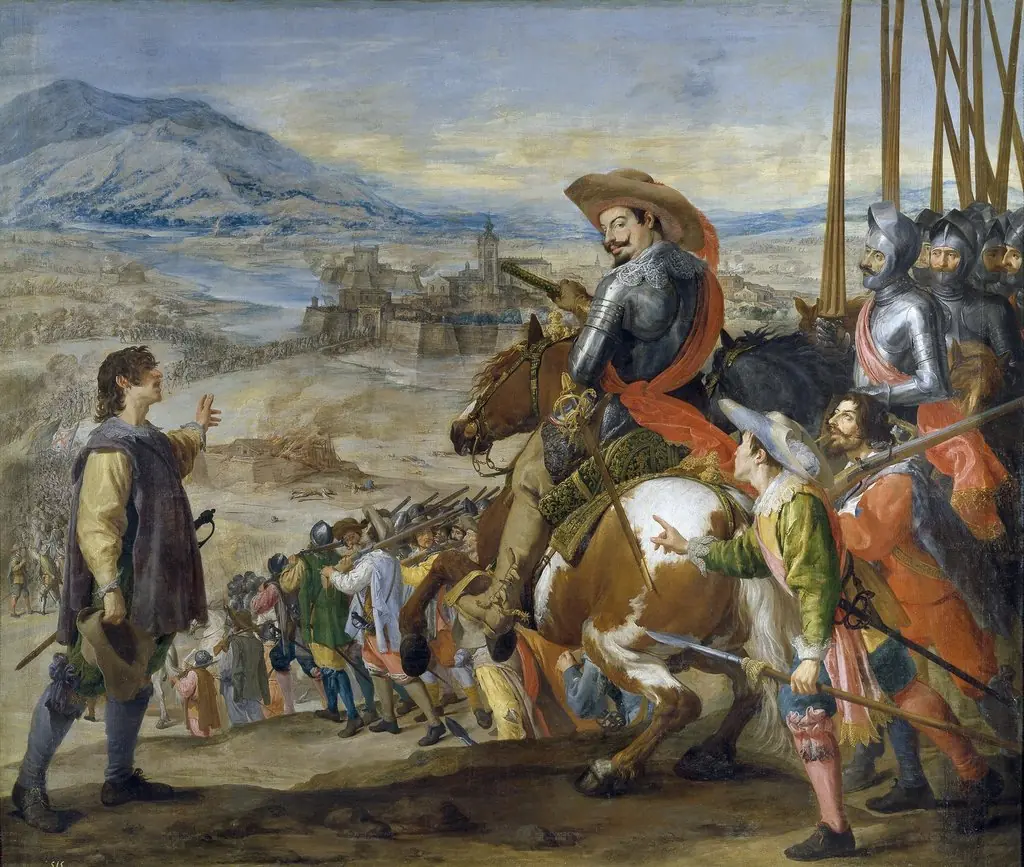 The Liberation of Brisach
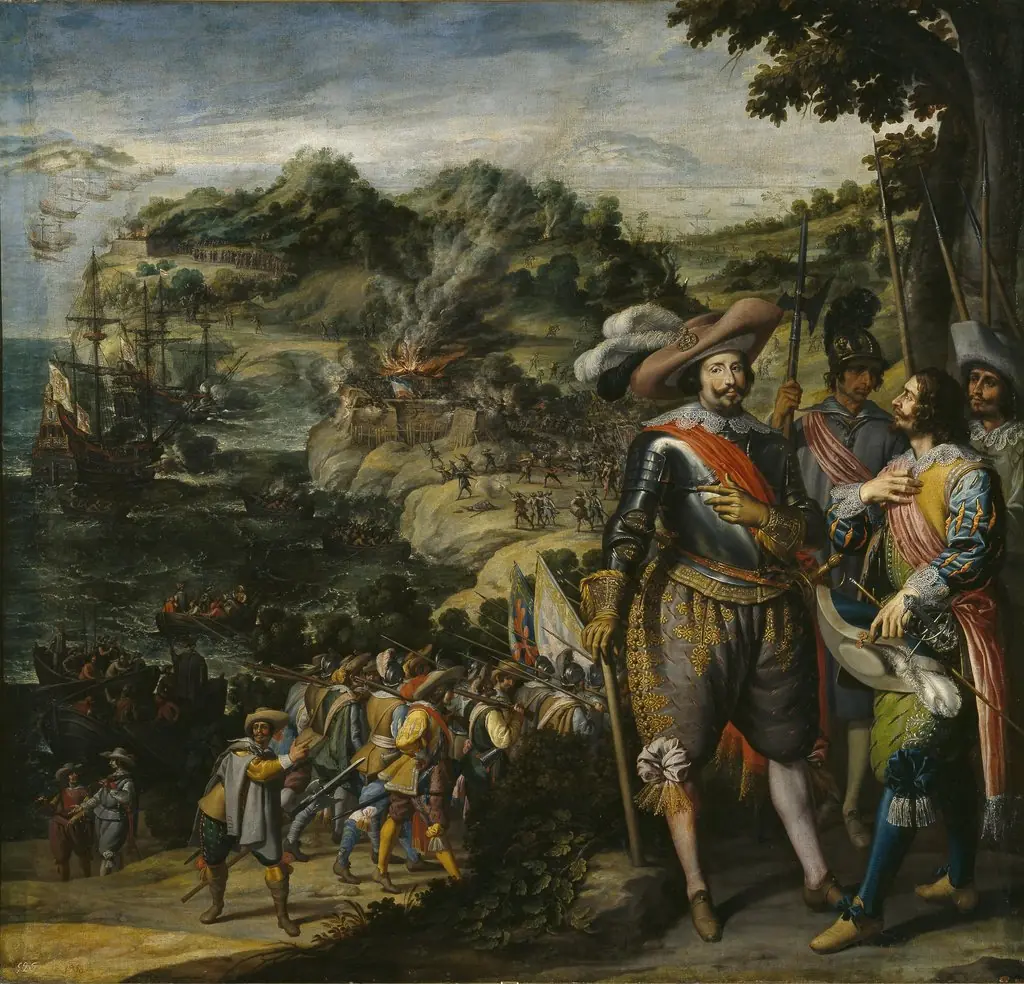 The recovery of the island of San Cristobal by Don Frederic of Toledo
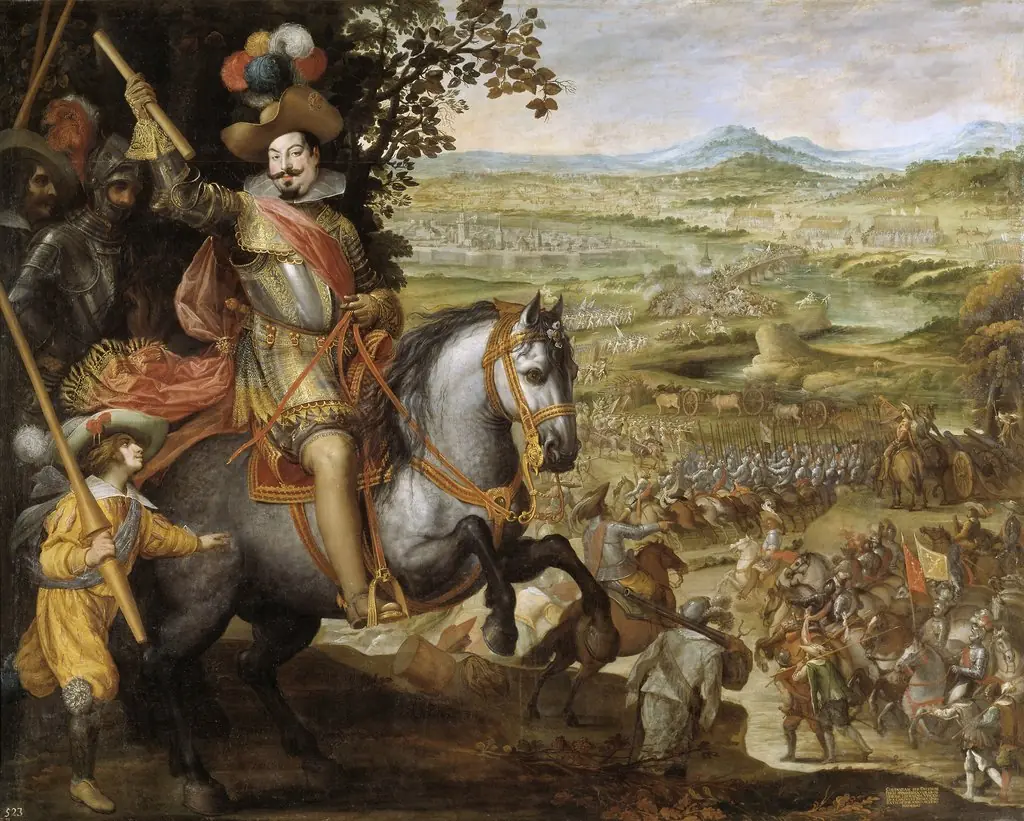 The Relief of Constance
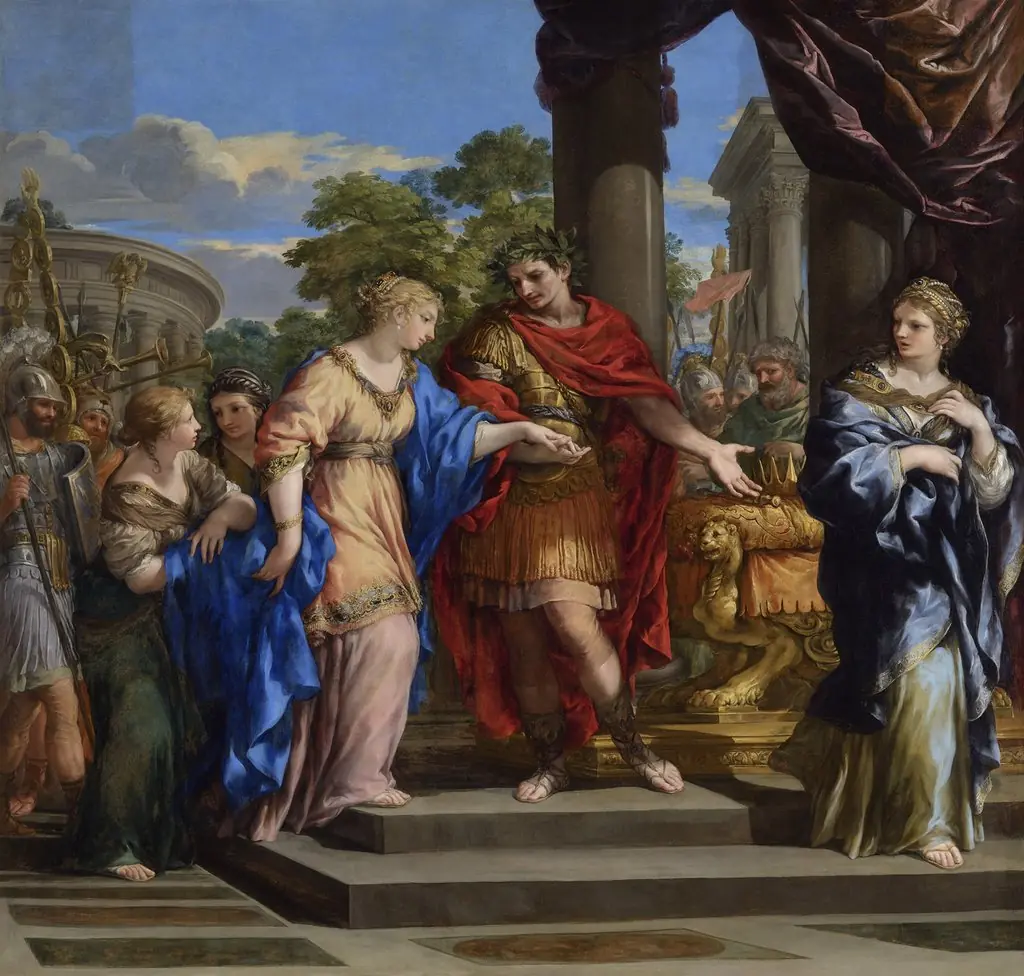 Caesar Giving Cleopatra the Throne of Egypt
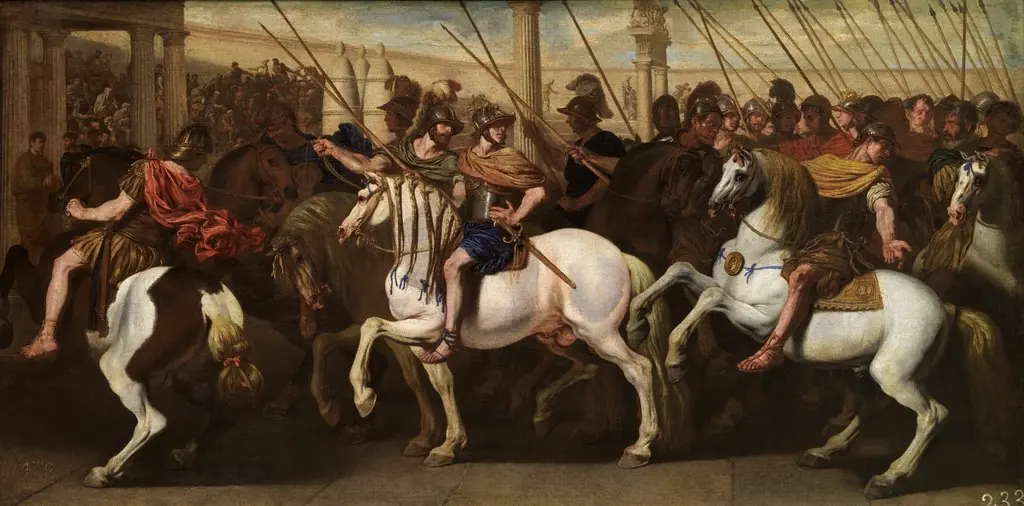 Roman Soldiers in the Circus
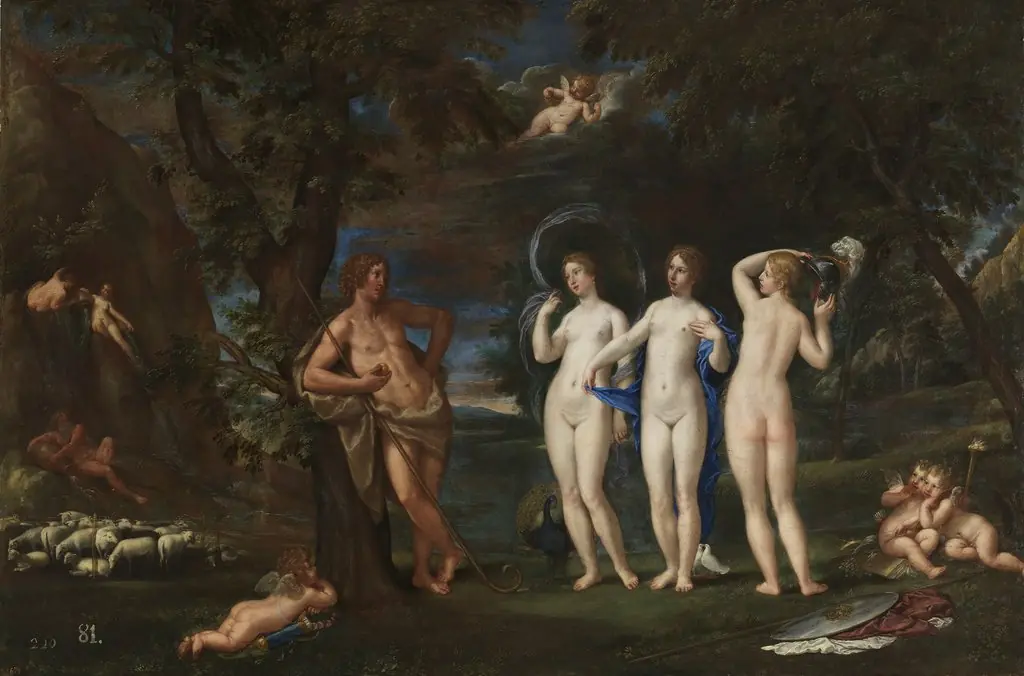 The judgement of Paris
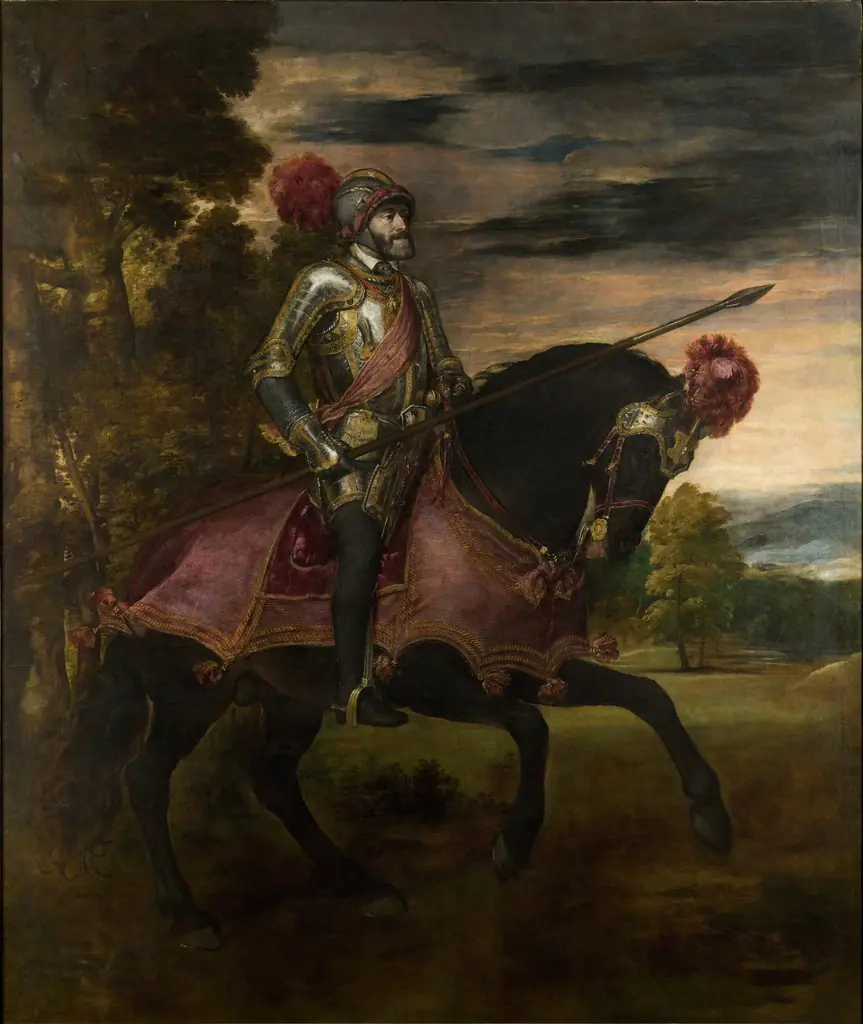 Equestrian Portrait of Charles V
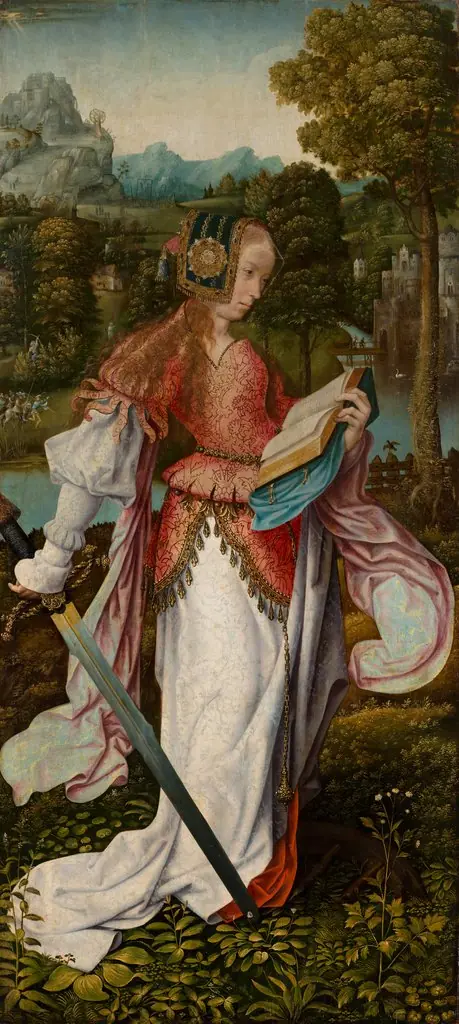 Saint Catherine
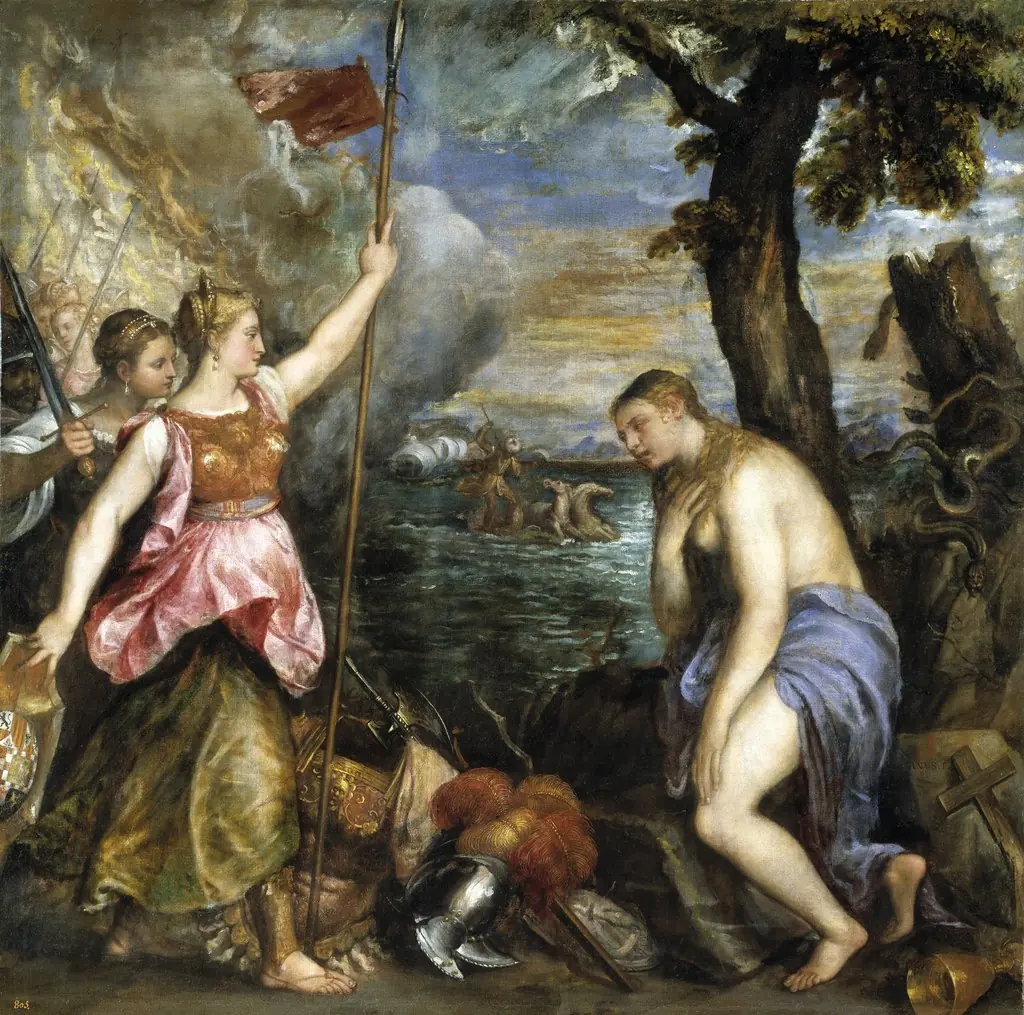 Religion saved by Spain
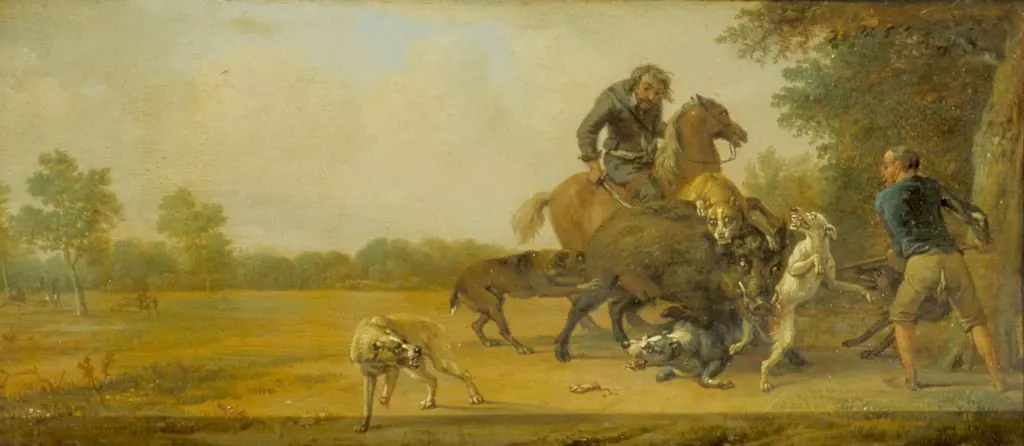 The Boar Hunt
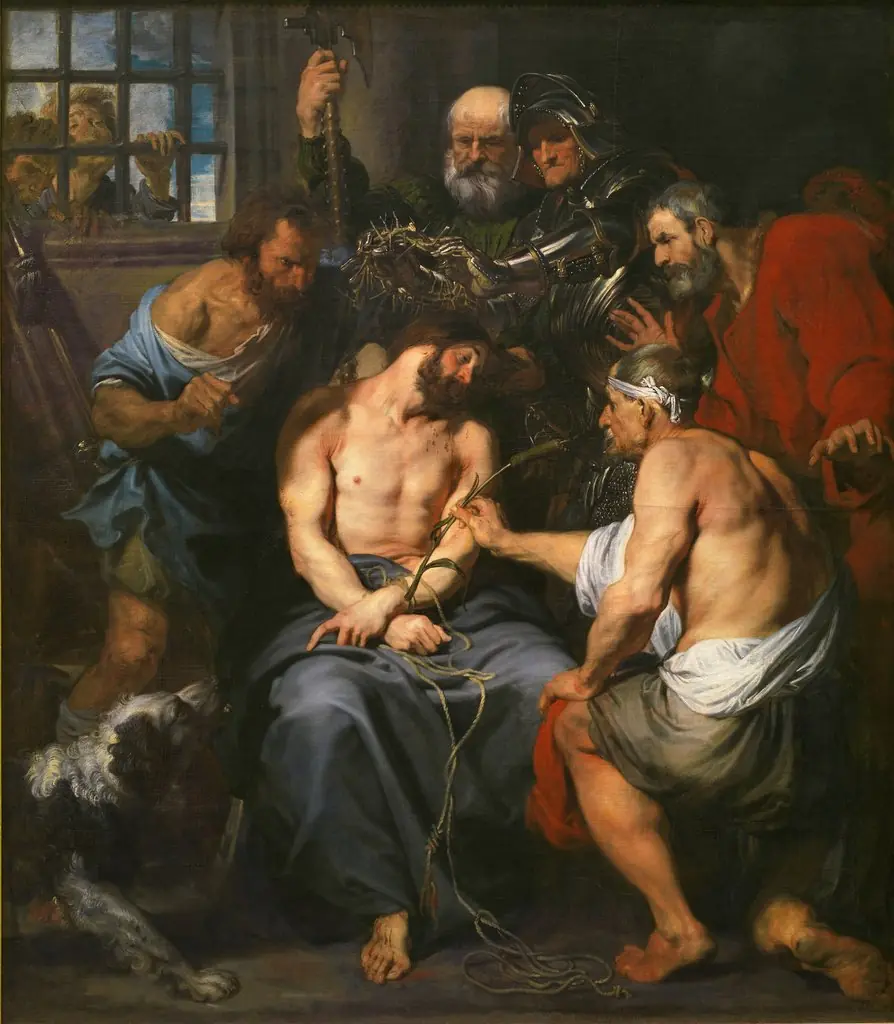 The Crown of Thorns
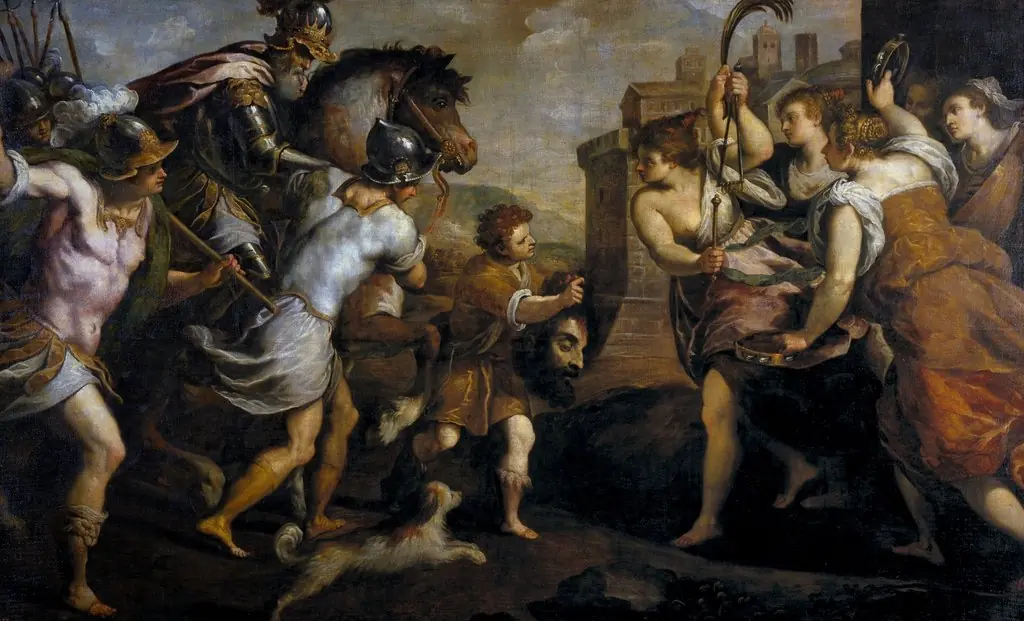 David with Goliath's Head
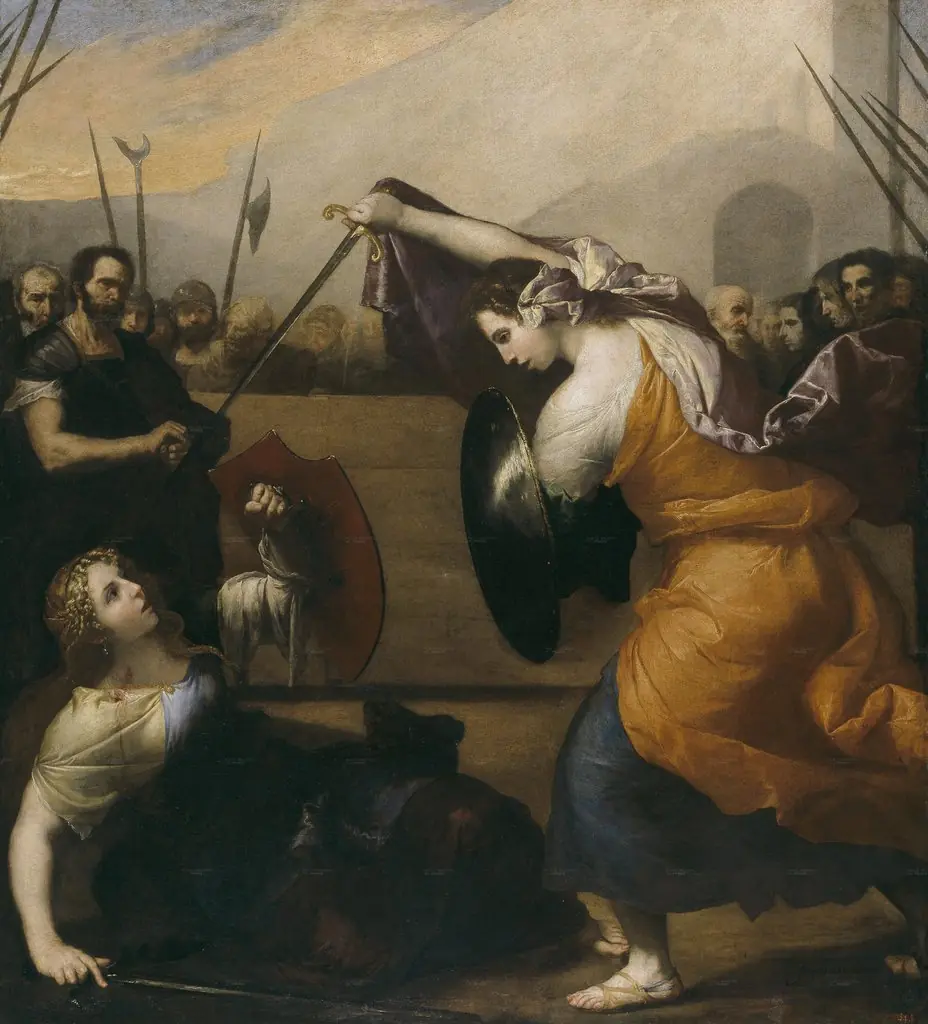 Women Gladiators
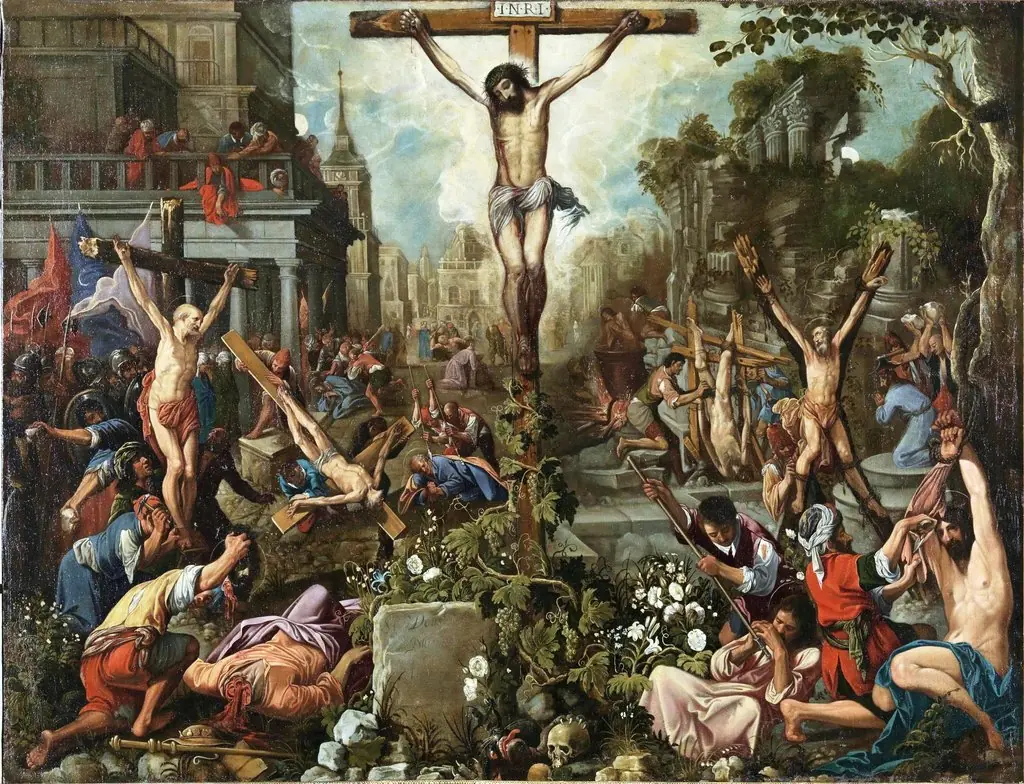 Christ, the Example for Martyrs
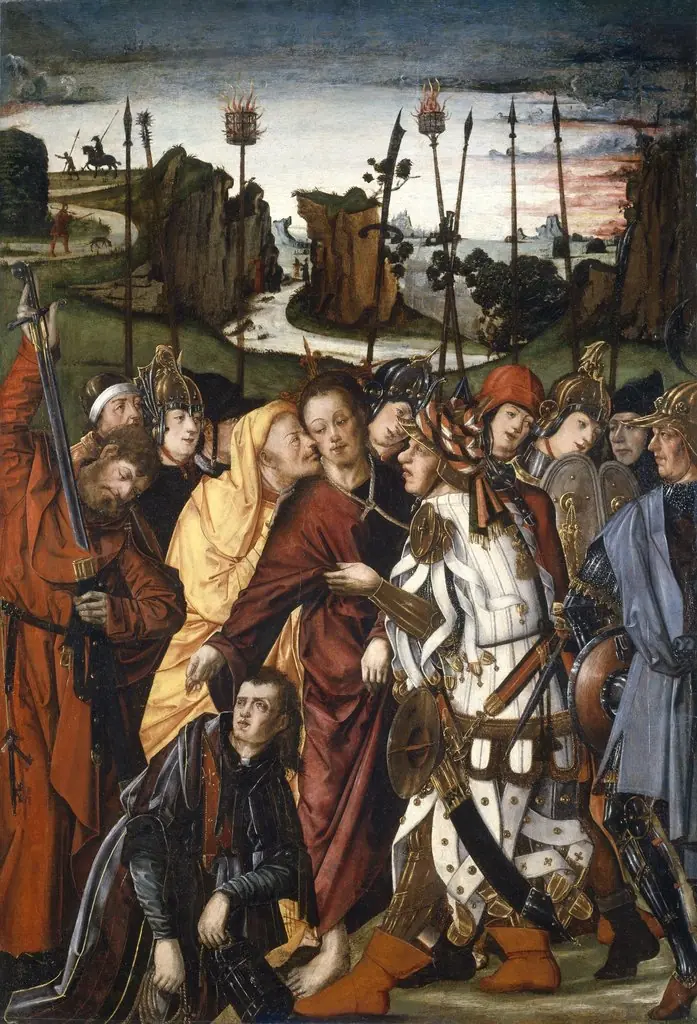 The Taking of Christ
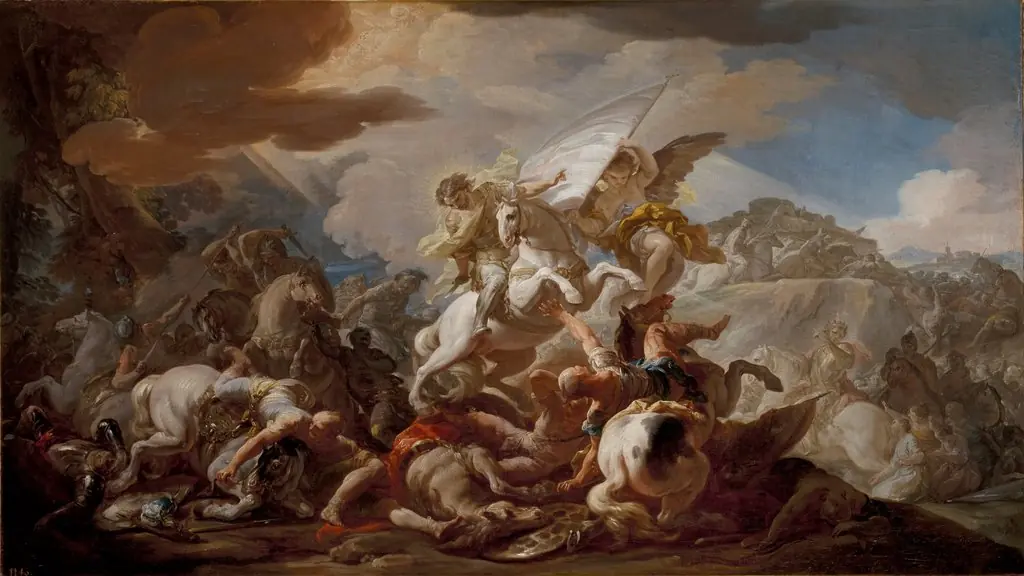 Battle of Clavijo
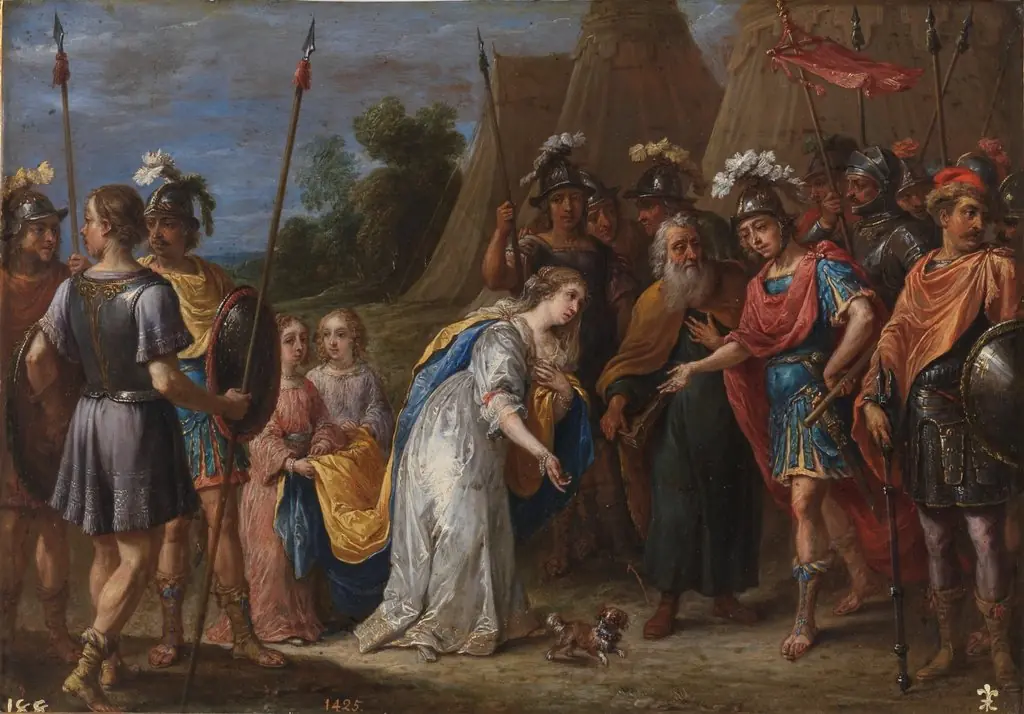 Armida ante Godofredo de Bouillon
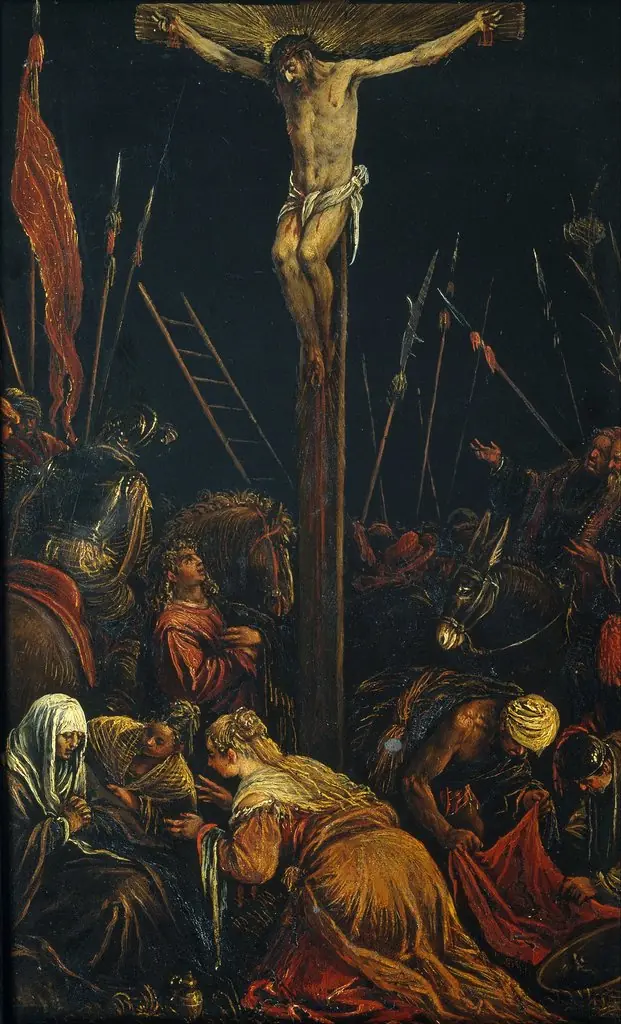 Calvary
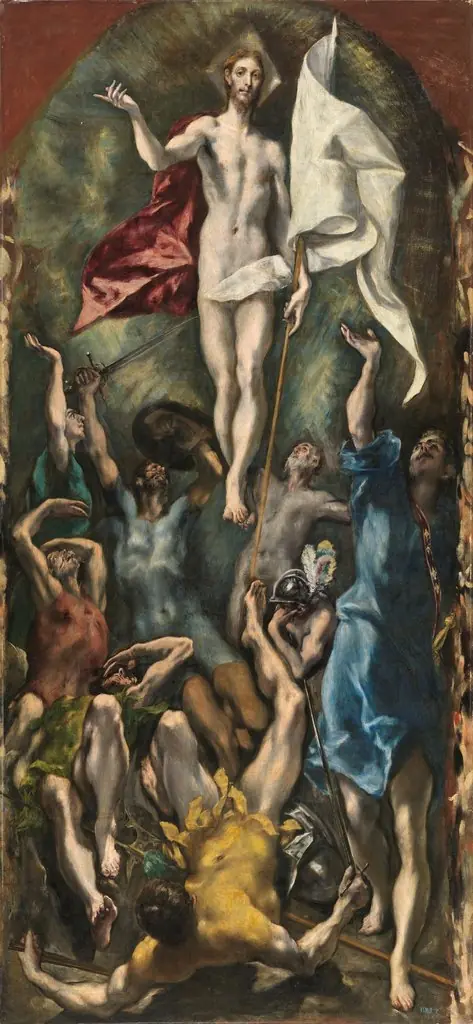 The Resurrection
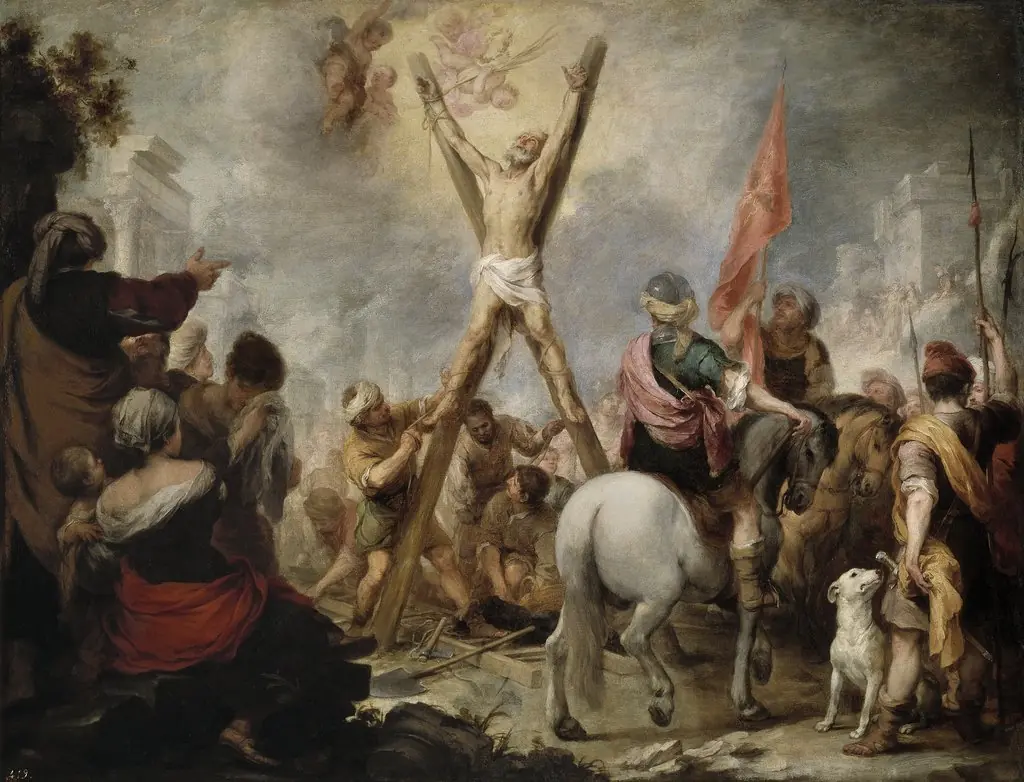 The Martyrdom of St. Andrew
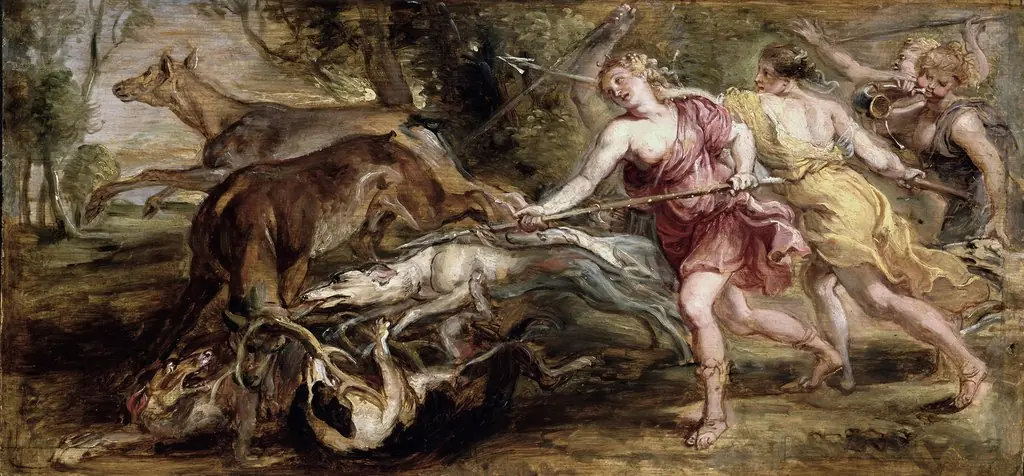 Diana and her Nymphs Hunting
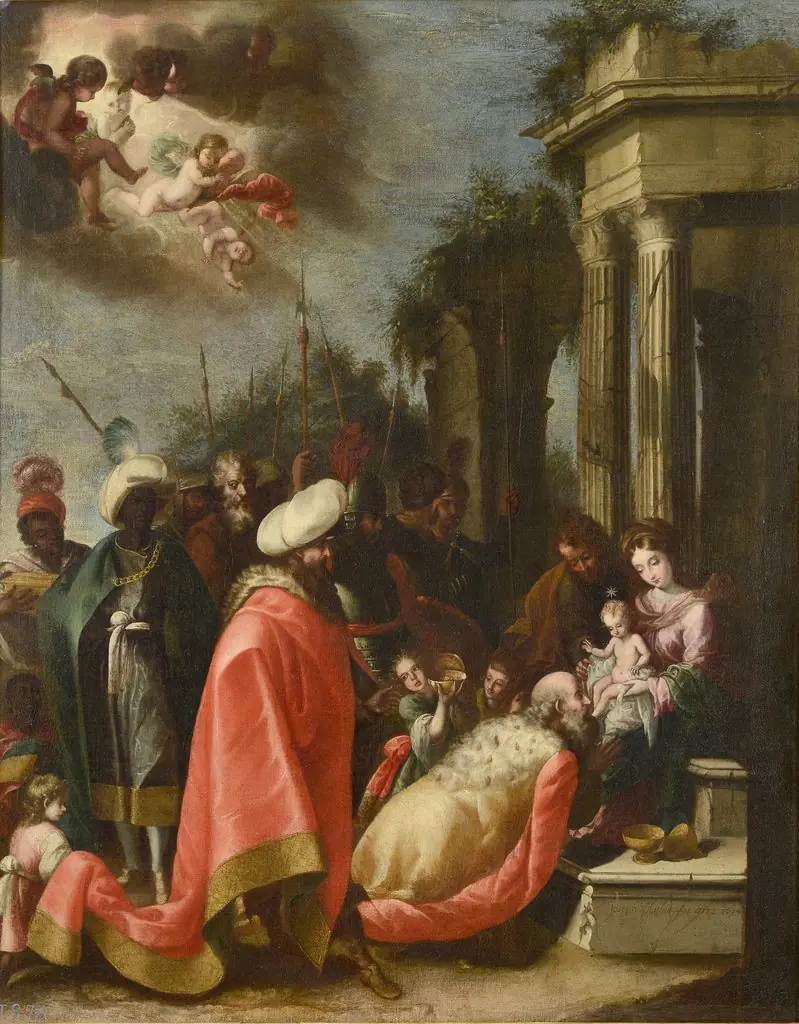 Adoración de los Reyes Magos
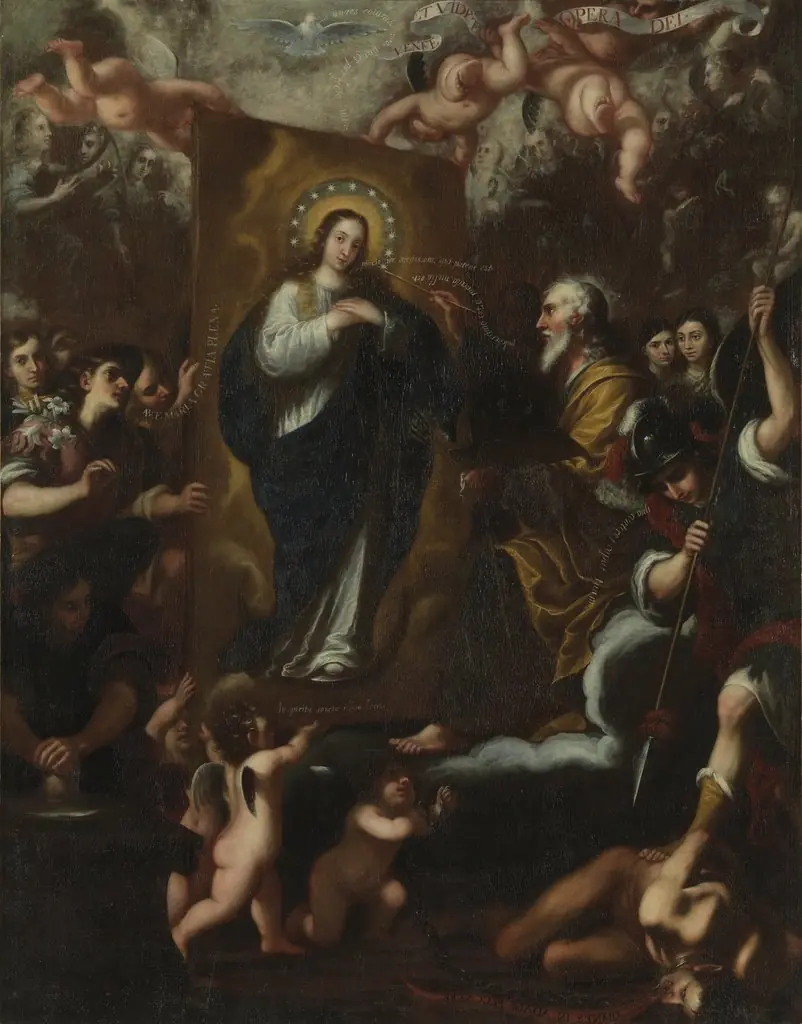 God the Father painting the Immaculate Conception
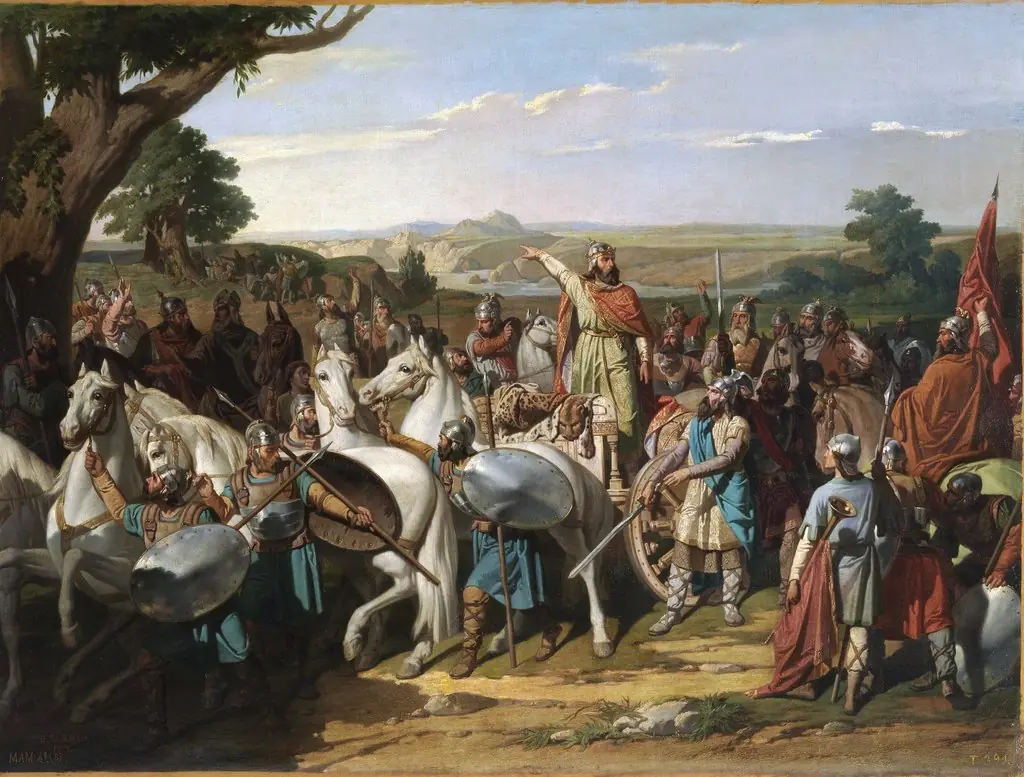 El rey don Rodrigo arengando a los jefes de su ejército antes de dar la batalla del Guadalete
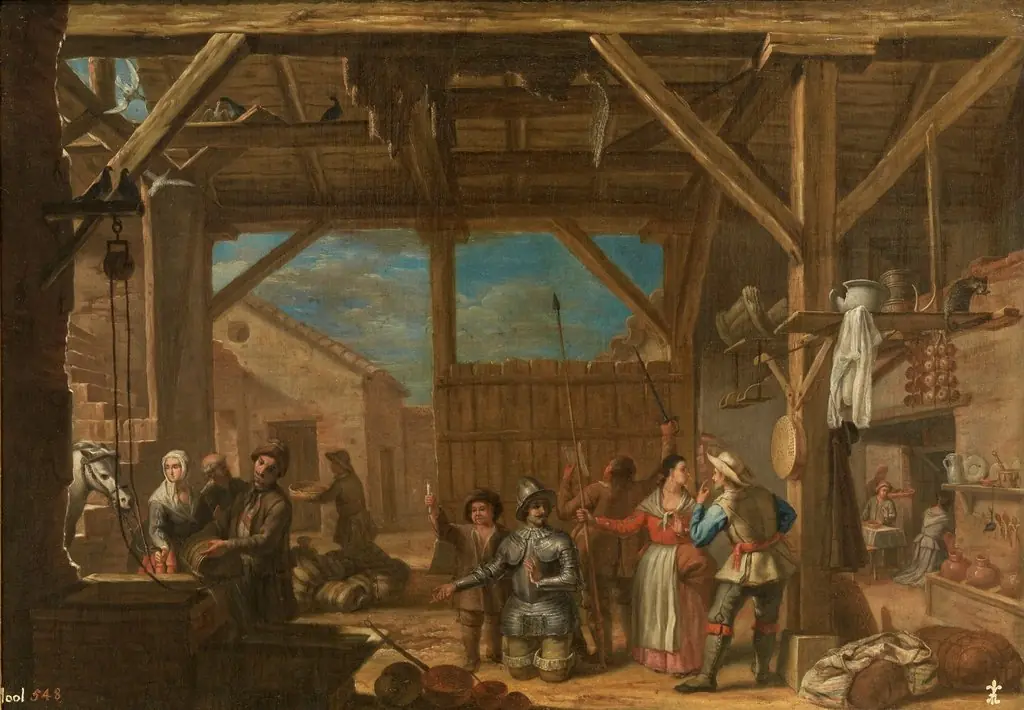 Don Quixote Dubbed a Knight
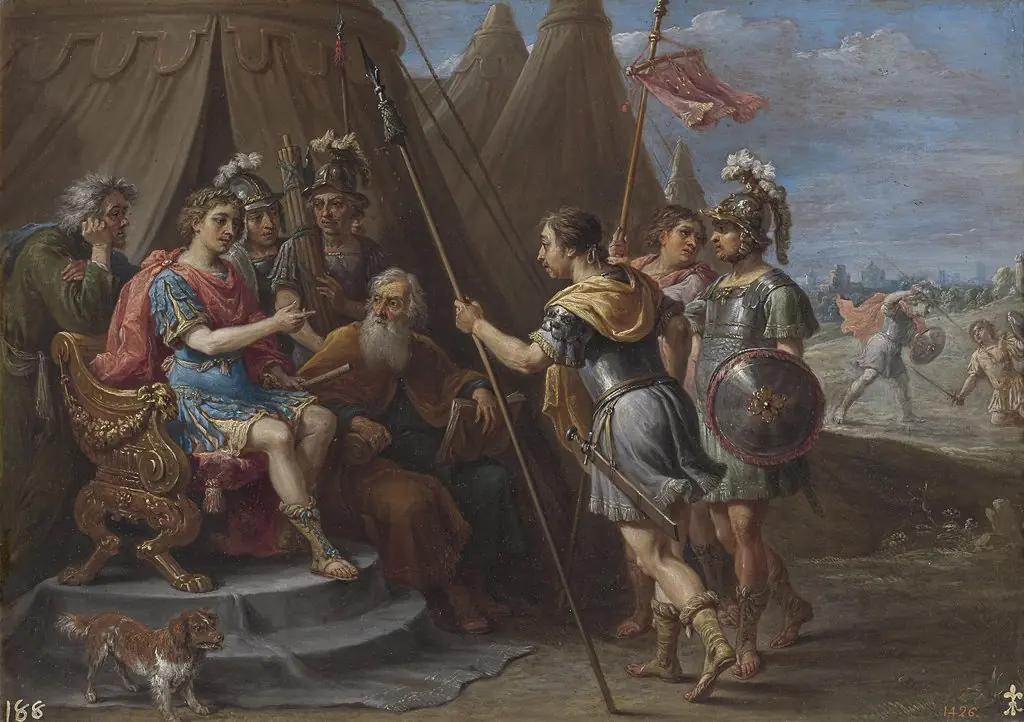 Godofredo y el Consejo escuchan la demanda de Armida
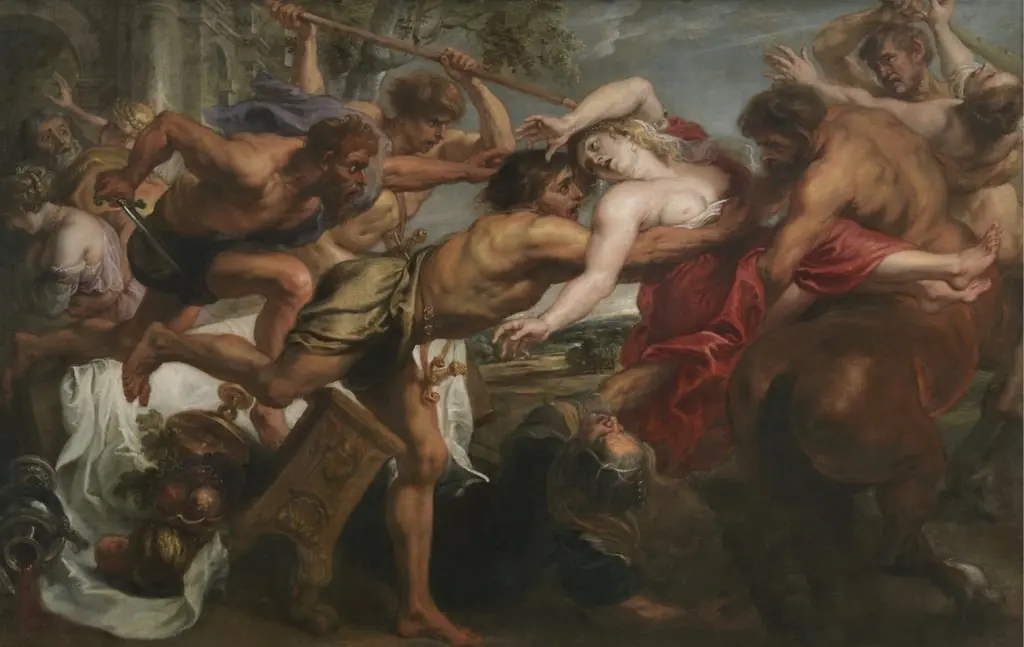 Rape of Hippodamia
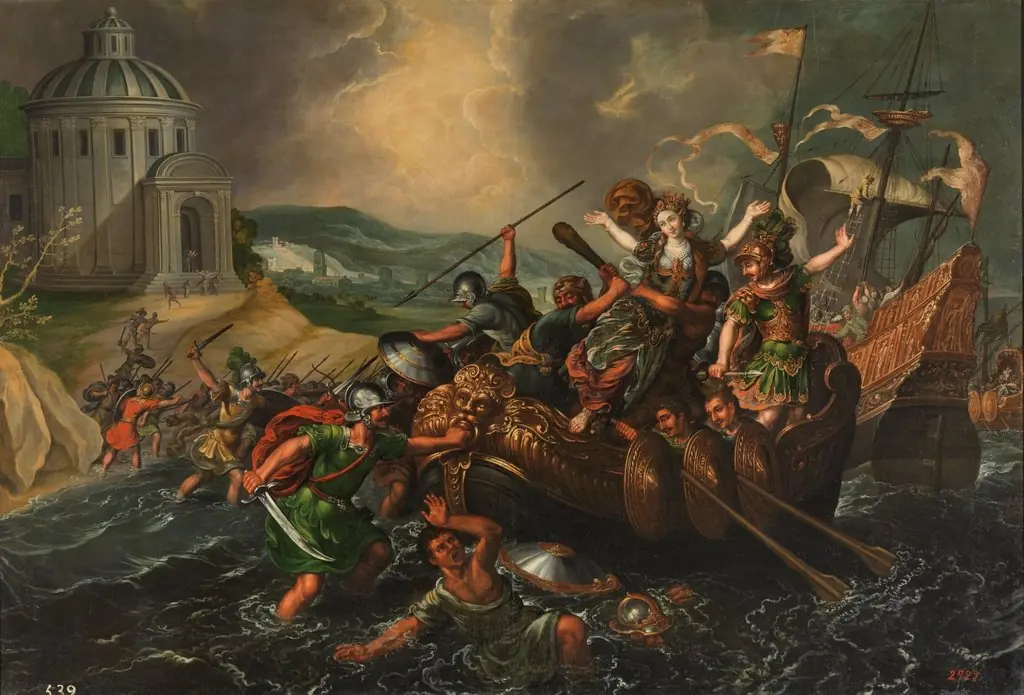 The Rape of Helen by Juan de la Corte
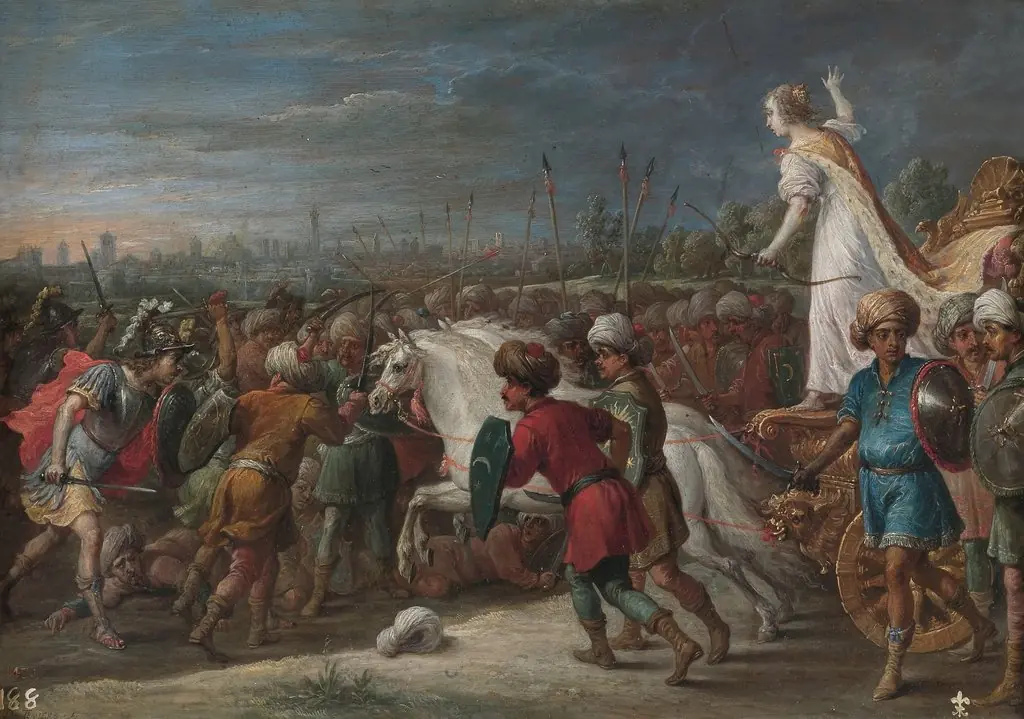 Armida en la batalla frente a los sarracenos
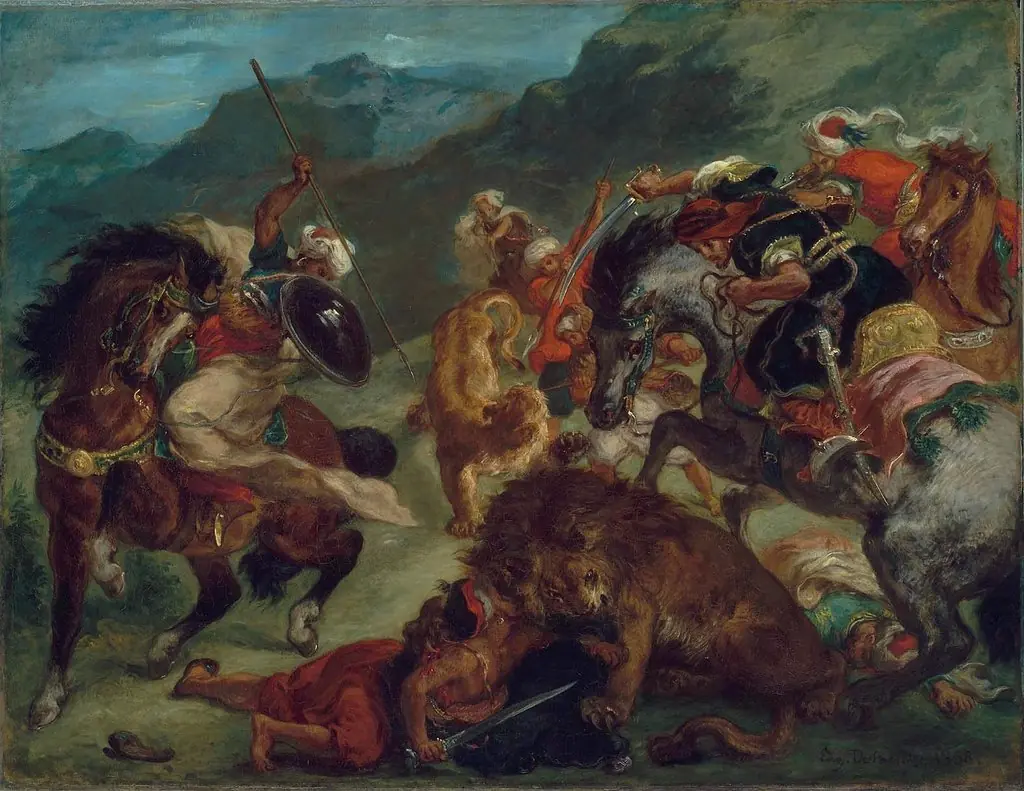 Lion Hunt
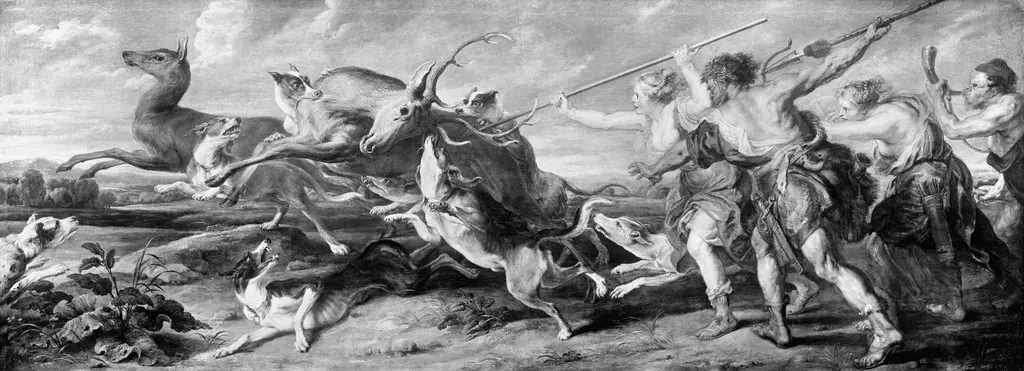 Diana on the stag hunt
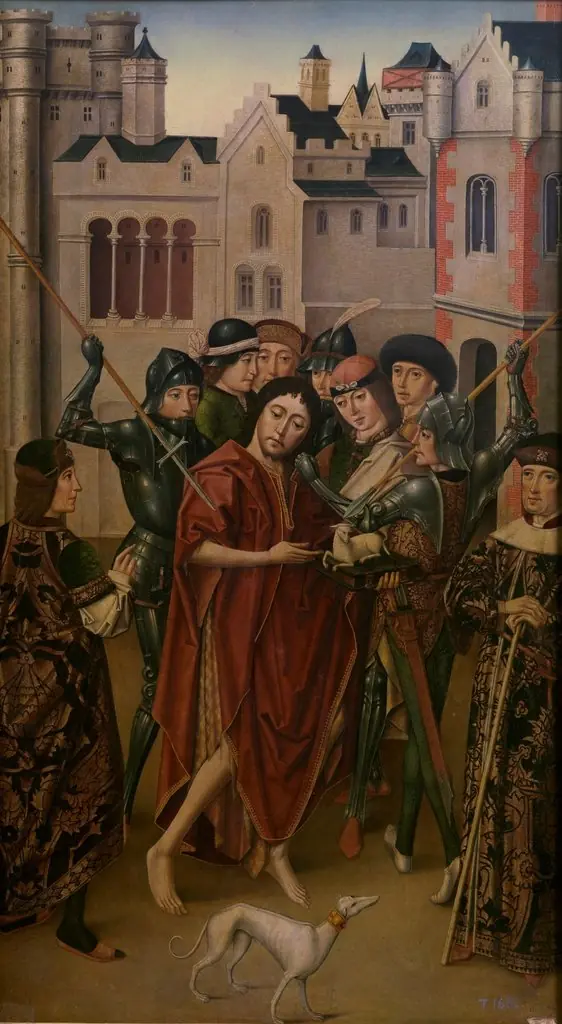 The Arrest of Saint John the Baptist
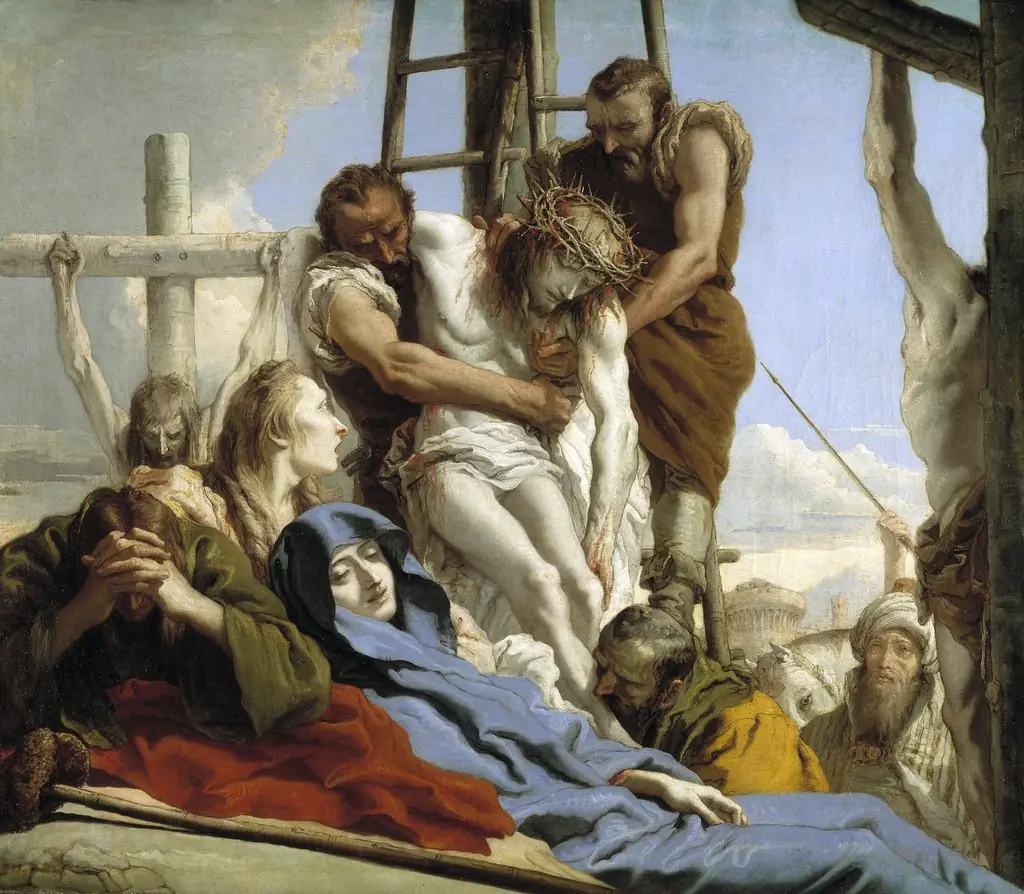 The Descent from the Cross
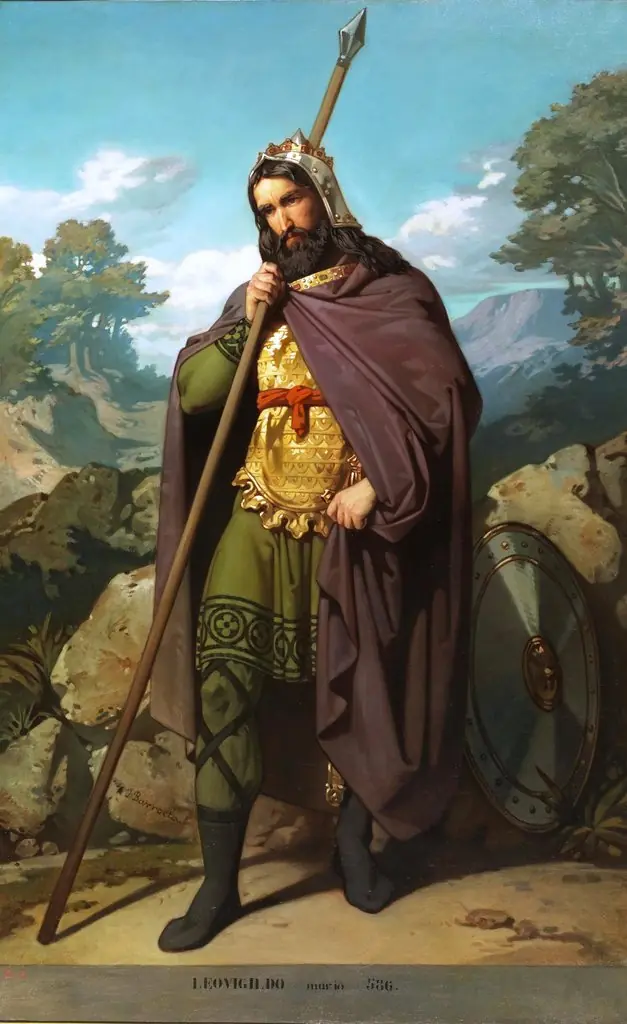 Leovigildo
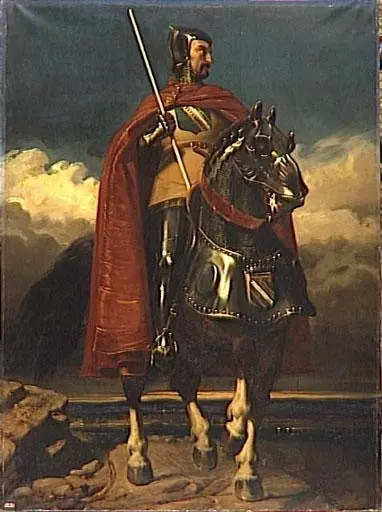 Louis de Champagne, comte de Sancerre, connétable de France en 1397
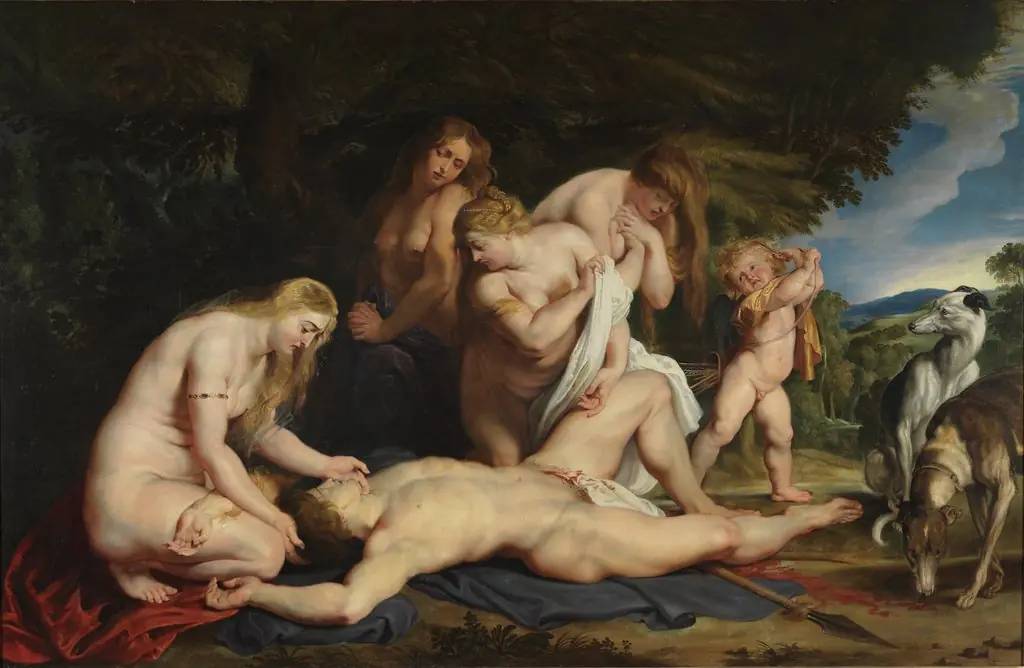 The Death of Adonis
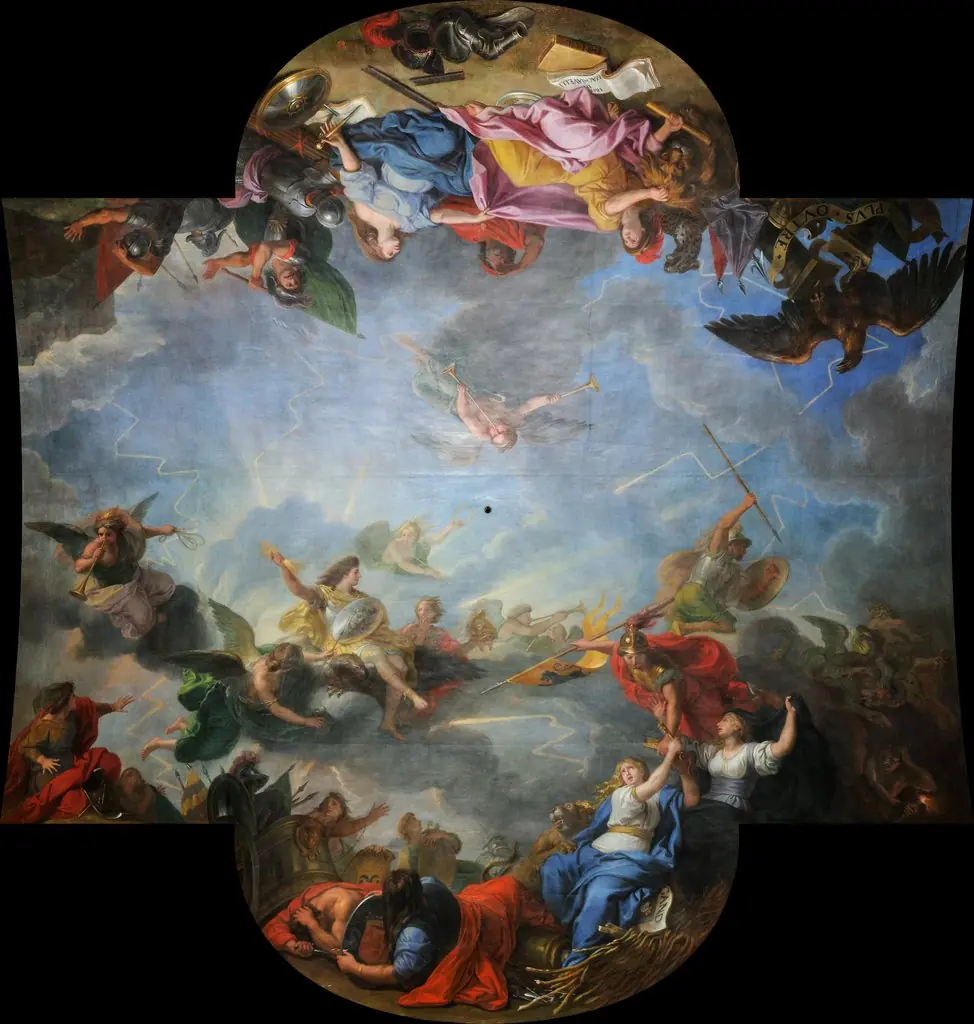 capture the citadel
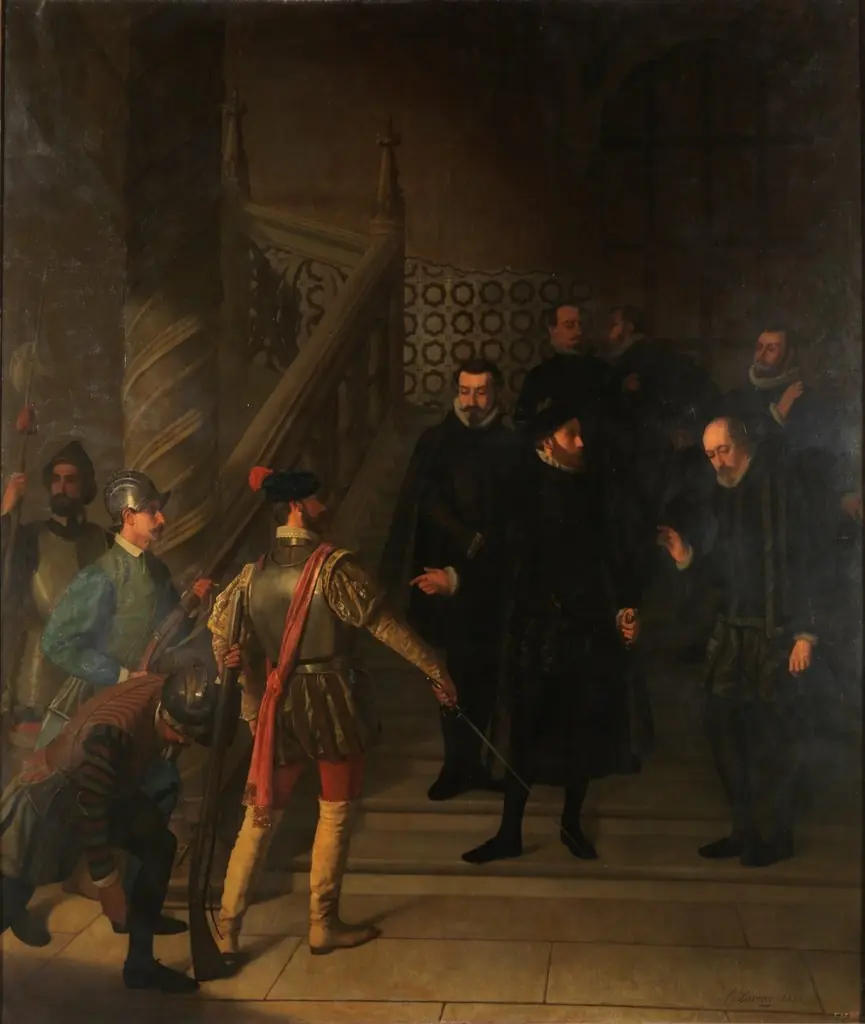 La prisión de Lanuza
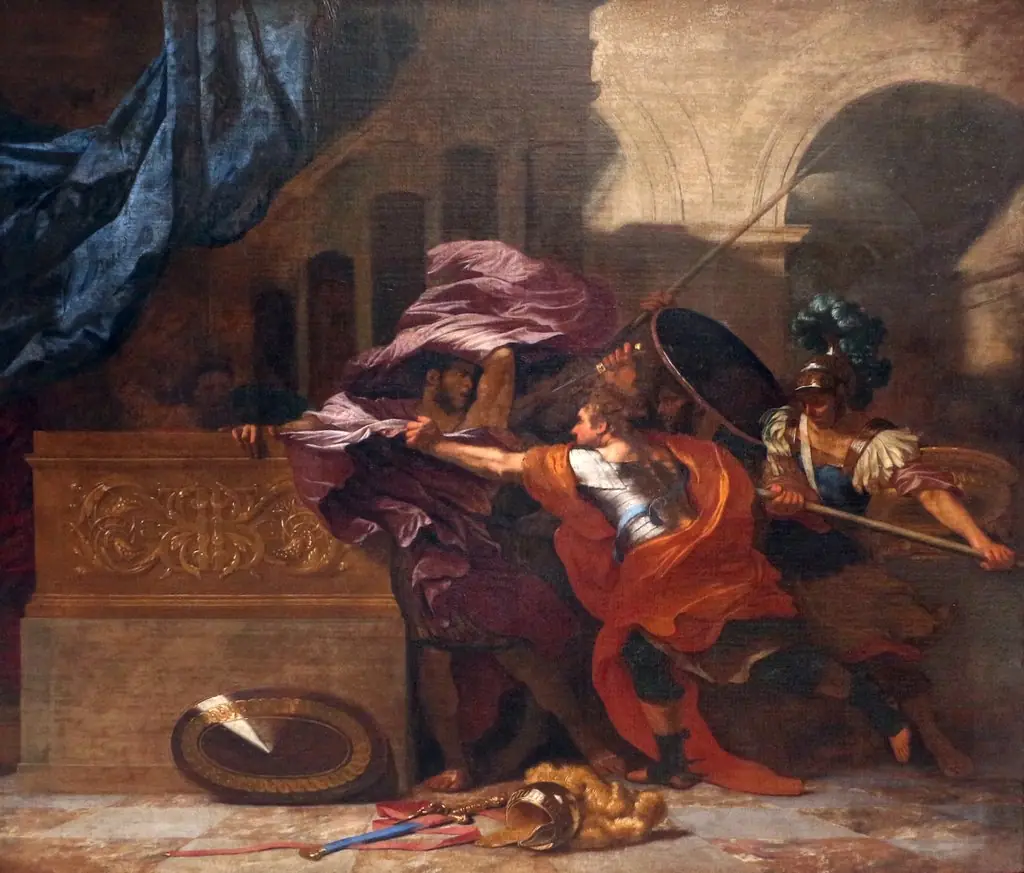 Death of Pyrrhus
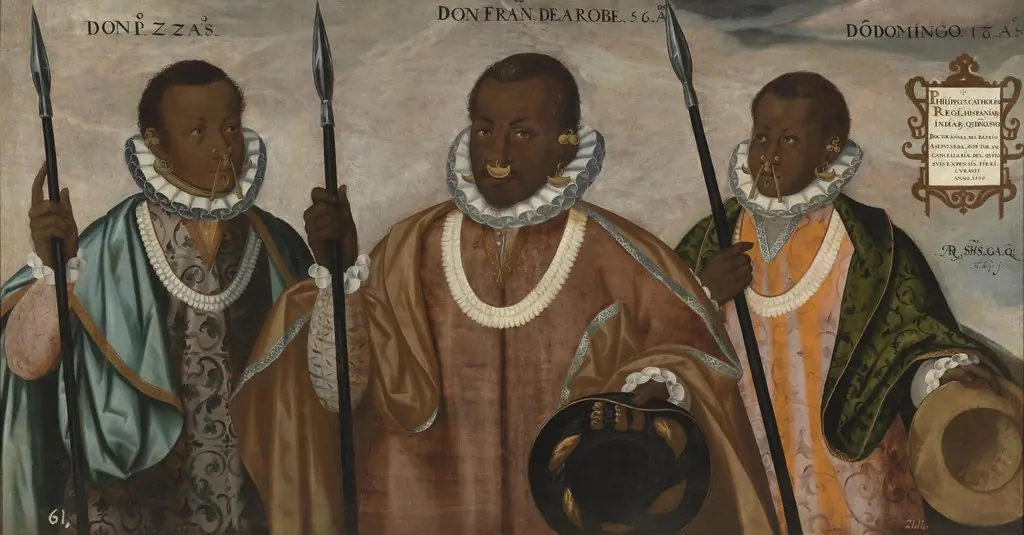 Los mulatos de Esmeraldas
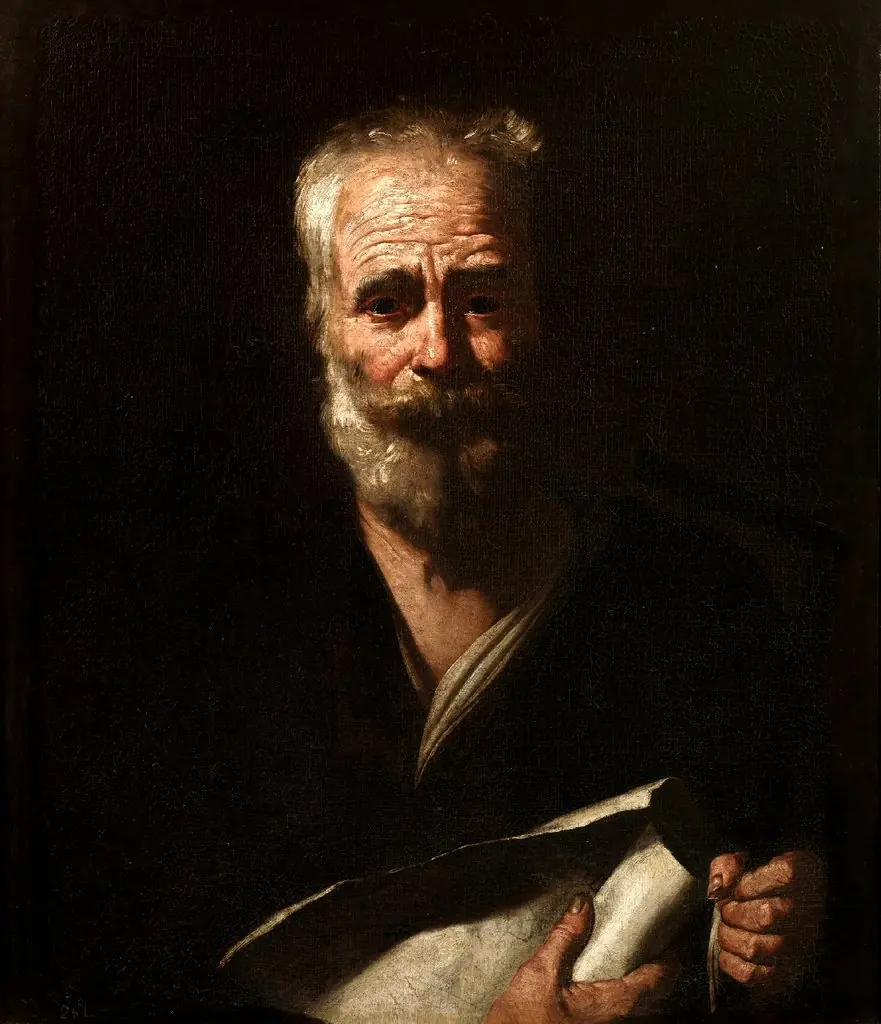 Saint Thomas
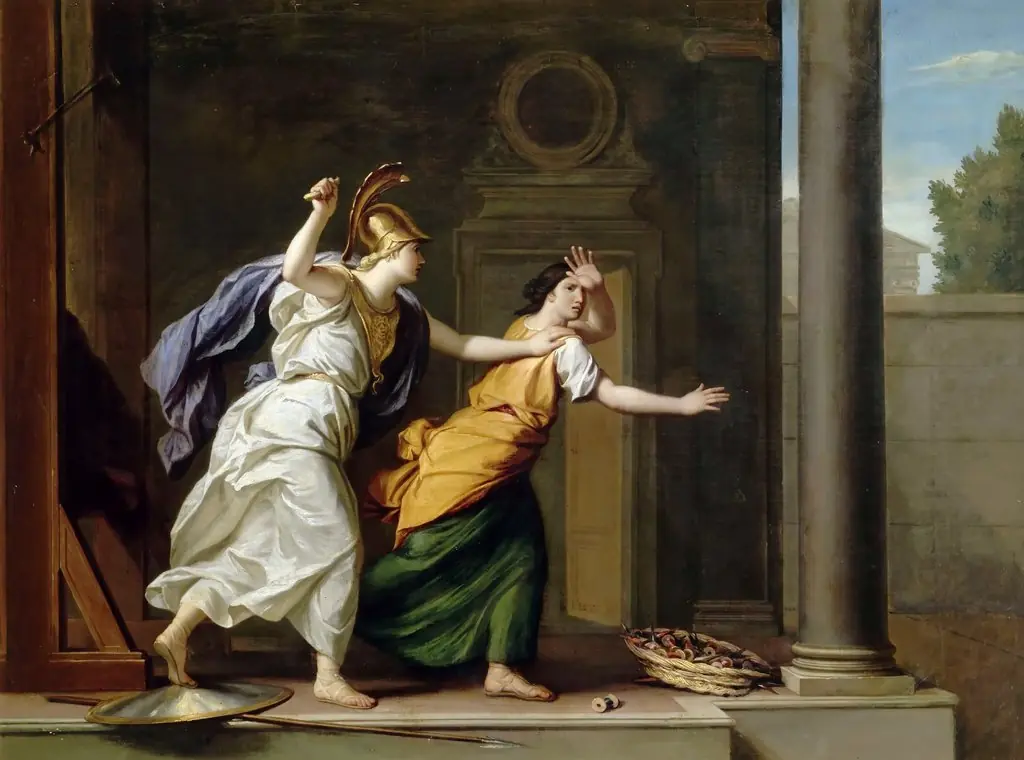 Minerva and Arachne
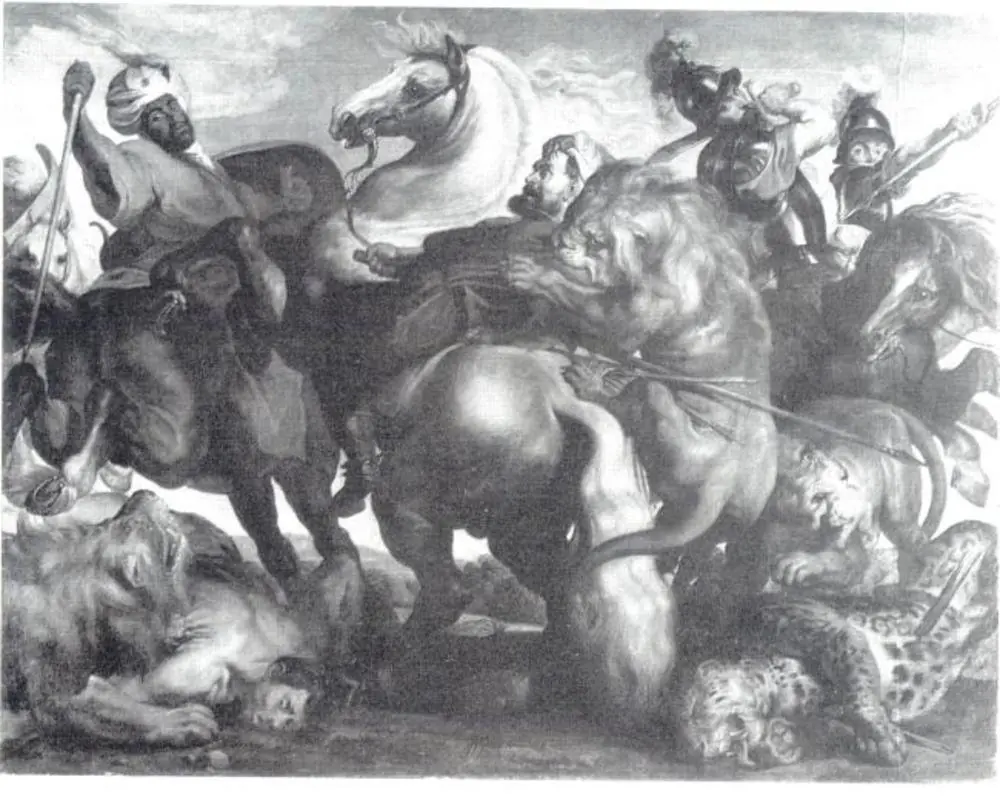 The Lion and Leopard Hunt
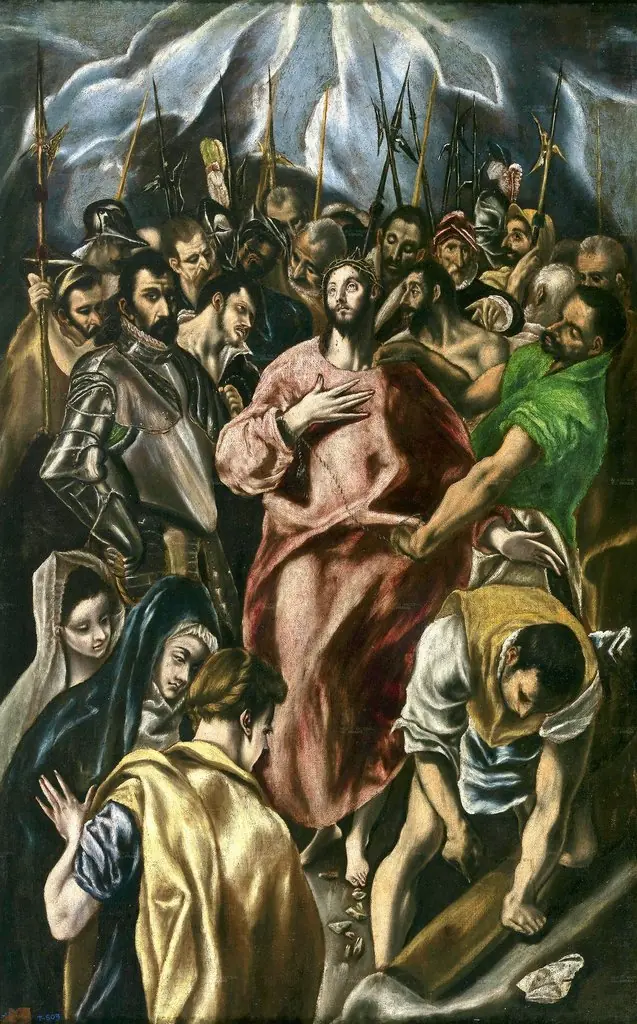 Disrobing of Christ (by J.M.Theotocópuli)
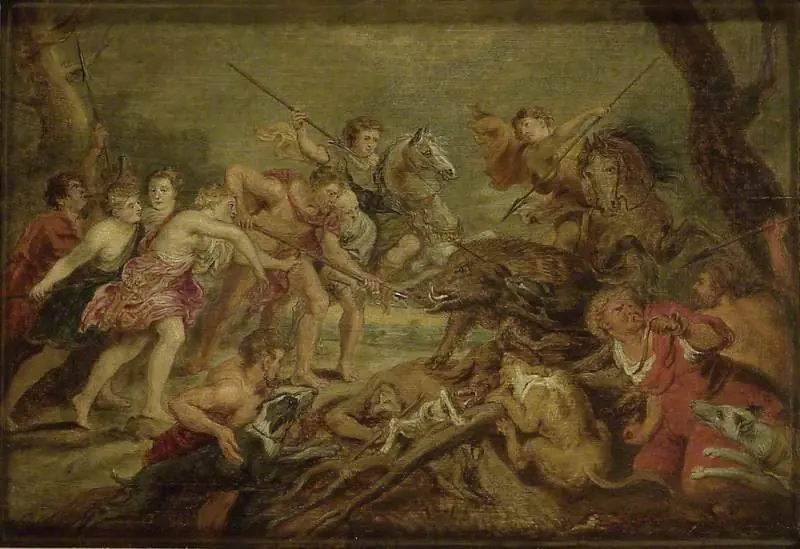 The Hunting of the Calydonian Boar
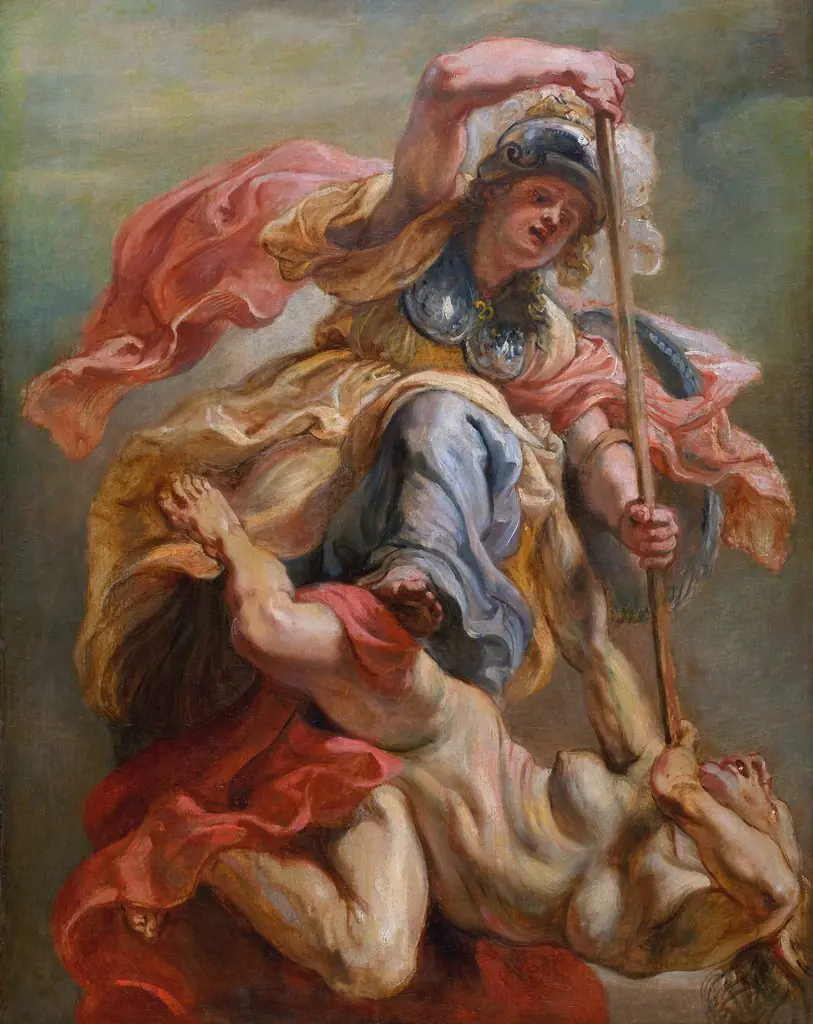 Minerva overcoming Ignorance
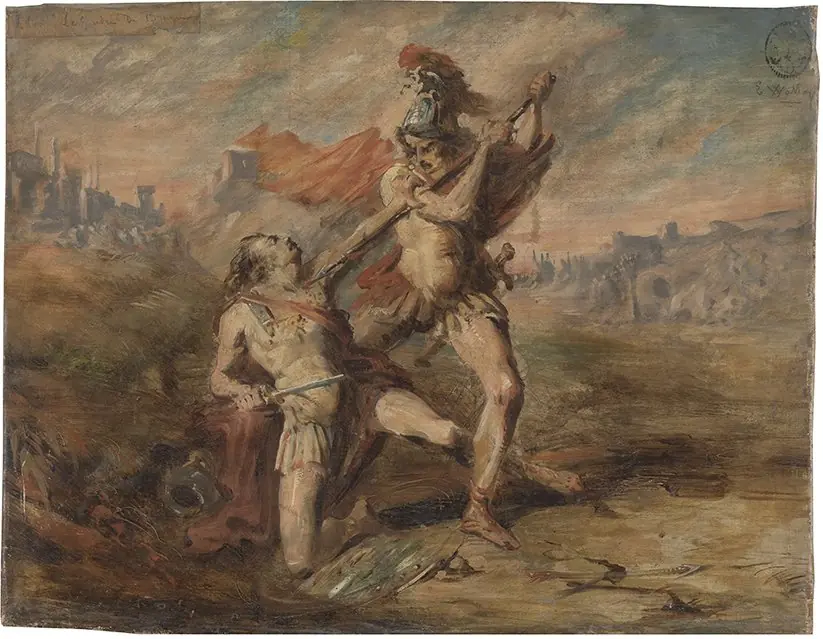 Achilles doodt Hector
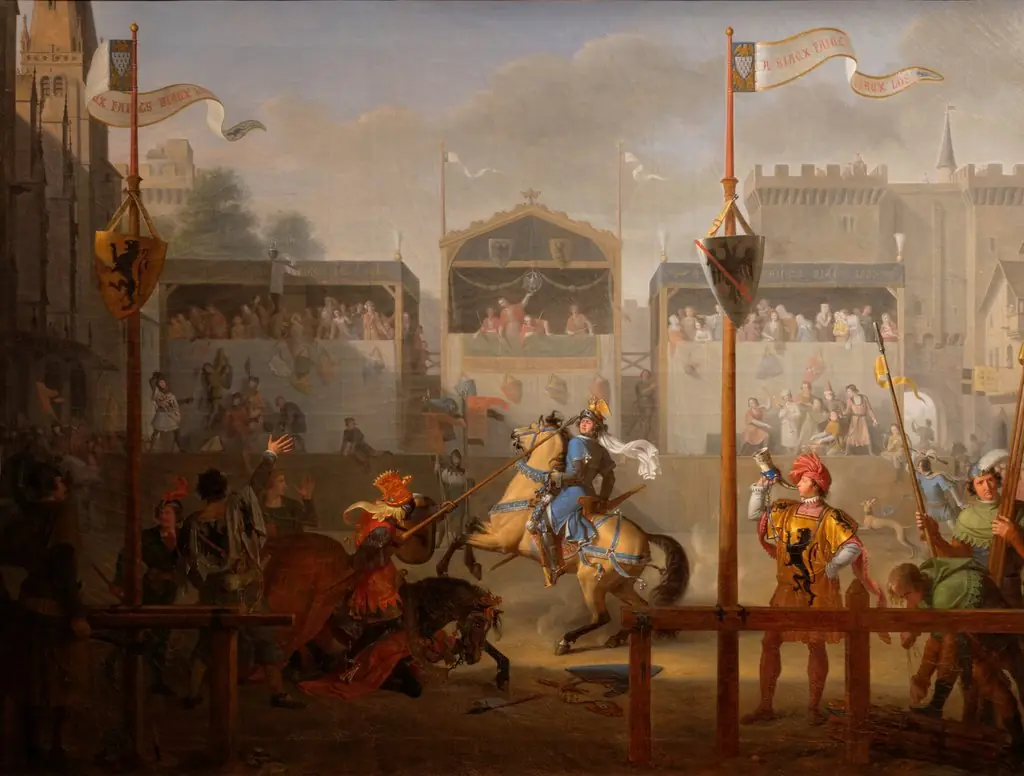 The Tournament
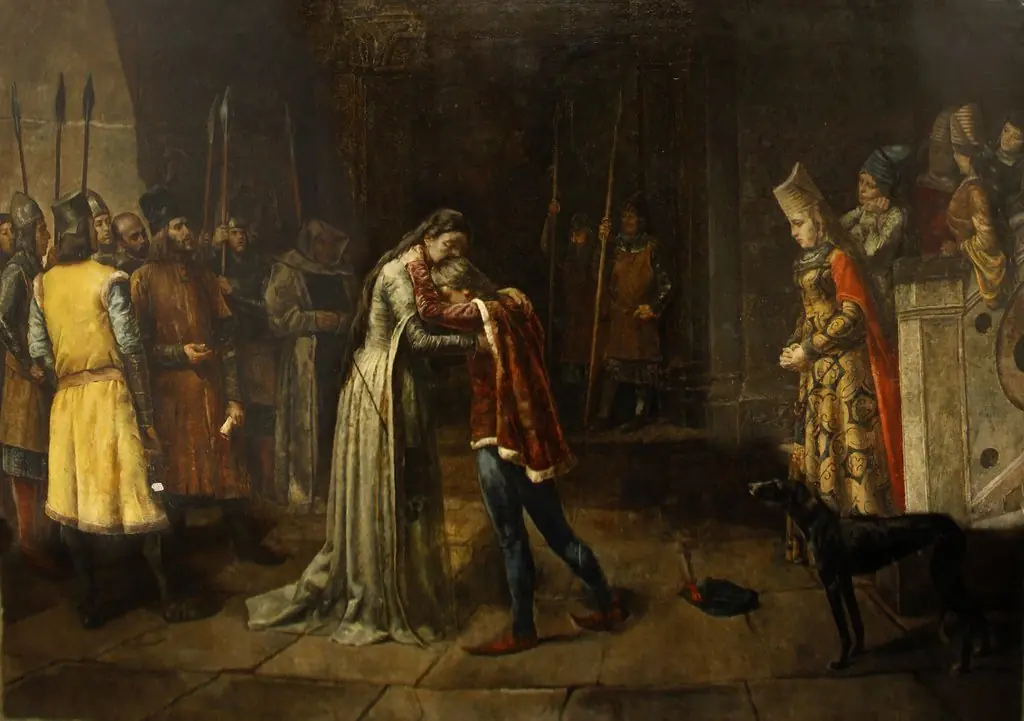 La última despedida
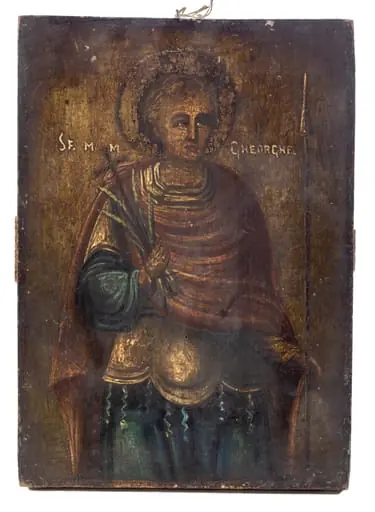 Sfântul Gheorghe
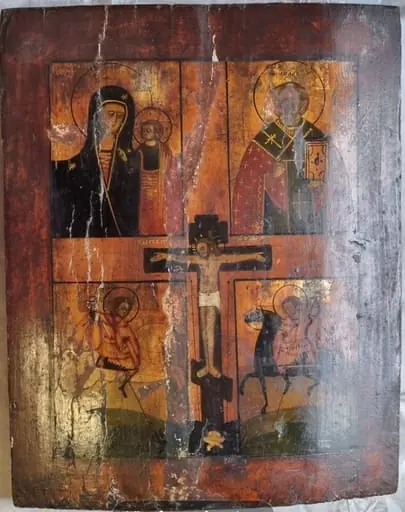 Răstignirea cu patru scene iconografice: 1) Maica Domnului cu Pruncul; 2) Sf. Nicolae; 3) Sf. Gheorghe; 4) Sf. Dumitru
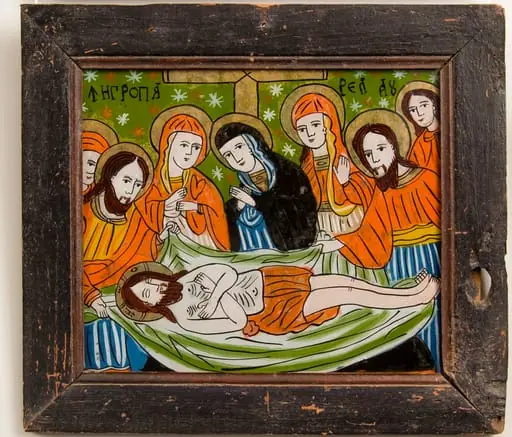 Punerea în mormânt; Îngroparea lui Iisus
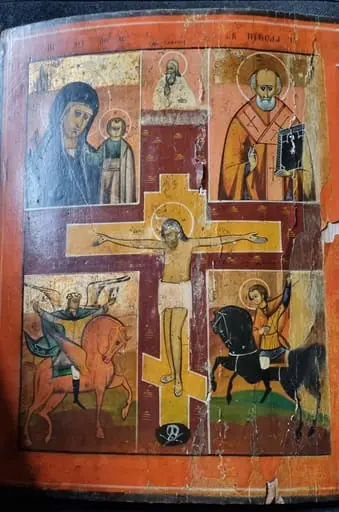 Răstignirea; Maica Domnului Kazanskaia; Sf. Nicolae; Sf. Arh. Mihail; Sf. Mucenic Dumitru
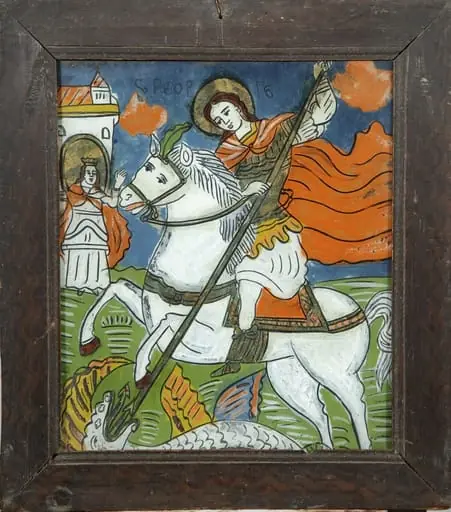 Sf. Mare Mucenic Gheorghe
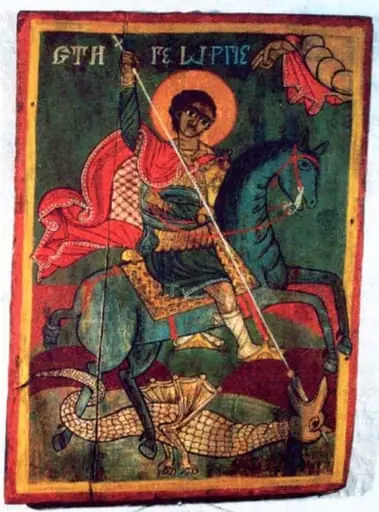 Sfântul Gheorghe
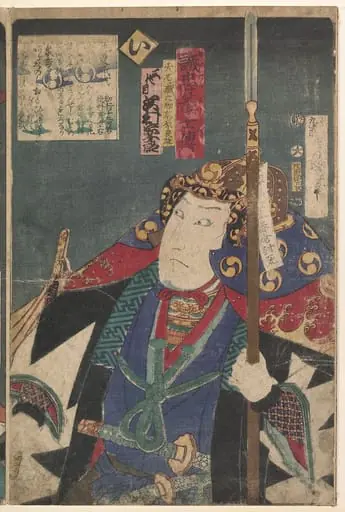 Untitled
Frequently asked questions
What is Spear?
Spear is a subject in art. A spear is a polearm consisting of a shaft, usually of wood, with a pointed head.
How many Spear works does Artifact World Gallery have?
Artifact World Gallery holds 72 public-domain Spear works, all free to view and download.
Who are the key Spear artists?
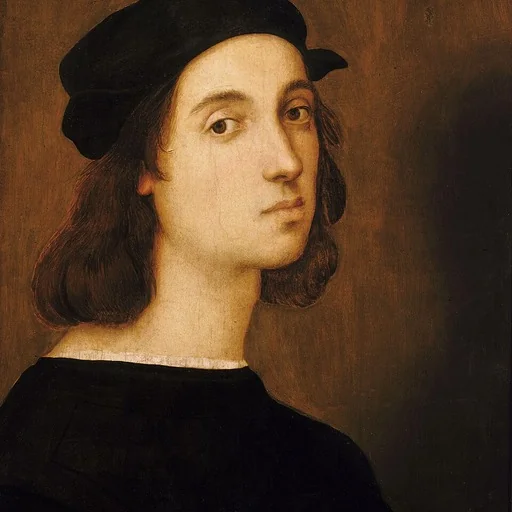
Key Spear artists in the collection include Titian, Raphael and El Greco.
Where can I see Spear works?
Spear works in the collection are held by Museo del Prado, Rijksmuseum and Palace of Versailles.