Artwork
Grinling Gibbons (1648–1721) (design for a mosaic in the Victoria and Albert Museum)
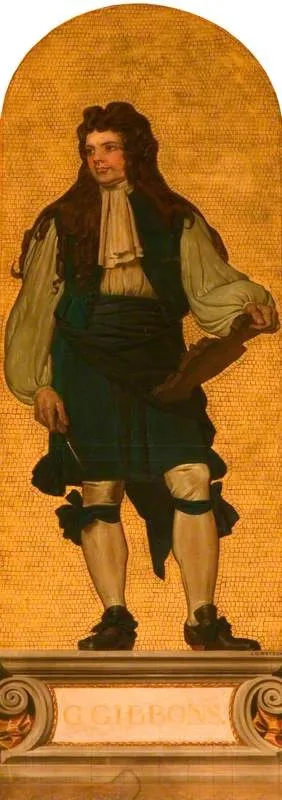
Grinling Gibbons (1648–1721) (design for a mosaic in the Victoria and Albert Museum) is an oil painting by the Pre-Raphaelite artist John Dawson Watson. It dates from 1868 and is held in the collection of the Victoria and Albert Museum.
About this work
He has long, dark hair and is dressed in 17th-century attire, including a white shirt, dark vest, and knee-length shorts.
This painting shows a man standing on a decorative base, with a mosaic-like background behind him. He has long, dark hair and is dressed in 17th-century attire, including a white shirt, dark vest, and knee-length shorts.
The man's right hand rests on his hip, while his left hand holds a tool, possibly a chisel or hammer. His outfit and the tool suggest he might be an artist or craftsman. The base he stands on has an inscription, but it's not clear what it says.
The painting's style and the subject's clothing suggest it's from the 19th century. To learn more about the artist who created this work, look up John Dawson Watson.
Overview
This 1868 oil on canvas portrait by John Dawson Watson depicts Grinling Gibbons, a renowned 17th-century English woodcarver and sculptor. The work is characteristic of the Pre-Raphaelite period, emphasizing detailed naturalism and early Renaissance techniques.
Subject & Meaning
The subject, Grinling Gibbons, is portrayed in 17th-century attire, standing on a decorative base with an indistinct inscription. His pose, with one hand on a tool (likely a chisel or hammer) and the other on his hip, emphasizes his profession as a craftsman.
Technique & Style
Executed in oil paint, the portrait showcases Pre-Raphaelite attention to detail, particularly in the rendering of Gibbons' clothing and the mosaic-like background. Watson's training at the Manchester School of Design is evident in the work's meticulous naturalism.
History & Provenance
Painted in 1868 by British artist John Dawson Watson, the portrait is now part of the Victoria and Albert Museum's collection. The museum also holds a design for a mosaic by Gibbons, contextualizing the portrait within the institution.
Context
Created during the Pre-Raphaelite movement, the portrait reflects a 19th-century appreciation for the detailed craftsmanship of earlier centuries, as embodied by Gibbons' Baroque woodwork found in various English interiors.
Legacy
While the portrait itself may not have significantly altered artistic trajectories, it contributes to the enduring recognition of Grinling Gibbons' importance in English Baroque craftsmanship, alongside the broader legacy of Pre-Raphaelite revivalism.
Artist & collection
Artist
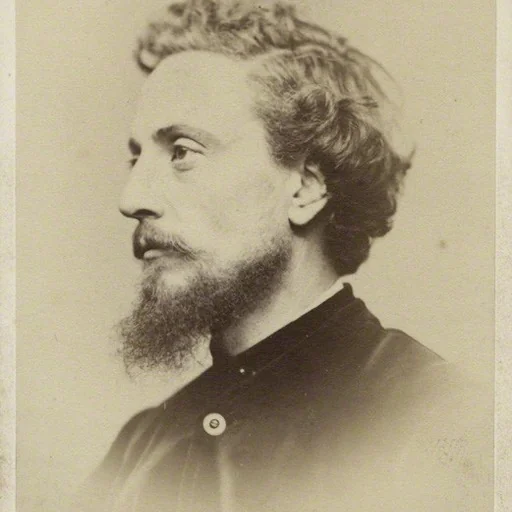
John Dawson Watson (20 May 1832 – 3 January 1892) was a British painter, watercolorist, and illustrator.

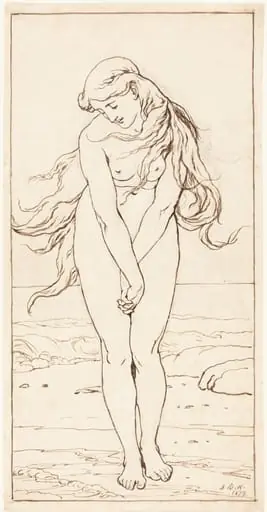
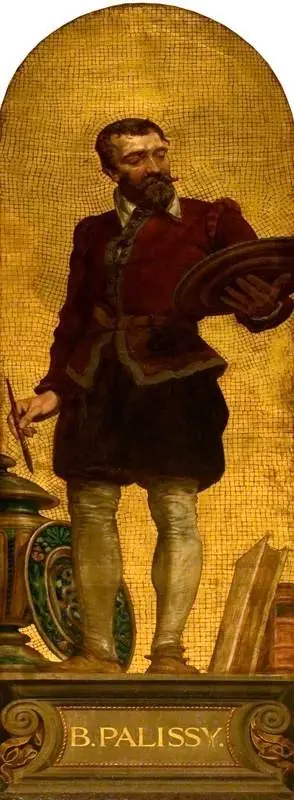
- Bernard Palissy (1510–1589) (design for a mosaic in the Victoria and Albert Museum)
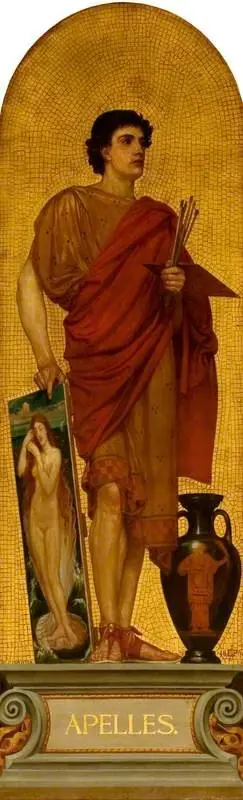 Apelles (design for a mosaic in the Victoria and Albert Museum)
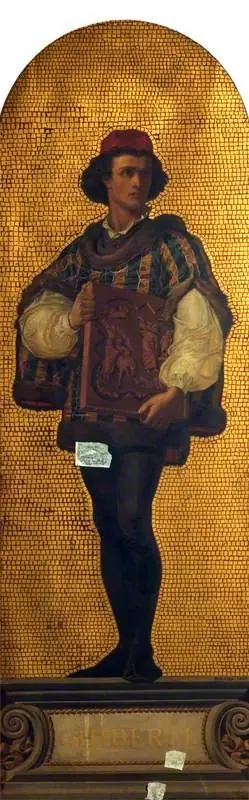 Ghiberti (1378–1455) (design for a mosaic in the Victoria and Albert Museum)
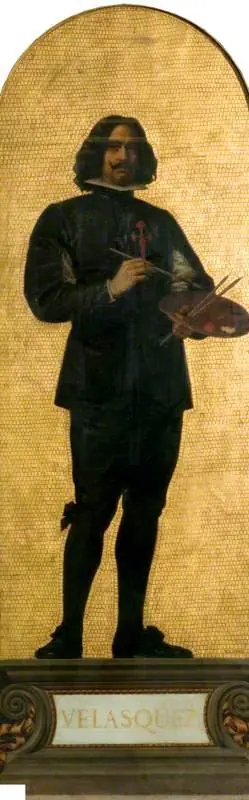 Diego Velázquez (1599–1660) (design for a mosaic in the Victoria and Albert Museum)
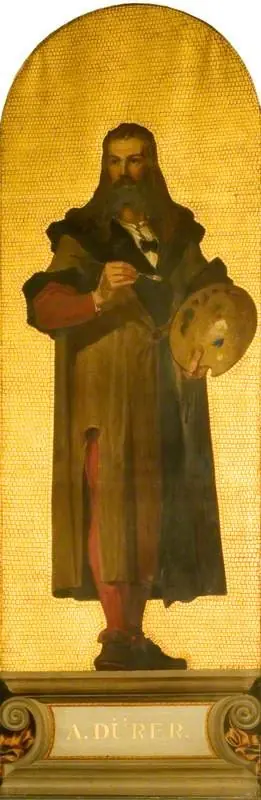 Albrecht Dürer (1471–1528) (design for a mosaic in the Victoria and Albert Museum)
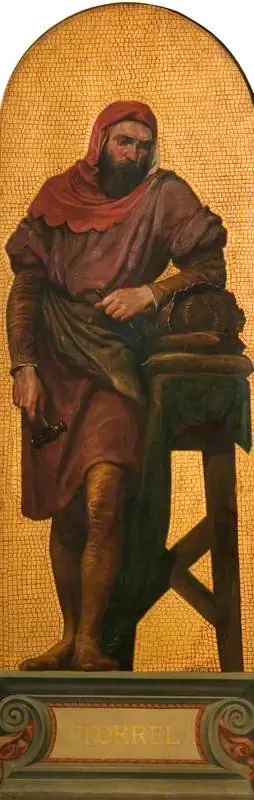 William Torrel (1291–1303) (design for a mosaic in the Victoria and Albert Museum)
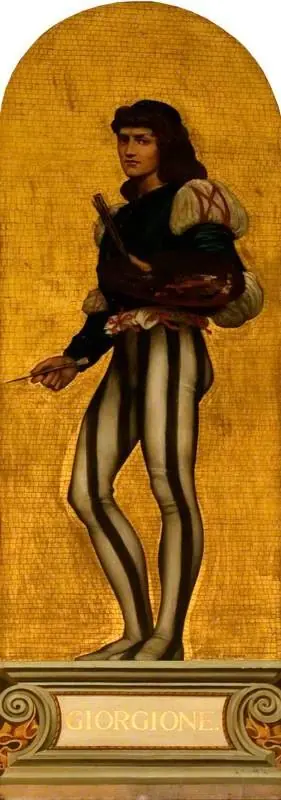 Giorgione (c.1477–1510) (design for a mosaic in the Victoria and Albert Museum)
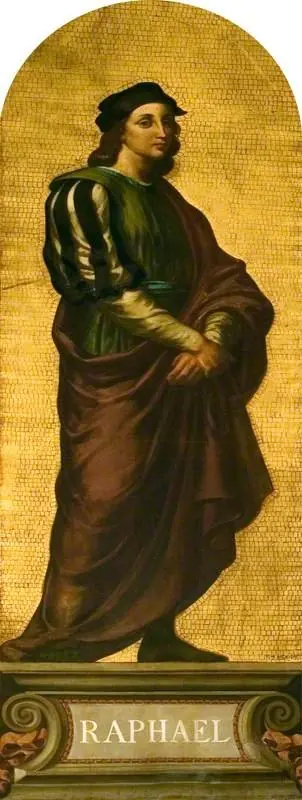 Raphael (1483–1520) (design for a mosaic in the Victoria and Albert Museum)
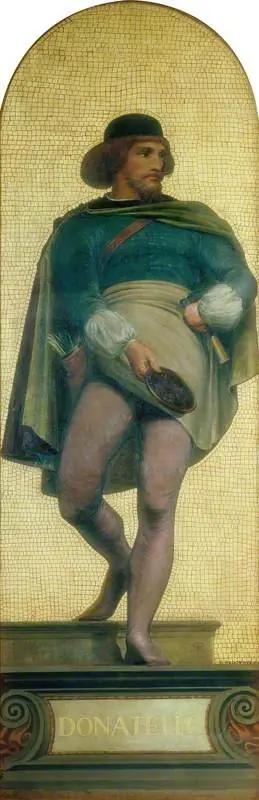 Donatello (c.1386–1466) (design for a mosaic in the Victoria and Albert Museum)
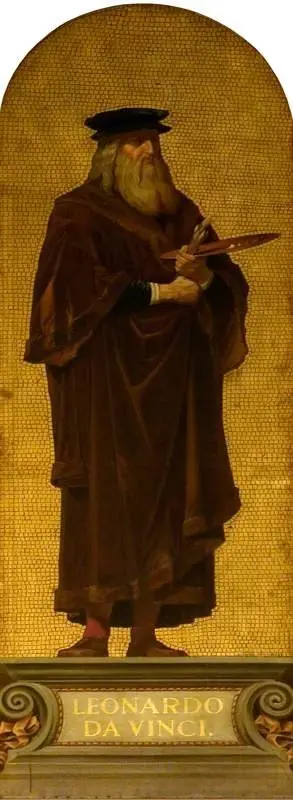 Leonardo da Vinci (1452–1519) (design for a mosaic in the Victoria and Albert Museum)
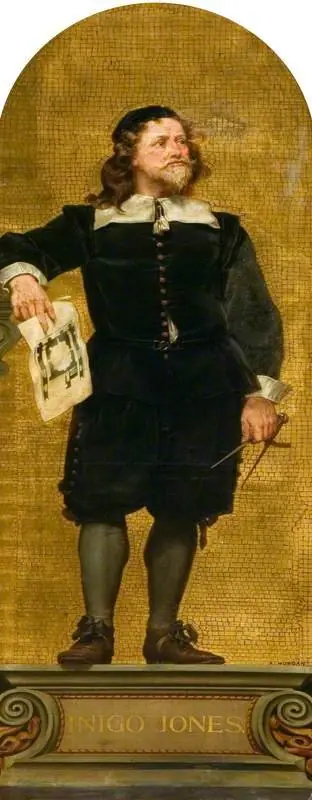 Inigo Jones (1573–1652) (design for a mosaic in the Victoria and Albert Museum)
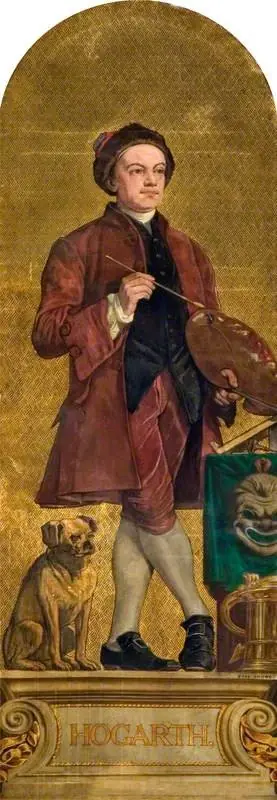 William Hogarth (1697–1764) (design for a mosaic in the Victoria and Albert Museum)