Artwork
Hearts are Trumps
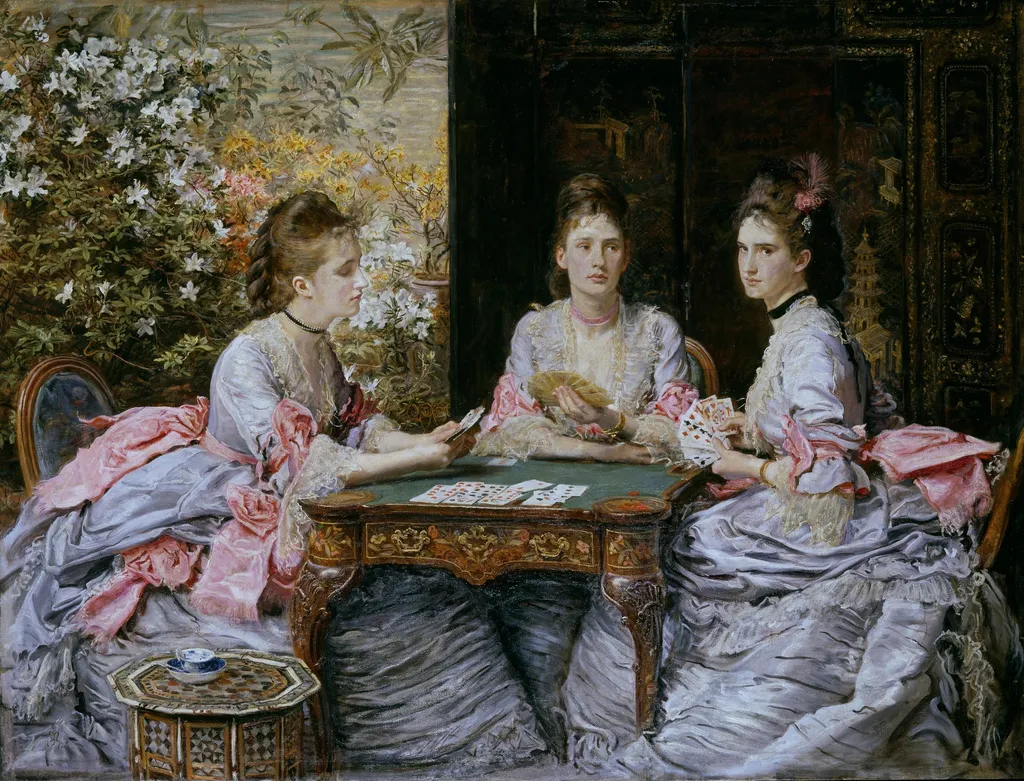
Hearts are Trumps is an oil painting by the Pre-Raphaelite artist John Everett Millais. It dates from 1872 and is held in the collection of the National Gallery.
About this work
This idea is interesting because it features three young women playing cards, who are the daughters of Walter Armstrong, a businessman and art collector.
Hearts are Trumps is a painting by John Everett Millais. It's an oil paint work from 1872.
The title suggests a play on love and the marriage market, likening it to a game. This idea is interesting because it features three young women playing cards, who are the daughters of Walter Armstrong, a businessman and art collector.
You can learn more about the artist who created this work, John Everett Millais.
Overview
Hearts are Trumps is an 1872 oil painting by John Everett Millais, depicting three young women engaged in a card game. The work was commissioned by Walter Armstrong, a British businessman and art collector, as a portrait of his three daughters: Elizabeth, Diana, and Mary. Though framed as a domestic scene, the title introduces a subtle metaphor linking card-playing to social rituals surrounding courtship and marriage in Victorian society.
Subject & Meaning
The painting portrays Armstrong’s daughters in a moment of quiet concentration, their expressions neutral as they play cards. The title, Hearts are Trumps, alludes to the suit of hearts in playing cards while evoking romantic themes. It suggests that love and marriage function like a game governed by unspoken rules, where emotional outcomes are shaped by strategy, chance, and social expectation rather than pure affection.
Technique & Style
Millais employs a refined, detailed approach characteristic of his later work, with careful attention to fabric textures, lighting, and facial expression. The composition is intimate and balanced, placing the figures close to the picture plane to draw the viewer into their private world. The palette is restrained, dominated by muted tones that enhance the sense of quiet domesticity, while subtle highlights on skin and lace add depth without theatricality.
History & Provenance
Commissioned by Walter Armstrong in 1872, the painting remained in the family for decades before entering public collections. It was originally known informally as The Armstrong Sisters, a title reflecting its personal origin. The work’s transition from private portrait to exhibited artwork coincided with growing interest in Millais’s post-Pre-Raphaelite output, particularly his depictions of domestic life among the upper middle class.
Context
In the 1870s, British society placed increasing emphasis on marriage as a social and economic arrangement, especially among the middle and upper classes. Millais’s painting reflects this climate by portraying young women in a setting where leisure activities like card games were often opportunities for courtship. The work avoids sentimentality, instead offering a restrained commentary on the performative nature of female social roles during the period.
Legacy
Hearts are Trumps is recognized as a nuanced example of Millais’s ability to merge portraiture with social observation. While less celebrated than his earlier narrative works, it contributes to understanding how Victorian artists engaged with gender and class dynamics through everyday scenes. The painting continues to be studied for its quiet critique of marriage as a structured social game, rather than a purely romantic ideal.
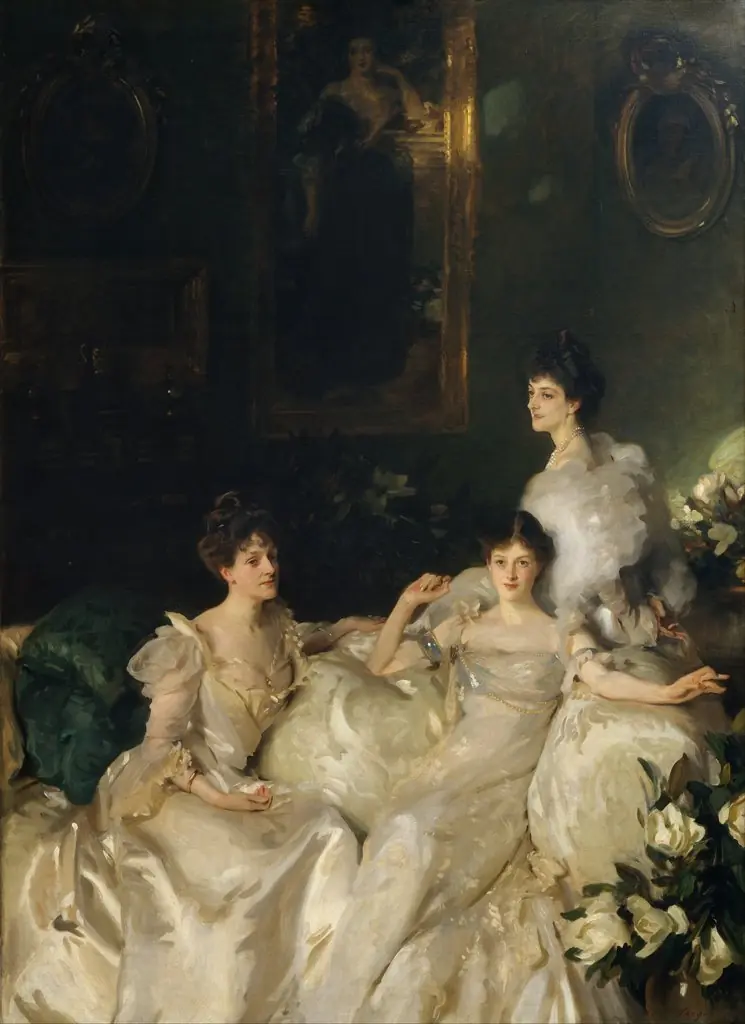
Own this work as a print
Artist & collection
Artist
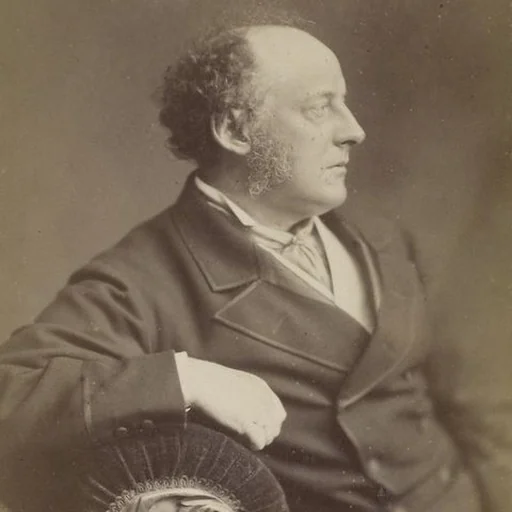
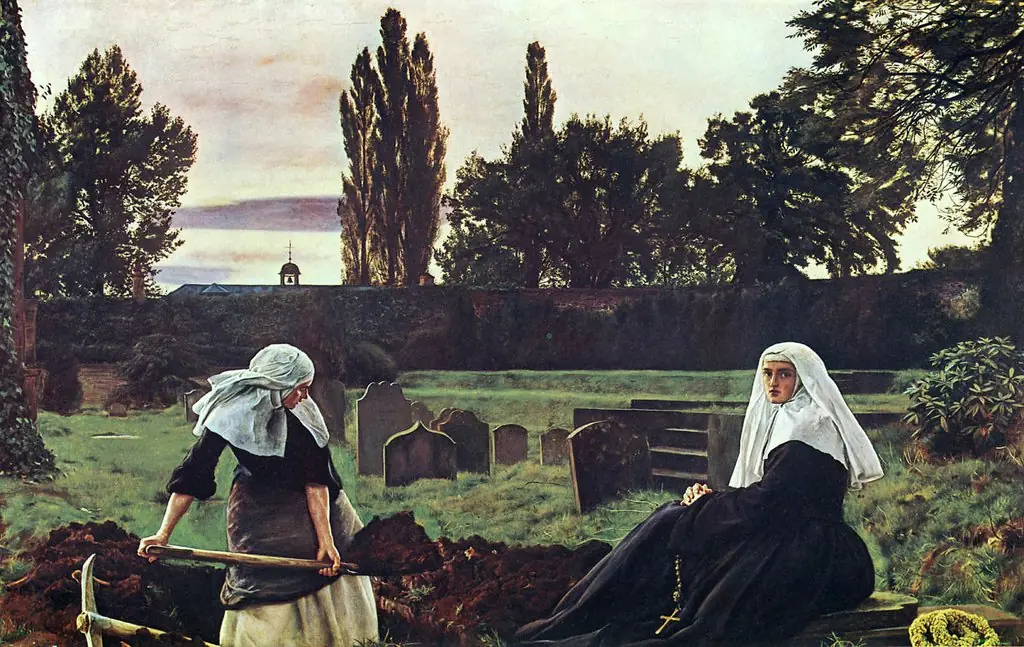
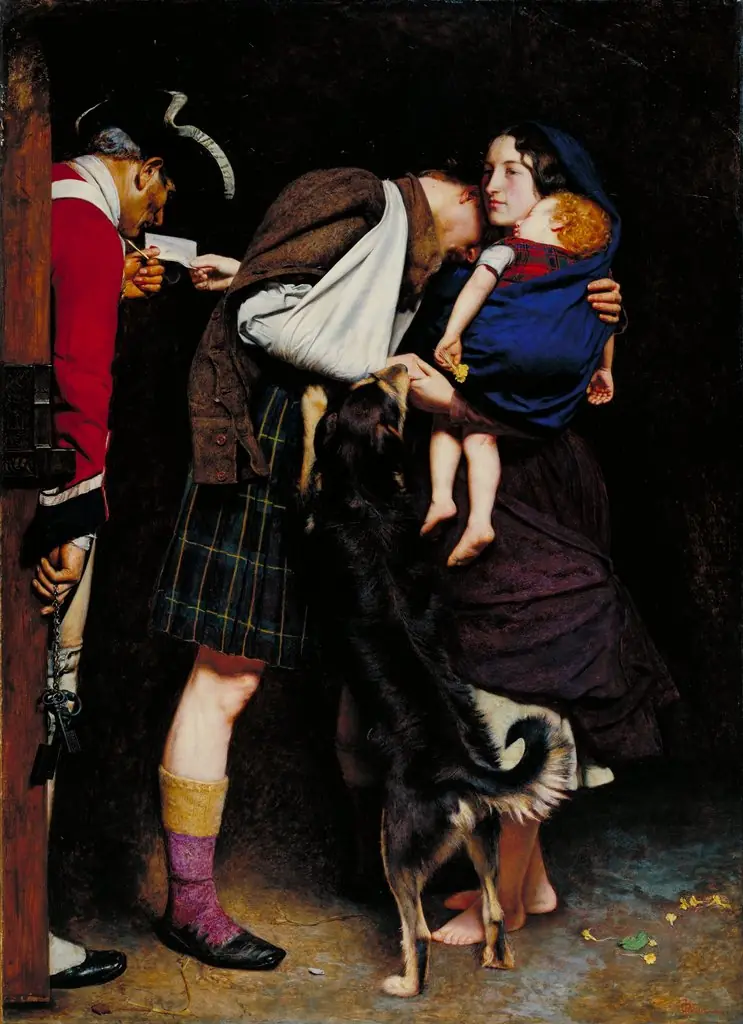
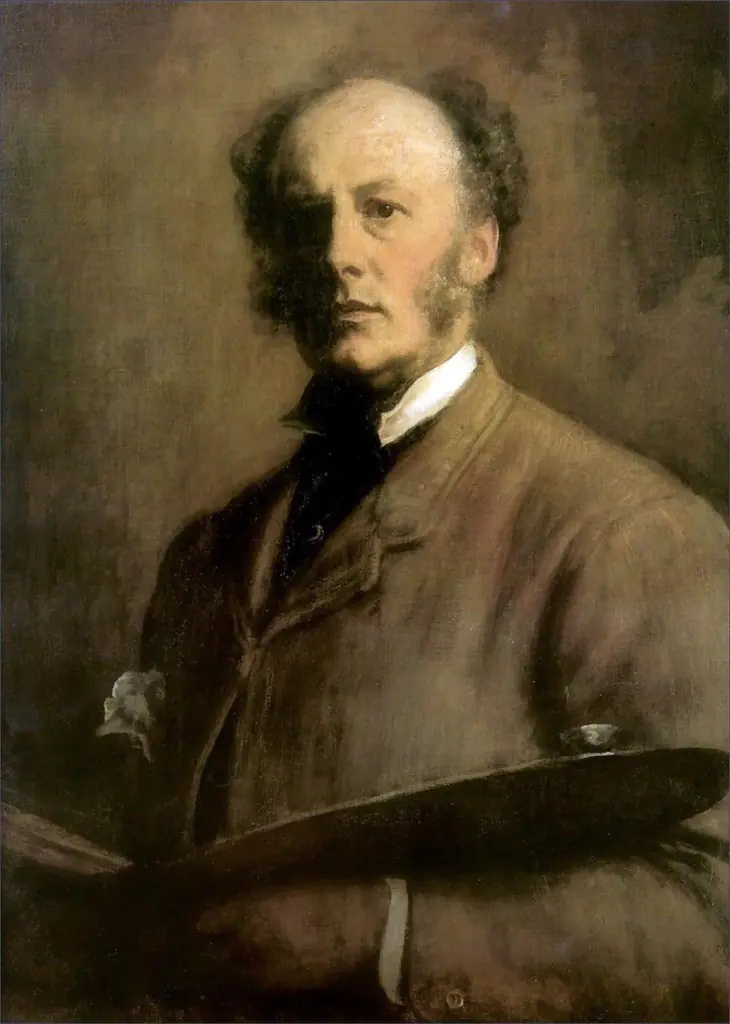
Sir John Everett Millais, 1st Baronet ( MIL-ay; 8 June 1829 – 13 August 1896) was an English painter and illustrator who was one of the founders of the Pre-Raphaelite Brotherhood.

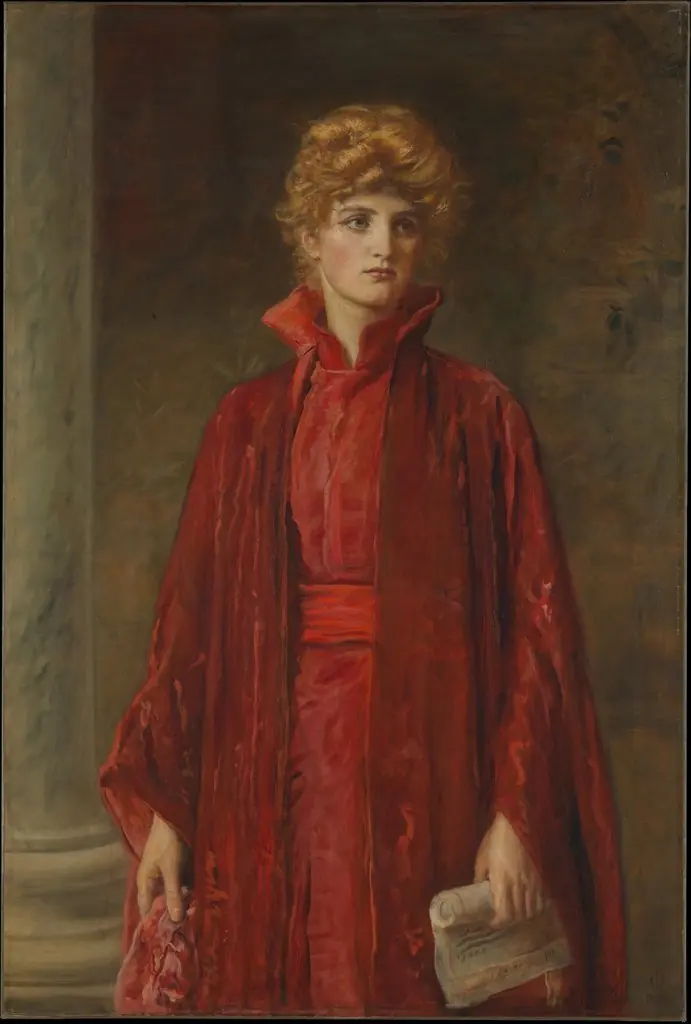
- The Wyndham Sisters: Lady Elcho, Mrs. Adeane, and Mrs. Tennant
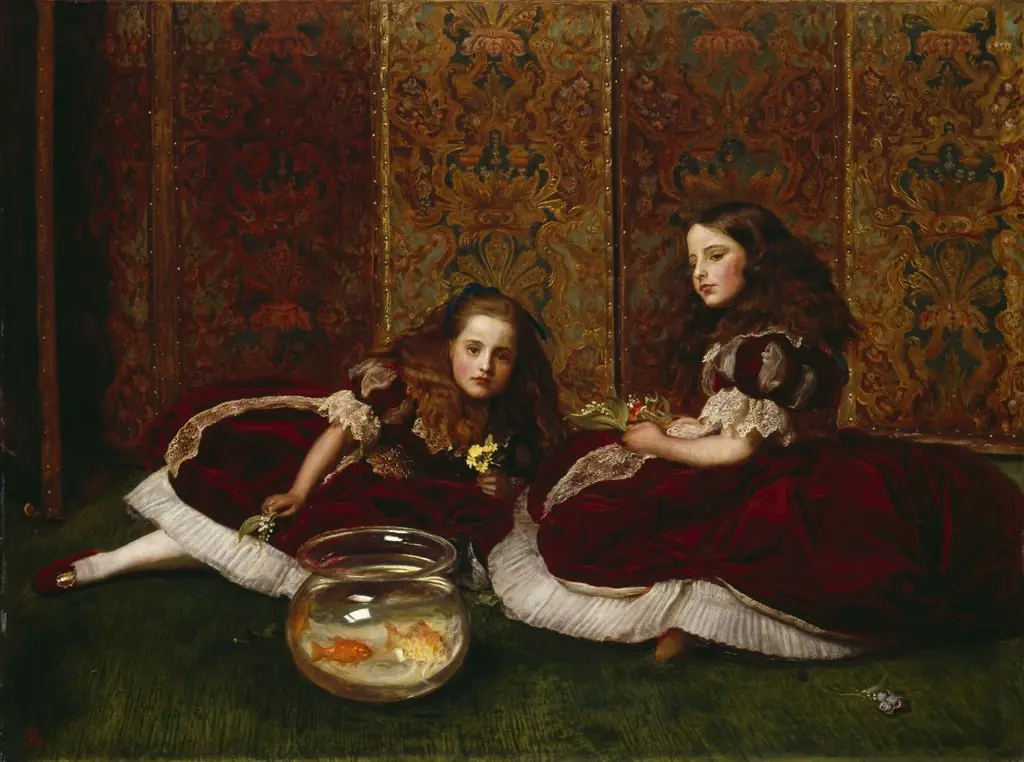 Leisure Hours
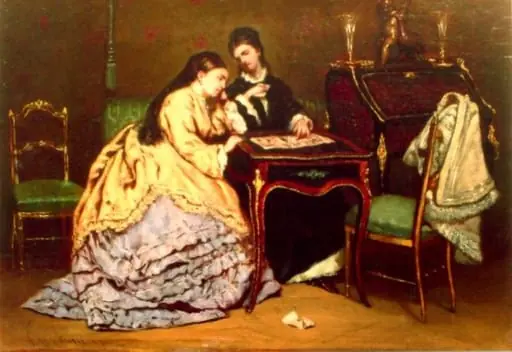 Două femei dau în cărți
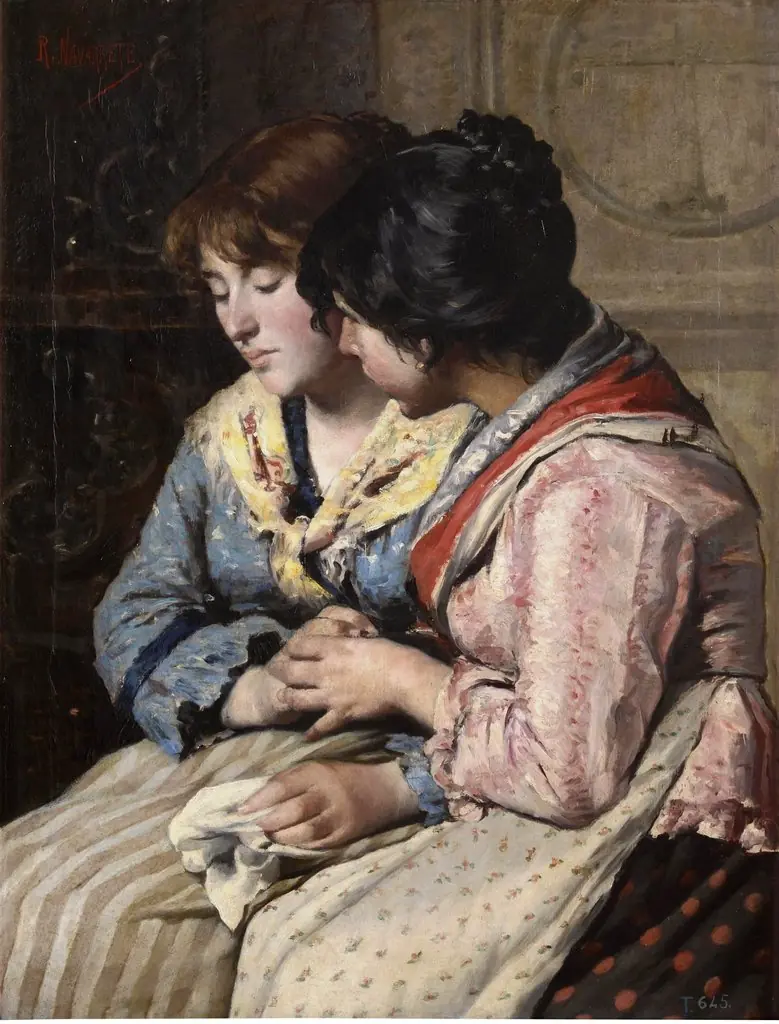 ¡No te aflijas!
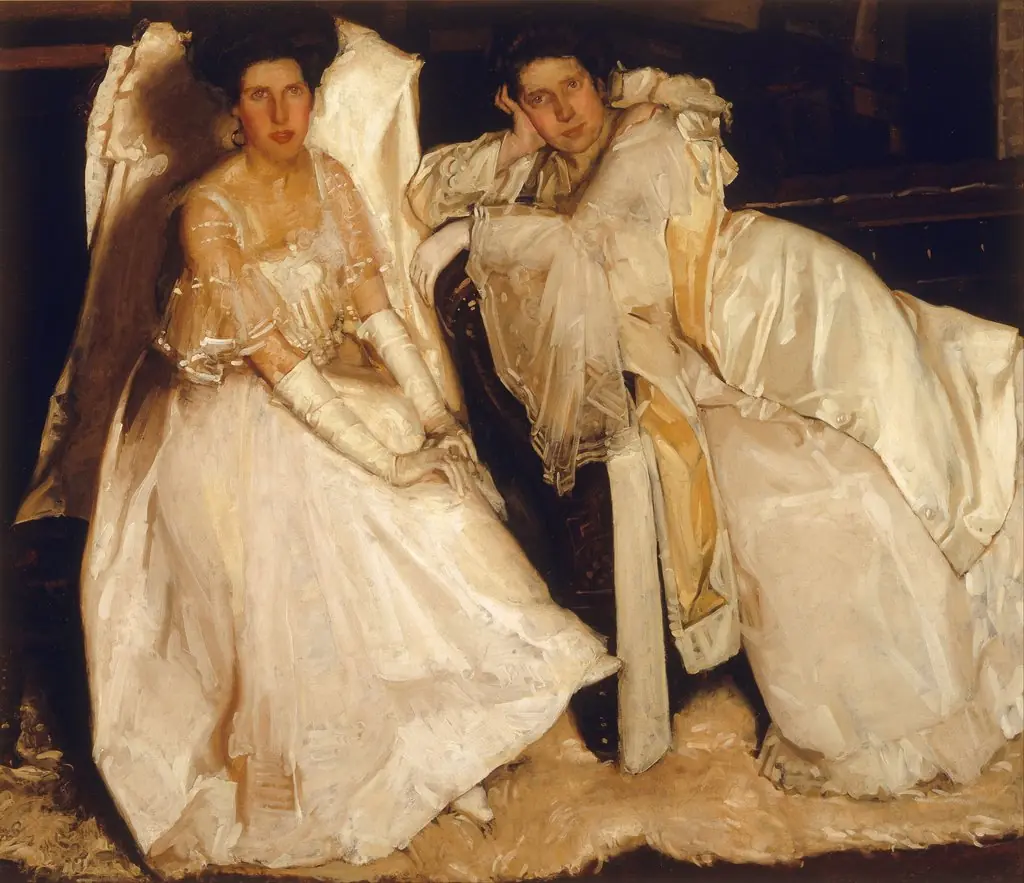 The sisters
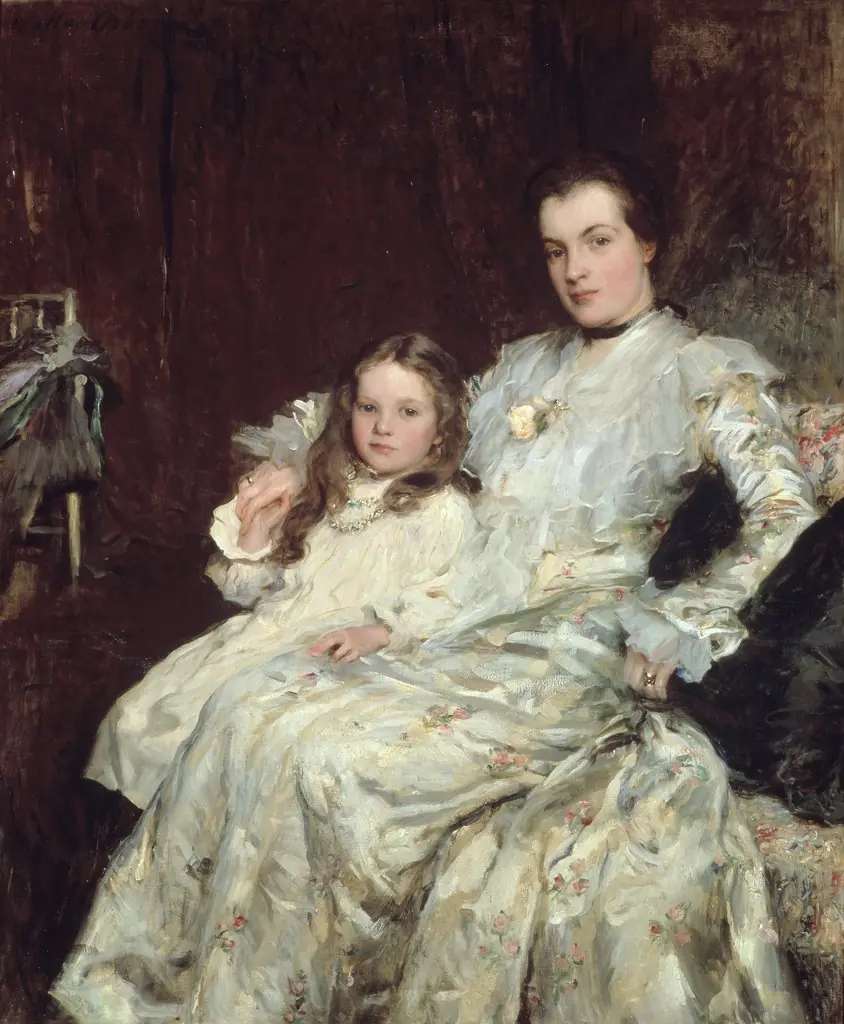 Portrait of Mrs Chadwyck-Healey and her Daughter
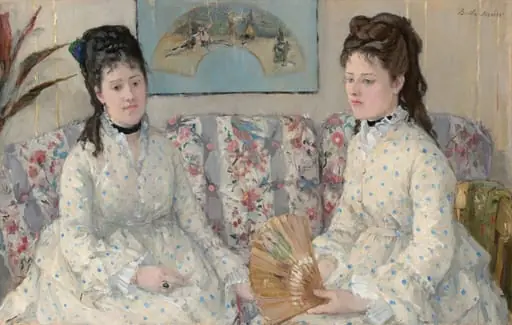 The Sisters
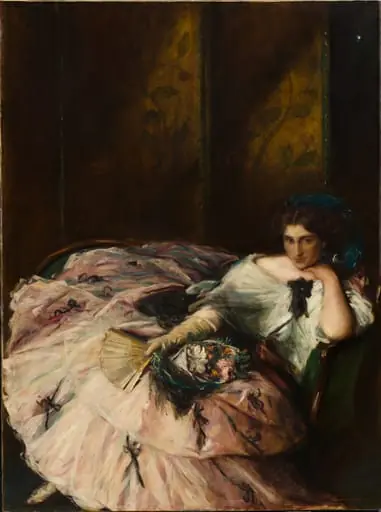 Souvenir of an "International Ball" (Portrait of Miss Kathleen Bruce)
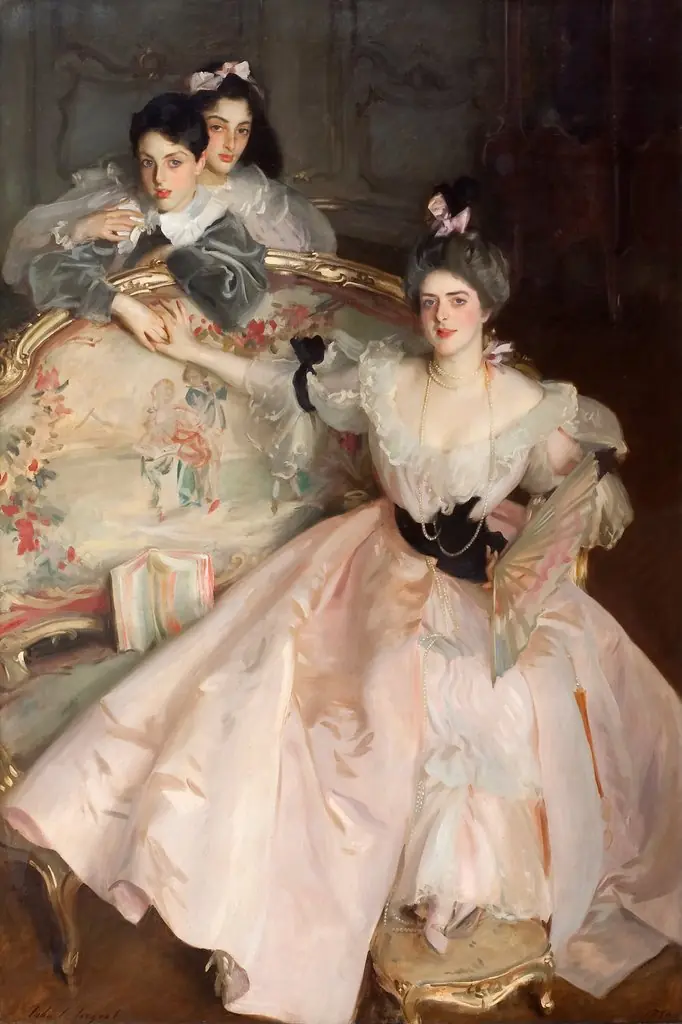 Mrs Carl Meyer and her Children
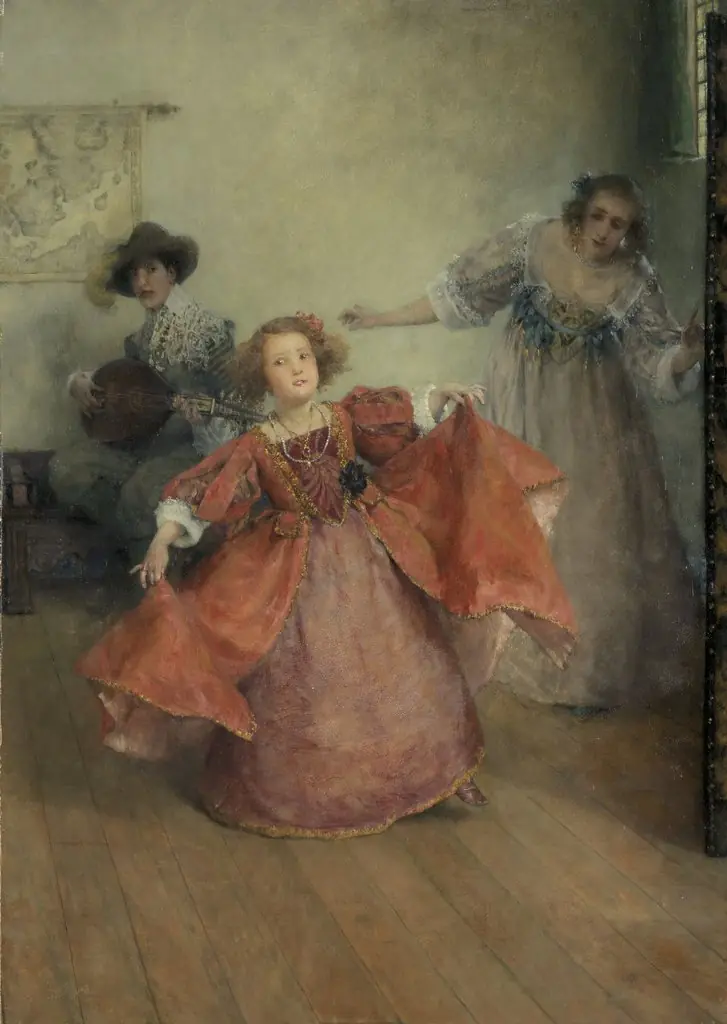 Airs and graces
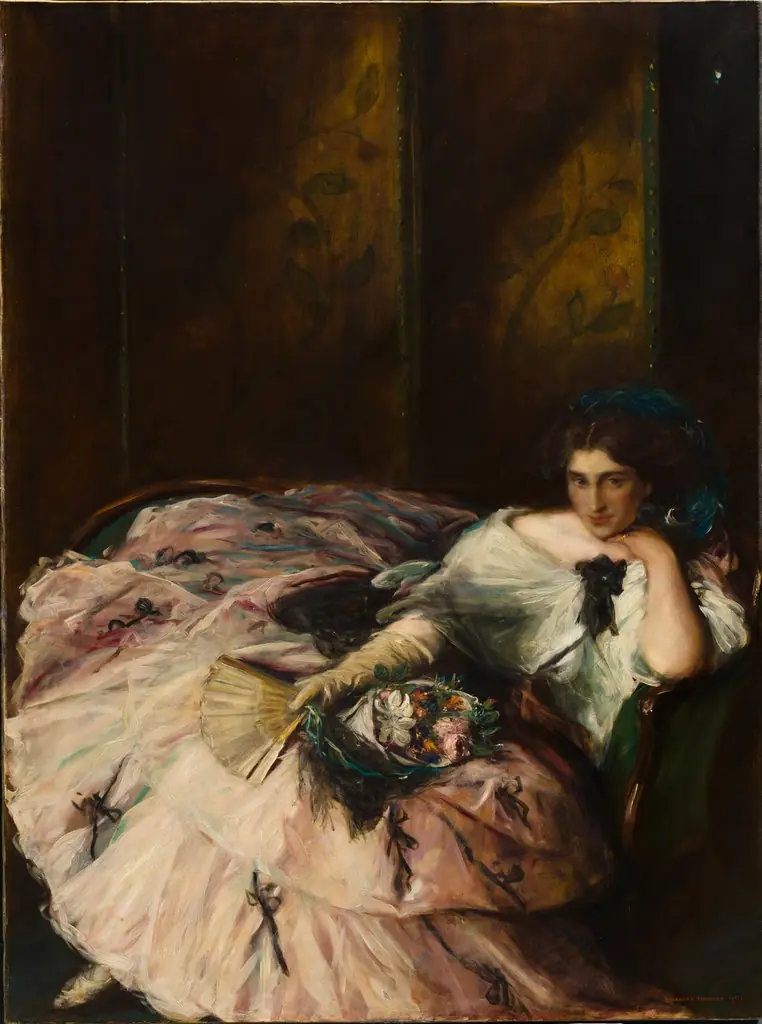 Souvenir of an "International Ball" (Portrait of Miss Kathleen Bruce)
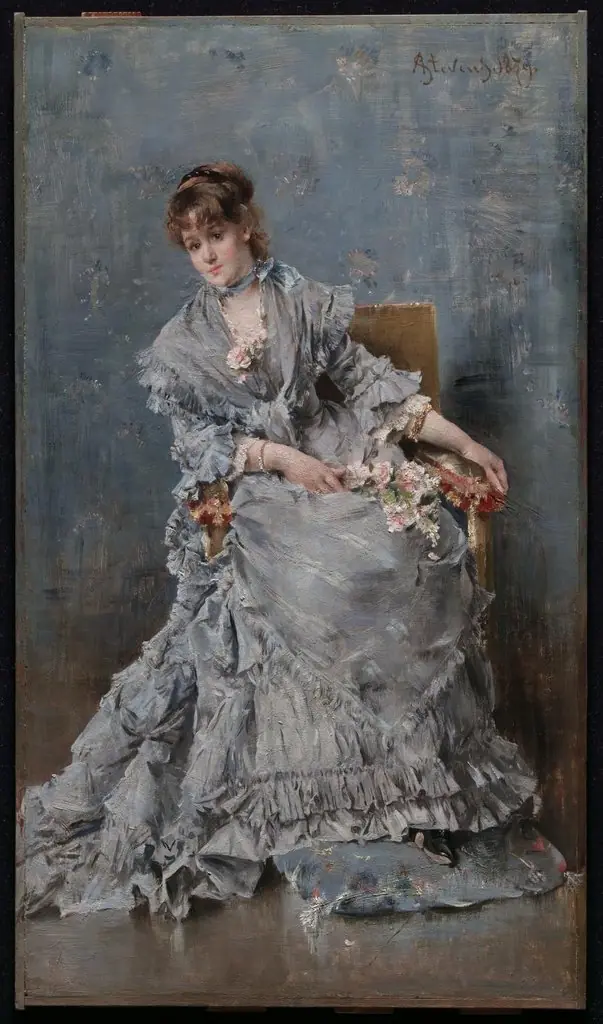 The Attentive Listener