Artwork
Portrait of a Man, Said to Be Philip Wharton (1613–1696), Fourth Baron Wharton
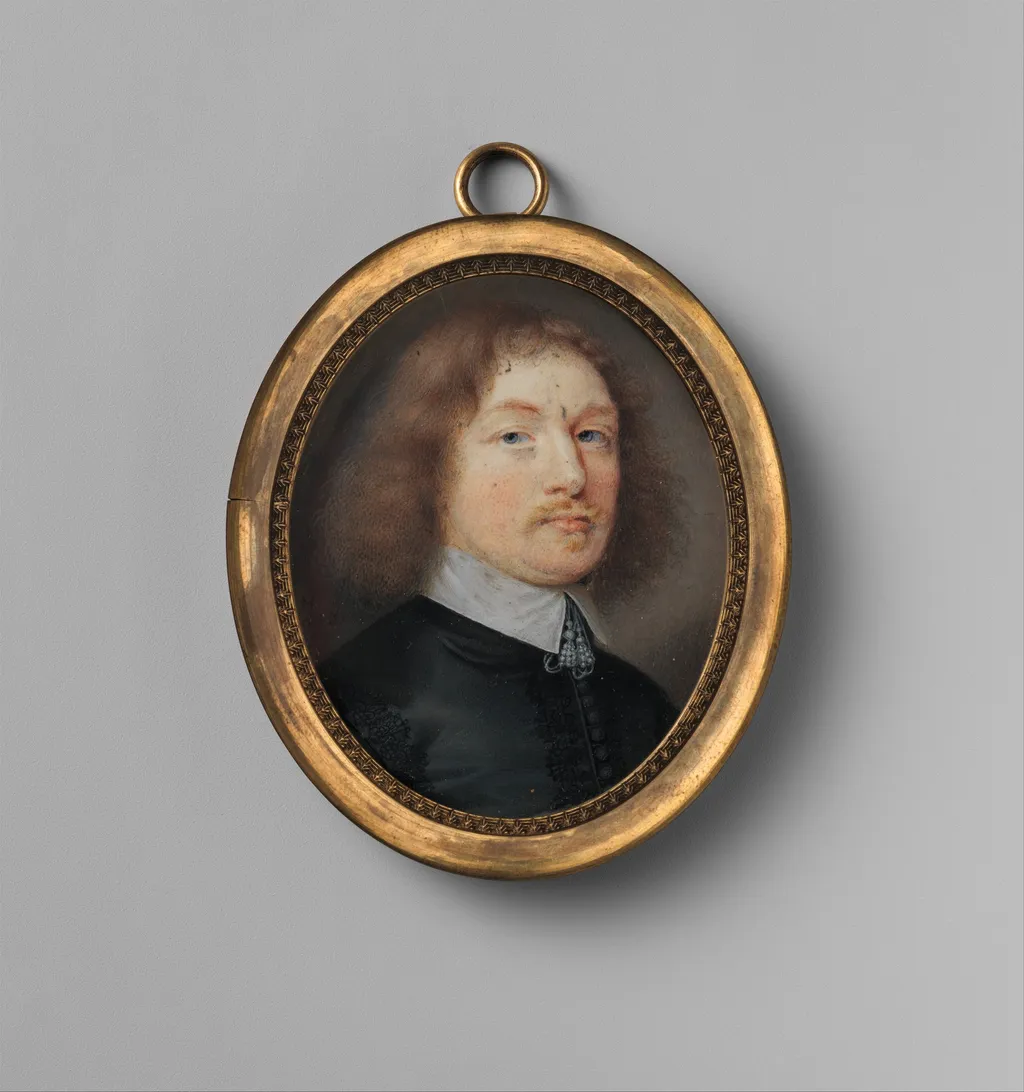
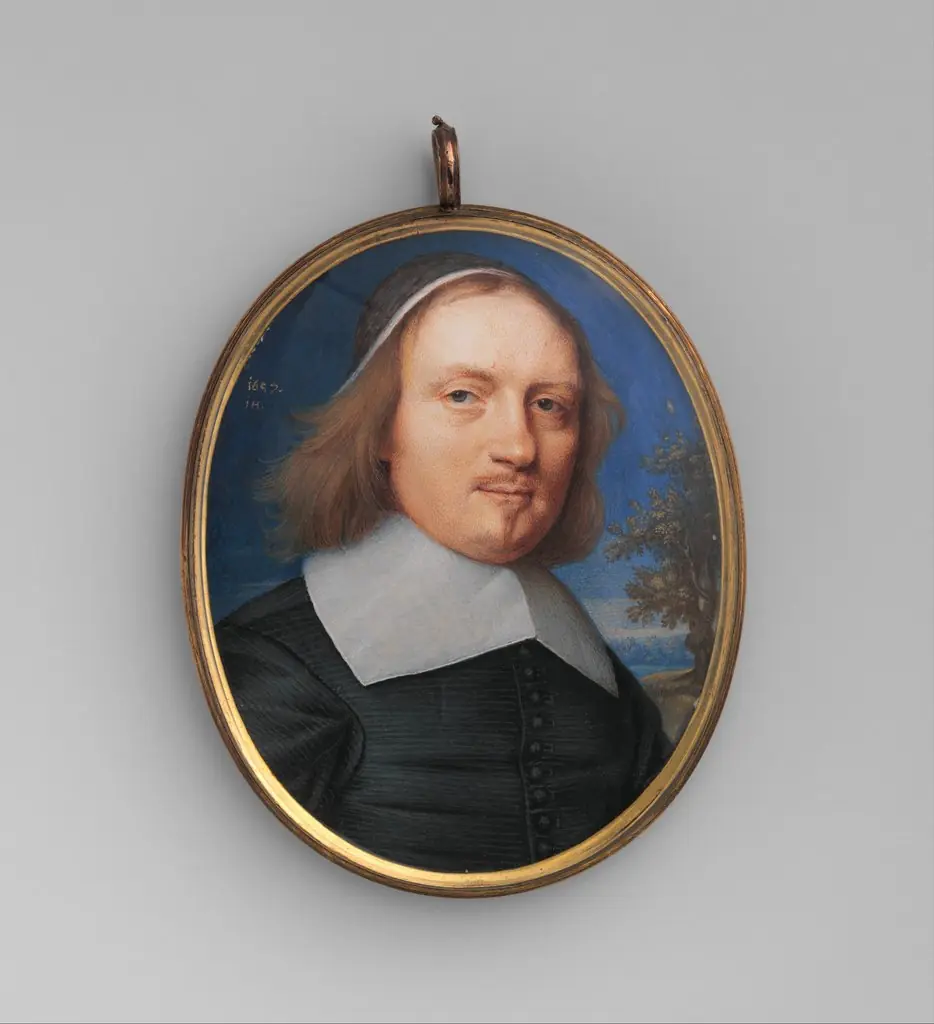
Portrait of a Man, Said to Be Philip Wharton (1613–1696), Fourth Baron Wharton is an unspecified painting by the Barbizon school artist John Hoskins. It dates from 1648 and is held in the collection of the Metropolitan Museum of Art.
About this work
Technique & Style
Executed in 1648 by John Hoskins, this portrait is a miniature painting rendered on vellum.
Executed in 1648 by John Hoskins, this portrait is a miniature painting rendered on vellum. The work measures approximately 6.9 by 5.6 units, indicating a small-scale format typical of the medium. As a painted portrait, the piece utilizes the smooth surface of the animal skin support to achieve fine detail in the depiction of Philip Wharton, the Fourth Baron Wharton.
The classification as a painting on vellum highlights the specific technical approach required for such miniatures, where pigments are applied to create a lifelike representation of the sitter within a confined spatial area. The survival of the work in a major museum collection suggests it remains in a condition suitable for display, preserving the artist's handling of the delicate support.
History & Provenance
The work titled Portrait of a Man, Said to Be Philip Wharton (1613–1696), Fourth Baron Wharton, was created by the English miniaturist John Hoskins in 1648 on vellum. It portrays the statesman Philip Wharton, 4th Baron Wharton, and is classified as a portrait painting. The painting was executed in the mid‑17th century, reflecting the artistic practice of Hoskins at that time.
Since its creation it has remained in the collection of the Metropolitan Museum of Art, where it is catalogued as part of the museum’s holdings. Its provenance therefore traces from the artist’s workshop to the museum’s custody.
Context
John Hoskins painted this full‑length vellum portrait of Philip Wharton, 4th Baron Wharton, in 1648, a date confirmed by both the work’s inscription and cataloguing data. The painting, housed in the Metropolitan Museum of Art, exemplifies the artist’s specialization in courtly portrait miniatures executed on vellum, a medium he shared with contemporaries such as Samuel Cooper. Scholars view the piece as a rare surviving example of mid‑17th‑century English aristocratic portraiture, reflecting the political turbulence of the Commonwealth era through its sober composition and fine detailing.
Its attribution to Hoskins is documented in the museum’s collection records and reinforced by scholarly entries that place the work within the broader trajectory of English portrait miniatures.
Overview
Created by John Hoskins in 1648, this painting on vellum depicts a man believed to be Philip Wharton, the Fourth Baron Wharton. The work is titled Portrait of a Man, Said to Be Philip Wharton (1613–1696), Fourth Baron Wharton and is part of the collection at The Metropolitan Museum of Art. It offers a glimpse into portraiture during the mid-17th century, capturing the likeness of a notable figure of the period.
Subject & Meaning
The portrait presents a male figure with brown hair, his gaze directed towards the right with a neutral expression. He is depicted wearing a dark jacket over a white collared shirt, the collar notable for its intricate design. This detail adds a refined element to his attire, suggesting a certain status or fashion of the era.
The identification of the sitter as Philip Wharton, Fourth Baron Wharton, places the work within the context of English aristocracy.
Own this work as a print
Artist & collection
Artist
John Hoskins painted small, finely detailed portraits on vellum and parchment in the 1600s.

 Portrait of Frederik Hendrik van Oranje-Nassau (1584-1647)
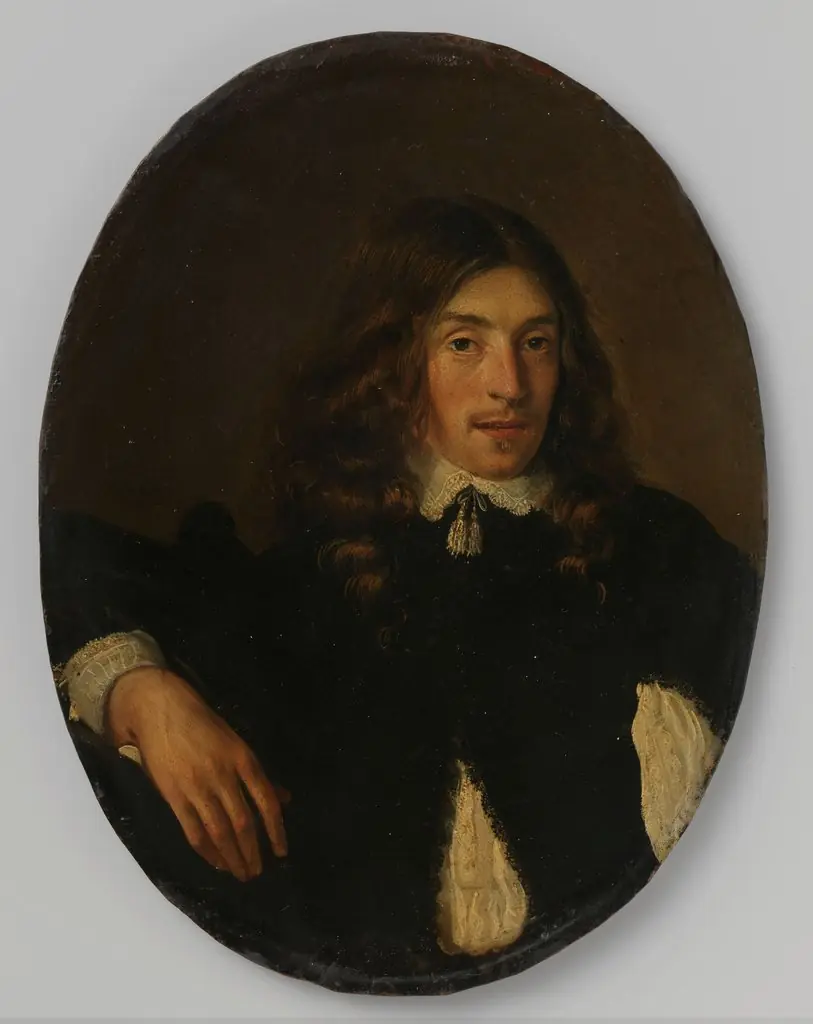 Portrait of a young man
 Portrait of a Young Man
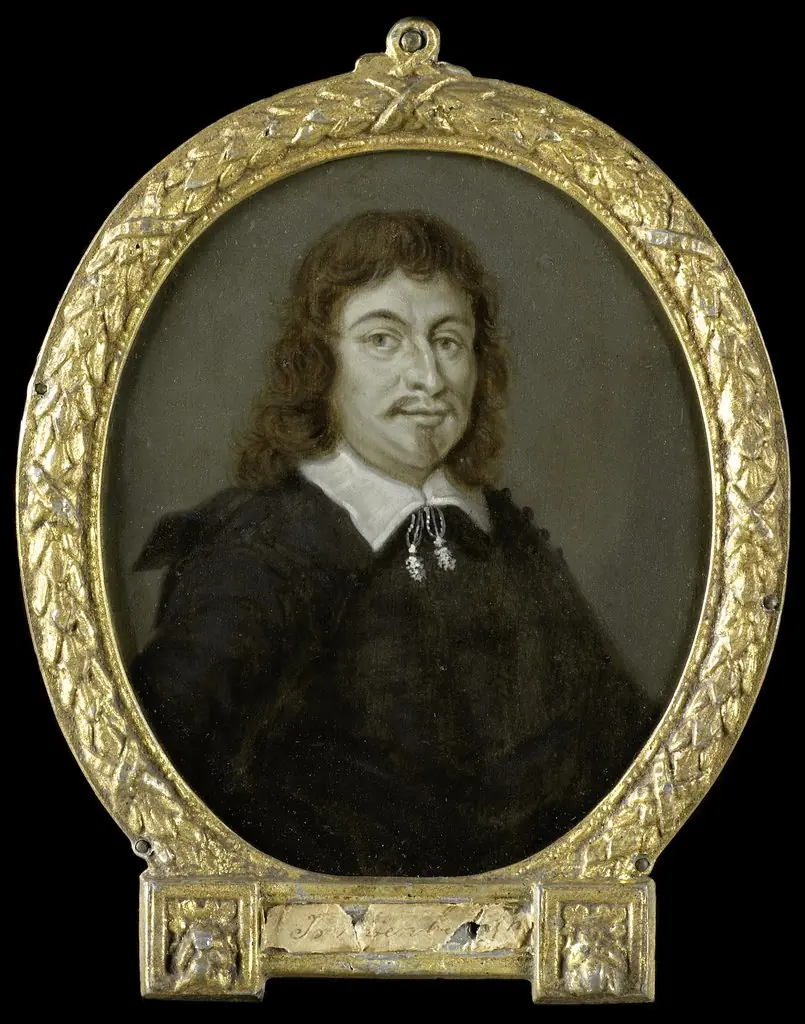 Portrait of Johan van Nijenborgh, Poet in Groningen
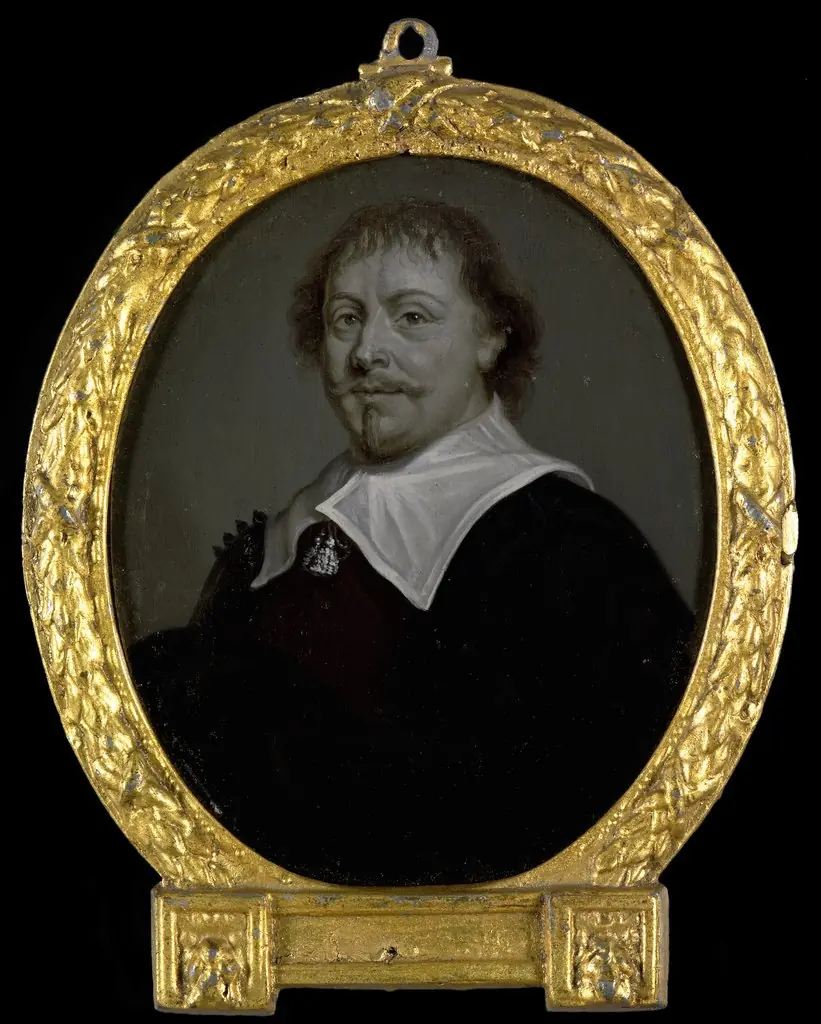 Portrait of Franciscus Planté, Clergyman at Zevenbergen and in Brazil
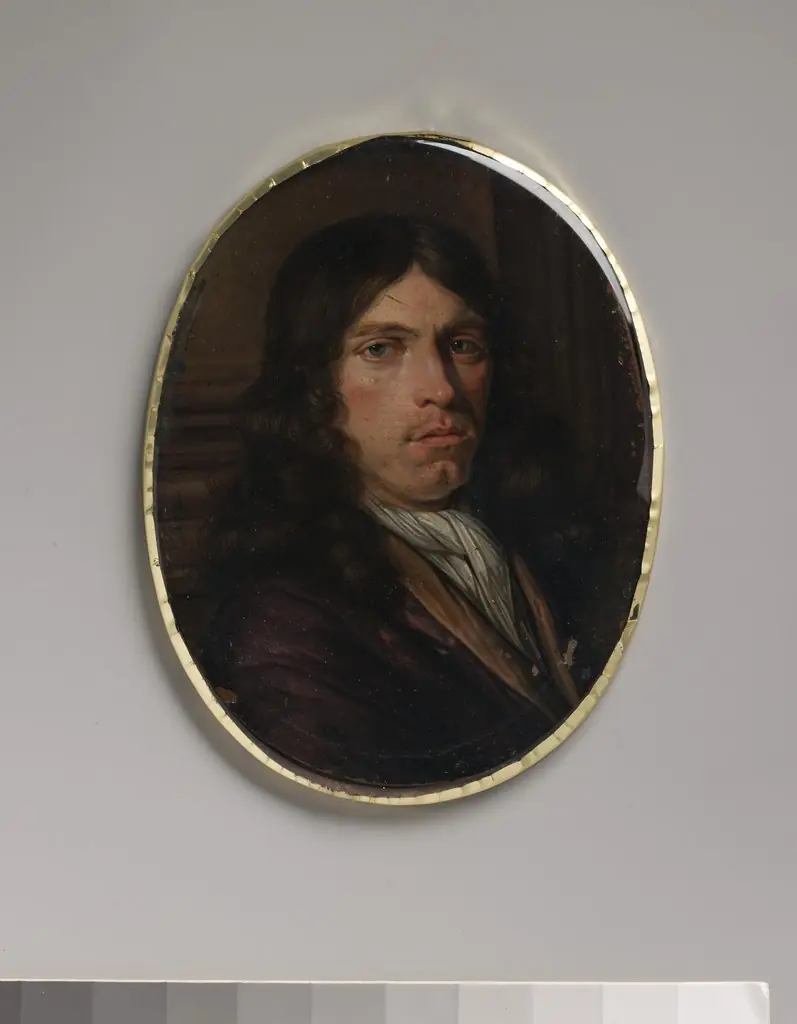 Portrait of a Man
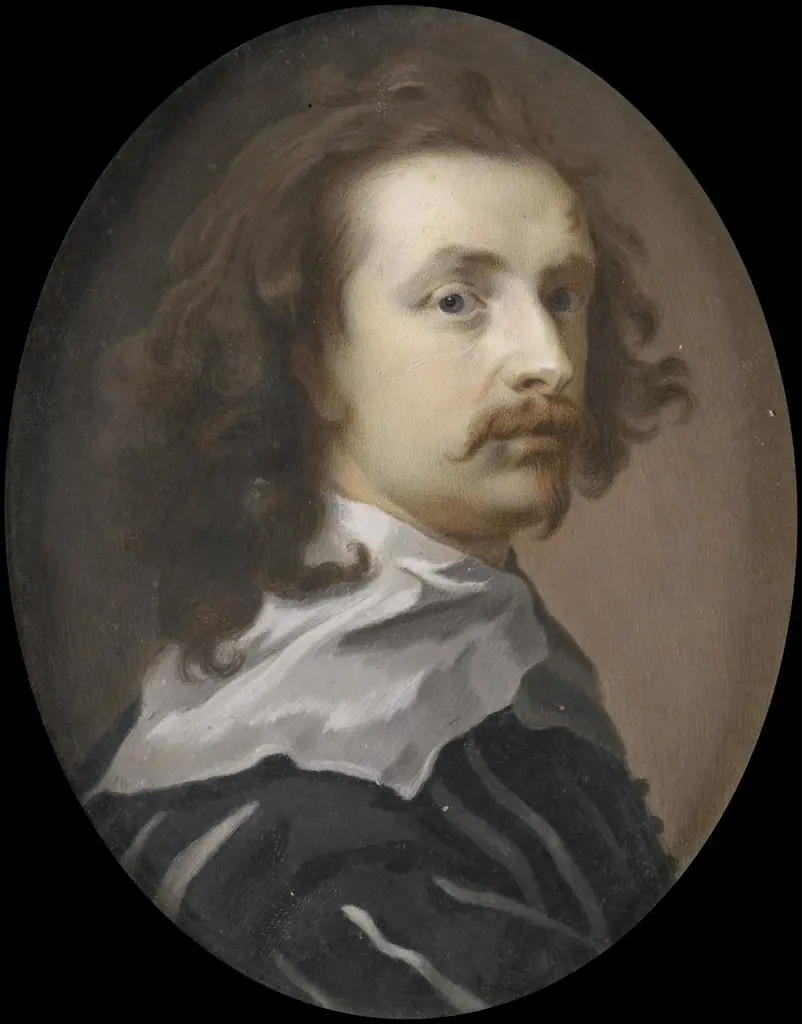 Portrait of the painter Anthony van Dyck
 Self-portrait
 Portrait of the painter Bonaventura Peeters I (1614-52)
 Portrait of a nobleman