Artwork
Self-portrait
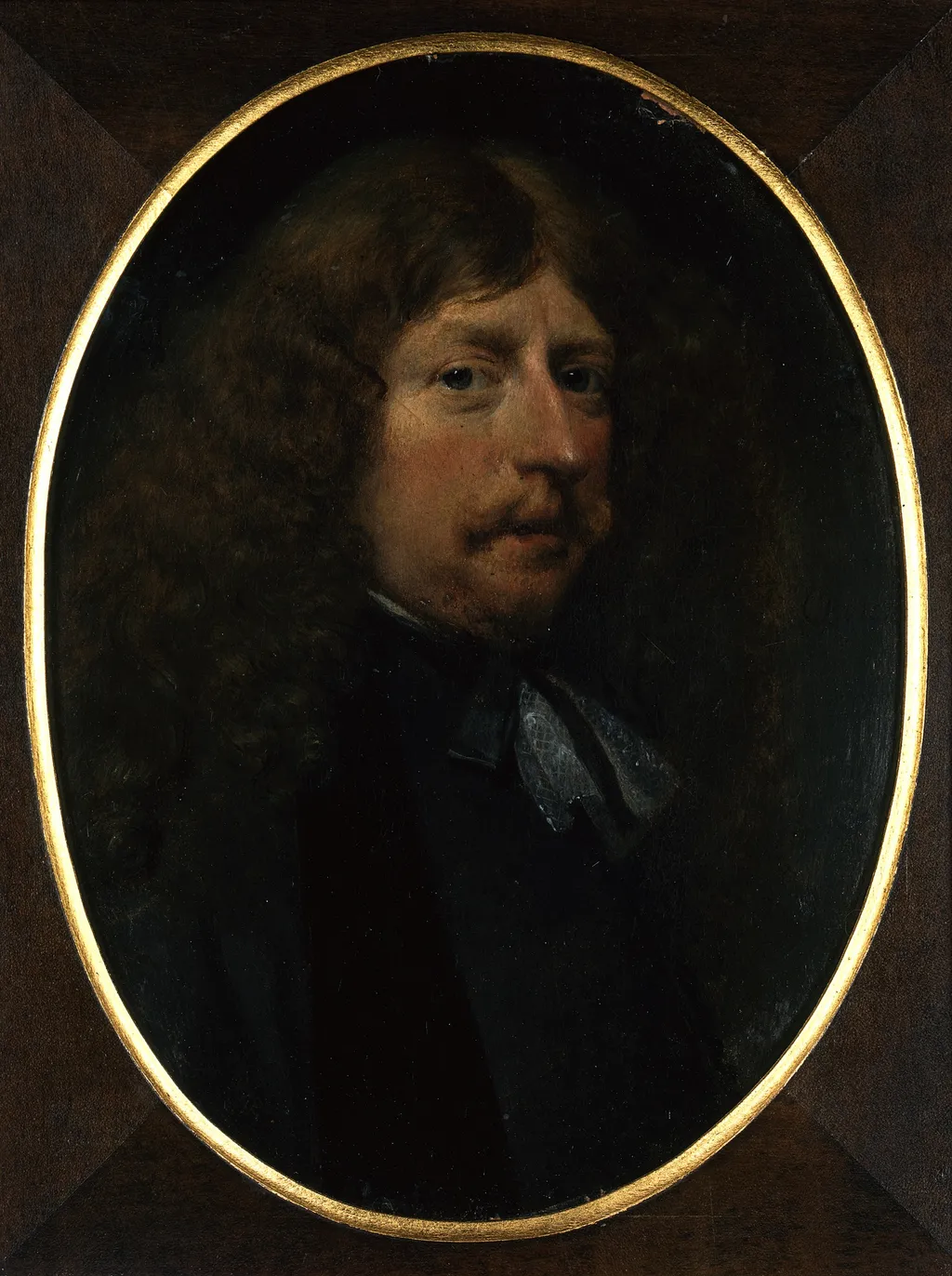
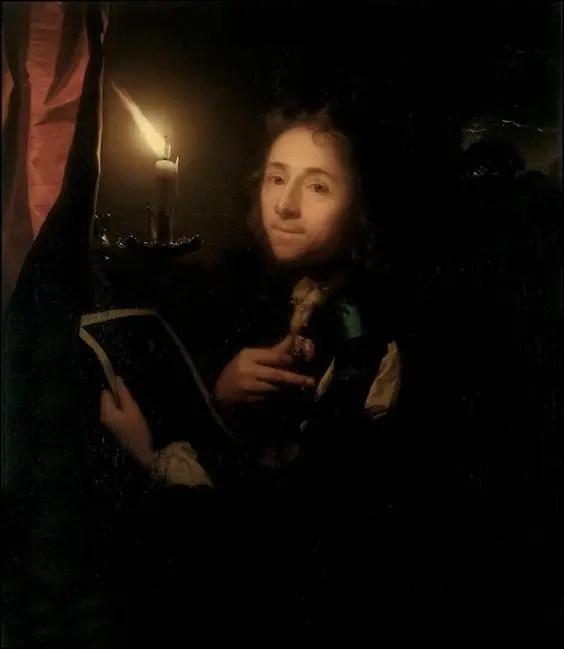
Self-portrait is an oil painting by the Dutch Golden Age artist Gerard ter Borch. It dates from 1675 and is held in the collection of the Gemäldegalerie Berlin.
About this work
Overview
The work depicts the Dutch Golden Age artist from the chest up, capturing his likeness late in his career.
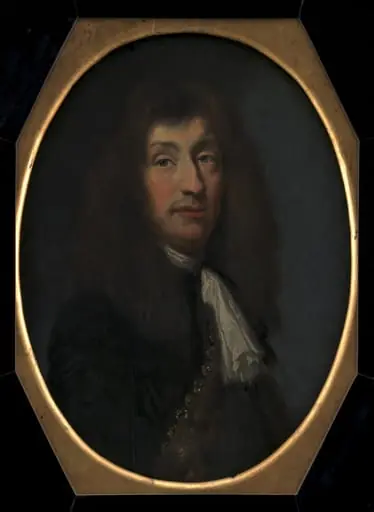
Gerard ter Borch's Self-portrait is an oval oil painting on copper dated to 1675. The work depicts the Dutch Golden Age artist from the chest up, capturing his likeness late in his career. It is currently held in the Gemäldegalerie Berlin. As a self-depiction by one of the period's leading genre and portrait painters, the work provides a direct encounter with the artist, who was also a member of the Deventer town council, reflecting both his artistic and social standing.
Subject & Meaning
The painting presents ter Borch turned slightly to his left, his gaze meeting the viewer directly. He is shown with shoulder-length brown hair, a mustache, and a small beard beneath his lower lip, wearing dark clothing accented by a white collar or cravat at the neck. The stark, nearly black background isolates the illuminated figure, emphasizing his individual presence. The subdued expression and the dark attire introduce a layer of complexity, implying a man engaged in serious reflection rather than mere vanity. The overall effect conveys restrained dignity and quiet introspection.
Technique & Style
Executed in oil on a copper support, the painting demonstrates ter Borch's refined handling of paint and texture. Light falls from the left, highlighting the left side of the face while allowing the right side to recede into shadow, creating a strong sense of depth. The brushwork is notably smooth in the rendering of the flesh, contrasting with more visible, textured strokes in the hair and the indistinct background. The palette is dominated by deep browns, blacks, and warm flesh tones. The painted image is enclosed by a thin golden oval border, set within a darker square frame.
History & Provenance
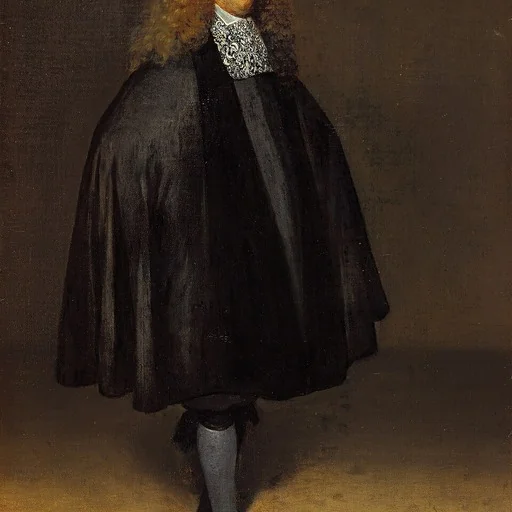
The 1675 Self-portrait on copper resides in the Gemäldegalerie Berlin. Another full-length self-portrait by ter Borch, which depicts him as a distinguished gentleman of the regent class in lavish clothing, followed a different provenance path and is currently housed in the Mauritshuis in The Hague. That full-length work was originally paired with a portrait of his wife, Geertruyd Mathijssen, as pendants for the family circle, though her portrait has since been lost. The Mauritshuis version was owned by Herman Aarentz in Amsterdam before 1770, sold to Johan van der Marck in 1770, and passed through the Pieter Fouquet Gallery before being purchased by the Mauritshuis from the P.F. Tiberghien sale in Brussels on May 22, 1827.
Context
Gerard ter Borch was born in Zwolle in December 1617 and trained under his father, Gerard ter Borch the Elder, demonstrating precocious talent as a draftsman by age eight. He studied in Haarlem under Pieter de Molijn in 1634 and traveled extensively across Europe, including time in Münster where he painted the famous group portrait of the ratification of the Treaty of Münster in 1648. He received knighthood from Philip IV of Spain. Settling in Deventer, he became a member of the town council. Known for his refined genre scenes and small-scale, full-length portraits, he established a new framework for subject matter, focusing on the sanctum of the home and the inner lives of his sitters. He influenced contemporaries like Gabriel Metsu, Gerrit Dou, Eglon van der Neer, and Johannes Vermeer, though Vermeer's fame later surpassed his own.
Legacy
Ter Borch's oeuvre, comprising roughly eighty catalogued works, is distributed across major museums worldwide, including the Hermitage Museum, the Louvre, the Getty Center, and the Wallace Collection. His self-portraits serve as vital records of how he wished to be perceived, both as an artist and as a member of the regent class. His focus on the psychology of his sitters and his ability to hint at their inner lives influenced the direction of Dutch genre painting. In the modern era, his works have been at the center of cultural heritage disputes, such as the restitution claim by the heirs of Max Emden regarding Lady with a Fan, highlighting the ongoing relevance and value of his paintings in contemporary collections.
Own this work as a print
Artist & collection
Artist
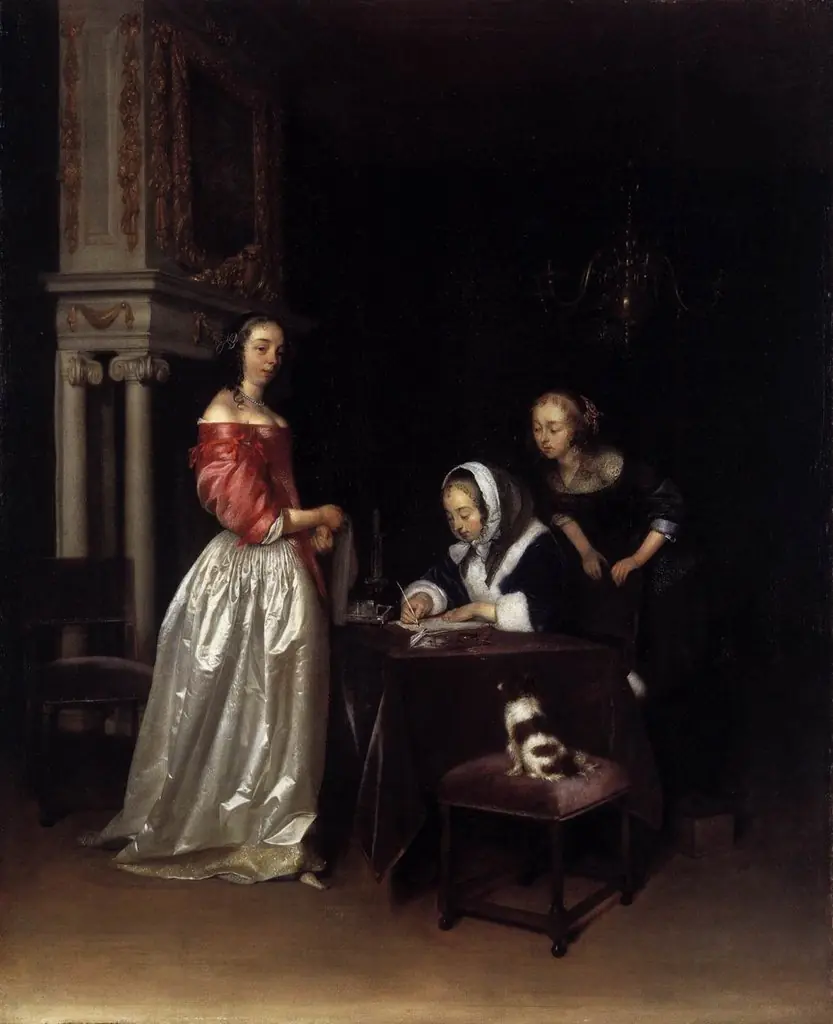
Gerard ter Borch (Dutch:; December 1617 – 8 December 1681), also known as Gerard Terburg (Dutch: ), was a Dutch Golden Age painter mainly of genre subjects.

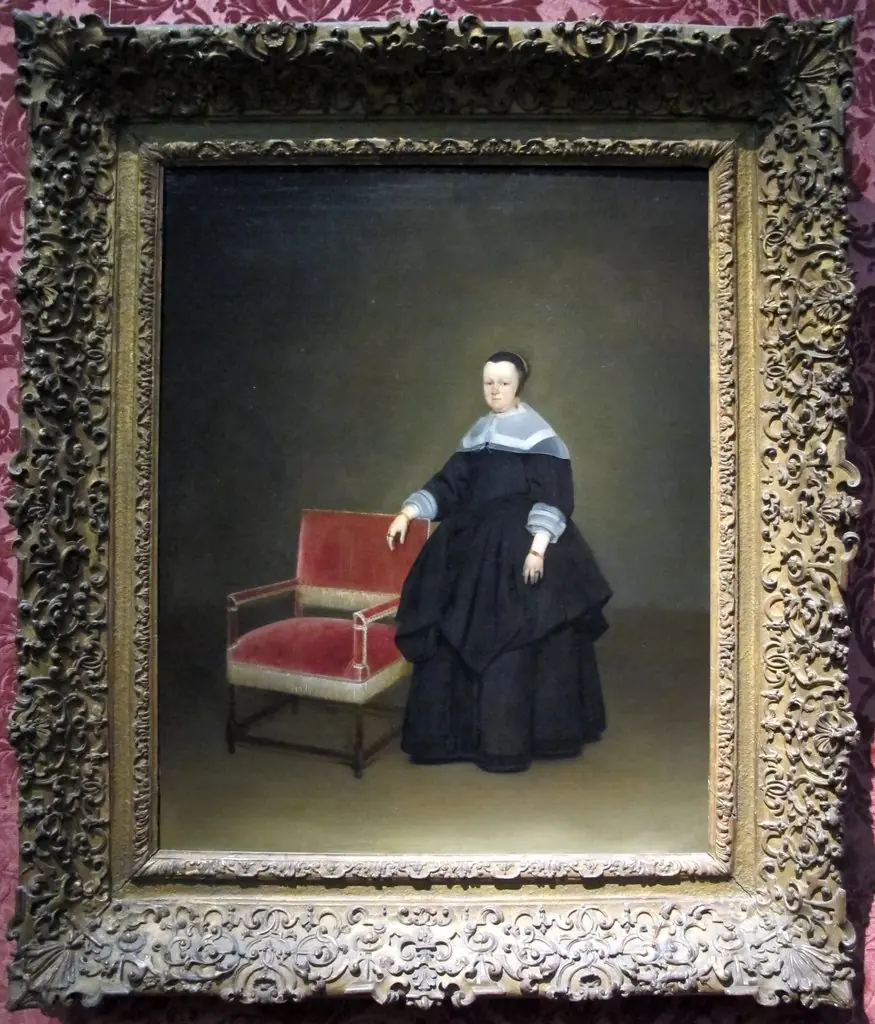
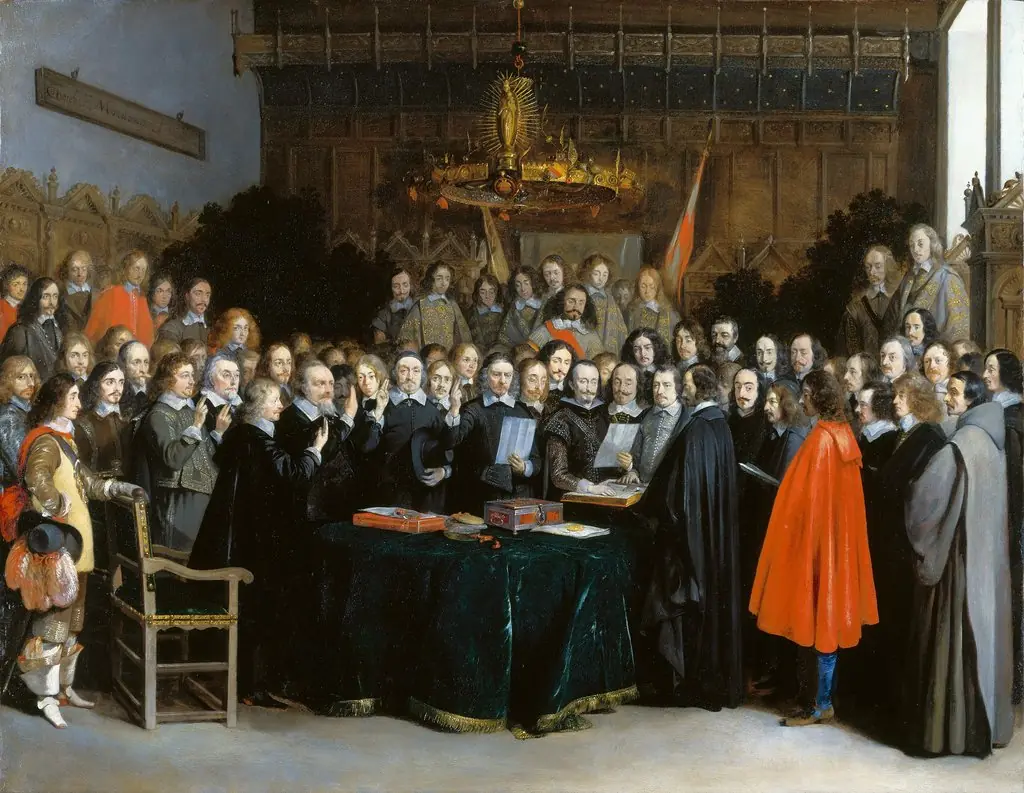
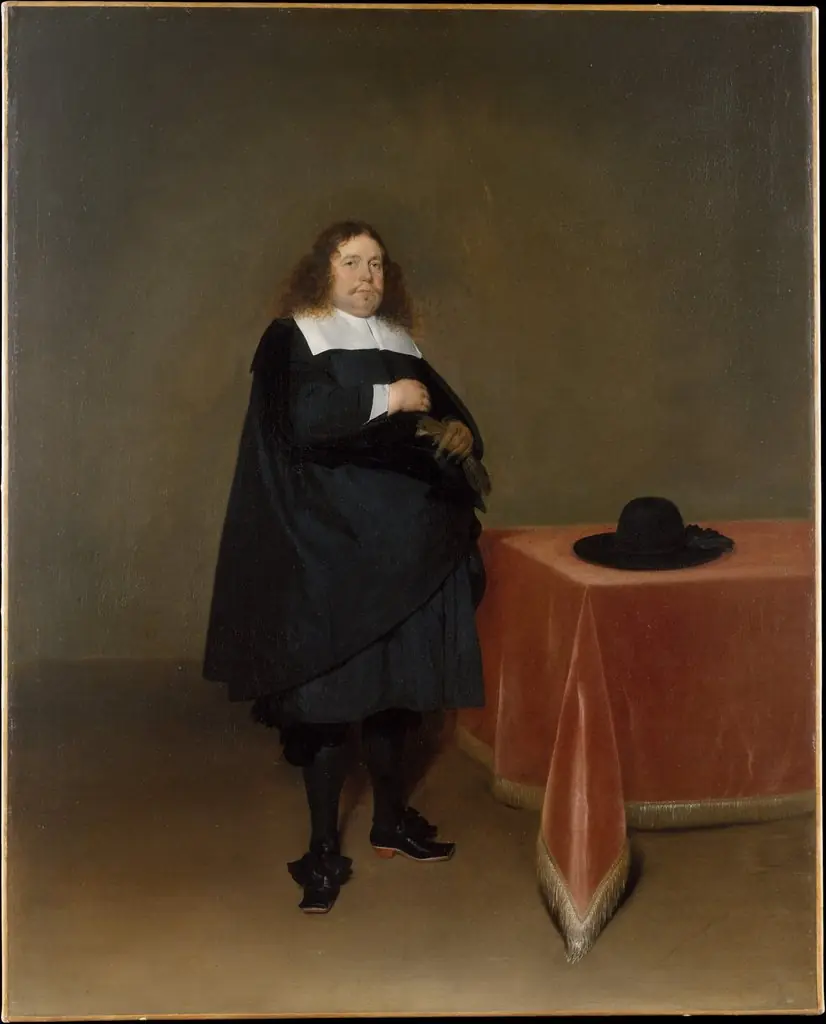
- Ulrik Frederik Gyldenløve
 Ulrik Frederik Gyldenløve
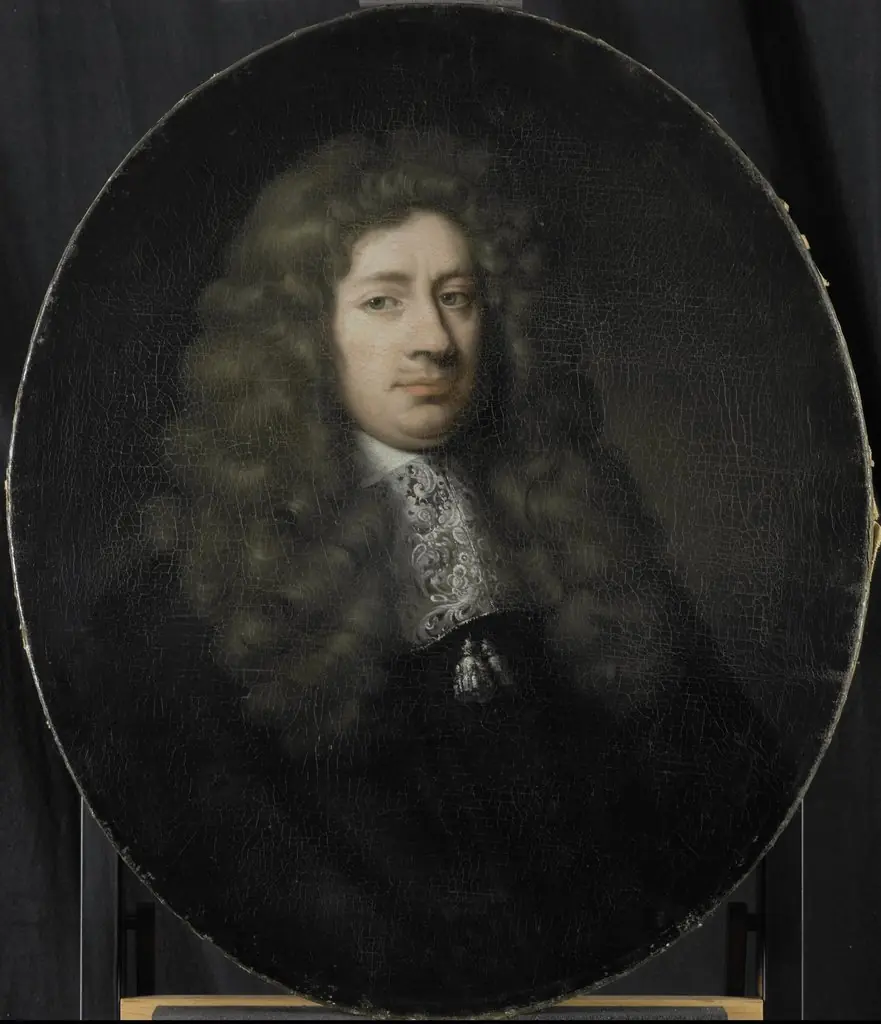 Portrait of Dominicus Rosmale, Director of the Rotterdam Chamber of the Dutch East India Company, elected 1677
 Portrait of Dominicus Rosmale, Director of the Rotterdam Chamber of the Dutch East India Company, elected 1677
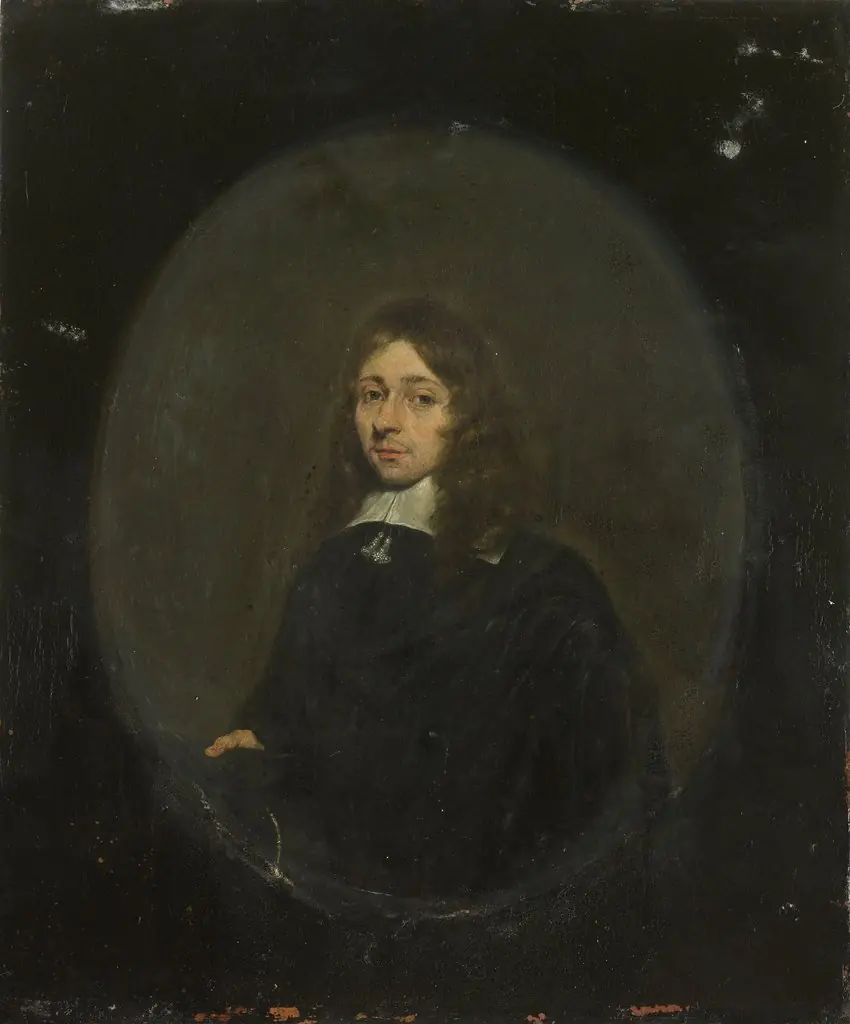 Portrait of a man
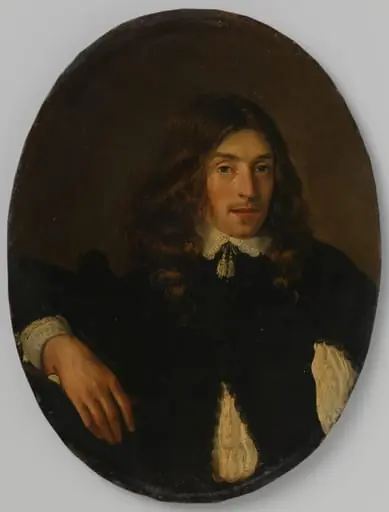 Portrait of a Young Man
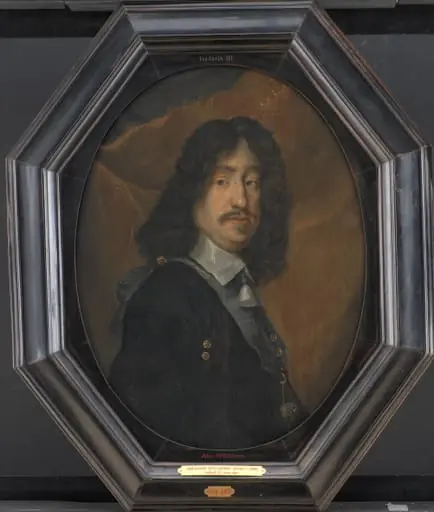 Frederik III
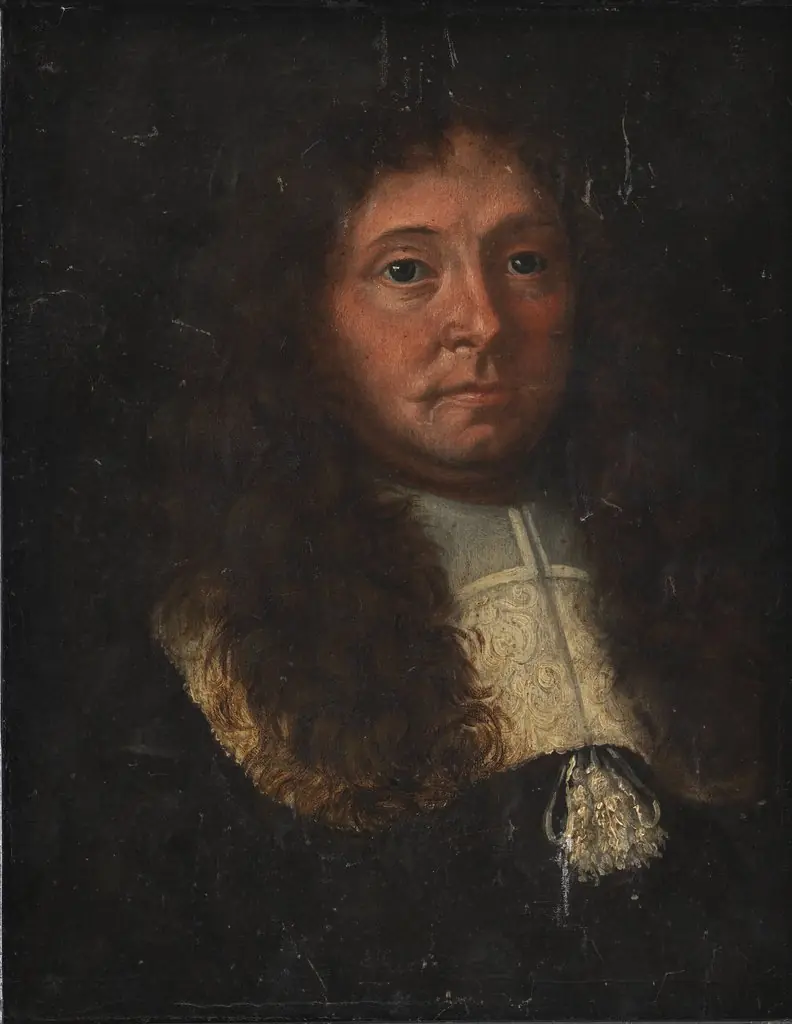 Mandsportræt
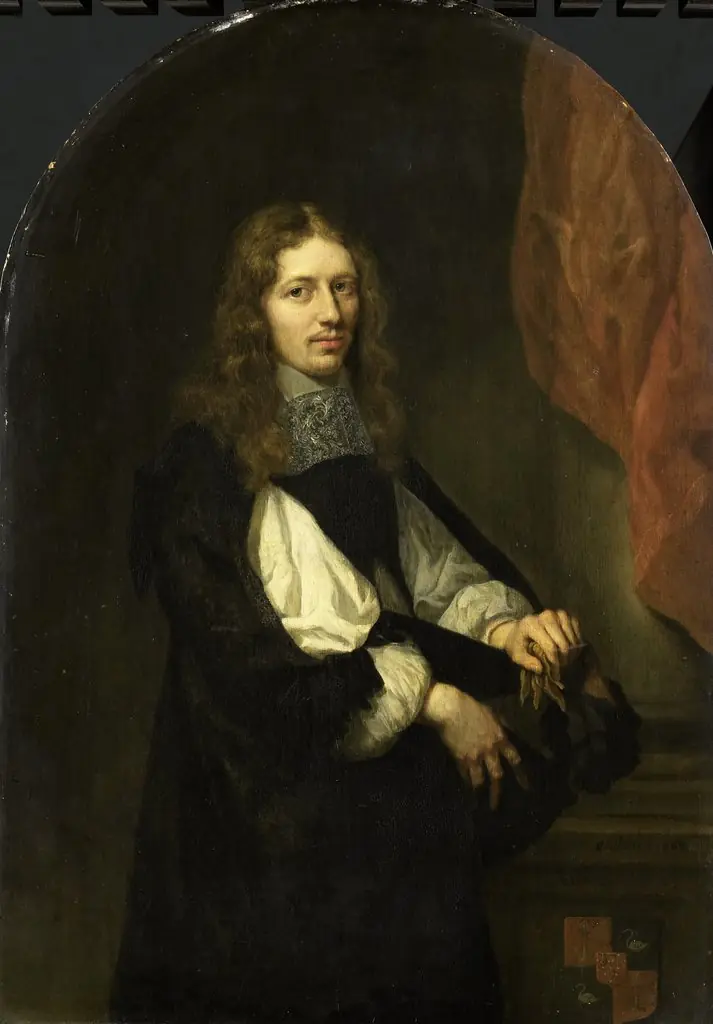 Portrait of Pieter de Graeff (1638-1707), lord of Zuid-Polsbroek, Purmerland, and Ilpendam. Alderman of Amsterdam
 Mandsportræt
 Portrait of a young man
 Self-portrait