Artwork
A Bacchante
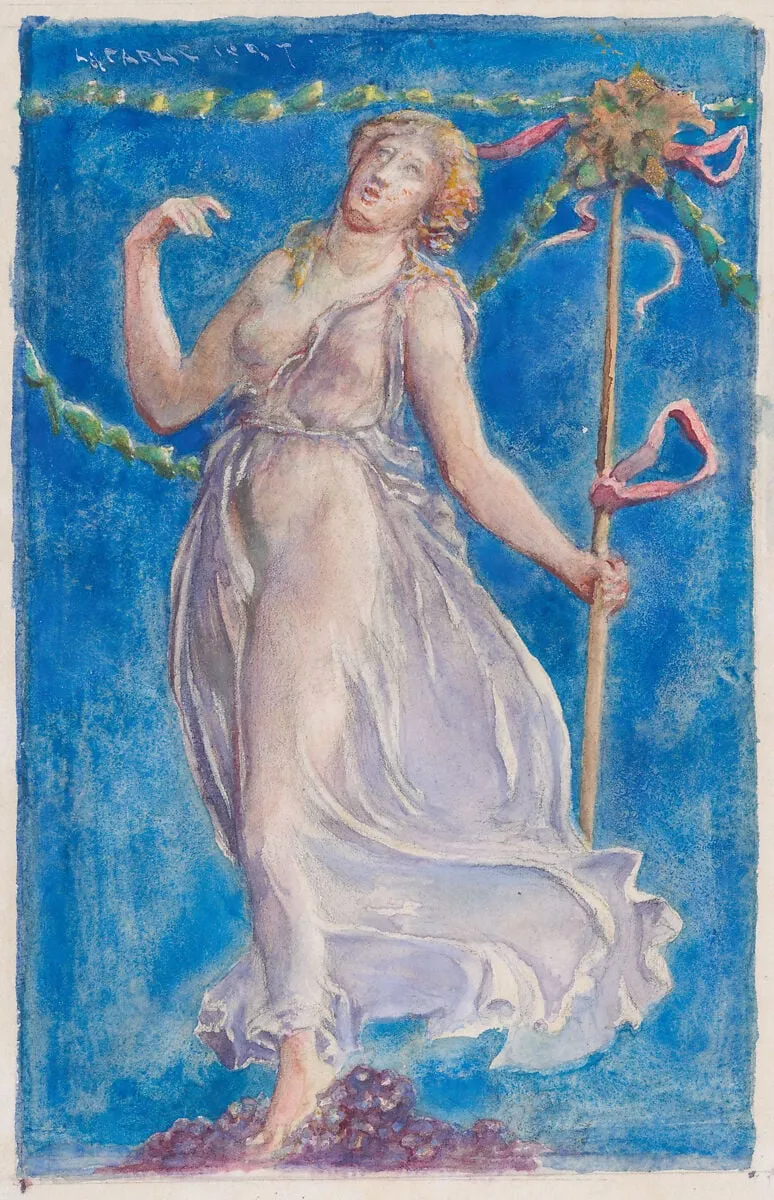
A Bacchante is a watercolor work on paper by the American Impressionist artist John La Farge. It dates from 1897 and is held in the collection of the Metropolitan Museum of Art.
About this work
Subject & Meaning
The work depicts a maenad, a female follower of Bacchus in Greco-Roman mythology who embodies ecstatic frenzy and ritual intoxication.
The work depicts a maenad, a female follower of Bacchus in Greco-Roman mythology who embodies ecstatic frenzy and ritual intoxication. In La Farge’s rendering, the bacchante is shown in a state of heightened movement and abandon, aligning with the classical iconography of maenads as wild, wine-possessed celebrants. The emphasis on fluid drapery and dynamic posture underscores the figure’s participation in Dionysian rites, evoking themes of liberation and transcendence associated with the god of wine and ecstasy.
The choice of medium, gouache and watercolor on paper, further lends a spontaneous, expressive quality to the scene, reinforcing the emotional and sensory dimensions of the subject.
Technique & Style
The work is executed in gouache and watercolor over graphite underdrawing on an off-white wove paper support. Its handling combines fluid, layered washes with opaque highlights typical of La Farge’s late transparent and body-color technique. The composition emphasizes rhythmic contouring and sinuous line to render the bacchante’s ecstatic movement, while the palette favors jewel-like accents against muted ground tones.
Dimensions are 29.5 cm in height and 26.7 cm in width.
History & Provenance
John La Farge created the gouache, watercolor, and graphite work titled A Bacchante in 1897. Executed on off-white wove paper, the piece depicts a Maenad, a figure from mythology associated with Bacchus. The artwork measures 29.5 cm in height and 26.7 cm in width.
It is currently held in the collection of the Metropolitan Museum of Art, specifically within the American Wing classification. No further details regarding specific commissions, previous owners, or the precise circumstances of its creation are provided in the available records.
Legacy
John La Farge's A Bacchante, created in 1897 as a gouache, watercolor, and graphite drawing, has been recognized for its evocative portrayal of mythological themes and its technical innovation within American art. The work, depicting a Maenad, entered the collection of the Metropolitan Museum of Art, where it has been part of exhibitions highlighting American artistic identity and symbolic representations of classical mythology. Its presence in a major institutional collection has contributed to scholarly discussions on La Farge's experimentation with color and form, influencing later interpretations of mythological subjects in American art.
The piece is frequently referenced in studies of Gilded Age art and the integration of Eastern and Western artistic traditions, reflecting its enduring relevance in art historical discourse.
Overview
A Bacchante, created by John La Farge in 1897, is a mixed-media artwork on off-white wove paper, combining gouache, watercolor, and graphite. It portrays a dynamic female figure, a bacchante, adorned with leaves in her hair, capturing the energy of her movement.
Context
Within the broader context of late 19th-century American art, A Bacchante situates La Farge among artists exploring Impressionist techniques while drawing inspiration from classical mythology and themes.
Artist & collection

Artist
John La Farge (March 31, 1835 – November 14, 1910) was an American artist whose career spanned illustration, murals, interior design, painting, and popular books on his Asian travels and other art-related topics.

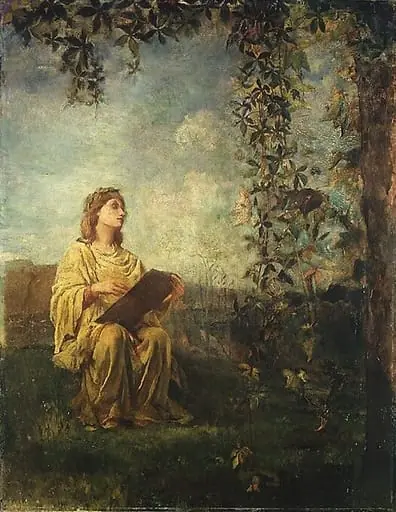 The Muse of Painting
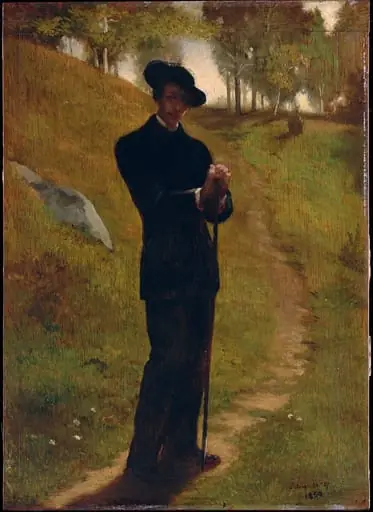 Portrait of the Painter
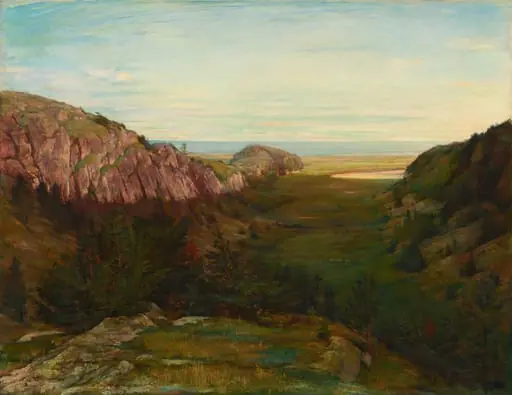 The Last Valley - Paradise Rocks
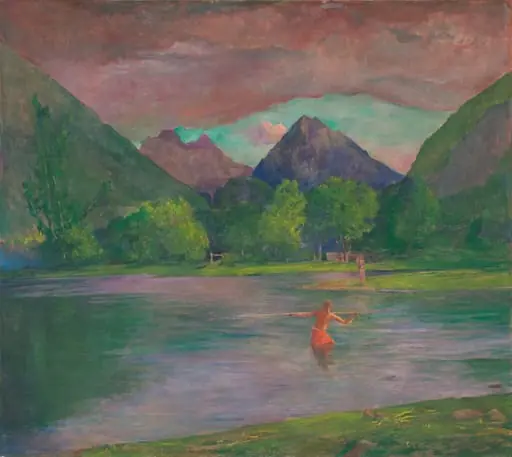 The Entrance to the Tautira River, Tahiti. Fisherman Spearing a Fish
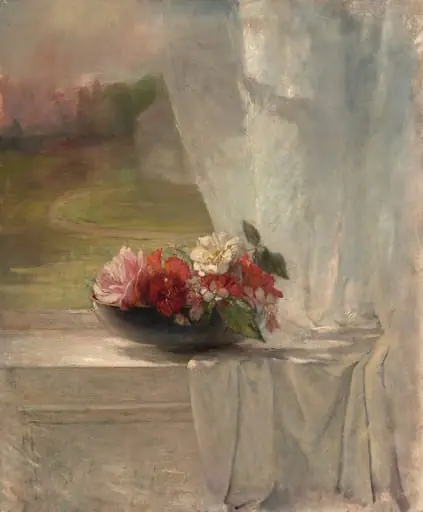 Flowers on a Window Ledge
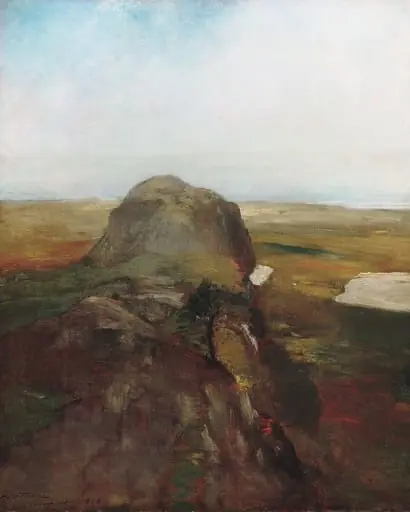 Autumn Study, View over Hanging Rock, Newport, R.I.
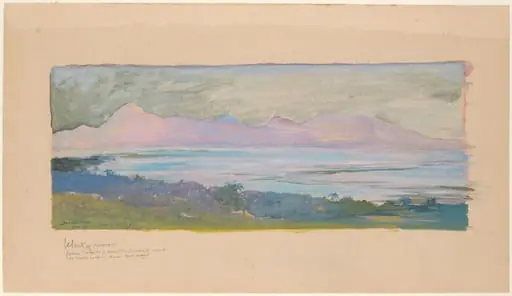 The Island of Moorea Looking across the Strait from Tahiti, January 1891
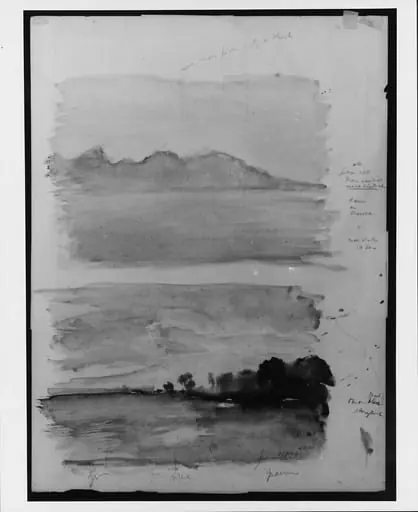 Double Study of Dawn, Moorea Seen across the Water, Tahiti
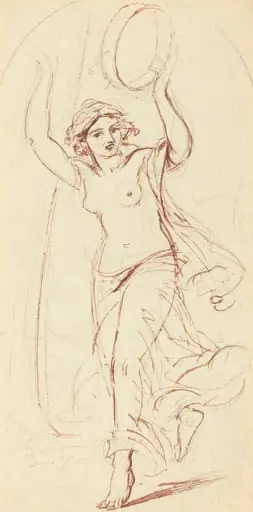
- Dancing Woman with a Tambourine
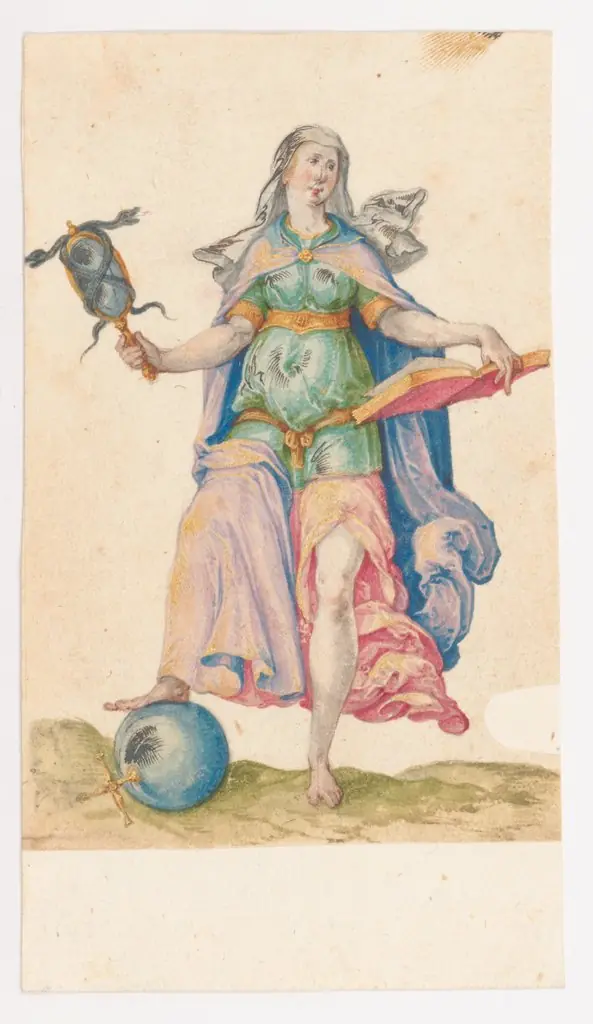 Allegory of Wisdom
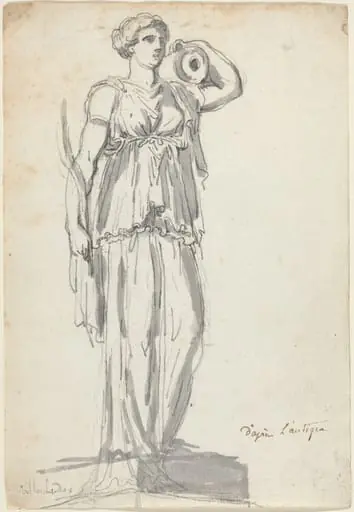 The Ludovisi Water Carrier
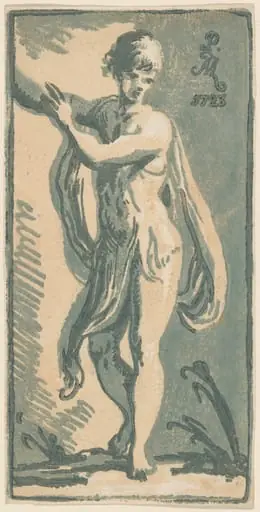 A Standing Youth Gesturing to His Right
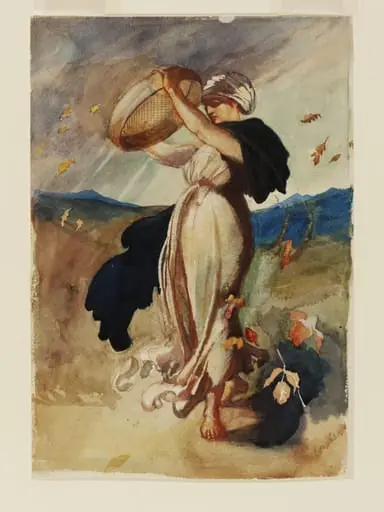 Autumn with a Sieve
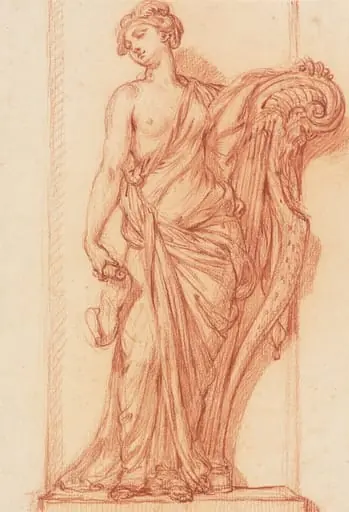 The Muse Terpsichore
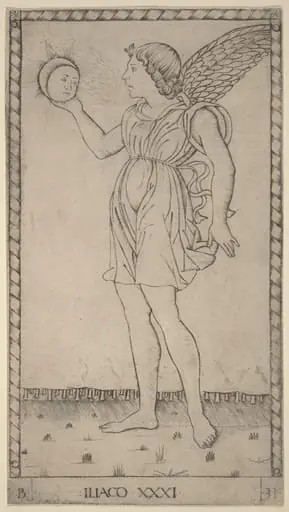 Iliaco (Genius of the Sun)
 Metaphysics
 Allegorical Figure: Woman with Sword and Sphere
 The Resurrection of Christ
 drawing from the Ionides Album
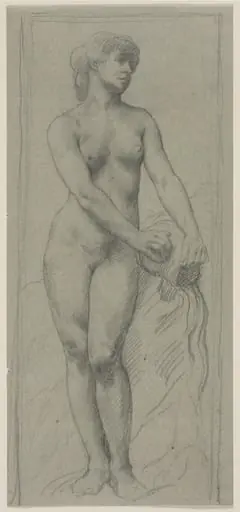 Nude Woman