Artwork
Allegory of Wisdom
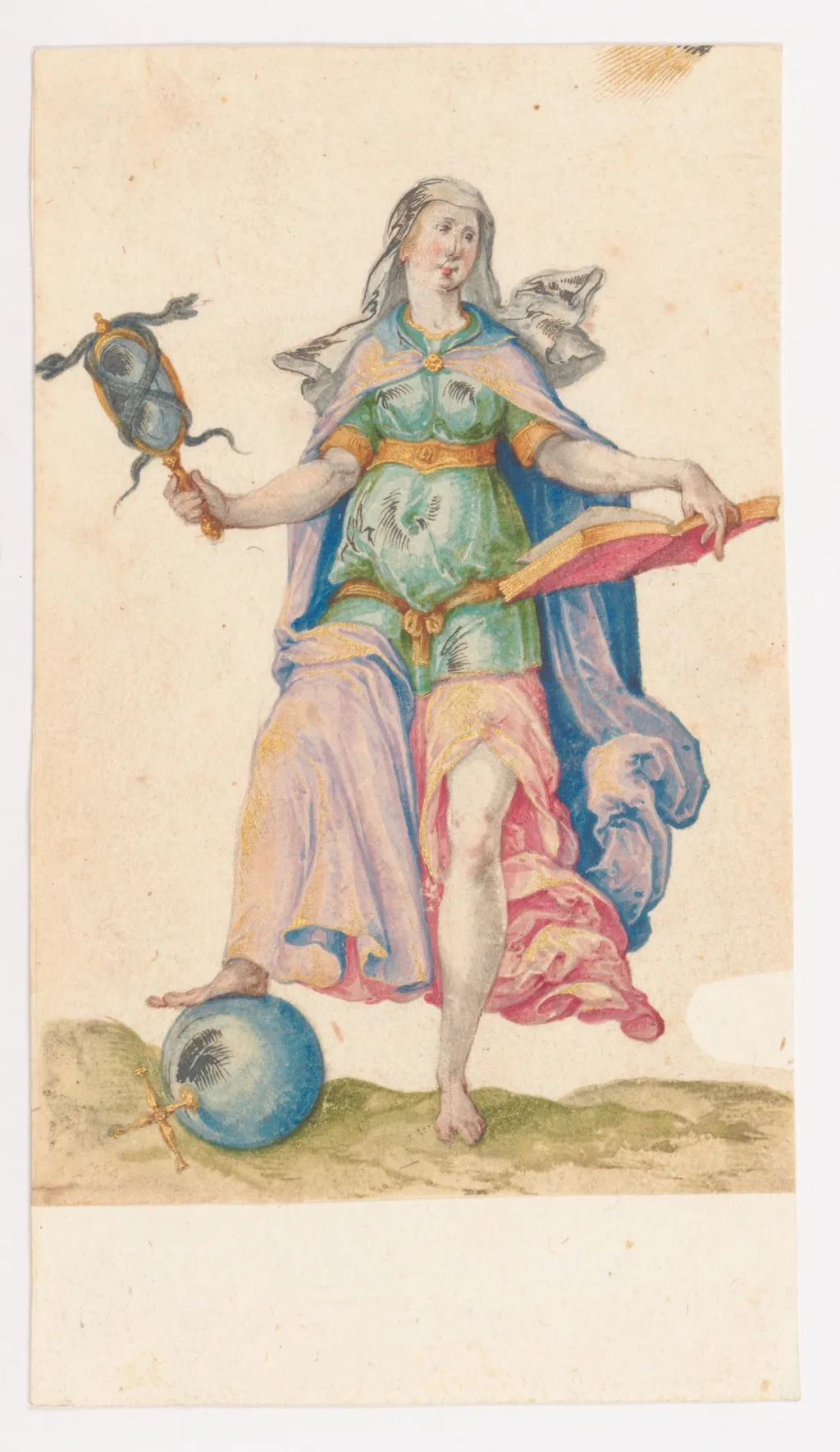
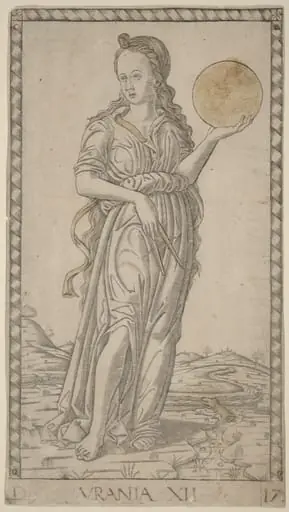
Allegory of Wisdom is an unspecified painting. It dates from 1650 and is held in the collection of the Metropolitan Museum of Art. The work depicts a solitary female figure standing barefoot on a grassy patch.
About this work
Technique & Style
The work is executed as a watercolor painting. Created in 1650, the piece functions as an allegorical composition. While the specific support material and current condition are not detailed in the available records, the medium is identified as watercolor. The artist responsible for the work remains unknown.
History & Provenance
Allegory of Wisdom is a watercolor painting created in 1650 by an unknown artist. The work is classified as an allegorical composition and entered the collection of the Metropolitan Museum of Art, where it is held. The available records do not document the circumstances of its creation, its provenance prior to acquisition, or any exhibition history.
Overview
The work depicts a solitary female figure standing barefoot on a grassy patch. She balances a globe in one hand and a fan in the other, while a pair of wings extend from her back. Dressed in a multicolored garment, a green bodice beneath a pink skirt, over a blue cloak, her hair falls loosely around her shoulders.
Subject & Meaning
The composition presents an allegorical personification of wisdom. The globe at her feet suggests a connection to worldly knowledge, whereas the fan may allude to the protective or governing aspects of intellect. The inclusion of wings reinforces the notion of elevated insight, implying that wisdom transcends ordinary human limits.
Context
Created within a tradition of allegorical portraiture, the piece reflects the period’s fascination with personified virtues. The use of symbolic objects, globe, fan, wings, aligns with contemporary iconographic conventions that communicated moral or intellectual ideals through visual metaphor.
Artist & collection