Artwork
Portrait of Faase, the Taupo, or Official Virgin, of Fagaloa Bay, and Her Duenna, Samoa
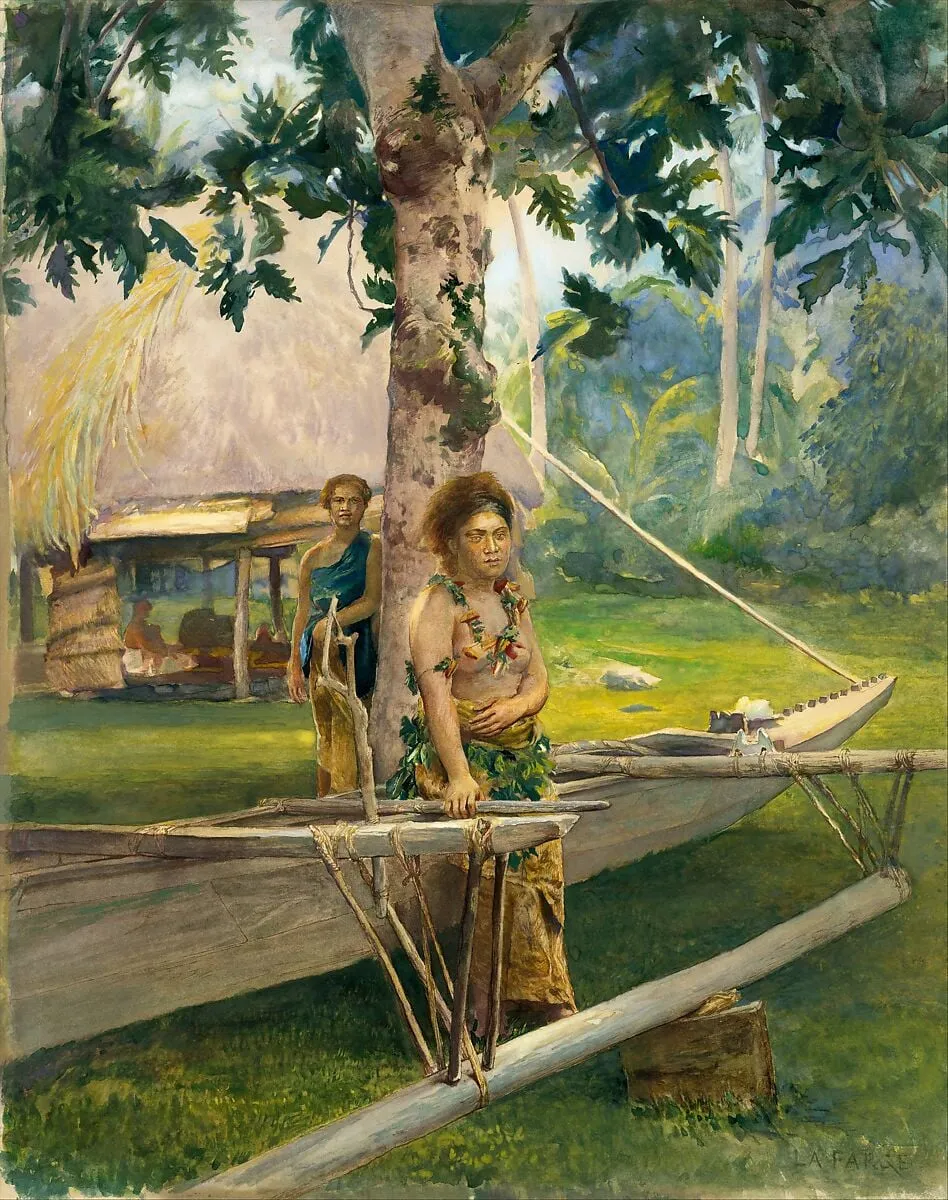
Portrait of Faase, the Taupo, or Official Virgin, of Fagaloa Bay, and Her Duenna, Samoa is a watercolor work on paper by the American Impressionist artist John La Farge. It dates from 1891 and is held in the collection of the Metropolitan Museum of Art.
About this work
This watercolor shows a woman sitting on a woven mat under a tree. Her arms rest in her lap while a younger figure stands behind her.
La Farge traveled to Samoa in 1890 and painted locals in vivid colors and soft light. The delicate leaves and distant boat suggest a quiet moment in island life.
Look up John La Farge to see more of his travel paintings.
Subject & Meaning
The painting presents Faase, identified as the official virgin of Fagaloa Bay, together with her duenna, a female attendant, in a setting that includes a boat and a tree. These elements locate the figures within a coastal Samoan environment and suggest a connection between the subject and the surrounding maritime and natural landscape. The work is rendered in watercolor, gouache, and graphite on Japanese-type paper and is classified as a portrait within the American Wing collection of the Metropolitan Museum of Art.
Technique & Style
6 cm in height by 44 cm in width, a size typical of intimate portrait drawings.
The Portrait of Faase, the Taupo, or Official Virgin, of Fagaloa Bay, and Her Duenna, Samoa (1891) is a mixed-media drawing executed in watercolor, gouache, and graphite on off-white Japanese-type paper. The work measures roughly 58.6 cm in height by 44 cm in width, a size typical of intimate portrait drawings. La Farge rendered a composition that includes a boat, a tree, and a woman, employing delicate tonal transitions and precise line work to suggest three-dimensional form.
History & Provenance
John La Farge produced the Portrait of Faase, the Taupo, or Official Virgin, of Fagaloa Bay, and Her Duenna, Samoa in 1891. Executed in watercolor, gouache, and graphite on off-white Japanese-type paper, the piece measures 58.6 cm by 44 cm and is classified as a portrait within The American Wing collection of the Metropolitan Museum of Art, where it remains in the collection.
Context
John La Farge completed Portrait of Faase, the Taupo, or Official Virgin, of Fagaloa Bay, and Her Duenna, Samoa in 1891, executing the image in watercolor, gouache, and graphite on off-white Japanese-type paper. The drawing entered the Metropolitan Museum of Art, where it is listed as a portrait within The American Wing. Its subject, a woman with a duenna beside a boat and a tree, illustrates La Farge's fascination with Pacific Island cultures at a time when American artists explored non-European motifs.
Scholars have positioned the work as an example of late-nineteenth-century transnational portraiture, reflecting broader debates about colonial representation.
Legacy
John La Farge created the watercolor and gouache drawing Portrait of Faase, the Taupo, or Official Virgin, of Fagaloa Bay, and Her Duenna, Samoa in 1891. The work, depicting a Samoan woman alongside a boat and tree, is housed in the Metropolitan Museum of Art's American Wing and classified as a portrait. Its presence in a major institutional collection has contributed to scholarly attention on La Farge's cross-cultural subjects and on 19th-century American portraiture that engages with Pacific Island themes.
Overview
John La Farge created this watercolor, Portrait of Faase, the Taupo, or Official Virgin, of Fagaloa Bay, and Her Duenna, Samoa, in 1891. Executed with watercolor, gouache, and graphite on Japan-type paper, the work captures a specific moment from his travels. It exemplifies La Farge's interest in portraiture and his adoption of an American Impressionist approach, depicting local figures in a serene island setting with vivid colors and soft illumination.
Artist & collection

Artist
John La Farge (March 31, 1835 – November 14, 1910) was an American artist whose career spanned illustration, murals, interior design, painting, and popular books on his Asian travels and other art-related topics.

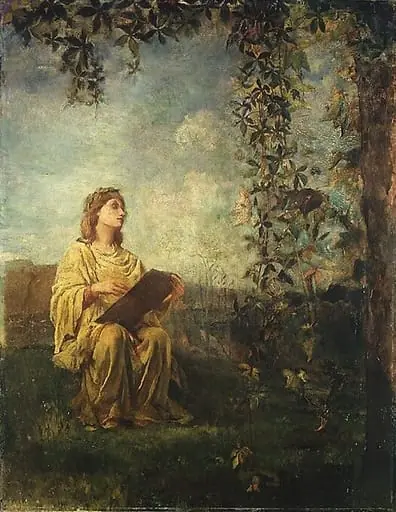 The Muse of Painting
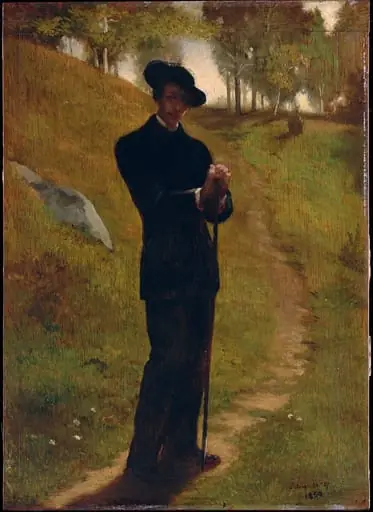 Portrait of the Painter
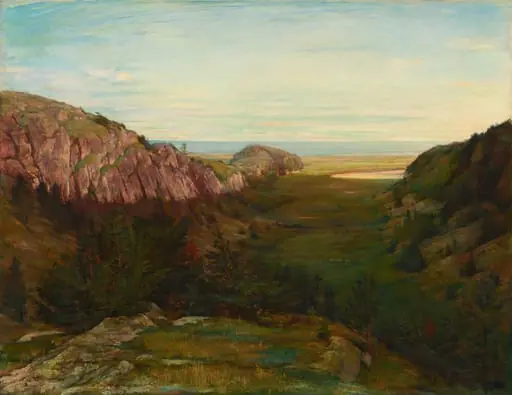 The Last Valley - Paradise Rocks
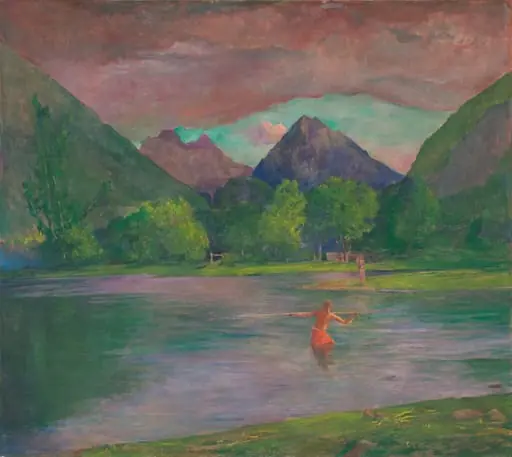 The Entrance to the Tautira River, Tahiti. Fisherman Spearing a Fish
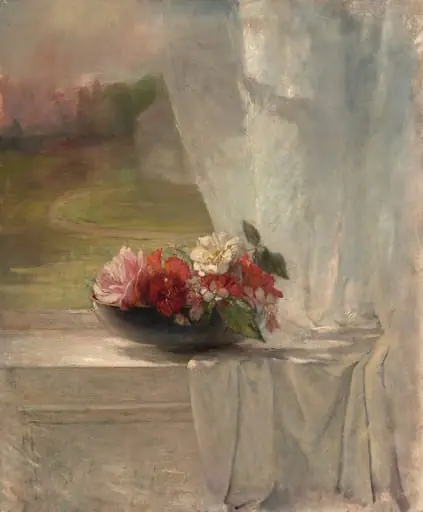 Flowers on a Window Ledge
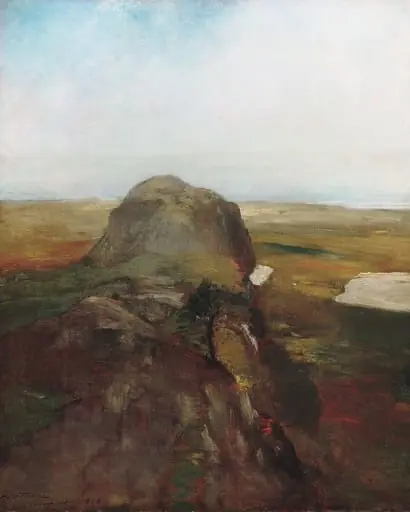 Autumn Study, View over Hanging Rock, Newport, R.I.
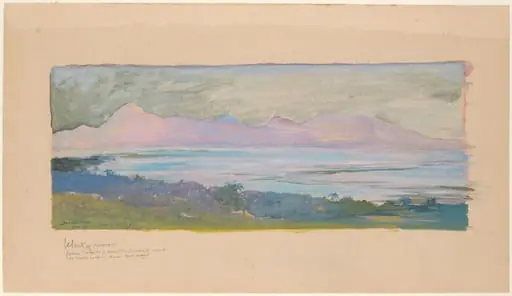 The Island of Moorea Looking across the Strait from Tahiti, January 1891
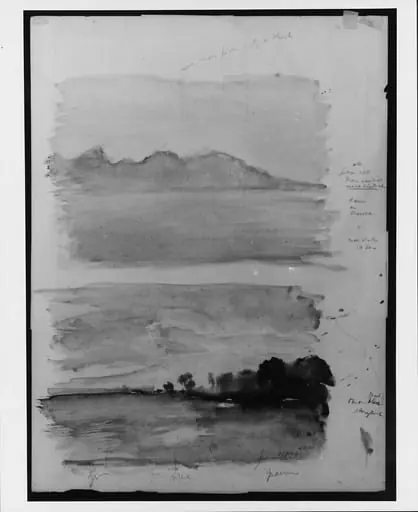 Double Study of Dawn, Moorea Seen across the Water, Tahiti
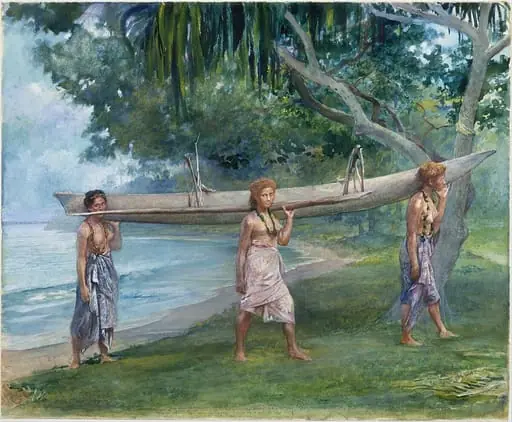
- Girls Carrying a Canoe, Vaiala in Samoa
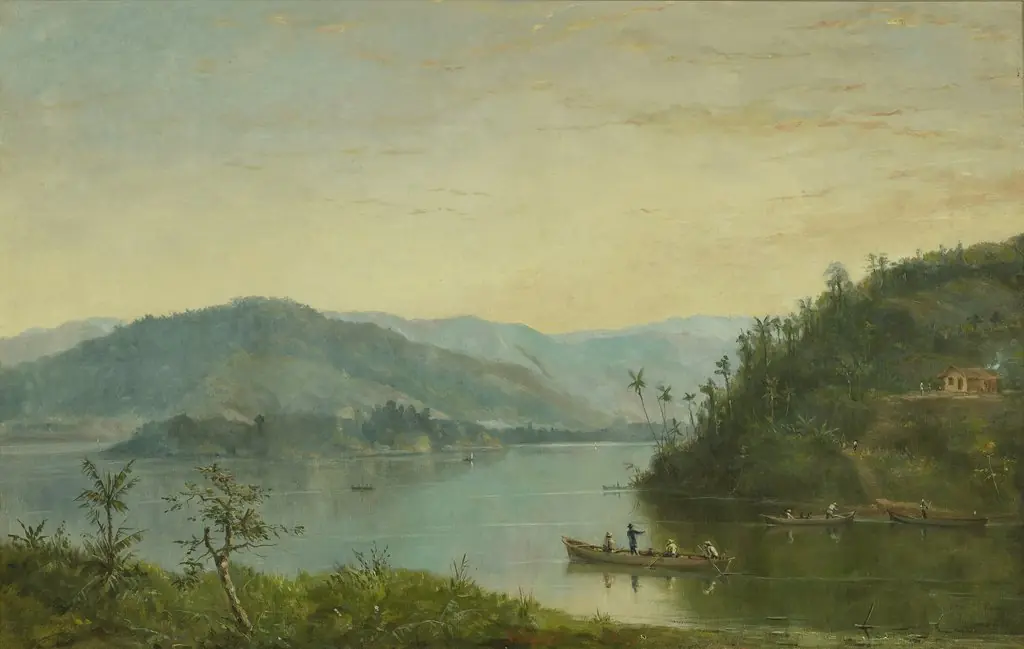 Rio Itanhaém
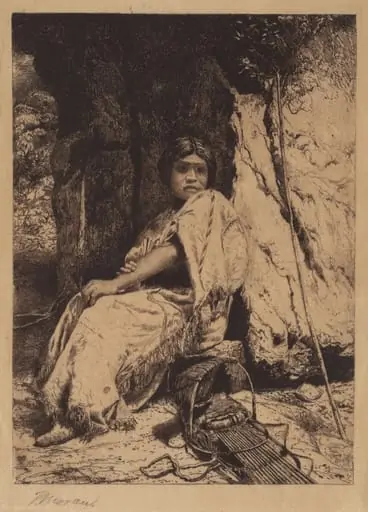 The Empty Cradle
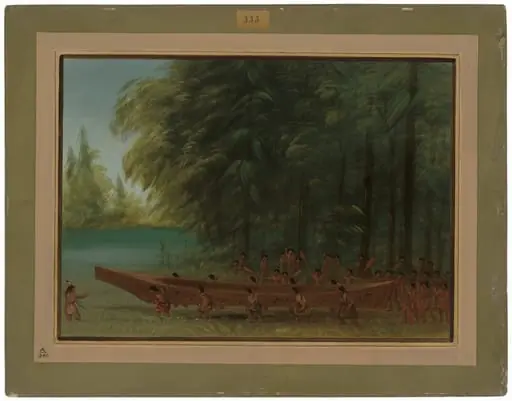 Launching a Canoe - Nayas Indians
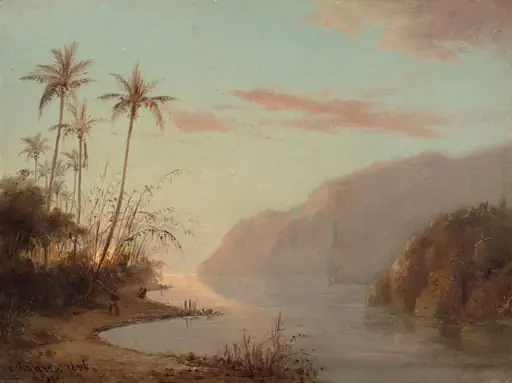 A Creek in St. Thomas (Virgin Islands)
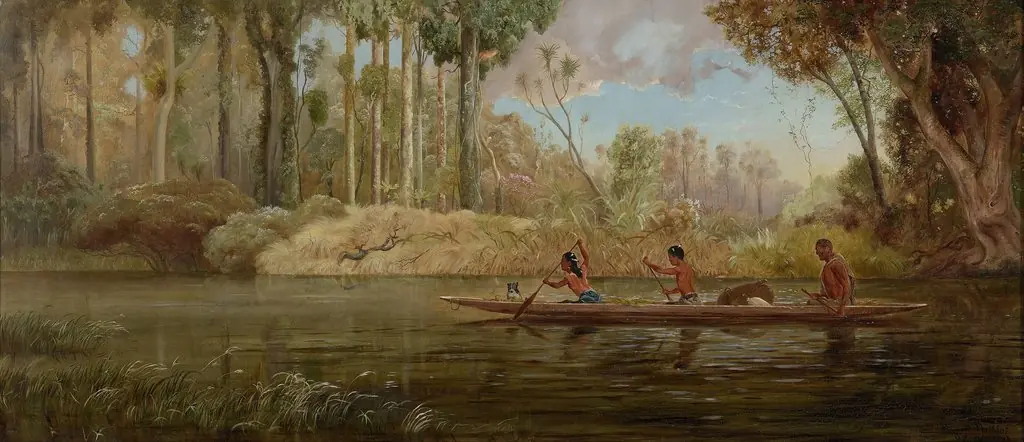 Early Spring; or, A Narrow of the Waikato River
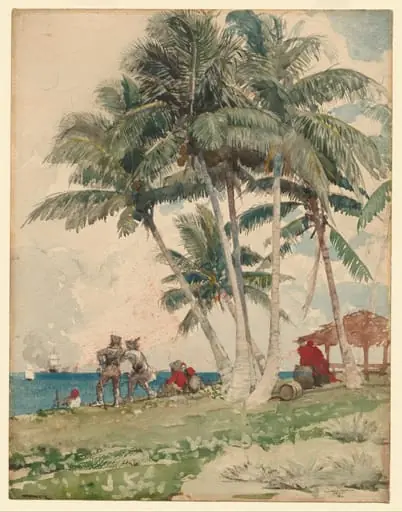 The Buccaneers
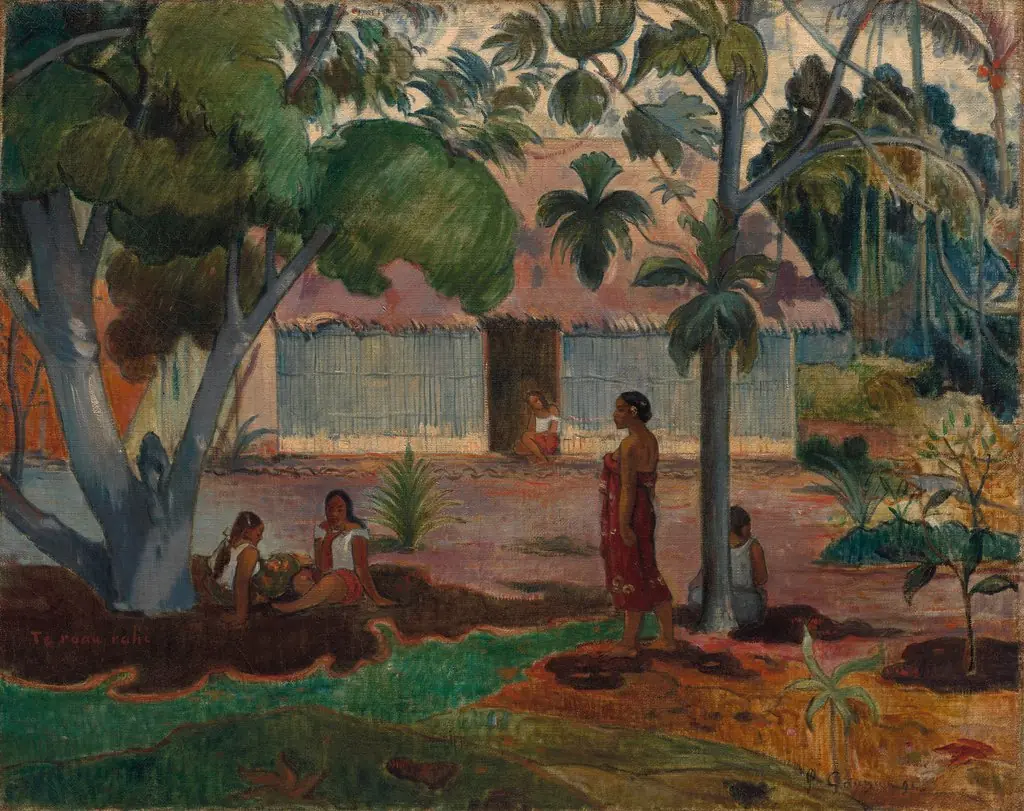 The Large Tree
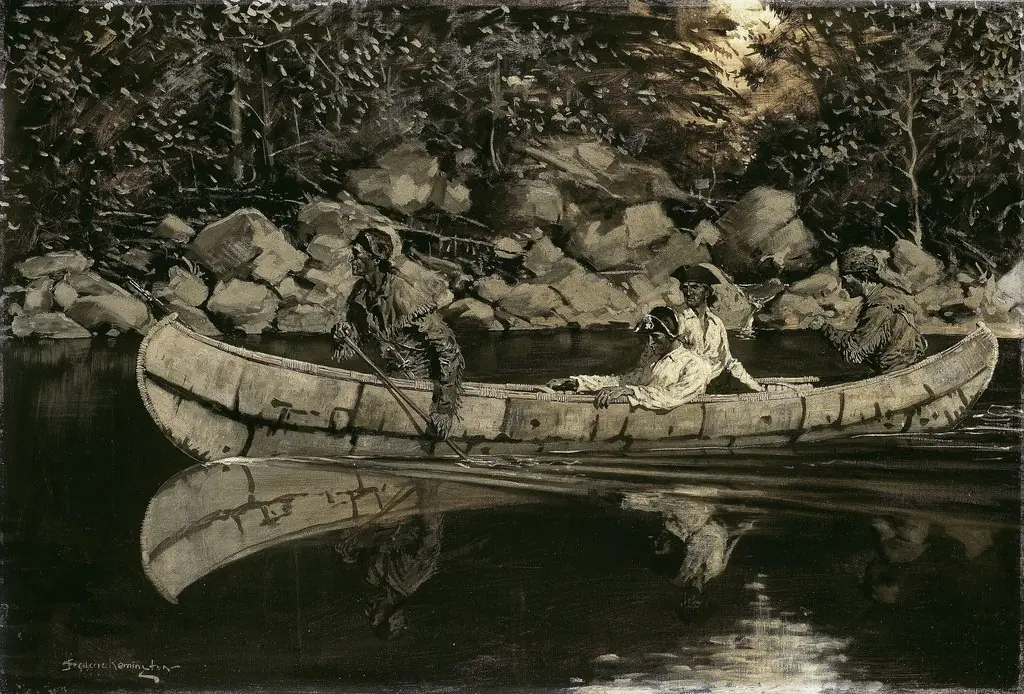 Paddling the Wounded British Officer
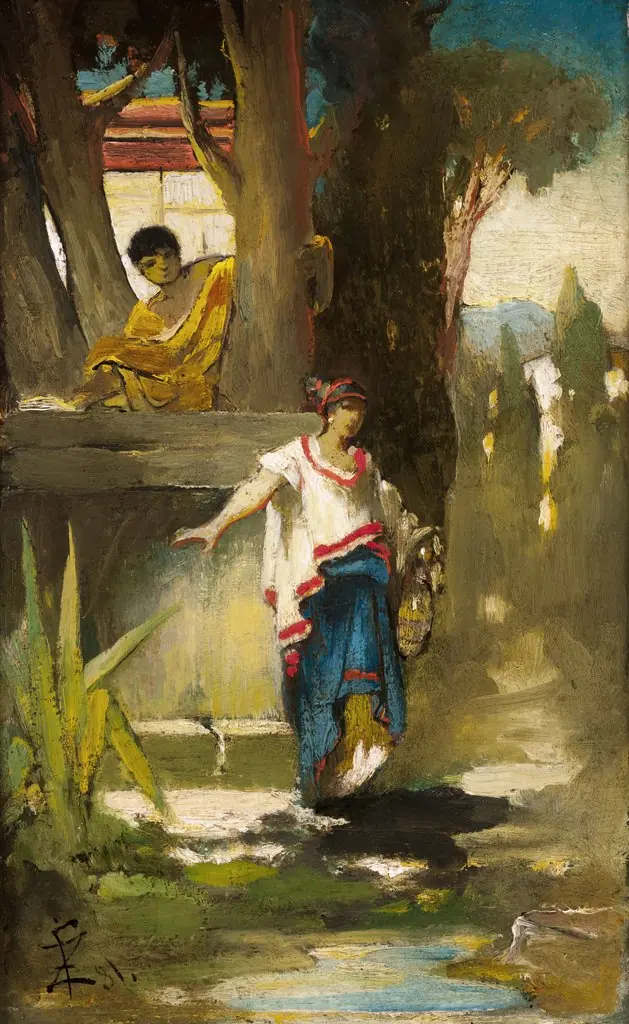 Roman Woman by the Well
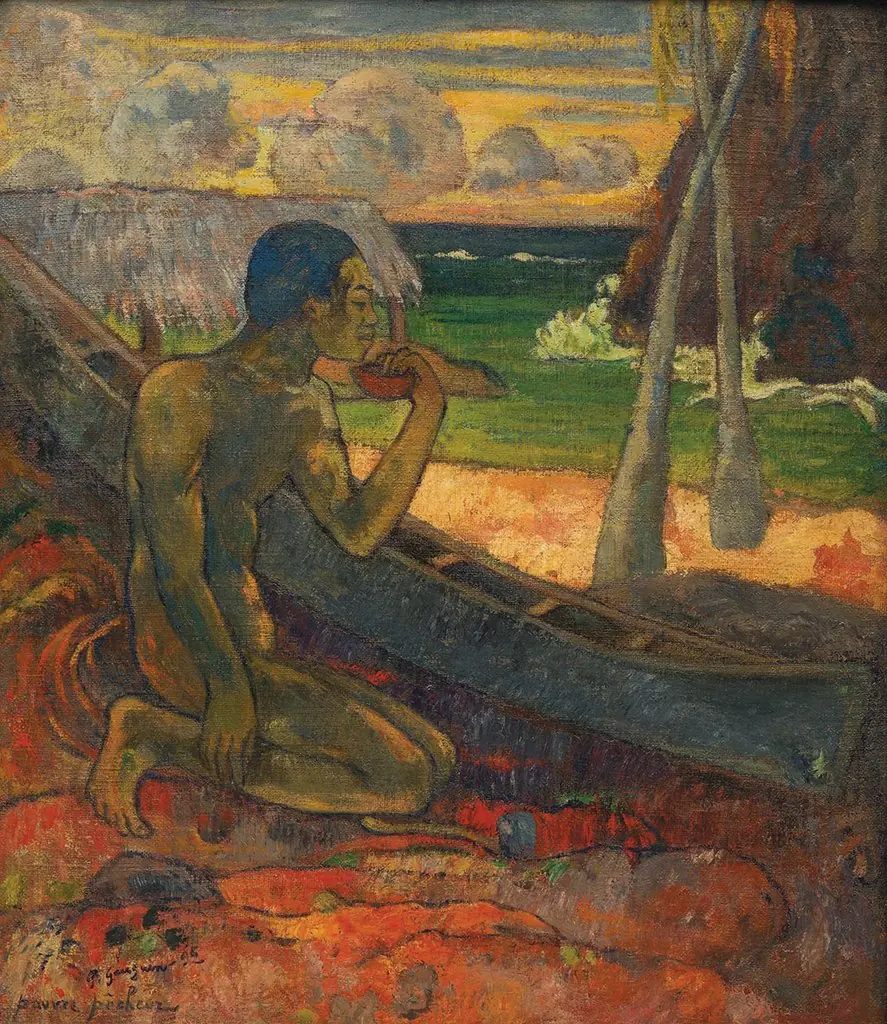 Poor Fisherman
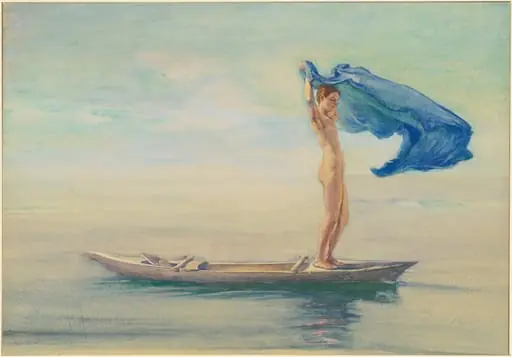 Girl in Bow of Canoe Spreading Out Her Loin-Cloth for a Sail, Samoa