Artwork
The Moral and Divine Law: Moses Receives the Law on Mount Sinai; Color Study for Mural, Supreme Court Room, Minnesota State Capitol, Saint Paul
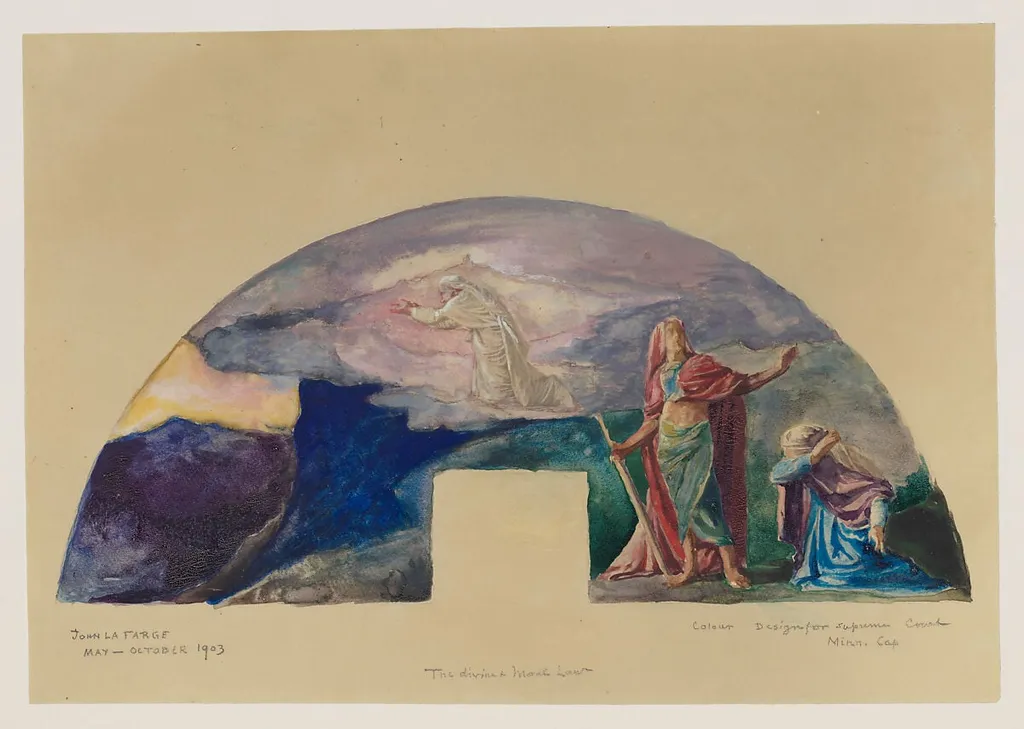
The Moral and Divine Law: Moses Receives the Law on Mount Sinai; Color Study for Mural, Supreme Court Room, Minnesota State Capitol, Saint Paul is a watercolor work on paper by the Post-Impressionist artist John La Farge. It dates from 1903 and is held in the collection of the Metropolitan Museum of Art.
- Accession no.
- 67.55.166
- Credit line
- Bequest of Susan Dwight Bliss, 1966
About this work
Subject & Meaning
Uniquely, the imagery also includes the Apostle Paul, integrating New Testament theology into the Old Testament narrative of the giving of the law.
The work depicts the biblical scene of Moses receiving the law on Mount Sinai, a subject rooted in religious tradition. The composition features Moses as the central figure, accompanied by the mountain setting that defines the location of this divine encounter. Uniquely, the imagery also includes the Apostle Paul, integrating New Testament theology into the Old Testament narrative of the giving of the law.
This inclusion suggests a symbolic synthesis of the Moral and Divine Law, bridging the Mosaic covenant with Christian revelation. As a color study for a Supreme Court mural, the piece visually represents the foundational legal and spiritual principles intended for the Minnesota State Capitol.
Technique & Style
Created in 1903, this work is executed as a color study using watercolor, gouache with gum arabic, and graphite applied to olive-green wove paper. The artist employed these mixed media to establish the chromatic scheme for the larger mural intended for the Supreme Court Room of the Minnesota State Capitol. The support consists of wove paper characterized by its distinct olive-green tone, which serves as the foundational ground for the pigments.
The handling combines the fluid transparency of watercolor with the opacity of gouache to define the figures of Moses and Paul the Apostle against the mountainous backdrop. This specific combination of materials and the choice of colored paper reflect the preparatory nature of the piece, focusing on color relationships rather than the finished detail of the final fresco.
History & Provenance
The work was commissioned for the Supreme Court courtroom of the Minnesota State Capitol in Saint Paul and was completed in 1903. It is a watercolor, gouache with gum arabic, graphite study created by John La Farge for a mural in the Capitol's Supreme Court Room. The piece entered the collection of the Metropolitan Museum of Art, where it remains on view in The American Wing.
The drawing was executed as a color study for the mural and depicts Moses receiving the law on Mount Sinai alongside Paul the Apostle on a mountain. It is classified as a religious work within The American Wing's collection.
The color study is held by the Metropolitan Museum of Art, classified within its American Wing collection. According to the Wikidata record, the work is part of the museum's holdings and located there.
No exhibition history or accession number is documented in the available sources.
Overview
John La Farge’s 1903 watercolor and gouache study, titled The Moral and Divine Law: Moses Receives the Law on Mount Sinai, was prepared as a preparatory design for a large mural intended for the Supreme Court Chamber of the Minnesota State Capitol in Saint Paul. Executed on olive‑green wove paper with graphite underdrawing, the work combines transparent washes with opaque gouache, showcasing La Farge’s command of color and composition.
Context
At the turn of the twentieth century, American civic architecture often incorporated allegorical art to convey moral and legal ideals. La Farge’s study fits within this movement, aligning with other governmental commissions that used biblical narratives to underscore the principles of law and justice.
Legacy
Although the study itself is a preparatory piece, it illustrates La Farge’s interdisciplinary practice, bridging illustration, mural design, and decorative arts. The work continues to inform scholars of his methodological approach to large‑scale public art and his contribution to the visual language of American civic spaces.
Artist & collection

Artist
John La Farge (March 31, 1835 – November 14, 1910) was an American artist whose career spanned illustration, murals, interior design, painting, and popular books on his Asian travels and other art-related topics.

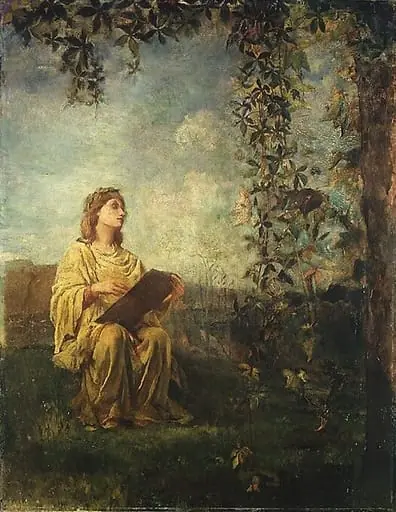 The Muse of Painting
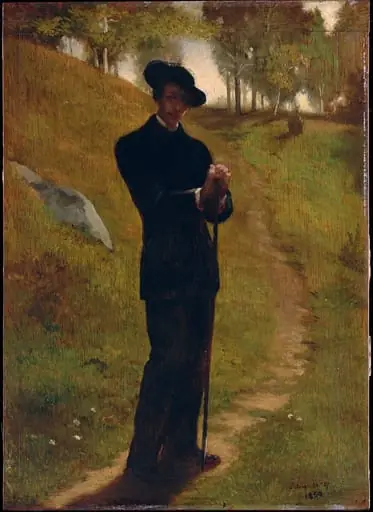 Portrait of the Painter
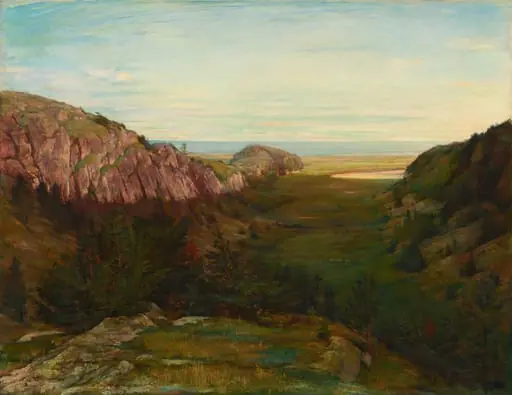 The Last Valley - Paradise Rocks
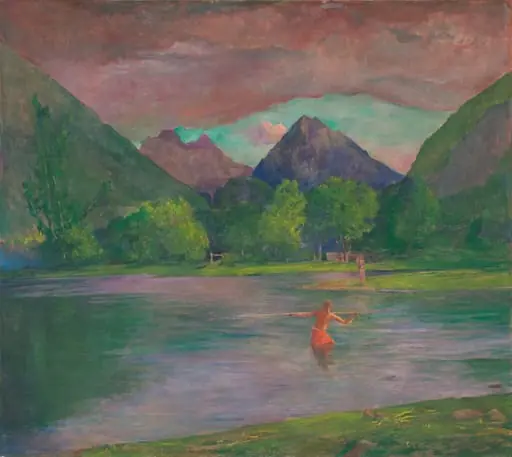 The Entrance to the Tautira River, Tahiti. Fisherman Spearing a Fish
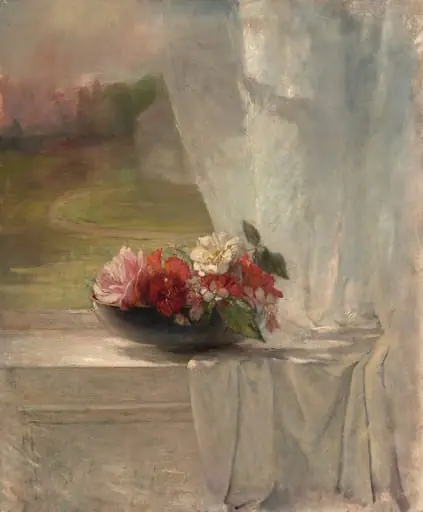 Flowers on a Window Ledge
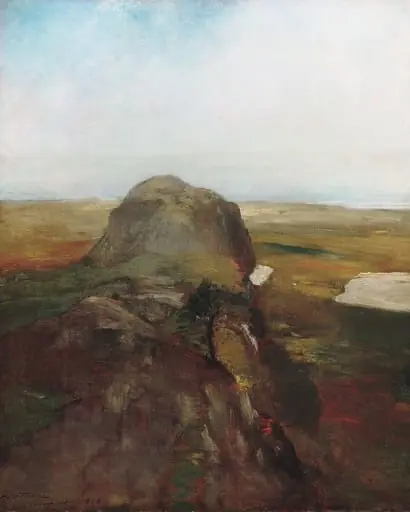 Autumn Study, View over Hanging Rock, Newport, R.I.
 The Island of Moorea Looking across the Strait from Tahiti, January 1891
 Double Study of Dawn, Moorea Seen across the Water, Tahiti
 Udkast til freskerne i Viborg Domkirke. Nordre korsarms vægge
 The Resurrection of Christ
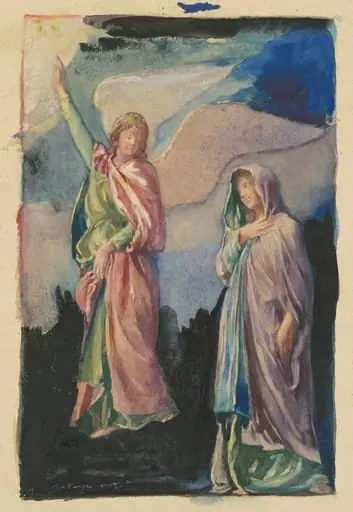 Study for "Faith" and "Hope"
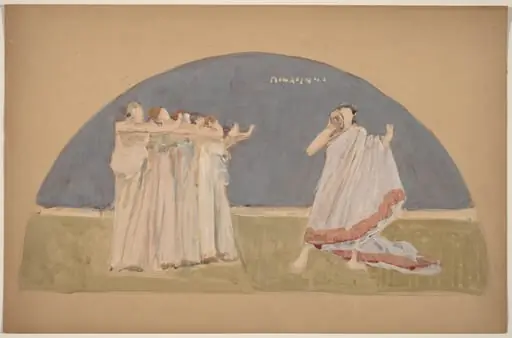 Study for a Lunette
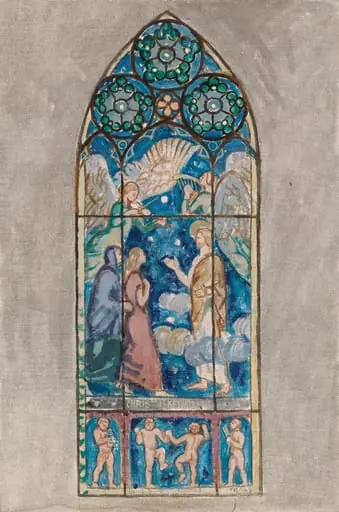 Christus resurrexit, luonnos Porin kirkon lasimaalausta varten
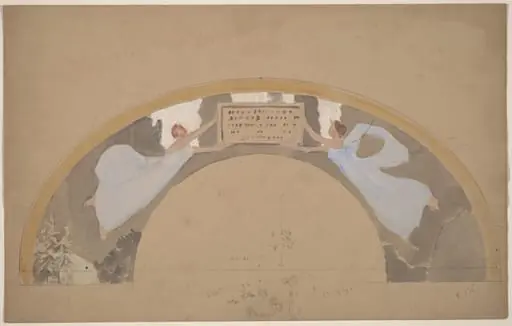 Study of Two Female Figures in Arched Border
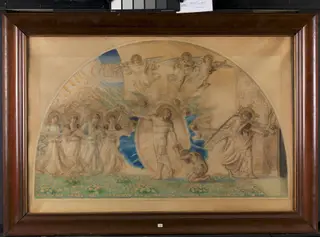 Kristus fører røveren ind i Paradiset
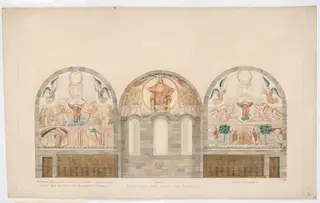 Udkast til freskerne i Viborg Domkirke. Koret
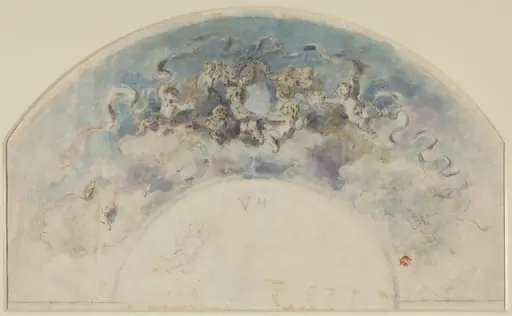 Drawing for a Fan
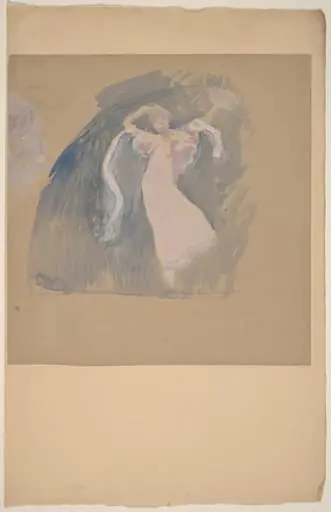 Figure Studies
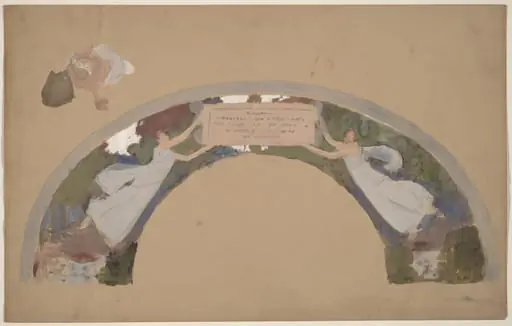 Study of Two Female Figures in Arched Border
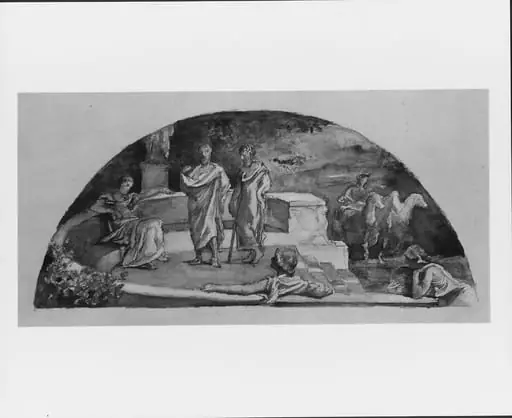
- The Relation of the Individual to the State: Socrates and His Friends Discuss "The Republic," as in Plato's Account; Color Study for Mural, Supreme Court Room, Saint Paul, Minnesota State Capitol, Saint Paul