Artwork
Mrs. Hugh Hammersley
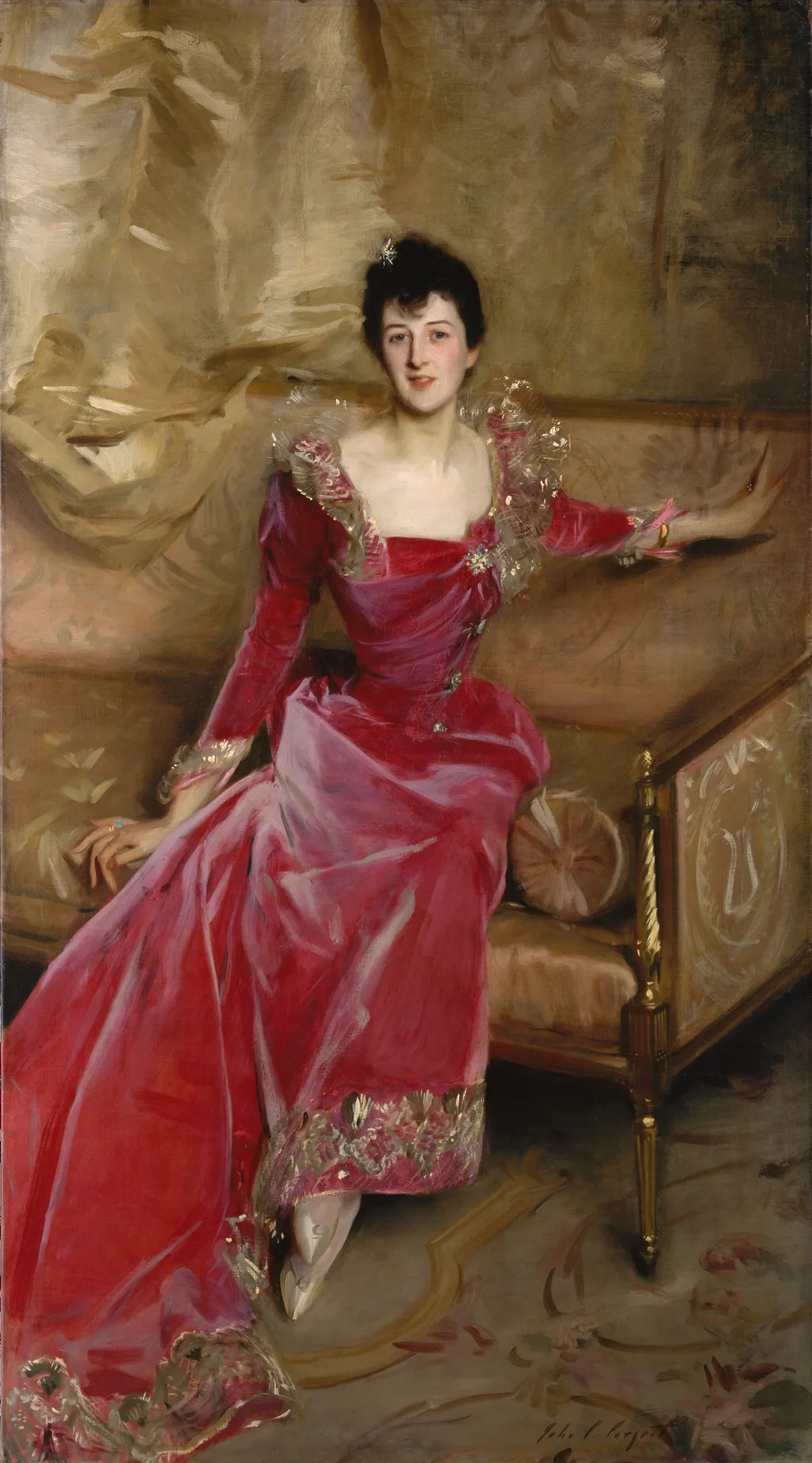
Mrs. Hugh Hammersley is an oil painting by the Impressionist artist John Singer Sargent. It dates from 1896 and is held in the collection of the Metropolitan Museum of Art.
About this work
John Singer Sargent painted this portrait of Mrs. Hugh Hammersley in oil in 1896. He had a gift for making sitters look at ease, whether or not they were, and here she sits poised and alert. The Met holds the painting now, so you can stand before it in person.
Subject & Meaning
She is shown delicately poised on a French sofa, wearing a gold-trimmed silk-velvet dress that highlights the artist's mastery of varied textures and patterns.
The painting depicts Mary Frances Hammersley, a fashionable London hostess and wife of a banker, portrayed as a daring and stylish figure of the era. She is shown delicately poised on a French sofa, wearing a gold-trimmed silk-velvet dress that highlights the artist's mastery of varied textures and patterns. The work is interpreted as a candid yet flattering characterization, where her willowy form and direct expression convey both modern confidence and elegance.
This portrait represents a pivotal moment in the artist's career, serving as the first in a series of images celebrating glamorous English women and helping to rehabilitate his reputation following the controversy of Madame X. The sumptuous setting and the sitter's attire collectively announce the subject's high social standing and the artist's technical virtuosity.
Technique & Style
Executed in 1892, this portrait is an oil painting on canvas measuring 205.7 by 115.6 centimetres. Sargent demonstrates a mastery of varied textures and patterns, particularly in the rendering of the sitter's gold-trimmed silk-velvet dress and the sumptuous surroundings. The artist's handling captures the subject's willowy form as she is delicately poised on a French sofa, utilizing a candid expression to simultaneously characterize and flatter.
This unabashedly modern portrayal reflects Sargent's confidence and technical skill, marking a pivotal moment in his series of glamorous English women. The work's stylistic success helped rehabilitate the artist's reputation following earlier controversies, showcasing his ability to depict daring style through confident brushwork and detailed surface variation.
History & Provenance
John Singer Sargent painted Mrs. Hugh Hammersley in 1892, an oil on canvas portrait depicting Mary Frances Grant Hammersley seated on a French sofa. After the sitter's death in 1902, her husband retained the painting until 1923, when financial pressures prompted its sale; at Sargent's suggestion Charles Deering acquired it. The portrait was first exhibited at London's New Gallery in 1893 and later at the Société Nationale des Beaux-Arts Salon in Paris in 1894, receiving favourable contemporary reviews.
The painting subsequently entered the collection of the Metropolitan Museum of Art, New York, where it remains on view. It forms part of Sargent's early series of English elite portraits that culminated with The Wyndham Sisters in 1899.
Context
Upon its 1893 debut at London's New Gallery and subsequent 1894 showing at the Paris Salon, the portrait received favourable critical attention that helped rehabilitate John Singer Sargent's reputation following the scandal of Madame X. Art historical analysis positions the work as a pivotal piece in Sargent's exploration of glamorous English society women, serving as an early precursor to his 1899 series The Wyndham Sisters. Scholars and conservators at the Metropolitan Museum of Art emphasize the painting's significance in demonstrating the artist's confidence and his ability to simultaneously characterize and flatter his subject through the depiction of varied textures and patterns. The work is recognized as a modern portrayal of a daring, stylish hostess, cementing its status as a key example of Sargent's portraiture mastery in the late 19th century.
Legacy
Upon its exhibition at the New Gallery in London in 1893 and the Salon of the Société Nationale des Beaux-Arts in Paris in 1894, Mrs. Hugh Hammersley received critical acclaim that helped rehabilitate John Singer Sargent's reputation following the controversy surrounding Madame X. Art historians regard the work as a pivotal precursor to Sargent's celebrated series of glamorous English women, which culminated in The Wyndham Sisters in 1899. The painting is frequently cited for its modern portrayal of the sitter's daring style and the artist's mastery of texture, serving as a testament to his confidence. In contemporary culture, the work maintains its visibility, notably appearing in the 2020 Netflix adaptation of Daphne du Maurier's Rebecca.
Its enduring legacy is further secured by its permanent residence in the collection of the Metropolitan Museum of Art.
Overview
John Singer Sargent's 1892 oil painting, Mrs. Hugh Hammersley, depicts its namesake sitter in a formal portrait. This work exemplifies Sargent's celebrated skill in capturing the essence of his subjects through a distinctive painterly style. The artwork is presently housed within the collection of the Metropolitan Museum of Art, where it remains accessible to the public.
Artist & collection

Artist
John Singer Sargent (; January 12, 1856 – April 15, 1925) was an American expatriate artist, considered the "leading portrait painter of his generation" for his evocations of Belle Époque and Edwardian-era luxury.


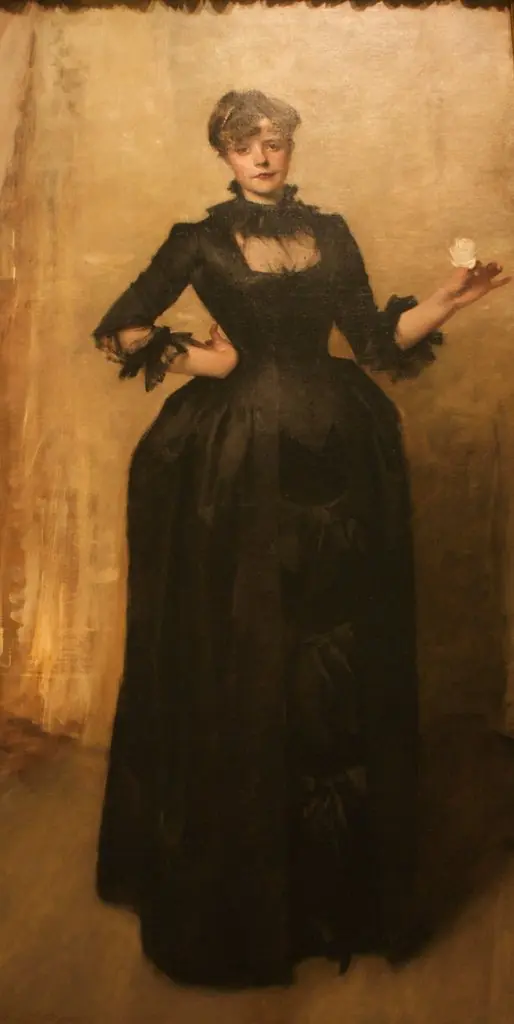
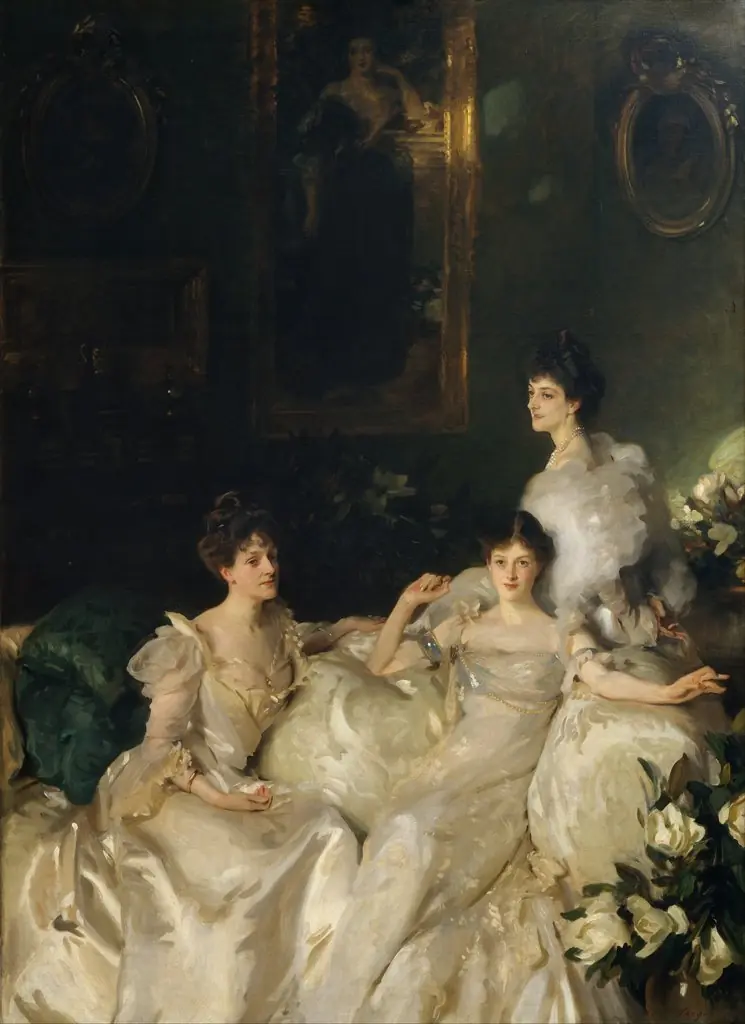
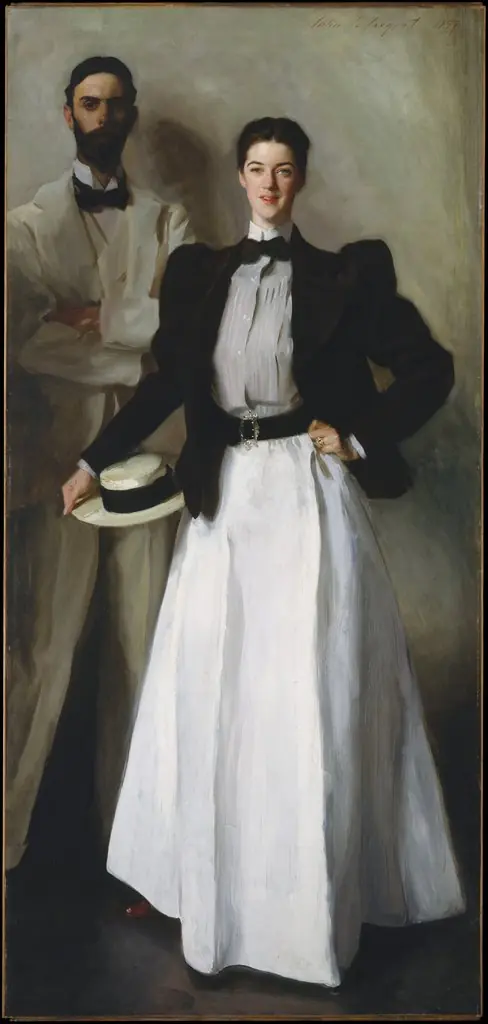

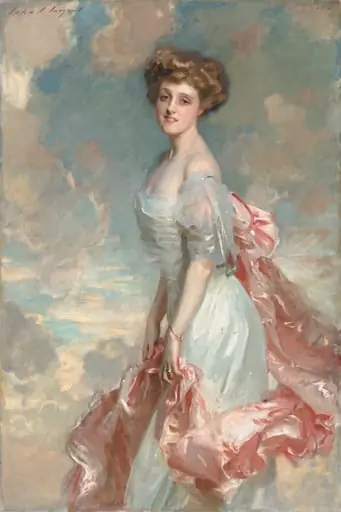
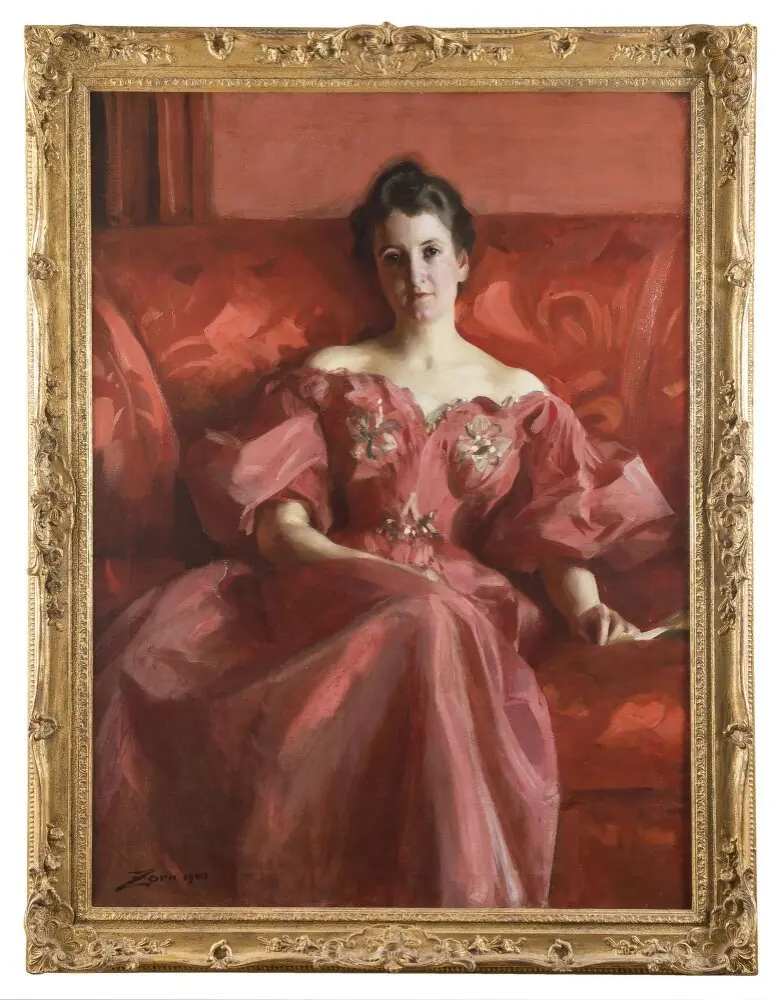 Mrs Abby Marion Deering Howe
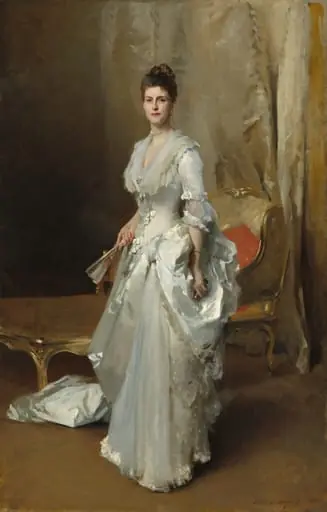 Margaret Stuyvesant Rutherfurd White (Mrs. Henry White)
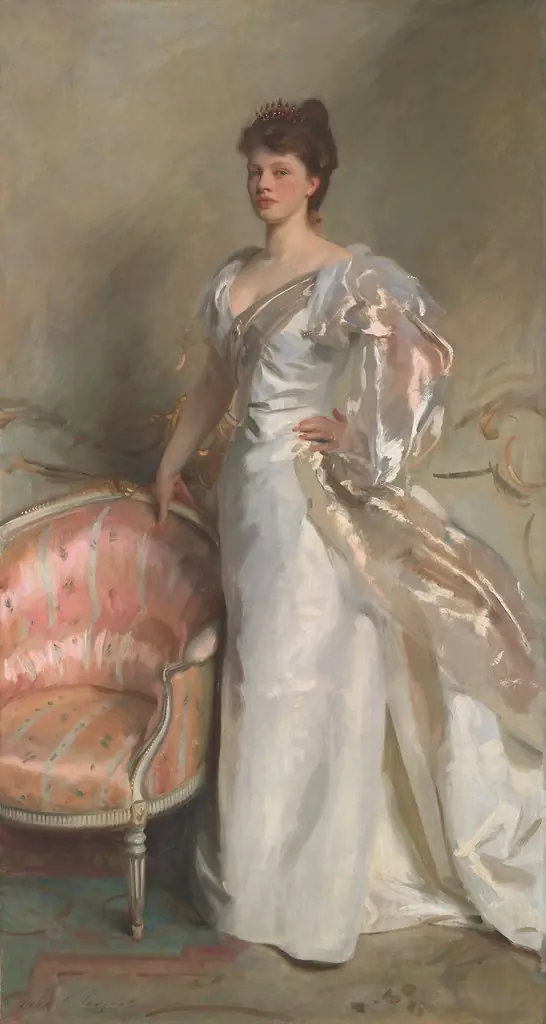 Mrs. George Swinton (Elizabeth Ebsworth)
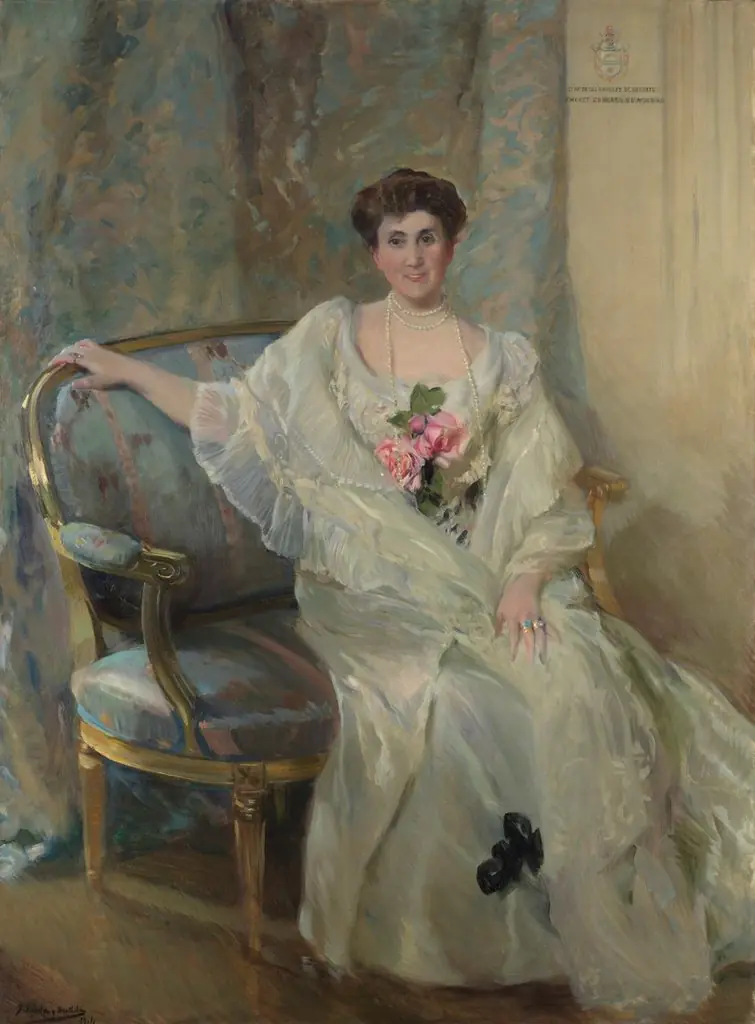 María de los Ángeles Beruete y Moret condesa viuda de Muguiro
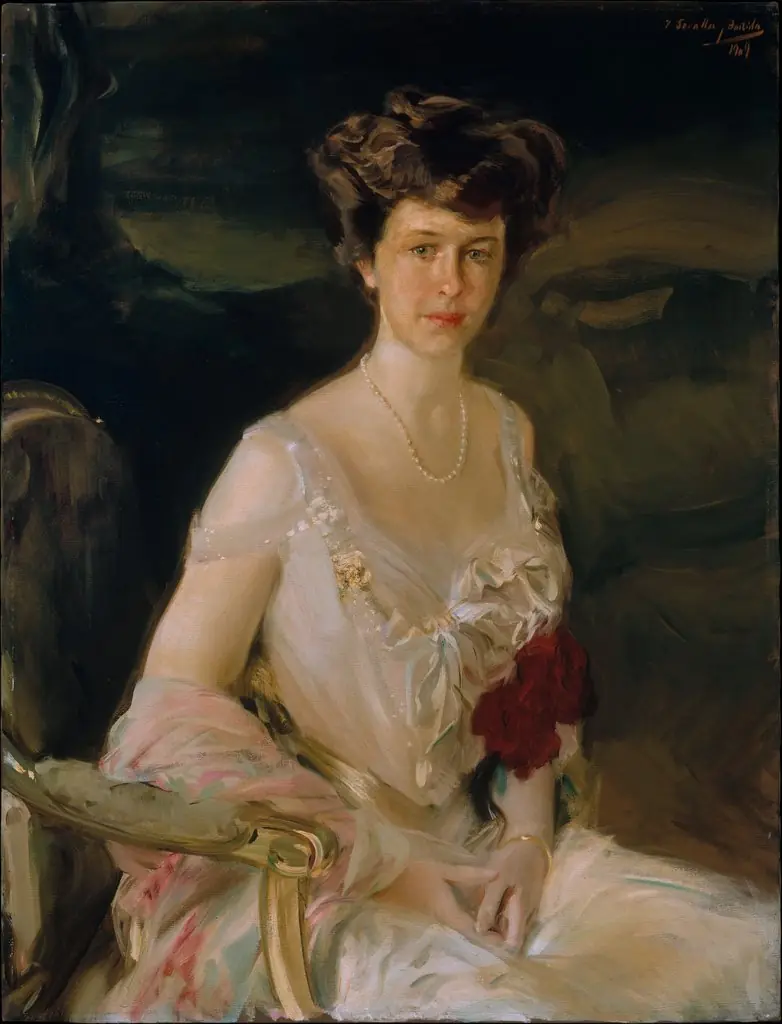 Mrs. Winthrop W. Aldrich (Harriet Alexander, 1888–1972)
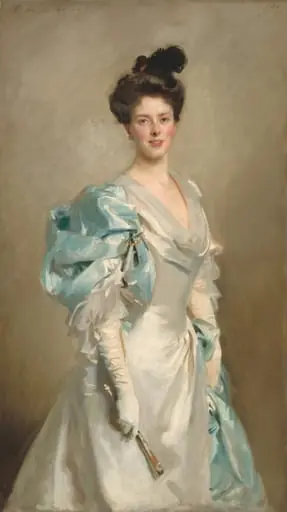 Mary Crowninshield Endicott Chamberlain (Mrs. Joseph Chamberlain)
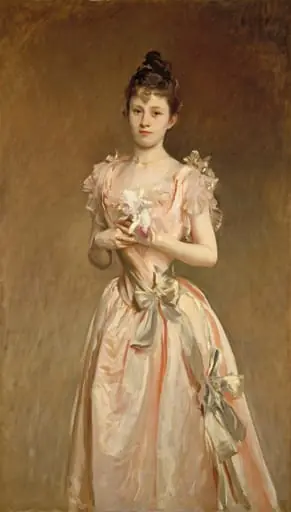 Miss Grace Woodhouse
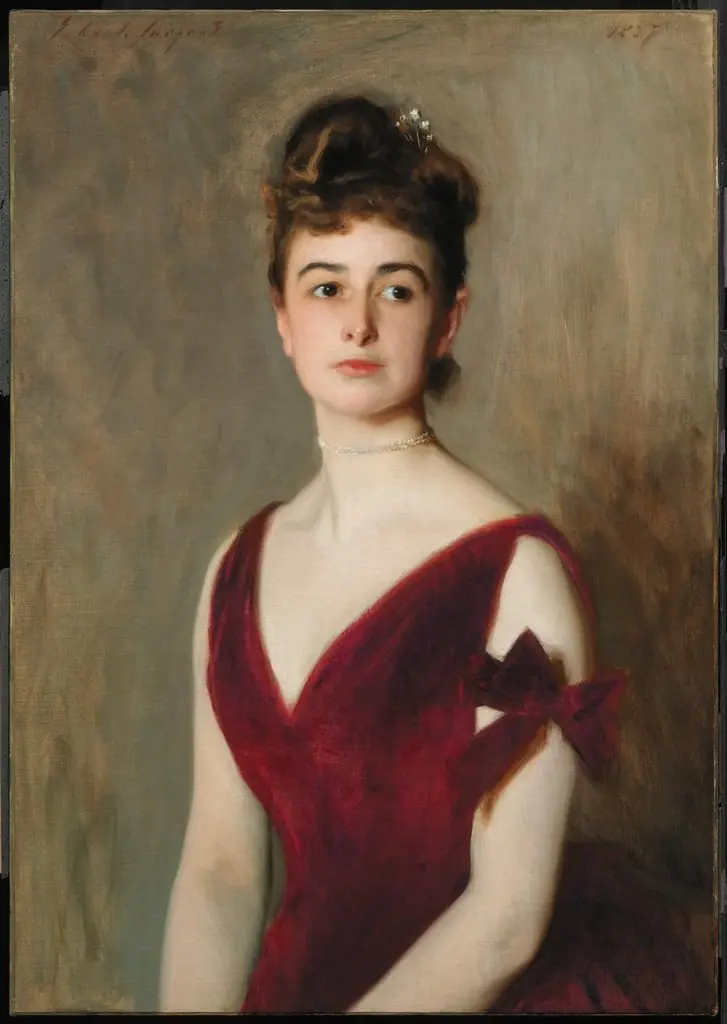 Mrs. Charles E. Inches (Louise Pomeroy)
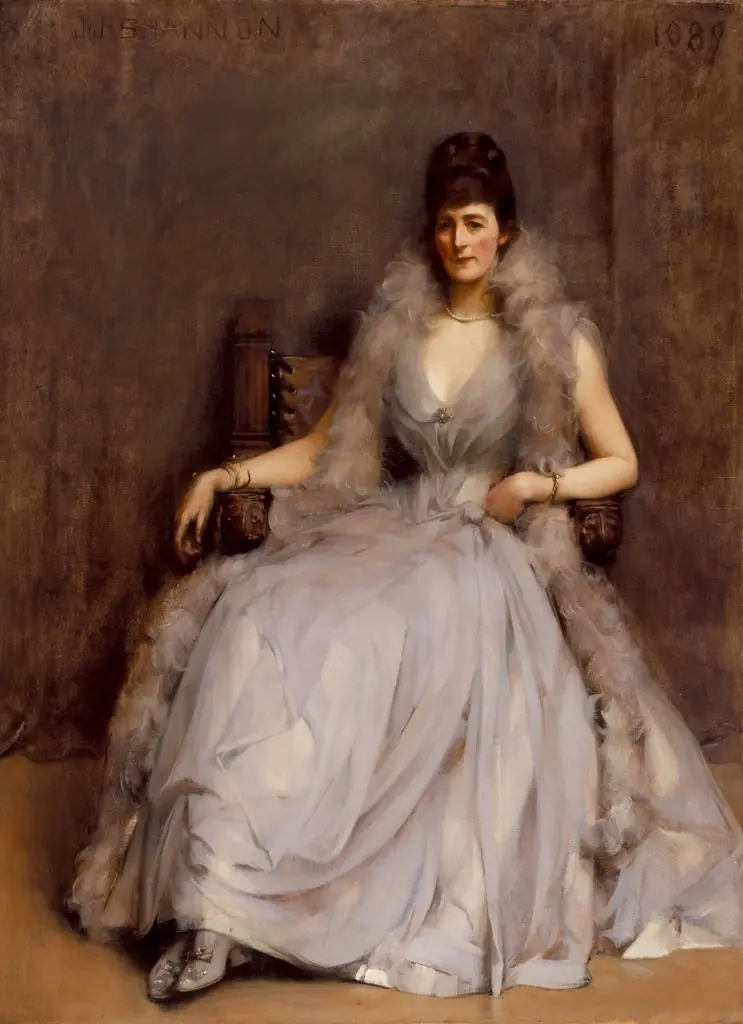 Portrait of Cecilia Tower
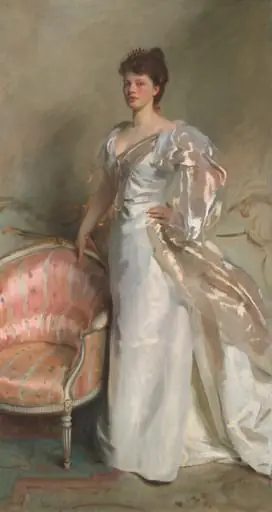 Mrs. George Swinton (Elizabeth Ebsworth)
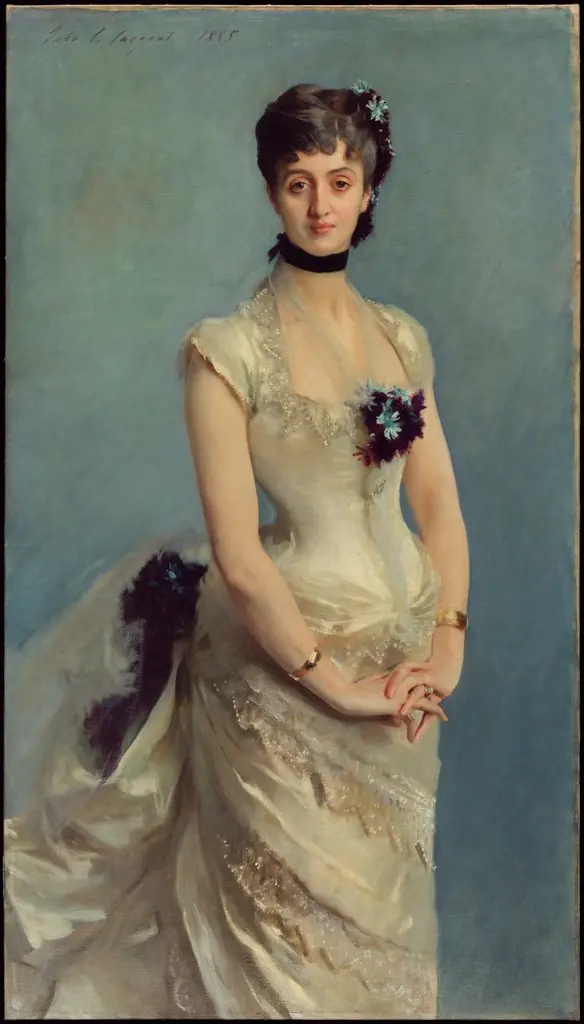 Portrait of Madame Paul Poirson
- Mrs. Potter Palmer