Artwork
Lady with the Rose
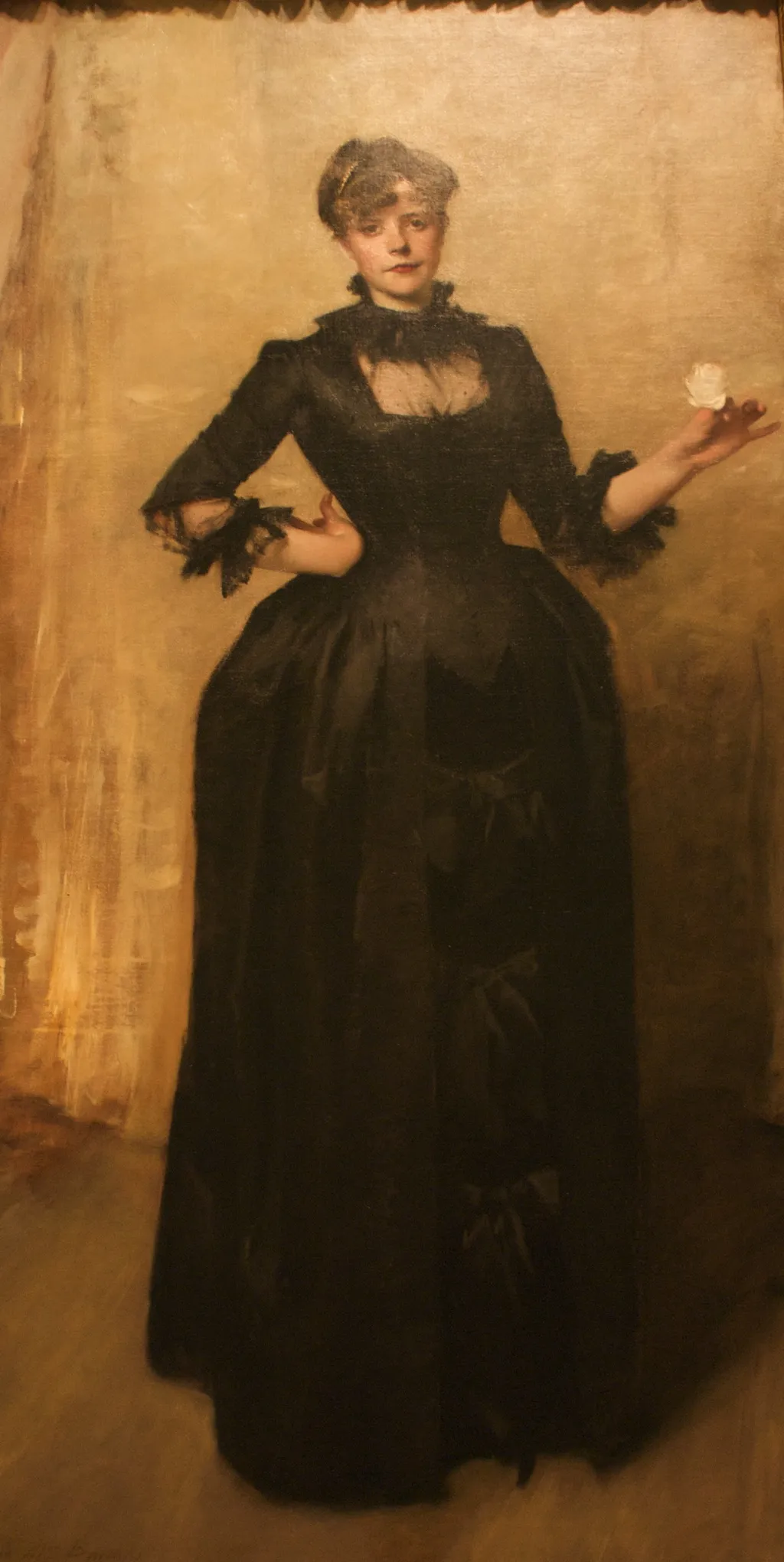
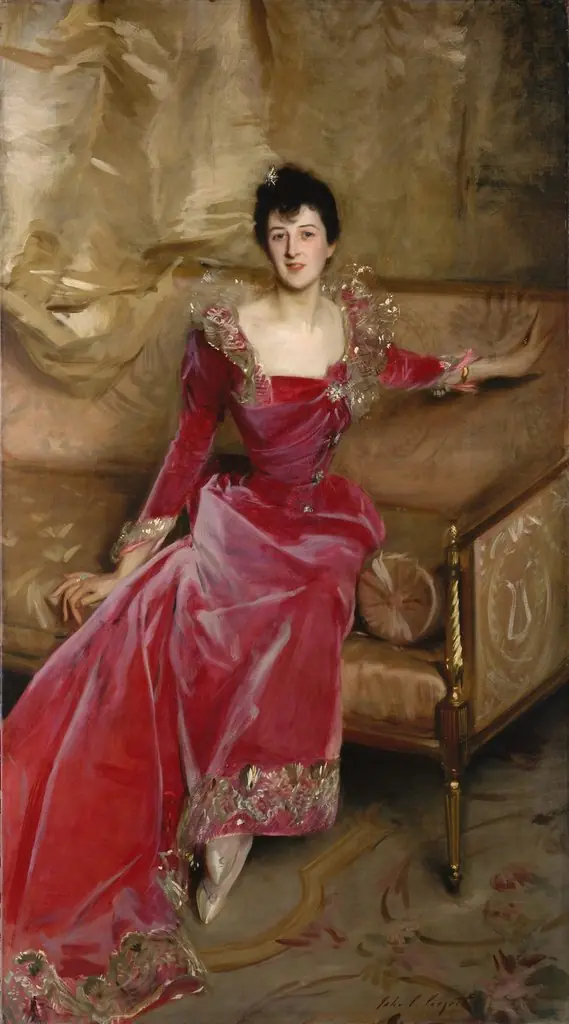
Lady with the Rose is an oil painting by the Academic Art artist John Singer Sargent. It dates from 1892 and is held in the collection of the Metropolitan Museum of Art.
About this work
Subject & Meaning
The subject of the 1882 painting is Charlotte Louise Burckhardt, a twenty-year-old member of John Singer Sargent's cosmopolitan Paris circle and the daughter of a Swiss merchant. The work functions as a formal portrait emphasizing her silhouette against a monochromatic background, a stylistic choice heavily influenced by the Spanish master Diego Velázquez. While the title highlights the rose she holds, the painting's deeper significance lies in its biographical context; it was created during a period when Sargent's relationship with Burckhardt was ambiguous, fueling public rumors of an engagement that never materialized.
Exhibited at the Paris Salon of 1882, the large-scale portrait served as a demonstration of Sargent's artistic versatility and was later gifted to the sitter's family, symbolizing a complex intersection of friendship, unfulfilled romantic speculation, and high academic portraiture before Burckhardt's early death.
Technique & Style
Its support is a stretched canvas, and the handling displays a restrained brushwork that builds form through subtle gradations rather than detailed modeling.
The painting is executed in oil on canvas, a medium typical of Sargent’s mature work【1†L1-L2】【2†L1-L2】. Its support is a stretched canvas, and the handling displays a restrained brushwork that builds form through subtle gradations rather than detailed modeling. Formal qualities are dominated by a near‑monochrome palette of black, white and gray, with strong contrasts that highlight the sitter’s silhouette and the delicate rendering of the rose【3†L1-L3】【4†L1-L3】.
The composition echoes Diego Velázquez in its pose, tonal restraint and emphasis on outline, a stylistic link noted by contemporary commentators【3†L4-L5】【4†L4-L5】. Exhibited at the 1882 Paris Salon, the work was praised for its academic poise and sophisticated tonal harmony【3†L5-L6】.
History & Provenance
John Singer Sargent painted Lady with the Rose in 1882, depicting Charlotte Louise Burckhardt, then twenty years old. The work was created during a period when Sargent's relationship with the Burckhardt family was complex; although rumors of an engagement circulated, the portrait served primarily as a friendship gesture. Exhibited at the Paris Salon of 1882 under the title Portrait de Mlle, the painting received critical acclaim.
Following its exhibition, it was gifted to the subject's mother, Mary Elizabeth Tomes Burckhardt. Upon Mary's death in 1899, the artwork was bequeathed to her eldest daughter, Valerie Hadden. Valerie subsequently donated the painting to the Metropolitan Museum of Art in New York City in 1932, where it has remained part of the permanent collection in Gallery 771.
Lady with the Rose is housed in the Metropolitan Museum of Art in New York, where it has been on view since 1932 in Gallery 771. The museum acquired the painting as a bequest from Mary Elizabeth Tome Burckhardt, who left it to her daughter Valerie Hadden, who donated the work to the Met in 1932; the accession is recorded under the museum’s standard inventory system for gifts, though the specific accession number is not published in the available sources. The portrait was first exhibited at the Salon de Paris in 1882, where it attracted considerable acclaim alongside Sargent’s El Jaleo.
Subsequent displays have included periodic presentations in the museum’s European paintings wing, most recently as part of the permanent collection exhibition.
Context
Critical reception of Lady with the Rose (1882) was overwhelmingly positive at the Paris Salon, where it was exhibited alongside Sargent’s El Jaleo. The painting’s monochromatic palette, strong silhouette, and Velázquez-inspired technique were widely praised for their sophistication and technical mastery, reinforcing Sargent’s reputation as a leading portraitist of his generation. The work’s inclusion at the Salon reflected Sargent’s deliberate strategy to demonstrate his versatility, balancing portraiture with genre painting.
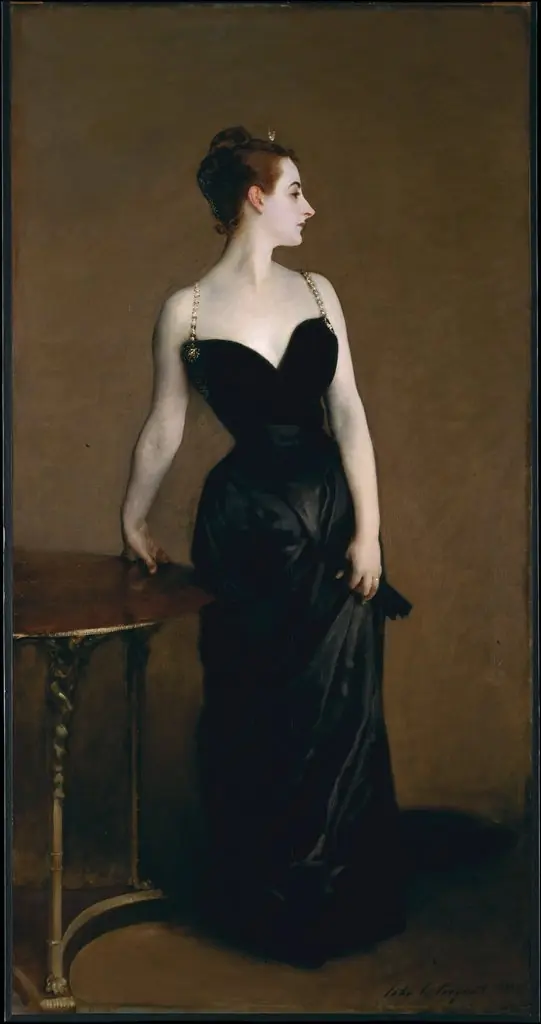
Art-historical scholarship has since framed the portrait as a pivotal example of Sargent’s engagement with Spanish Old Masters during his formative years in Paris. Its placement at the Metropolitan Museum of Art, donated by the sitter’s family in 1932, further cemented its status within canonical 19th-century portraiture, often contextualized alongside Sargent’s contemporaneous Madame X (1884) as a study in contrasting public reception.
Legacy
Exhibited to great acclaim at the Paris Salon of 1882, the work's immediate success helped solidify Sargent's reputation as a versatile artist capable of both portraiture and genre scenes. The painting's reception was instrumental in securing a major commission from Margaret Stuyvesant Rutherford for the portrait of Mrs. Henry White. Stylistically, the work is frequently cited for its monochromatic tones and emphasis on silhouette, which demonstrate Sargent's mastery of Diego Velázquez's influence.
Unlike the controversial reception of Madame X, which later prompted Sargent's move to London, Lady with the Rose was warmly received by the French public and press. Since its transfer to the Metropolitan Museum of Art in 1932, it has remained a cornerstone of the museum's collection, consistently displayed in Gallery 771 alongside other significant Sargent works.
Overview
John Singer Sargent's "Lady with the Rose," painted in 1882, is an oil portrait depicting Charlotte Louise Burckhardt, a young woman from the artist's social circle in Paris. The work received significant praise when it was exhibited at the Paris Salon that same year. Characterized by its subdued color scheme and focus on the sitter's form, the painting now resides in the collection of the Metropolitan Museum of Art.
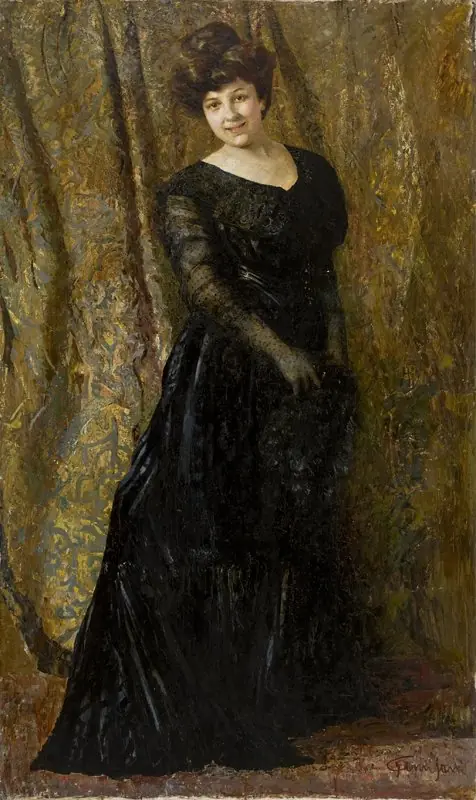
Artist & collection
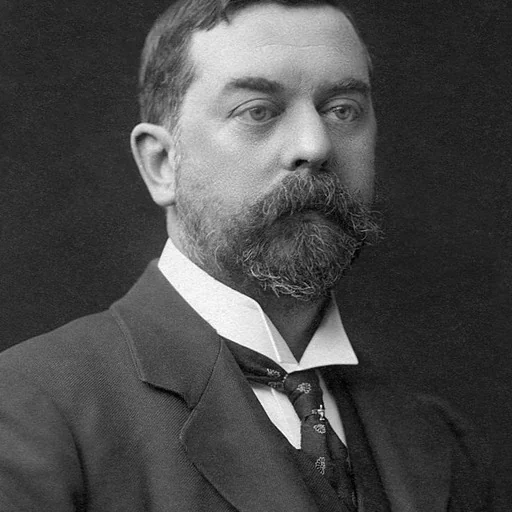
Artist
John Singer Sargent (; January 12, 1856 – April 15, 1925) was an American expatriate artist, considered the "leading portrait painter of his generation" for his evocations of Belle Époque and Edwardian-era luxury.

 Portrait of Isabel Llorach
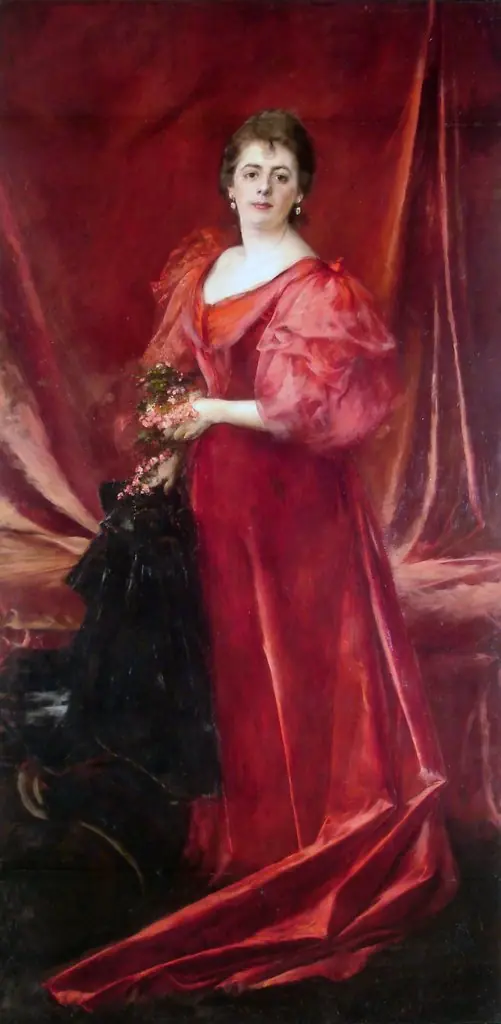 Retrato de la Sra. Maria de la Cárcova de Ferrari
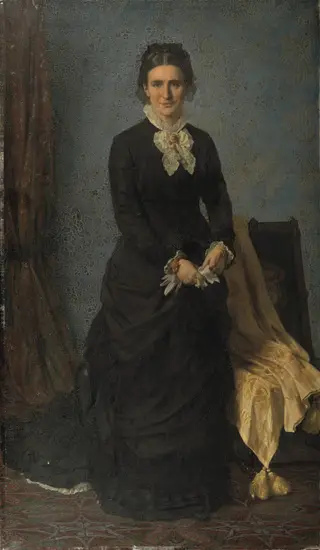 Kammerherreinde Caroline Amalie Meldahl, f. Ræder
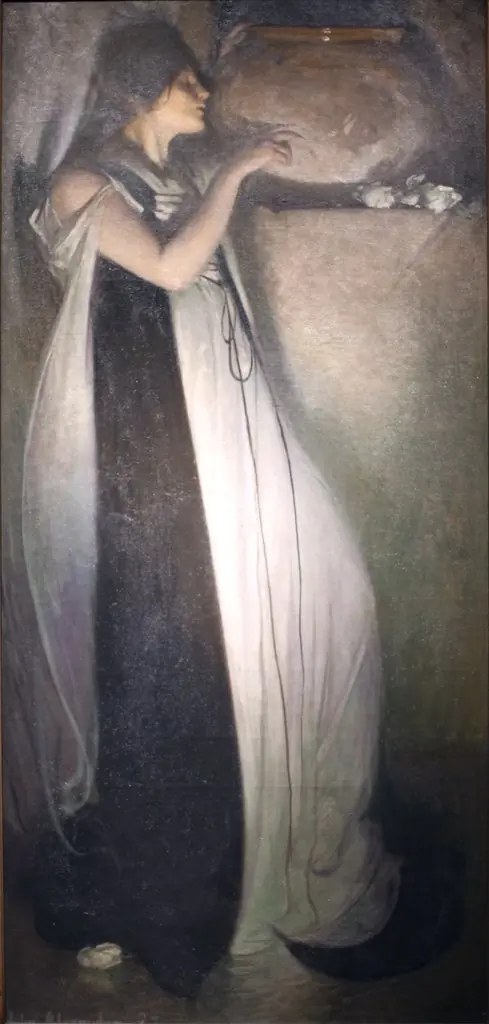 Isabella and the Pot of Basil
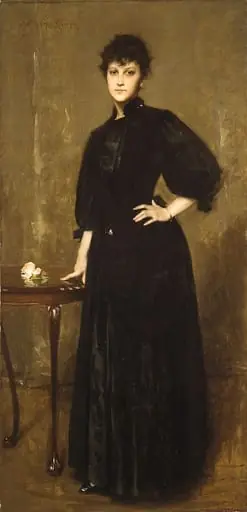 Lady in Black
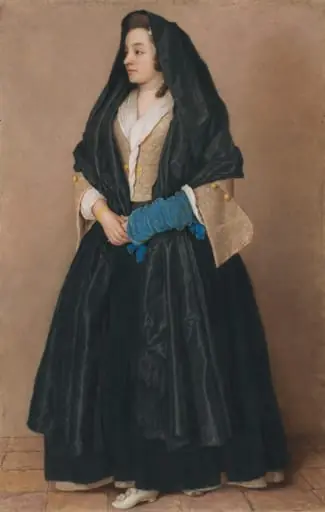 An Elegant Young Woman in Maltese Costume
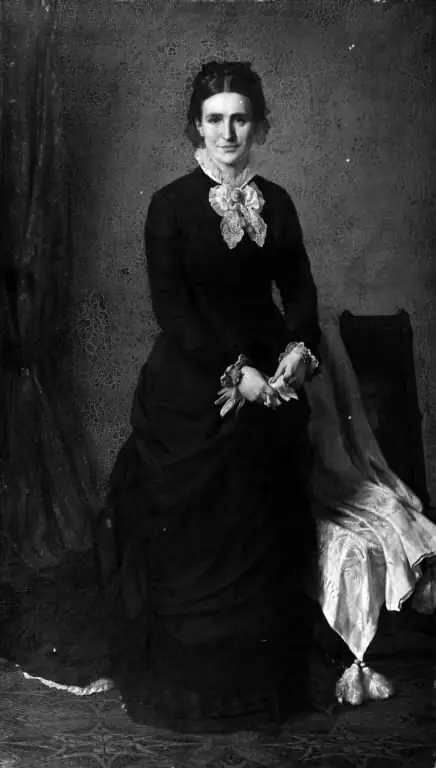 Kammerherreinde Caroline Amalie Meldahl, f. Ræder
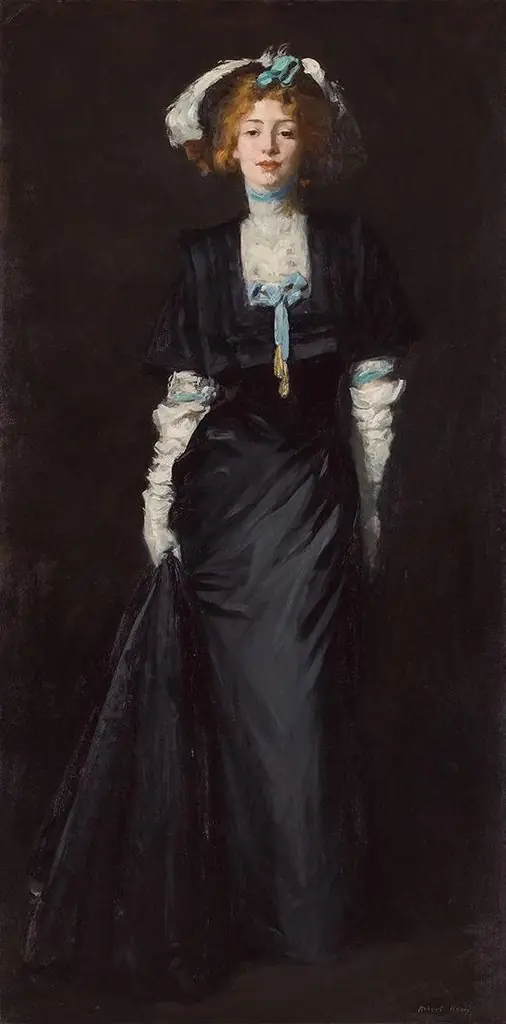 Jessica Penn in Black with White Plumes
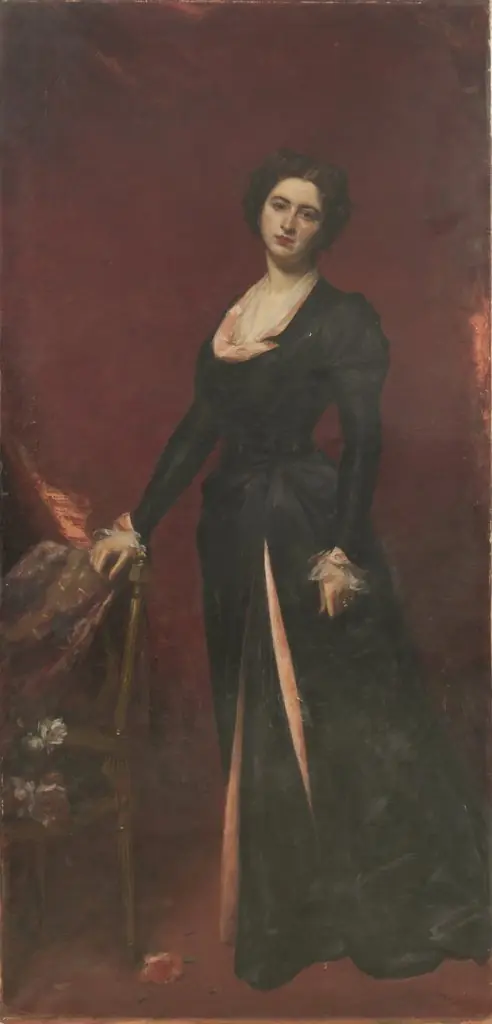 (Retrato de María del Carmen Reyna y Roballos de Fernández Blanco), Retrato de María Reyna de Fernández Blanco
 Young Woman in Black
 Constance Wynne-Roberts, Mrs Ernest Hills of Redleaf (died 1932)
- Standing lady