Artwork
Viana do Castelo
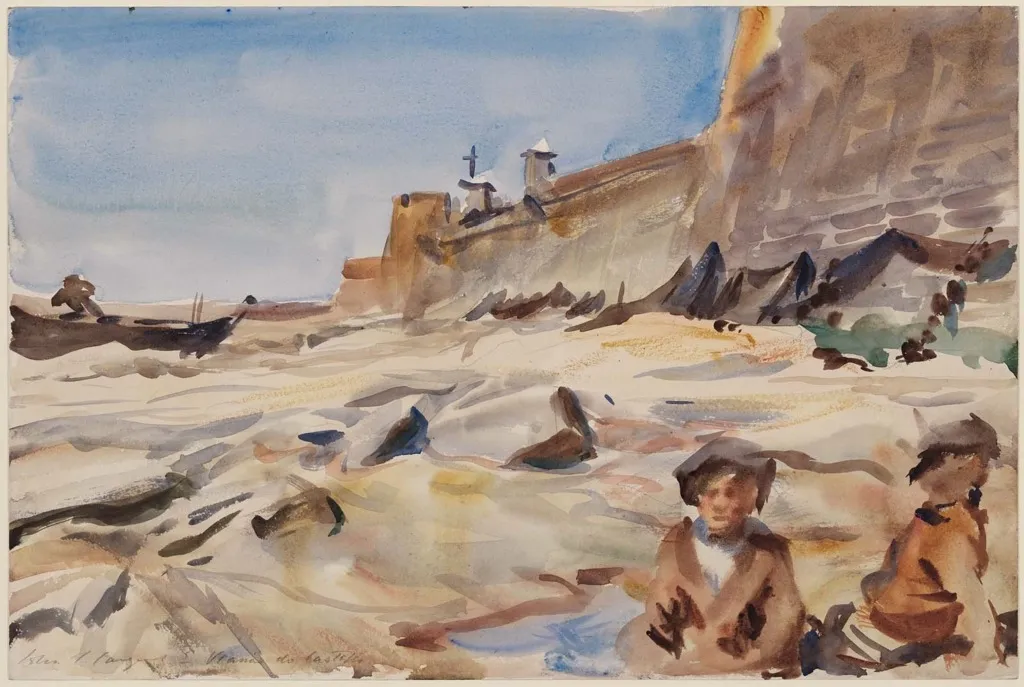
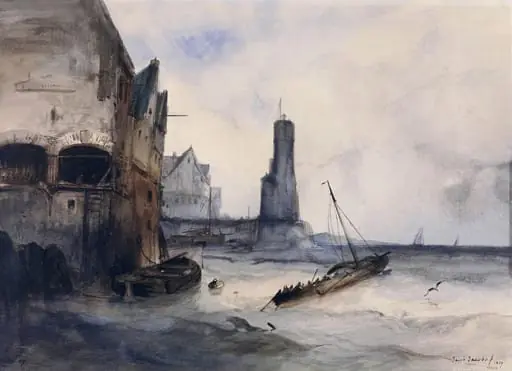
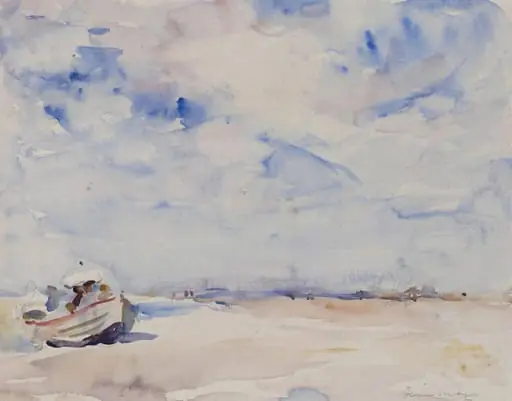
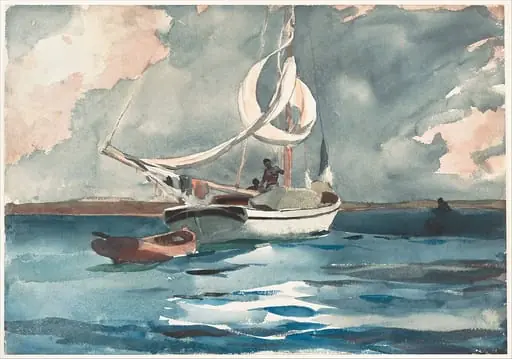
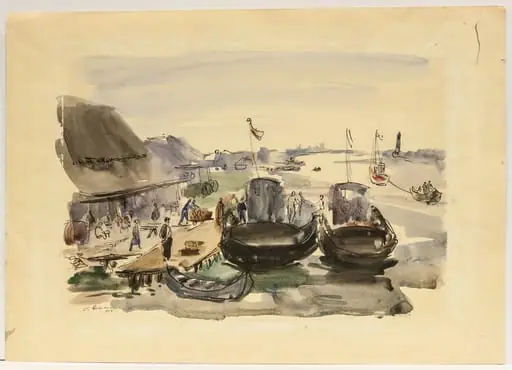
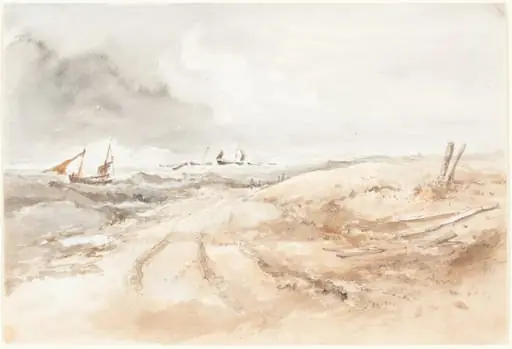
Viana do Castelo is a watercolor painting by John Singer Sargent. It dates from 1903 and is held in the collection of the Museum of Fine Arts Boston.
About this work
Overview
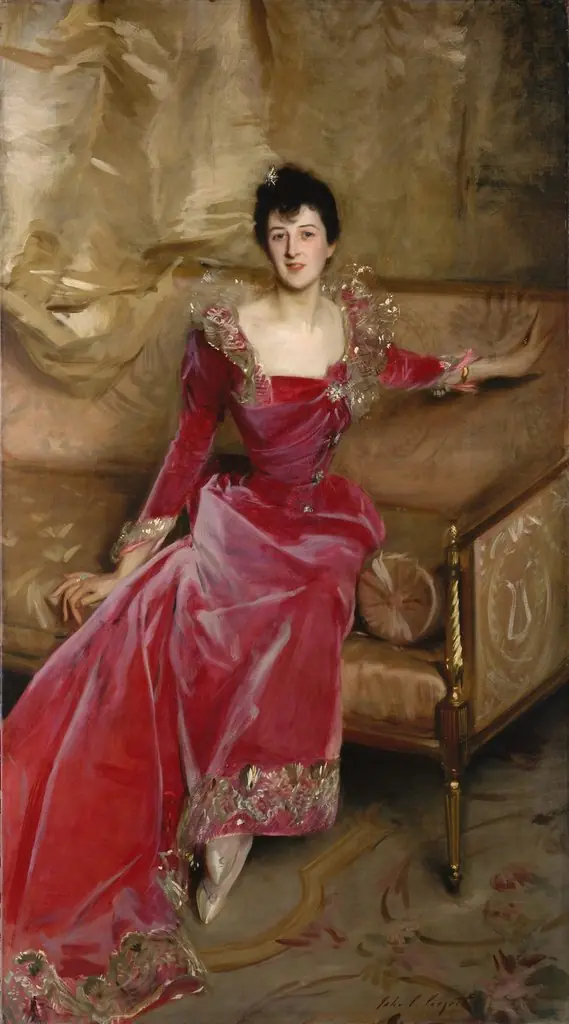
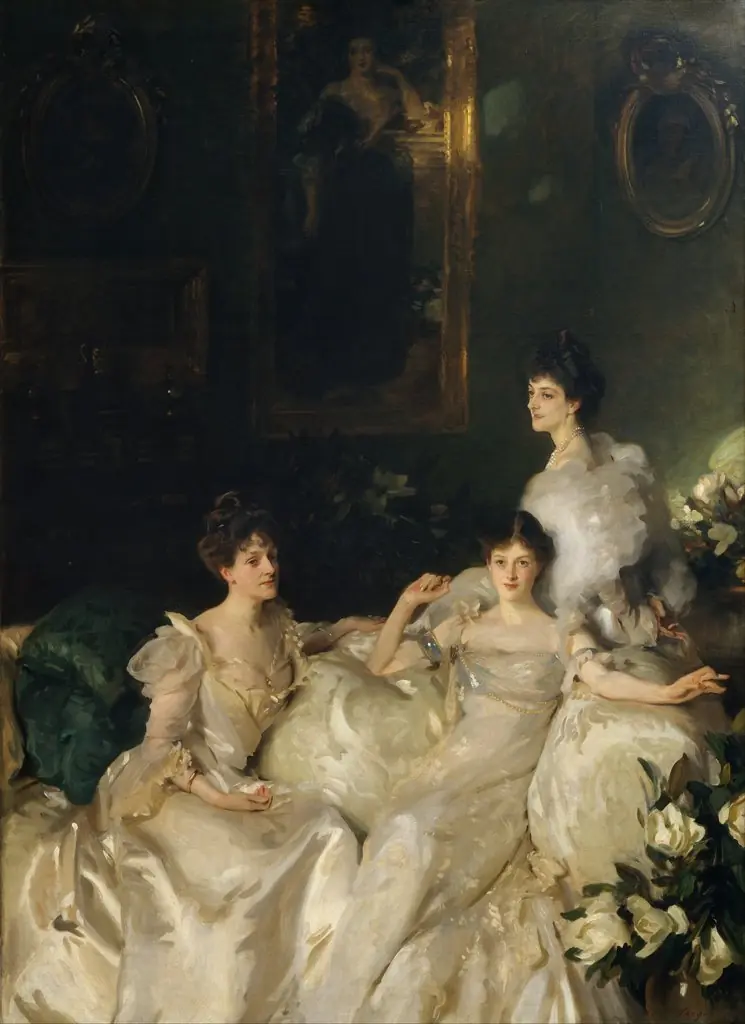
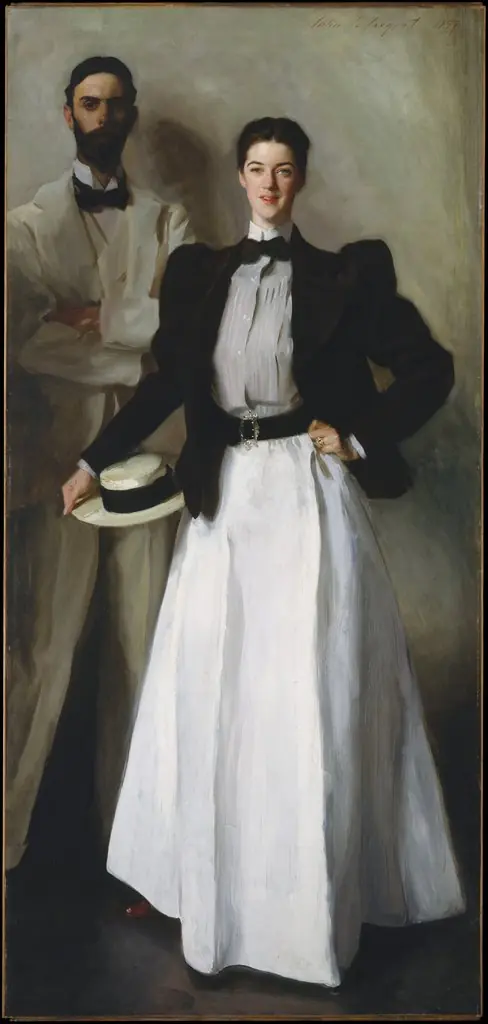
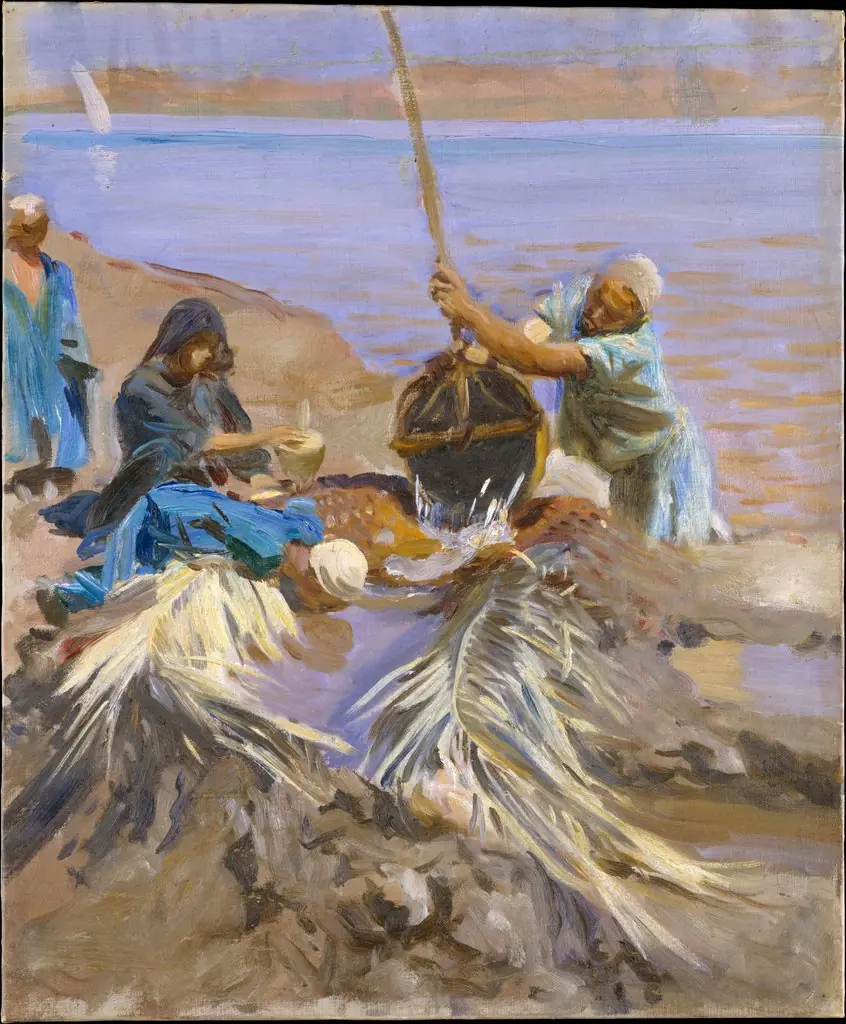
Though best known for formal oil portraits, Sargent produced more than two thousand watercolors during his career, often during travels.
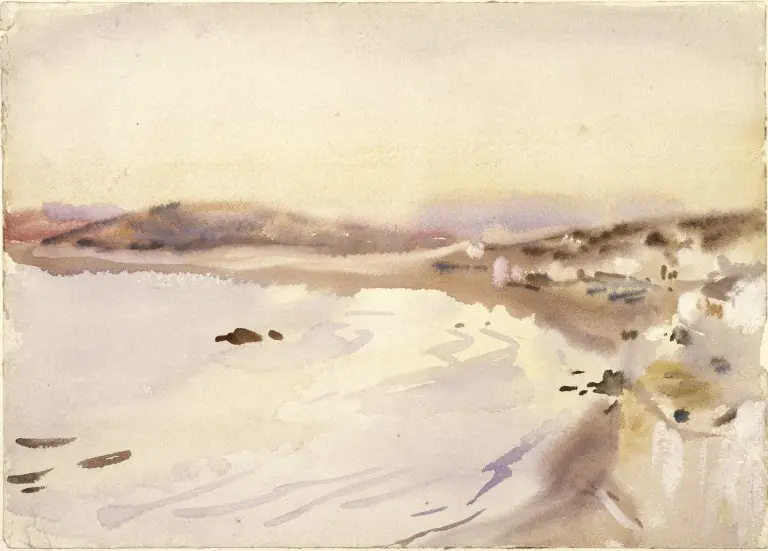
Painted in 1903, Viana do Castelo is a watercolor by John Singer Sargent, capturing a coastal scene in northern Portugal. Though best known for formal oil portraits, Sargent produced more than two thousand watercolors during his career, often during travels. This piece reflects his interest in spontaneous, light-filled landscapes, executed with fluid brushwork and a restrained palette that emphasizes atmosphere over detail.
Subject & Meaning
The painting shows two boys seated on a beach, dressed simply in everyday clothing, one wearing a hat and the other a striped shirt. Behind them rises a substantial stone structure crowned with a cross, likely a local chapel or monument. The figures appear absorbed in quiet contemplation, their presence grounding the scene in human scale against the vastness of sea and sky, suggesting a moment of stillness amid a familiar coastal environment.
Technique & Style
Sargent employed watercolor with loose, confident strokes, allowing the paper’s texture to show through and creating luminous transitions between sky, sea, and land. The soft blending of blues and whites in the sky, the muted earth tones of the shore, and the sharp silhouette of the stone structure demonstrate his mastery of the medium’s transparency and spontaneity. Brushwork is economical yet evocative, conveying texture and light without heavy detail.
History & Provenance
Created during one of Sargent’s many European journeys, the painting entered the collection of the Museum of Fine Arts, Boston, where it remains today. It is one of hundreds of watercolors he produced between the 1880s and 1910s, often as personal studies rather than commissioned works. These pieces were rarely exhibited publicly during his lifetime but were later recognized for their artistic significance.
Context
In the early 20th century, Sargent increasingly turned to watercolor as a means of personal expression outside the demands of portraiture. His travels across Portugal, Spain, and Italy provided rich subject matter, and he often painted en plein air, responding directly to natural light and local architecture. Viana do Castelo reflects this period of artistic exploration, where landscape became a vehicle for technical experimentation and quiet observation.
Legacy
Sargent’s watercolors, including Viana do Castelo, have come to be regarded as vital to understanding his full artistic range. They reveal a sensitivity to place and light that contrasts with the formality of his portraits. Today, these works are studied for their technical innovation and their role in expanding the status of watercolor as a serious medium in modern art.
Artist & collection

Artist
John Singer Sargent (; January 12, 1856 – April 15, 1925) was an American expatriate artist, considered the "leading portrait painter of his generation" for his evocations of Belle Époque and Edwardian-era luxury.