Artwork
Portrait of the Artist
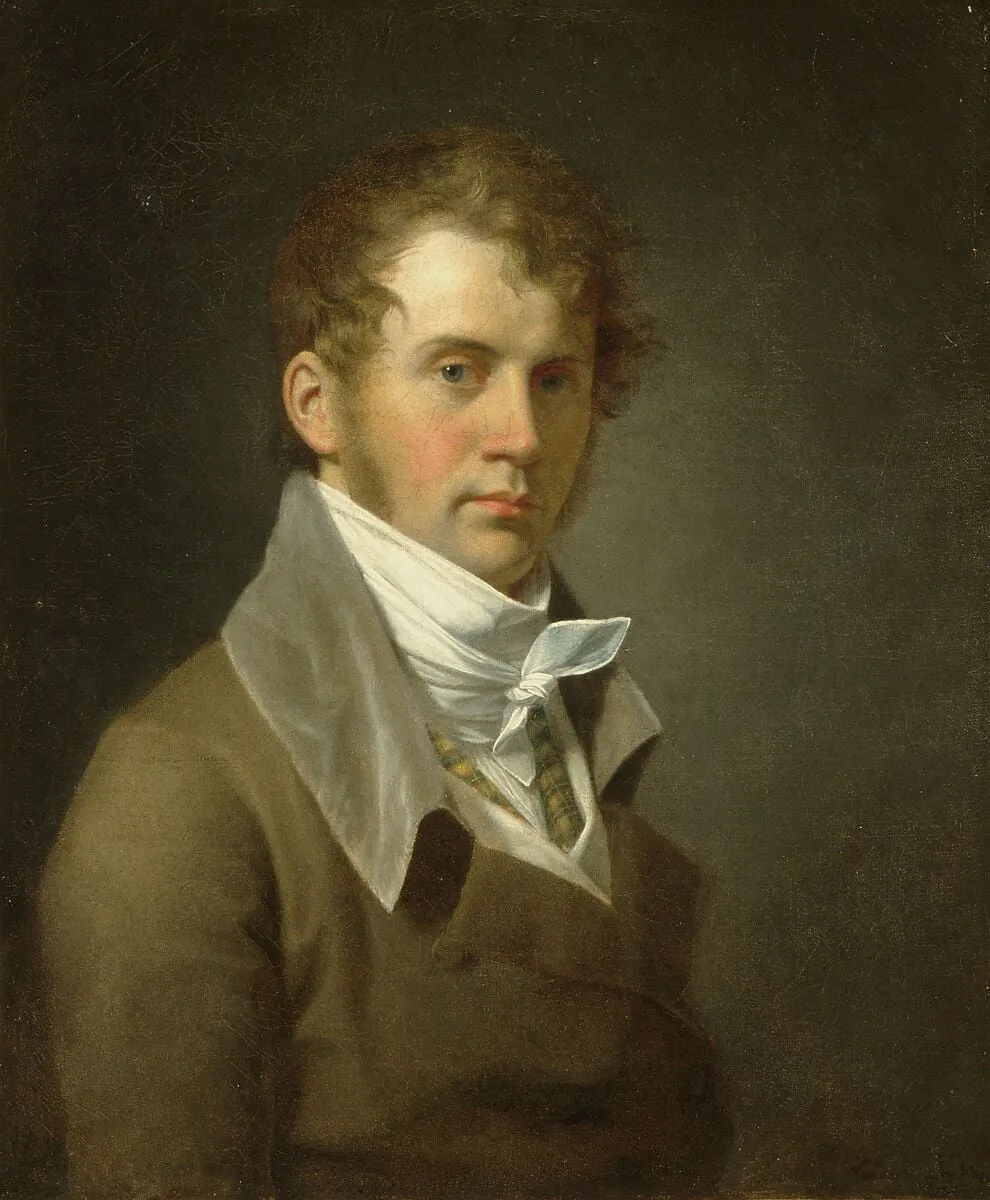
Portrait of the Artist is an oil painting by the American Folk Art artist John Vanderlyn. It dates from 1800 and is held in the collection of the Metropolitan Museum of Art.
- Accession no.
- 18.118
- Credit line
- Bequest of Ann S. Stephens, in memory of her mother, Mrs. Ann S. Stephens, 1918
About this work
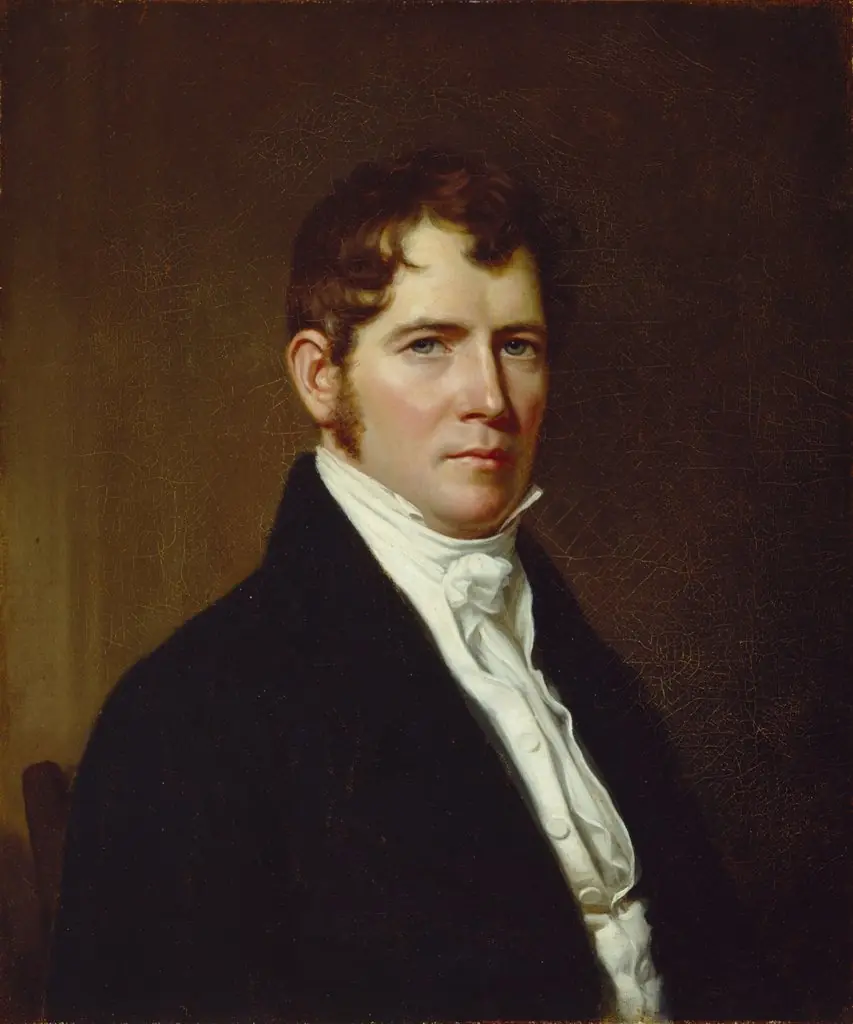
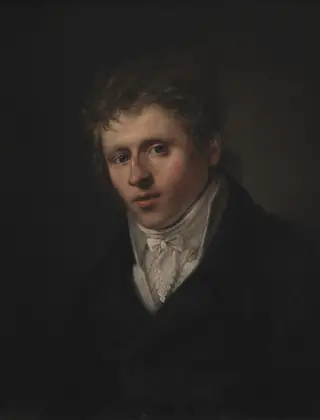
A young man in a dark coat looks straight out, one hand tucked into his vest, his face lit softly as if by candle against a black ground. He is John Vanderlyn, painting himself in 1800, one of the first American artists to train in Paris. He brought home chiaroscuro, where deep shadow makes light read brighter, set beneath a quiet, plainly American confidence.
Subject & Meaning
As a self-representation, the painting asserts the artist’s professional role and self-awareness within the emergent national art scene of 1800.
The work is a self-portrait by John Vanderlyn, depicting the artist as a man in three-quarter view against a neutral ground. The figure’s direct gaze and restrained attire emphasize individual presence rather than allegorical flourish, aligning with early American portrait conventions of personal identity over symbolic excess. As a self-representation, the painting asserts the artist’s professional role and self-awareness within the emergent national art scene of 1800.
Technique & Style
Executed in oil on canvas in 1800, the self-portrait employs a smooth, tightly controlled handling typical of early American academic portraiture. The artist’s face is rendered with precise, delicate modeling in light and shadow, suggesting an emphasis on naturalistic likeness and individual character. Subtle glazing contributes to the refined flesh tones and subdued palette, while the restrained brushwork avoids overt textural emphasis.
The composition is frontal and symmetrical, focusing attention on the sitter’s direct gaze and composed demeanor. No evidence of significant abrasion or loss is reported, indicating the work’s generally sound condition.
History & Provenance
John Vanderlyn created the oil-on-canvas self-portrait titled Portrait of the Artist in 1800. The work depicts the artist himself and is currently held in the collection of the Metropolitan Museum of Art, where it is classified within The American Wing. While the specific commission details are not recorded in the available data, the painting's inception is dated to January 1, 1800.
The canvas measures 64.1 centimeters in height and 53 centimeters in width. The piece serves as a primary visual record of Vanderlyn during the turn of the nineteenth century, establishing his presence in the institution's holdings. No further details regarding the ownership chain prior to its acquisition by the museum are provided in the source material.
John Vanderlyn's 1800 self-portrait is part of the collection of the Metropolitan Museum of Art, where it is classified under The American Wing. Measuring 64.1 by 53 centimeters, the oil on canvas painting depicts the artist himself. The provided sources do not document a specific inventory or accession number, nor do they record an exhibition history for the artwork.
Overview
Painted in 1800, John Vanderlyn's Portrait of the Artist is a self-portrait executed in oil on canvas during the artist's early career. The composition features the young painter from the chest up, positioned against a stark, unadorned black background that isolates the figure. Vanderlyn depicts himself wearing a dark coat with one hand tucked into his waistcoat, a pose characteristic of late 18th-century portraiture.
His face is illuminated by a soft, directional light that highlights his features while leaving the rest of the figure in shadow, demonstrating an early mastery of chiaroscuro. This technique reflects the influence of his studies in Paris, where he became one of the first American artists to receive formal training in Europe. The work serves as a significant document of Vanderlyn's development as a neoclassical painter before his later, more ambitious history paintings.
It captures the artist at a pivotal moment of professional formation, showcasing his ability to synthesize European academic traditions with a direct, American sensibility. The painting remains a key example of early American portraiture, illustrating the transition of artistic standards in the young republic.
Context
As one of the earliest American painters to train in Paris, John Vanderlyn played a significant role in transmitting European artistic trends across the Atlantic. His exposure to academic traditions and specific techniques like chiaroscuro influenced his own work and, by extension, the developing landscape of American art. This self-portrait exemplifies the cross-cultural exchange inherent in his artistic formation.
Artist & collection


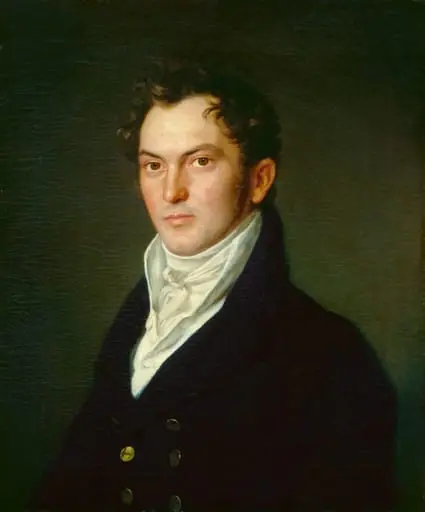
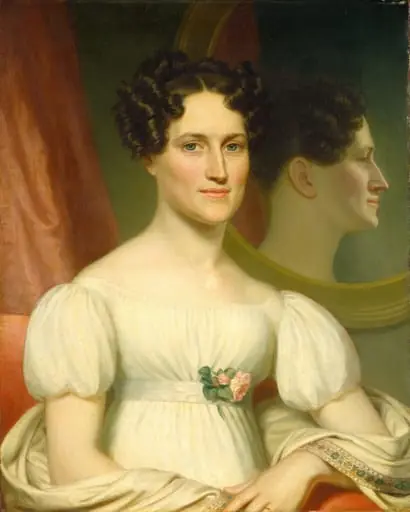
- Adolph Friedrich Theodor Gritzner
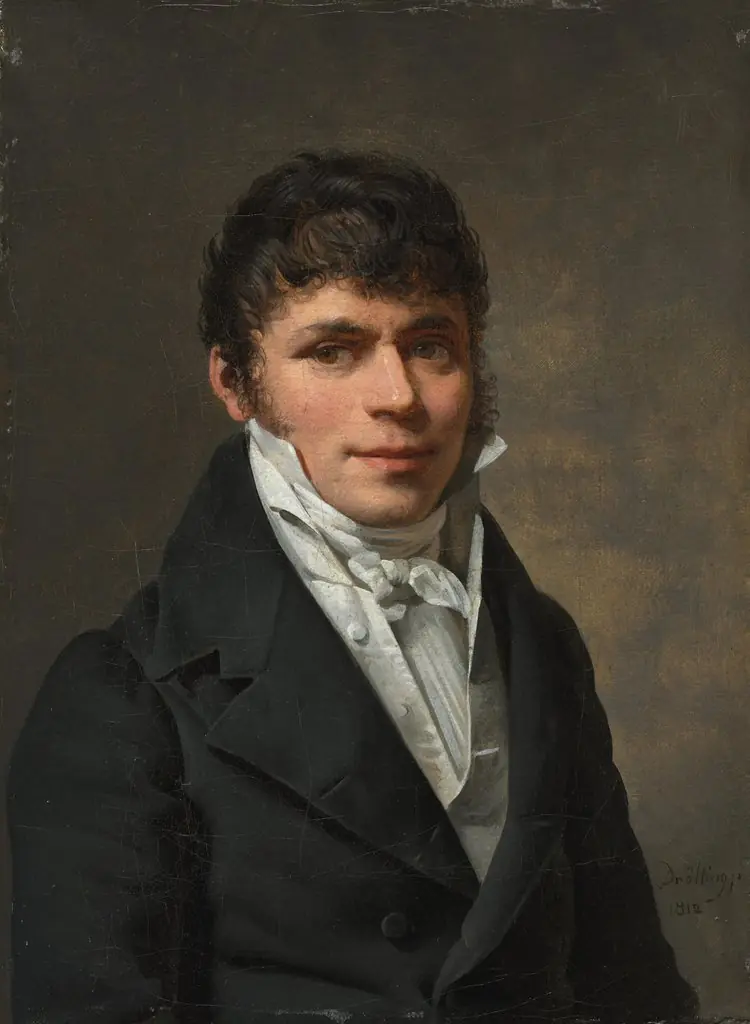 Nicolas Louis Faret and Madame Nicolas Louis Faret
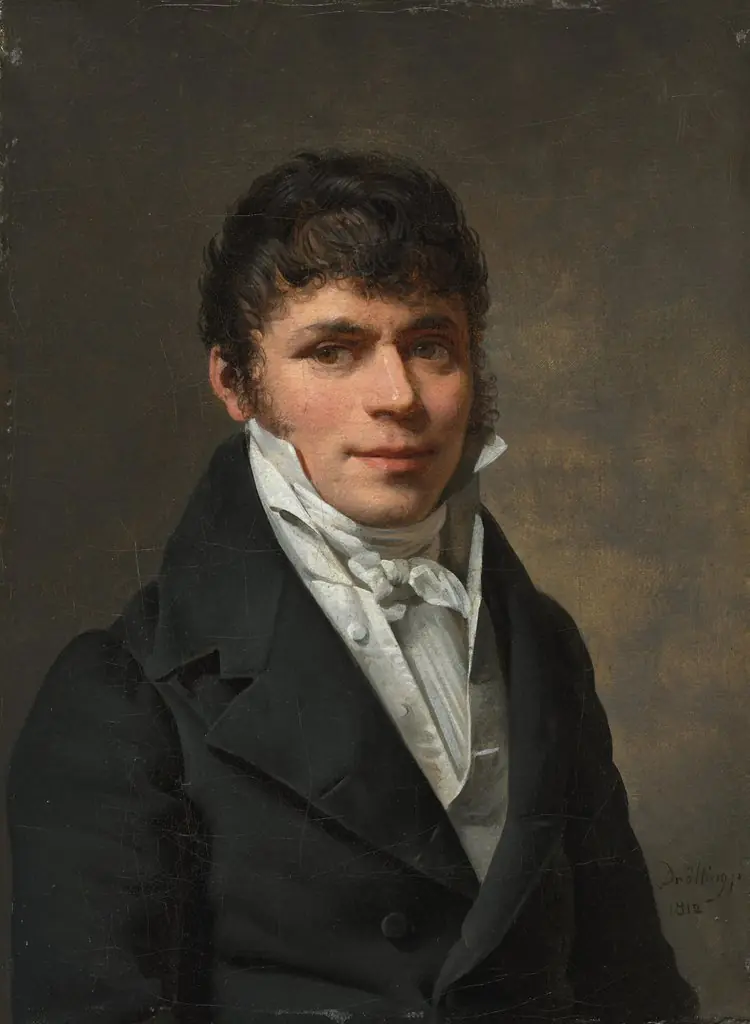 Nicolas Louis Faret
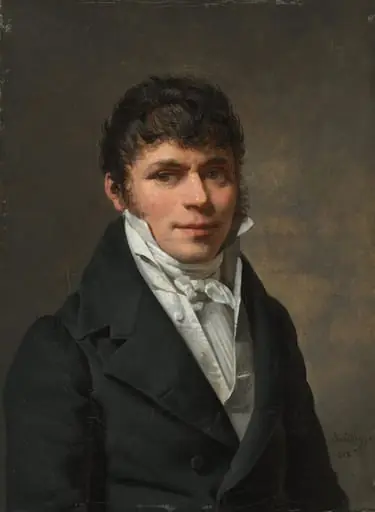 Nicolas Louis Faret
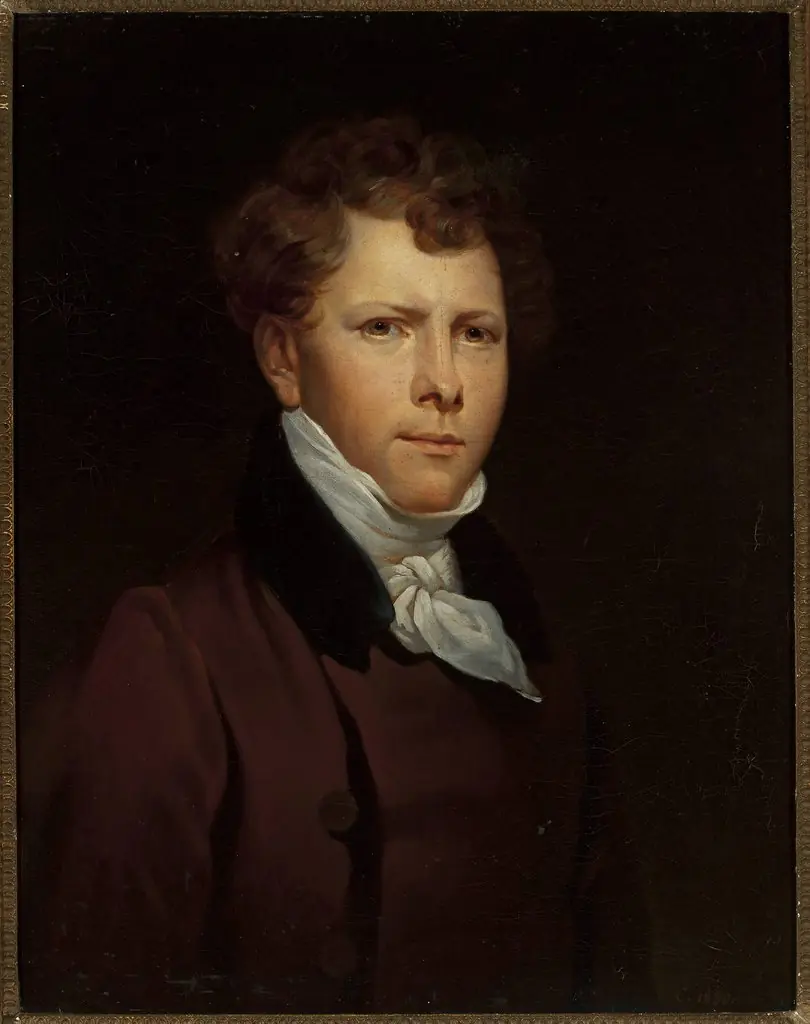 Copy of “Self-portrait” of Antoni Brodowski
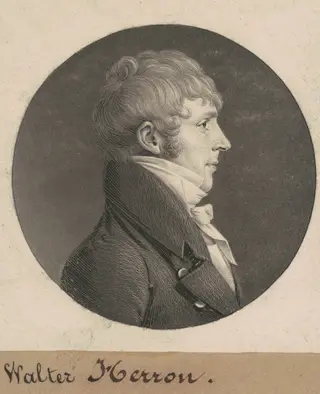 Walter Herron
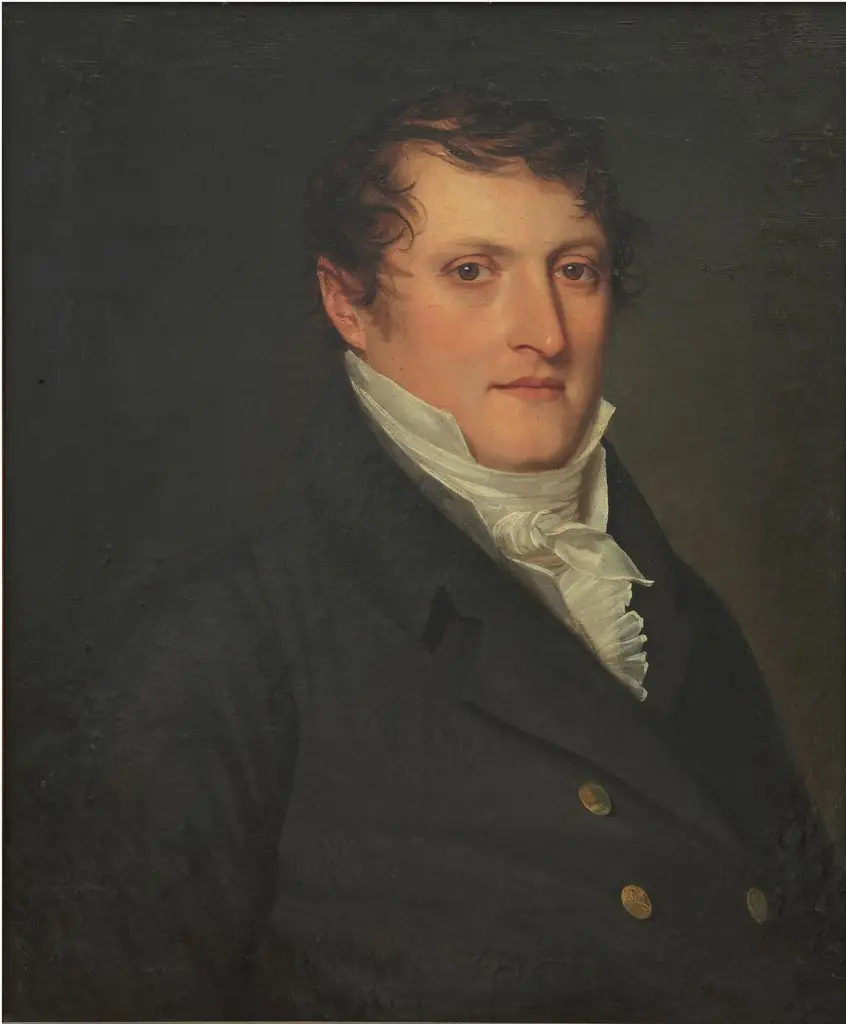 Retrato del Gral. Manuel Belgrano
 Portrait of a Man
 Self-Portrait
 Self-Portrait
 Johann Carl Friedrich Bruch
 Portrait of the painter Johan Christian Dahl