Artwork
Self-Portrait
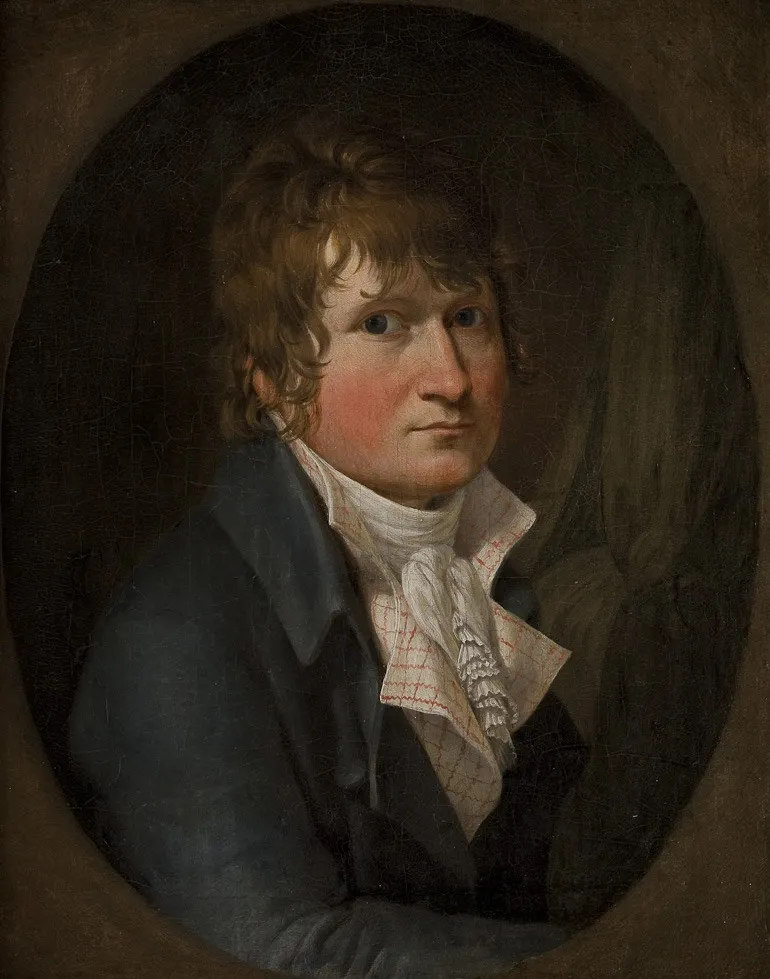
Self-Portrait is an oil painting by the Neoclassicist artist Christoffer Wilhelm Eckersberg. It dates from 1811 and is held in the collection of the Statens Museum for Kunst.
About this work
Technique & Style
The small dimensions and oil-on-canvas construction are consistent with a closely observed studio work rather than a commissioned portrait.
The Self-Portrait is executed in oil paint on canvas, a standard support for Eckersberg's easel paintings of this period. The work is modest in scale, measuring 40.7 cm in height by 34 cm in width, an intimate format suited to the introspective character of a self-portrait study. Classified as a painting within the portrait genre, it depicts the artist himself and reflects the careful, controlled handling associated with Eckersberg's early practice.
The small dimensions and oil-on-canvas construction are consistent with a closely observed studio work rather than a commissioned portrait.
History & Provenance
Christoffer Wilhelm Eckersberg's Self-Portrait was created in 1811, executed in oil paint on canvas. The painting entered the collection of the Statens Museum for Kunst, where it remains held. It was later featured in the exhibition "A beautiful lie - Eckersberg," as recorded in its documented exhibition history.
Christoffer Wilhelm Eckersberg's 1811 oil self-portrait is held in the collection of the Statens Museum for Kunst. The work measures 40.7 cm in height and 34 cm in width. It has been featured in the exhibition titled "A beautiful lie - Eckersberg."
Overview
Christoffer Wilhelm Eckersberg’s 1811 oil self‑portrait presents the artist in a restrained pose, rendered in the clear, measured manner typical of early Danish neoclassicism. The canvas, now housed in Denmark’s National Gallery of Art, offers a concise visual record of Eckersberg’s appearance and his approach to portraiture during the formative years of his career.
Subject & Meaning
The sitter is a middle‑aged man with curly brown hair, dressed in a dark coat and a white cravat edged with a faint red pattern. His gaze meets the viewer directly, while his neutral expression suggests a contemplative, almost documentary intent rather than overt self‑celebration, inviting the audience to consider the artist’s own identity and professional seriousness.
Context
Eckersberg, often called the “Father of Danish painting,” was instrumental in establishing a rigorous academic tradition at the Royal Danish Academy of Fine Arts. This self‑portrait, produced shortly after his return from study in Rome, embodies the synthesis of French neoclassical training and emerging Danish sensibilities that would shape the Golden Age of Danish art.
Artist & collection
Artist
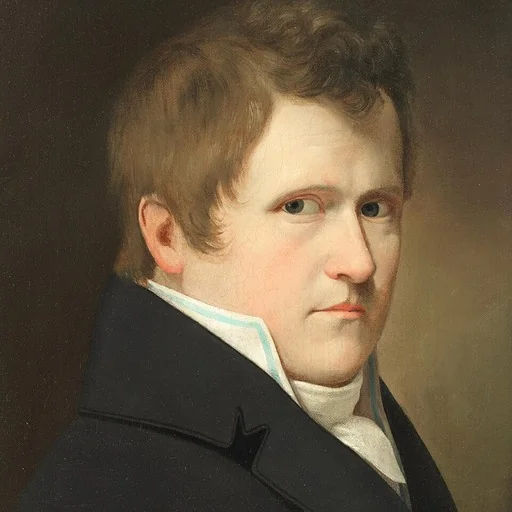
Christoffer Wilhelm Eckersberg
Christoffer Wilhelm Eckersberg (2 January 1783 – 22 July 1853) was a Danish painter.

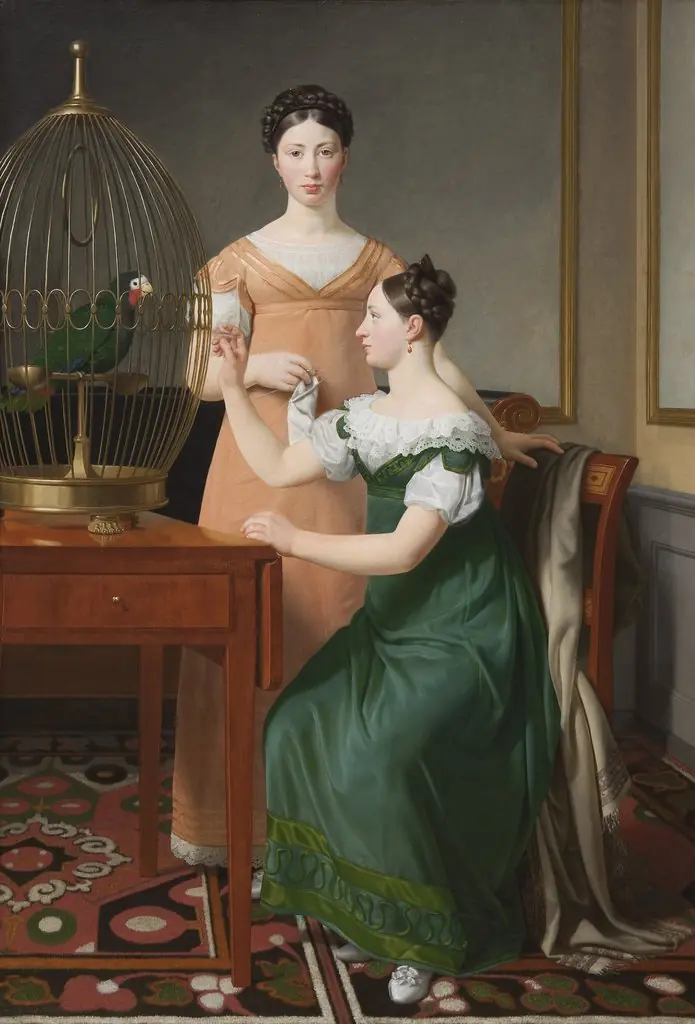 Bella and Hanna. The Eldest Daughters of M. L. Nathanson
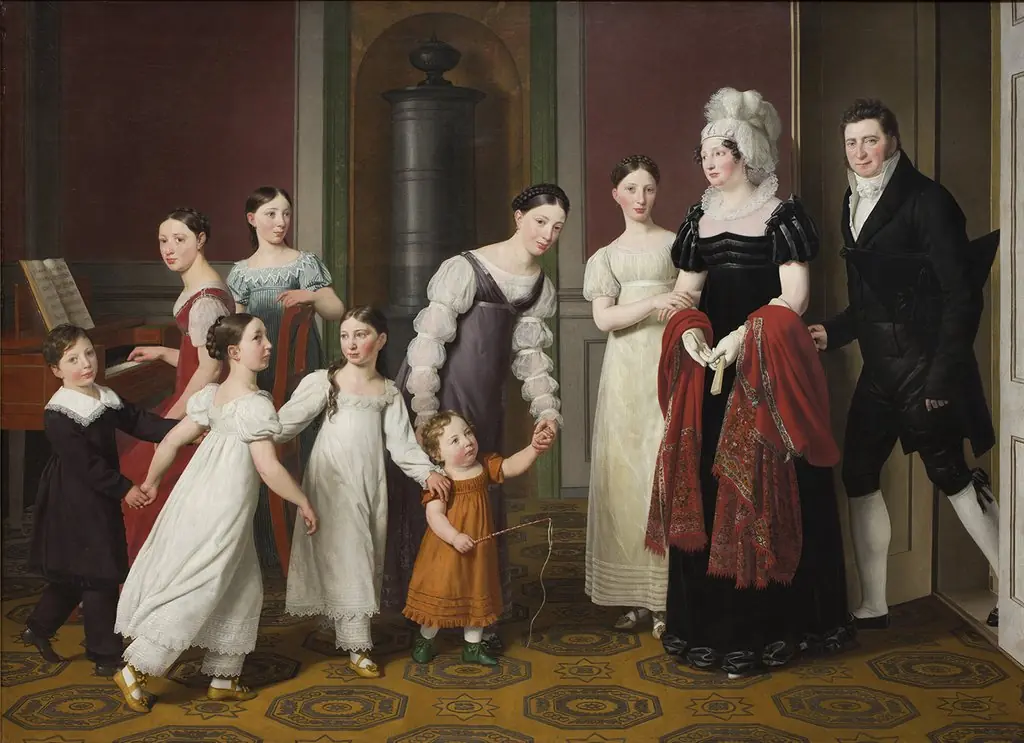 Familien Nathanson
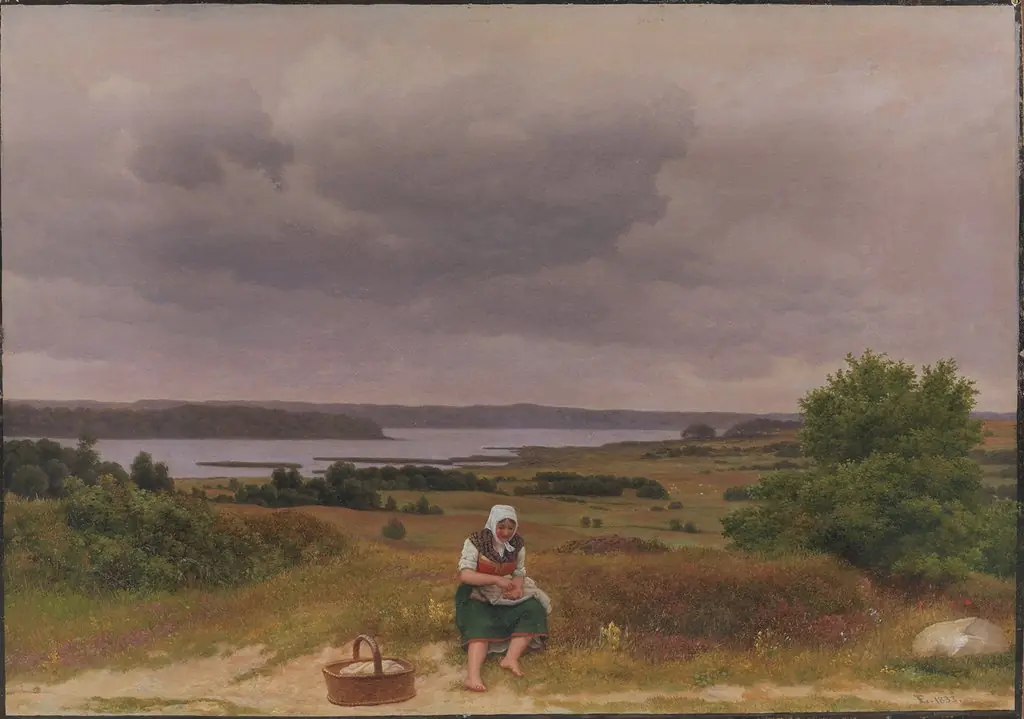 View of Lake Fure near Rudersdal, North Sealand.
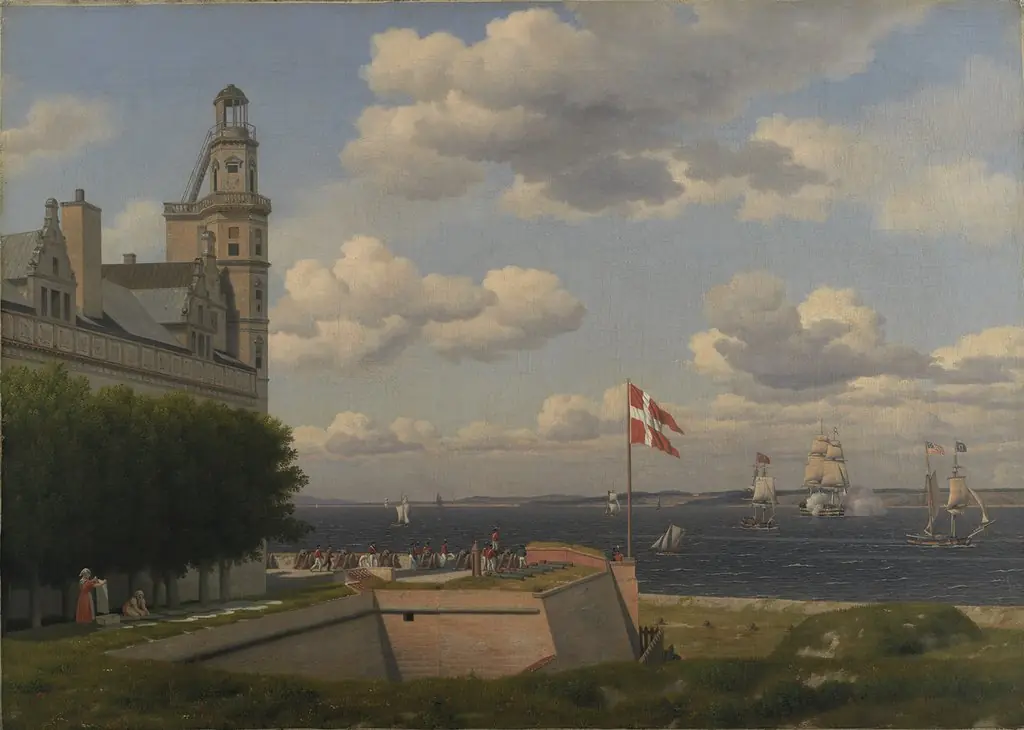 A View towards the Swedish Coast from the Ramparts of Kronborg Castle
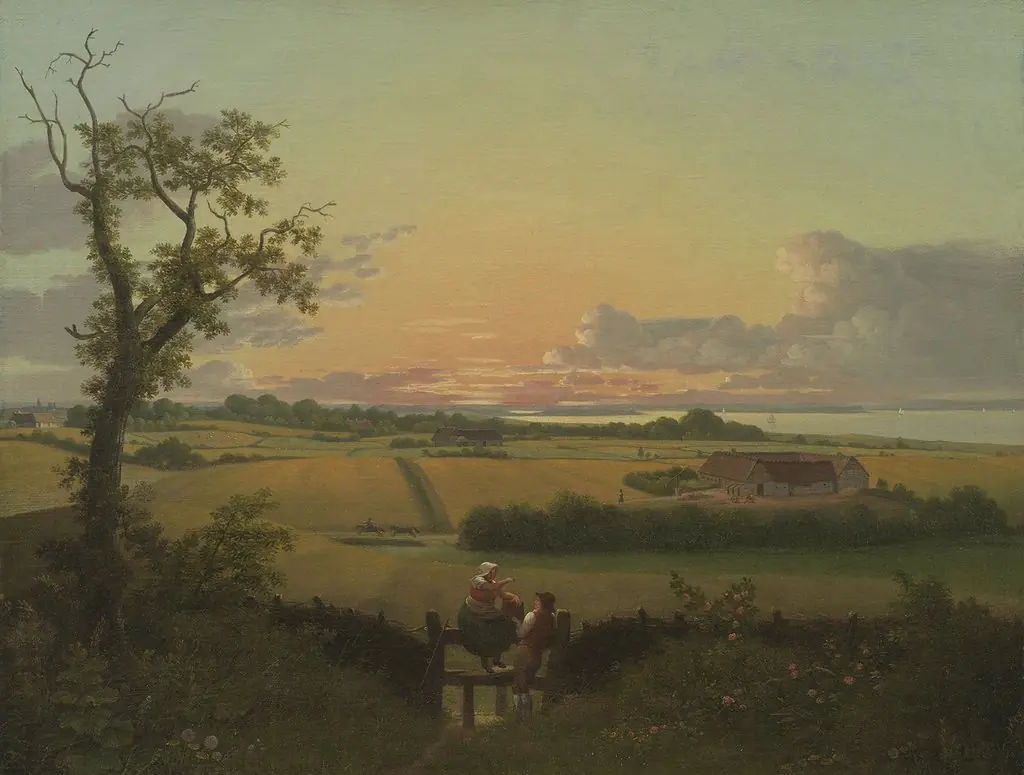 Landscape with a Stile. The Isle of Møn
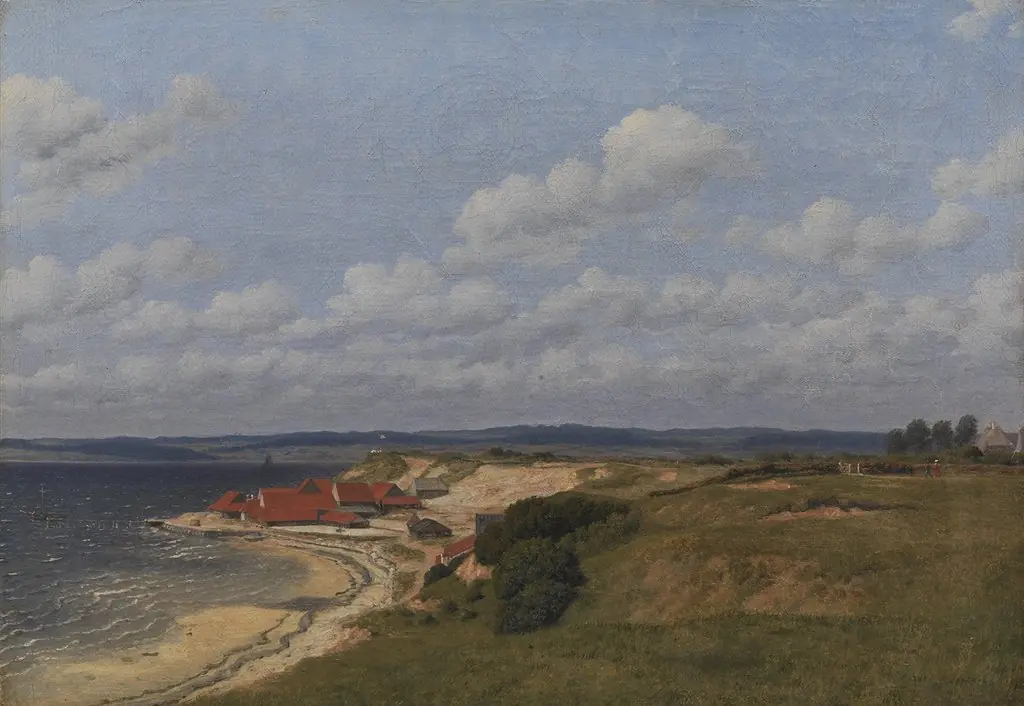 Renbjærg Tileworks by Flensburg Fiord
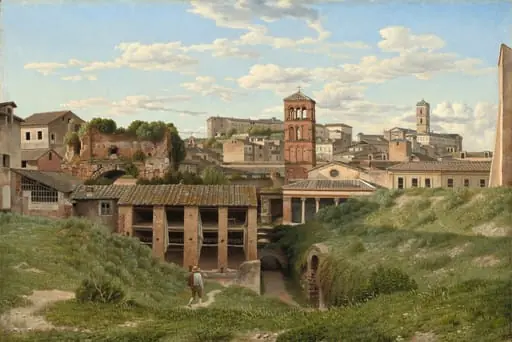 View of the Cloaca Maxima, Rome
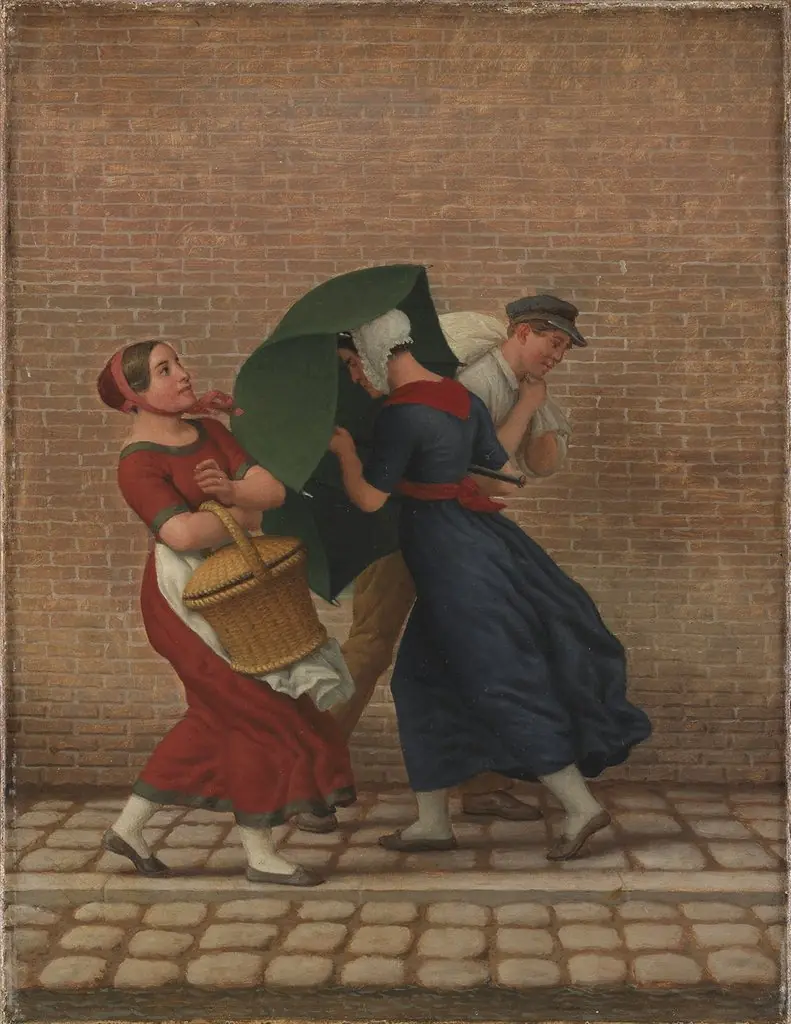 Street Scene in Windy and Rainy Weather
- Self-Portrait
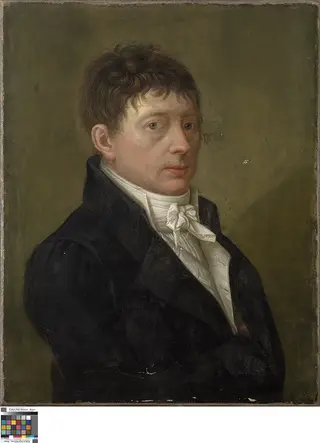 Portret van een man
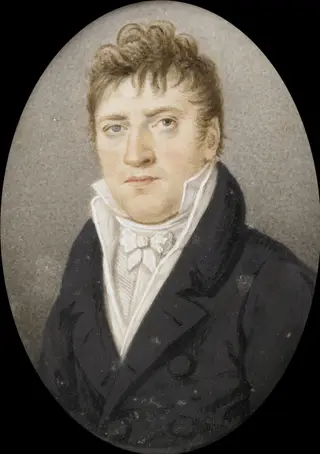 Portrait of Georg Albrecht Diederichs (1751-1816)
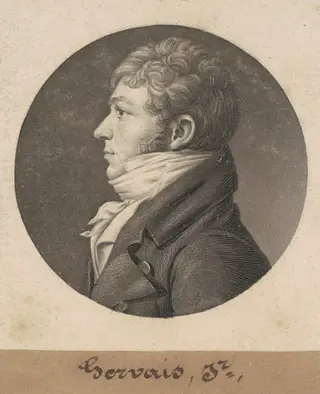 Gervais, Jr.
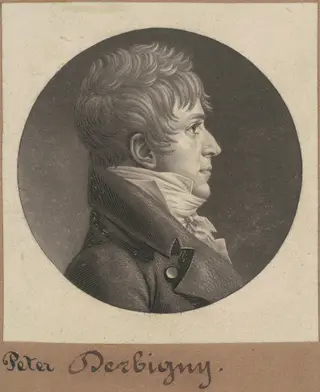 Pierre Auguste Charles Bourguignon Derbigny
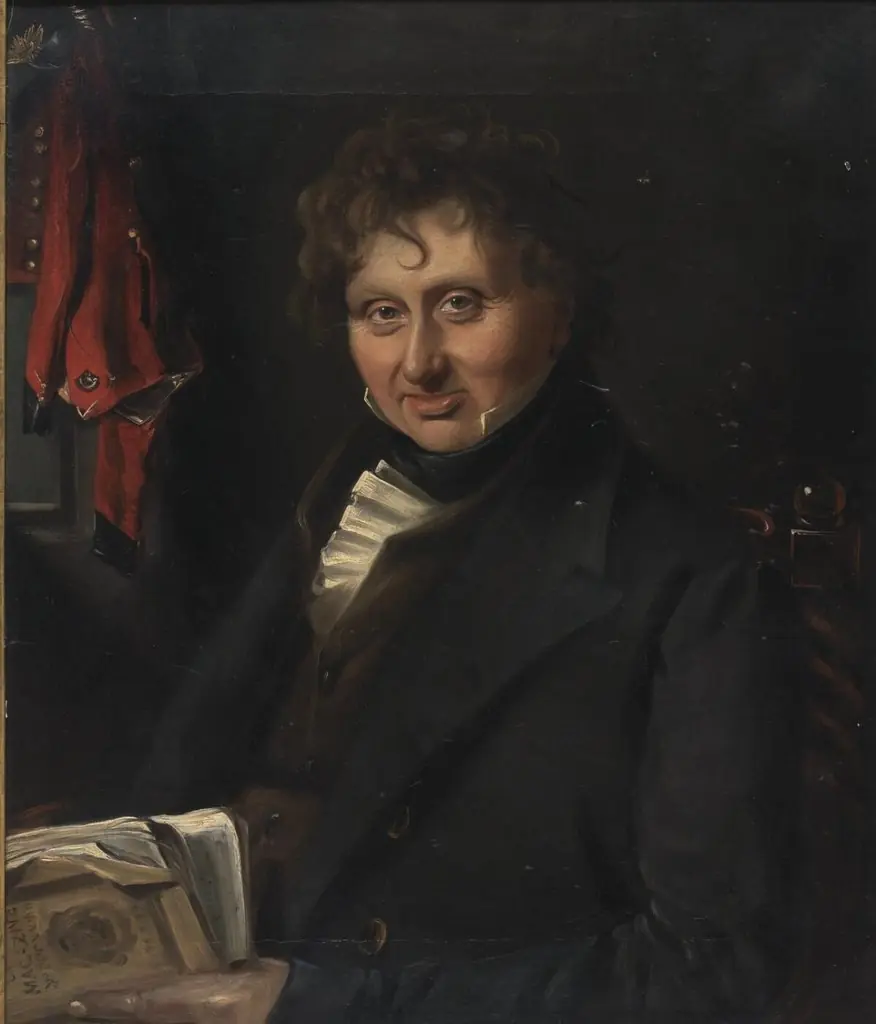 Self Portrait
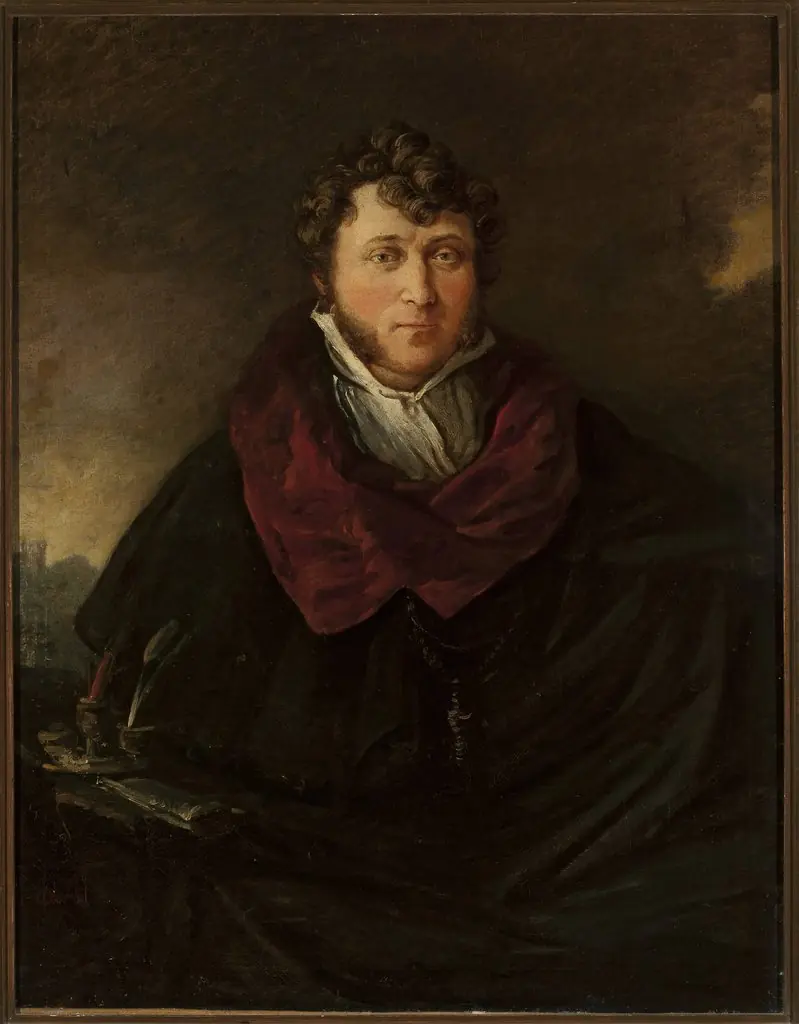 Portrait of Antoni Ostrowski
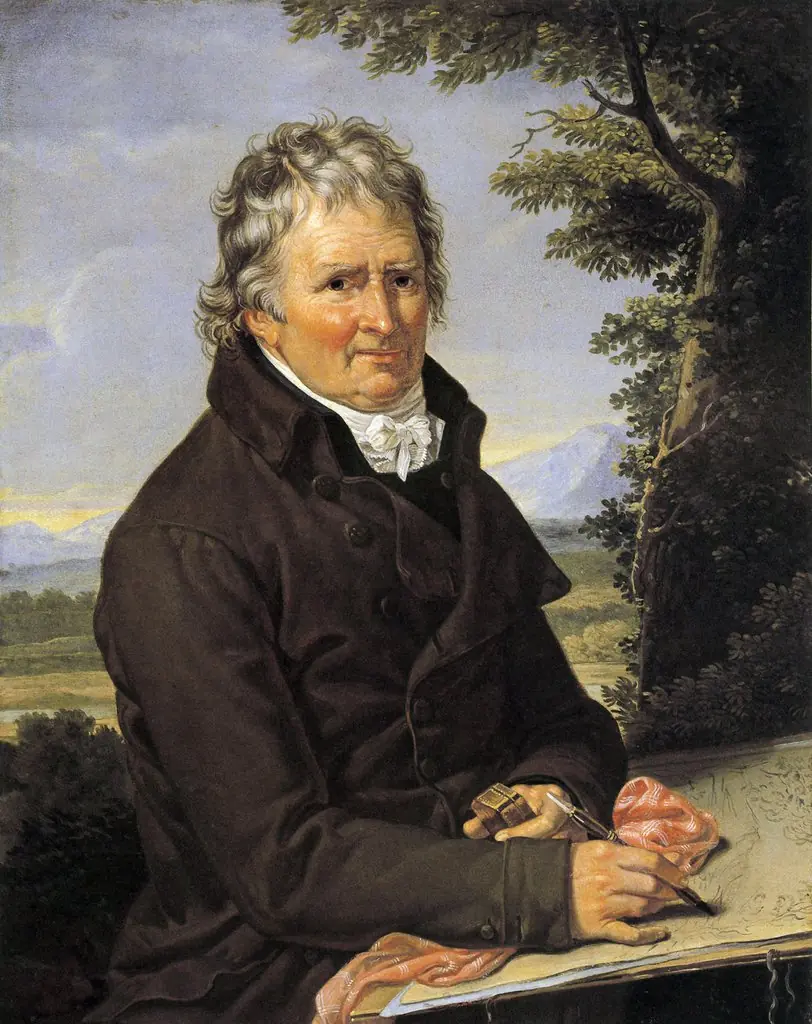 Der Maler Jacob Philipp Hackert
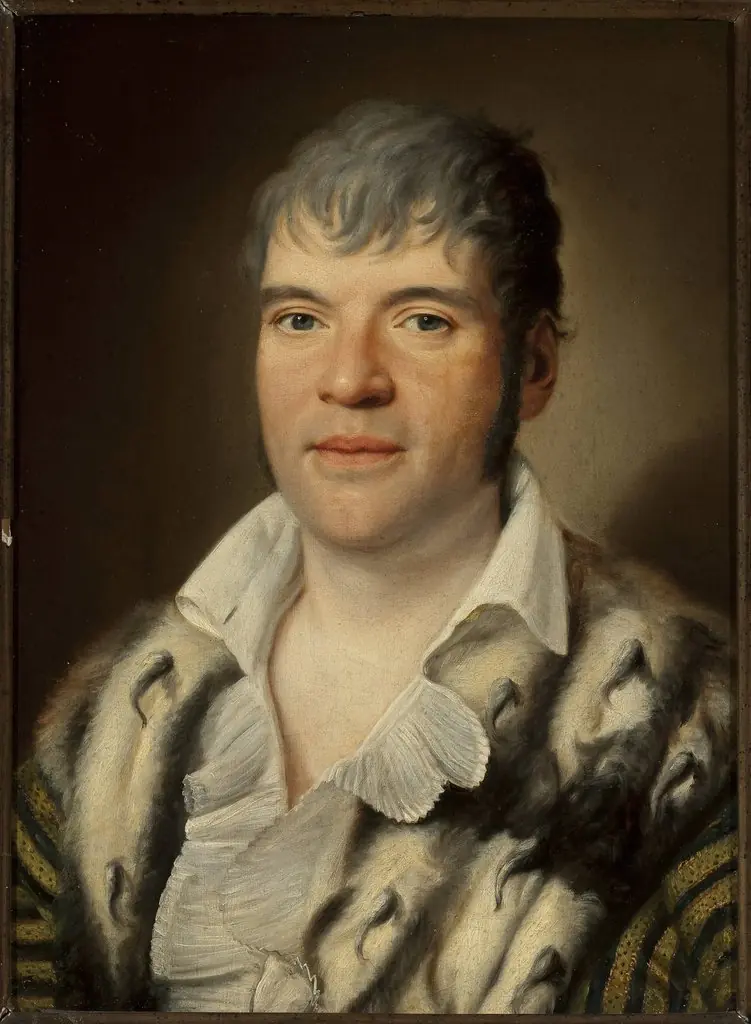 Portrait of Antoni Lesznowski (1769–1820)
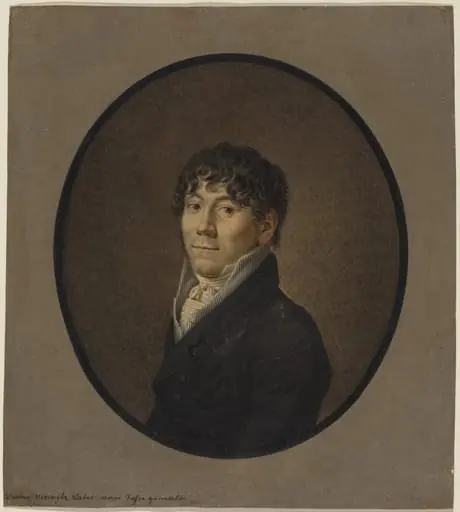 Portrait of the Artist's Father
 Portrait of Laurens de Witte van Citters, Father of Jhr. J de Witte van Citters (who bequeathed a number of family portraits to the museum)
 John Strong Adams