Artwork
The Calumny of Apelles
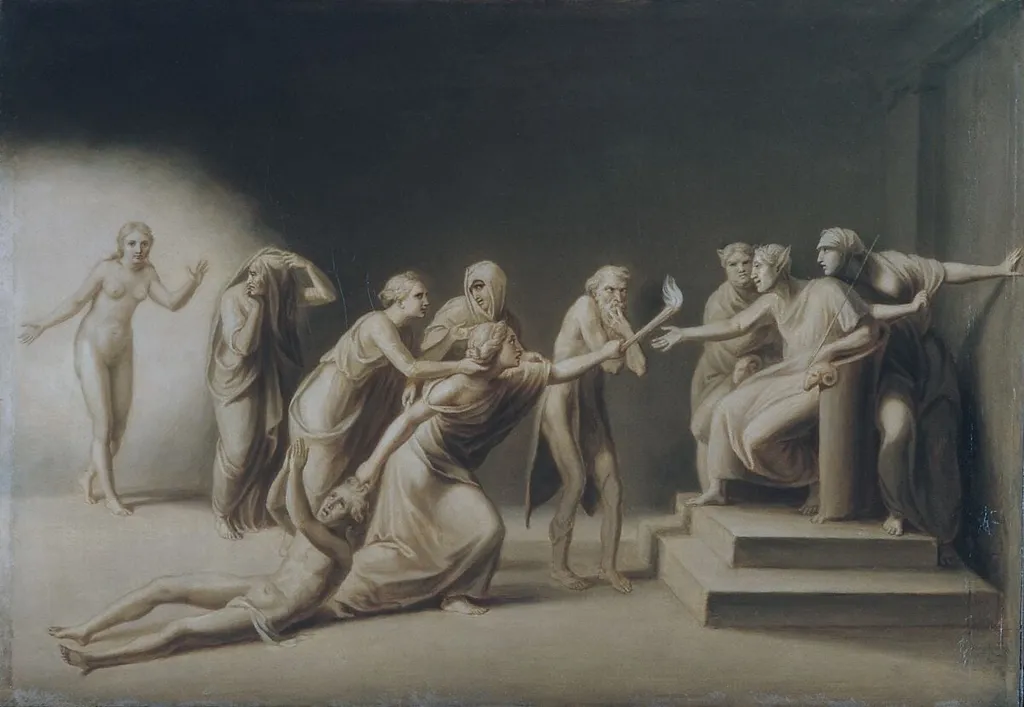
The Calumny of Apelles is an oil painting by the Romanticist artist John Vanderlyn. It dates from 1849 and is held in the collection of the Metropolitan Museum of Art.
- Accession no.
- 24.186
- Credit line
- Gift of the family of General George H. Sharpe, 1924
About this work
Subject & Meaning
The Calumny of Apelles, painted by John Vanderlyn in 1849, dramatizes the ancient story of the Greek painter Apelles, who was falsely accused of impropriety.
The Calumny of Apelles, painted by John Vanderlyn in 1849, dramatizes the ancient story of the Greek painter Apelles, who was falsely accused of impropriety. The composition centers on a nude male figure accompanied by a woman, a pairing that alludes to the allegorical elements of the tale concerning slander and artistic integrity. As a history painting in the American Wing, the work employs classical iconography to explore themes of deception and moral virtue, reflecting the mid‑nineteenth‑century interest in antique subjects.
Technique & Style
The Calumny of Apelles is an oil on canvas painting by John Vanderlyn, dated 1849. The work is executed in oil paint on a canvas support measuring 57.2 cm in height by 72.4 cm in width, a relatively modest scale typical of cabinet pictures modeled after Renaissance compositions. The painting is classified as a history painting, a genre that demanded careful handling of the human figure and narrative complexity.
Stylistically, Vanderlyn's handling reflects the Neoclassical tradition associated with the allegorical subject. The composition incorporates nude figures alongside clothed figures of men and women, requiring the artist to navigate contrasting modes of figure treatment within a single field. The work is held in the collection of the Metropolitan Museum of Art.
Context
The Calumny of Apelles is classified as a history painting and appears in The American Wing of the Metropolitan Museum of Art. Completed in 1849, the oil on canvas measures 57.2 cm by 72.4 cm. Its composition depicts a nude man alongside a woman, a subject drawn from classical antiquity that reflects the neoclassical interests of mid‑nineteenth‑century American artists. The work’s inclusion in a major museum collection underscores its significance within the trajectory of American academic art, where such subjects were employed to convey moral and historical narratives.
Scholars have noted Vanderlyn’s adaptation of European models in this piece, positioning it as a key example of how American painters engaged with historicizing themes during the period.
Overview
John Vanderlyn's 1849 oil on canvas painting, The Calumny of Apelles, draws its subject from an ancient Greek narrative. This work, part of the American Wing collection, presents a classical scene featuring multiple figures, including a nude, illustrating a timeless story of injustice and its consequences. It exemplifies the enduring appeal of mythological themes for artists and reflects Vanderlyn's engagement with historical subjects.
Artist & collection








- Lictors bring to Brutus the bodies of his sons
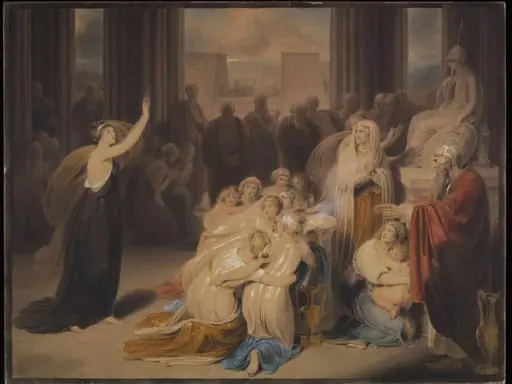 Cassandra in the Temple of Minerva
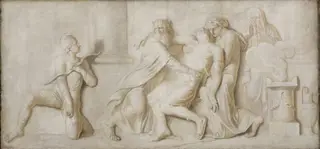 The Death of Achilles
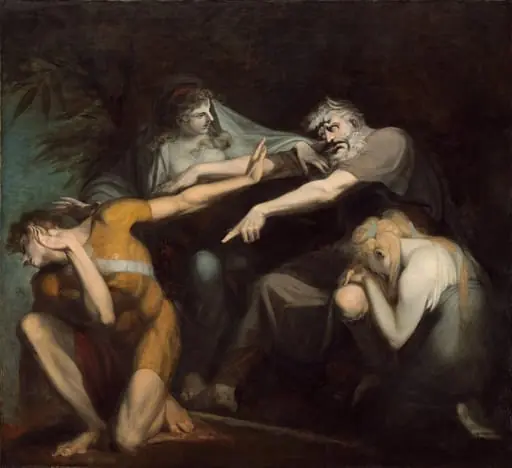 Oedipus Cursing His Son Polynices
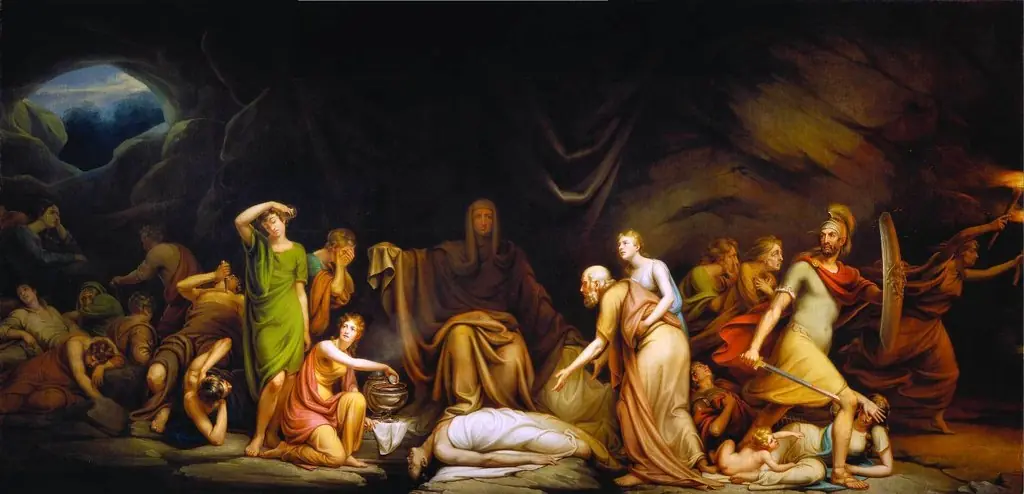 The Court of Death
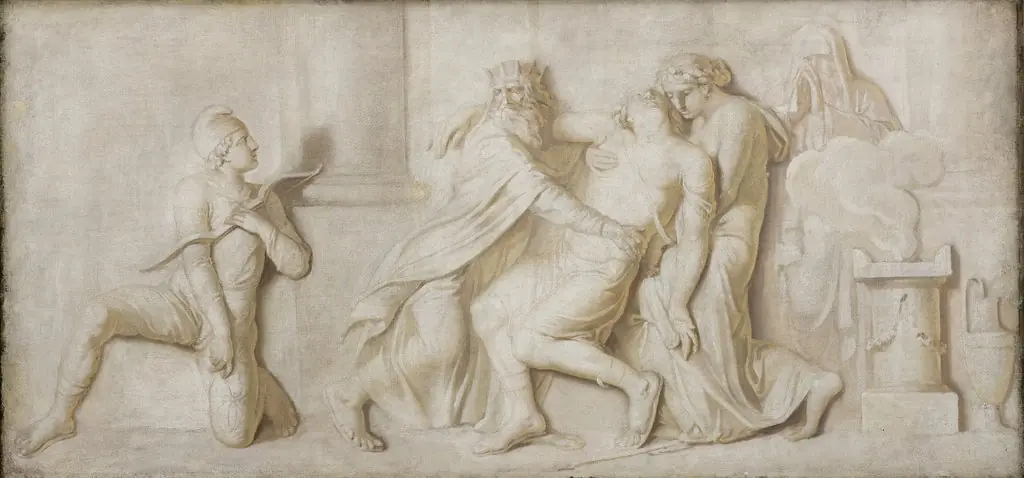 The Death of Achilles
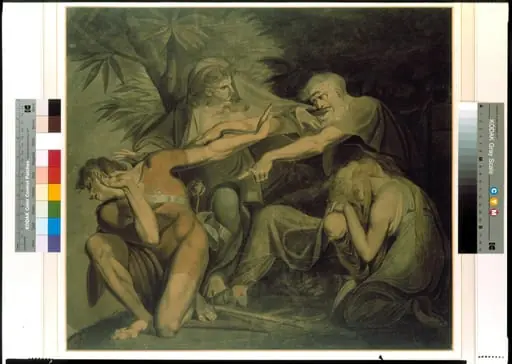 Oedipus cursing his son Polynices
 Andromache in Despair at the Sight of Hector's Body
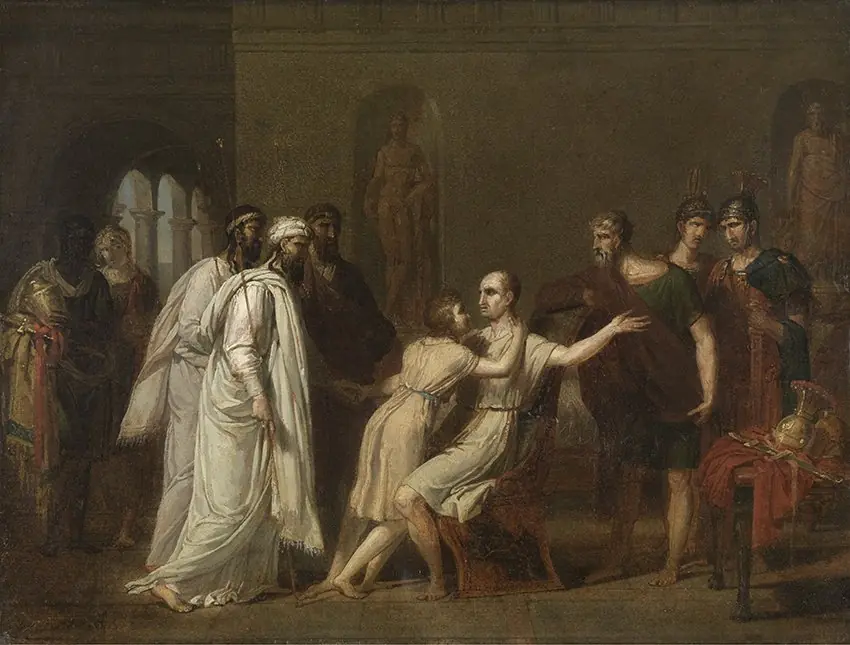 Terugkeer van Scipio's zoon
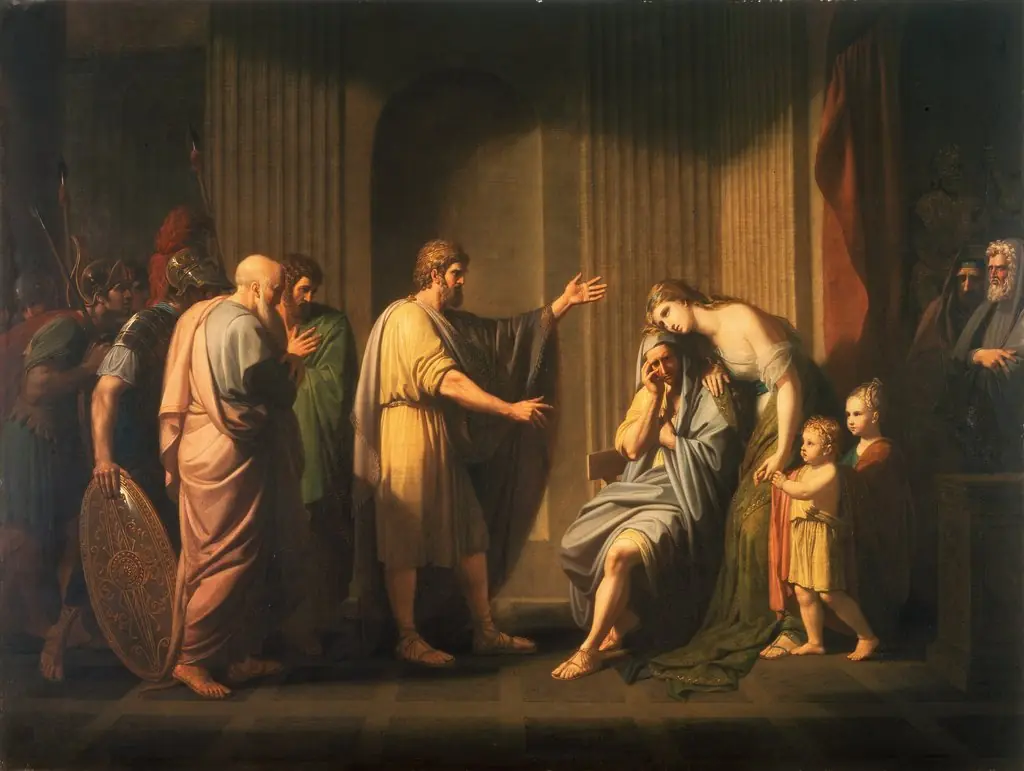 Cleombrotus Ordered into Banishment by Leonidas II, King of Sparta
 Melampe, V. akt, 9. scene
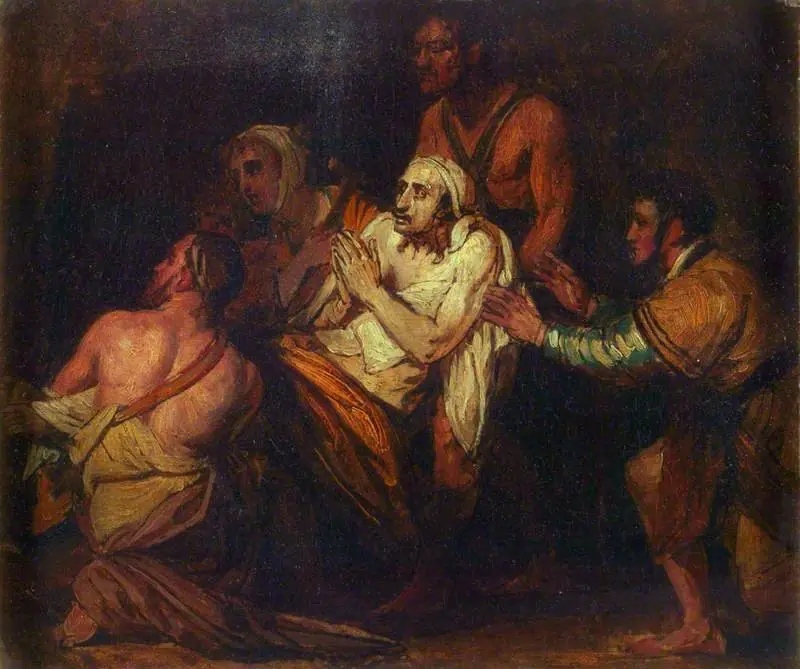 Christ Healing the Sick (sketch)