Artwork
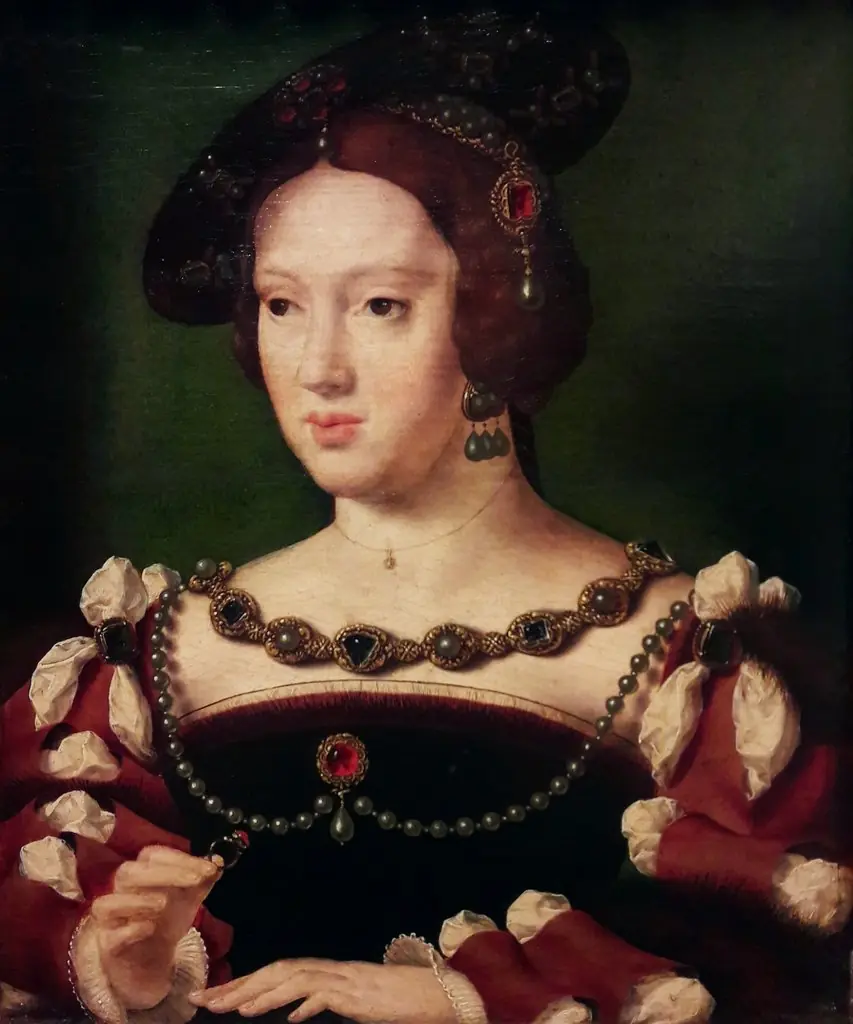
Portrait of Eleanor of Austria, Archduchess of Austria
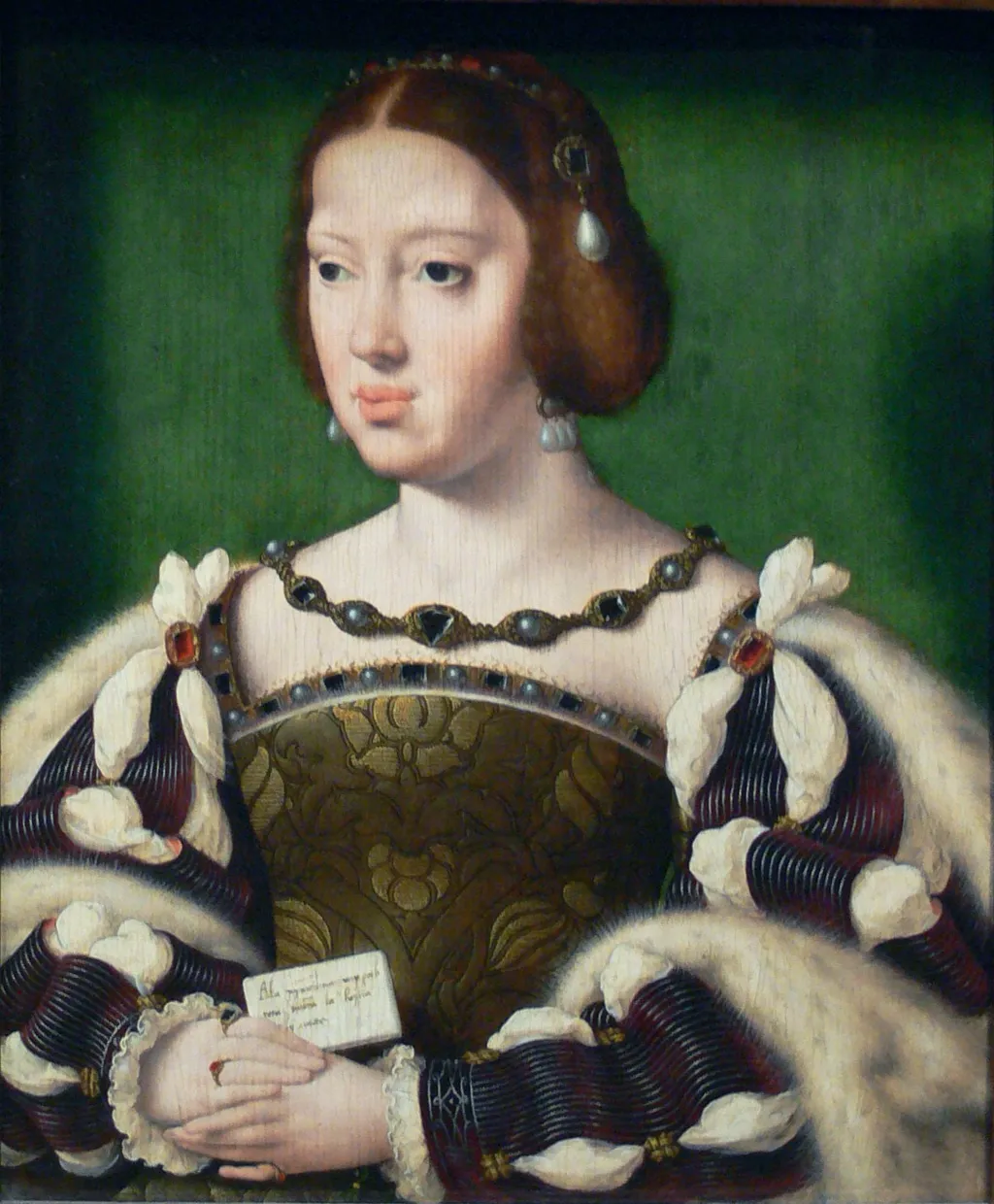
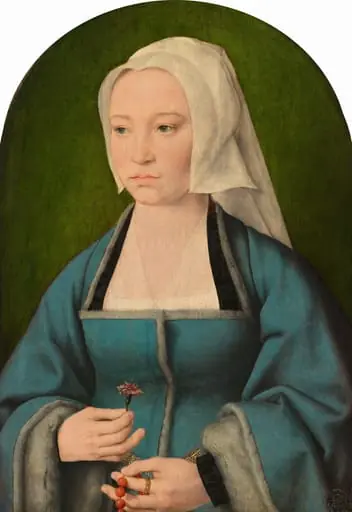
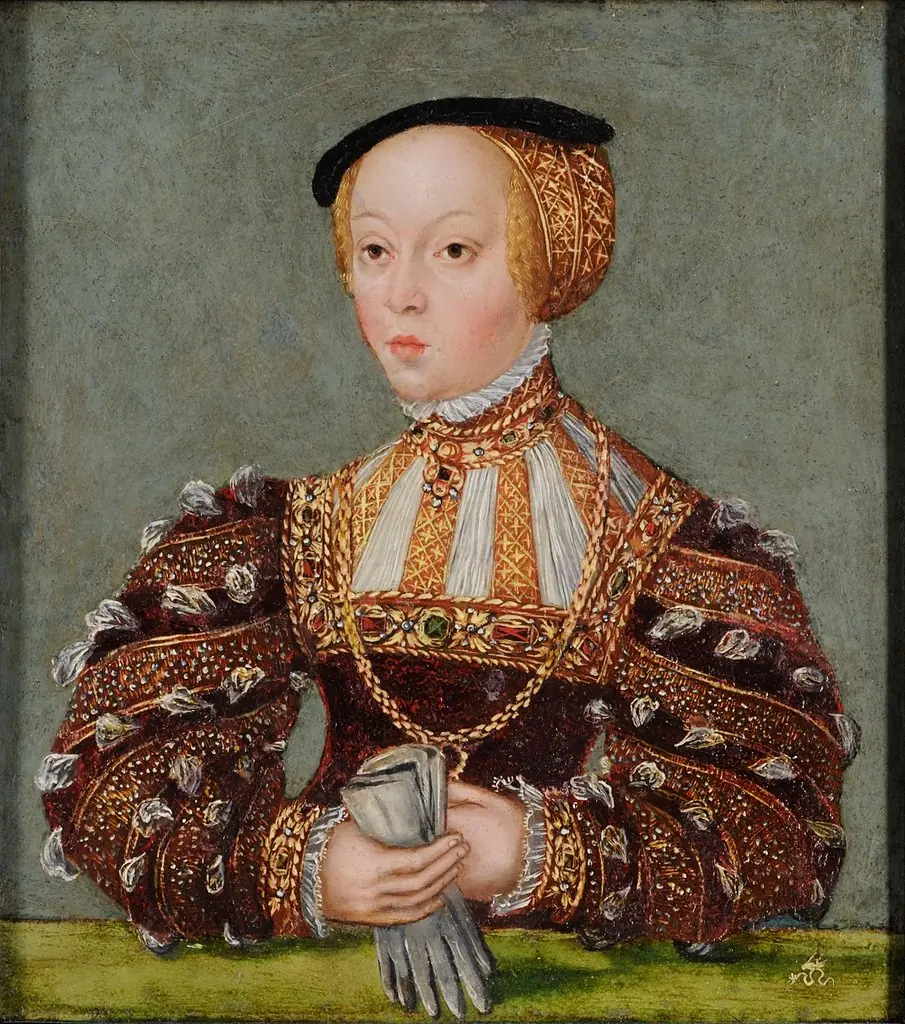
Portrait of Eleanor of Austria, Archduchess of Austria is an oil painting by the Northern Renaissance artist Joos van Cleve. It dates from 1530 and is held in the collection of the Kunsthistorisches Museum. Created circa 1530, this oil-on-panel portrait presents Eleanor of Austria, Archduchess of Austria.
About this work
Technique & Style
The small scale and portable format suggest it was designed for intimate viewing or as a personal keepsake rather than for public display.
Joos van Cleve painted this portrait in oil on a wooden panel measuring 35.5 by 29.5 cm. The small scale and portable format suggest it was designed for intimate viewing or as a personal keepsake rather than for public display. The artist employed oil paint, a medium that allowed for subtle modeling of flesh tones and detailed rendering of textures, hallmarks of Netherlandish portraiture of the period. The work exemplifies the refined, naturalistic approach characteristic of Joos van Cleve's court portraits, with careful attention to the sitter's features and elegant presentation befitting her status as Archduchess of Austria.
History & Provenance
The Portrait of Eleanor of Austria, Archduchess of Austria, was created by Joos van Cleve in 1530. Executed in oil paint on a panel, the work measures 35.5 cm in height and 29.5 cm in width. The painting depicts Eleanor of Austria and is classified as a portrait within the genre of portraiture.
It is currently held in the collection of the Kunsthistorisches Museum. The work has been included in exhibitions such as Francis I and the art of the Netherlands.
Context
Joos van Cleve painted this portrait of Eleanor of Austria, Archduchess of Austria, in 1530, depicting her as a dignified figure within the tradition of Northern Renaissance portraiture. The work, executed in oil on panel, measures 35.5 cm by 29.5 cm and belongs to the Kunsthistorisches Museum's collection in Vienna, where it has been part of exhibitions exploring Renaissance portraiture and imperial connections in Central Europe. Scholarship emphasizes its role in documenting Habsburg familial alliances and its significance within van Cleve's broader oeuvre as a leading figure in 16th-century Antwerp painting.
Its inclusion in exhibitions such as 'Francis I and the Art of the Netherlands' underscores its importance in contextualizing cross-border artistic exchanges of the period.
Legacy
The portrait remained in the collection of the Kunsthistorisches Museum in Vienna, where it was featured in the exhibition "Francis I and the Art of the Netherlands," underscoring its role in shaping perceptions of Habsburg portraiture. Its composition influenced later depictions of imperial women, particularly in the rendering of regal attire and symbolic accessories, a legacy documented in museum records and scholarly discussions of 16th‑century Netherlandish portraiture.
Overview
Created circa 1530, this oil-on-panel portrait presents Eleanor of Austria, Archduchess of Austria. Executed by Joos van Cleve, a prominent Antwerp painter, the work now belongs to the Kunsthistorisches Museum’s collection.
Subject & Meaning
The sitter is shown in sumptuous attire: a dark patterned gown beneath a fur‑trimmed cloak, a heavy gemstone necklace, and modest earrings. She holds a small, possibly inscribed, paper in gloved hands, a conventional attribute suggesting literacy or a personal message.
Artist & collection
Artist
Joos van Cleve (; also Joos van der Beke; c. 1485–1490 – 1540/1541) was a leading painter active in Antwerp from his arrival there around 1511 until his death in 1540 or 1541. Within Dutch and Flemish Renaissance…